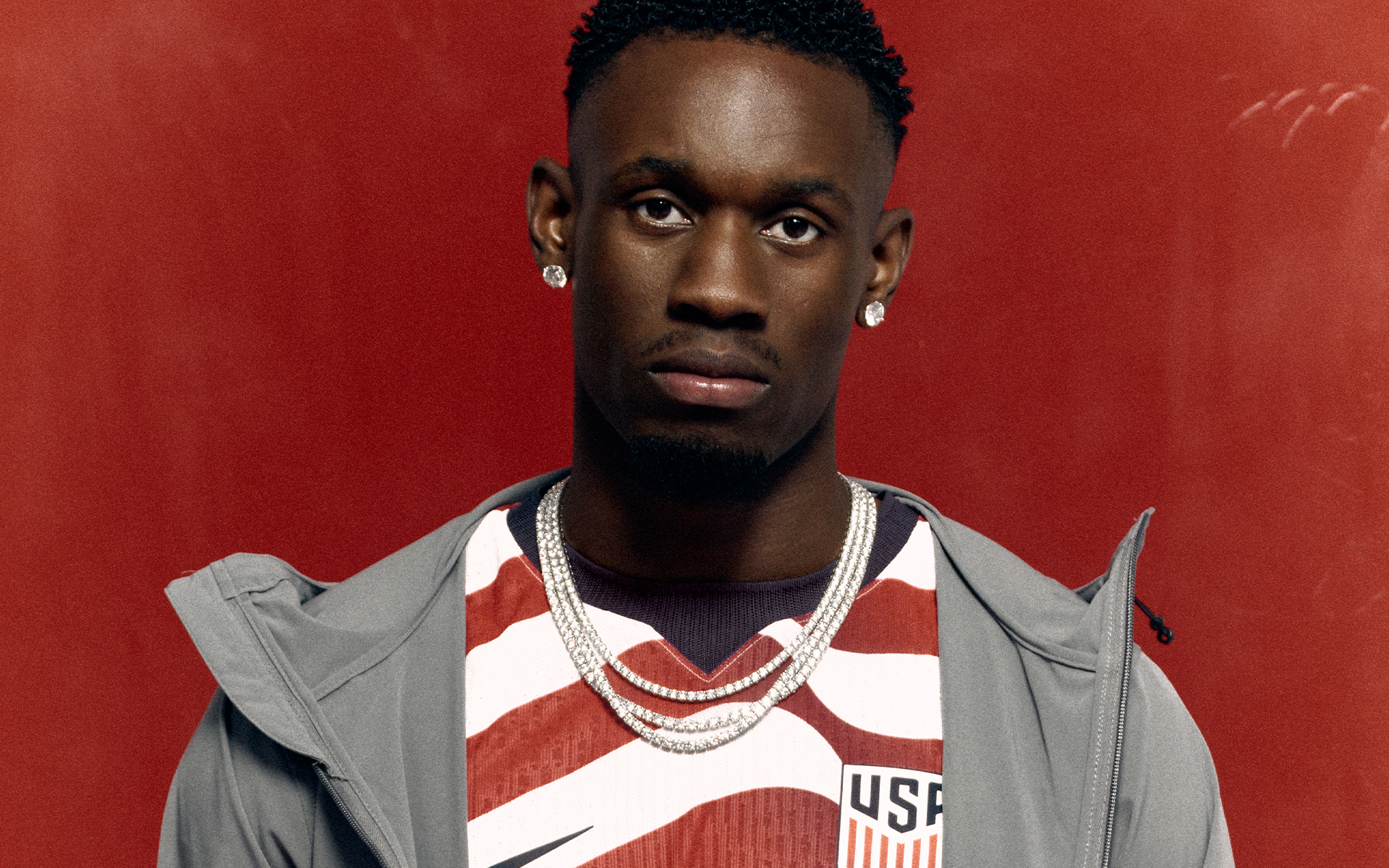
Folarin Balogun knows what pressure feels like. He has grown up with it, played through it, moved because of it, and, more recently, learned how to make it work for him.
Born in New York and raised in London, Balogun’s career has always carried a certain duality. There was the Hale End education at Arsenal, the breakout loan at Reims, the move to Monaco, and then the international decision that turned him from a player with options into one of the faces of a new USMNT era.
This summer, the World Cup arrives in America, and Balogun goes into it not as a promising outsider, but as a striker expected to make things happen.
For Balogun, the journey has never been about taking the obvious route. It has been about leaving when it felt right, adapting when it got uncomfortable, and trusting the version of himself that first decided, aged 11 or 12, that football had to be everything.
Ahead of his first World Cup, we spoke to Balogun about London, America, independence, pressure, fashion, and what it means to be the wild card.
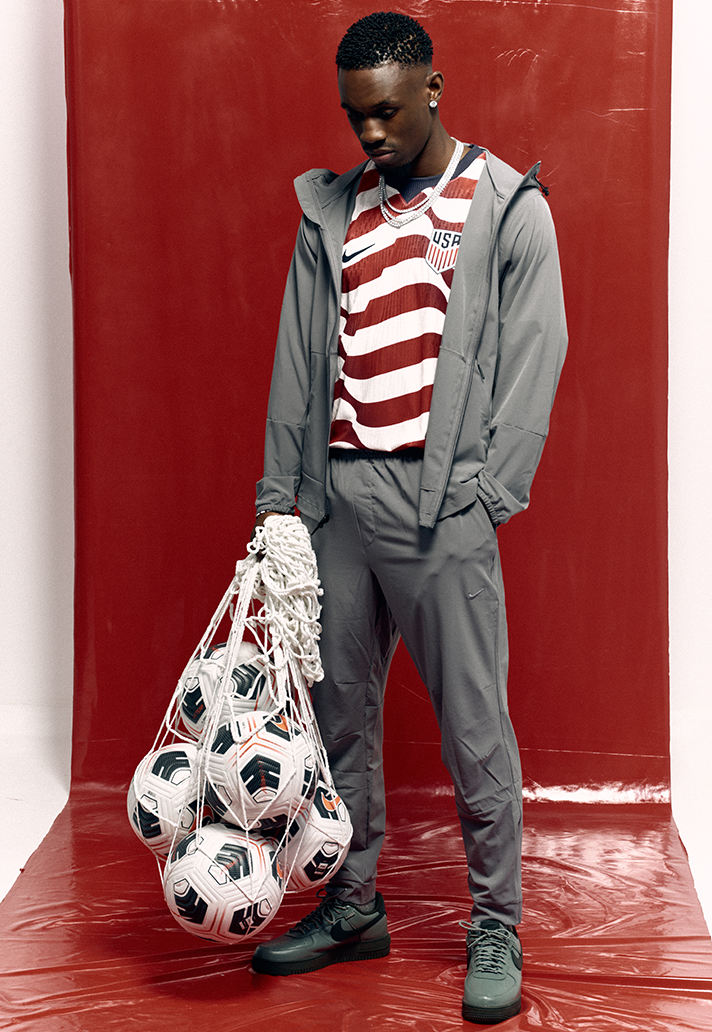
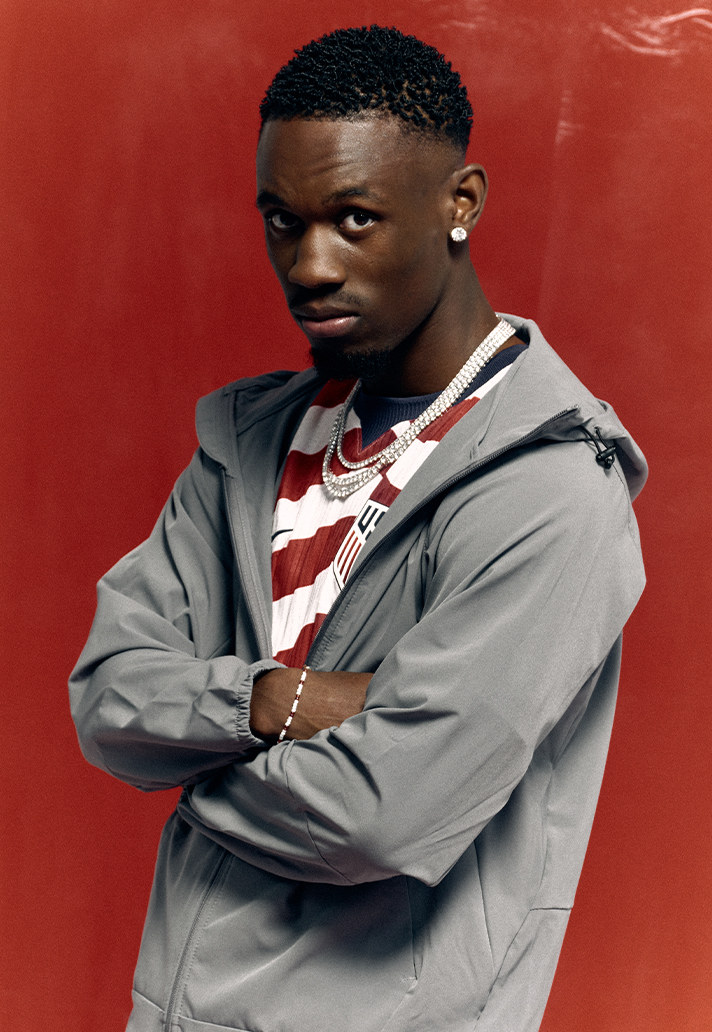
You’ve lived between London and the US. Which city shaped your edge more?
London, definitely. That’s where I grew up, where I spent most of my youth, and where my career started. But as I’ve gotten older, I’ve travelled more and spent more time in the US, so now it feels split. London built the foundation, and the US has shaped the later stages.
When did you realise you had to choose your own path rather than follow expectations?
Probably around 11 or 12. Quite young. I had a quiet moment with myself and thought, education might not be the route for you. So whatever you choose, you’ve got to commit fully and give it everything.
What does independence mean to you?
Independence is having the freedom to do what you want, when you want, but also understanding that real life doesn’t always work like that. For me, it’s about having the courage to express yourself within your role and your work.
You’ve made bold career moves. How do you know when it’s time to leave?
Sometimes you don’t know. You just have to do what feels right for you. If you believe in your decision, even when things get tough, you’ll find a way through. That’s always been my mentality.
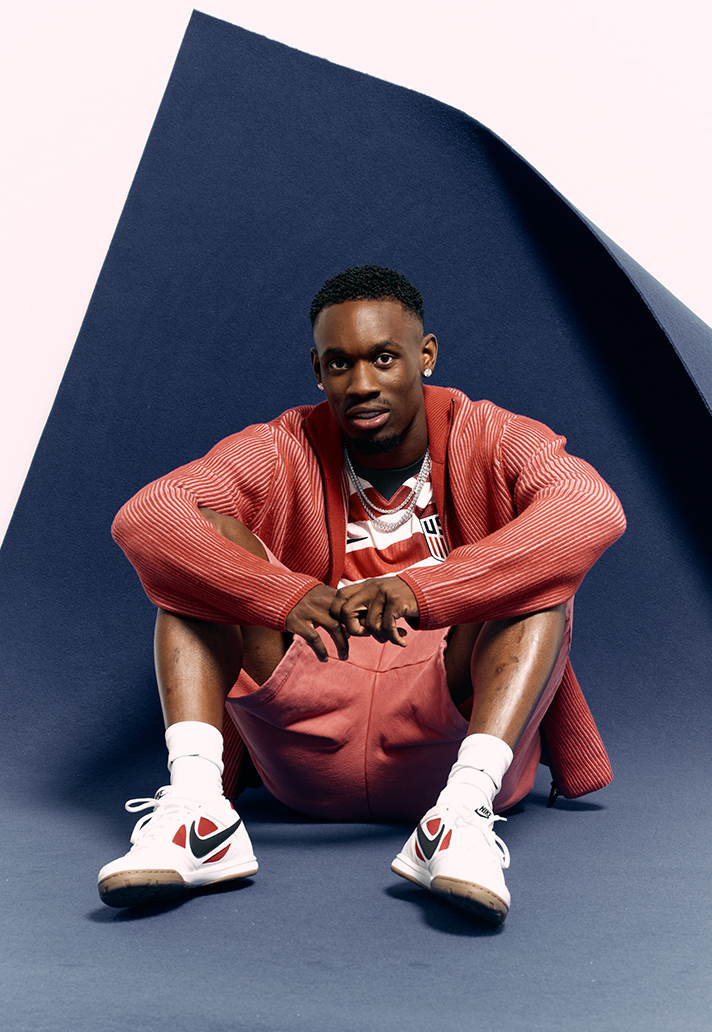
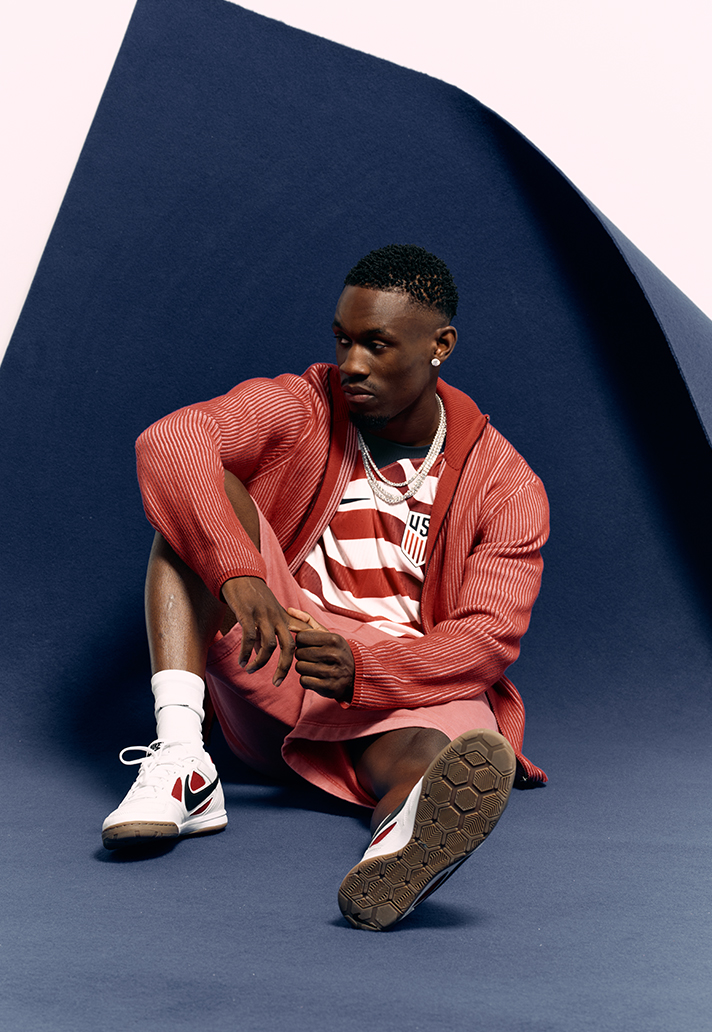
As a striker, you’re judged in moments. How do you handle that spotlight?
I wouldn’t want it any other way. It’s high pressure, but also high reward. I want to be remembered as someone who was decisive in big moments, and to do that you have to embrace the pressure.
You come across as very calm. Where does that come from?
I try to be. It comes from experiencing both good and bad times. I’ve learned to stay neutral, not get too high or too low. A lot of successful people and teammates have given me that advice too.
What do people misunderstand about you?
I’m quite quiet and reserved. Sometimes that can come across like I’m not bothered, but that’s not the case. I’m just naturally more introverted.
What’s your relationship with pressure? Do you chase it?
I wouldn’t say I chase it, but I understand its value. A lot of the good things in my life have come from being under pressure and coming through it. It’s not something I look for, but in this profession you naturally gravitate towards it.
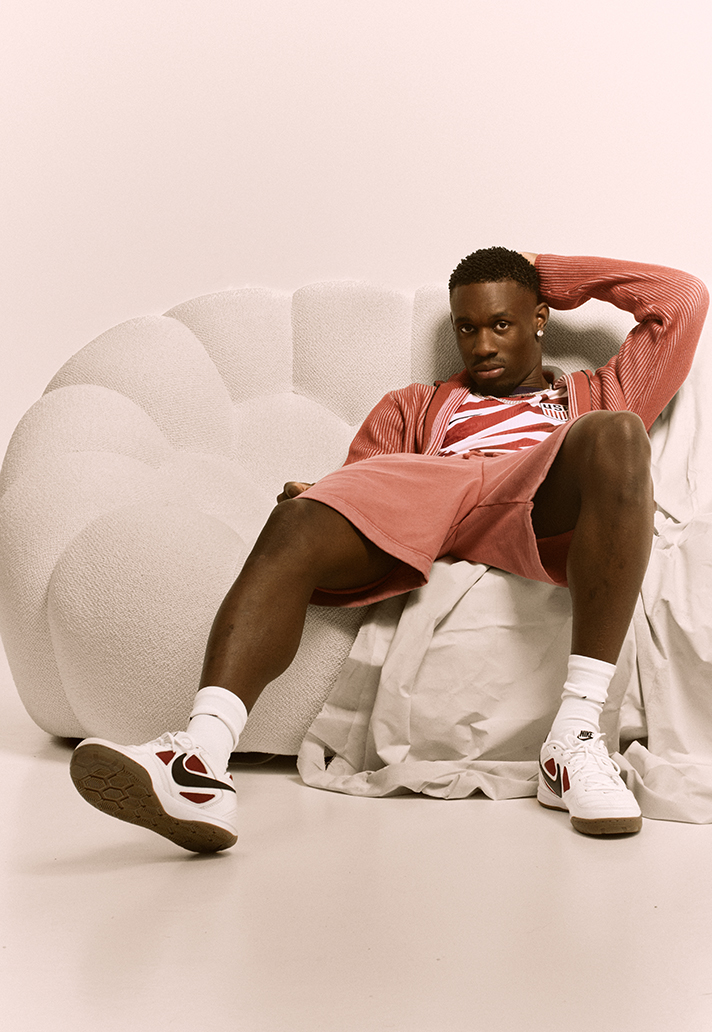
How has football influenced your taste in fashion, music and art?
Football puts you around so many cultures. Even with fashion, you look at clubs like PSG and how they’ve really pushed that side with different kits and collaborations. With music, growing up in East London, you’re always around it, hearing artists reference football. It all feels connected. It’s part of the generation I’m in.
If football didn’t exist, where would your creativity go?
Honestly, I don’t think I’d be doing much else. Football is a huge part of my life.
What’s the most important lesson Europe has taught you?
Adaptability. Living abroad for the last few years, being around different cultures, and putting yourself in uncomfortable situations teaches you to adjust. Now I feel comfortable with that.
When you imagine the World Cup stage, what emotion hits first?
Excitement. There’s going to be pressure, but like I said, that’s something I gravitate towards. It’s about doing well, making people proud, and making myself proud.
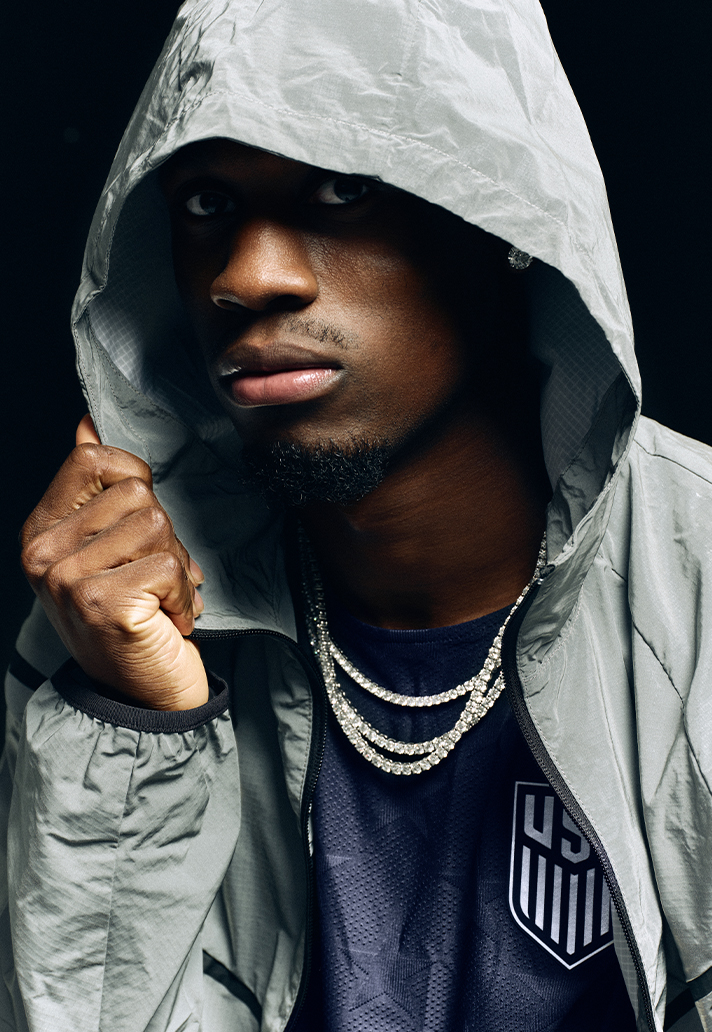
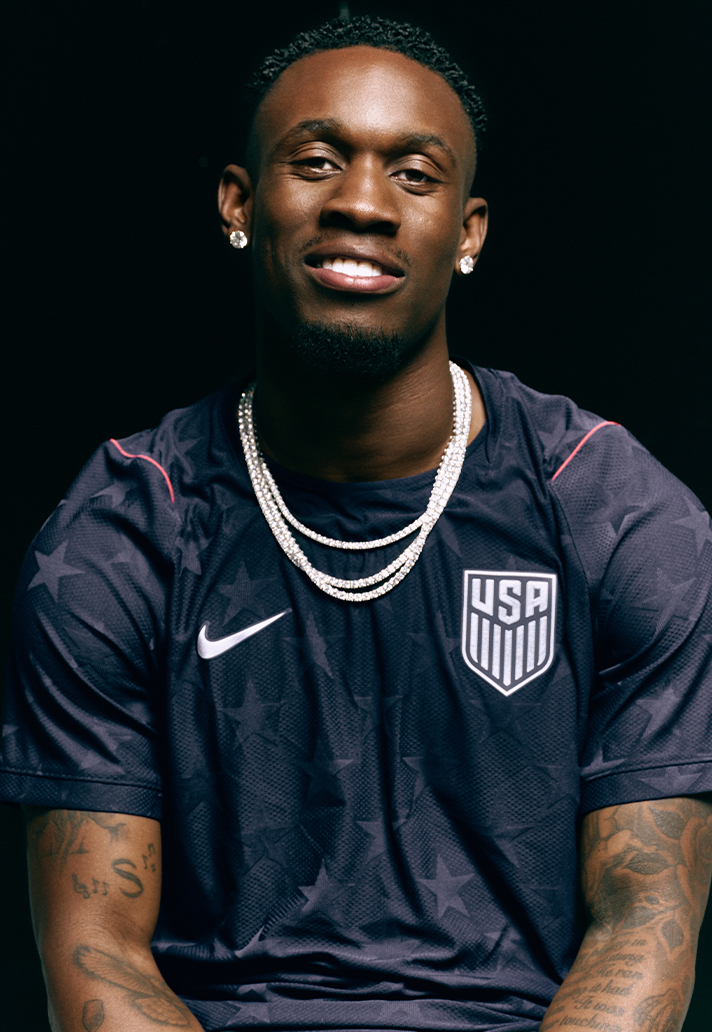
What energy do you want to bring to the US team?
Excitement. For the fans, for my teammates. It’s a big tournament and I want to bring that energy.
Ten years from now, how do you want this chapter to read?
Something I can look back on and feel proud of. Proud of the decisions I made, and confident they were the right ones.
What makes you a wild card?
My role is to finish games, to deliver in high-pressure moments. In any card game, there’s always that one card that can decide everything. I see myself like that.
And what’s the wildest chapter still to come?
The World Cup. It’ll be my first one, so that’s what I’m most excited for.