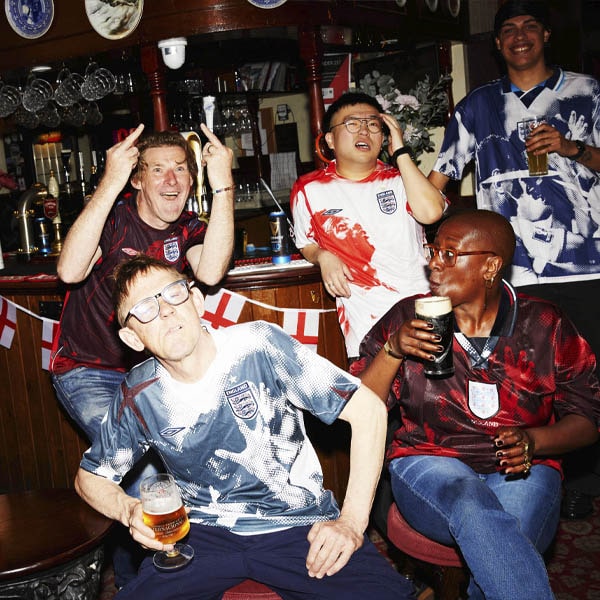
For years, football has been good at selling us things laced with nostalgia. A shirt from a particular season, say, or a boot coaxed out of retirement for a second life as an everyday shoe.
Plenty of it has been brilliant, sure, but the formula is now so familiar you can storyboard most campaigns before the collection lands. Grainy footage? Naturally. An obscure tournament? Go on then. A man in a bucket hat explaining why football looked better in 1998? Big, fat tick.
That appetite isn’t going anywhere, admittedly. What’s more interesting is what people are doing with all that attention. Independent designers are reshaping football’s wardrobe, shops are giving its communities addresses, and a new crop of founders are inventing their own reasons to get people playing.
Nostalgia still runs through plenty of it, but increasingly it’s the raw material for something with ambitions of its own. Stick with me here.
The jersey is football’s most useful creative tool, mostly because everybody knows what it means. Change its shape and you suddenly have plenty to say about allegiance and who gets to wear what.
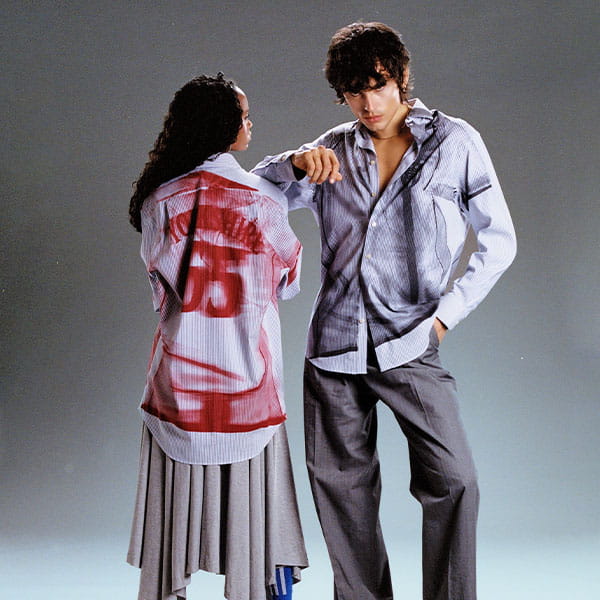
Take Hull-born designer Hattie Crowther, for example, who has turned England shirts into corsets and football spacer mesh into dresses. The fabric still arrives with all its old associations, but whoever’s wearing it gets something new.
Elsewhere, Cossa NY’s founders knot and embellish vintage jerseys into one-offs built around the idea of uniform, while Systemarosa, founded by Naomi Accardi and Sam Herzog, works between a vintage research archive and its own jersey capsules.
The archive hasn’t gone anywhere. What’s changing is the creative decision of what you do once you’ve opened it. Anyone can put a jersey in a collection, but building a coherent label around a personal relationship with the game takes more thought. Taken together, these projects hint at a broader idea of what football clothes can look like, and whose experiences they can express.
The same ambition is showing up in the places built around football, too. Creative football crowds have always needed somewhere to gather, but what’s striking now is how deliberately these rooms pull different strands of the culture under one roof.
Systems of Play in Hackney, East London, is the new spot from Matthew and Chris Dent, the brothers behind Soho Warriors and Dent Studio. Inside its metallic interior, independent labels get a physical home, and things you might otherwise discover one by one on your phone sit side by side, picked by people who know the culture behind them.
On the other side of the world, Seoul’s Nivelcrack extends its football world into a café. In Oakland, Neighborhood Sports Club puts a pitch, café and shop in one place, with a mural of jerseys painted around the grass, so playing and loitering afterwards count as the same visit.
Then there’s New York’s Football Café, from the Nowhere FC crew, which made the case for football, food and design under one roof years ago. These spaces build on an old instinct: people like somewhere their interests can coexist without having to force it.
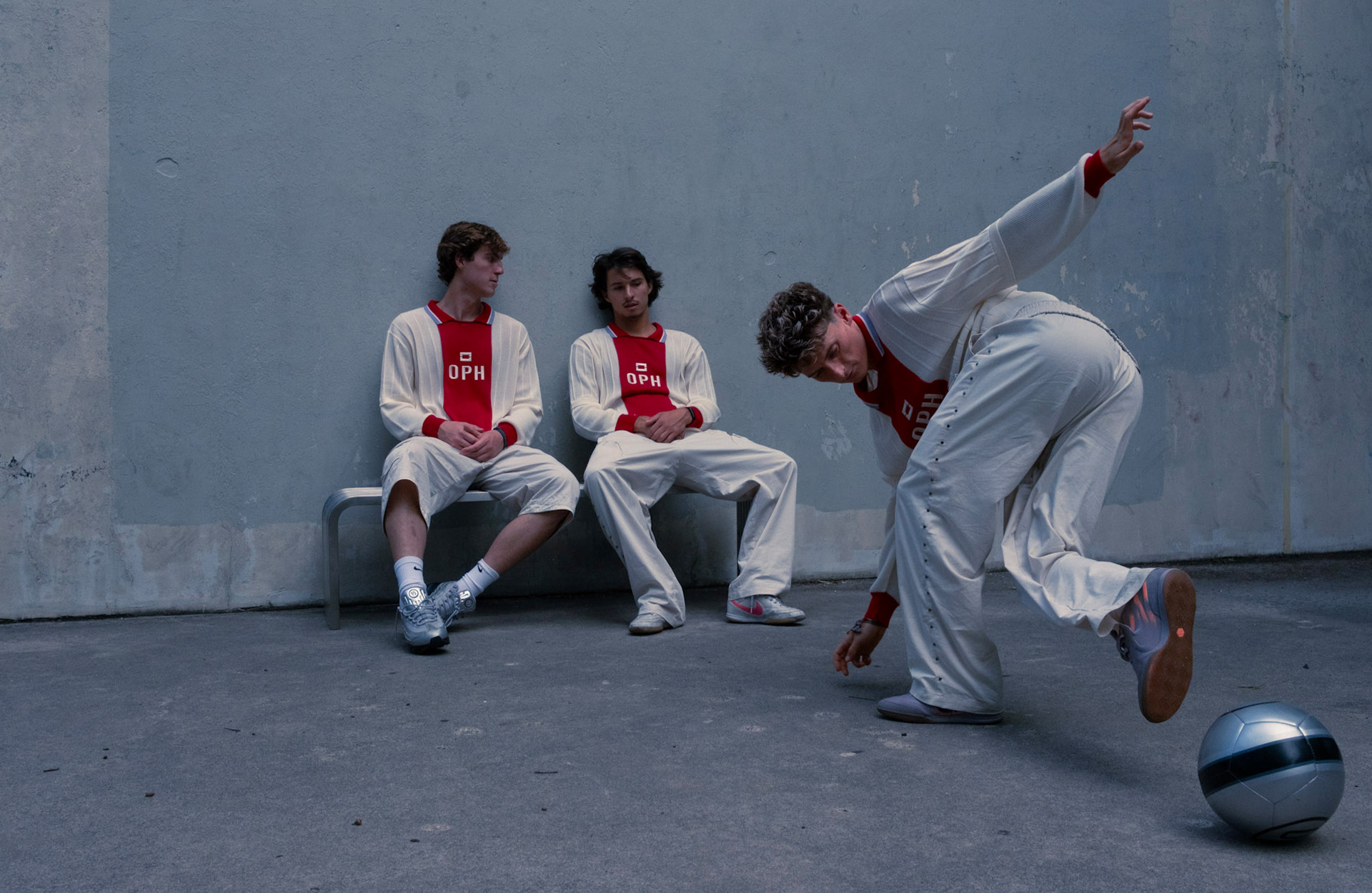
Meanwhile, OPHSIDES takes participation into the rules themselves. Founded in New York by Uyi Omorogbe and Gabriel Ruja, the brand has developed a one-on-one format that needs just a ball and a roll of tape. The founders tie the project to their experience as outsiders and their frustration with American soccer’s pay-to-play system.
The clothes and the game develop side by side. Ruja’s references include Joga Bonito-era football, skateboarding and Pharrell, and local events give the pair somewhere to see how it all behaves with real players.
Launching a football collection is hardly news these days. But launching a new game? That’s rarer, and it’s an ambitious move for an independent label: hand your audience something to play, and let people elsewhere organise their own games. That willingness to build is what ties the strongest projects together. Each spotted something it wanted from football and went and made it, whether that was a different garment or a regular place to meet.
Point is, football’s archive will keep supplying excellent material, and there are still shirts worth revisiting and stories worth retelling. But the culture around them is increasingly shaped by people with experiences of their own to contribute. And you know what? Eventually, somebody will feel nostalgic about what they’re making now, too.