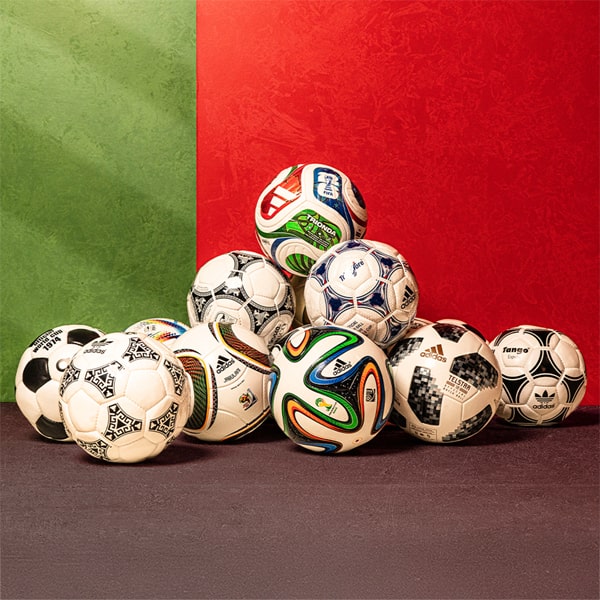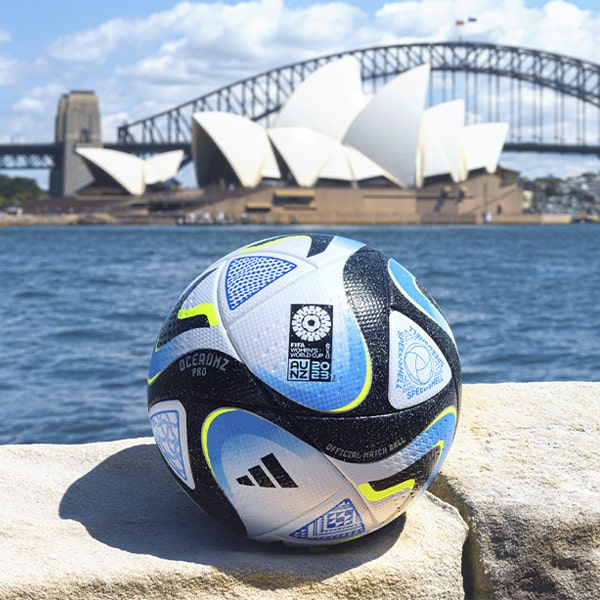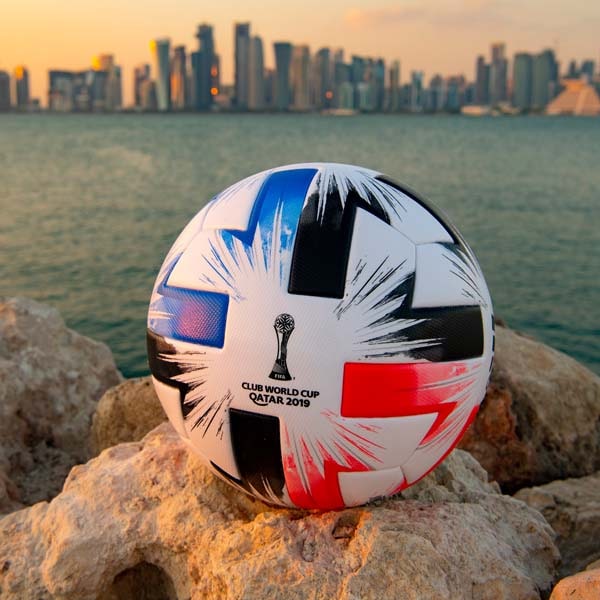
Adidas have just unveiled Trionda, the Official Match Ball for the FIFA World Cup 2026. It joins a legendary line of balls from the Three Stripes, a tradition stretching back more than half a century. So what better time to look back at a legacy that spans 14 iconic designs and countless unforgettable moments?
First, a quick quiz: who made the official World Cup ball before adidas?
Take a second.
Not easy, is it? That's because adidas have become so synonymous with World Cup footballs ever since their debut effort, the Telstar, was stroked effortlessly across the full length of the pitch by Pele and co, before being emphatically swept into the net by Carlos Alberto as Brazil beat Italy to win the tournament back in 1970. (And yes, bonus points if you remembered the Slazenger Challenge 4-Star from 1966.)
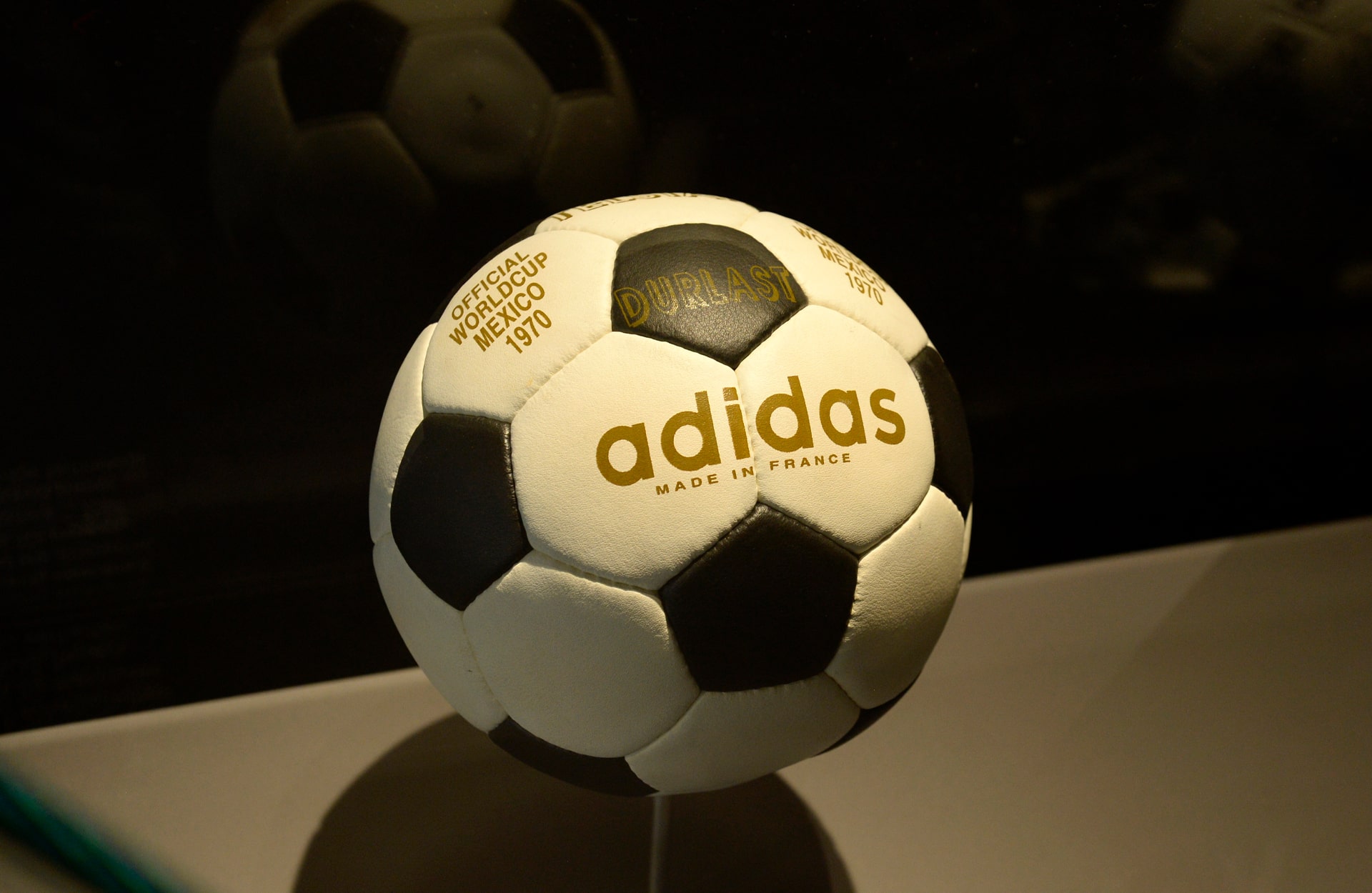
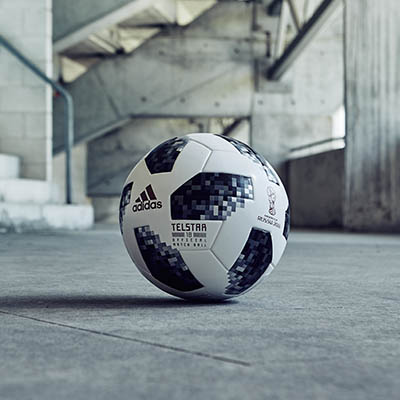
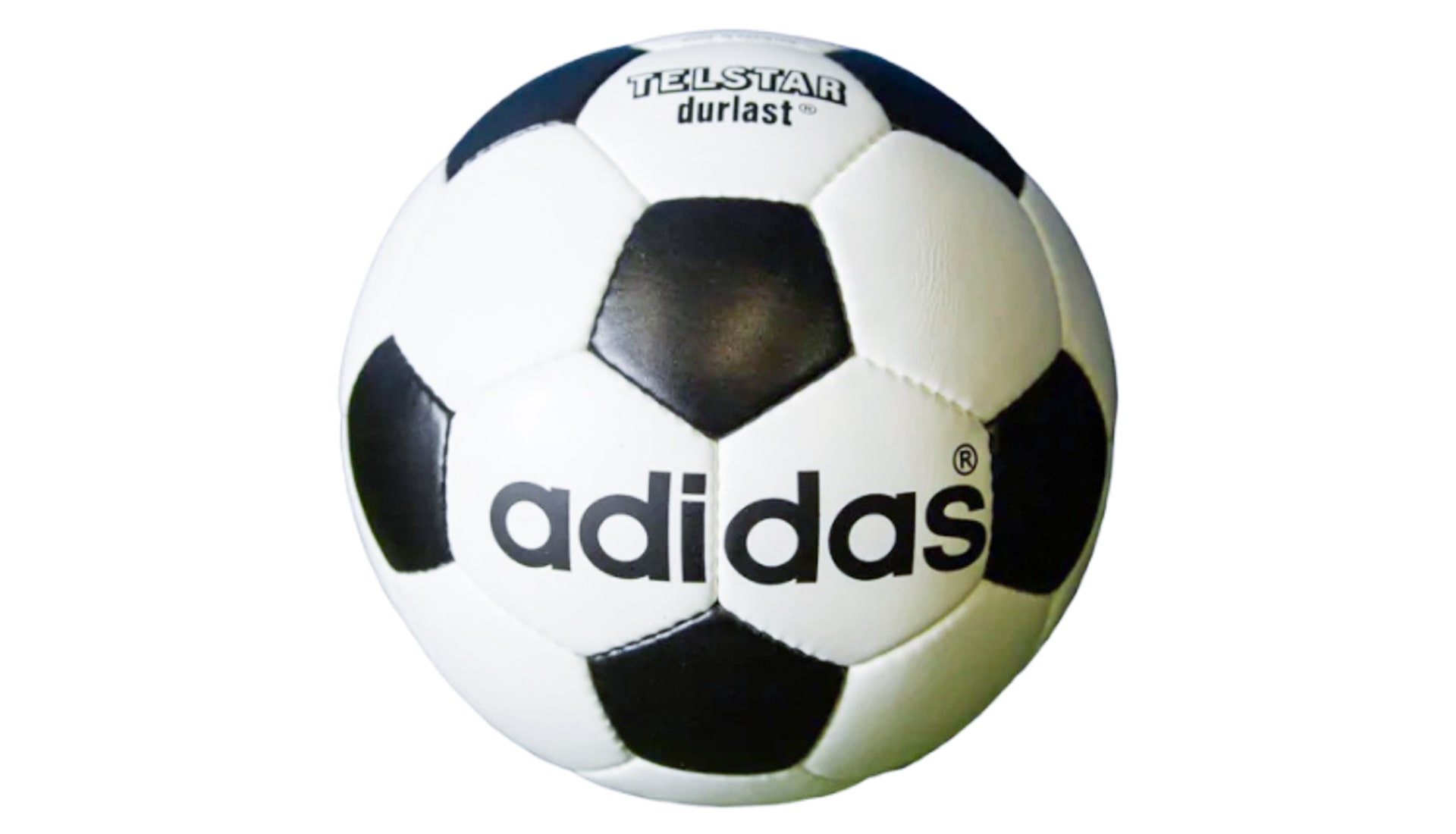
The Telstar became so recognisable that the 32-panel design, consisting of 12 black pentagonal and 20 white hexagonal panels and designed as such for visibility on black and white TV (hence the name, television star), became the standard way to portray a football in most media formats. Look up the word football in a dictionary and there will be a picture of a Telstar (if it’s a kids’ dictionary that is. You know, one that has pictures and stuff). Or better yet, simply check out an emoji for a football.
From that point, adidas and the World Cup became inseparable. Every great moment seemed tied not just to the players, but also to the ball at their feet.
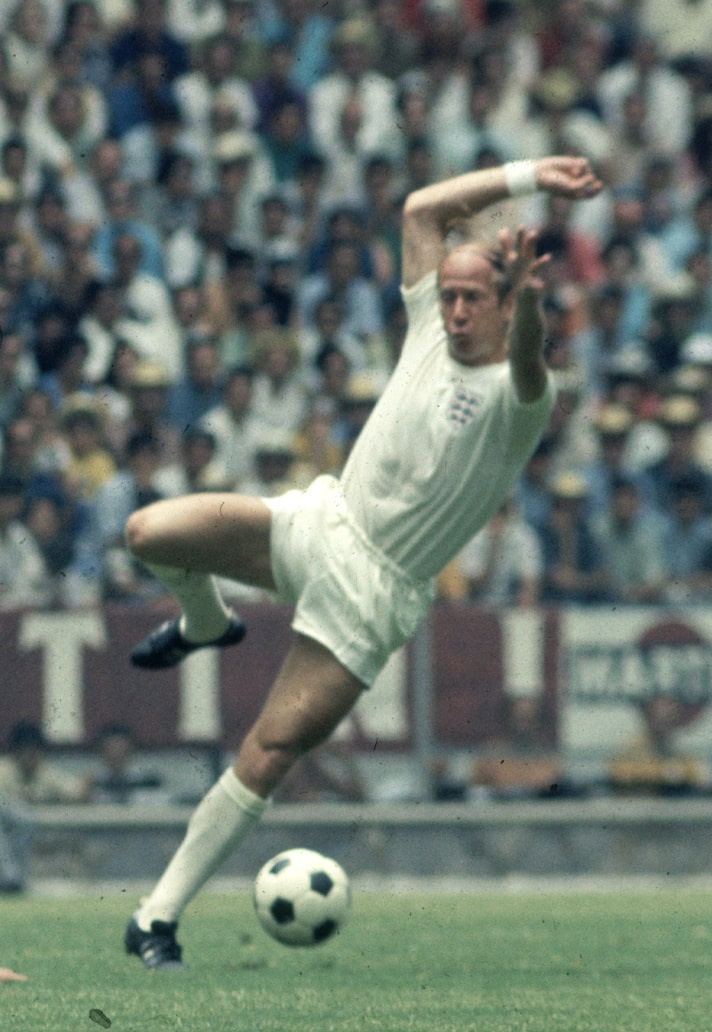
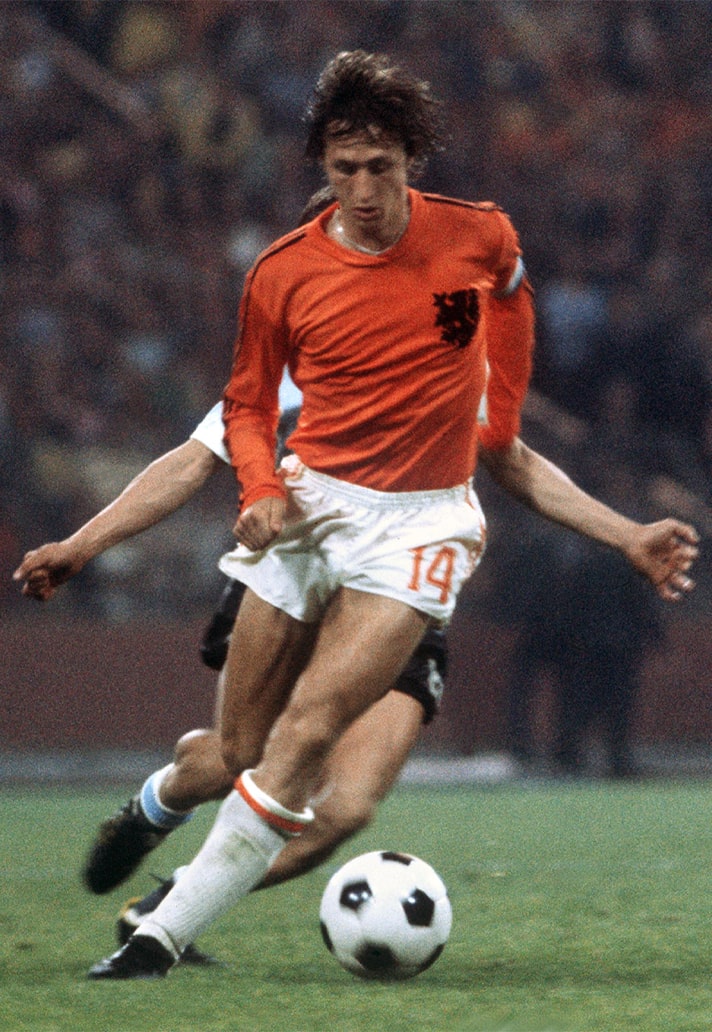
Looking back at memorable World Cup moments over the last half a century, whether good or bad, only serves to highlight the intrinsic link between the two. In 1974 for example, with the Telstar Durlast at his feet, Johan Cruyff created one of the most iconic moves the game has ever seen – so much so it was named after him – when he sold Jan Olsson the mother of all dummies with the subtlest of swerves. Following the iconic design template of its predecessor, both the 1970 and 1974 Telstar balls had a Durlast plastic coating, making the ball resistant to water and mud, with the latter adding that element to its name.
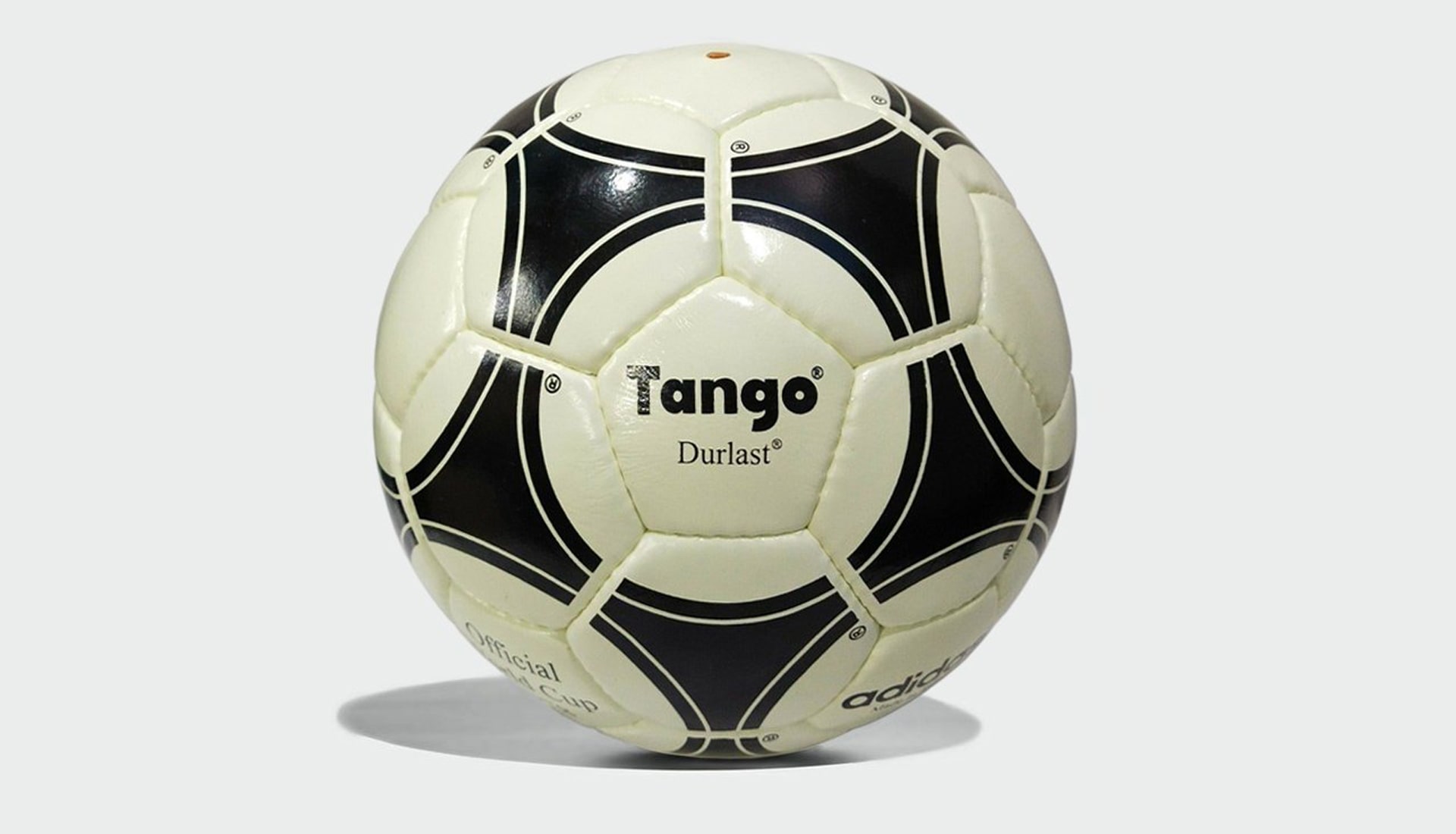
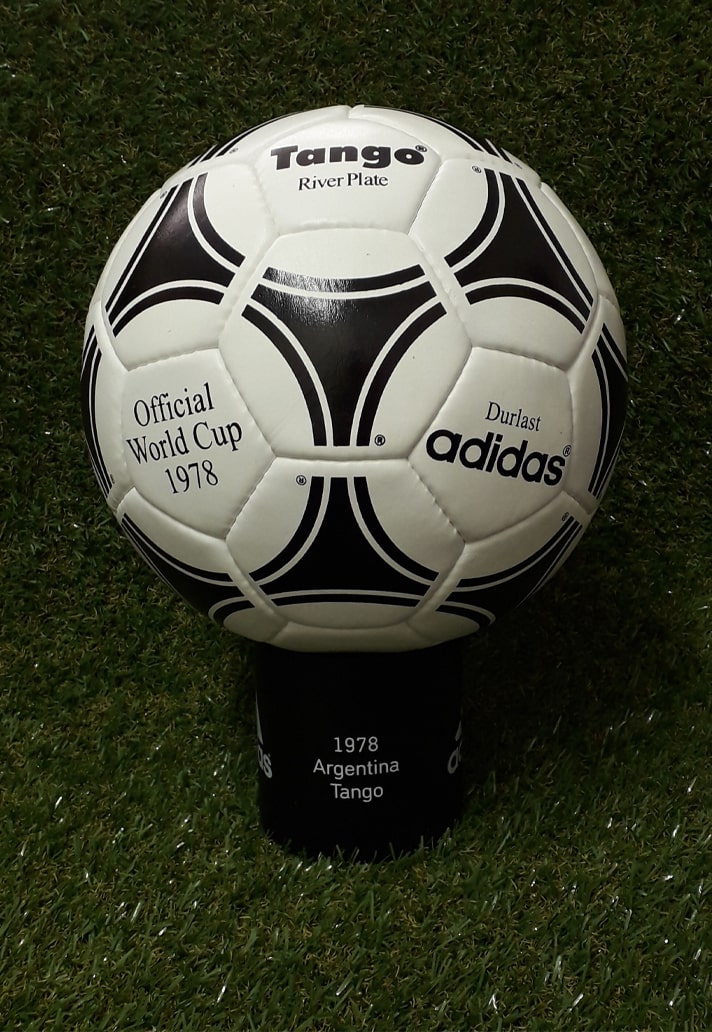
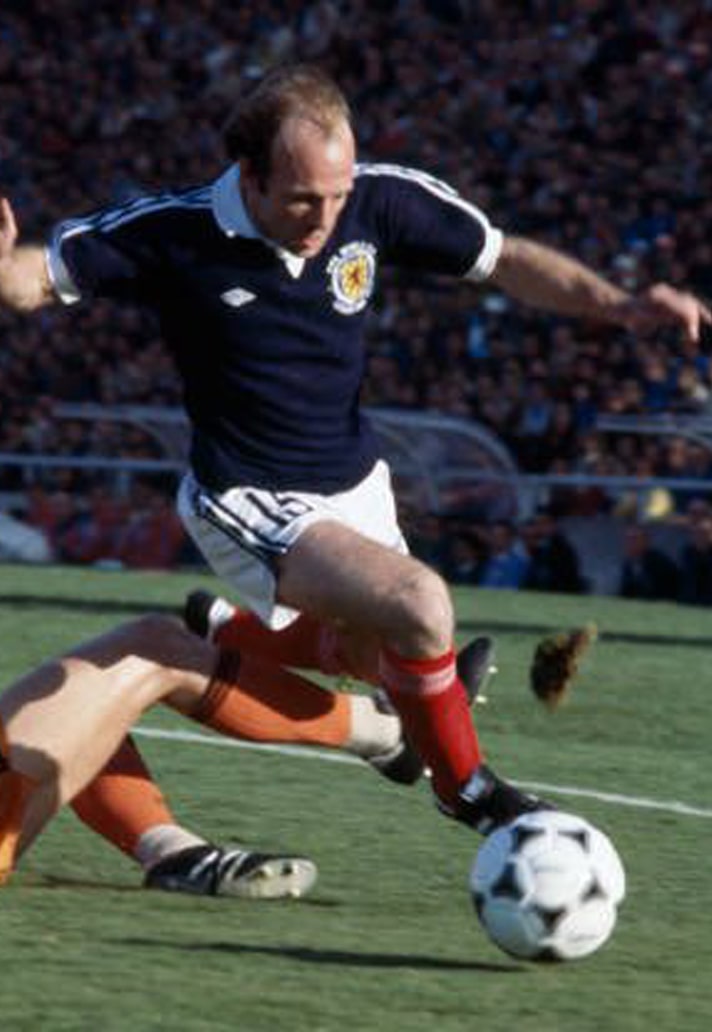
Then, in 1978, the World Cup saw the introduction of the Tango, a design that didn’t fundamentally change until 2002. Named after the world-famous dance which has it origins in 19th century Argentina, the Tango introduced the eye-catching curved triads to a global audience. It’s the ball with which Archie Gemmill scored his worldy against the much vaunted Dutch – Mark Renton wouldn't feel that good again until he met Diane.
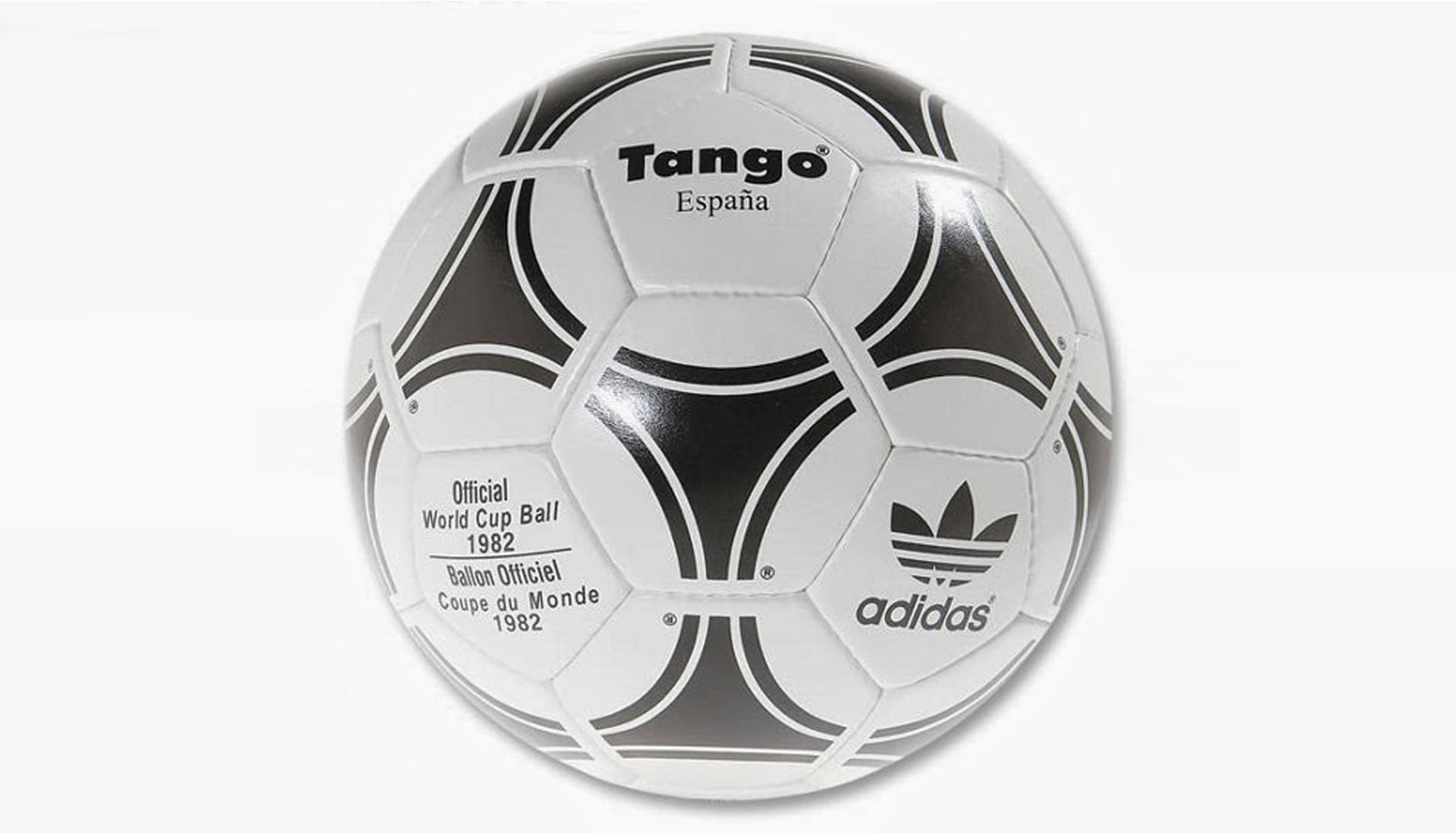
For 1982, the Tango Durlast became the Tango Espana. It arrived with new and improved rubberised seams and marked a historic point in the history of World Cup balls, being the last leather ball to be used in the tournament. Fair to say that Italy's golden boy Paolo Rossi was a fan, grabbing a hat-trick in a memorable match against Brazil. The Azzurri would go on to lift the trophy for the third time.
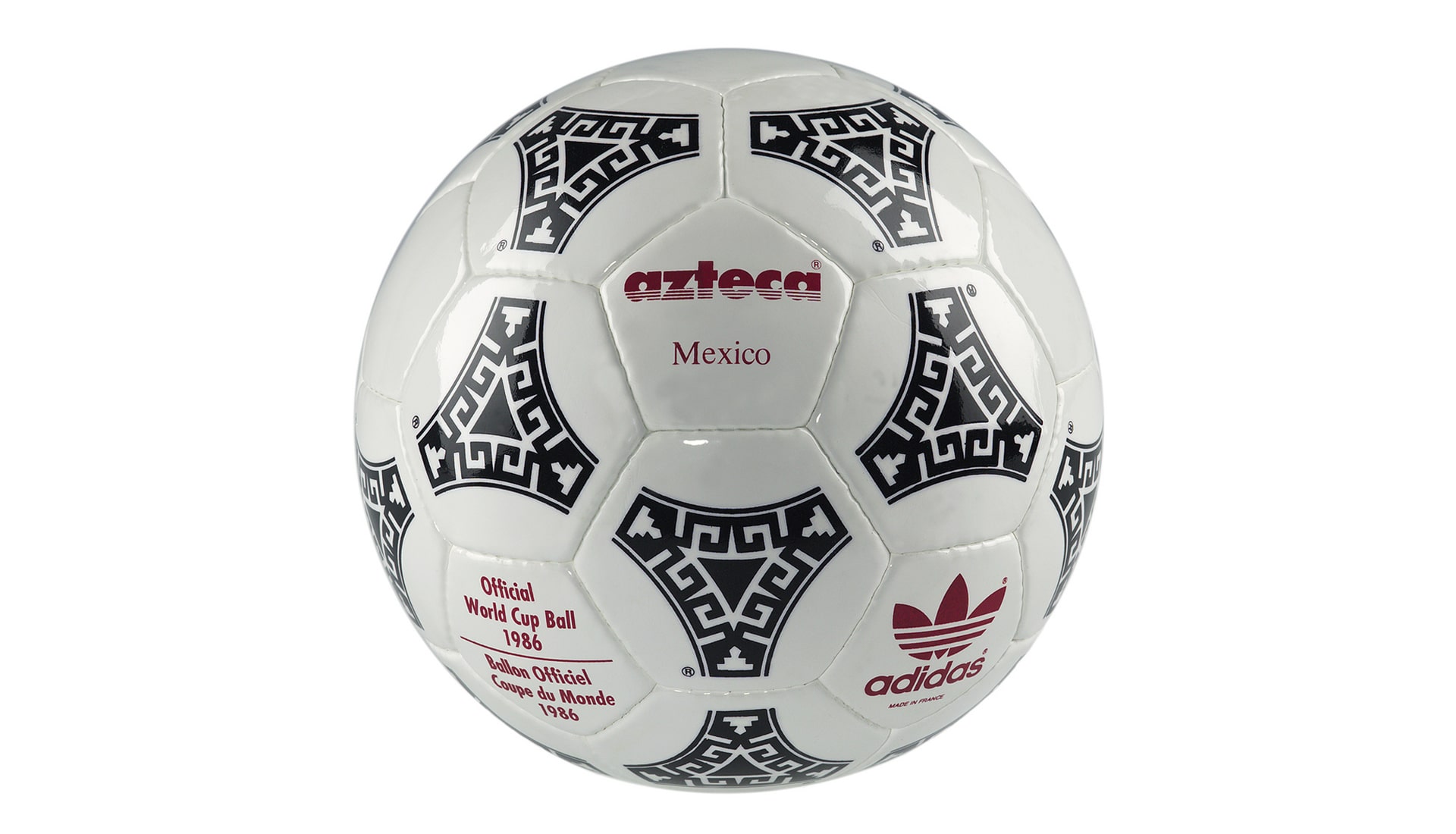
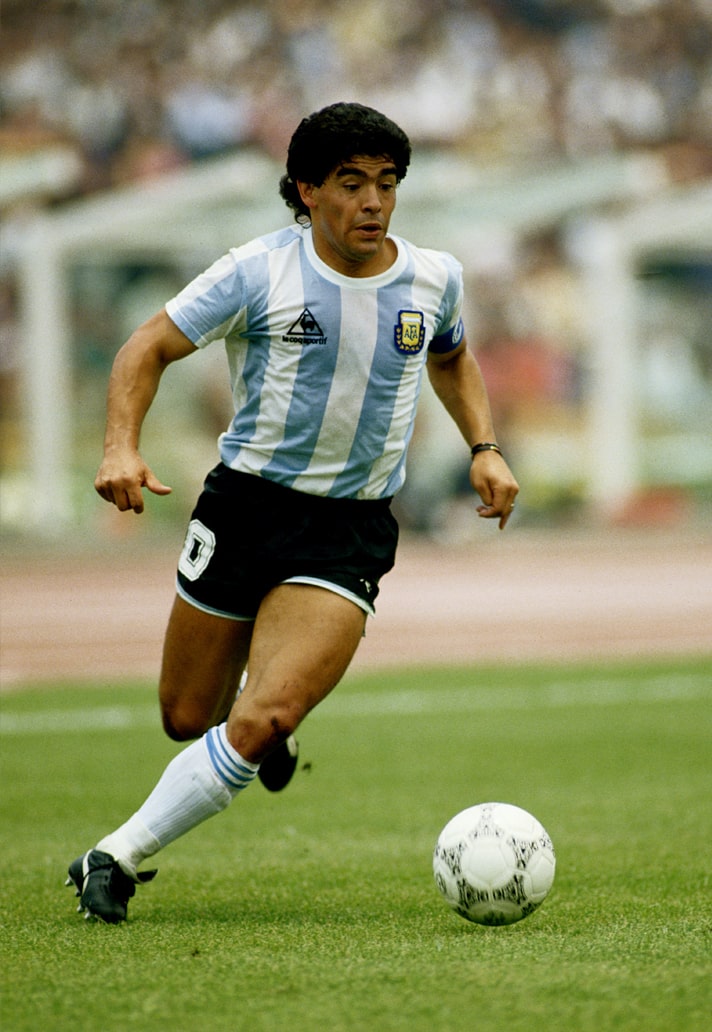
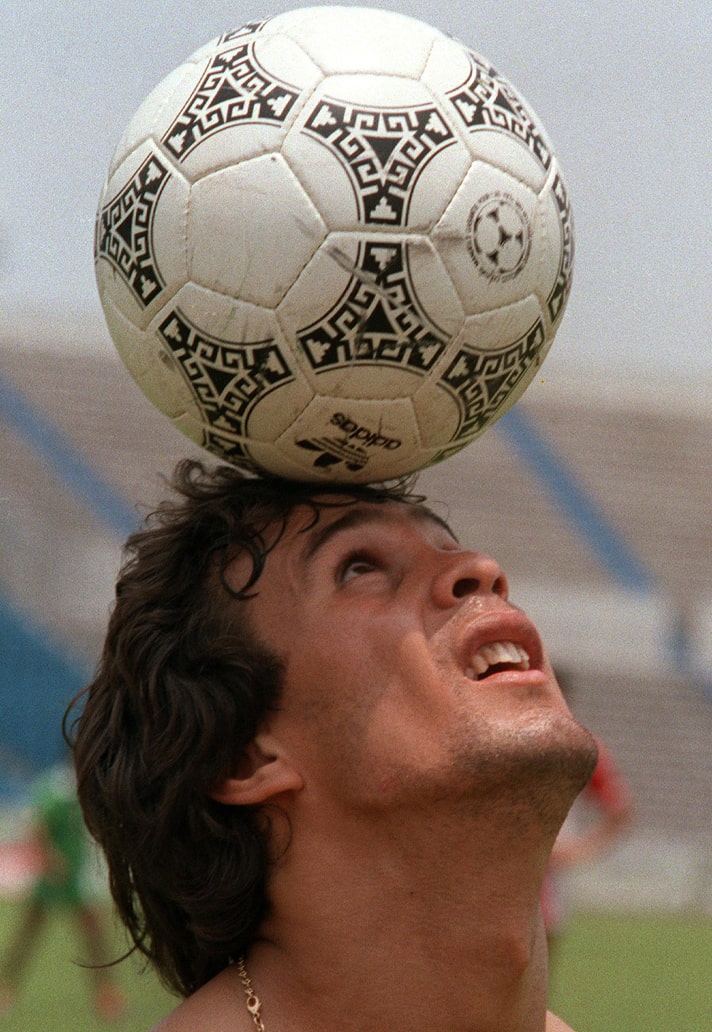
Following that, the Azteca, official ball of Mexico ’86, would forever be linked to two defining moments in one match: one infamous, one sublime, and both orchestrated by a little Argentinian magician. No, not Messi you millennials. Of course, we’re referring to the late, great Diego Maradona, and while his second goal comfortably sits amongst the best World Cup goals of all time, his first, notoriously known as the “Hand of God”, typified his ability to create controversy as he fisted the Azteca past the despairing Peter Shilton.
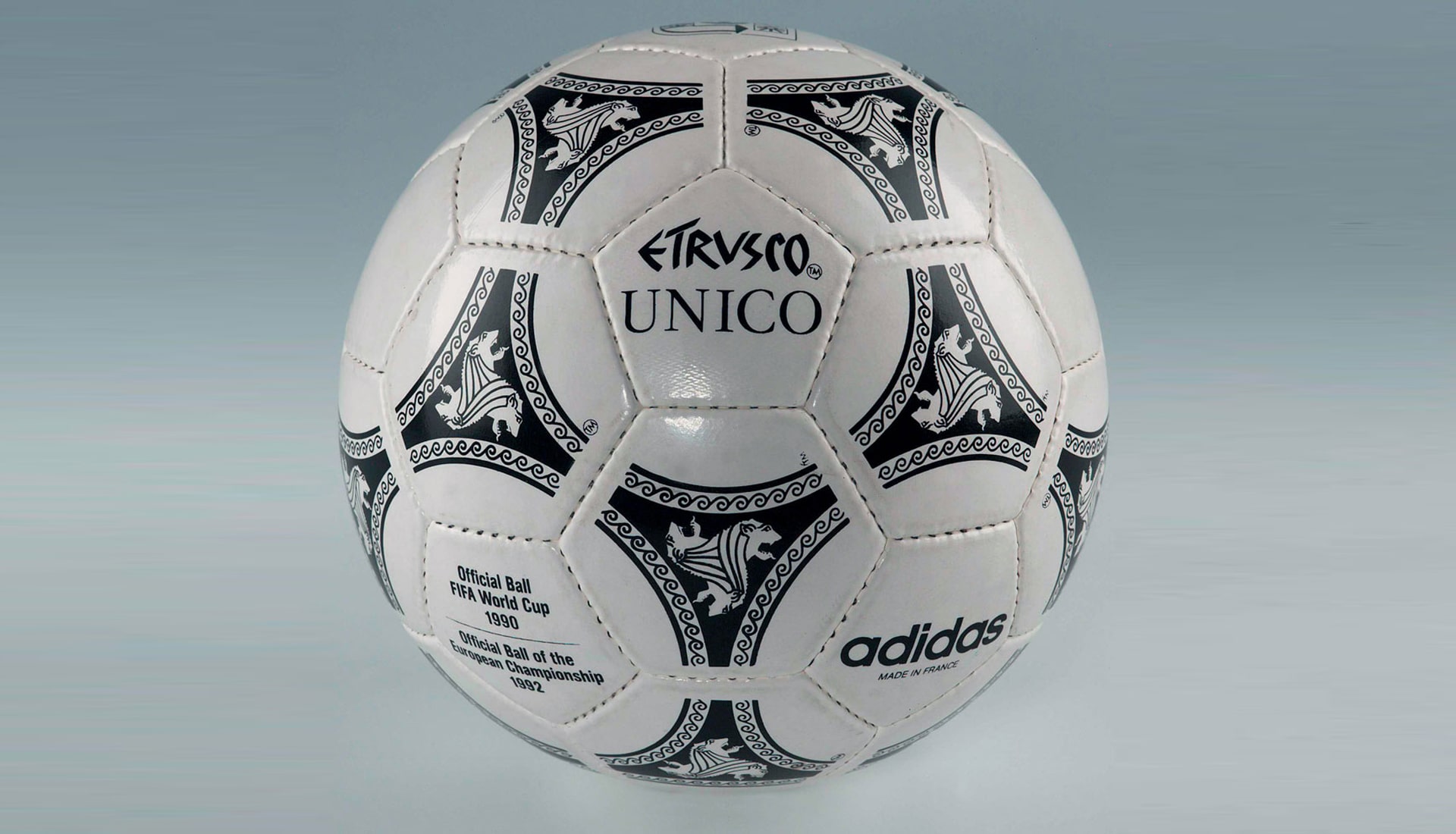
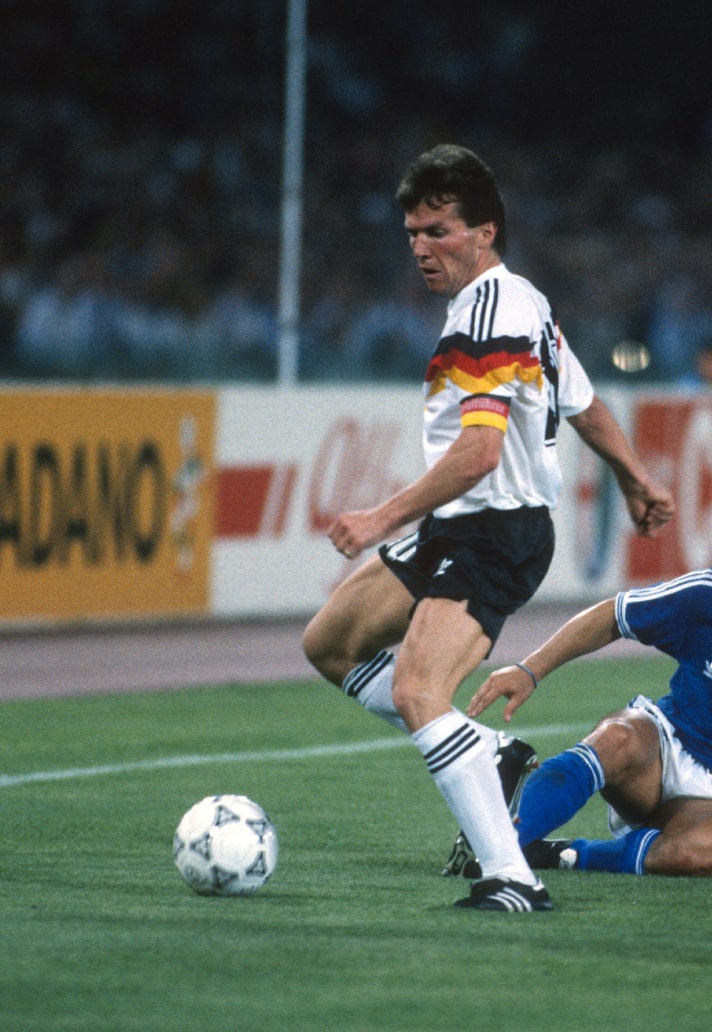
Italia ’90 is memorable for so many reasons: Gazza’s tears, Roger Milla’s celebration, Frank Rijkaard flobbing on Rudi Voeller, or Lothar Matthaus collecting the Etrusco Unico (Named in reference to the Etruscan people, who lived in central and northern Italy from around 800 to 100 BC), well inside his own half, bursting through the midfield before skipping past a lunging challenge with a subtle deftness then reverting to the blunderbuss approach, lashing a low shot past the keeper.
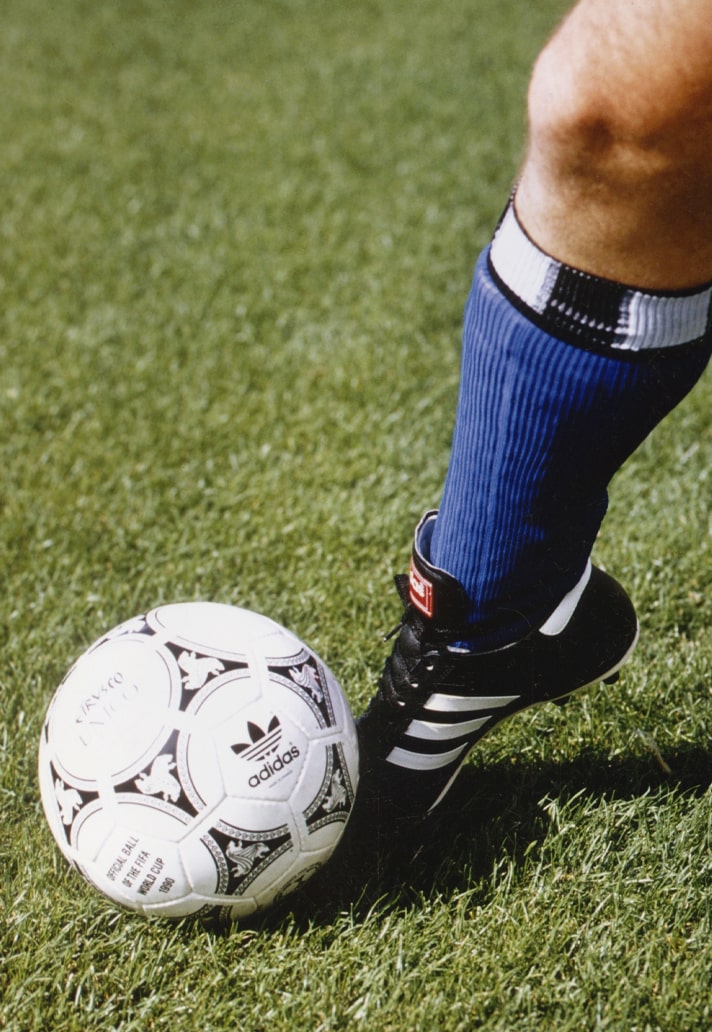
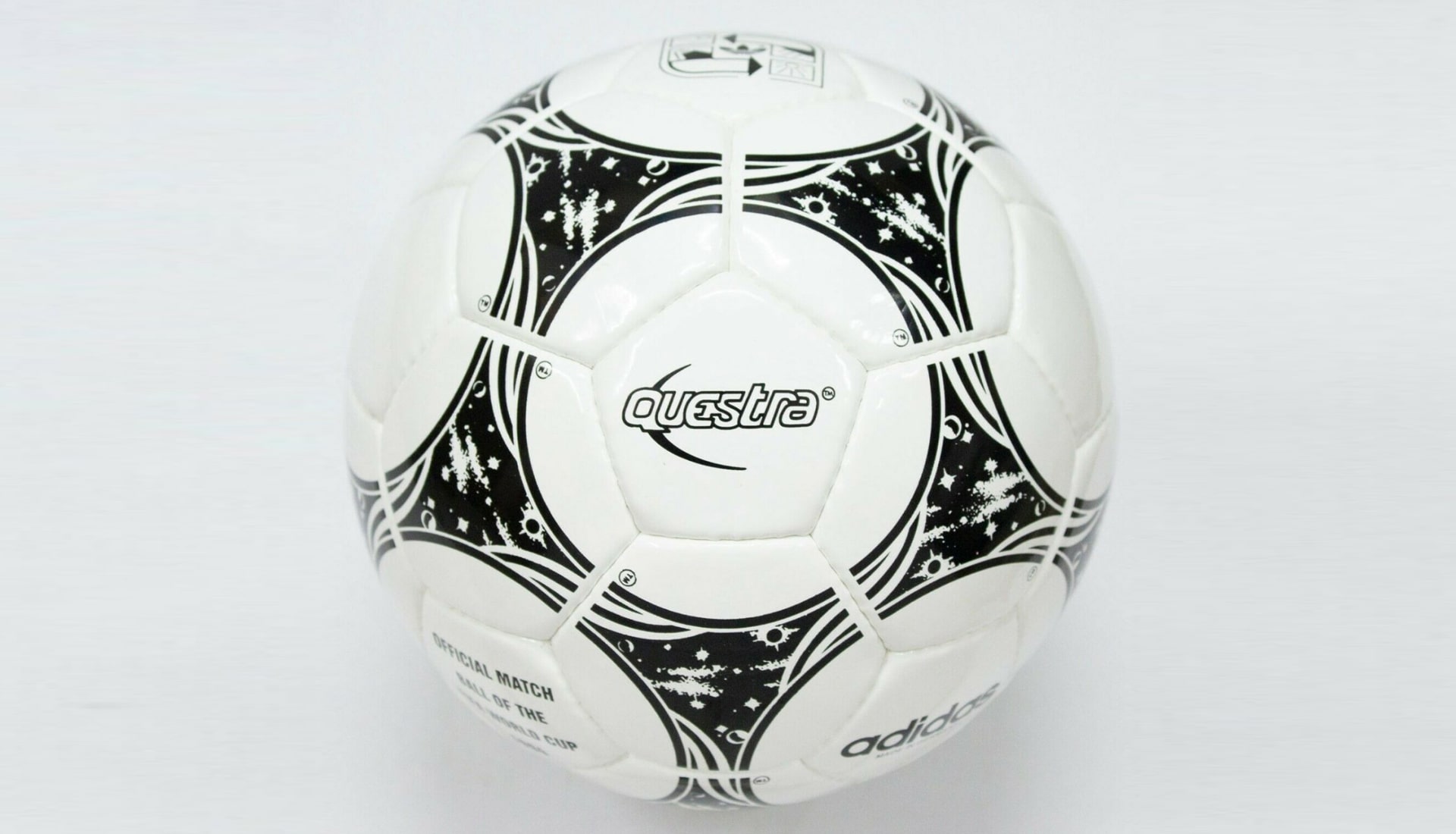
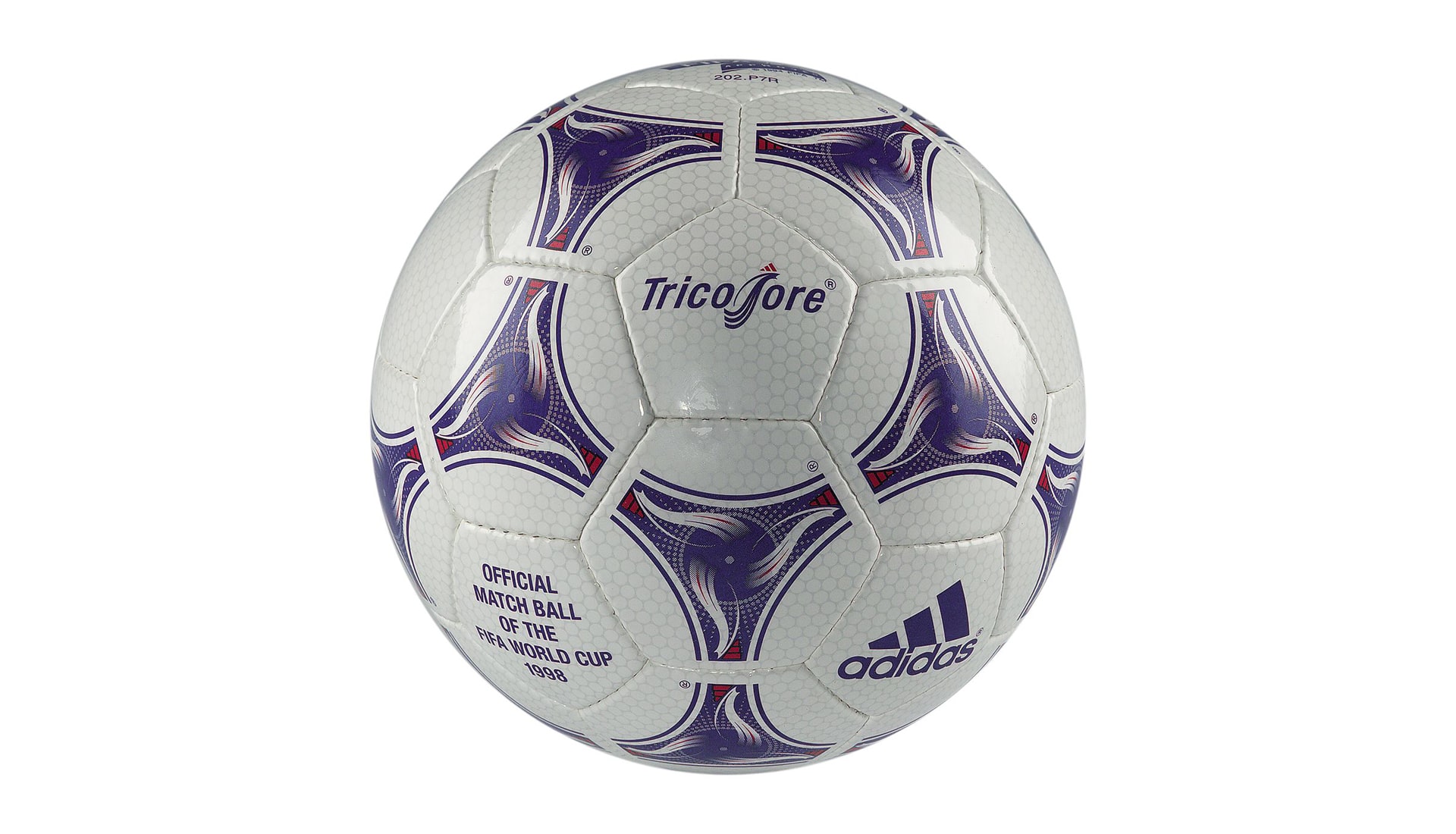
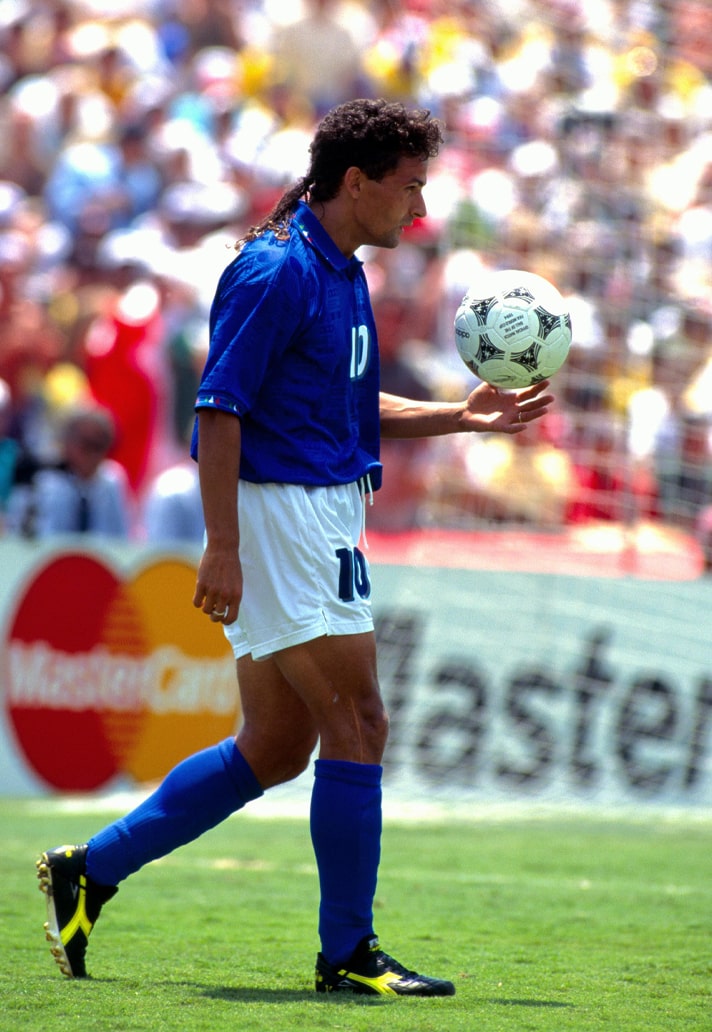
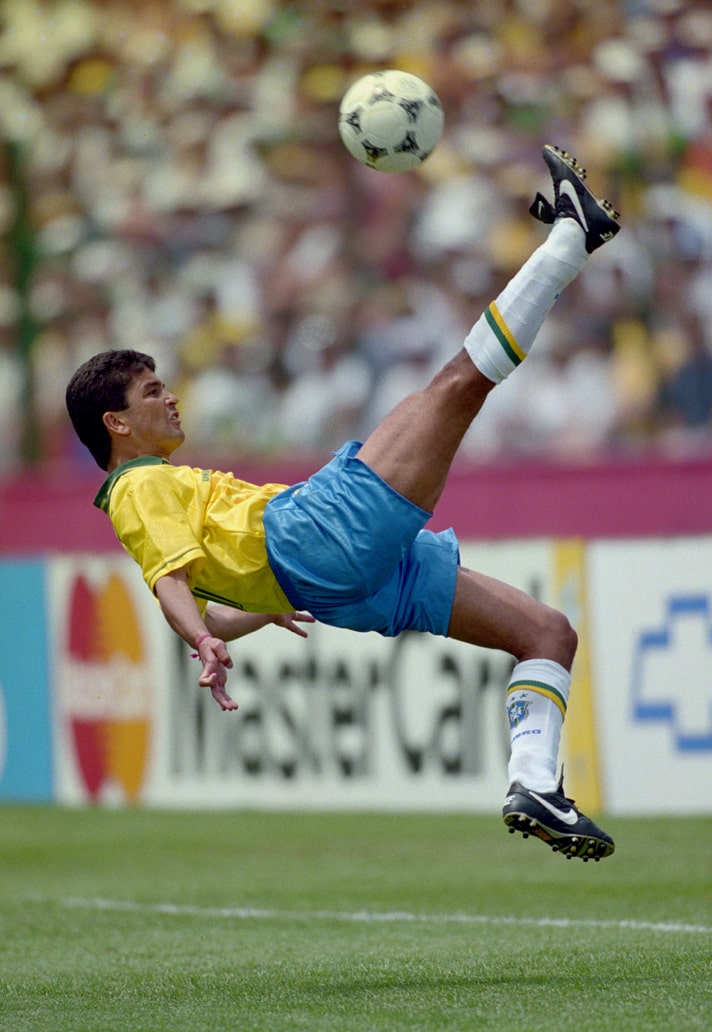
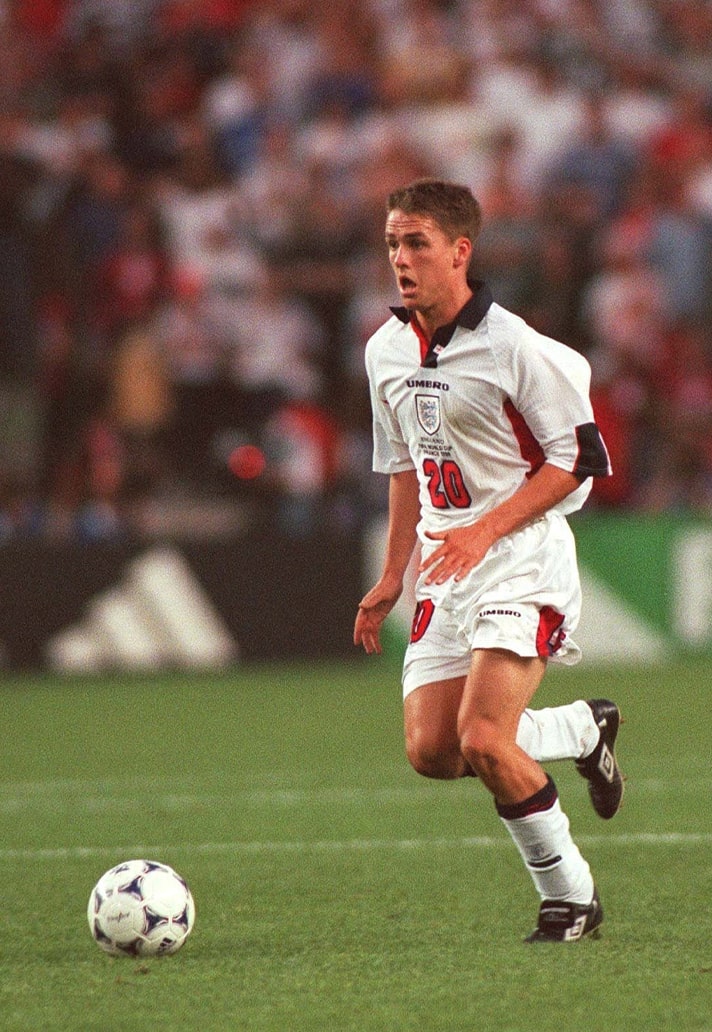
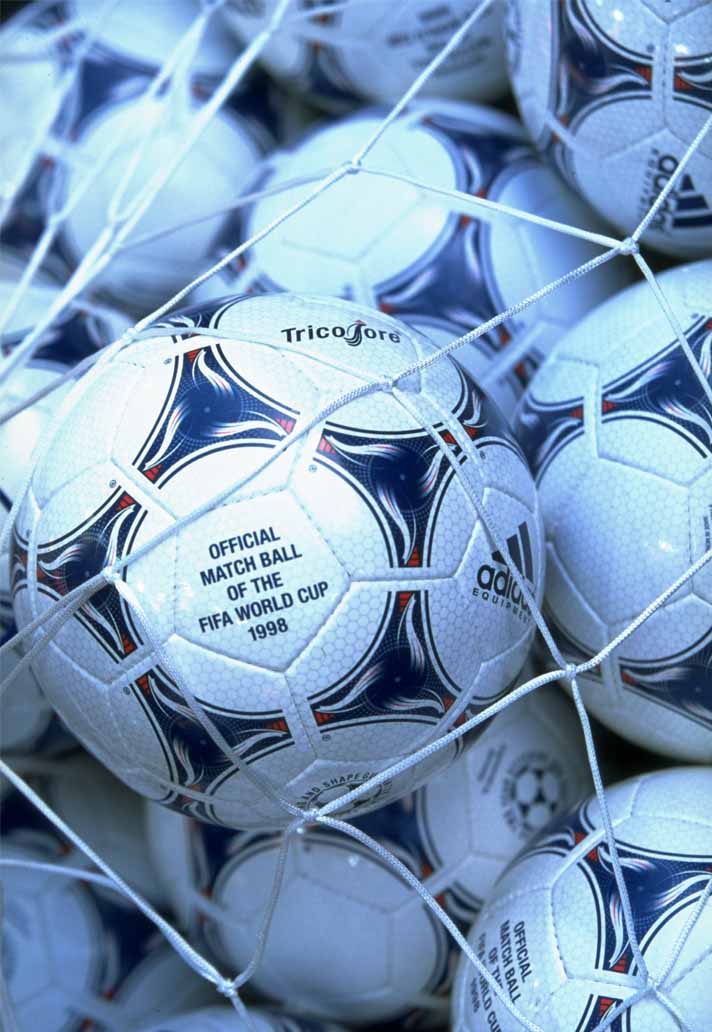
It’s these iconic instances that elevate adidas official World Cup match balls above any other footballs, granting them their own iconic status. Whether it’s Baggio blasting the Questra over the Brazilian bar in ’94 (coincidentally, the ball’s design was inspired by host nation USA’s exploration of space, with the triads decorated with planets and stars, which is pretty much where Baggio’s penalty ended up!) or Owen slaloming through the Argentinian defence before sumptuously slamming the Tricolore (famed for being the first time a colour other than black and white was used, with the graphic taking on a blue colouring with hints of red, all on that white base to tie in with the flag that it was named after) past the stranded keeper in ‘98, every moment helps create and build the mythology of the ball. Without these moments each ball is just that: another ball.
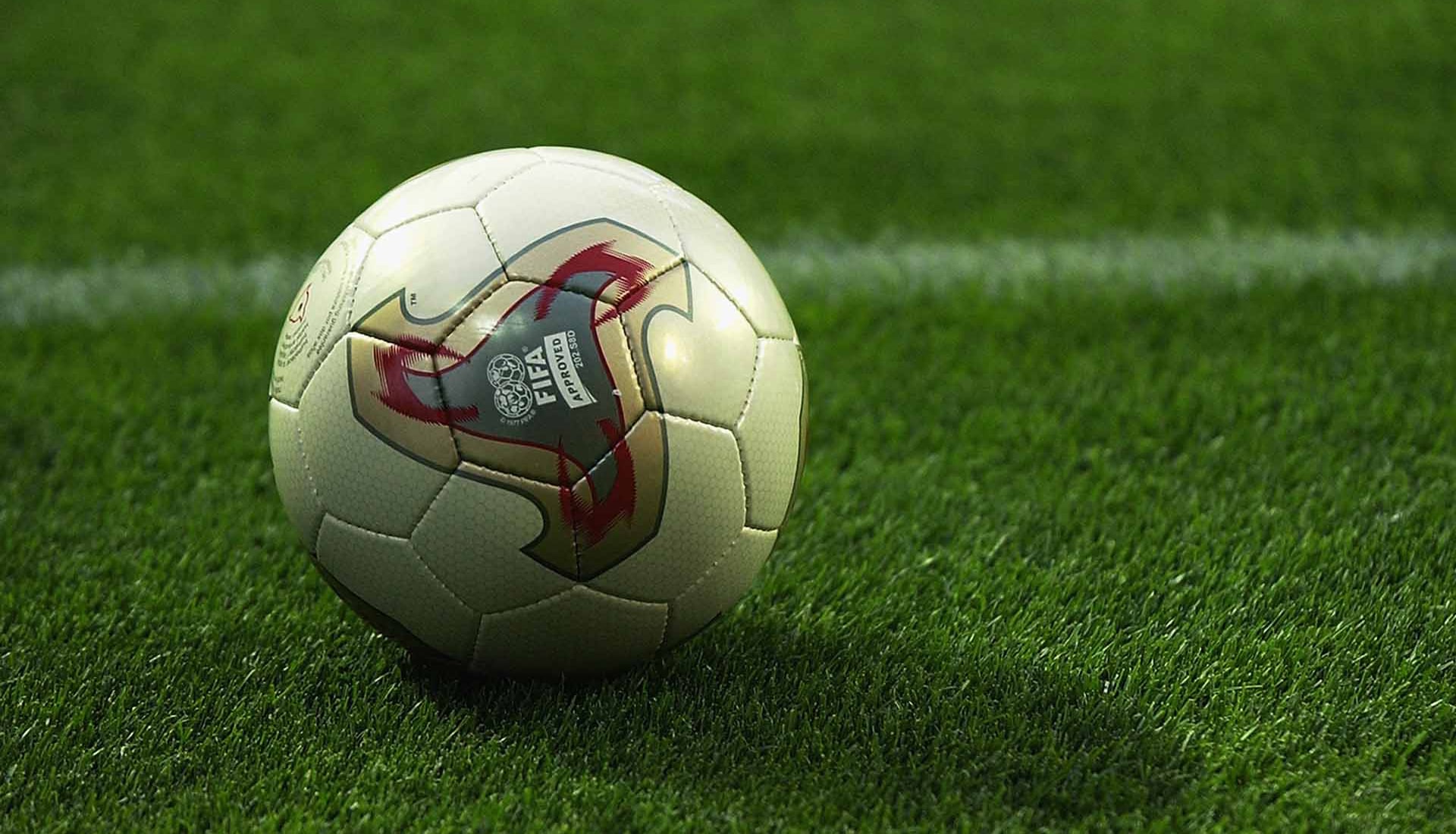
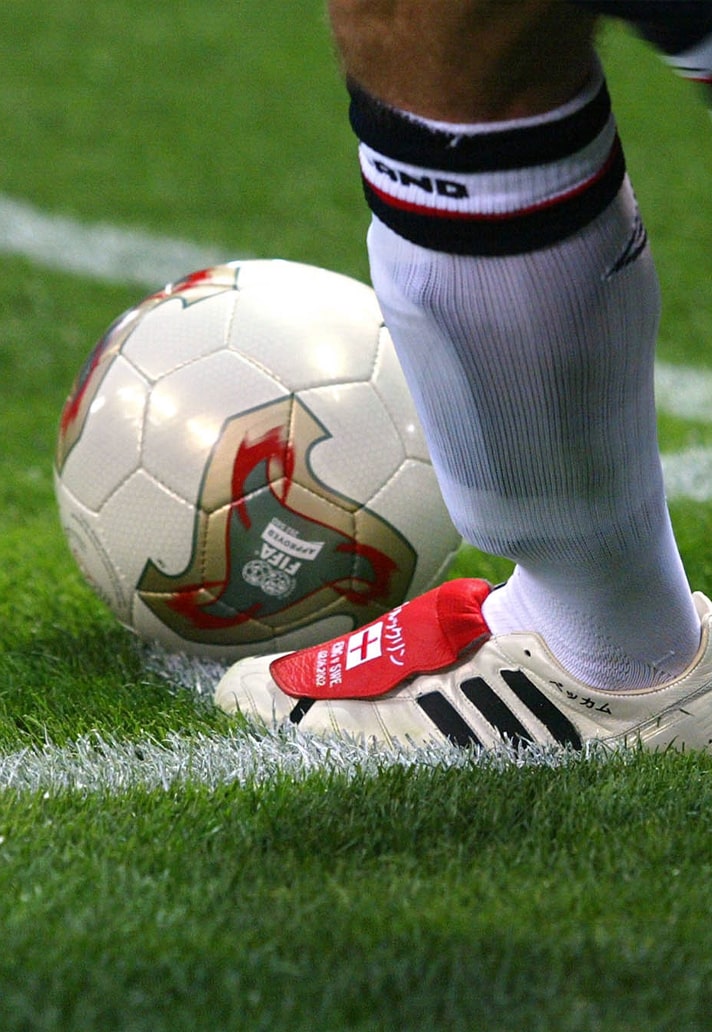
Flash forward four years on from France and there was the Fevernova; the ball with which Beckham banished his demons from ’98 when he blasted it into the back of the net from the spot against Argentina. The 2002 World Cup was iconic for many reasons, and here it marked a break with recent tradition as the triads of the previous six balls were replaced with four trigonal designs, although the familiar hexagonal and pentagonal panels remained.
The hand-stitched Fevernova’s name came from a combination of the words ‘fever’ and ‘supernova’ and it boasted an improved layer of syntactic foam that provided extra cushioning for greater control and accuracy. The four trigons which adorned the ball were a representation of wind turbines, in a celebration of alternative energy sources.
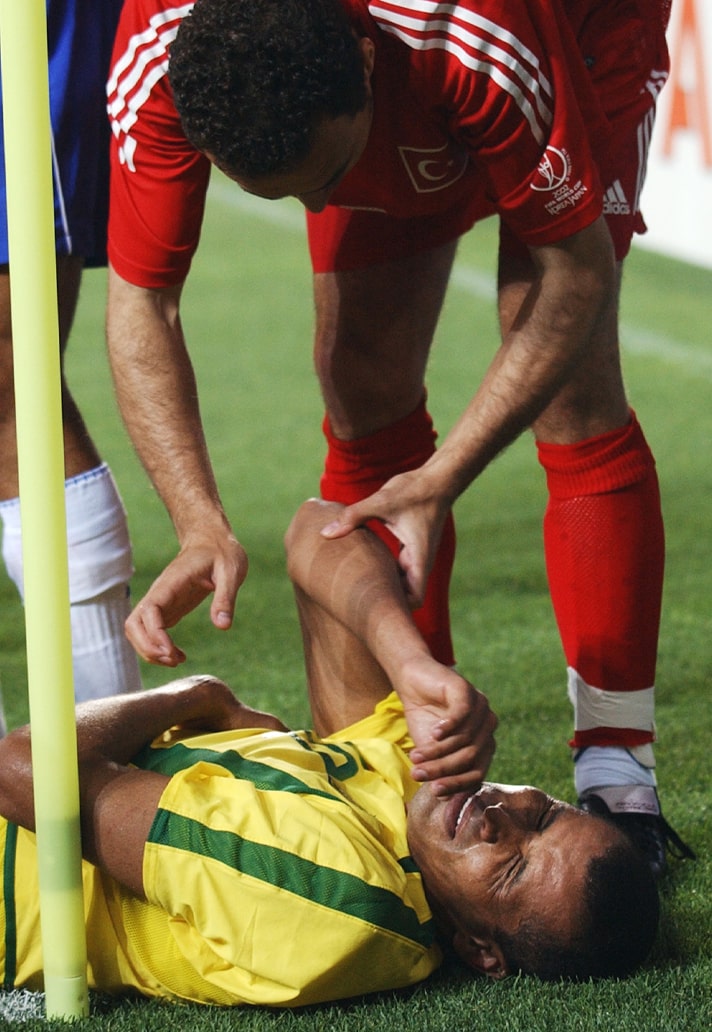
With its golden base and fire evoking graphics it was a ball that was so powerful that when Turkey’s Hakan Unsal kicked it at Rivaldo, striking him on the knee, he somehow felt its full force in his face. Cue comical rolling around on the floor that Neymar must’ve taken note of.
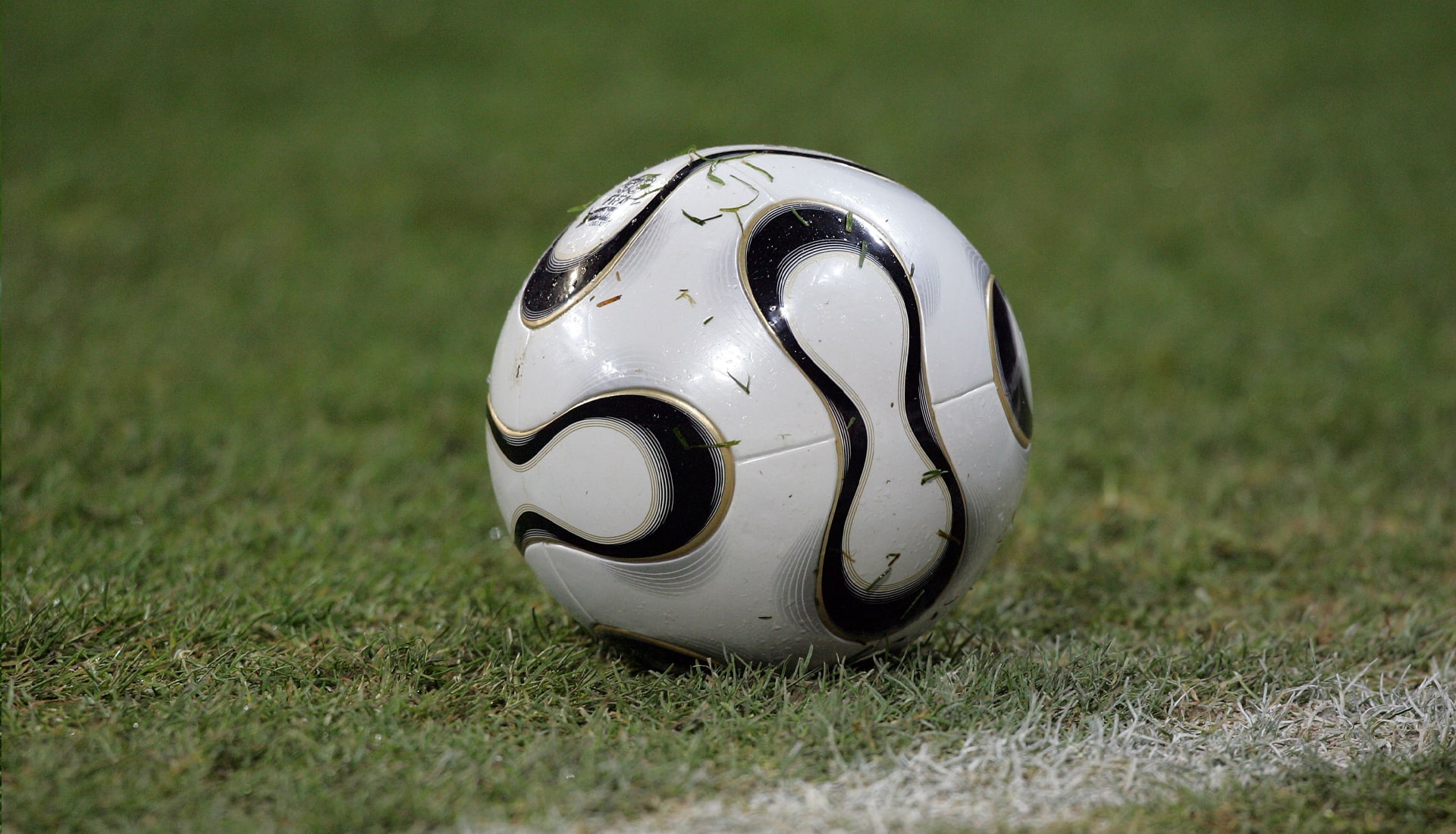
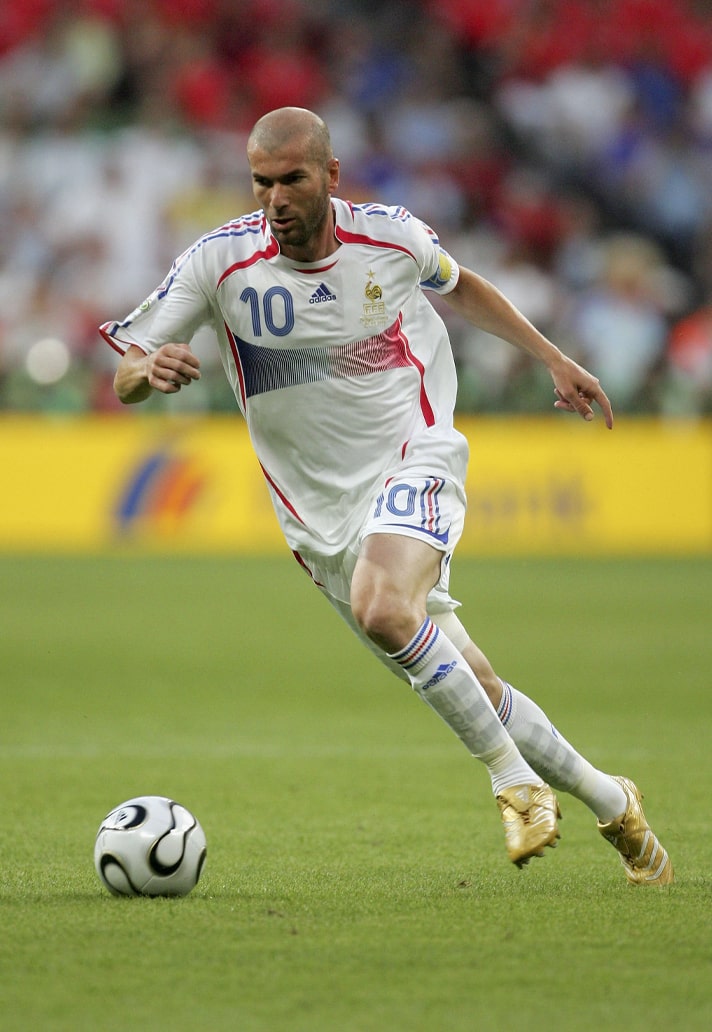
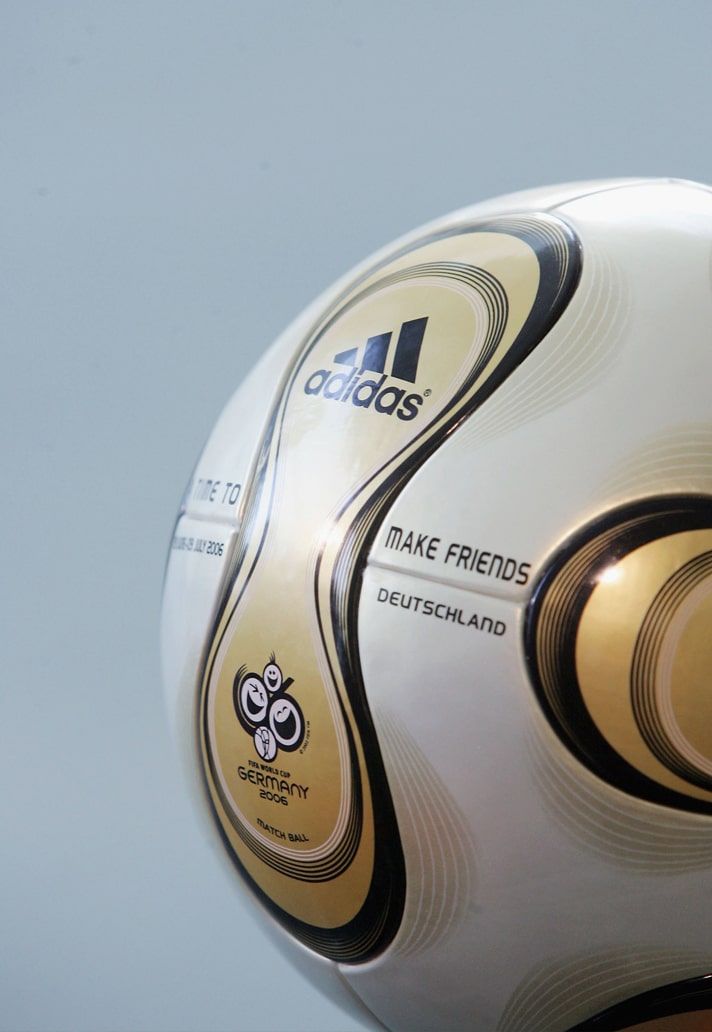
In 2006, the Teamgeist – meaning team spirit – marked yet another significant step forward in football development, with its new construction meaning it was less than one percent short of being a perfect sphere. Leaving behind the hexagonal and pentagonal panels of the previous eight tournaments, the Teamgeist had 14 panels designed to resemble propellers which were thermally bonded, rather than being stitched together.
The black and white of the Teamgeist represented host team Germany’s traditional colours, with the gold lines adding a visual connection to the World Cup trophy.
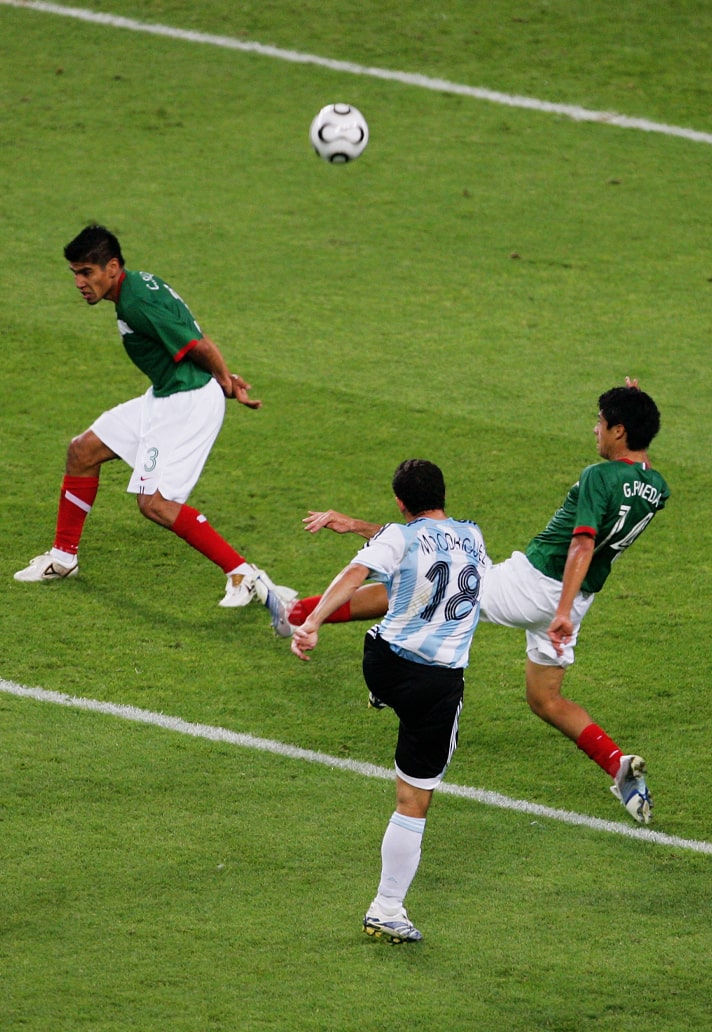
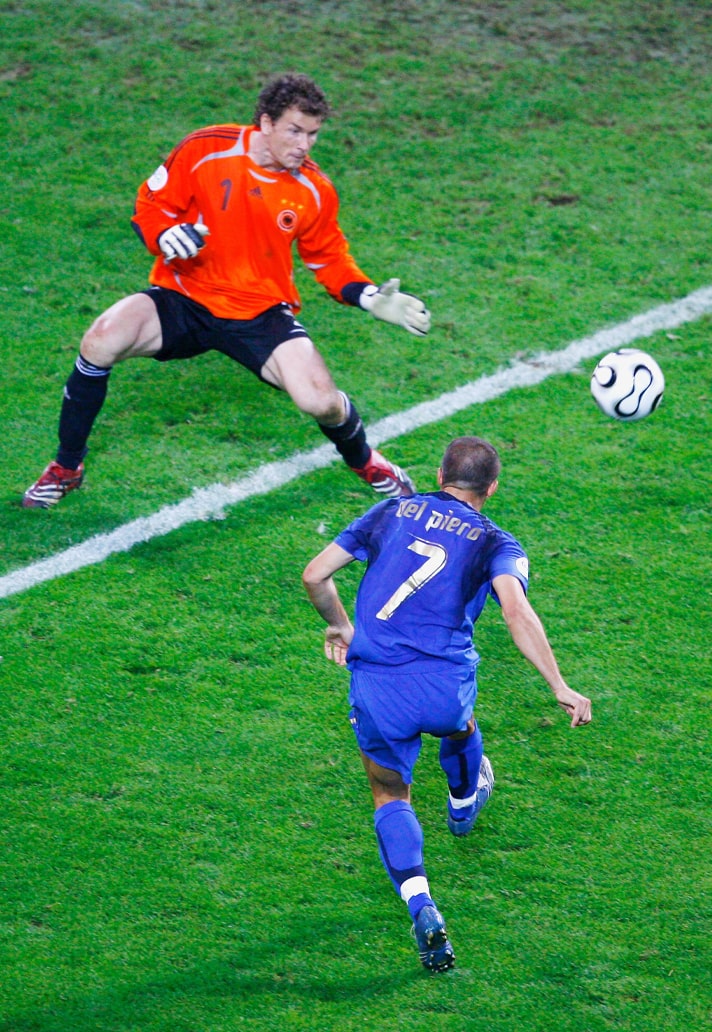
But what would it be without Maxi Rodriguez chesting it down and then volleying it home from outside the box against Mexico in sublime fashion, or Alessandro Del Piero’s perfectly executed chip into the top corner that broke German hearts and sent the hosts crashing out of the tournament?
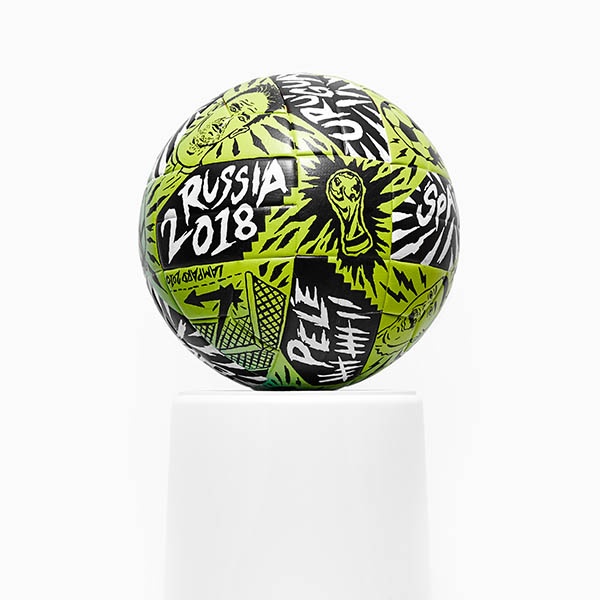
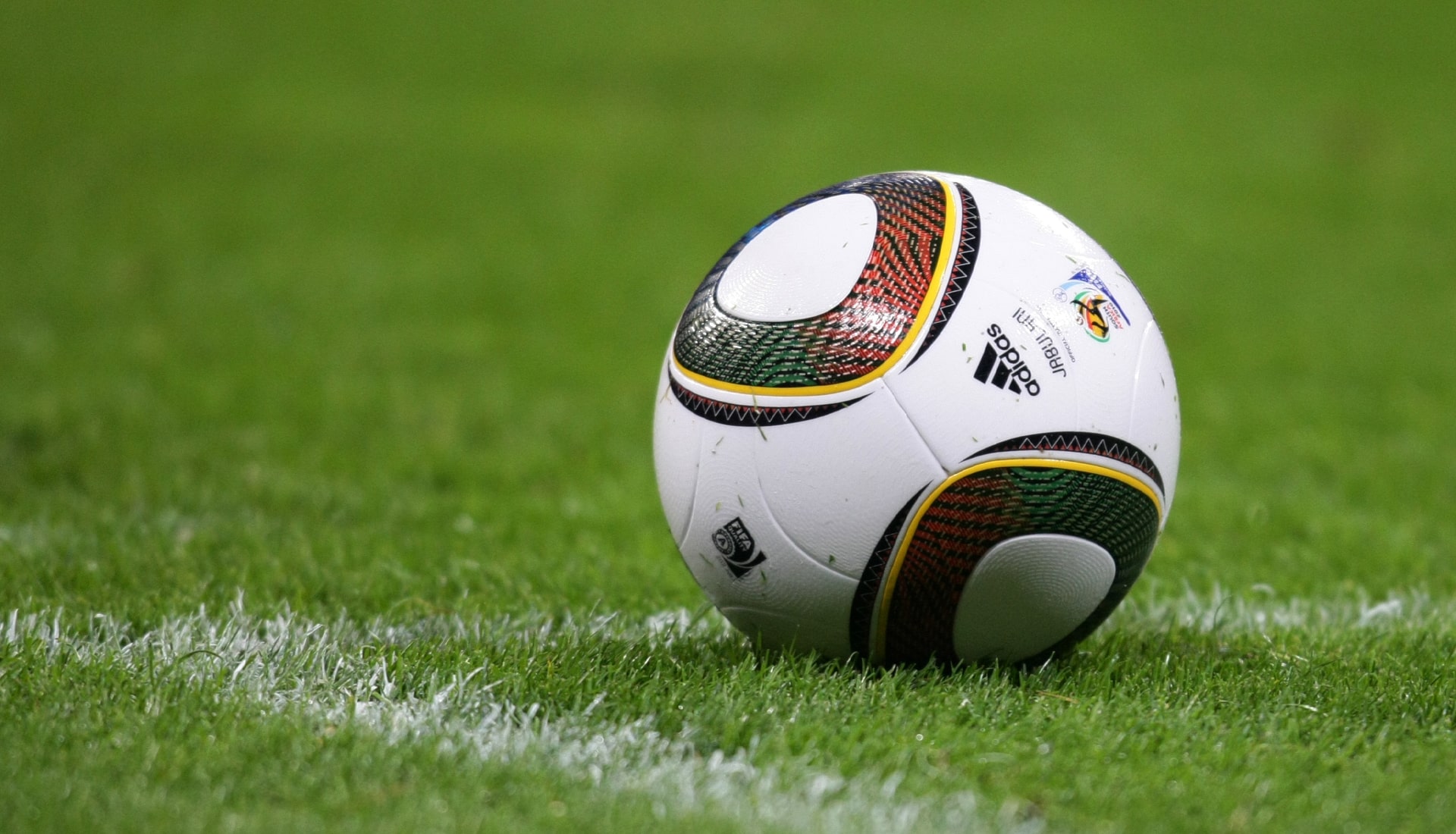
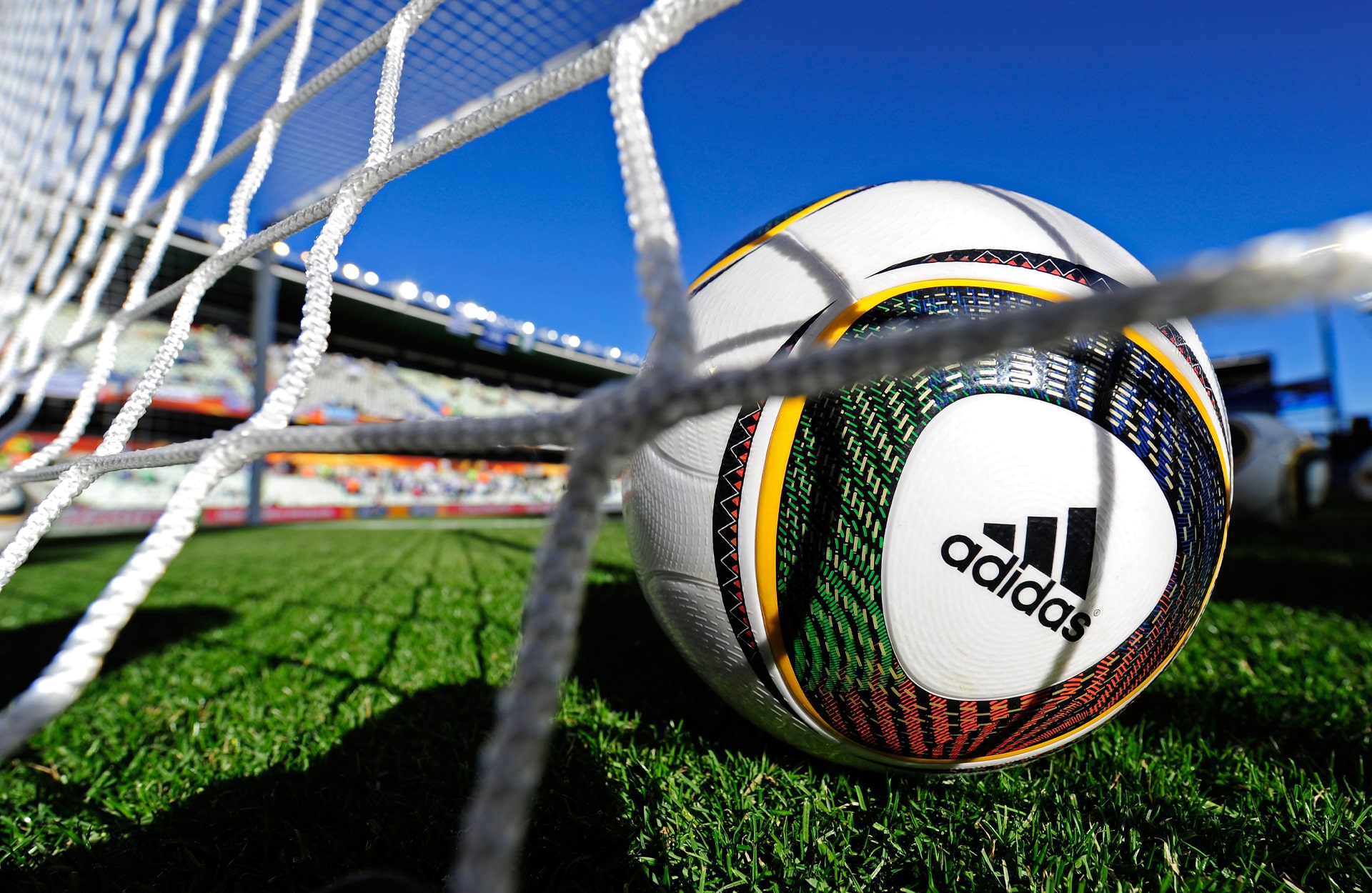
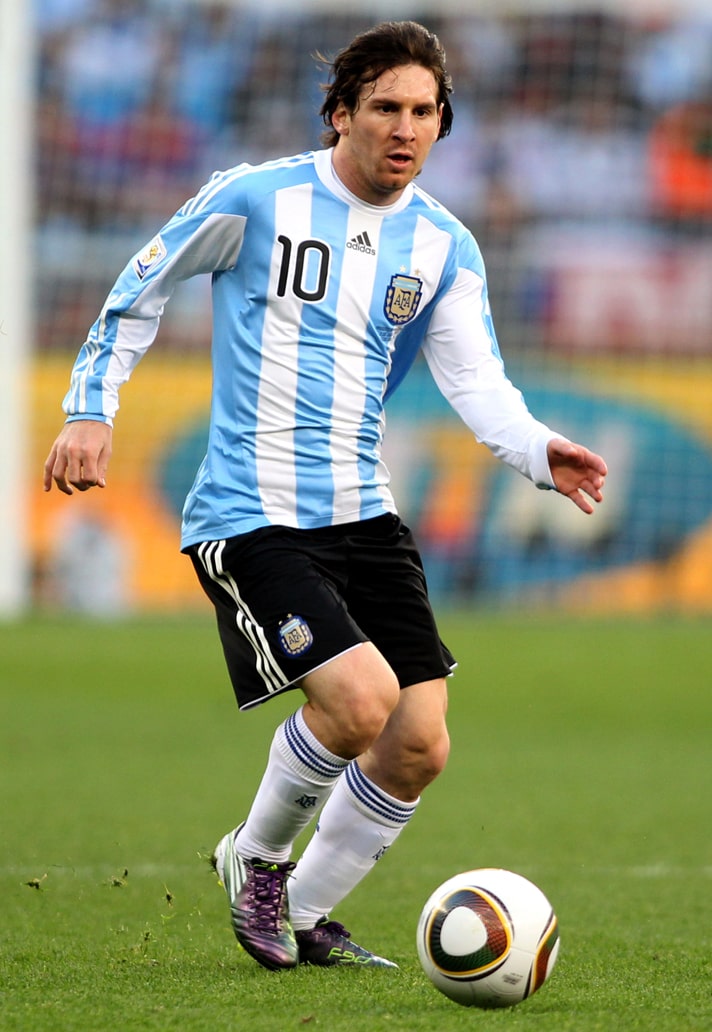
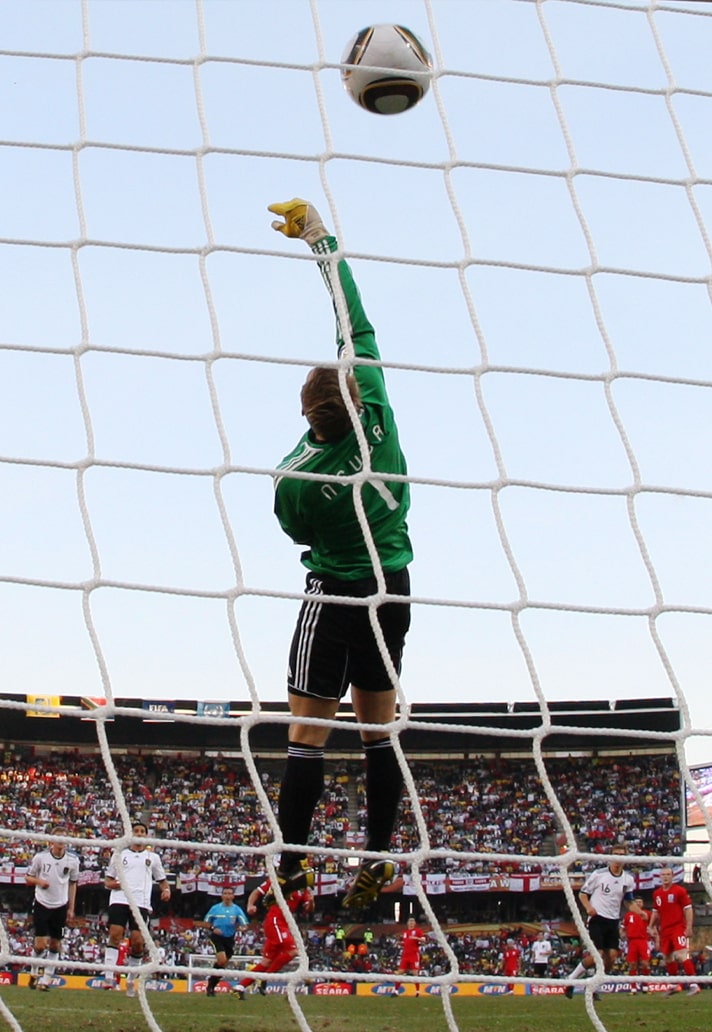
And who can forget 2010’s controversial Jabulani – which means to celebrate in Zulu – which arrived to a cacophony of vuvuzelas. Despite a design that was intended to improve its aerodynamics, consisting of eight thermally bonded 3D panels and moulded into a perfect sphere, the ball received scathing criticism from the goalkeepers’ union, being unfavourably compared to a beach ball. But we all remember Gio van Bronckhorst sending an absolute rocket into the very top corner of the Uruguayan net during the semi-final with it. Bet he wasn’t complaining. Tell you who was complaining though: all the England fans when Frank Lampard's effort crossed the line by about a metre and then span out, depriving England of the most obvious goal in World Cup history in the quarter-final against Germany. Not bitter though.
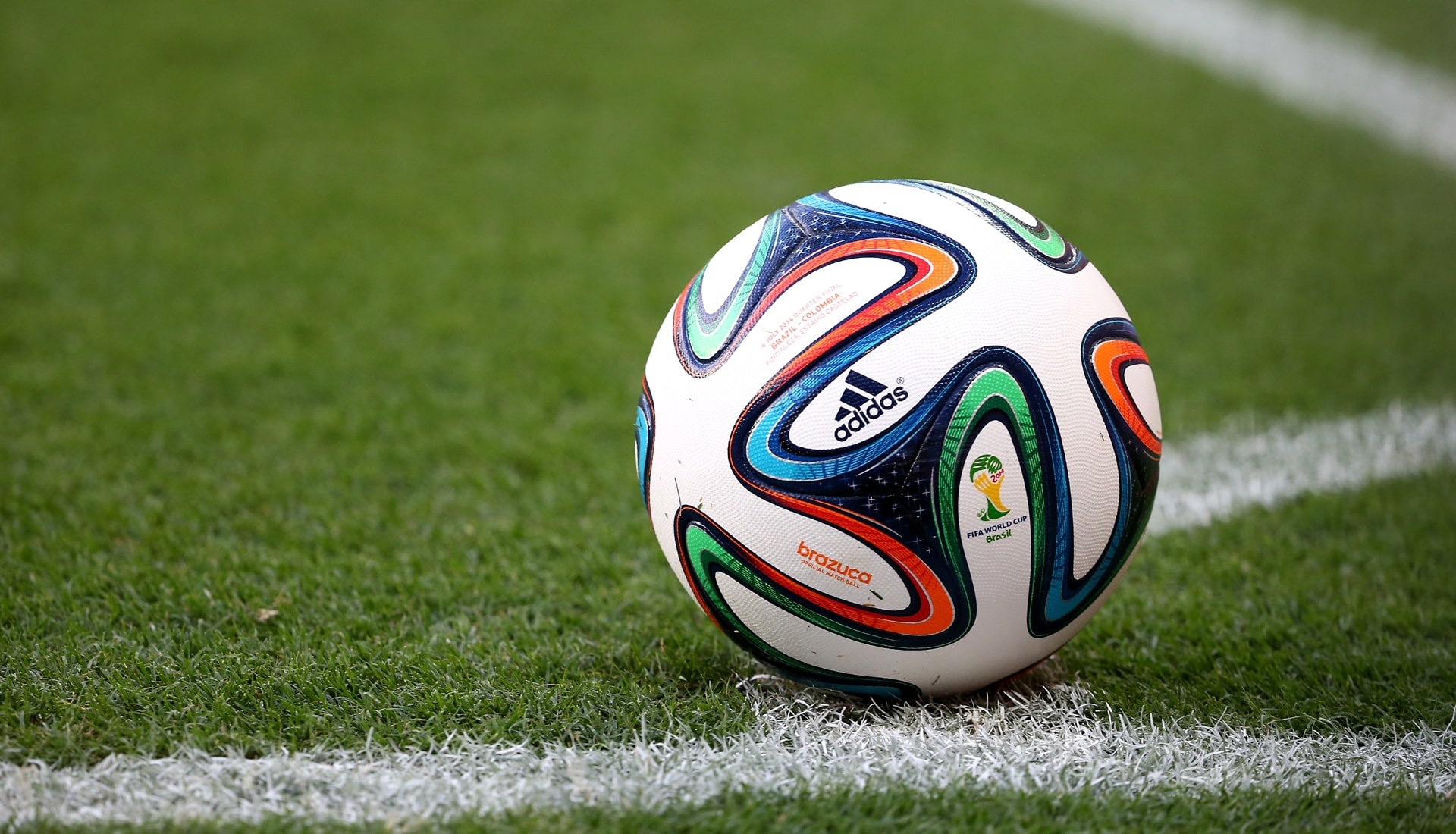
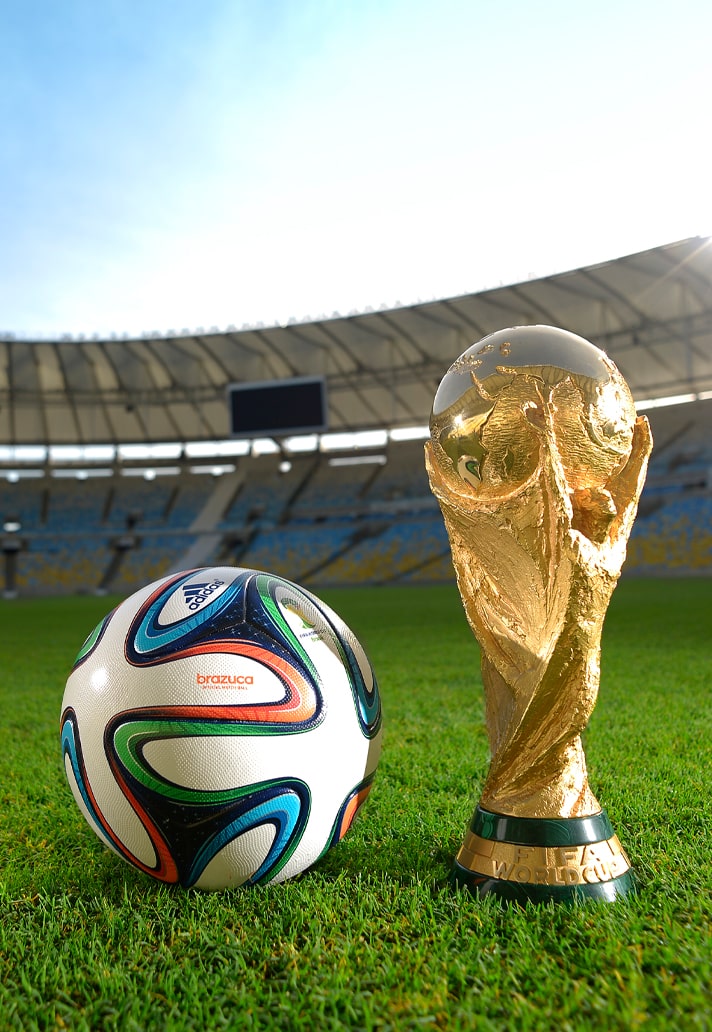
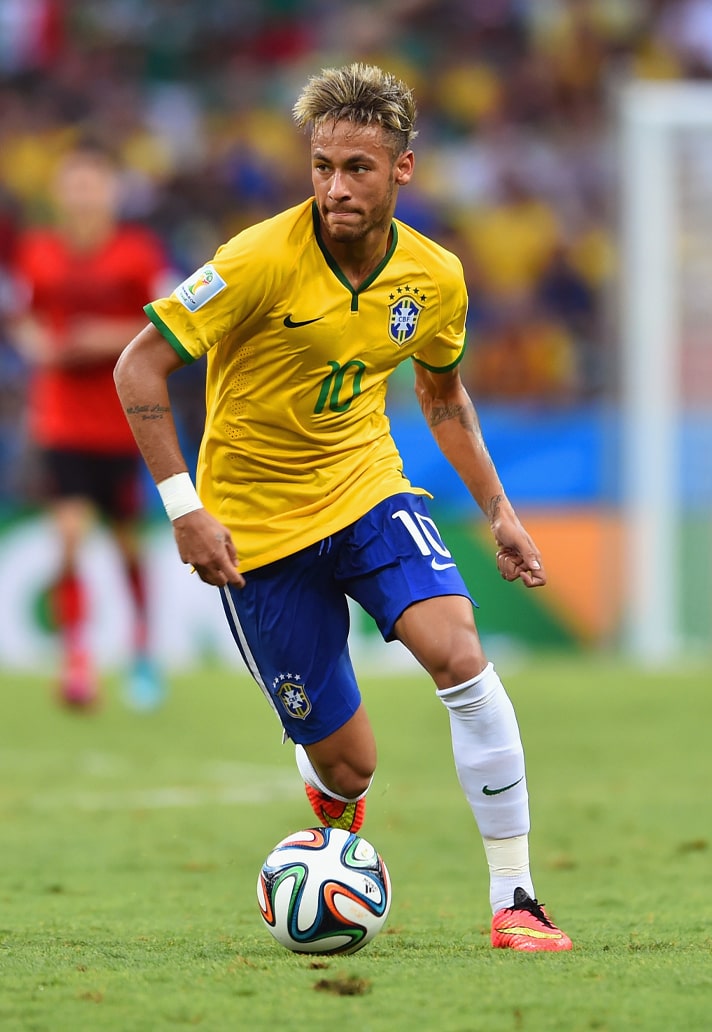
Following the controversial nature of the Jabulani, The Brazuca went through a more rigorous testing process than any other World Cup ball before it – with over 600 professional footballers, 30 teams of scientists and the obligatory laboratory tests putting it through its paces. With six identical propeller-shaped panels, the Brazuca's innovative surface structure and symmetry were designed to provide increased aerodynamic quality, stability, touch and grip.
As well as all that, it also lays claim to possibly the best name of all, voted for by an overwhelming 77percent of Brazilians in an open vote. Can imagine they may regret their choice somewhat after Germany used that Brazuca to absolutely destroy the home nation 7-1 in the semi final, imposing their fate from 2006 on the hosts in slightly more emphatic fashion.
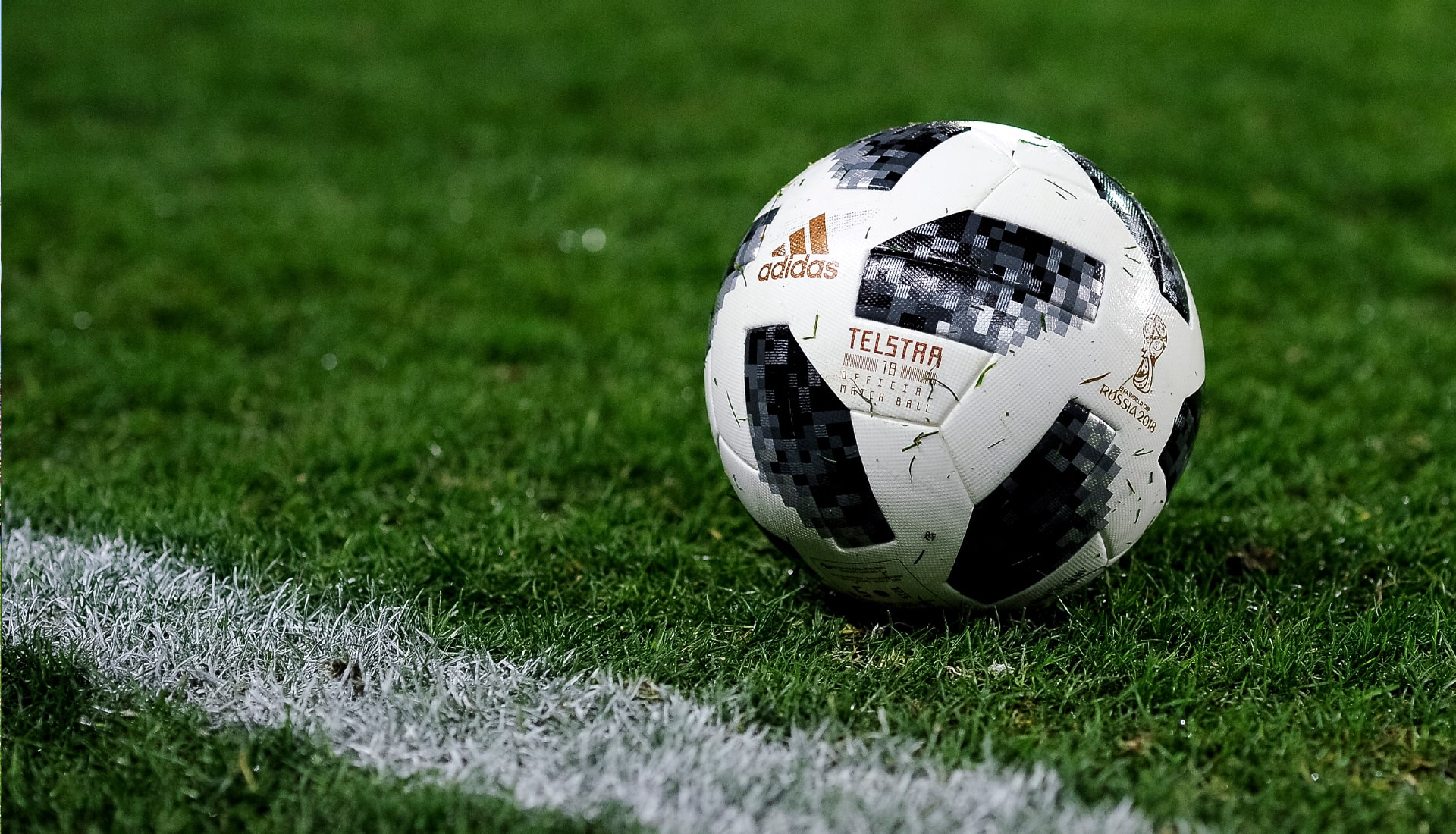
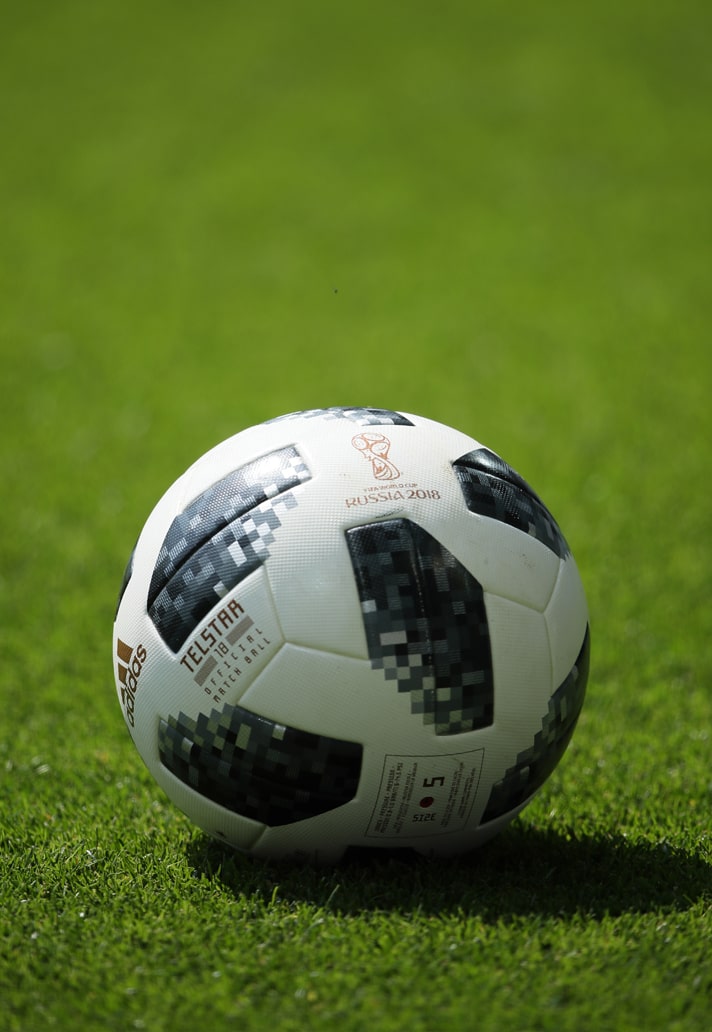
Then, in 2018 we had the Telstar 18. Feels like a lifetime ago, pre-pandemic and when Russia was in the good books. The design of the Telstar 18 simultaneously looked to the future and the past, showcasing a design which paid tribute to adidas’ iconic first World Cup match ball from almost 50 years earlier, with a pixelated motif built to mimic the look of a spinning 1970 original.
The futuristic element came with the introduction of an embedded NFC (near-field communication) chip, which allowed fans to interact with the ball using their smartphones. Constructed from six textured panels which were seamlessly glued together, rather than being stitched, the Telstar 18 provided pinpoint accuracy with a smooth, even performance and low water absorption.
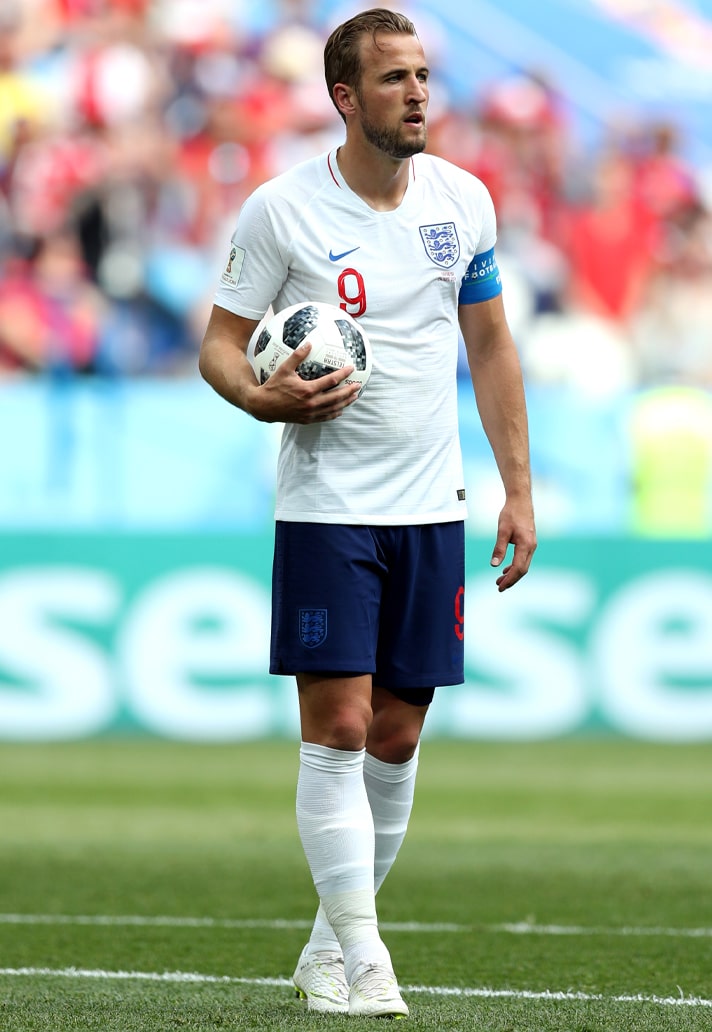
At this point, Football was once again on the verge of coming home, with Harry Kane ending the tournament as the Golden Boot winner with an impressive six goals. He clearly enjoyed playing with the Telstar 18.
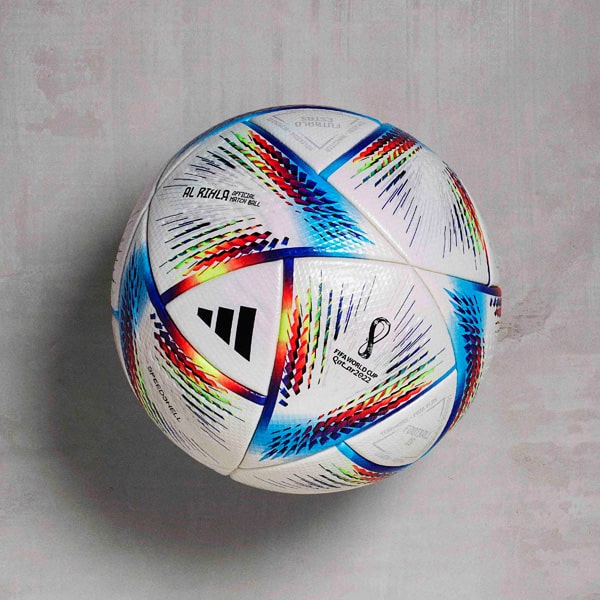
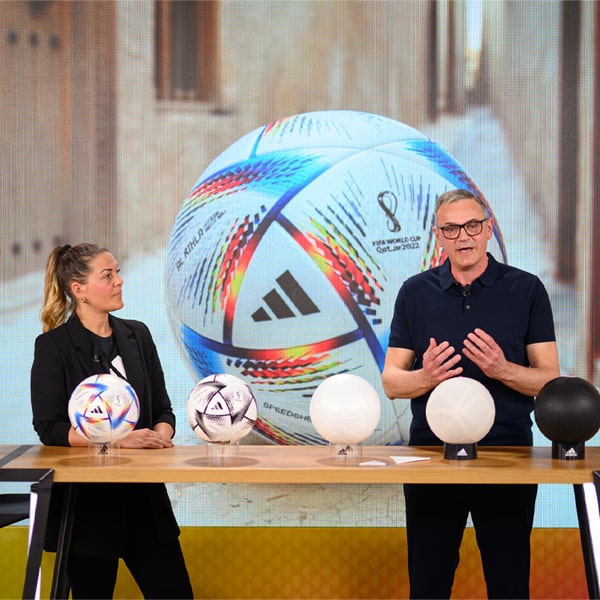
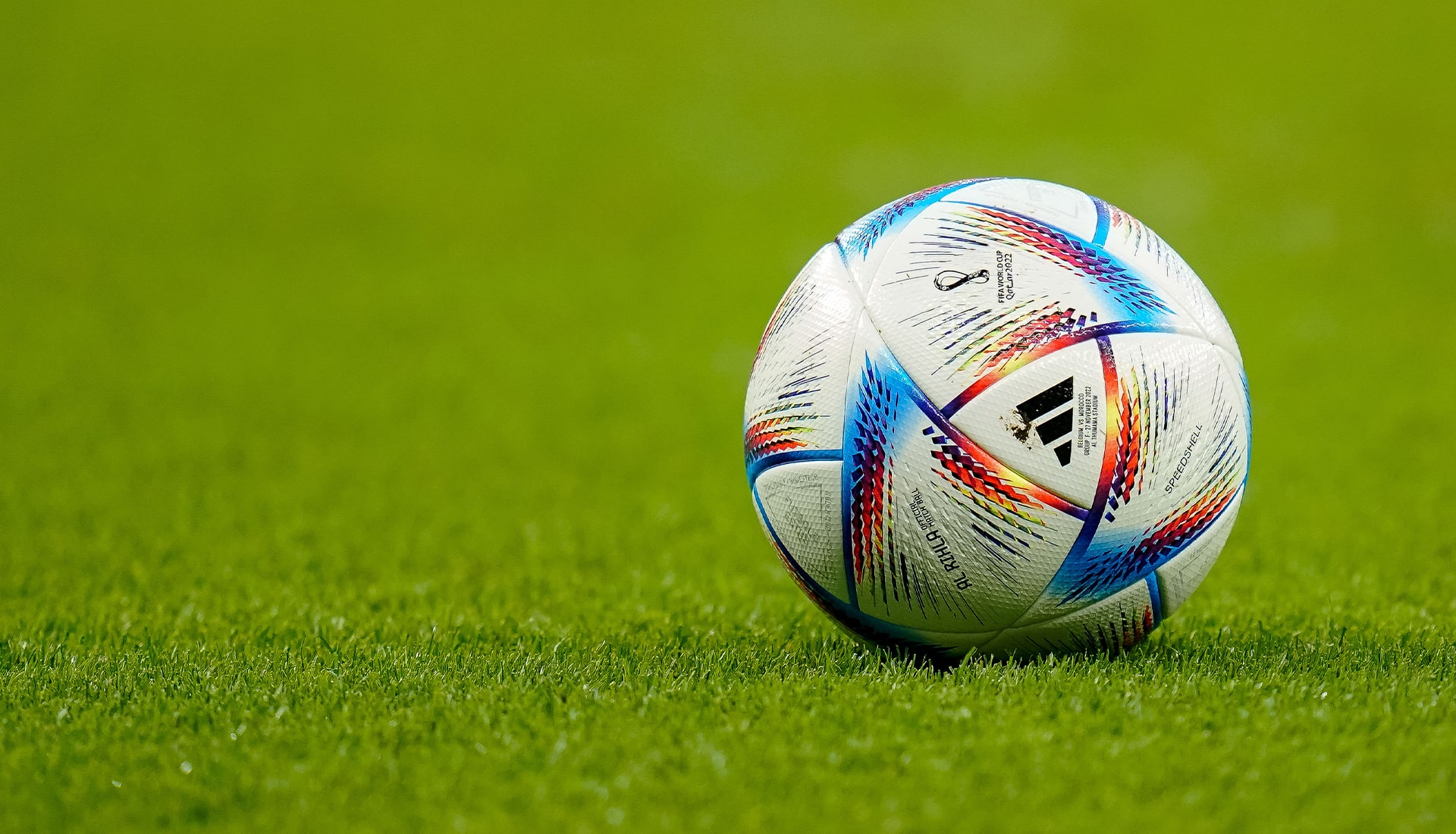
The 14th successive ball created by adidas for the World Cup, Al Rihla travelled faster in flight than any other in the tournament’s history. Meaning ‘the journey’ in Arabic, its bold, vibrant colours were inspired by Qatar’s culture, architecture, iconic boats and flag.
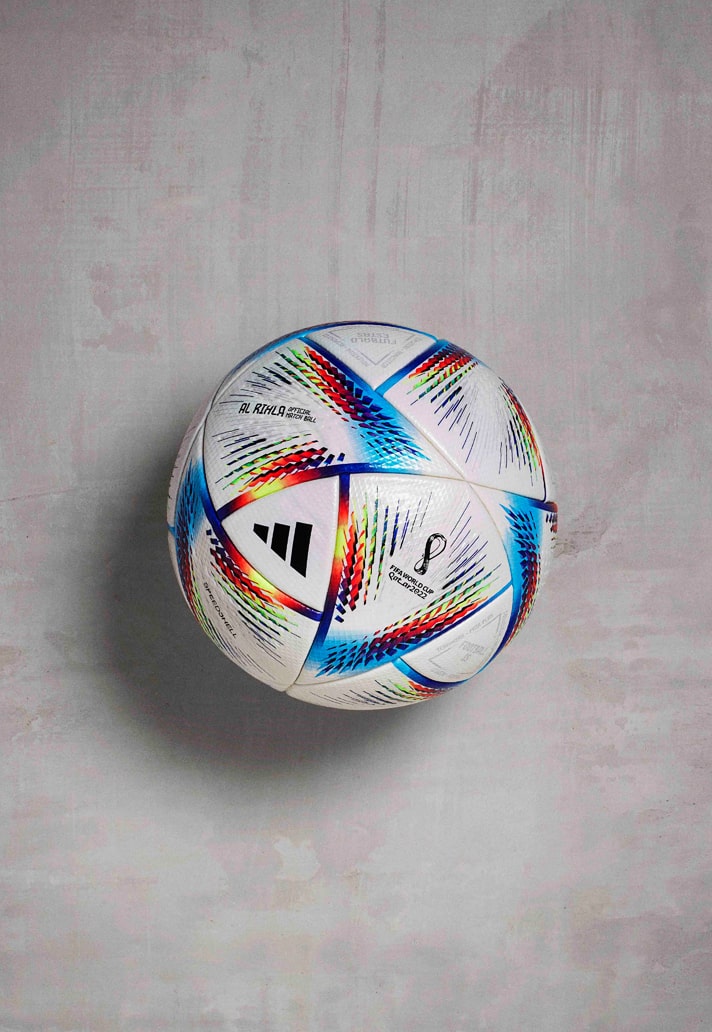
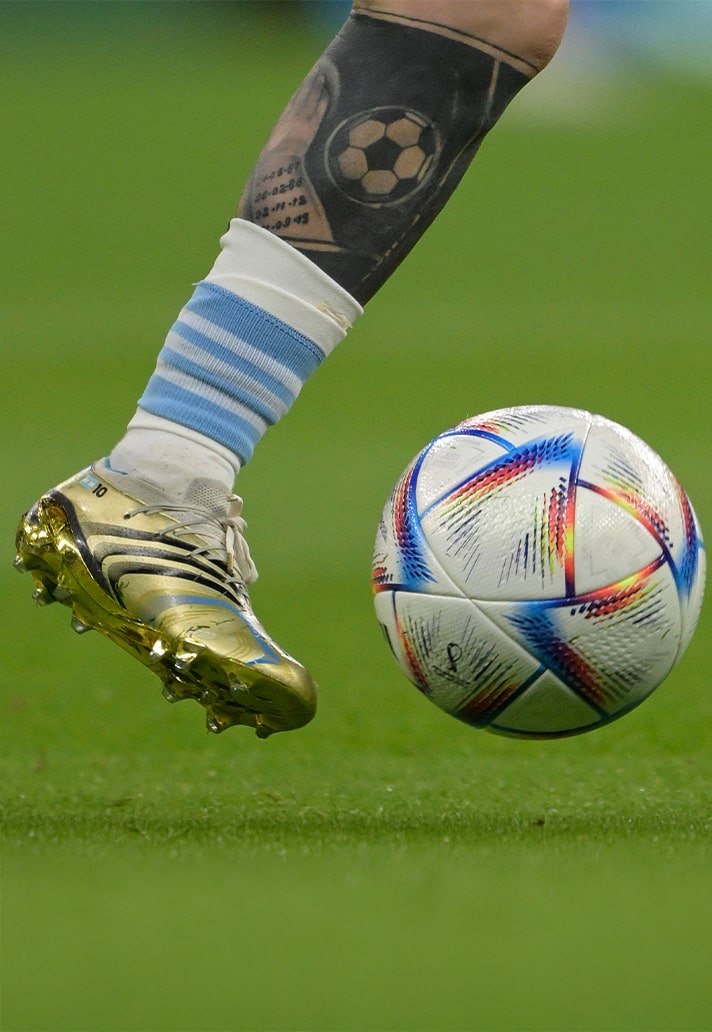
It was the centrepiece of the first-ever winter World Cup, which culminated in one of the greatest finals of all-time. Billed as the final of the 10s, it was the master Messi against the rising star of Mbappé, both after not only the World Cup, but also the Golden Boot … and the action on the pitch didn’t disappoint in any respect. Of course, it was Messi and co. who walked away with the ultimate prize, while Mbappé had to content himself with the Golden Boot (crafted to resemble an adidas X Speedportal to rub salt into the Nike man’s wounds).
Now we get the latest edition, the Trionda, designed as a celebration of the nations that will host the tournament – Canada, Mexico and the USA. Crafted using a brand new four-panel ball construction for high performance, the fluid design geometry replicates the waves represented in the ball's official name. Each panel features the country colours of red, blue and green which connect in a form of a triangle in the centre of the panel, symbolising three nations coming together to host the tournament for the first time.
So many great stories, so many great moments. It’s the moments that make the balls so special, and it’s the balls that make the special moments possible. So here’s to all the stories and moments that are yet to come. The World Cup and adidas footballs seem like a match made in heaven, one that has created countless iconic moments throughout the last 14 World Cups. Let’s see what you’ve got 2026.
Shop adidas footballs at prodirectsport.com/soccer