Two years ago, before they had even kicked a ball in anger, Portland Hearts of Pine arrived with the sort of identity most football clubs spend decades searching for.
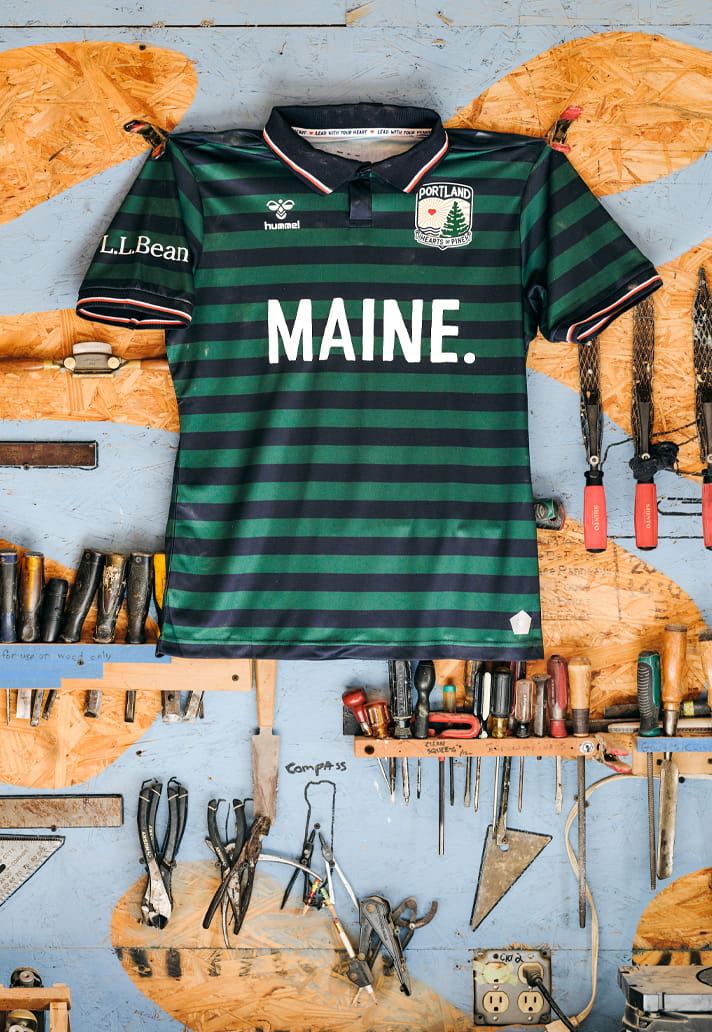
Rooted firmly in Maine's landscapes, communities and culture, the club introduced itself through the now-iconic Woods & Water jersey, a shirt that quickly transcended its status as matchday wear to become a symbol of place and belonging. The response was remarkable: before Hearts had played their first official game in 2025, the shirt had been sold in all 50 states and more than 30 countries.
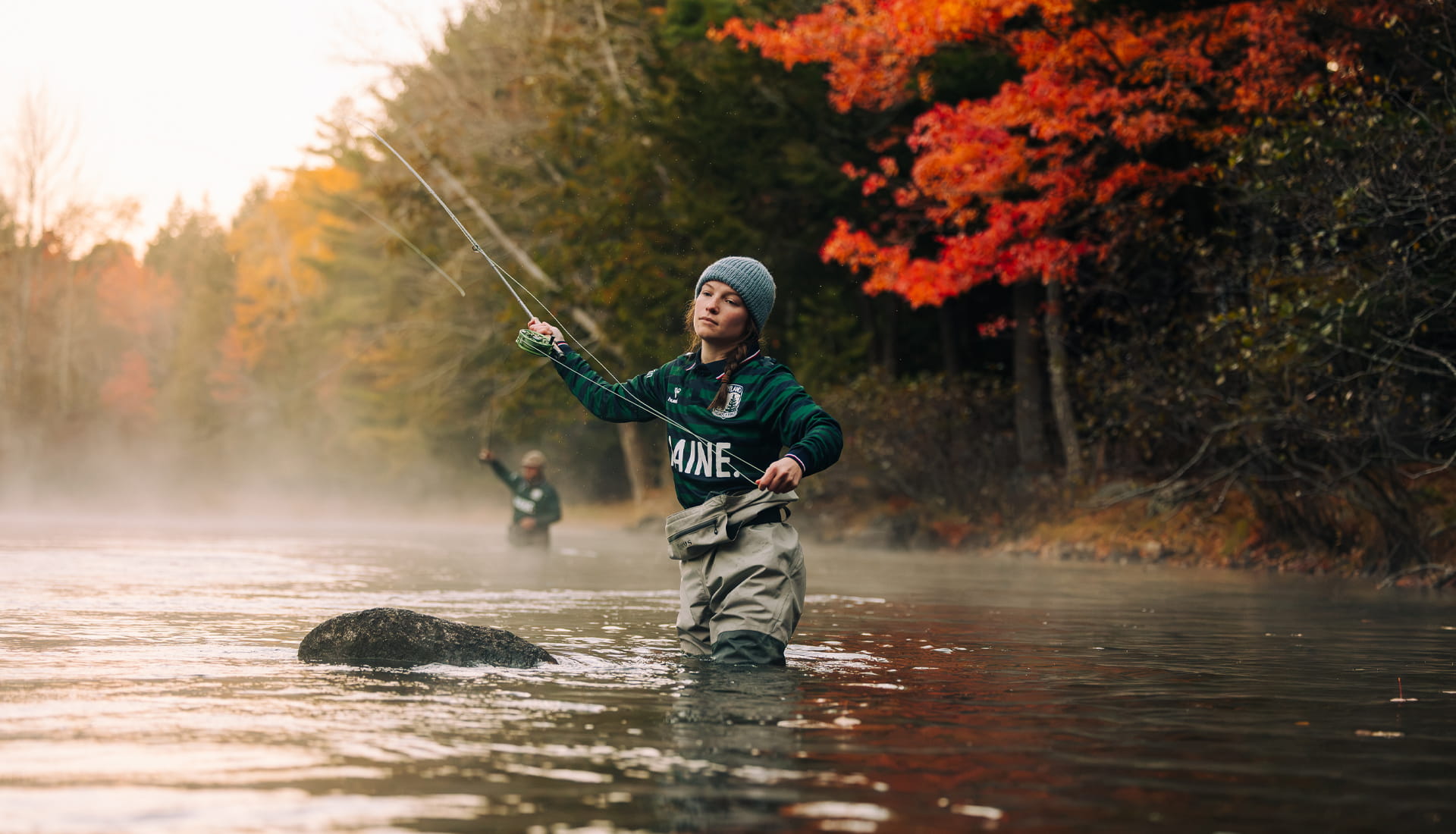
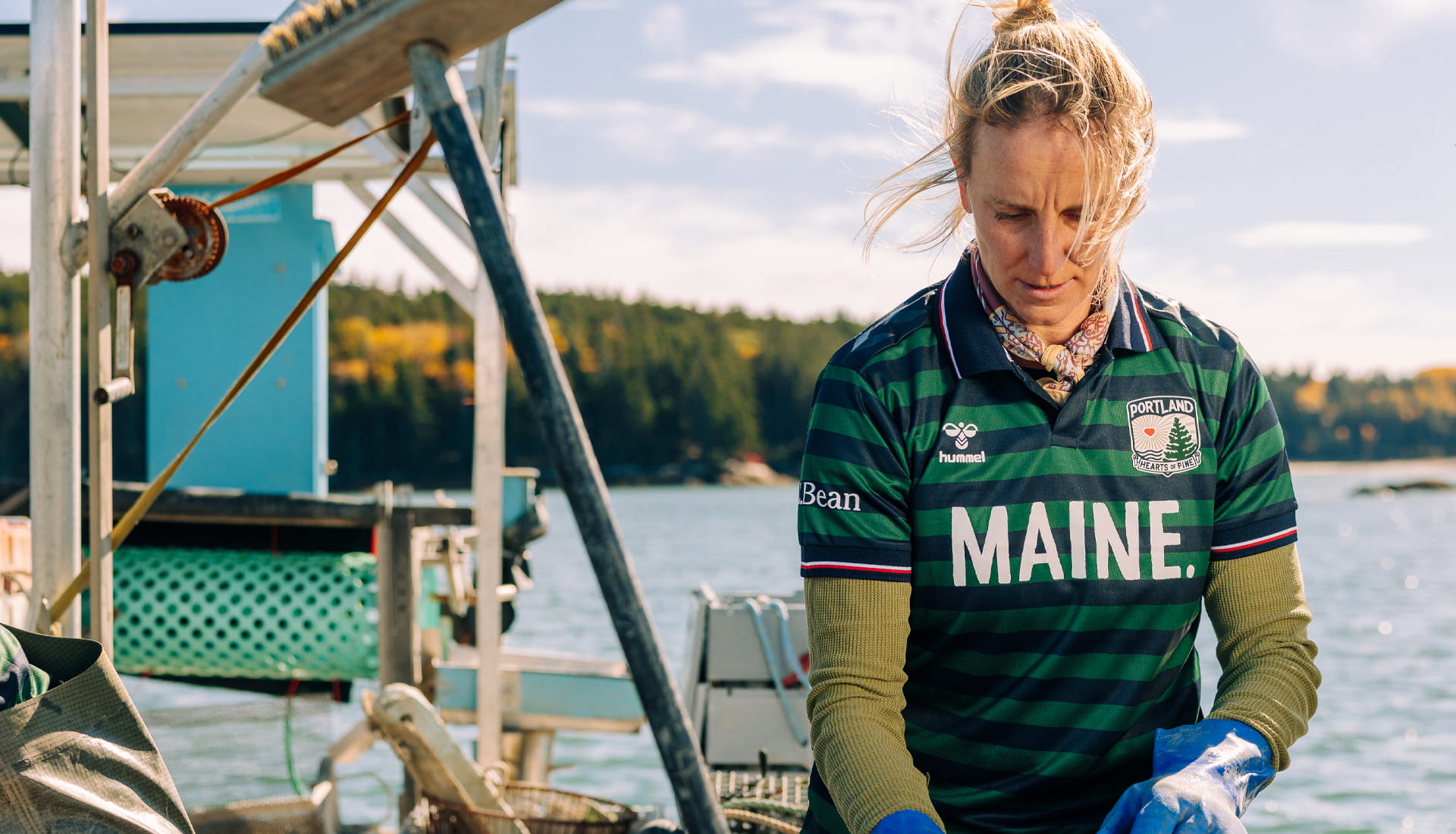
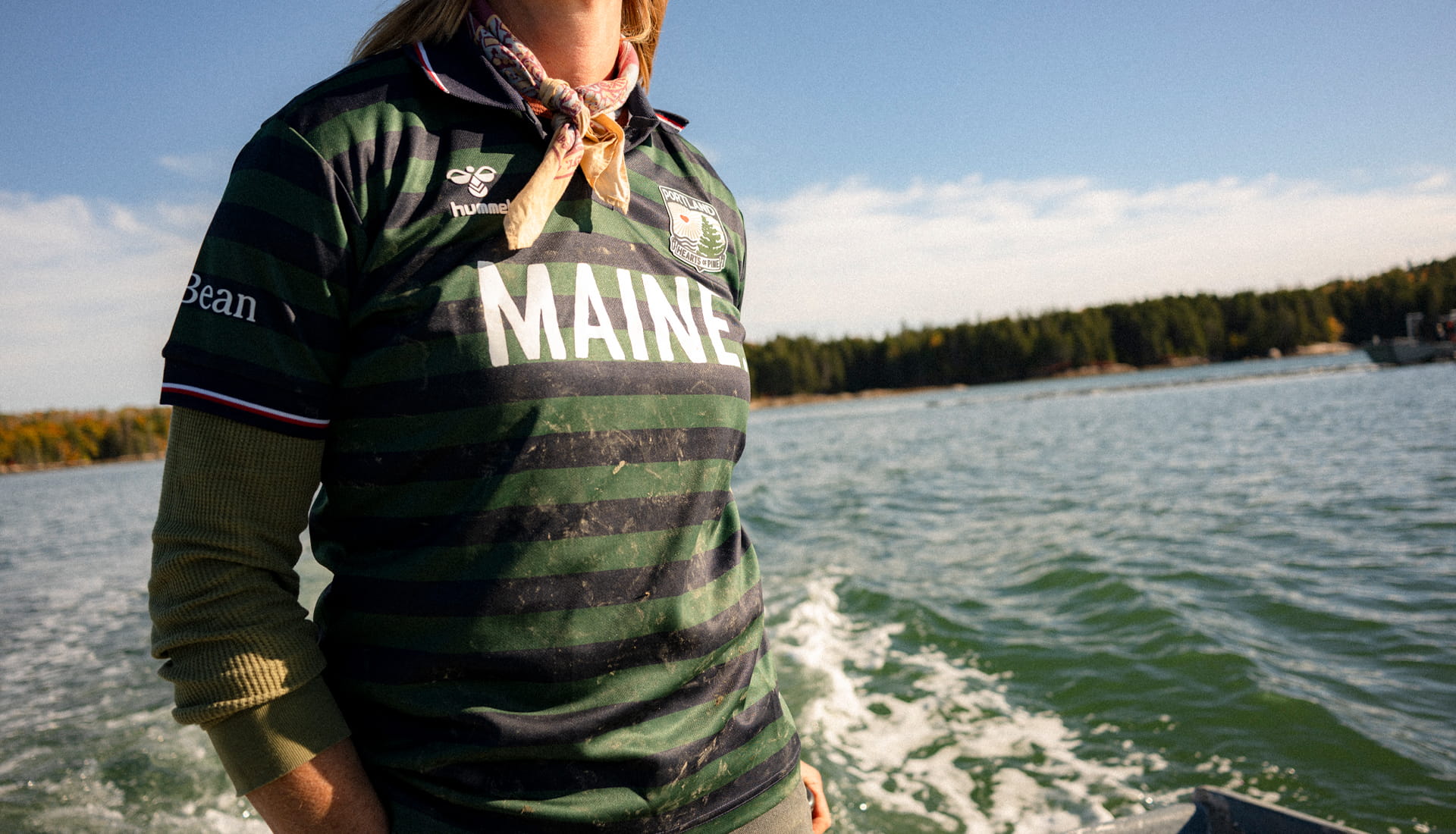
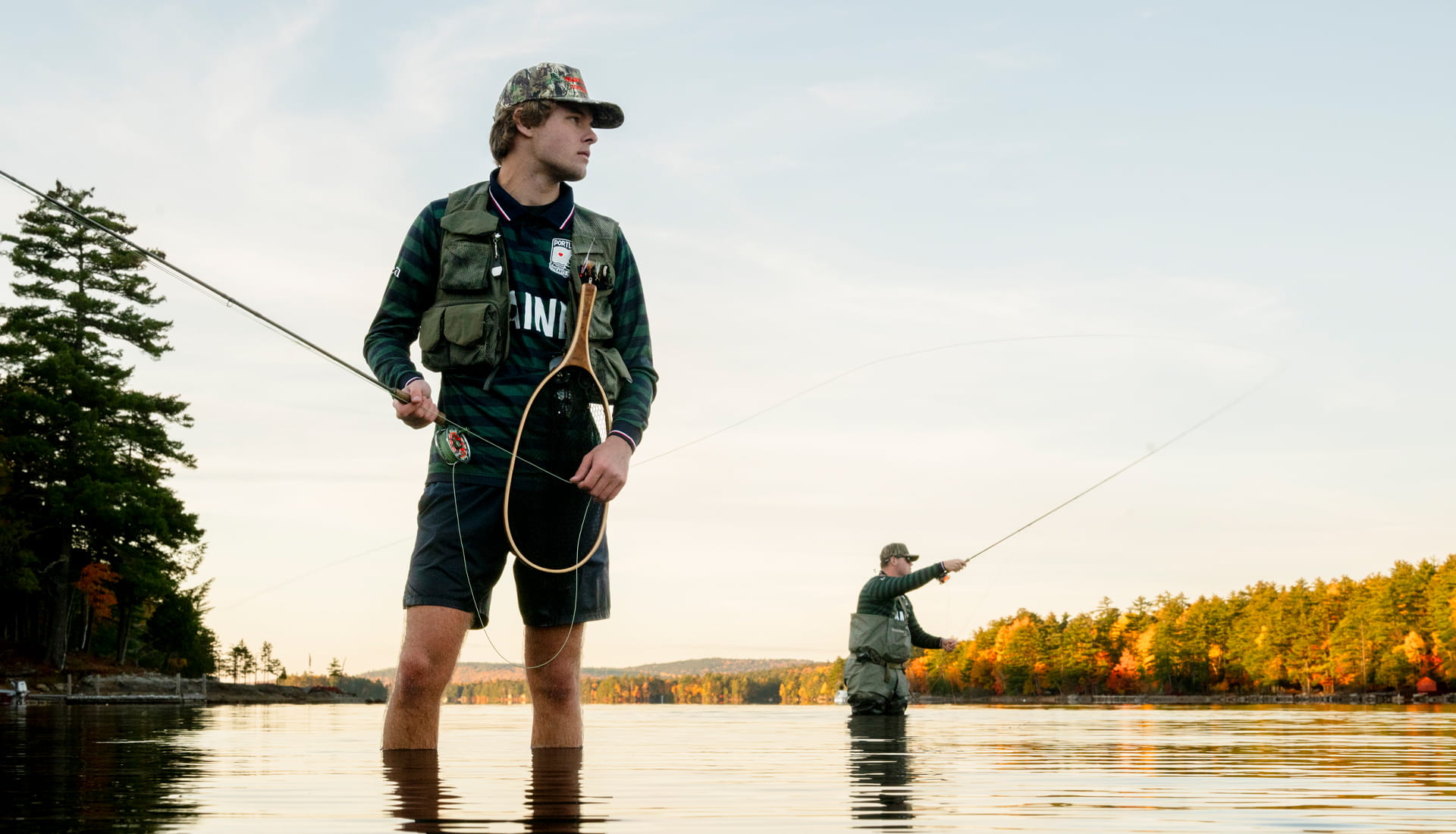
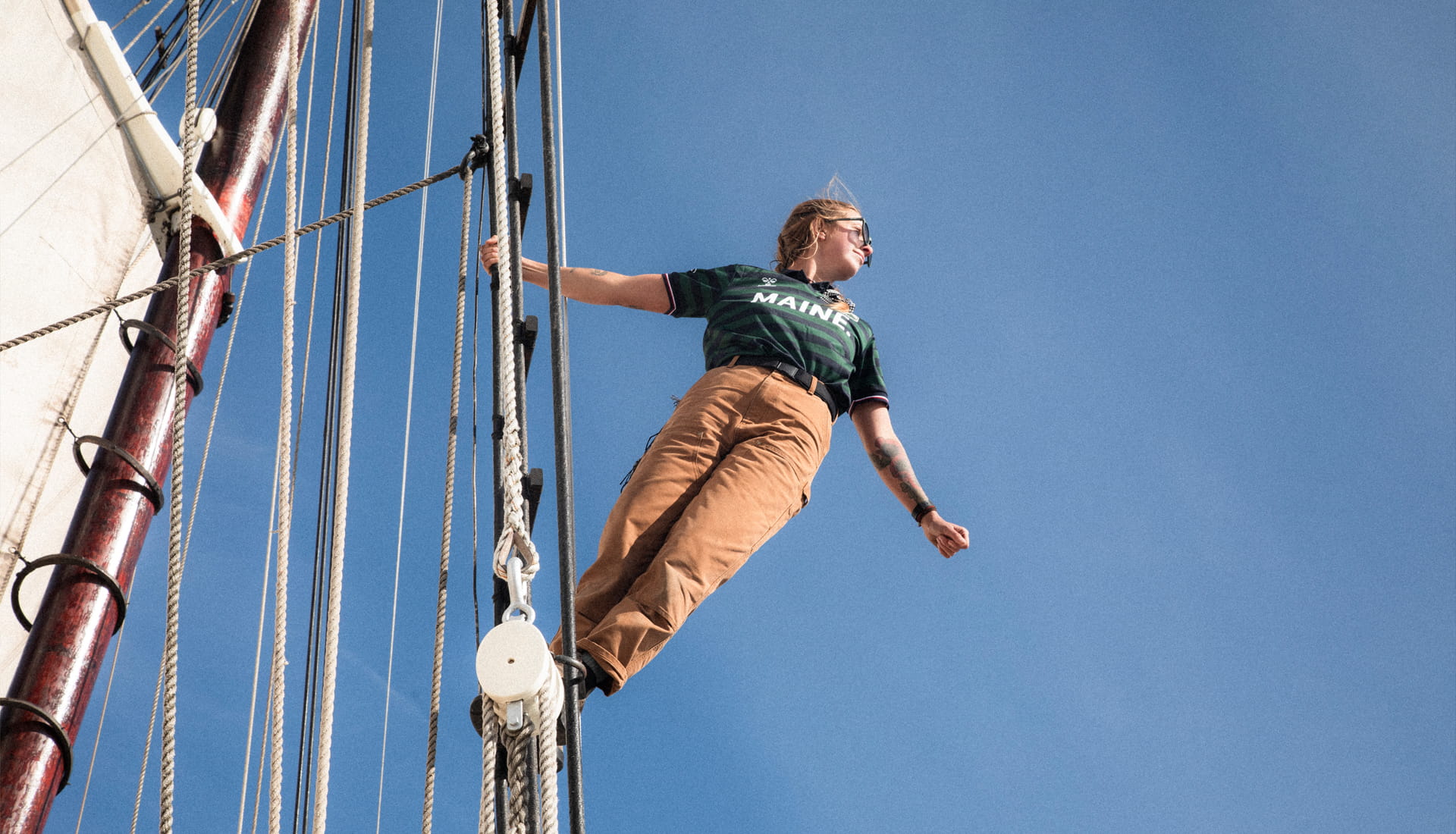
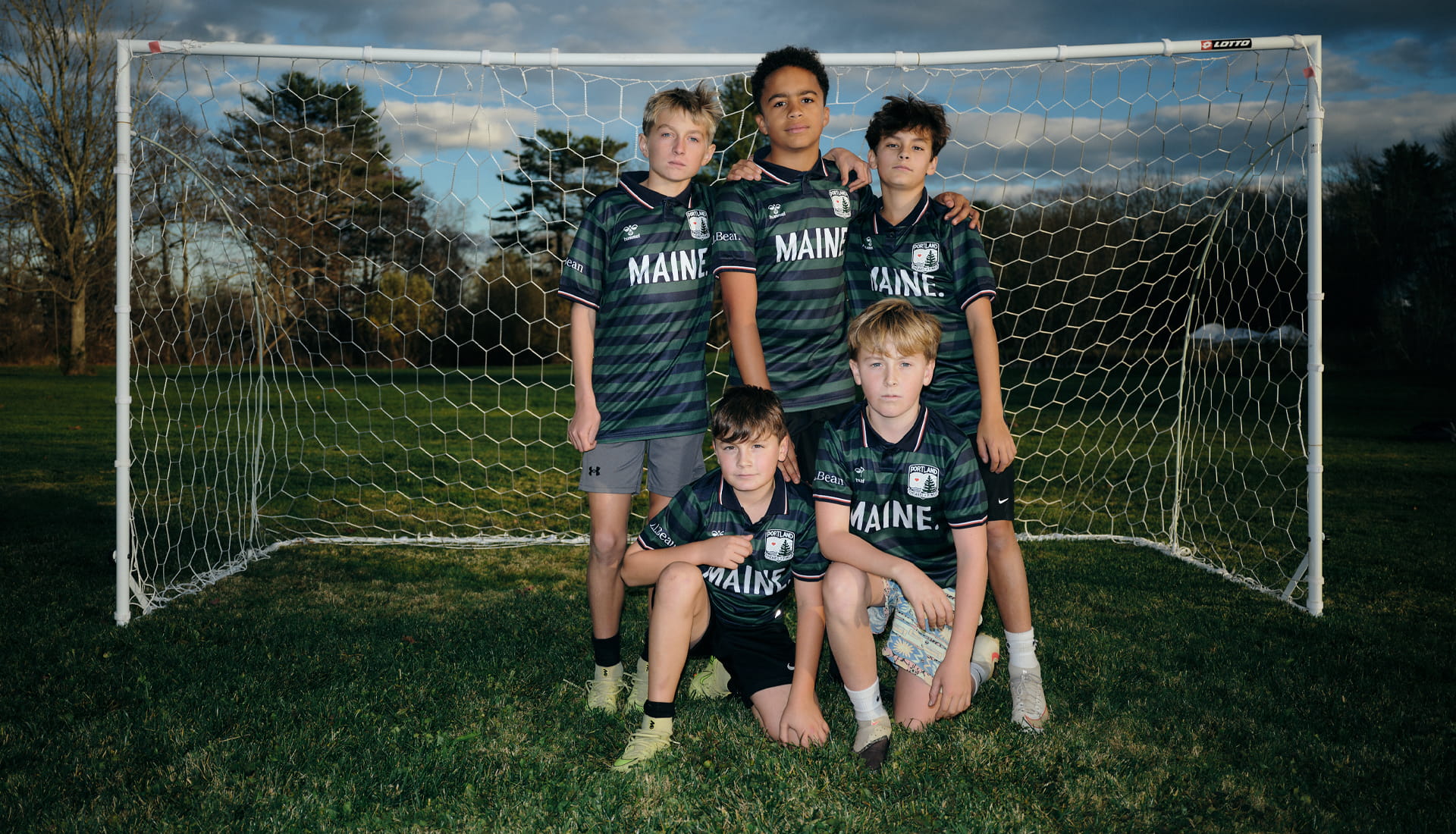
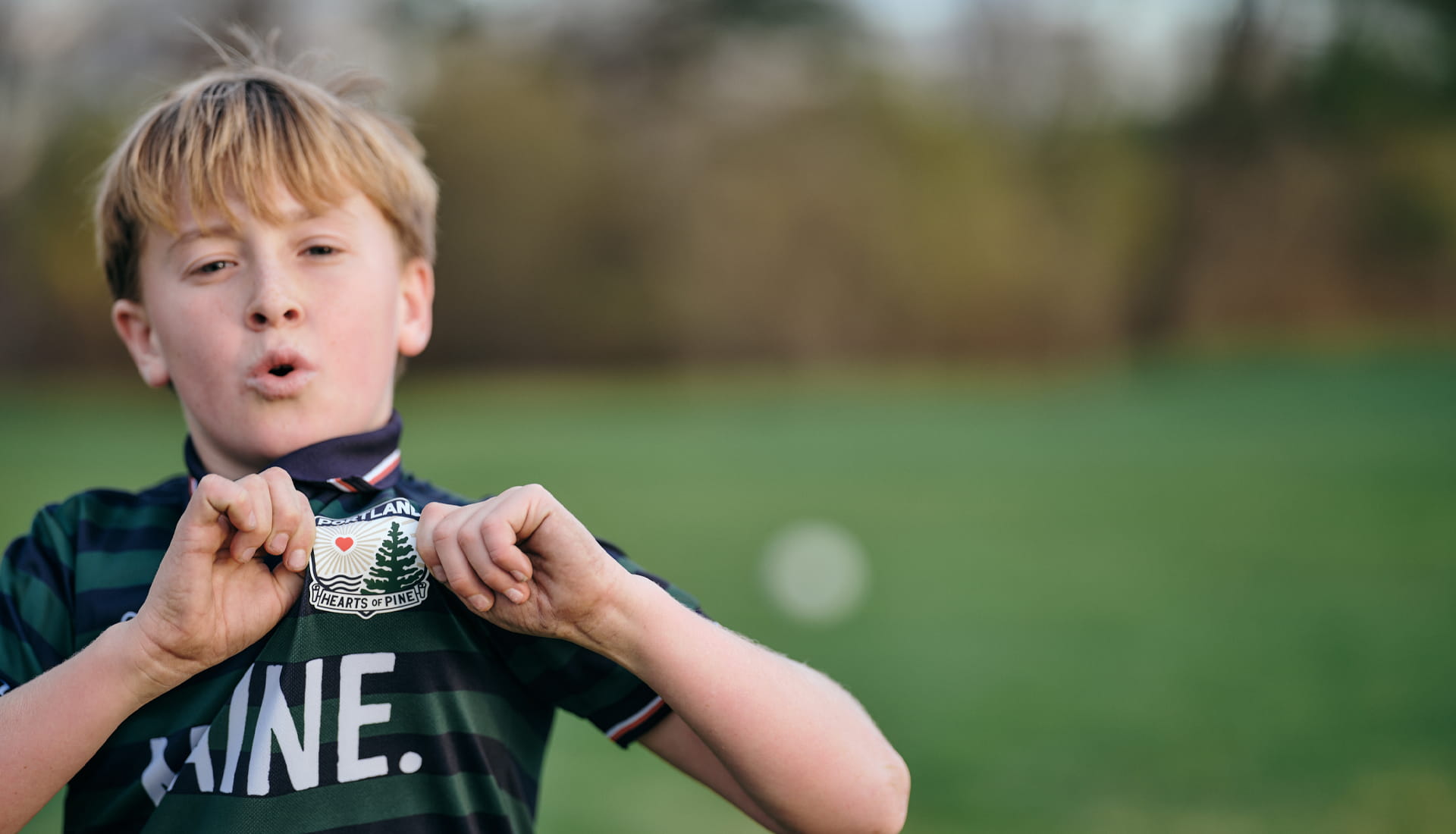
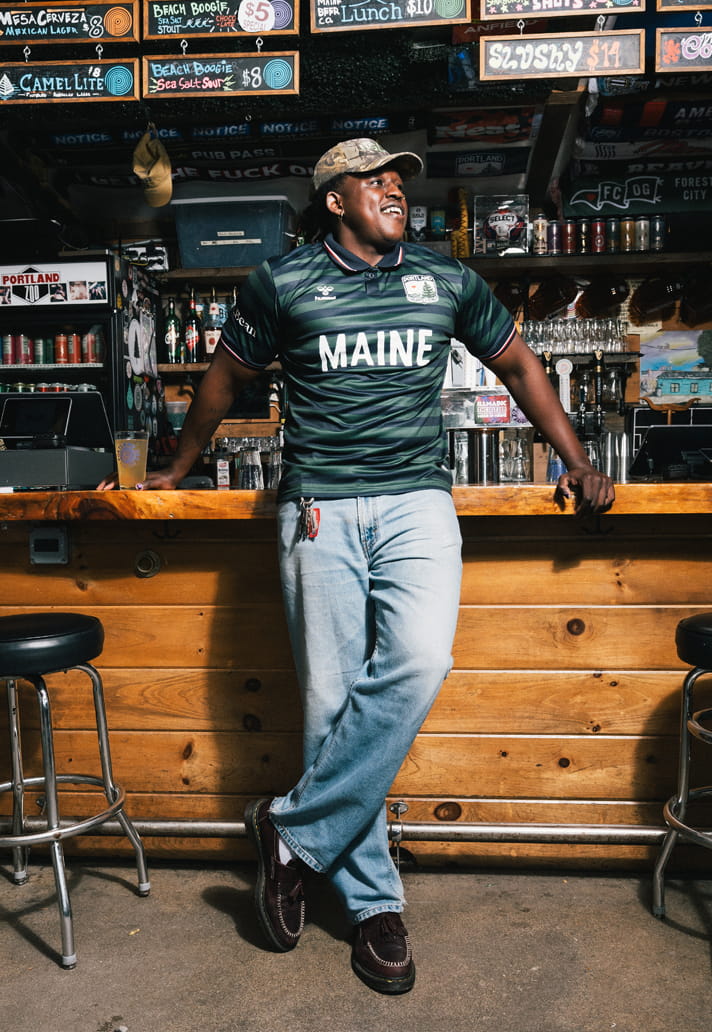
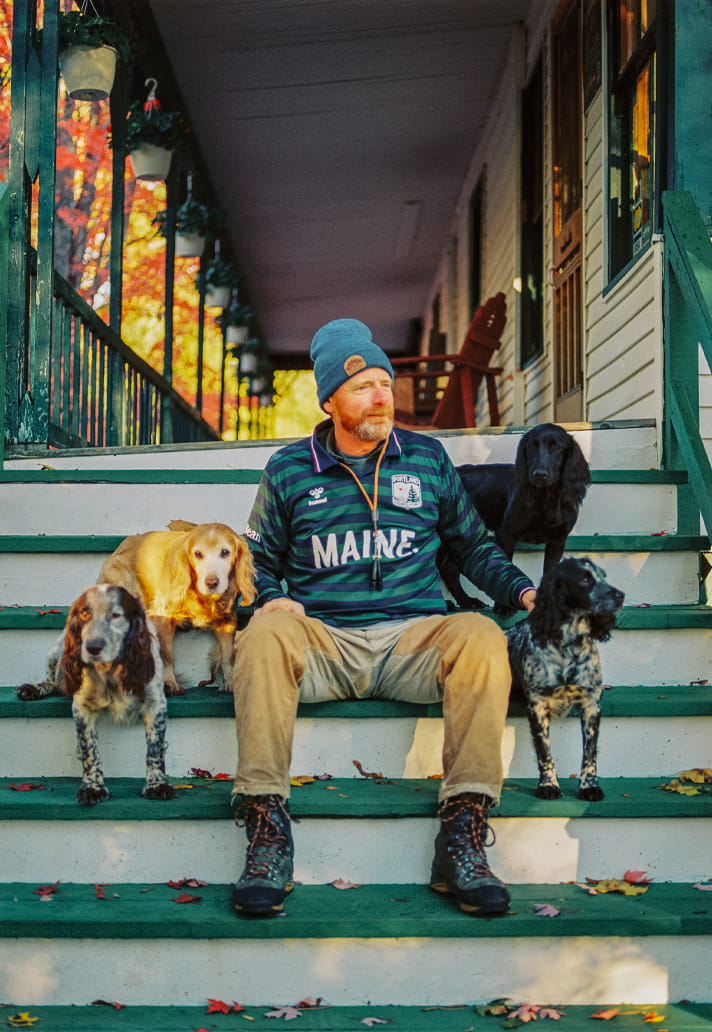
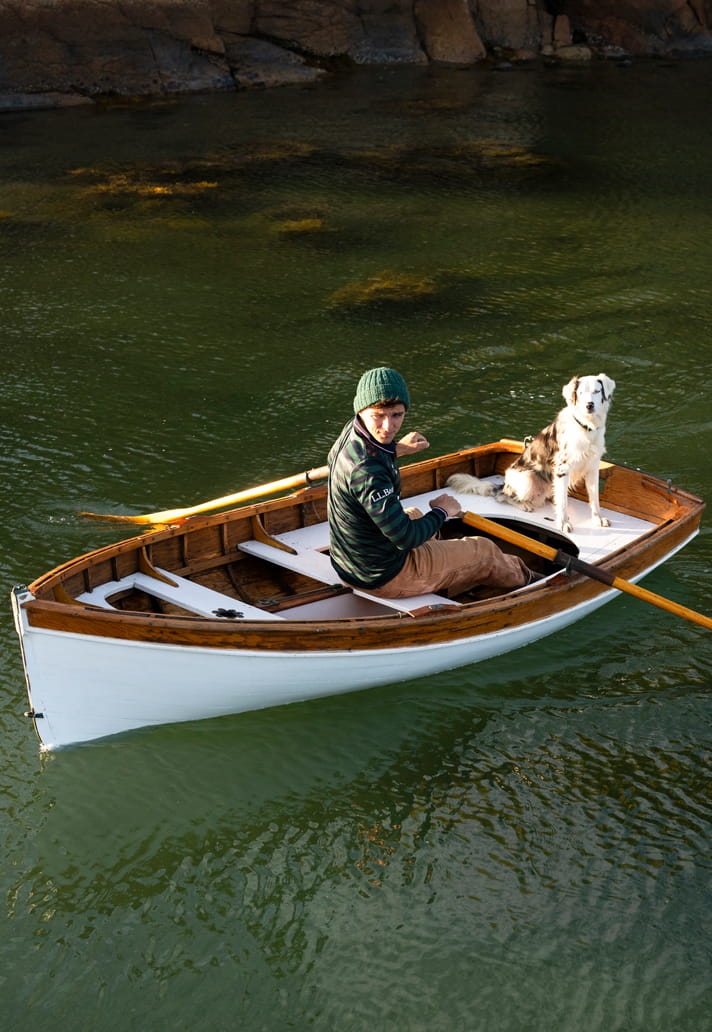
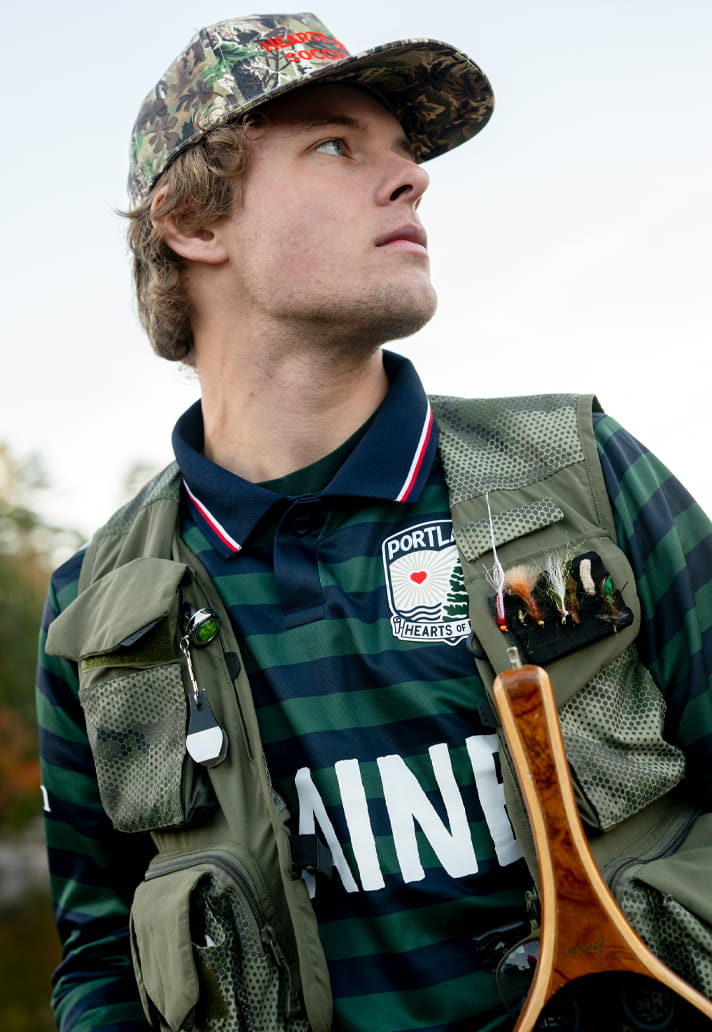
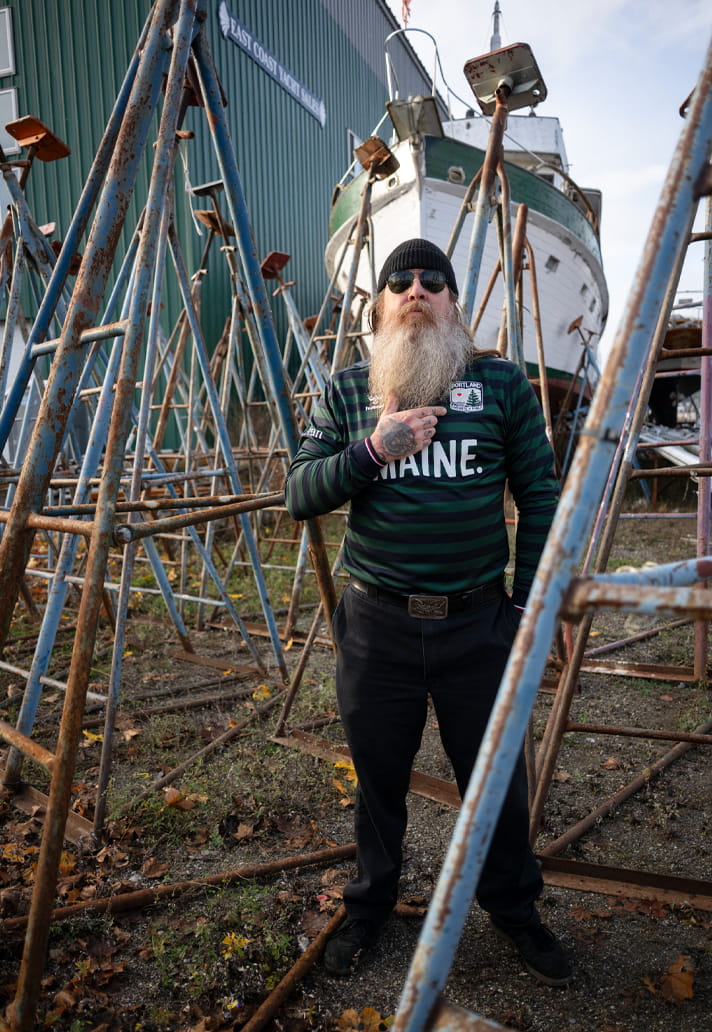
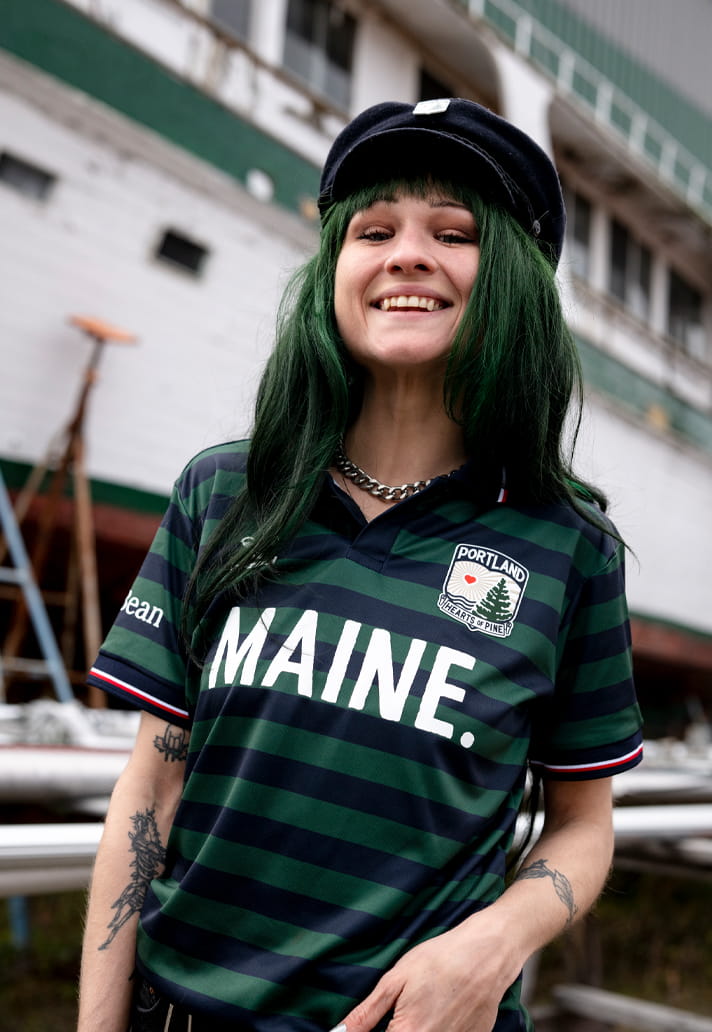
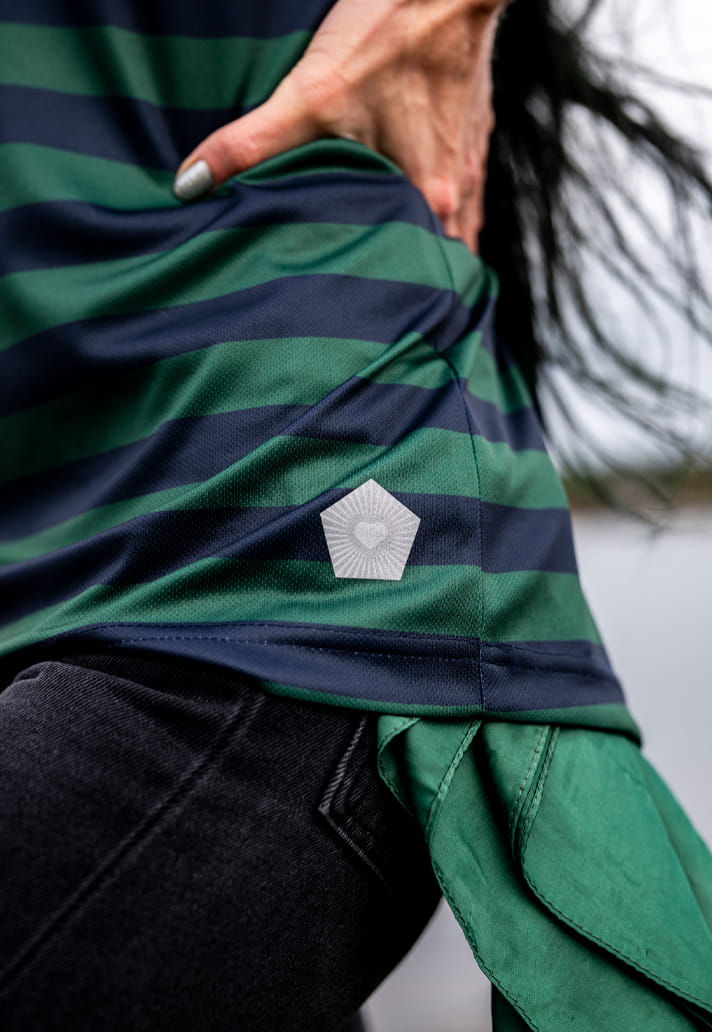
Now, for 2027, the club returns to the design that started it all. Rather than reinvention, the new Woods & Water jersey is an exercise in refinement, building upon the distinctive green and blue identity inspired by Maine's forests, waterways and coastline. Accompanied by a campaign celebrating the makers, creatives and communities that define the state, the release once again underlines Hearts of Pine's unique position at the centre of Creative Soccer Culture.
In an era when so many clubs are chasing the next trend, Hearts of Pine remain focused on something more enduring: creating a football club that feels inseparable from the place it represents. To learn more about the thinking behind the latest Woods & Water jersey, and the wider philosophy that has made Hearts one of football's most fascinating cultural projects, we caught up with VP of Marketing, Josh Lane.
Most football clubs spend years trying to establish a visual identity. Hearts of Pine seemed to arrive with a fully formed creative worldview. How conscious was that from day one?
To the credit of Gabe Hoffman-Johnson, Burke Cherrie, the team we've built here, and the community members who spent much of 2019 to 2024 thinking deeply about what this club should be, there was an incredibly intentional process behind establishing who we are before we ever kicked a ball.
Across hundreds of hours of conversations, a set of brand pillars emerged that felt both deeply rooted in Maine and ambitious in what this club could become. Everything we do filters through those pillars, through our belief that soccer can be a force for good, and through a commitment to remain true to this place and to everyone who has their heart in Maine.
You've resisted the temptation to completely reinvent the Woods & Water look and instead refined it. What made continuity the more interesting creative decision?
There are plenty of kit collectors on our staff, and we all share an appreciation for clubs that have built enduring identities through their shirts. Celtic's hoops. Barcelona's blue and red. Feyenoord's split shirt. Boca's blue and gold.
Hearts of Pine doesn't have a century of tradition to draw from, but Maine does.
Look across the state and you'll see these bands of green and blue everywhere. From the Gulf of Maine to the lakes region and the Allagash, from the North Woods to the thousands of islands scattered along the coast, these landscapes have shaped the people here long before it was called Maine.
When people watch this club, we want them to recognise that connection. Every shirt should build on our growing culture, traditions and sense of place. You don't create that by reinventing your north star every season.
There's also something very Maine about resisting the churn of trends. The state has always moved a little differently from the rest of the world, and that's part of its magic. Trends come and go. We're focused on building a club that can endure for as long as there's a community willing to call it their own.
What's the biggest misconception people have about what Hearts of Pine are trying to build?
I'm not sure it's a misconception as much as something I wish more people could see: just how committed we are to using soccer as a force for good.
You see it in our mantra, Lead With Your Heart, and in the work of our foundation, which has delivered hundreds of hours of free after-school programming to young people across Greater Portland, using soccer to build confidence, compassion and leadership far beyond the pitch.
You see it on matchdays too, where local businesses, community organisations, supporters and players come together around something bigger than the result.
We love making beautiful kits and building a great football club, but all of it comes back to making a meaningful difference in Maine.
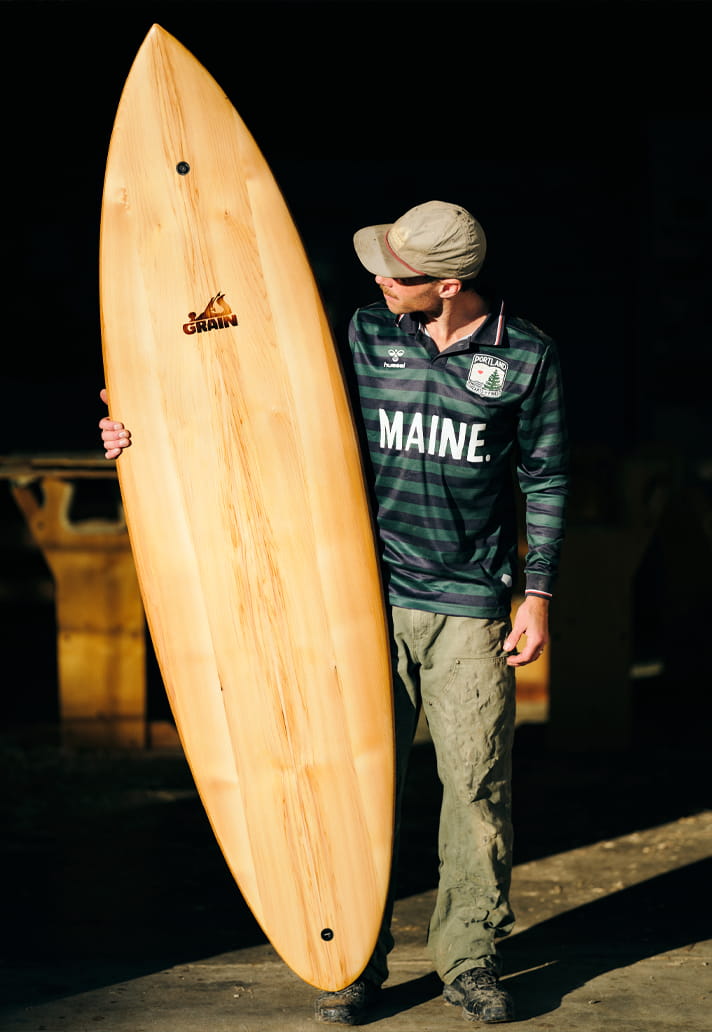
The launch brings together everyone from oyster farmers and surfboard makers to musicians and pickup football communities. What do those people represent that a traditional football campaign wouldn't?
Maine is one big village. It's a state of just 1.5 million people, but with an incredible diversity of landscapes, livelihoods and ways of life, from fly-fishing and surfing to oyster farming, boatbuilding and everything in between.
Whenever we have a platform like this, we want to pass the microphone to the people who have helped build this community alongside us.
The people in these photos and films aren't models in a football campaign. They're the reason this club exists. That's where the magic comes from. Most people can look at these stories and see a piece of themselves, or someone they know.
Jeremy, who narrates the launch film, runs a vintage clothing store in Bangor, hauls lobster traps and reinvests his time and money into restoring a historic lighthouse on Mistake Island. There are another 1.5 million stories like that across Maine, and this club is a platform to celebrate them.
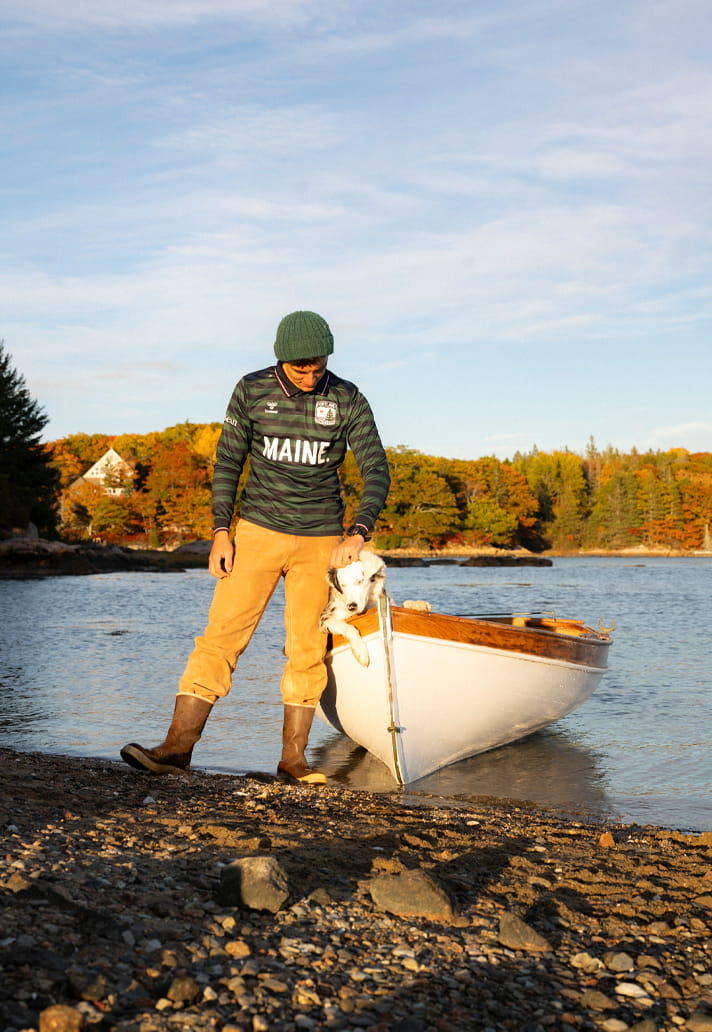
"There's something very Maine about resisting the churn of trends. Trends come and go. We're focused on building a club that can endure for as long as there's a community willing to call it their own."
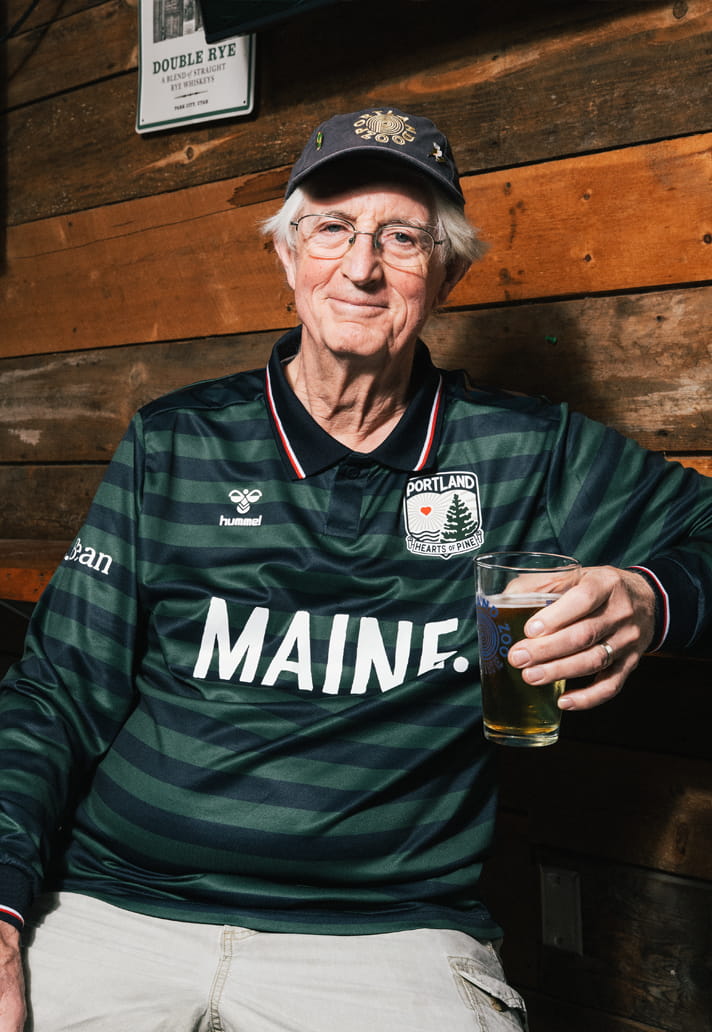
How do you balance creating something deeply local without making it feel exclusive to people outside of Maine?
This club is for everyone who has their heart in Maine. If you want to be part of it, you already are.
That includes people who've lived here their entire lives, those who spend their summers here, and plenty more who have never visited but dream of making the trip.
Maine carries this promise of The Way Life Should Be, and it's hard not to be drawn in by places like Acadia National Park, Portland's food scene or the atmosphere at a Hearts match. The more we celebrate this place honestly, the more people seem to find something in it that they want to connect with.
Football is the world's game, and in many ways this club has introduced people around the world to Maine. It's hard not to fall in love with it.
The jersey has resonated globally despite being so specifically tied to one place. Do you think football culture today is actually craving more authentic local stories?
I think people are craving meaning and community, and sport remains one of the few places where authentic connection still exists.
The best football clubs in the world are civic institutions. You hear Milan and think of the San Siro and red-and-black stripes before you think of the Duomo. There's something powerful about seeing a club that feels genuinely connected to its community and rooted in a real sense of place.
We've seen that resonate globally. The original Woods & Water shirt found its way to more than 30 countries. That doesn't happen by accident. It happens because the stories are true, the people are real, and the meaning behind the club is something people can genuinely feel.
Has the success of the shirt changed your understanding of what supporters are actually looking for from a modern football club?
I wasn't with the club when the original Woods & Water shirt launched, but I remember seeing that first photograph of Foy on North Haven Island, standing outside his boatyard with his hand over his heart.
The moment I saw Bill Trevaskis' photograph, I wanted to be part of this club.
It told me more about Hearts of Pine than any traditional brand presentation ever could. It reinforced something many of us know but rarely experience in modern life: people want to feel connected to something meaningful. They want to look each other in the eye, stand shoulder to shoulder and sing with one voice. They want to see themselves and their communities reflected back at them.
Football matters enormously, but the meaning people find in a club can extend far beyond what happens on the pitch.
The campaign involved local photographers, filmmakers and community figures from across Maine. How important is it that the people telling the story are part of the story themselves?
I love this aspect of who we are.
Maine has an incredibly special creative community, and this club wouldn't be what it is without the artists, photographers, filmmakers, musicians and storytellers who've helped bring it to life.
Whenever we have the opportunity, we want to place the camera, microphone or platform in the hands of someone from this community. That's part of how we create meaning, part of how we democratise the brand, and part of how we ensure the club belongs to everyone who has their heart in Maine.
After all, who better to tell the story of a place than the people who make their work about it every day?
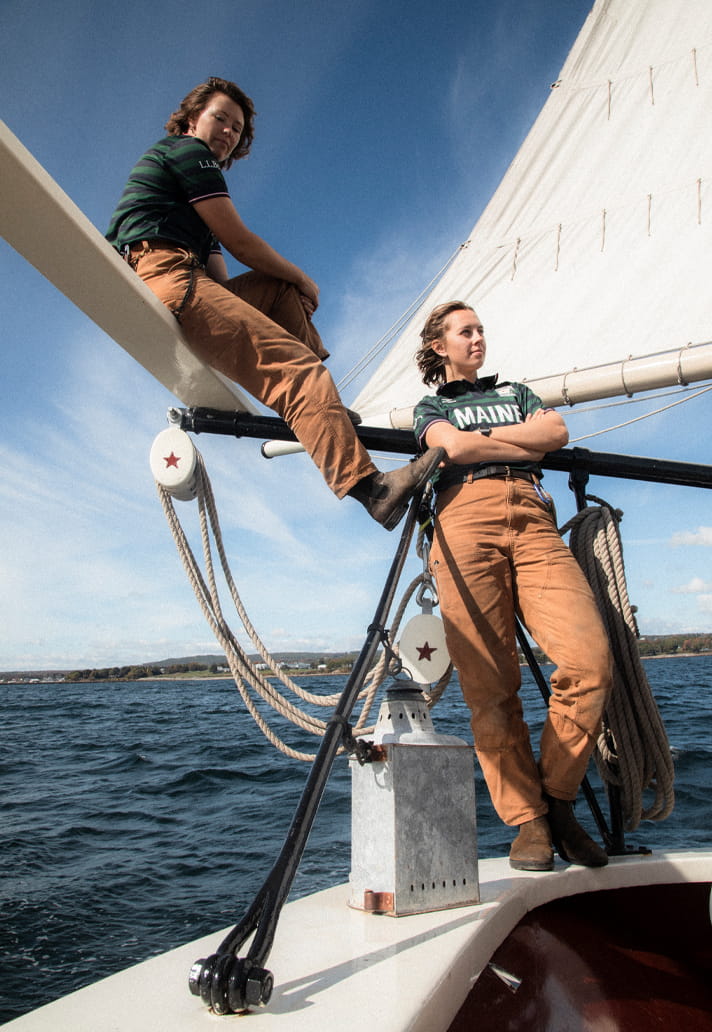
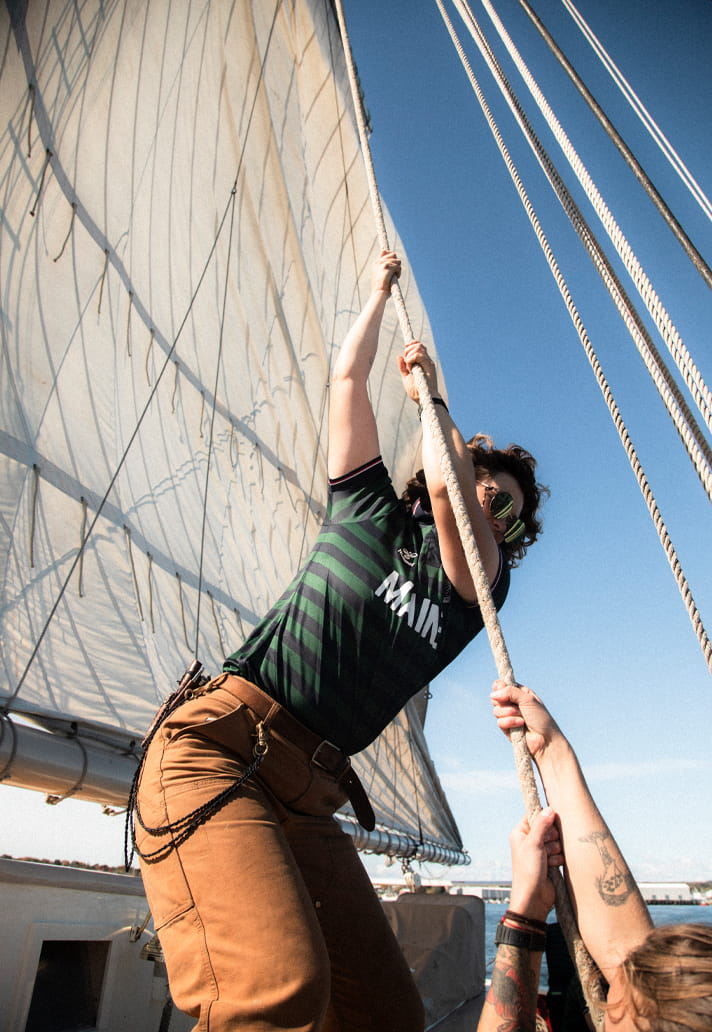
"The stories are true, the people are real, and the meaning behind the club is something people can genuinely feel."
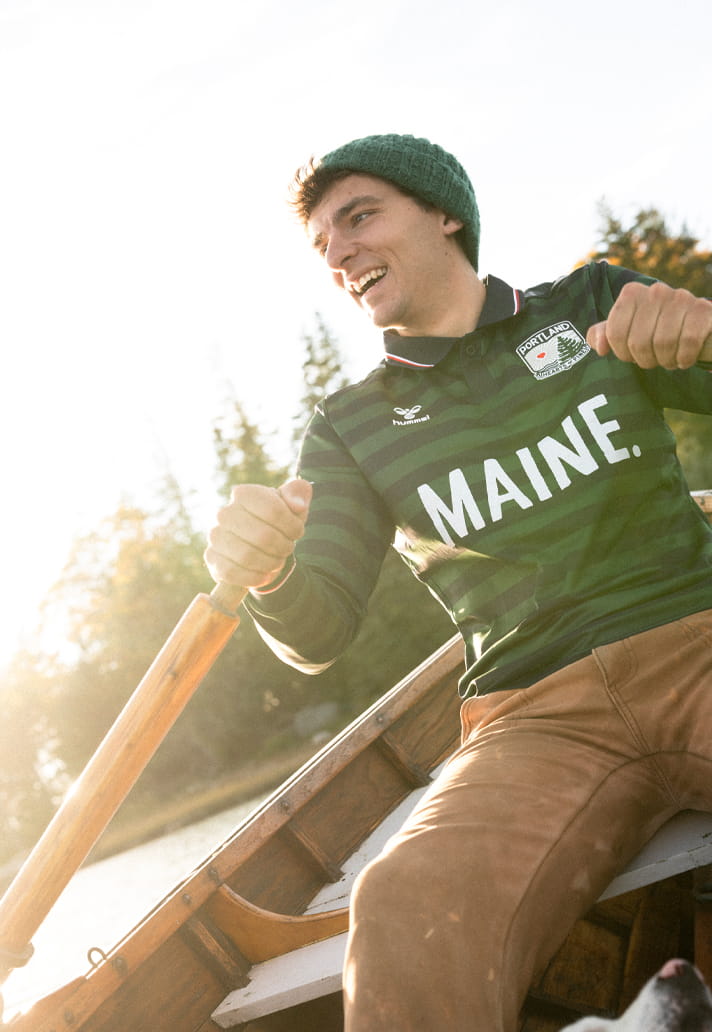
Looking at the visual output from Hearts of Pine, it often feels closer to independent publishing or documentary storytelling than traditional sports marketing. What inspires your creative approach?
We're a group of design obsessives, film nerds and endlessly curious people.
We care about stories and we care about telling them well, regardless of the medium. We believe less is often more, and if we're going to put something into the world, we want it to be meaningful.
Traditional sports marketing has its place. We love celebrating players and the game itself. But we've also learned that some of the most powerful ways people connect with this club have more to do with purpose and place than the matchday experience alone.
Are there clubs, brands, magazines or cultural projects outside football that have influenced how Hearts of Pine presents itself?
It all starts with curiosity. The designer's eye never rests.
Be a sponge. Inhale to exhale. You become a museum of everything you've seen, heard and felt. Taste is often about knowing which reference to use, and when.
Our team is constantly sharing inspiration, from football media and independent publishing to cinematography, craft, design and film. We're just as likely to be inspired by a magazine, a filmmaker or an artist as we are by a football club.
Most of those references never translate directly into something we make, but collectively they help create a shared creative language that we filter through the lens of Hearts of Pine.
One line from the release says the shirt has become "more than a soccer jersey." What do you think it represents now?
I think it's become a way for people to carry a small piece of Maine with them, wherever they happen to be.
We've seen supporters wearing it in all 50 states and around the world, including plenty of people who've never attended a Hearts match. For them, it represents the landscapes, communities and culture that make this place special.
Ultimately, it's a piece of home for anyone who has their heart in Maine.
In a football landscape increasingly dominated by global brands, what role can smaller clubs play in pushing culture forward?
Smaller clubs have a tremendous opportunity because they're still closely connected to the people and places they represent.
We don't need to compete with the biggest clubs in the world on their terms. We can create something entirely our own.
When Landon Donovan visited recently, we didn't take him to a luxury hospitality suite. We took him to the Portland Zoo, which is essentially a converted garage where people gather at 7am on a Saturday to watch the Premier League with a pint in hand. By 3pm, everyone's walking together to Fitzpatrick Stadium.
That hyper-local experience is special. It's authentic, it's unique, and I think people are hungry for exactly that.
Do you think clubs underestimate how much supporters want meaning and belonging, not just results?
I think people want to be part of a story. More importantly, they want to feel that they belong to something bigger than themselves.
We had a challenging second season on the pitch, but every home match sold out and our supporters never wavered. If anything, their commitment only deepened.
That's a powerful reminder that what we're building is larger than Saturday's result. Success has always meant living up to our vision of what football can be, through how we play, how we bring people together and how we show up for the place we call home.
If someone had never heard of Hearts of Pine and you could only show them one campaign, one photograph or one piece of content that explains the club's philosophy, what would it be?
I'd show them the photograph of Foy on North Haven Island, standing outside his boatyard with his hand over his heart.
It was taken by Bill Trevaskis, a local schoolteacher, musician and lifelong storyteller, and emerged from Burke's vision for that original Woods & Water shoot.
I saw that image before I moved to Maine to join the club, and it immediately made me want to be part of what was being built. It told me more about Hearts of Pine than any presentation ever could.
It's simple. It's honest. And it captures everything we're trying to be: a football club that feels unmistakably of this place and truly belongs to the people who call it home.

Pick up the Portland Hearts of Pine 2027 Woods & Water jersey here.


