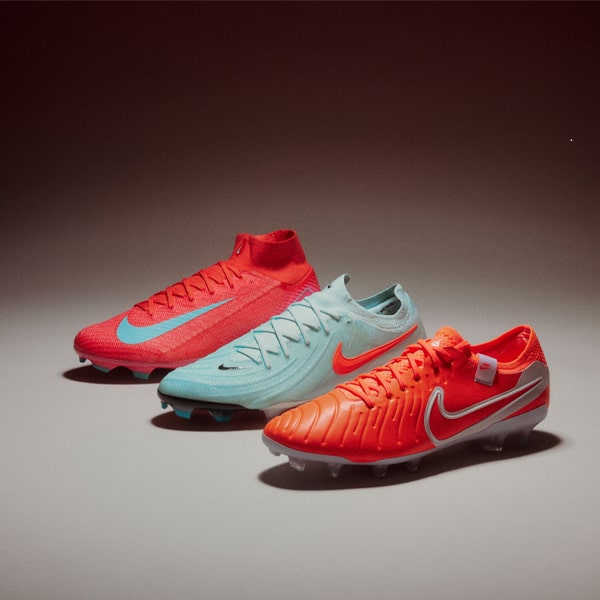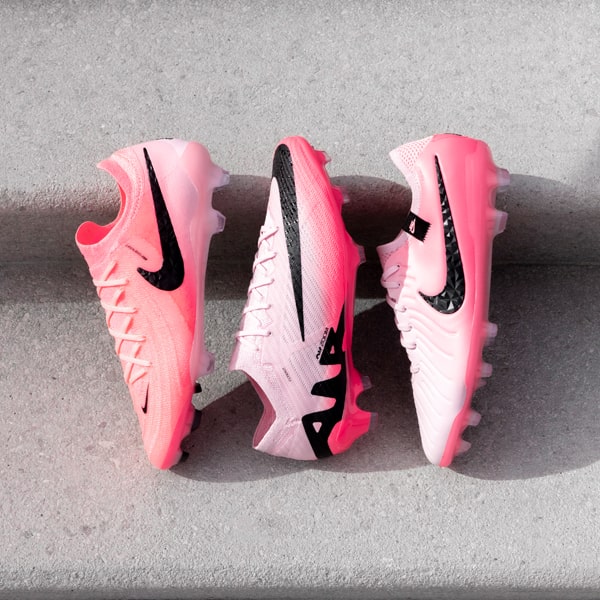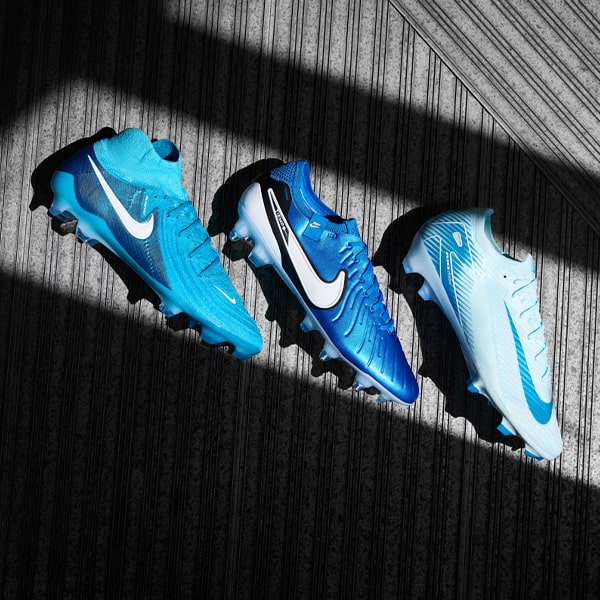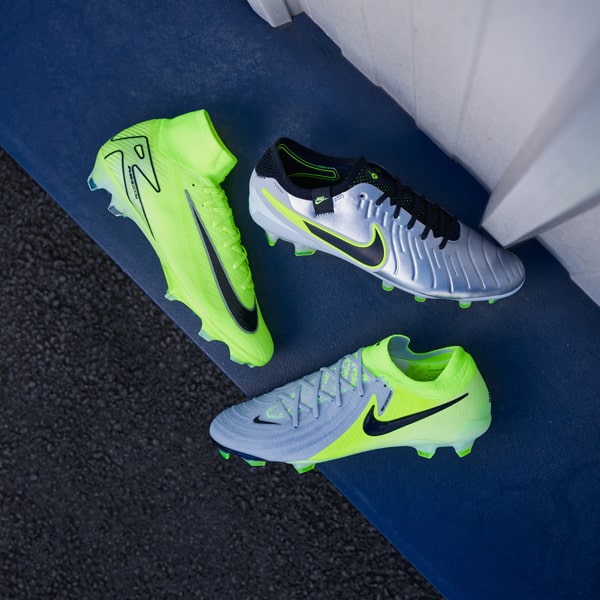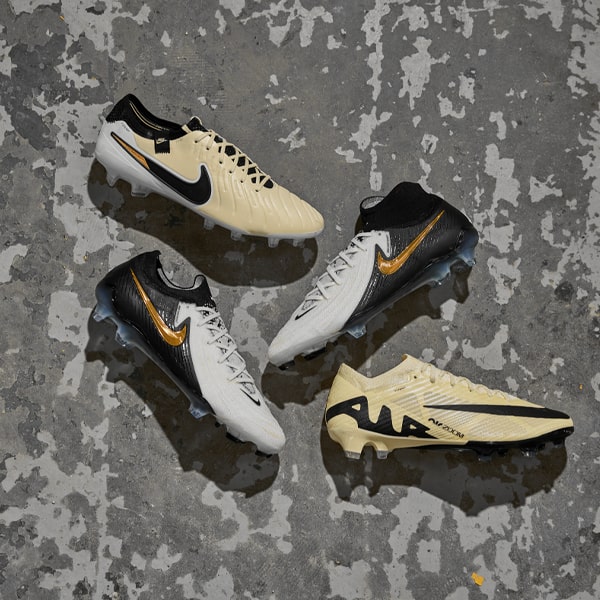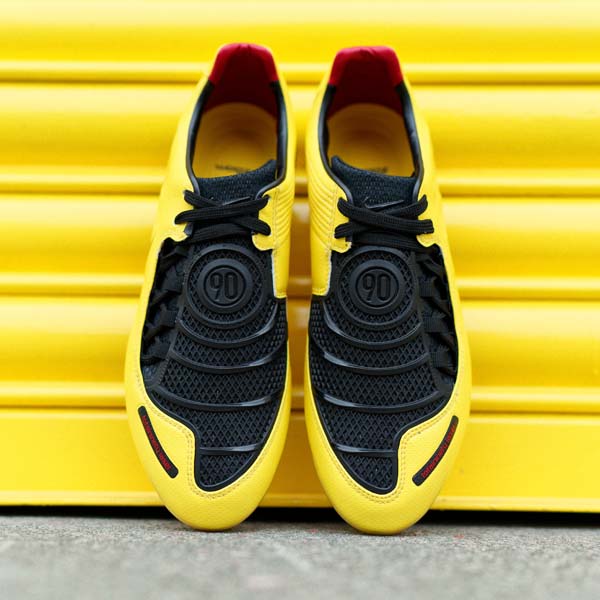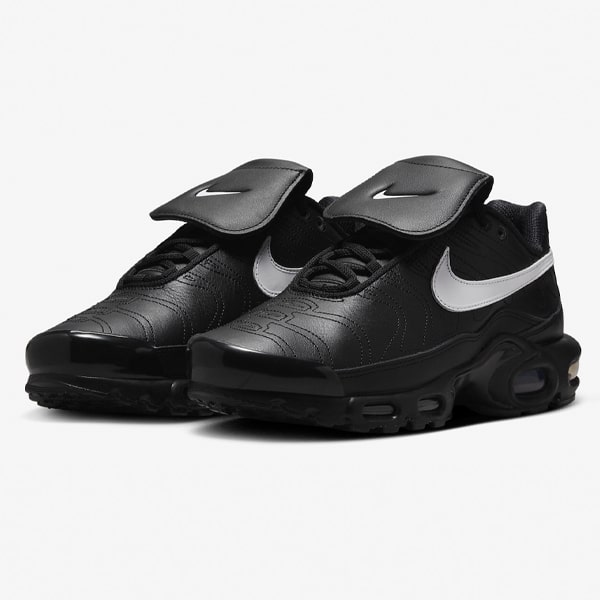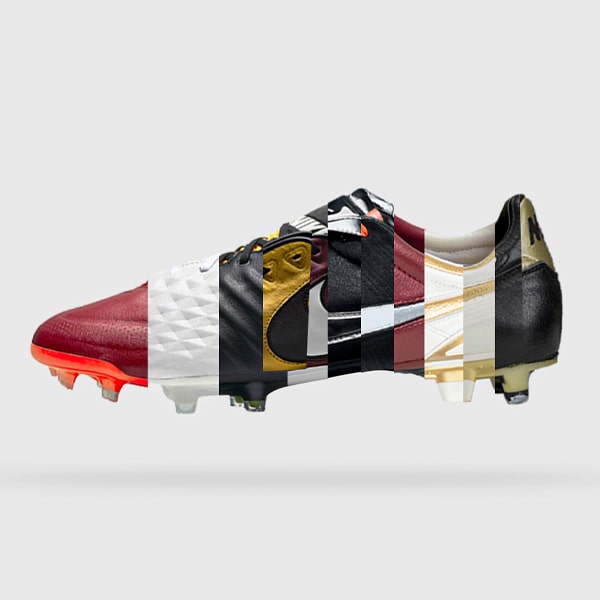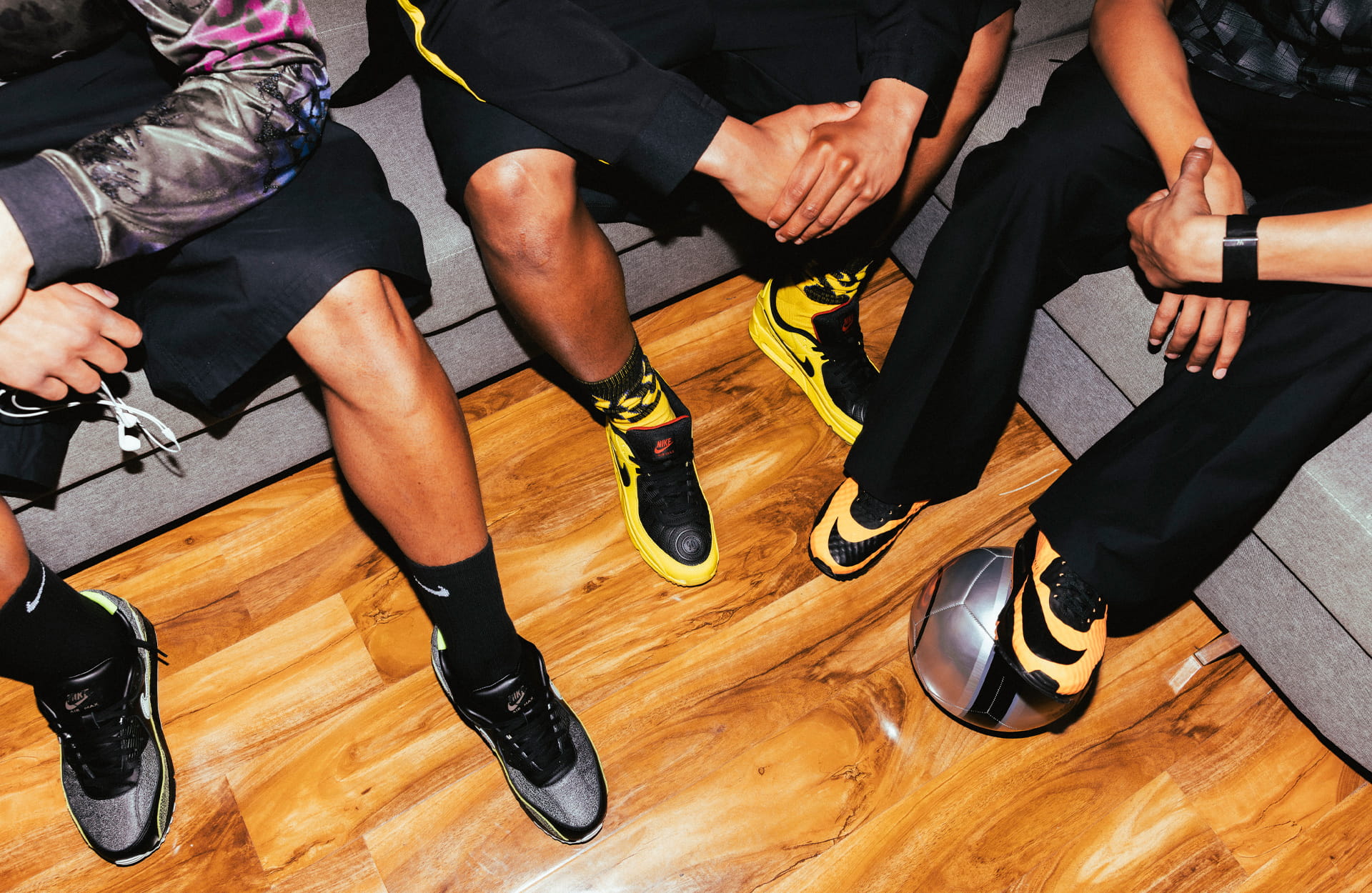
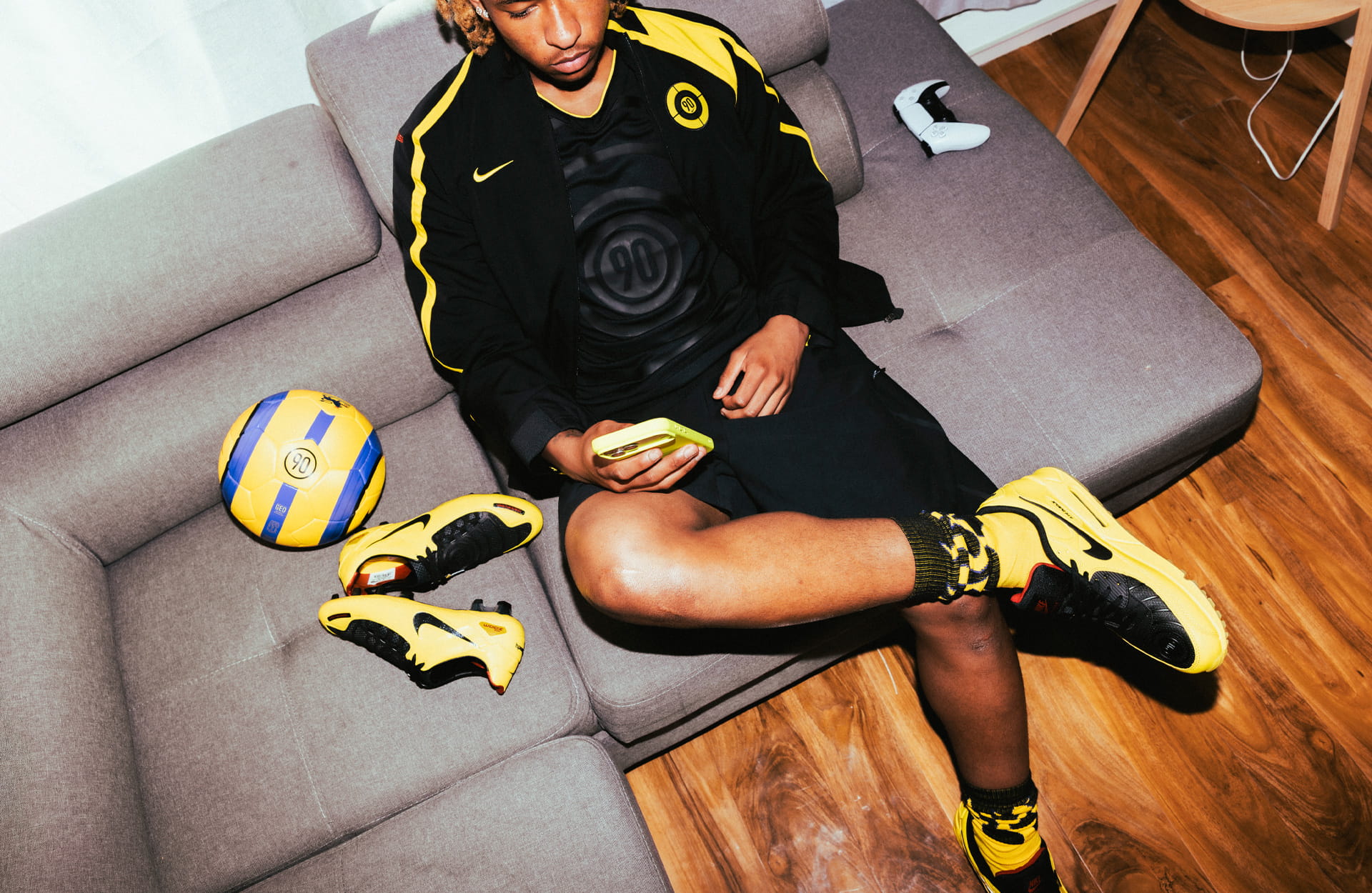
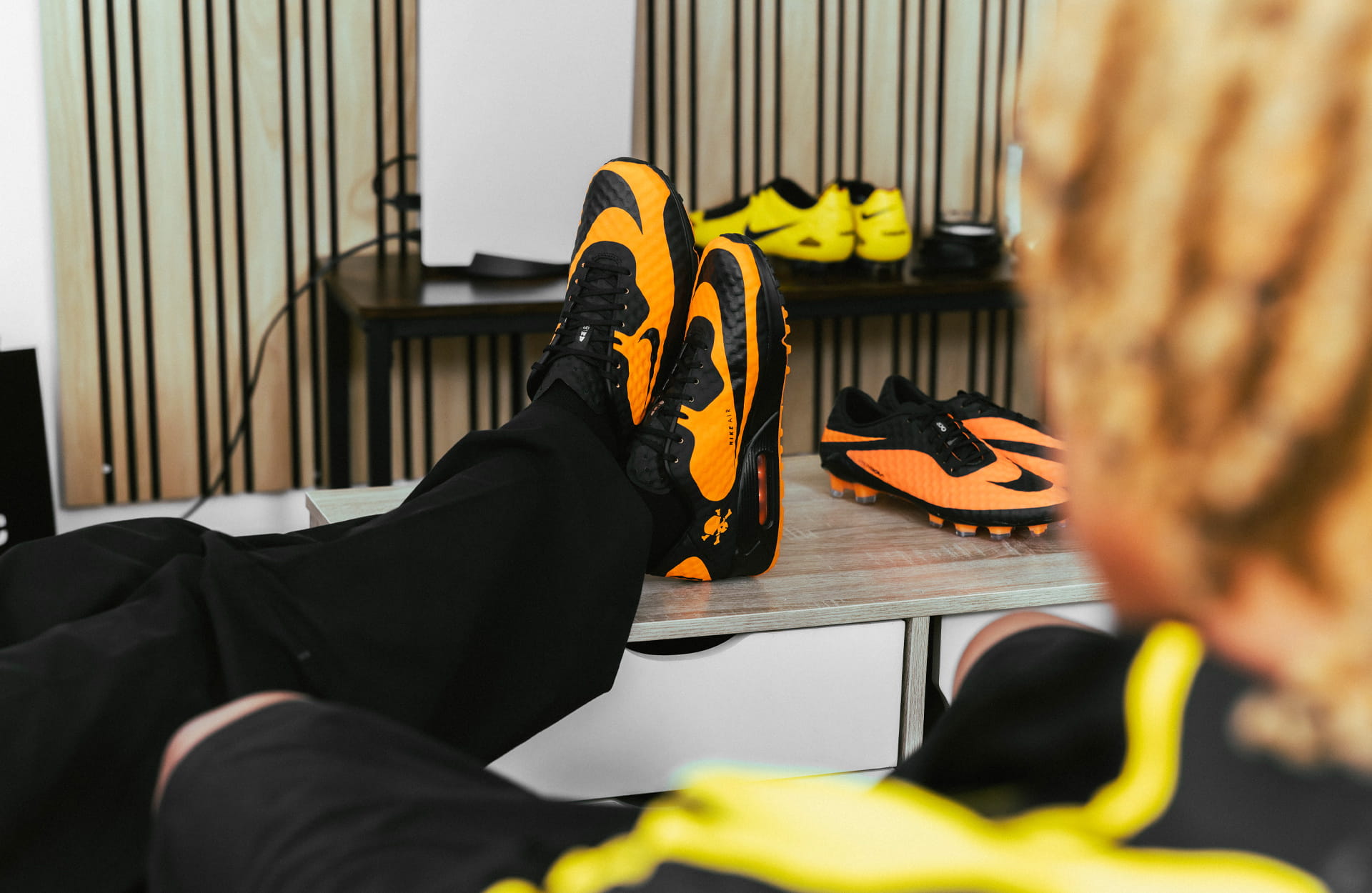
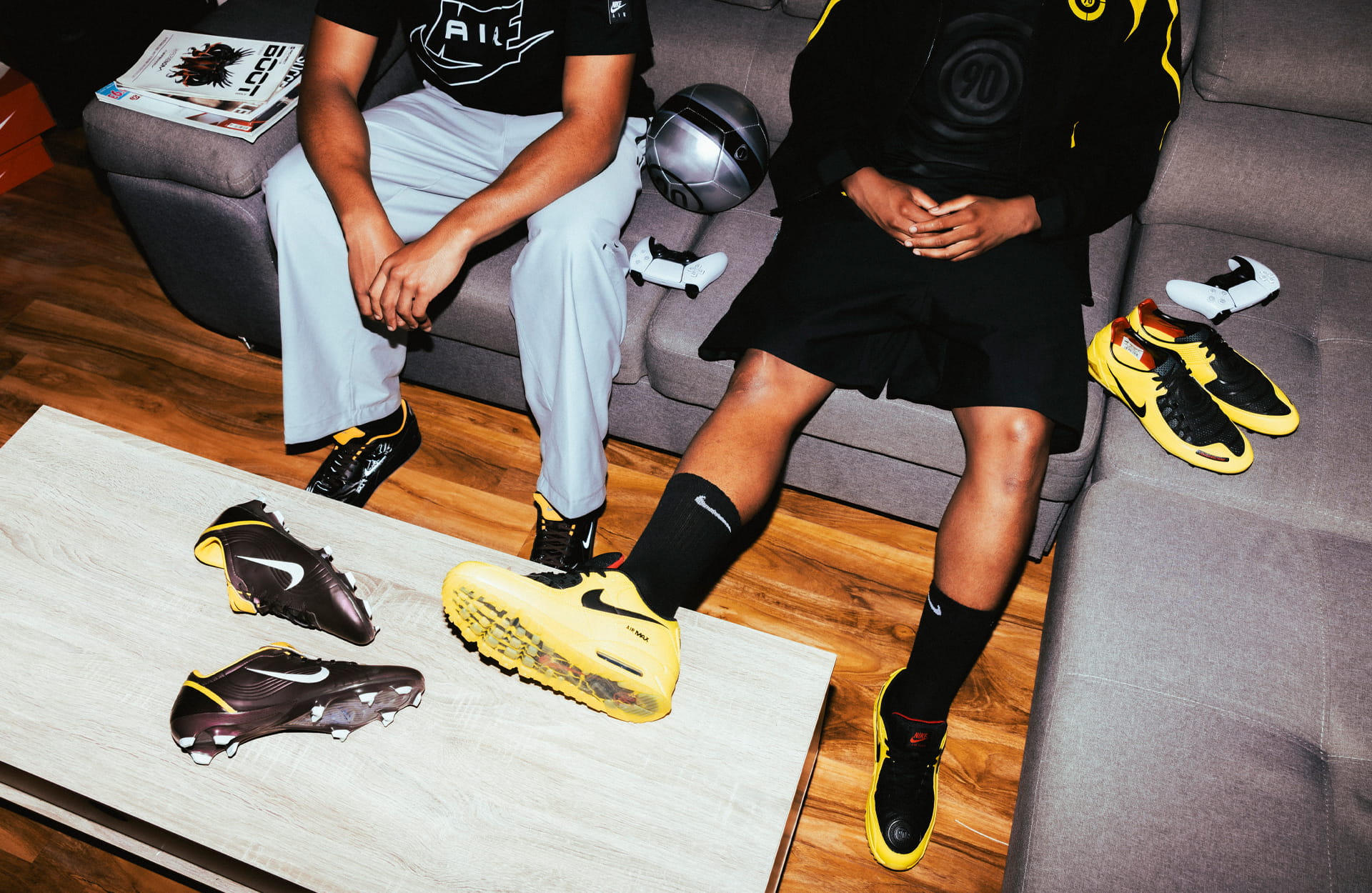
Digging into their heritage once more, Nike drop the Mad 90 Pack, which connects Nike Football’s most iconic boot eras to the present through the Air Max 90, led by the people who grew up with them.
There’s a fine line between nostalgia and repetition. One feels alive, the other just looks backwards. Nike’s Mad 90 pack sits firmly in the first camp – less a retro exercise, more a re-interpretation of football culture through the lens of the present.
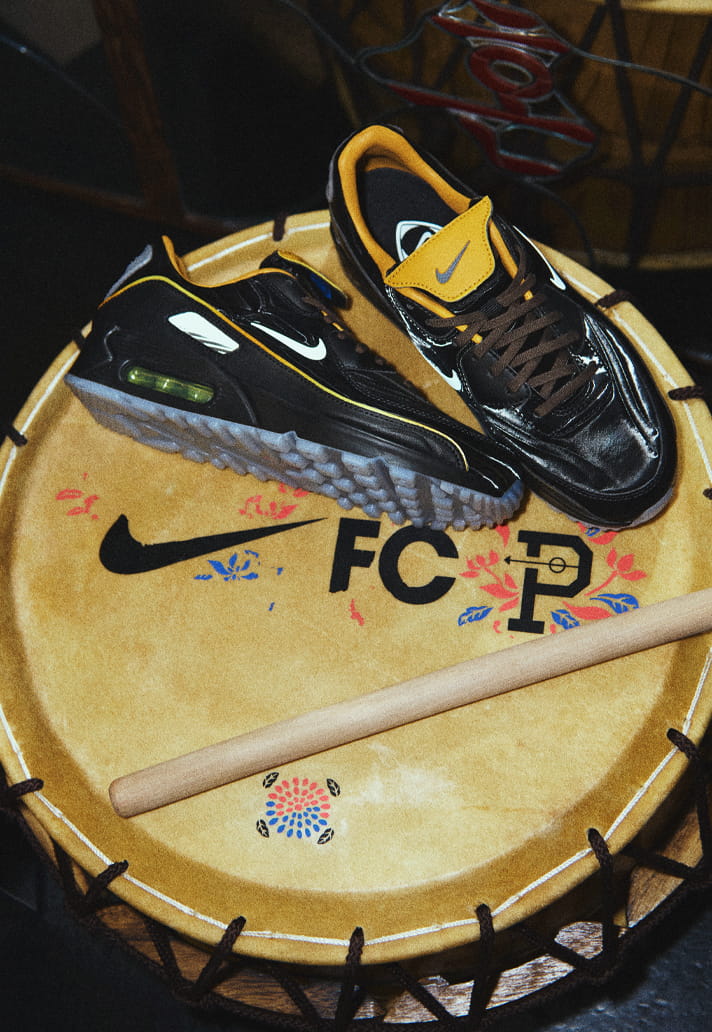
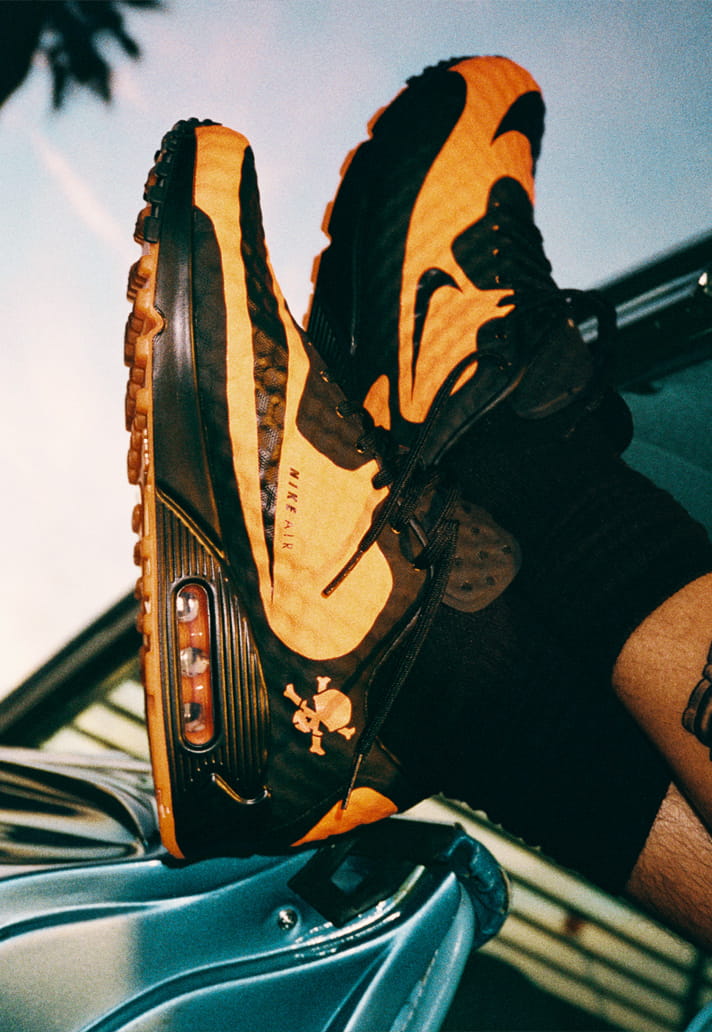
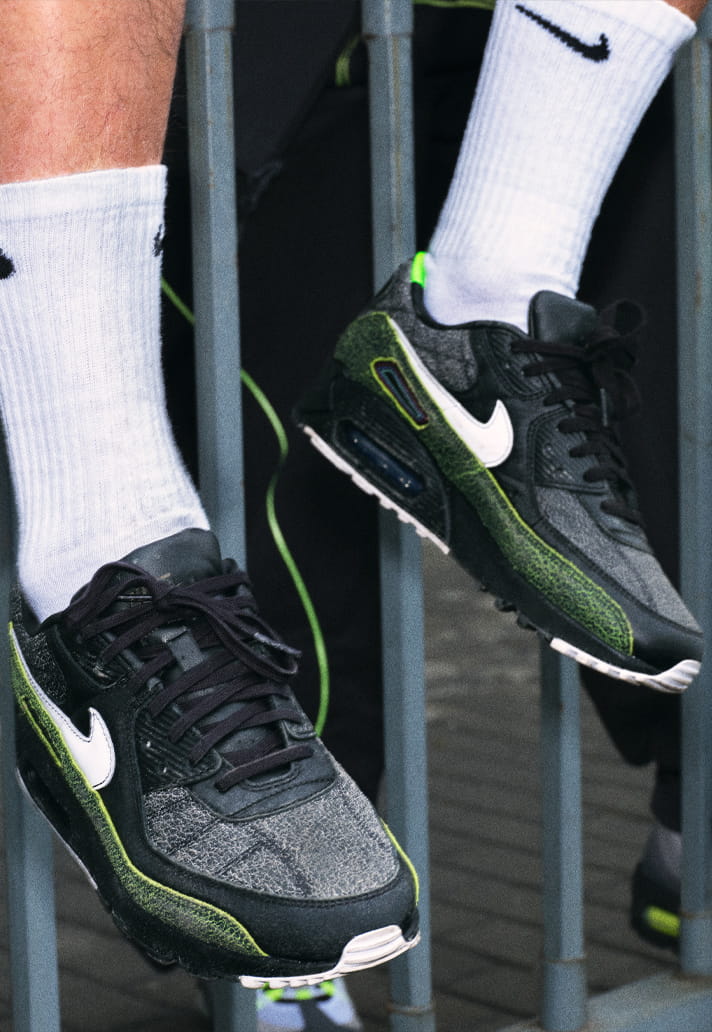
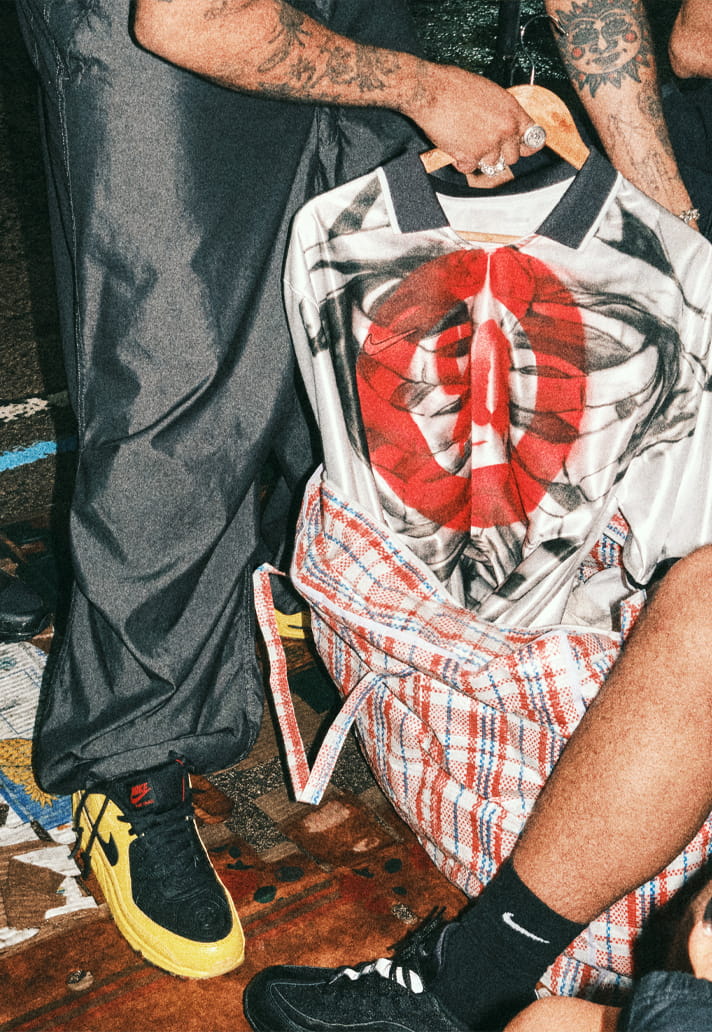
At its core, the project is about translation. Not simply lifting archive product and bringing it back, but reworking the feeling of four defining boot silos – Hypervenom, T90 Laser, Tiempo and Mercurial – into something that lives off the pitch. In this case, the Air Max 90 becomes the canvas, a silhouette that already carries cultural weight beyond sport. With Mad 90, Nike explore the idea that football boots once functioned as emotional markers. They didn’t just reflect how the game was played; they shaped how it was experienced for generations.
The real beauty of Mad 90 and what differentiates it from other nostalgia-fuelled drops is that Nike’s archive isn’t treated as something sacred or fixed; it’s fluid, something to be reinterpreted by the people who grew up with it. Nike frames this as nostalgia moving “from archive to creative fuel,” and that idea runs through everything.
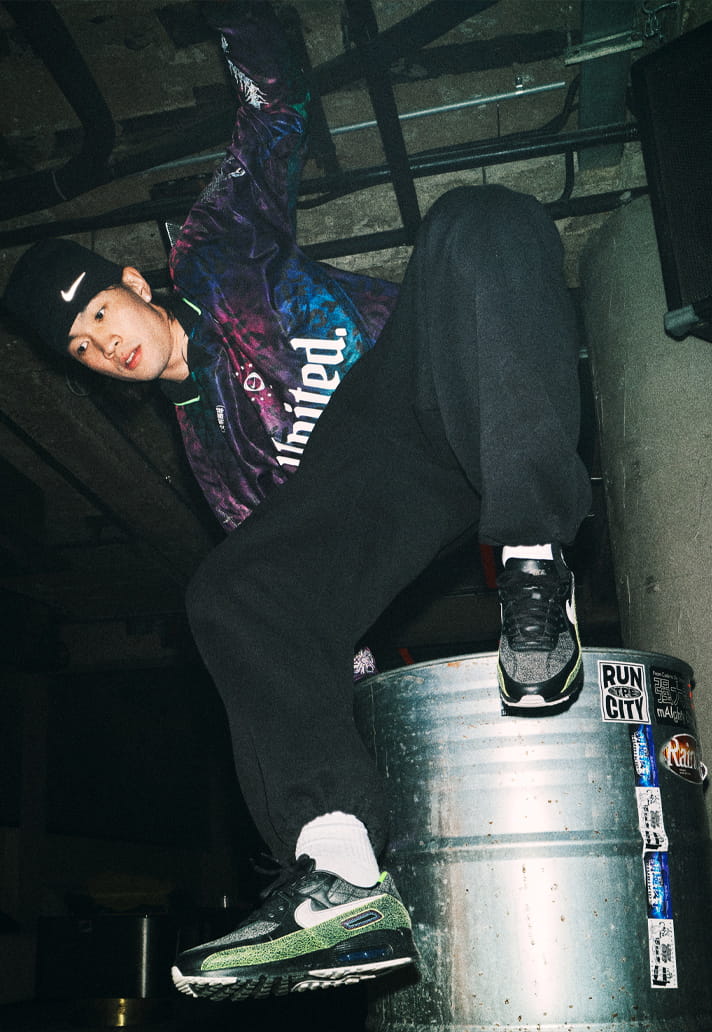
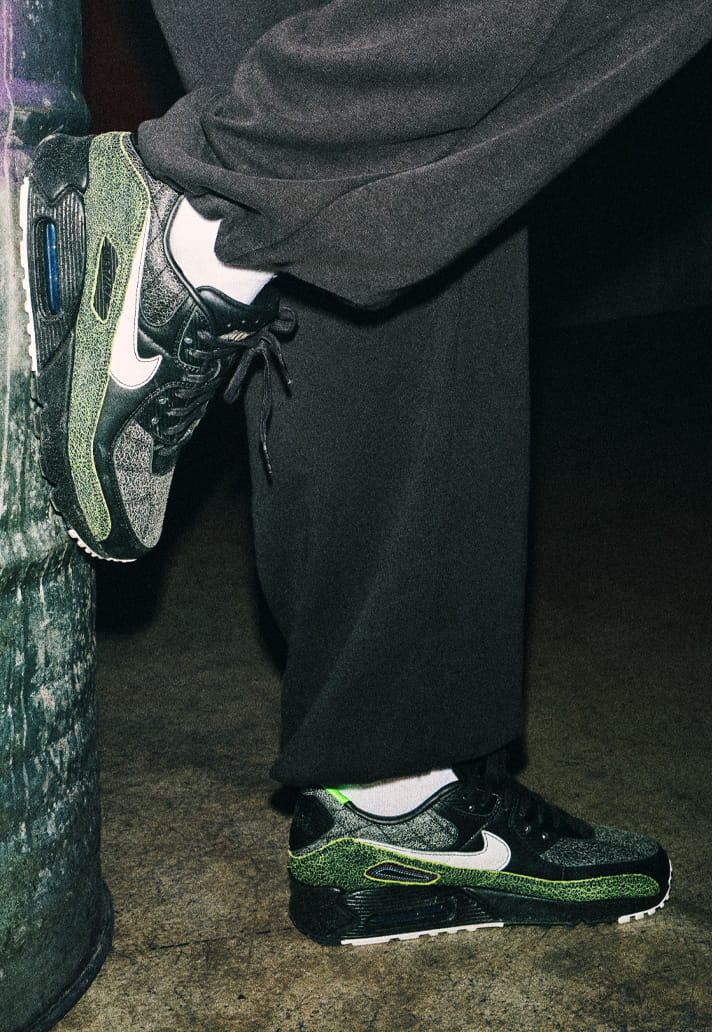
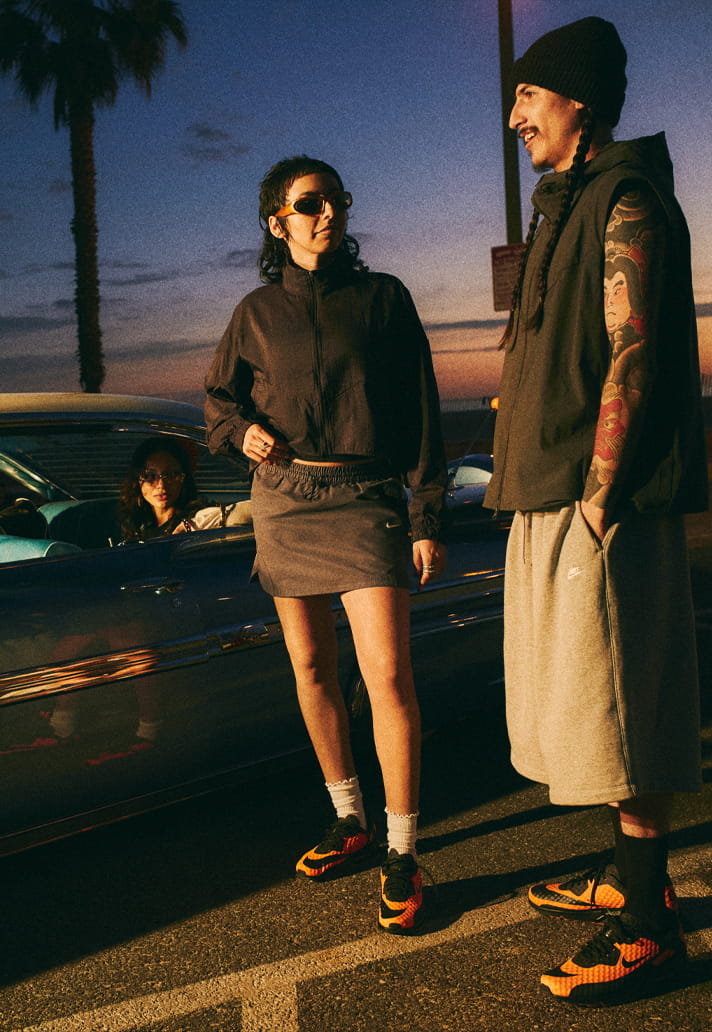
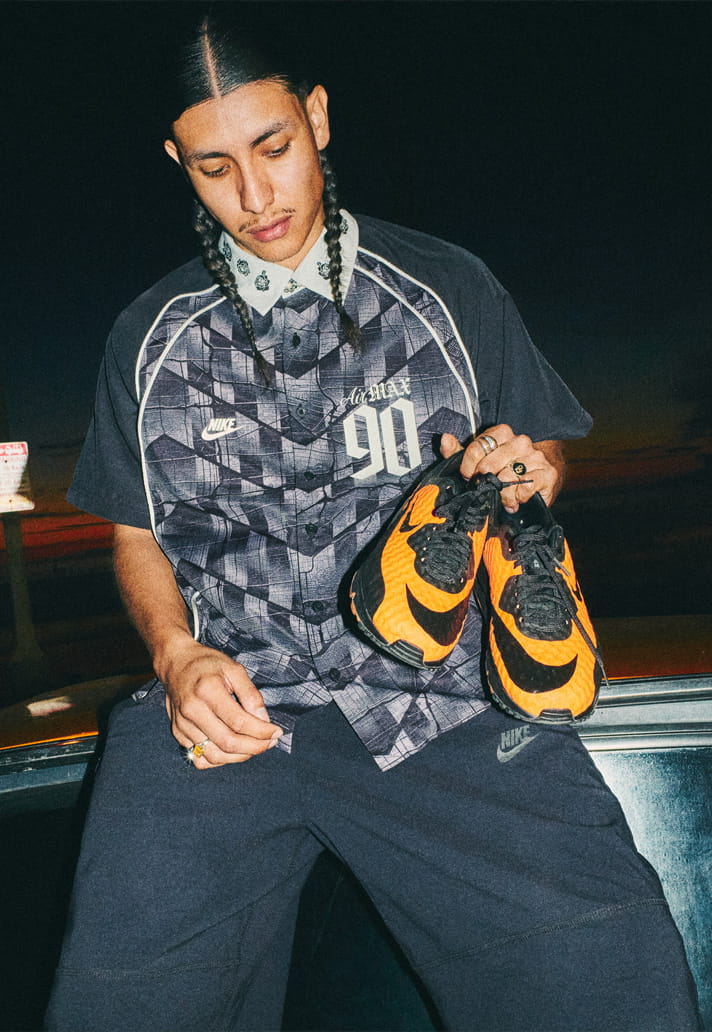
Each silhouette pulls from a different era, but more importantly, a different attitude: Hypervenom channels disruption – confidence, unpredictability, a willingness to stand out; T90 Laser leans into power and precision, rooted in an era where the game felt harder, more direct; Tiempo captures expression and freedom, echoing football at its most instinctive and joyful; Mercurial embodies speed – not just physical, but mental, cultural – movement as mindset.
Of course, the tap in when it comes to archive releases is to do a rerelease. But there’s a conscious decision here to switch things onto the Air Max. It signals a broader shift; one that acknowledges that football culture doesn’t stop at the final whistle anymore.
The Air Max has always operated at the intersection of sport and lifestyle, and here it becomes a bridge. The detailing – materials, colours, construction – pulls directly from the original boots, but the context is entirely different.It’s the same stories, just told in a new environment.
That shift feels reflective of where the game sits right now. The relationship between football and fashion is no longer peripheral, it’s central. What was once worn purely for performance now carries meaning in everyday settings, and Nike are leaning into that evolution rather than resisting it.
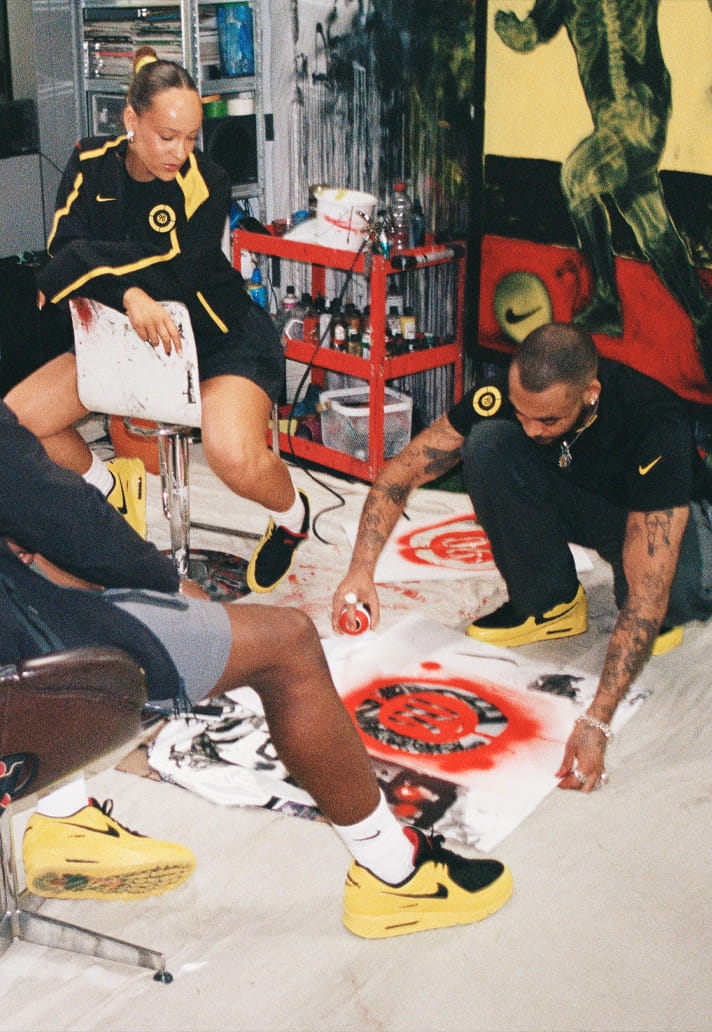
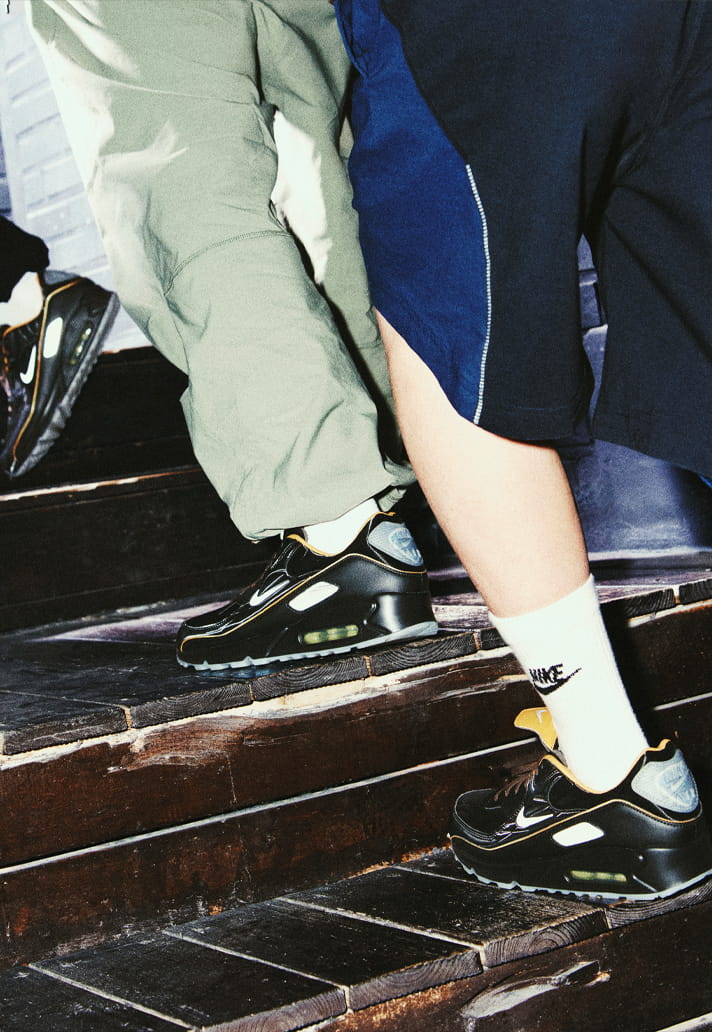
Where Mad 90 really finds its edge is in how it distributes authorship. Instead of presenting one unified narrative, Nike hands each chapter to a different community, allowing the project to fragment in a way that feels intentional.
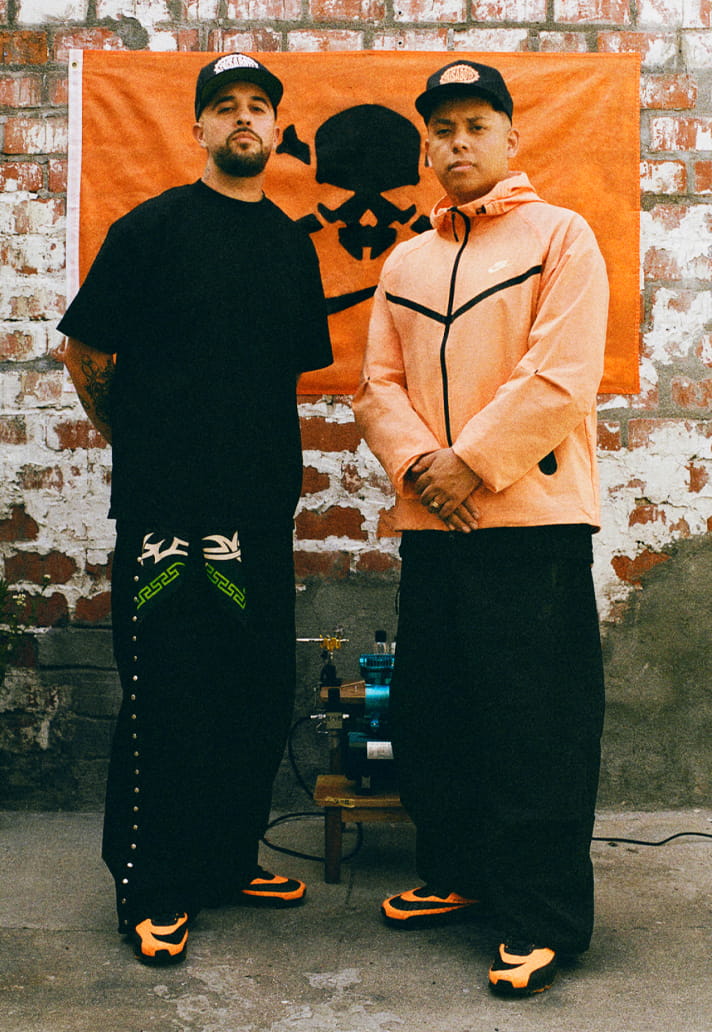
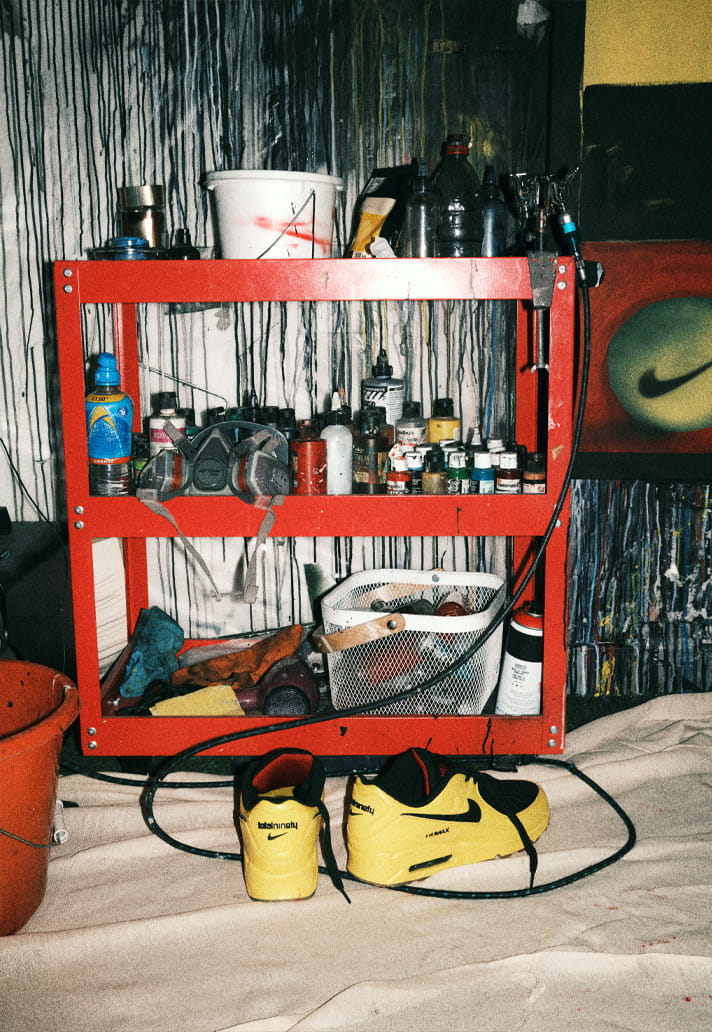
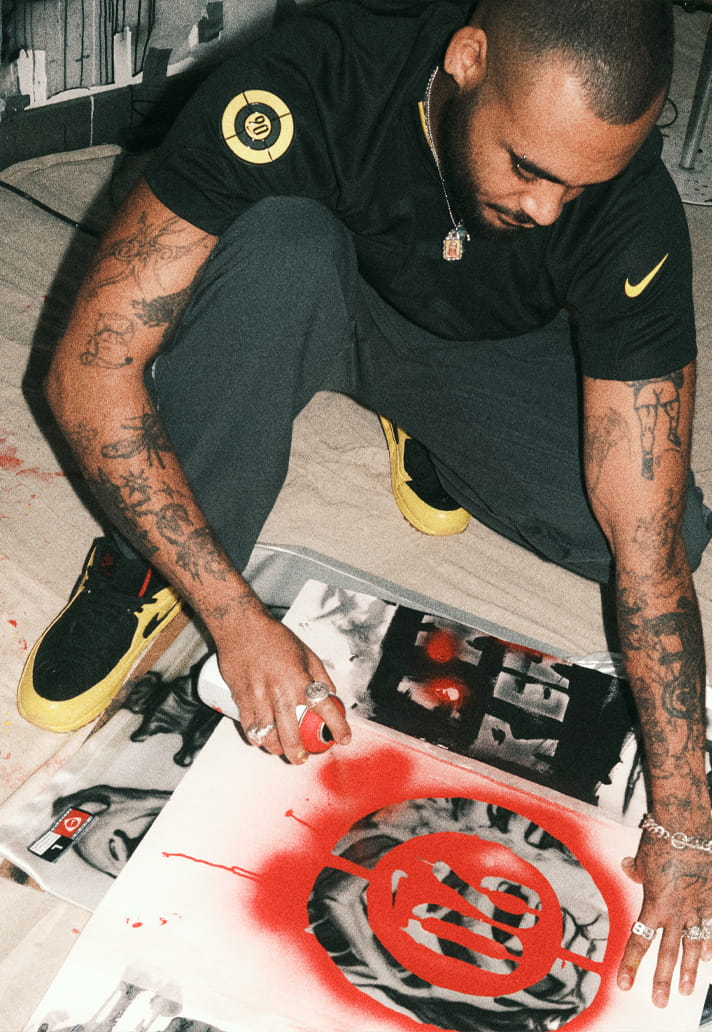
In Los Angeles, Paisa Boys reinterpret Hypervenom through a West Coast lens—sun-drenched, rooted in street culture, blending football with wider creative expression.
In London, Mattia Guarnera-Macarthy leans into the rawness of the T90 era, pulling from a time when the game felt more grounded and physical.
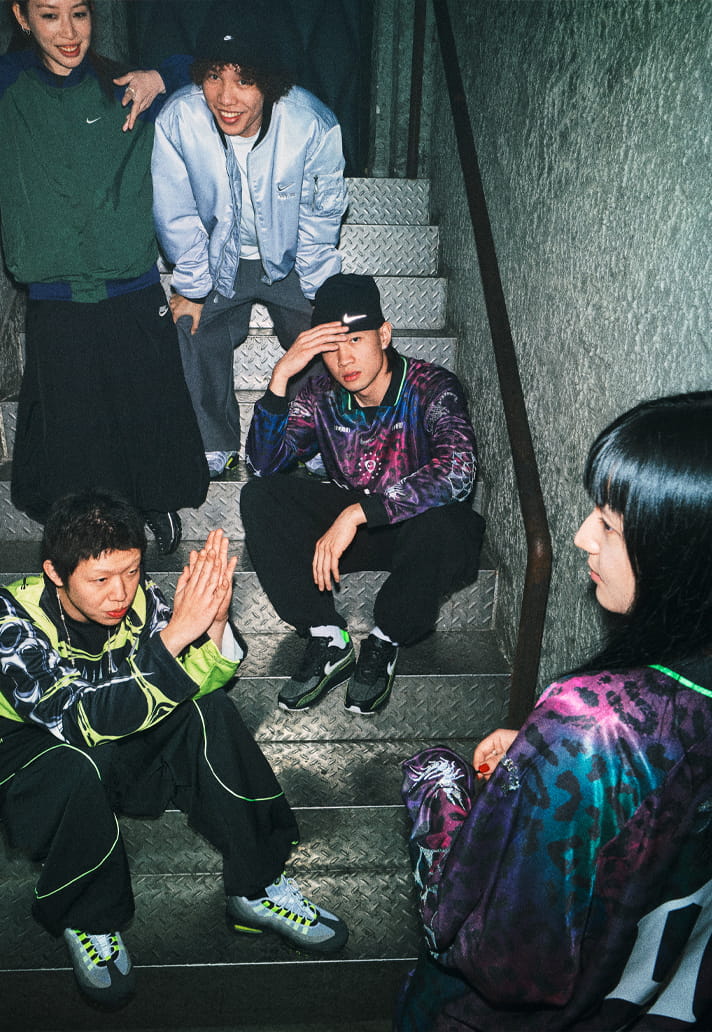
In Shanghai, Waves FC build out the Tiempo narrative as a lifestyle, where football spills into music, food and nightlife, shaped by a “golden era” mentality.
And in Seoul, Over The Pitch tap into Mercurial’s defining trait—speed—through the city’s own “ppalli-ppalli” culture, where everything moves fast and decisively.
It’s a deliberate move. Nostalgia here isn’t presented as a shared global constant, but as something shaped by geography and community. The same boot can carry entirely different meanings depending on who experienced it, and where.
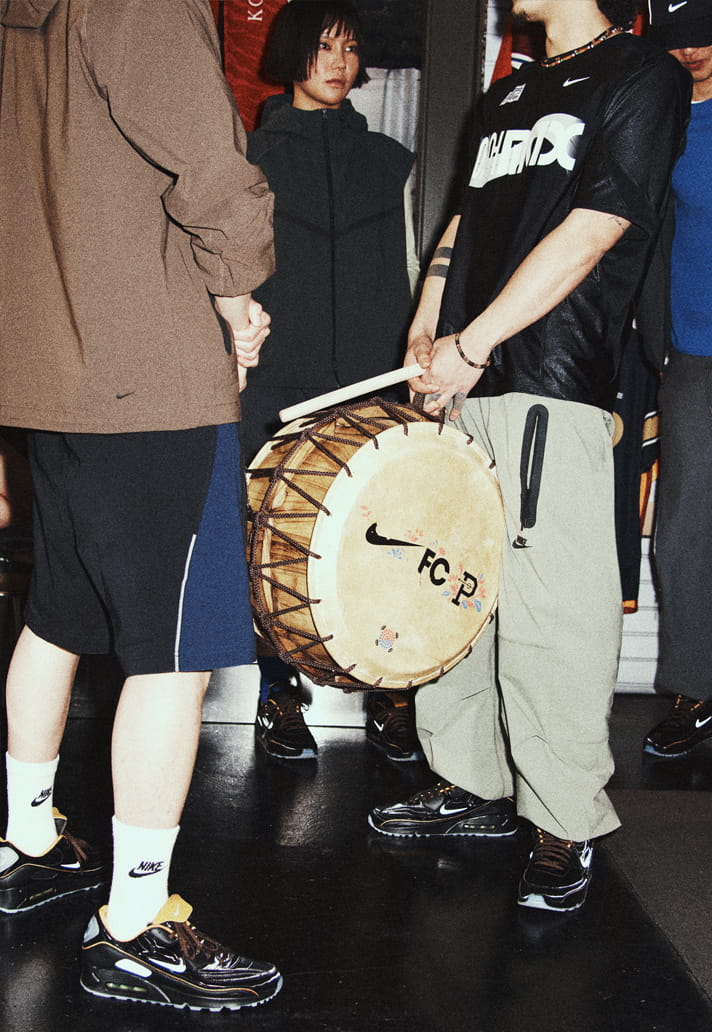
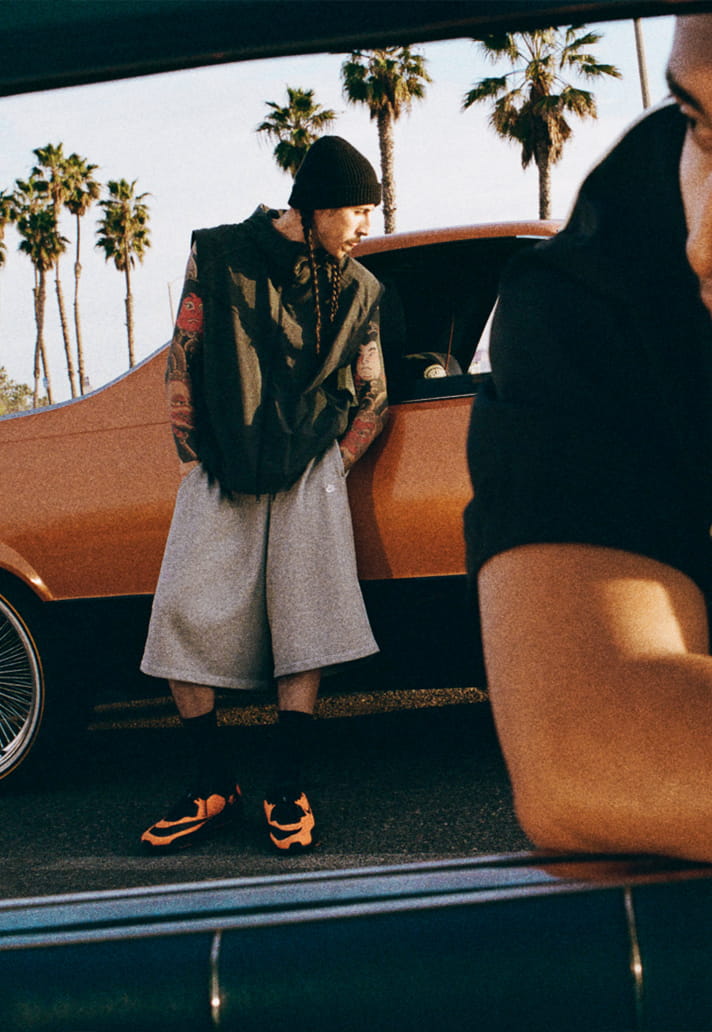
What stands out across the project is how memory itself becomes a design material.
Rather than focusing purely on visual accuracy, the collection captures the impression those boots left behind – the colours that felt louder than they were, the textures that seemed sharper, the identities they helped construct – Ronaldo at the 2002 World Cup, Rooney in the T90 Laser, Neymar in the Hypervenom.
That approach is what keeps the project from feeling overly referential. It’s less concerned with exact replication and more focused on emotional accuracy.
Because ultimately, that’s what these boots represented. Not just innovation or technical progression, but aspiration. They shaped how players saw themselves and how they wanted to play.
Nike touches on this directly: these boots changed how a generation understood football and influenced identity in the burgeoning period of modern football culture.
There’s a reason projects like this resonate. Football, perhaps more than any other sport, is tied closely to memory – specific players, specific eras, specific products. But what Mad 90 recognises is that nostalgia isn’t about returning to those moments. It’s about recontextualising them.
By shifting these iconic boots into the language of Air Max, Nike isn’t asking people to look back. It’s offering a way to carry those references forward, embedding them into the present day. And in doing so, it reinforces something that often gets overlooked: football culture doesn’t exist in isolation. It moves, adapts and reshapes itself, across cities, across generations, across disciplines.
The Mad 90 pack doesn’t try to recreate the past. It acknowledges it, reworks it, and lets it live again in a different form, and that’s where its strength lies.
Shop the full Nike Mad 90 pack now at prodirectsport.com/soccer