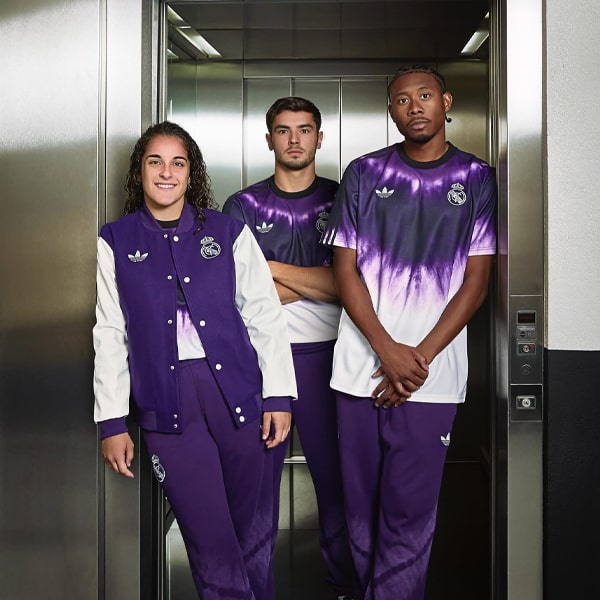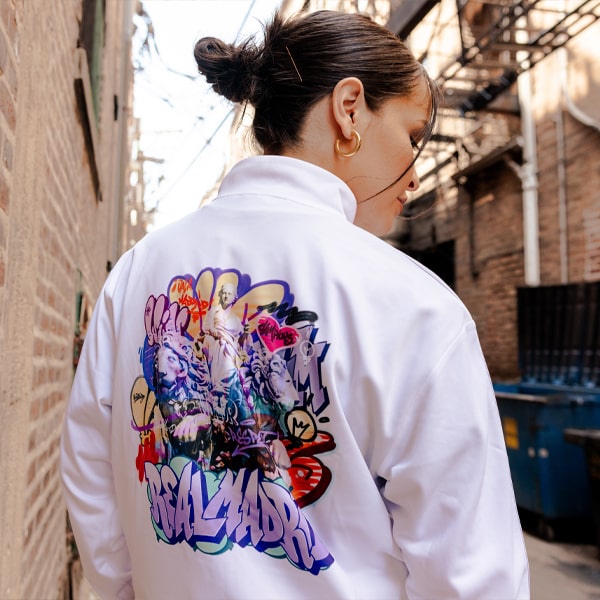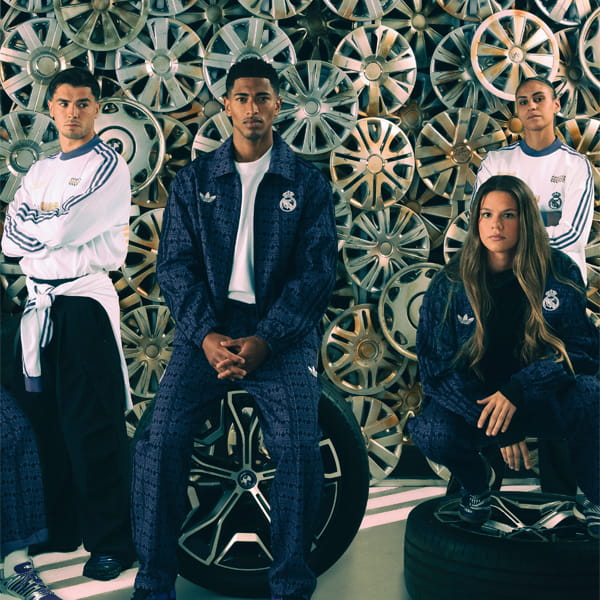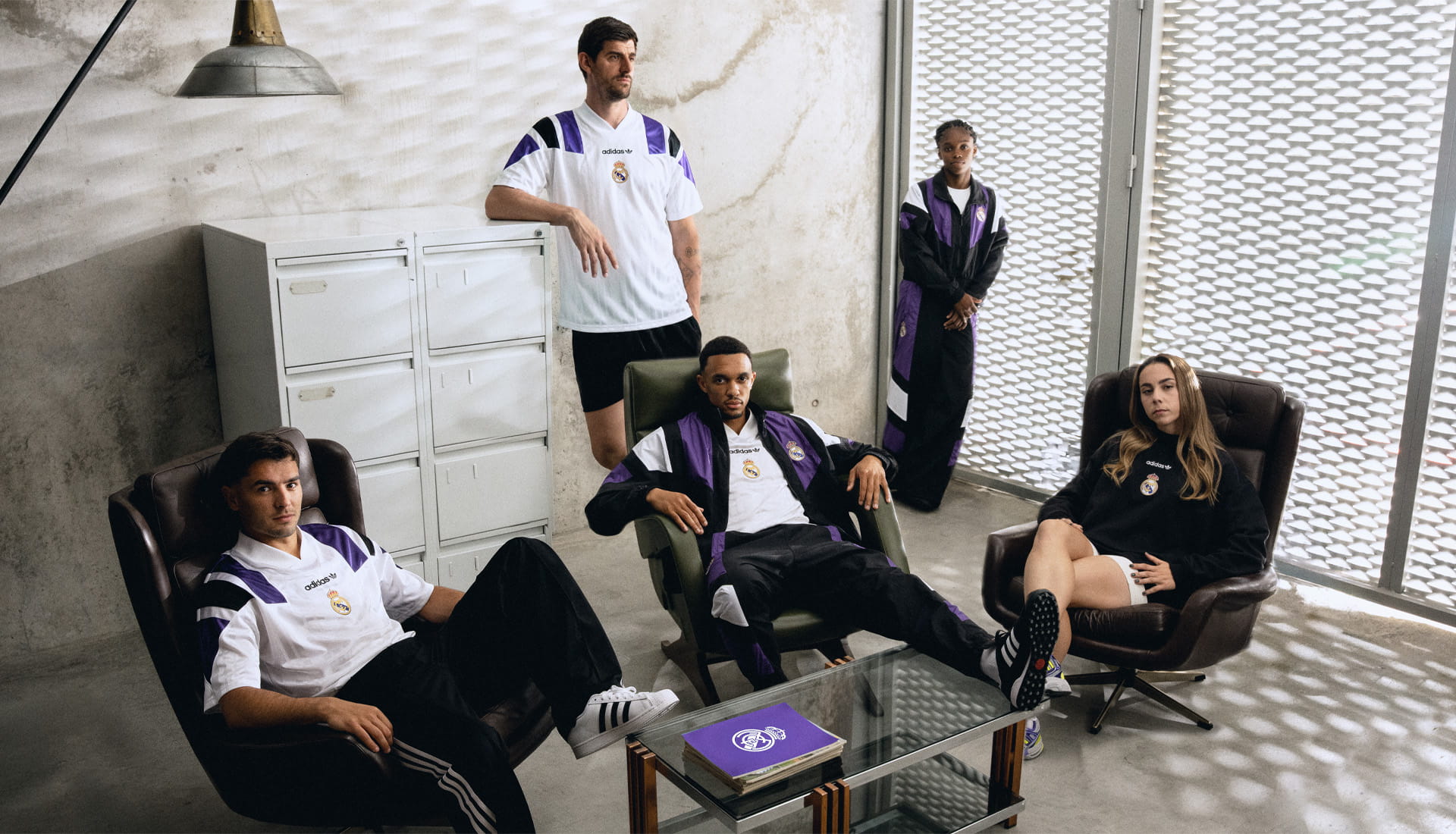
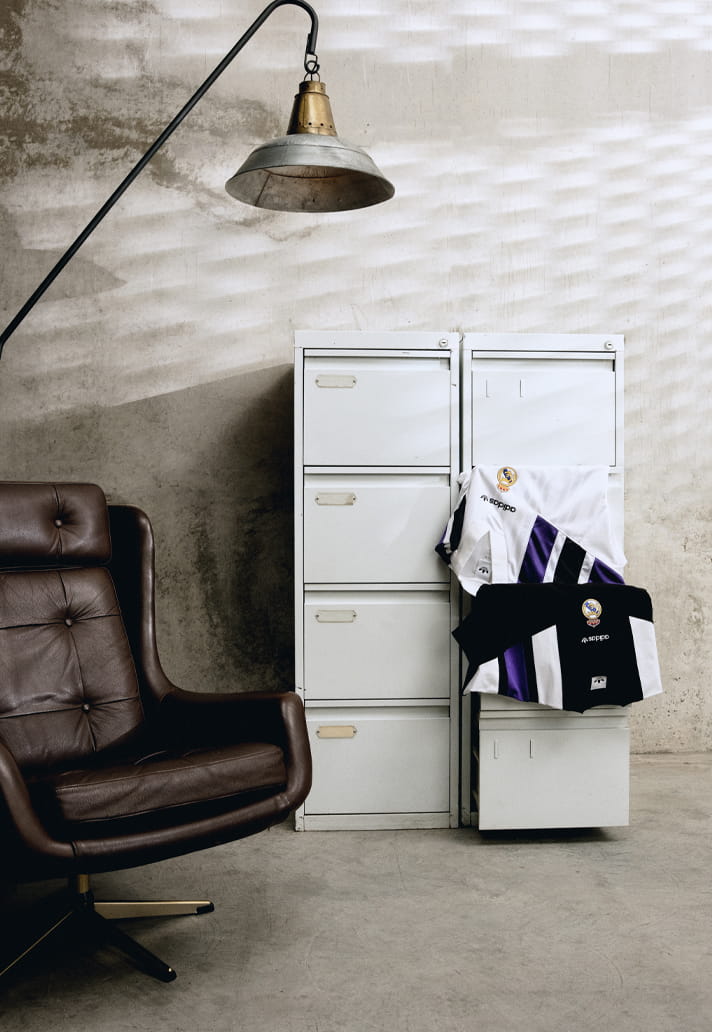
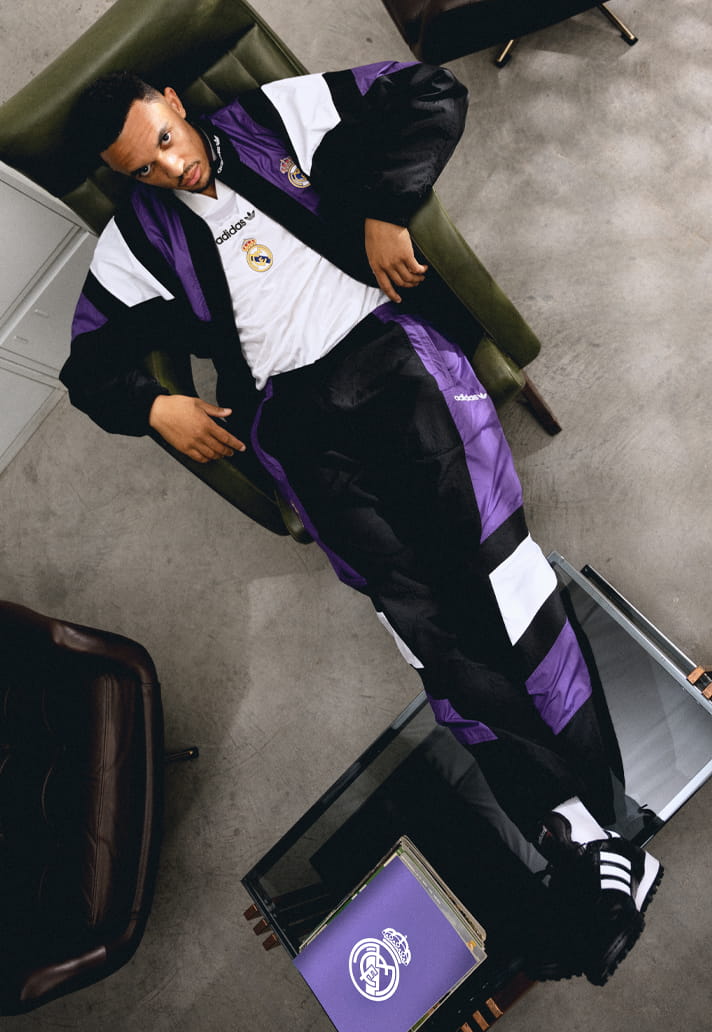
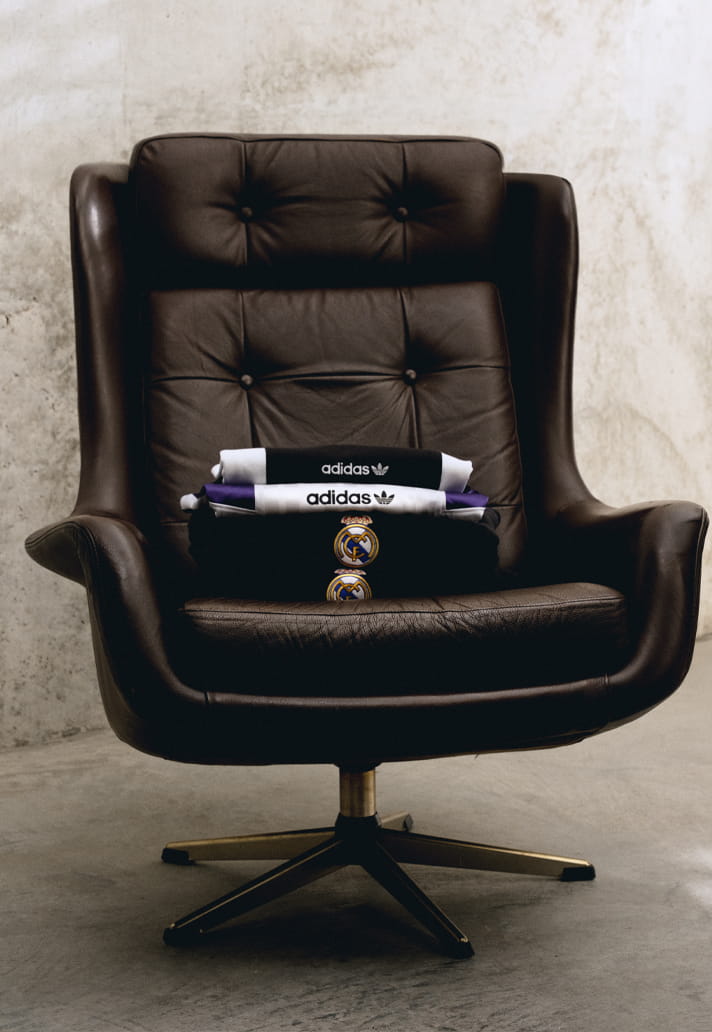
adidas and Real Madrid have just dropped a new, beautifully bold EQT Culture Wear collection, which is as timeless as it is iconic in its visual presentation. But it's left me wondering: when are we going to stop tapping nostalgia?
Nostalgia, by its very definition, is a bittersweet longing for a familiar person, place or moment from the past. In football design, that usually means one thing: the '90s and early 2000s. And honestly, as someone who grew up during that era, I'm as guilty as anyone when it comes to loving a good throwback. Seeing old design cues, colourways and silhouettes make a comeback instantly transports you to a more carefree time. But then there's the inevitable question: can we have too much of a good thing?
Take adidas EQT. Since debuting in 1994, the EQT line has been treated with a certain level of prestige. For years it was something adidas dipped into selectively, bringing it back just enough to maintain its mystique. More recently, though, it feels like EQT has become an increasingly familiar reference point. The same could very much be said for the Trefoil; where it initially made its return to football in 2024 as part of the brand’s 75th anniversary celebrations, appearing only on selected elite clubs, therefore acting as a sign of status, now it’s hard to find a team that doesn’t have it slapped on their shirts, stripping away its reverence to a certain extent. And adidas is not alone. Across football and wider sportswear culture, archives have become a treasure trove that brands keep returning to. At what point, if ever, does the appetite for retro finally start to fade?
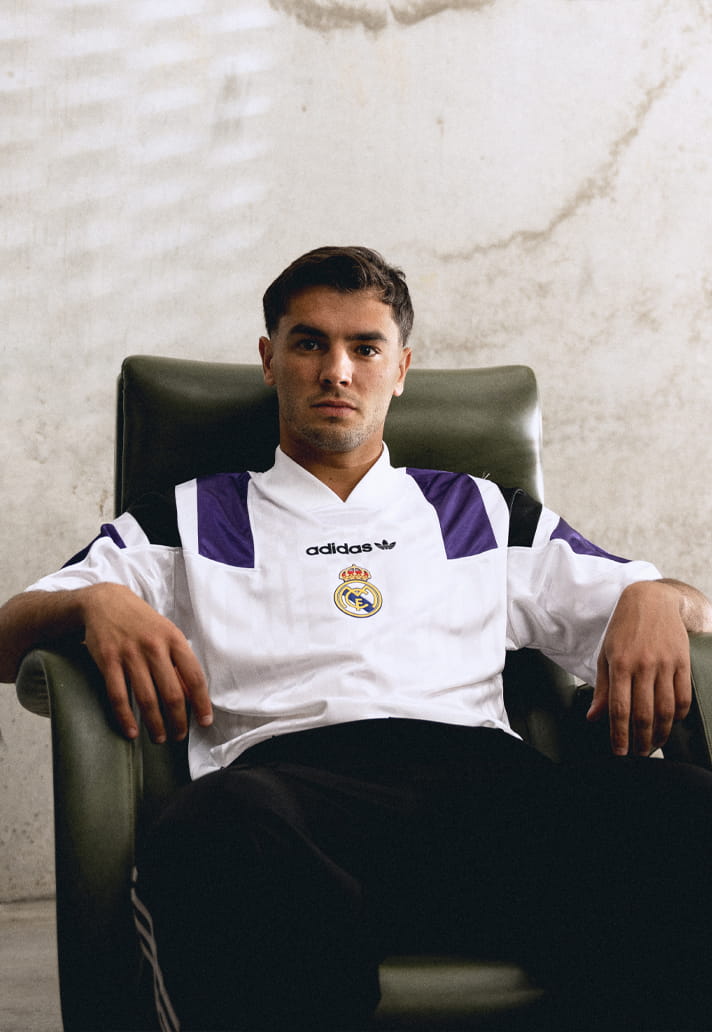
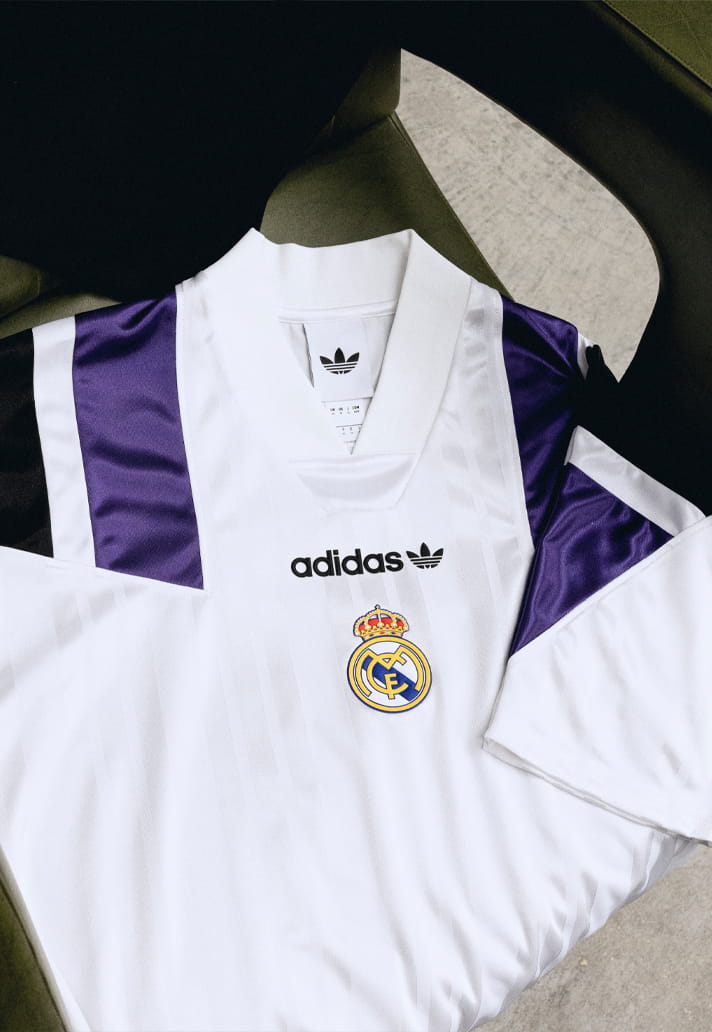
That's where this Real Madrid collection manages to carve out an interesting space of its own though. Because while the adidas EQT Culture Wear collection is undeniably rooted in nostalgia, it's not simply a straight reissue or another trip down memory lane. In fact, it asks a fascinating "what if?" question. During the original EQT era of the early '90s, Real Madrid weren't even wearing adidas. The club's kits during that period came courtesy of hummel and later Kelme, meaning EQT and Los Blancos never actually crossed paths. And so this collection imagines a reality where they did.
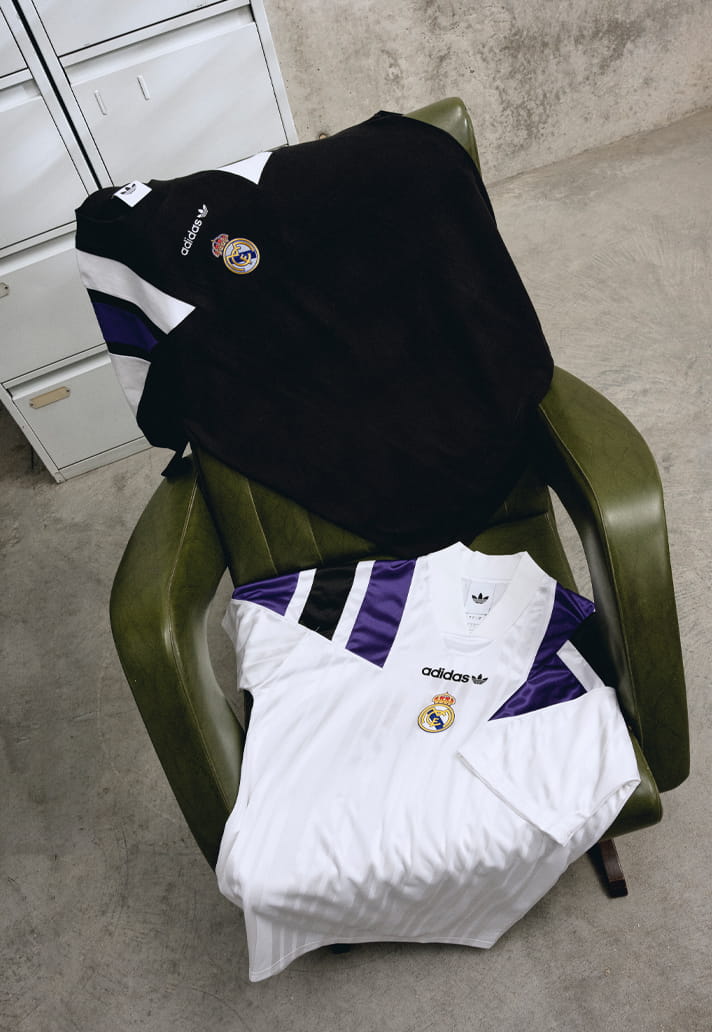
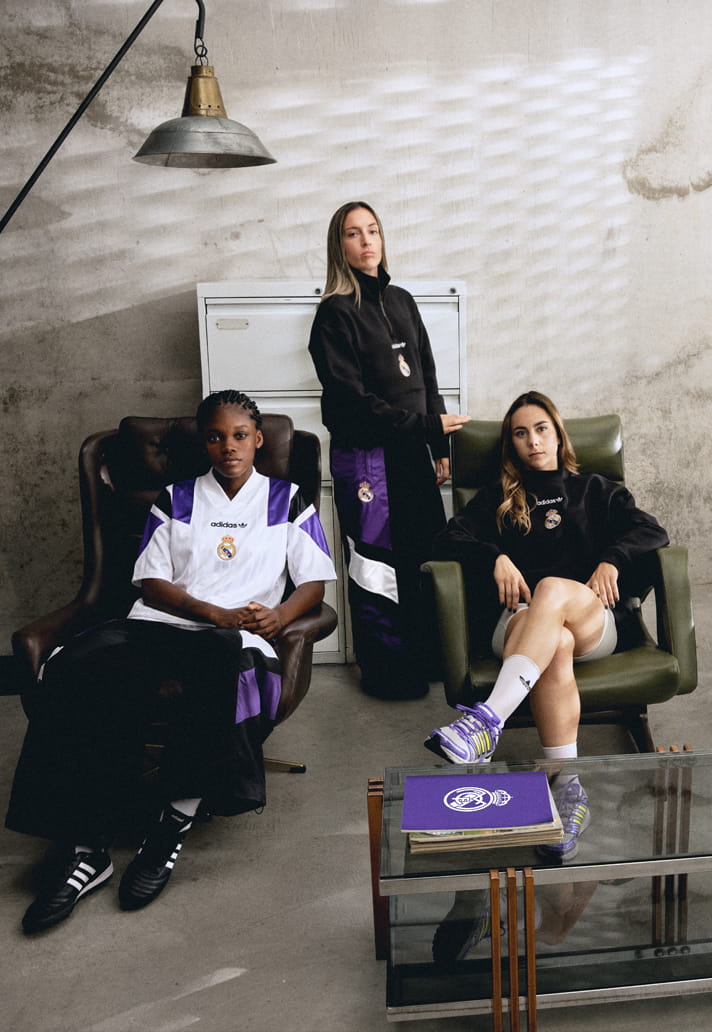
Seen through that lens, the release exists as something other than just a retro revival. Instead, one of adidas' most iconic design languages is reinterpreted through a modern football and lifestyle perspective, creating something that feels both familiar and completely new at the same time.
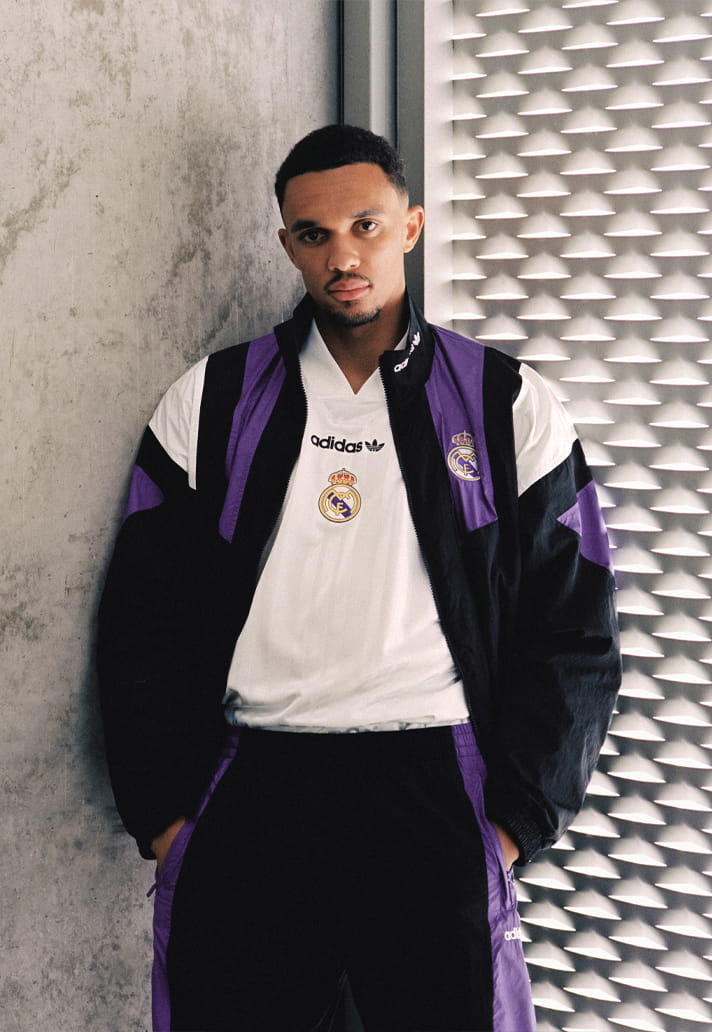

Applying the famous EQT template to Real Madrid in 2026 results in a particularly striking combination. The clean, sponsor-less aesthetic allows the design details to do the talking, while the club's classic purple accents work surprisingly naturally alongside the black and white EQT palette. Yes, the collection leans heavily on the heritage of adidas EQT, but it's doing so on an entirely fresh canvas. And that's perhaps why it feels different from many nostalgia-driven releases.
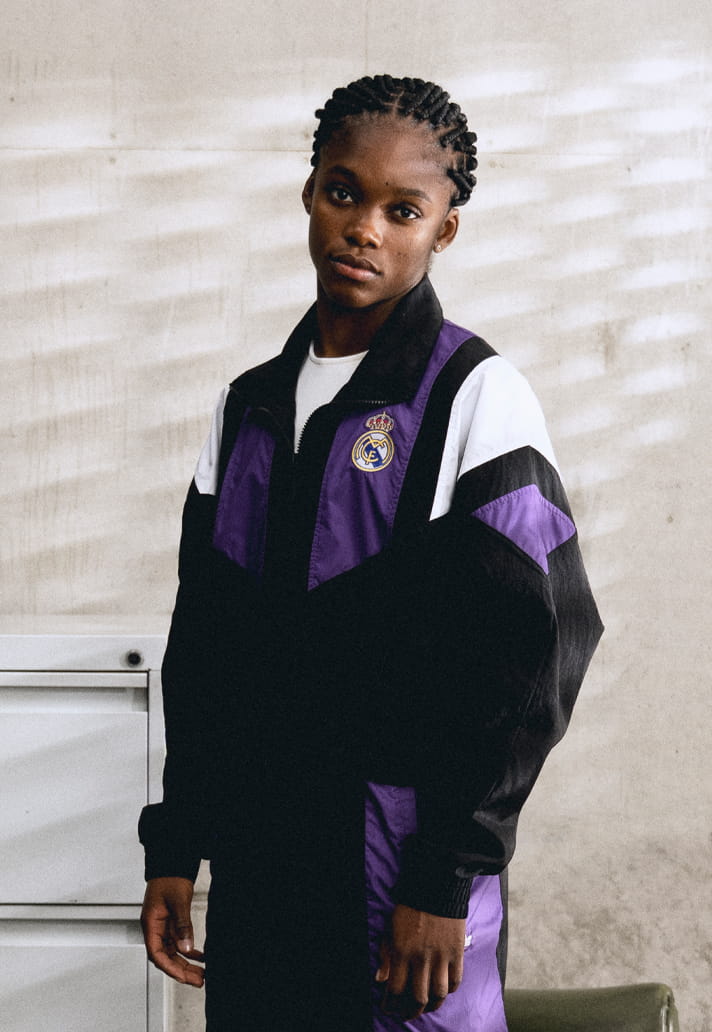
Maybe the issue isn't nostalgia itself. After all, football culture is built on memories, moments and iconic designs. Perhaps the challenge is finding new ways to use those references rather than simply repeating them. If brands are going to continue mining the archives, then the most successful projects will be the ones that offer a fresh perspective instead of a faithful recreation.
The Real Madrid x adidas EQT Culture Wear collection does exactly that. It borrows from the past, but it also imagines an alternative version of it. And in a landscape increasingly dominated by retro releases, I’d argue that that might be enough to make it stand out.
Shop the adidas Real Madrid EQT Culture Wear Collection at prodirectsport.com/soccer