Before photographer Camila Faraci was born, she says, she already had a football team. Not a name, not yet, but a club.
In Argentina, this is not especially unusual. Football arrives early, passed down through family, neighbourhood, colour, noise. It becomes weekend ritual, inherited language, a place to put your faith when everything else feels uncertain.
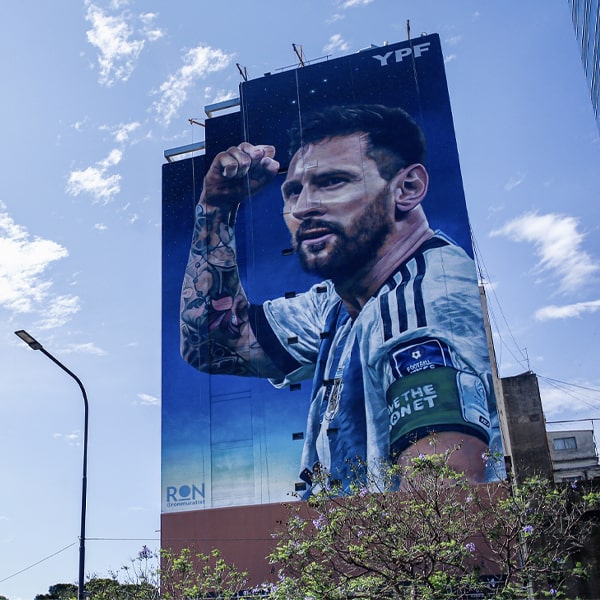
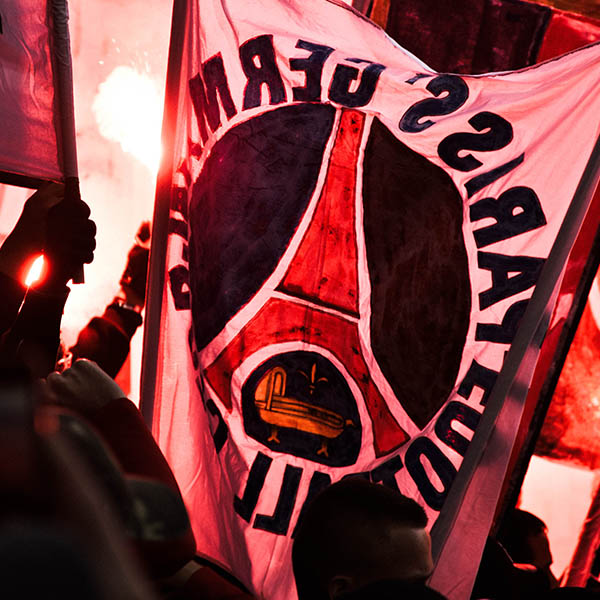
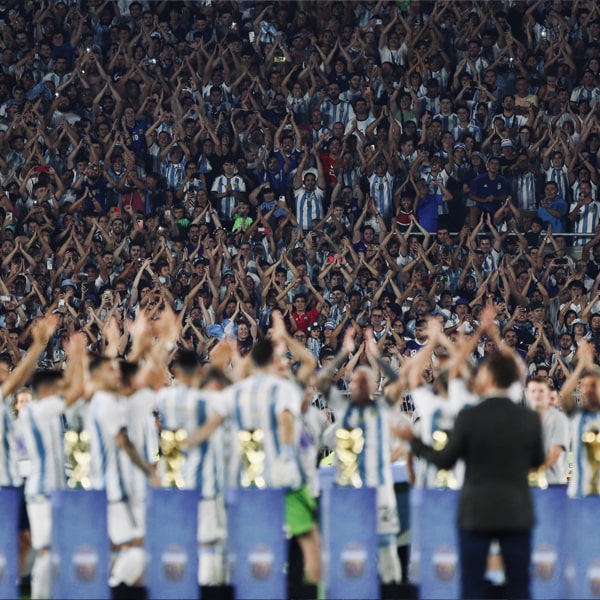
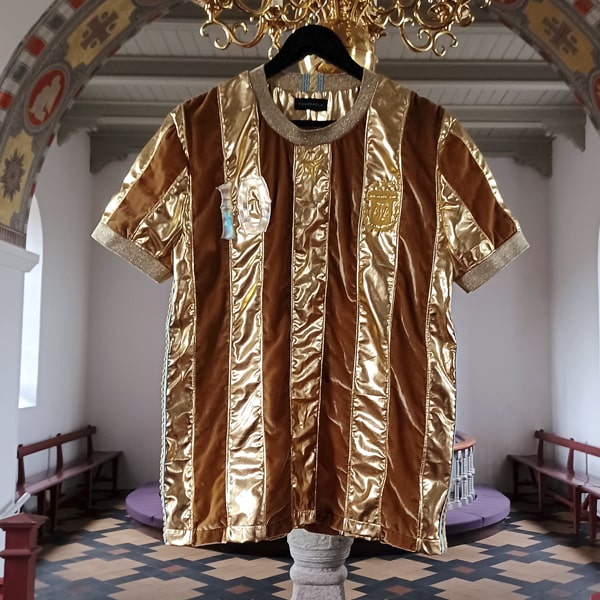
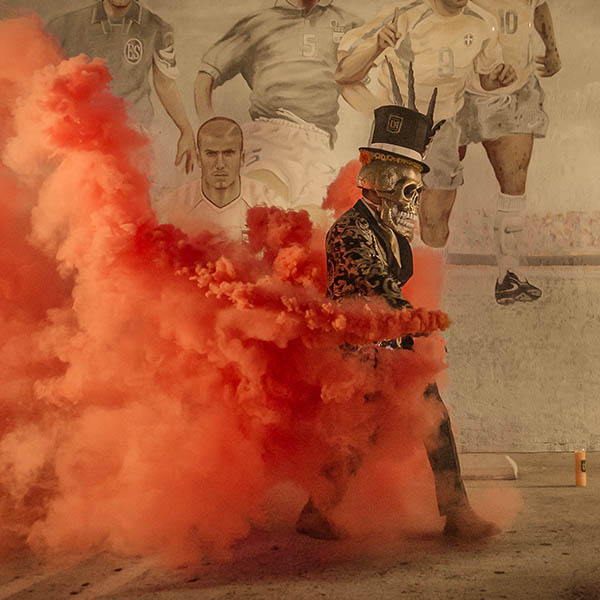
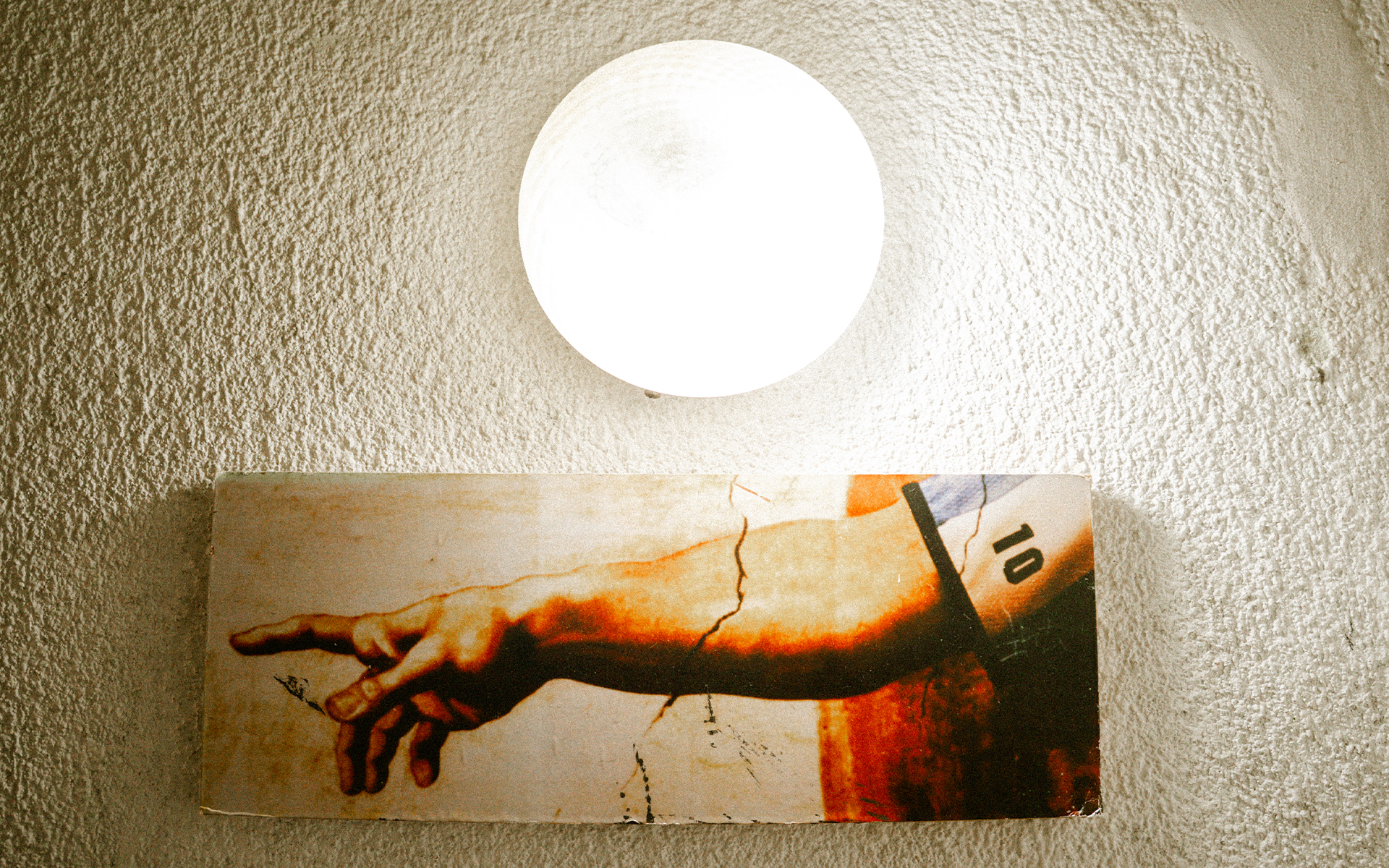
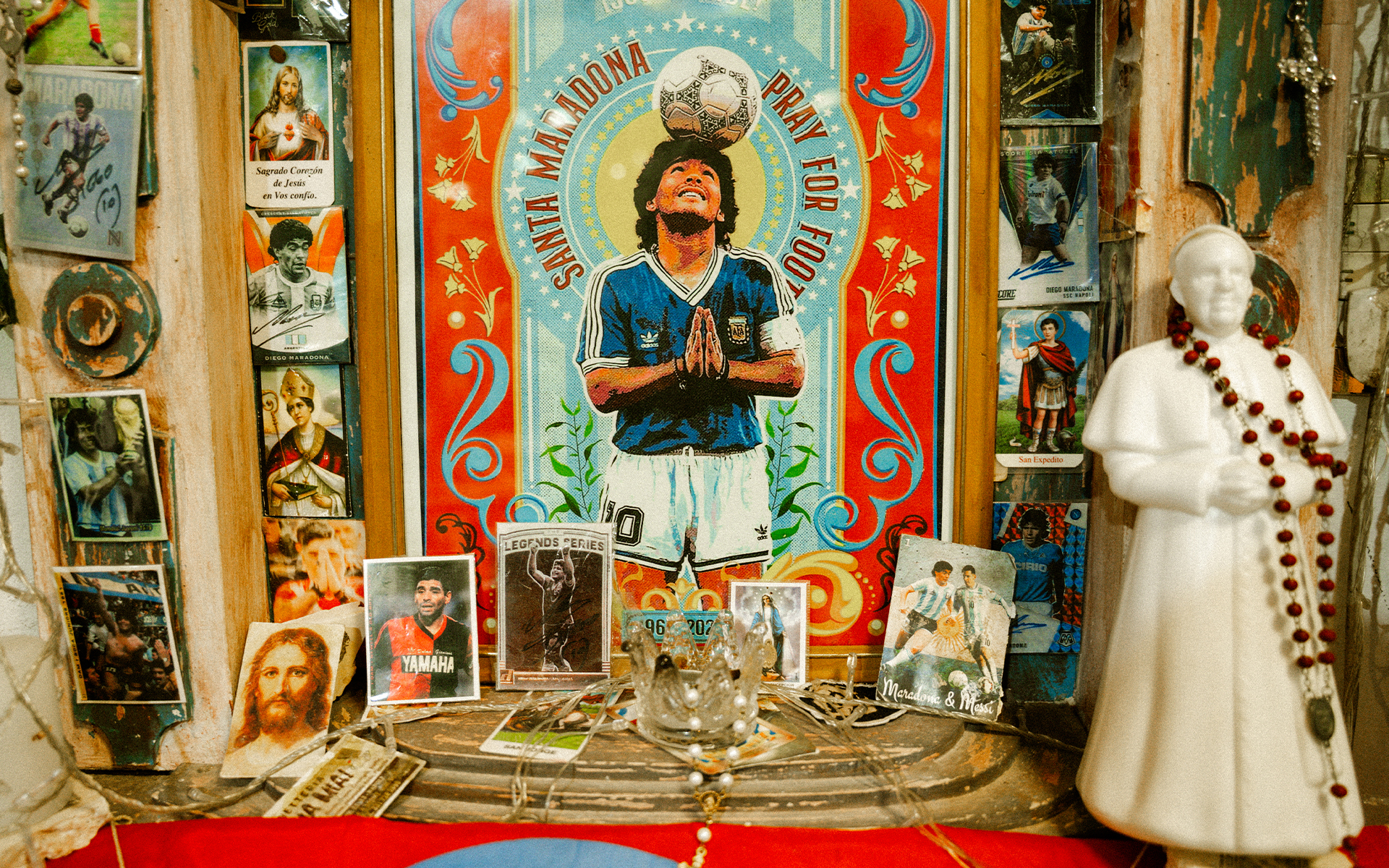
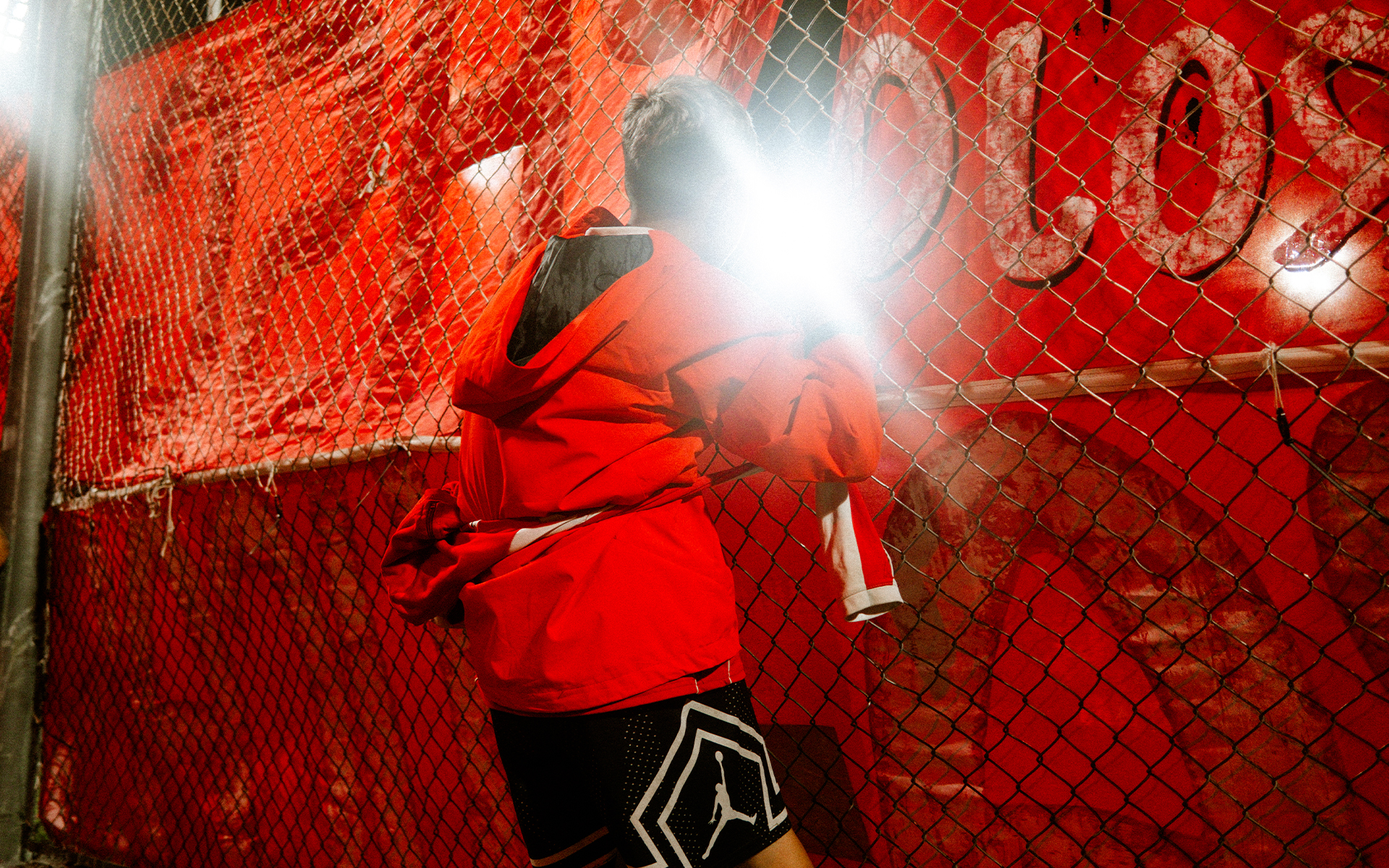
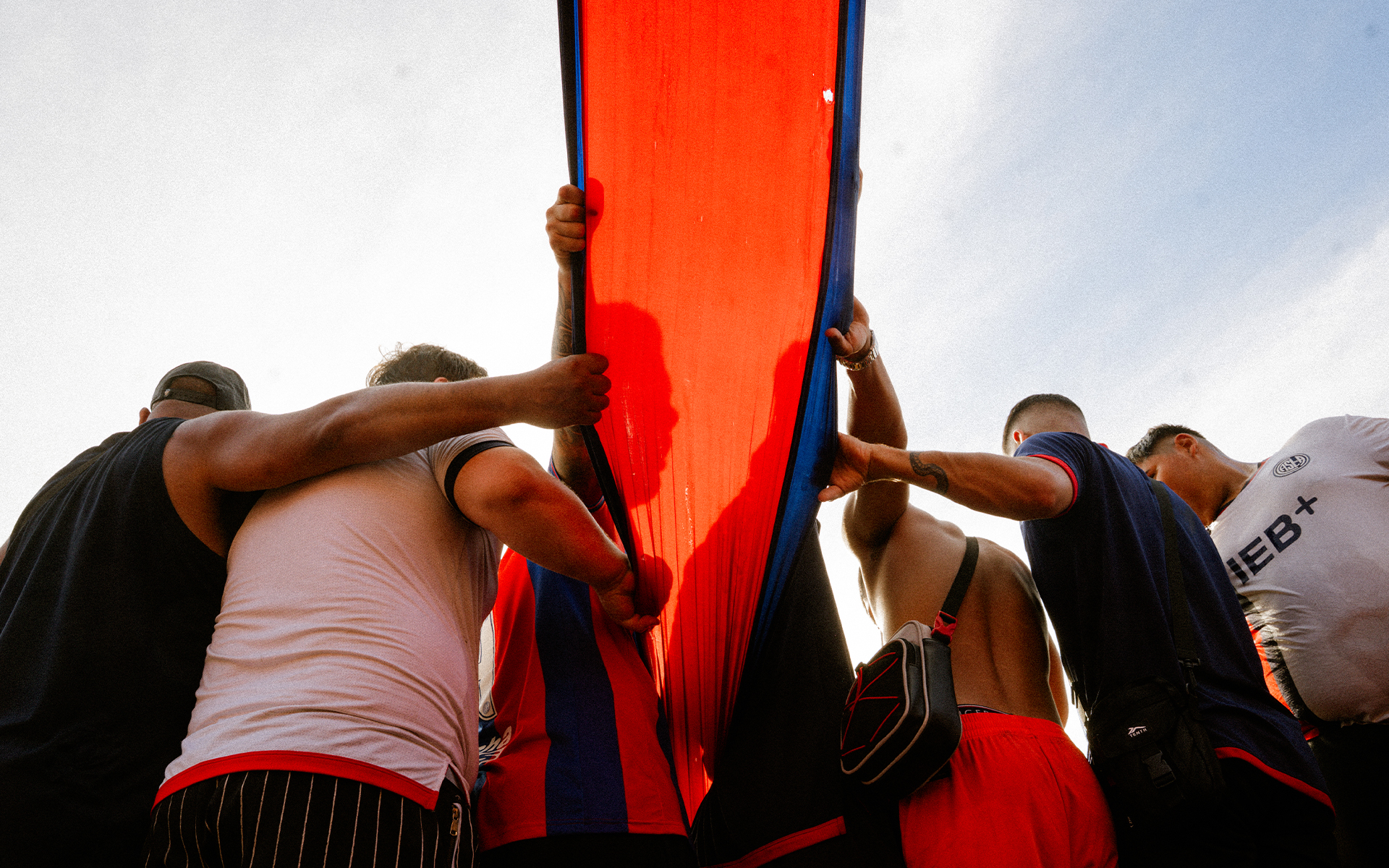
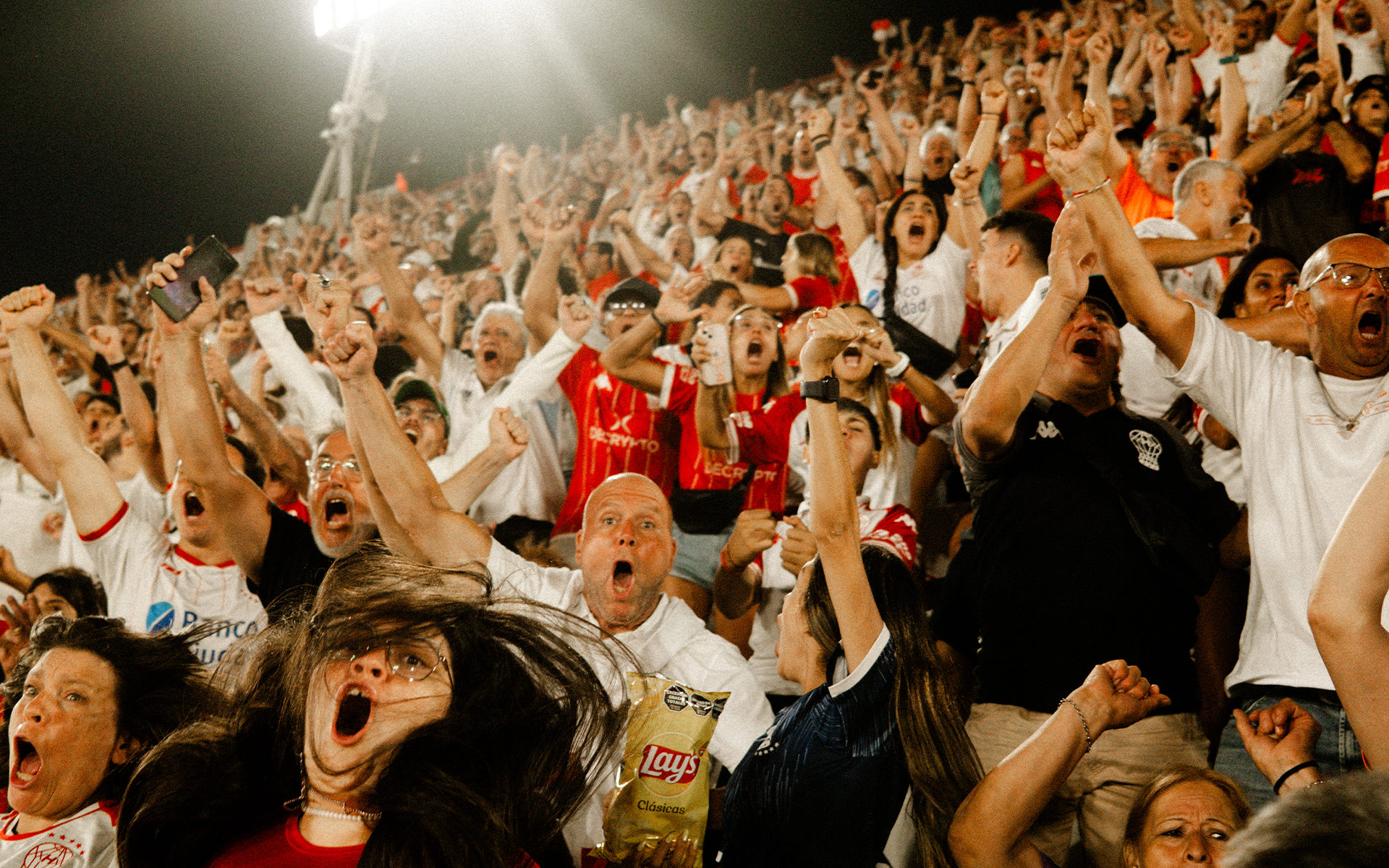
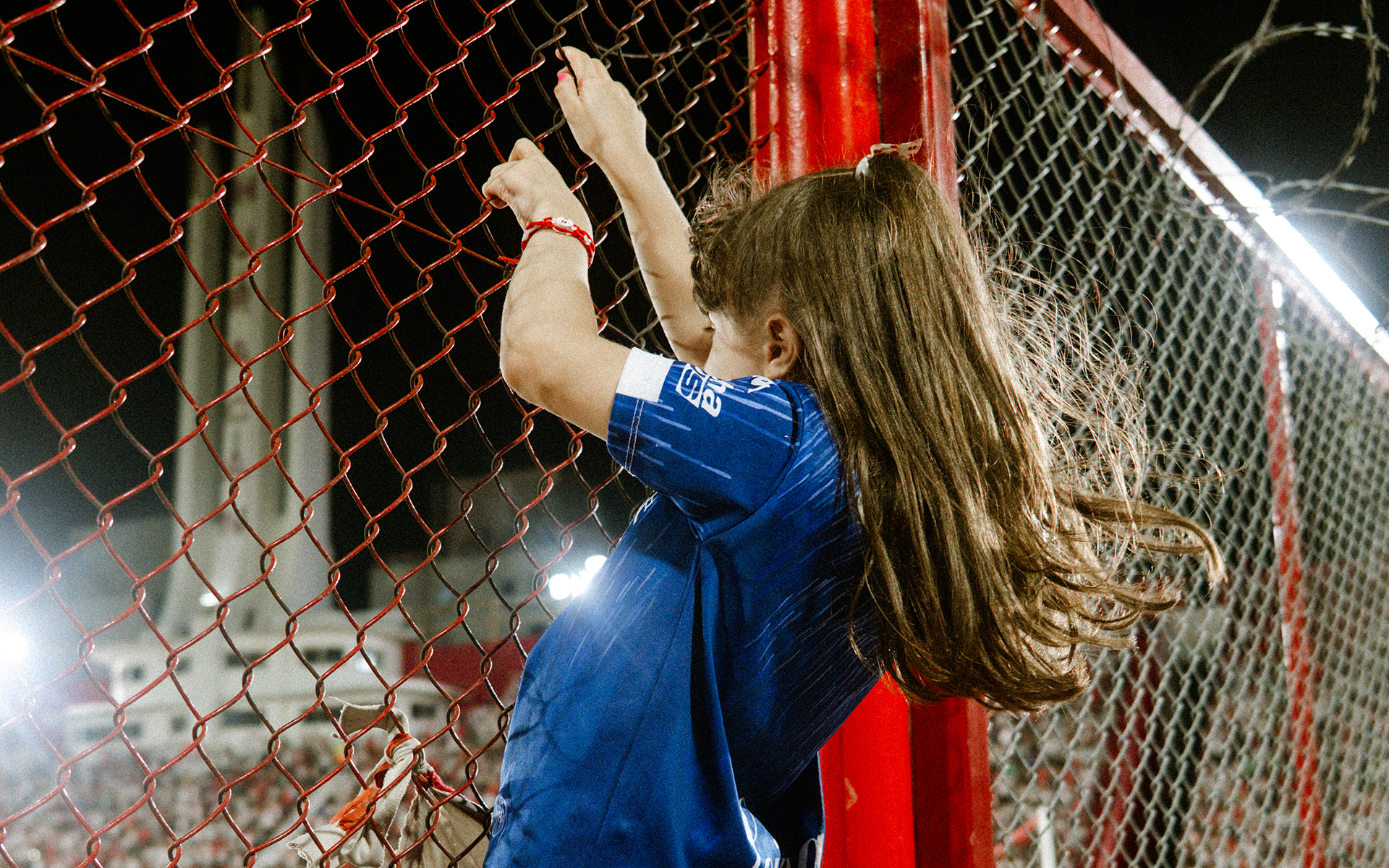
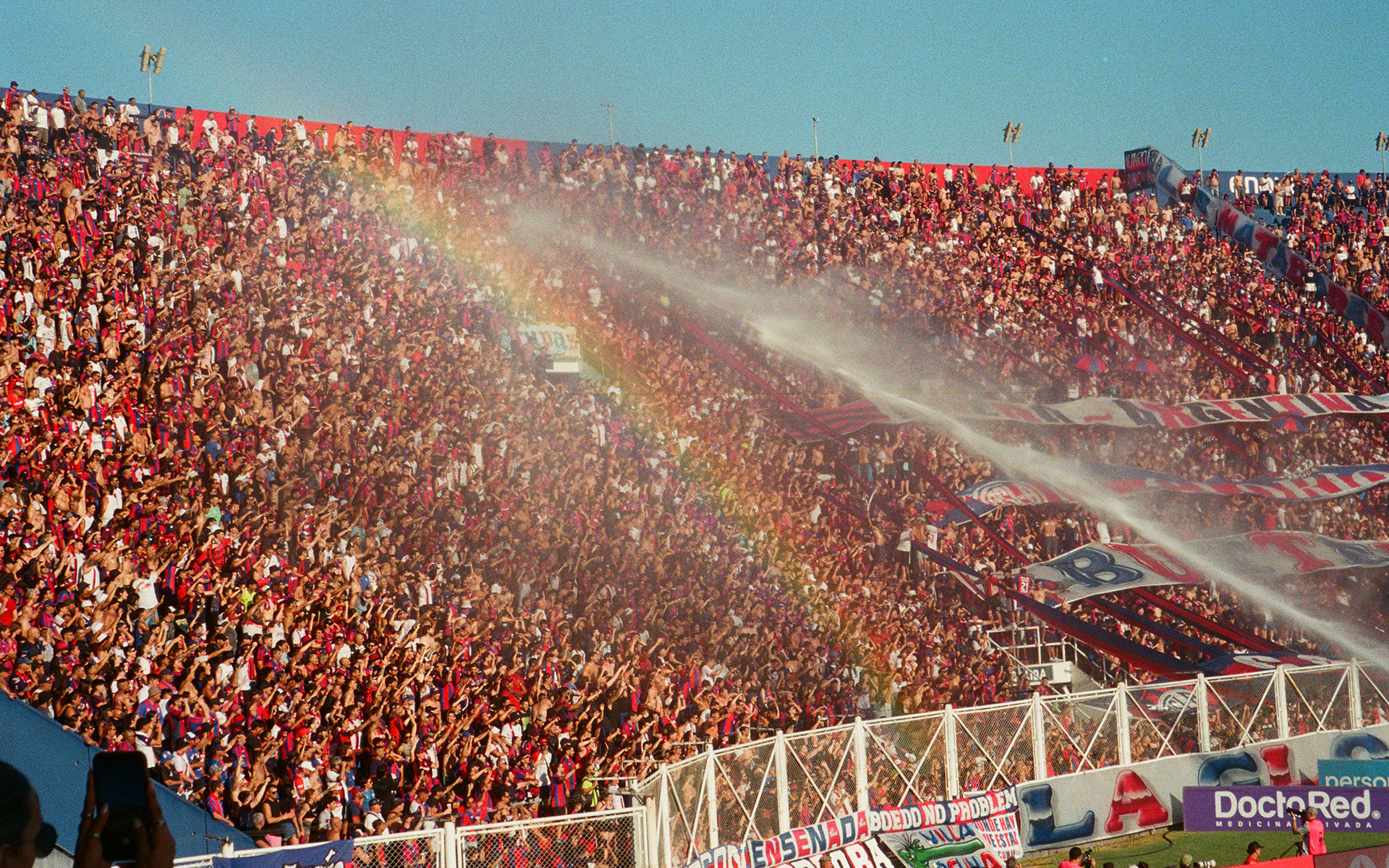
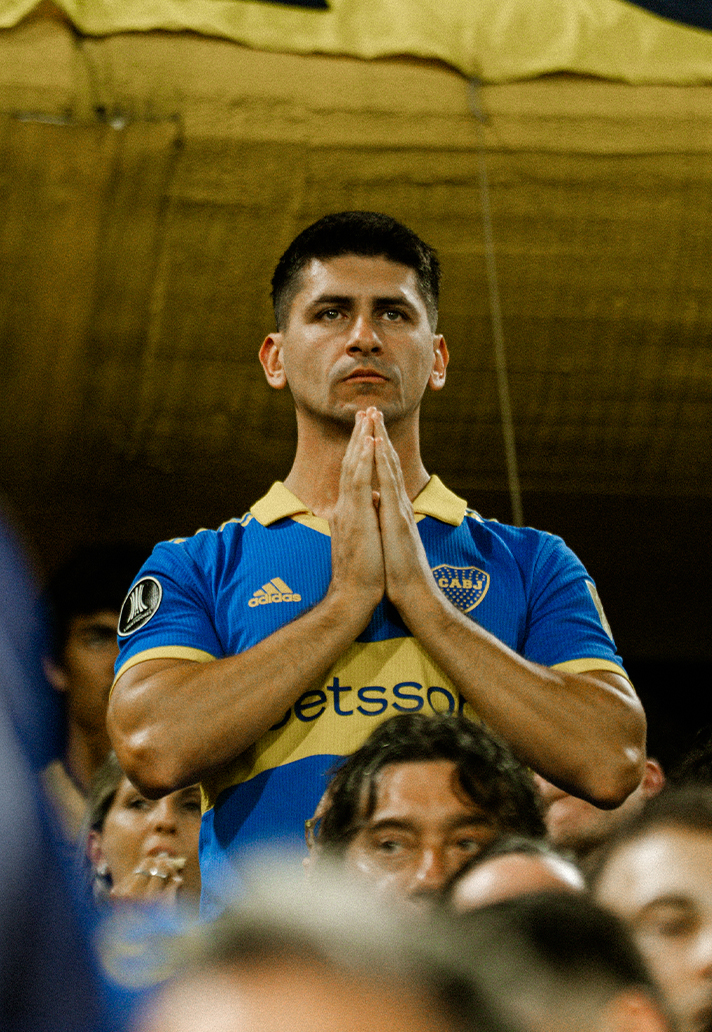
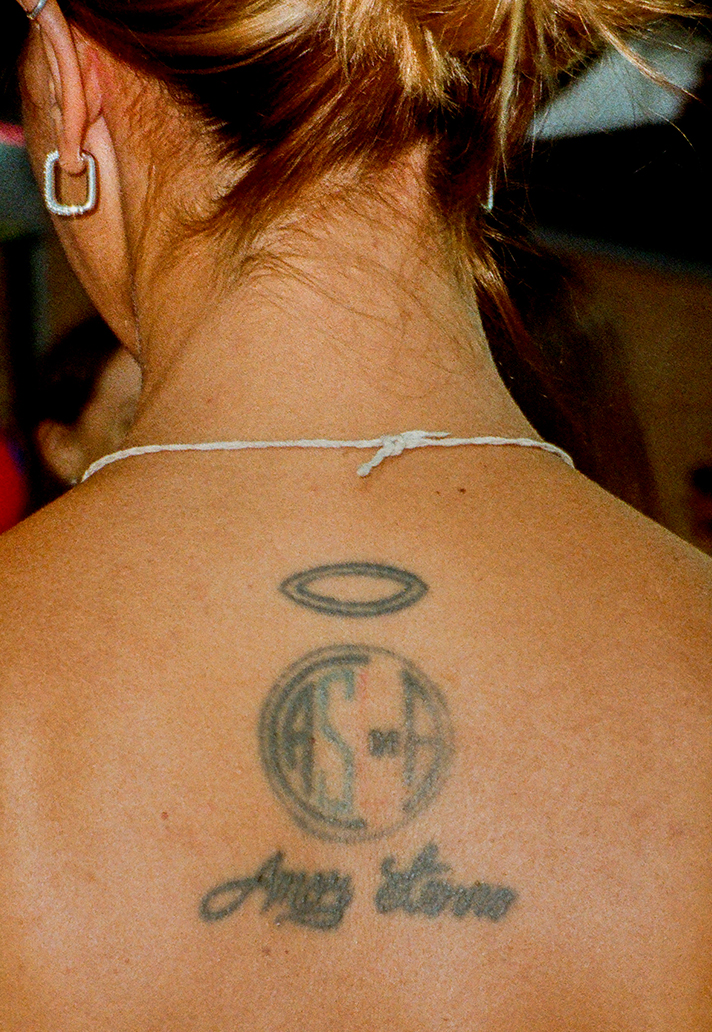
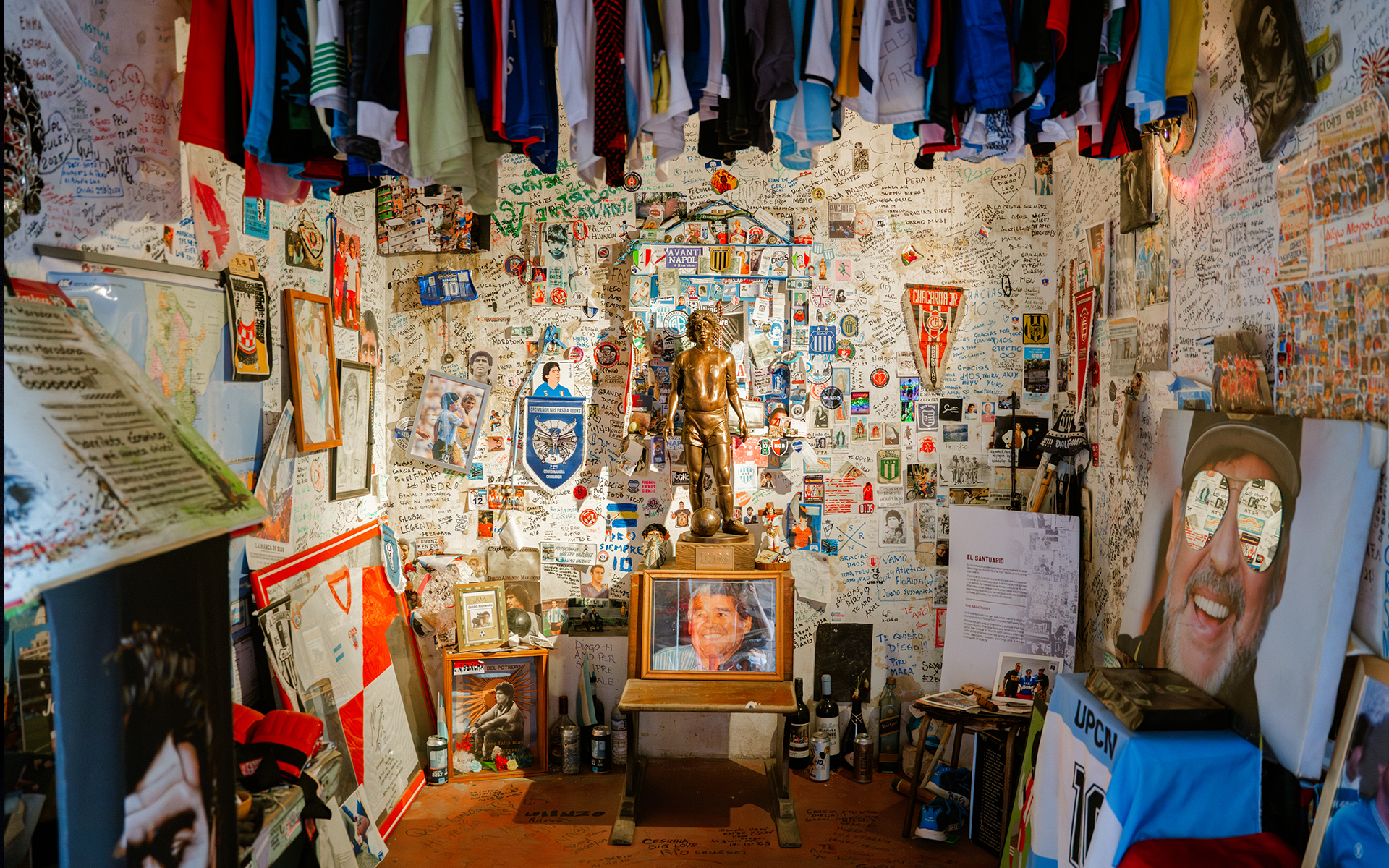
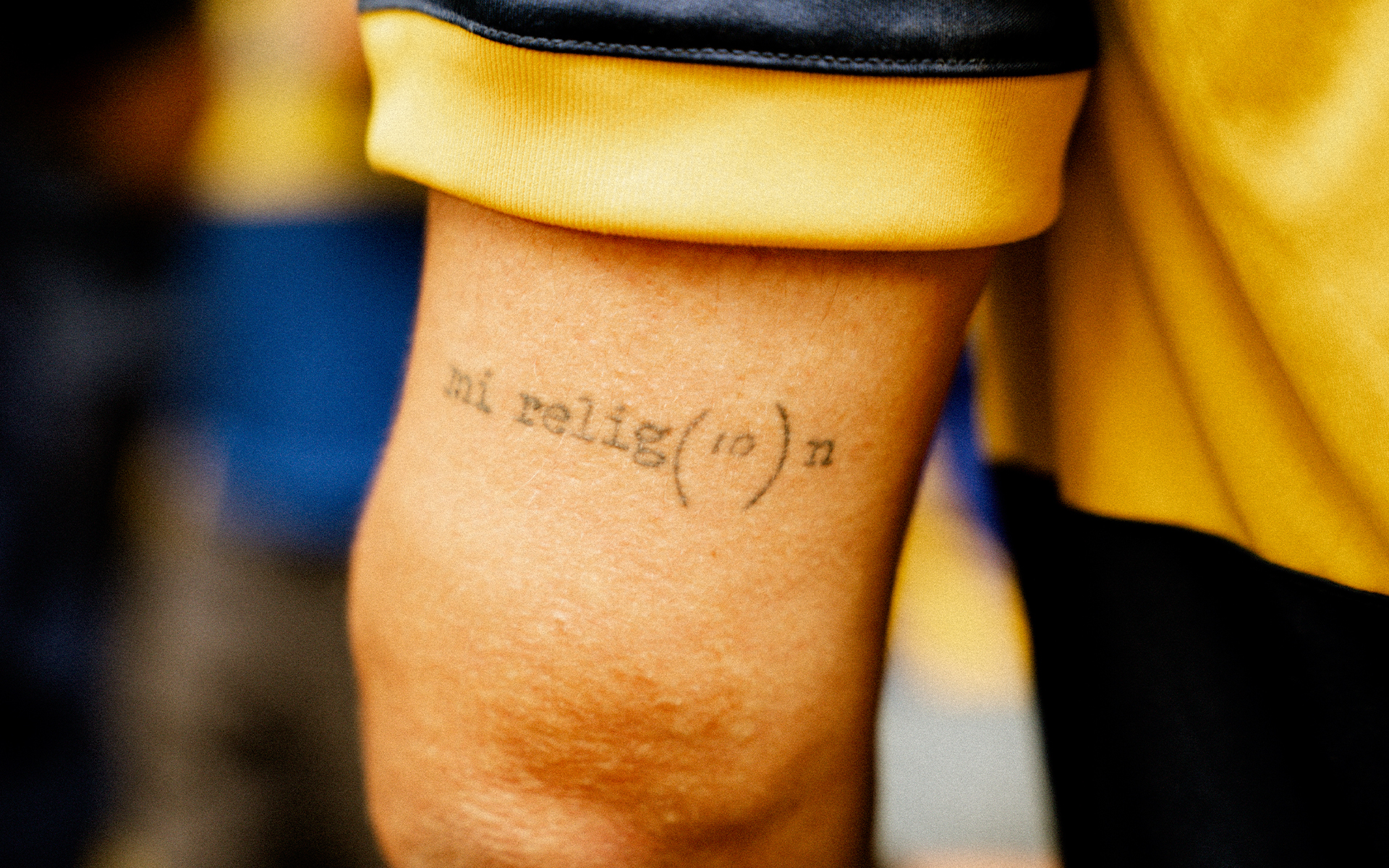
Her photo project, Mi relig(10)n, looks at football in Argentina just as a sport, but as devotion. Through her lens, stadiums become sacred spaces, players become saints, superstitions become prayer, and the shirt becomes something closer to skin.
A documentary photographer from Buenos Aires, Faraci is drawn to people, emotion and the small, unguarded moments where feeling breaks through. Here, she talks about identity, belonging, Maradona, belief, and why in Argentina, football is so often much bigger than the game.
To start, could you tell us a little about yourself – where you’re from, how you first found photography, and what kind of stories you’ve always been drawn to?
I’m from Buenos Aires, Argentina. I’ve been taking photos for over 10 years, mainly for pleasure. I’ve always been interested in people in general, their feelings and emotions, which is why I like to use my camera as an excuse to connect with them more.
What was your first real memory of football in Argentina? Was it something you were born into, or something you found your own way towards later?
Like many children in Argentina, I didn’t have a name yet before I was born, but I did have a football team. Supporting a team is something that runs in the family, and that was certainly true for me. The whole family supports the same team, and there’s no room for others; it’s not a choice, it’s just the way it is, as if it were in the blood.
Argentina is often described as a place where football feels almost religious. From your perspective, what makes that connection so powerful?
In Argentina, opinions are deeply divided on every aspect of society, but if there’s one thing the vast majority of people share, it’s their passion for football. It’s simply a place where people put their faith, something they can believe in and forget about everything else.
I think there’s a phrase that perfectly captures people’s connection to football, and it’s the one left behind by the 2022 World Cup: “I choose to believe.” Fans invented this phrase to express that they kept the faith in football no matter what.
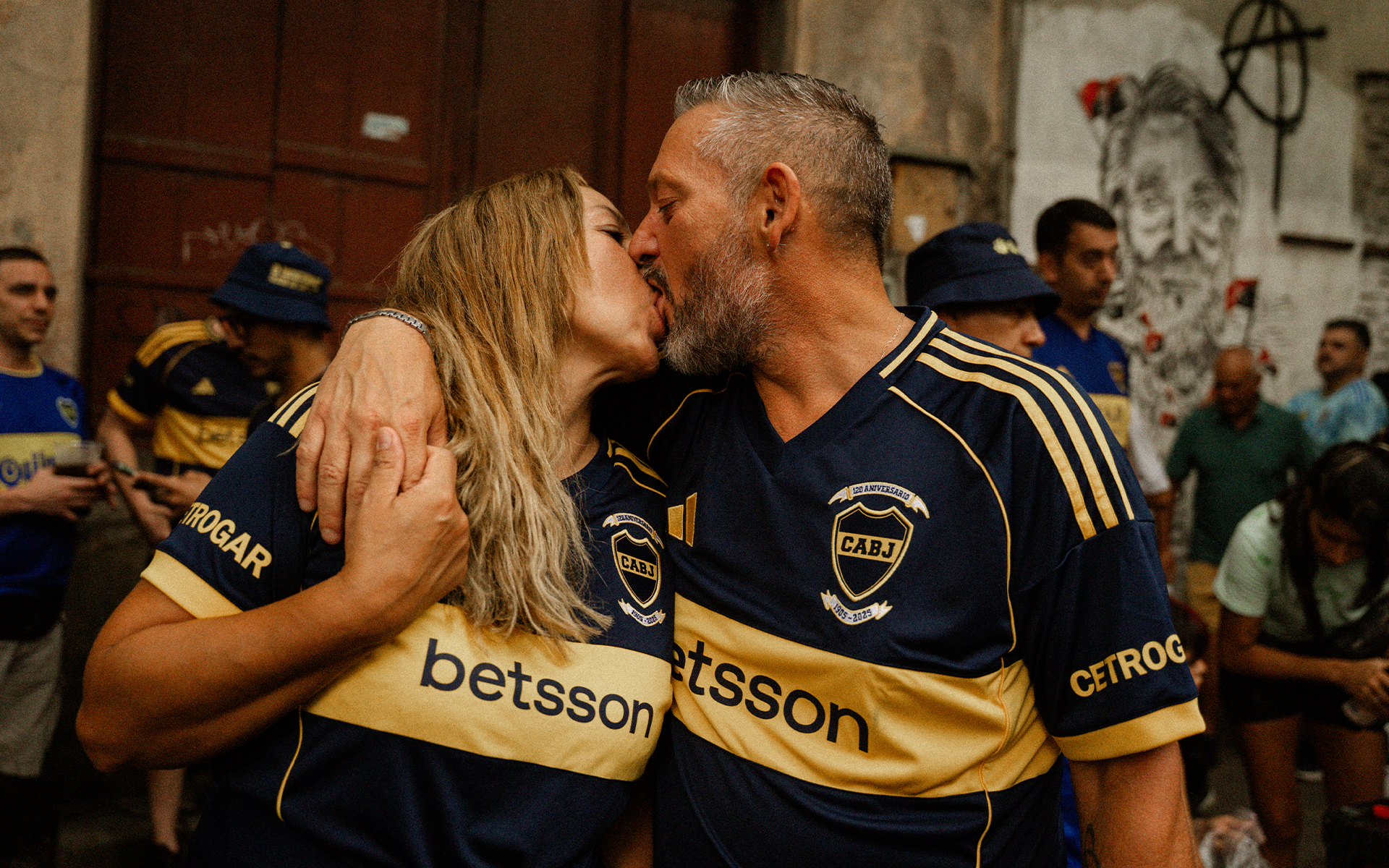
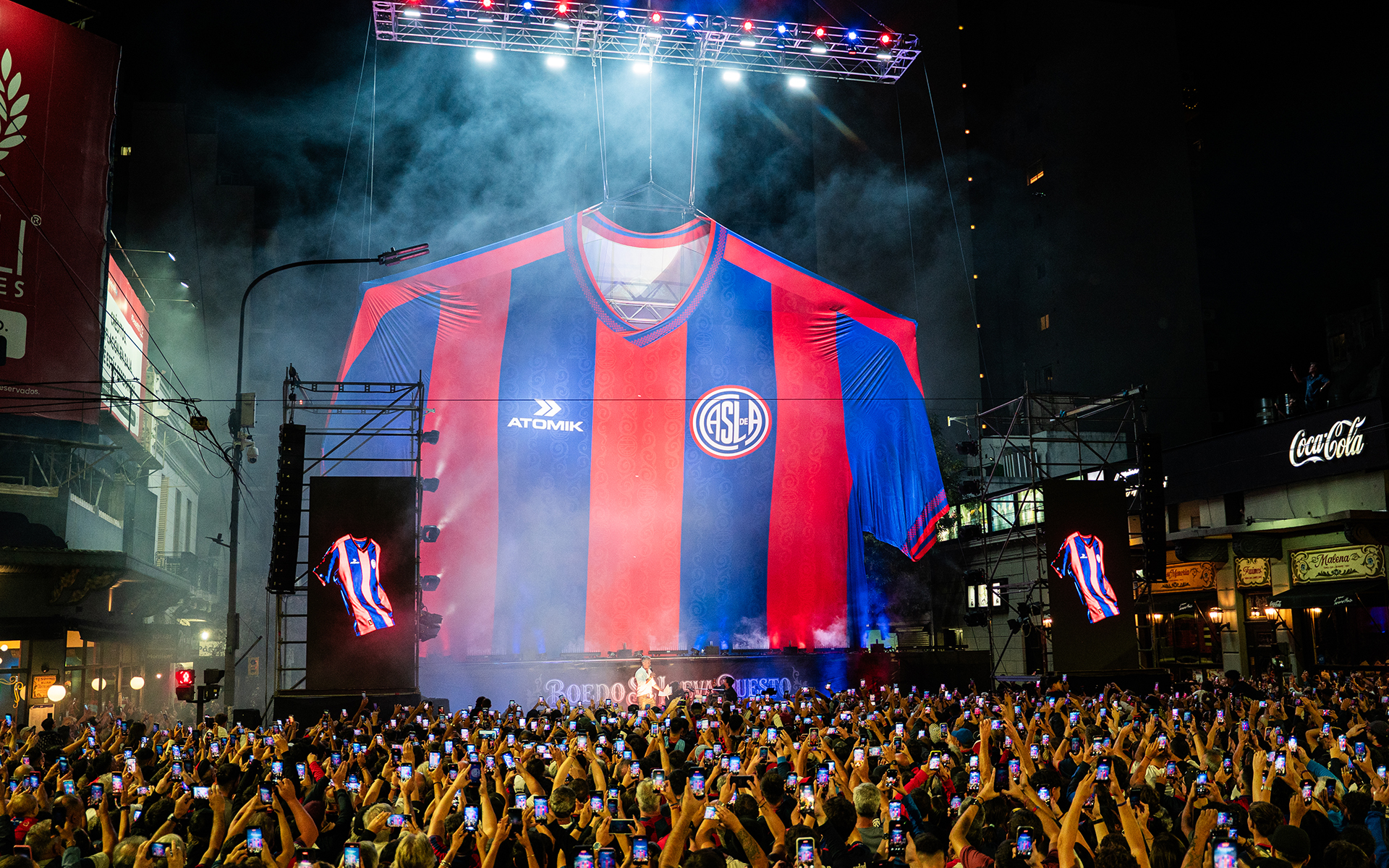
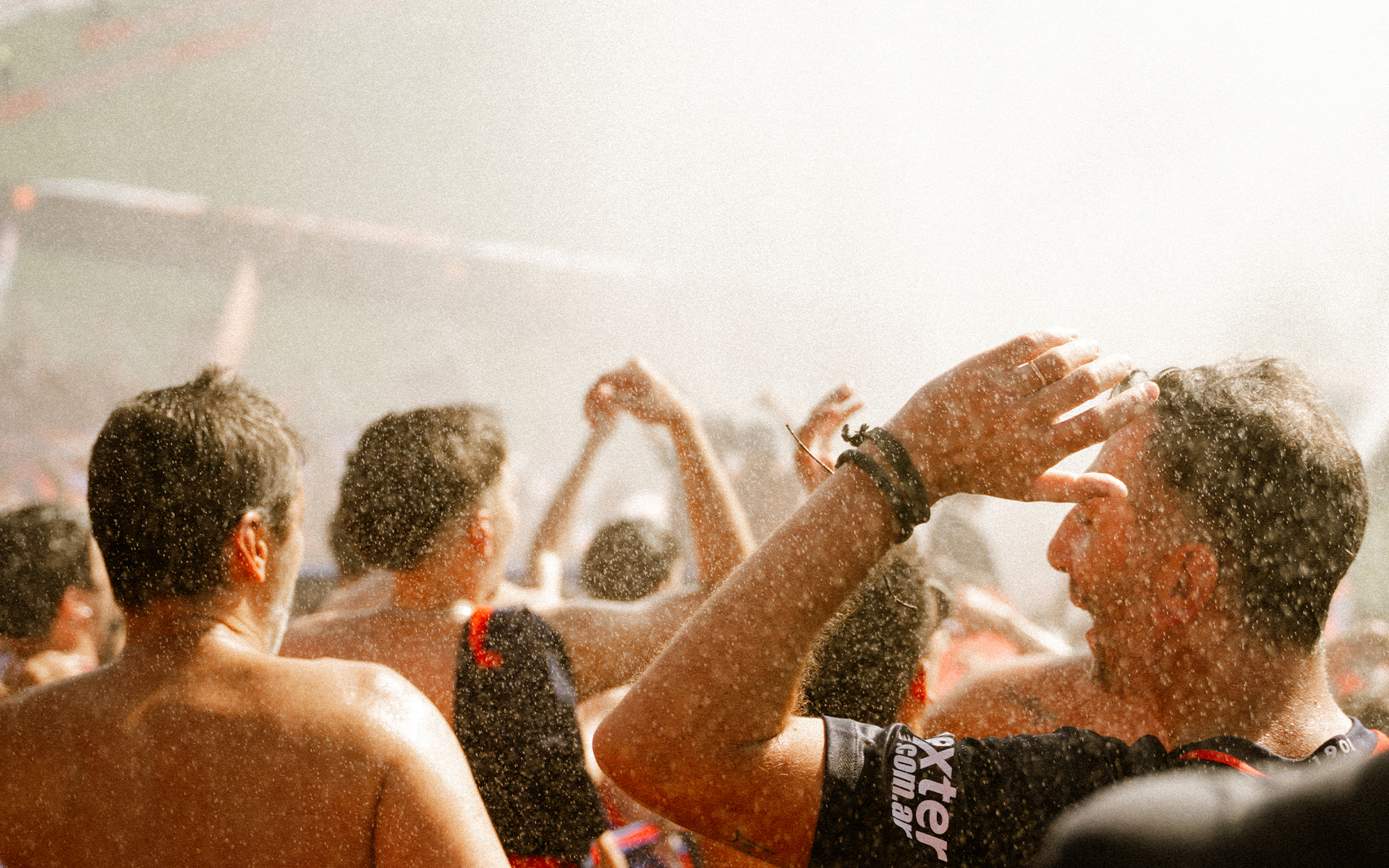
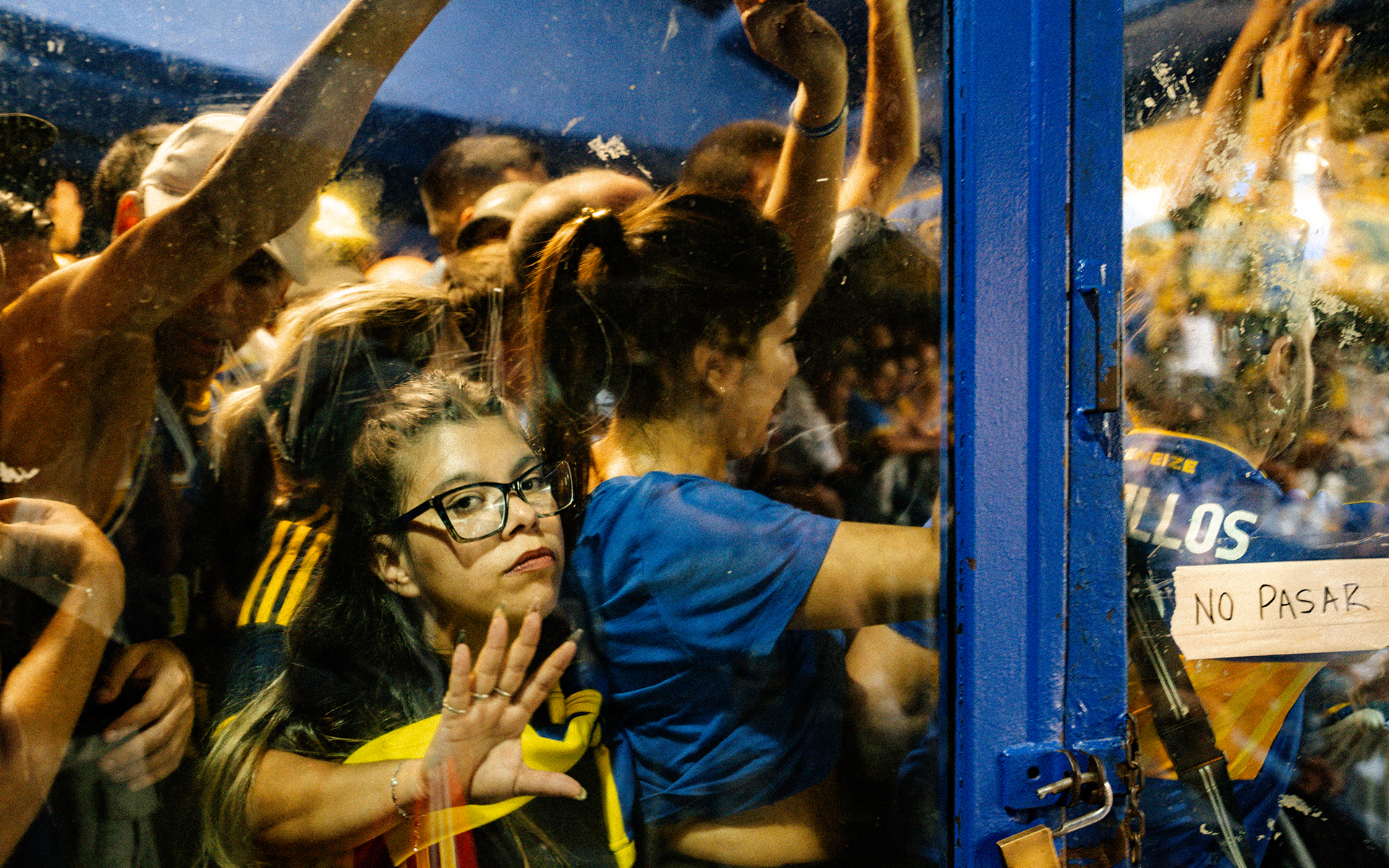
No matter who you are or where you come from, you can find a shared feeling with all the fans of the same club. No one is more or less than anyone else; everyone believes in the same heroes and feels the same colours. In the stadium, there are no labels or classifications. This is how a sense of belonging and identity is created, almost religious in nature.
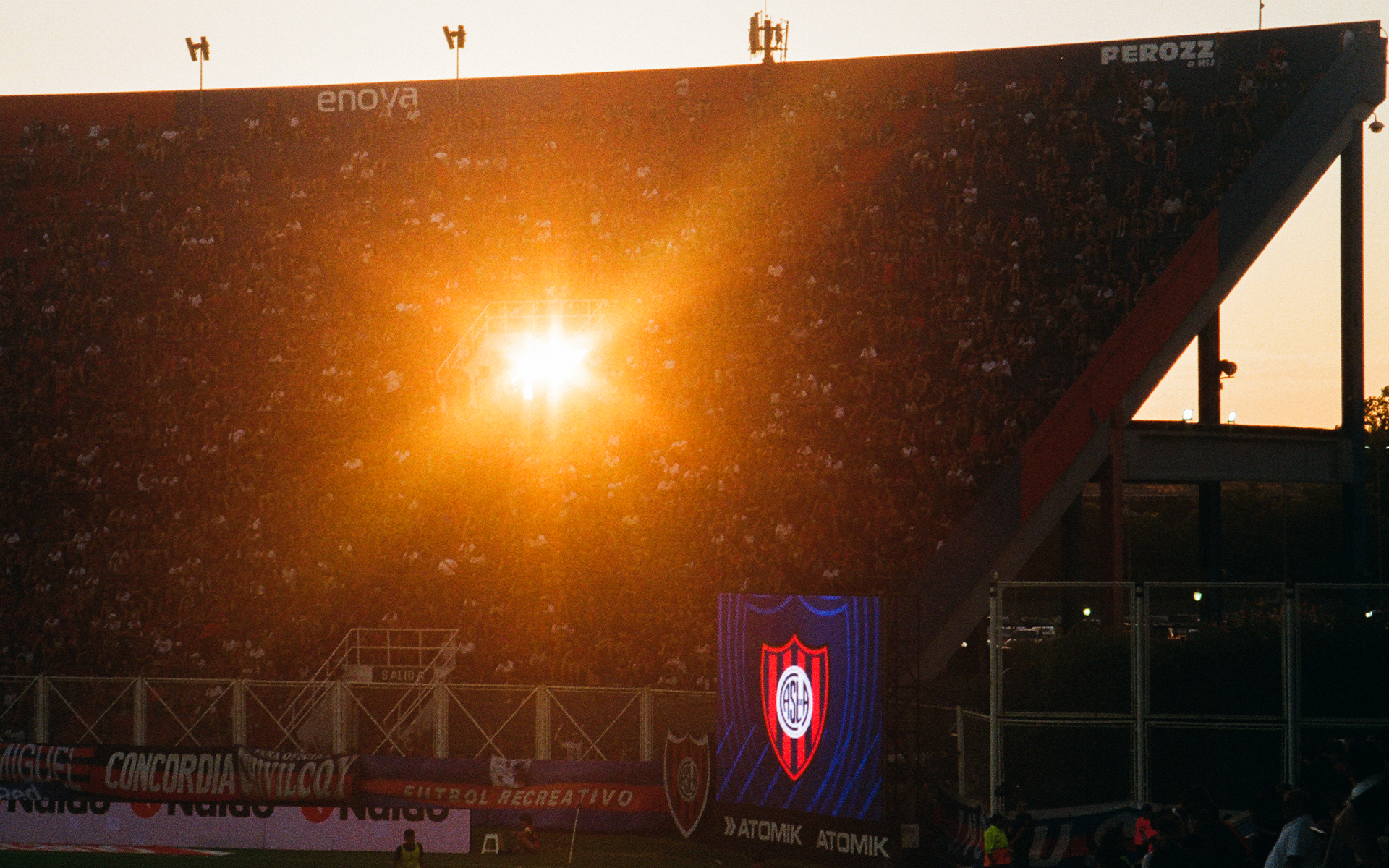
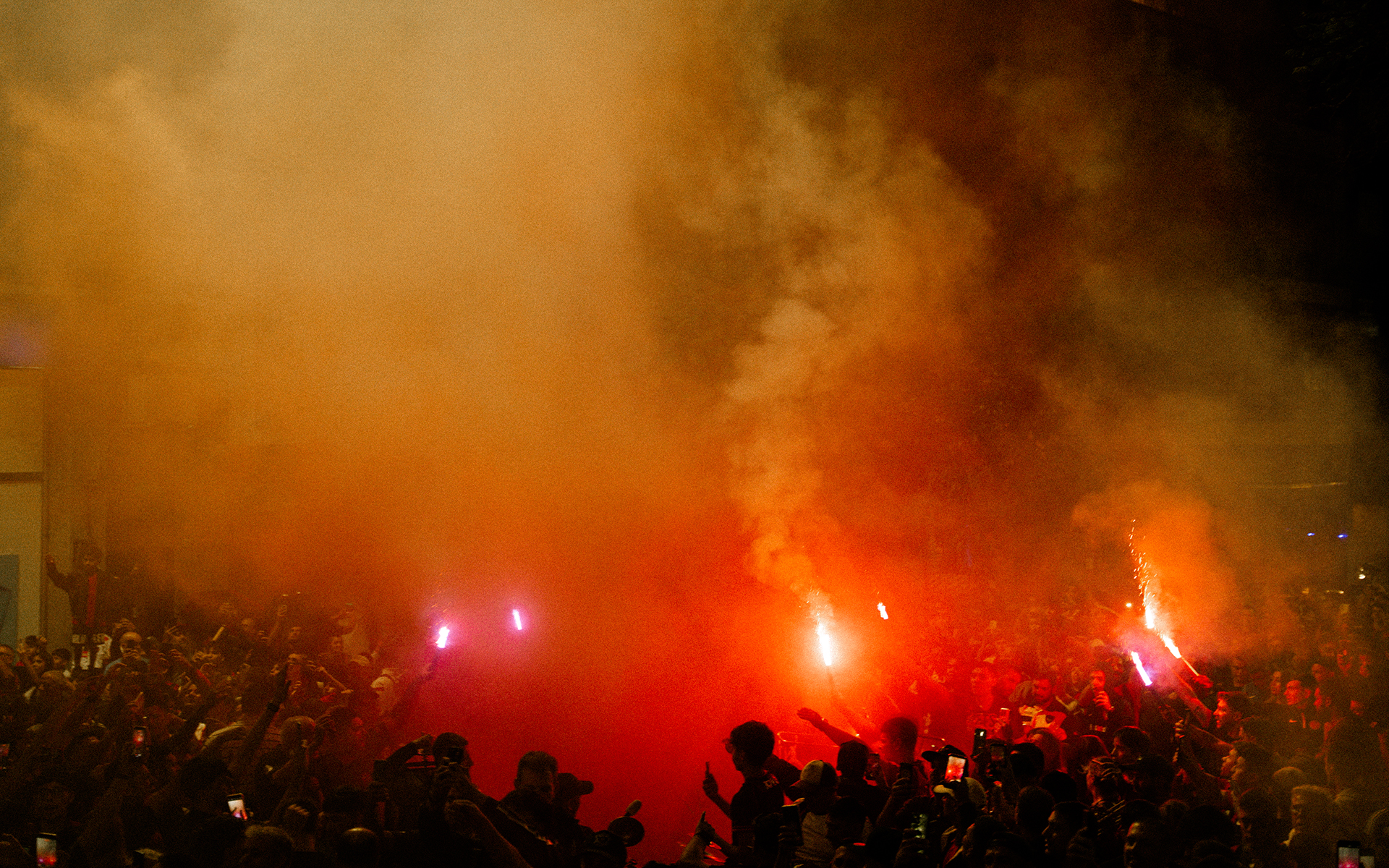
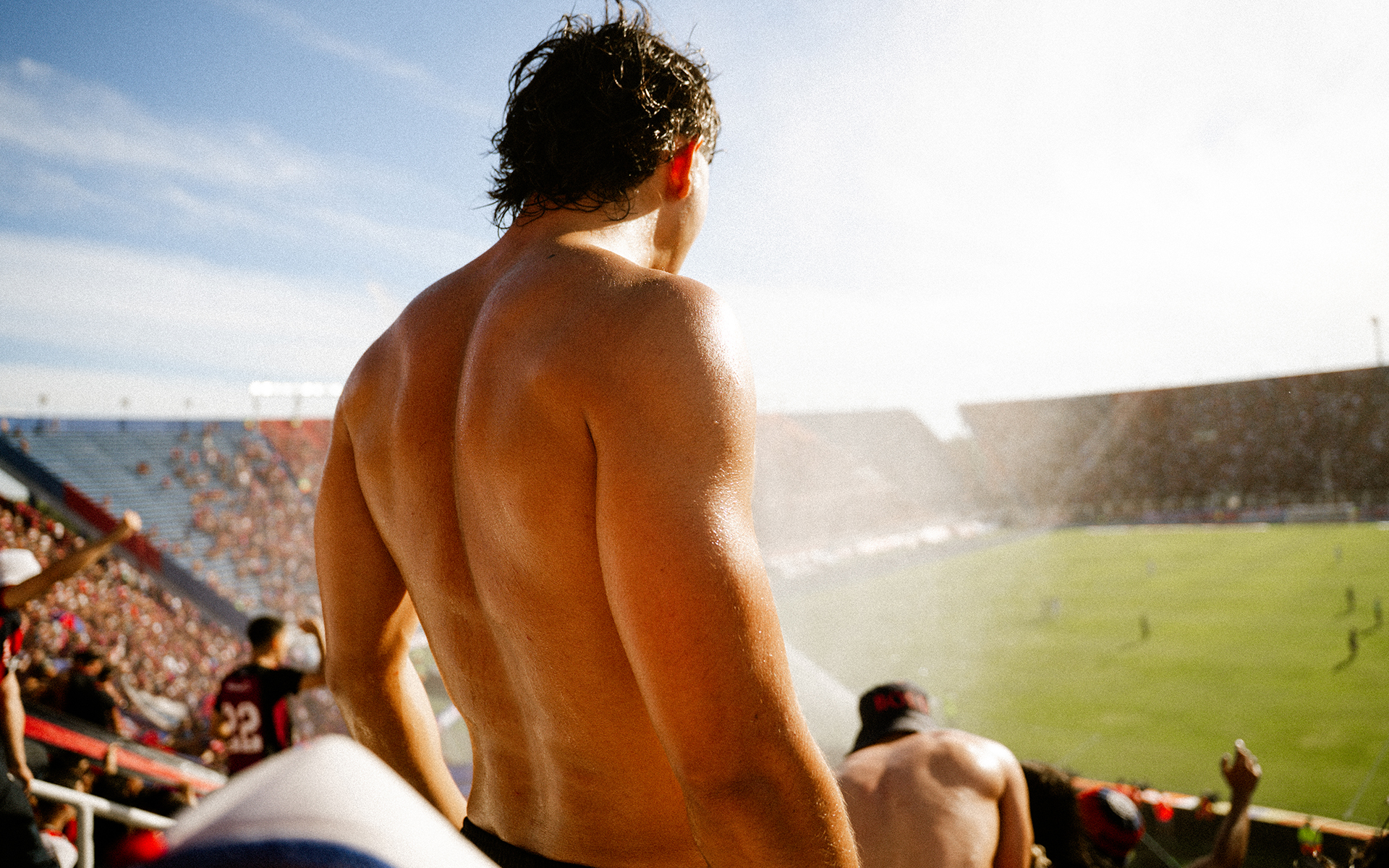
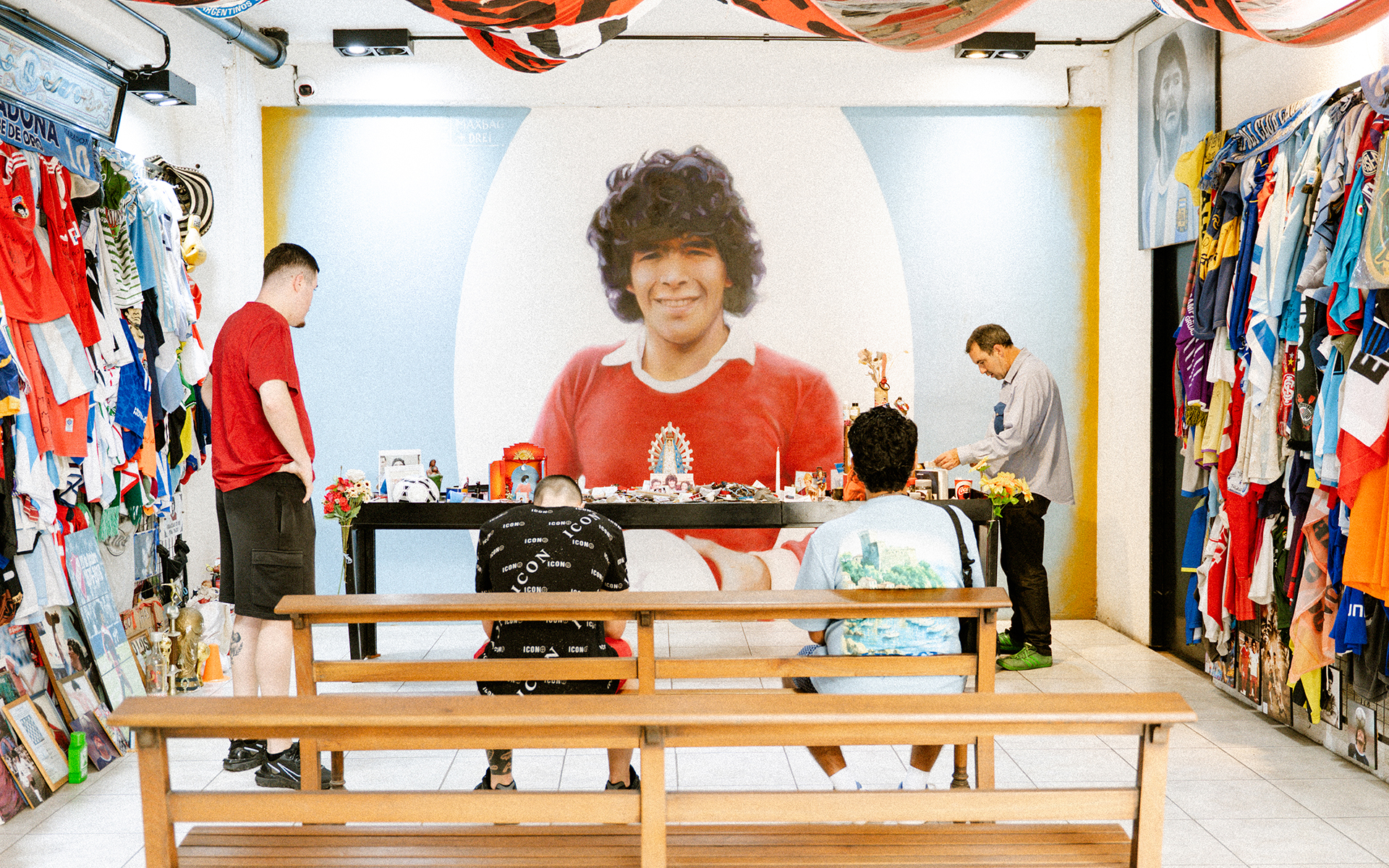
Mi relig(10)n explores football culture through that lens of faith, ritual, and devotion. What first made you want to document the game in this way?
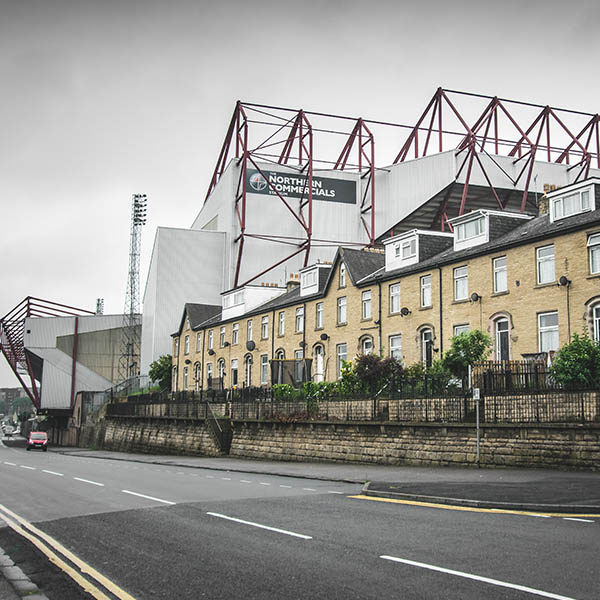
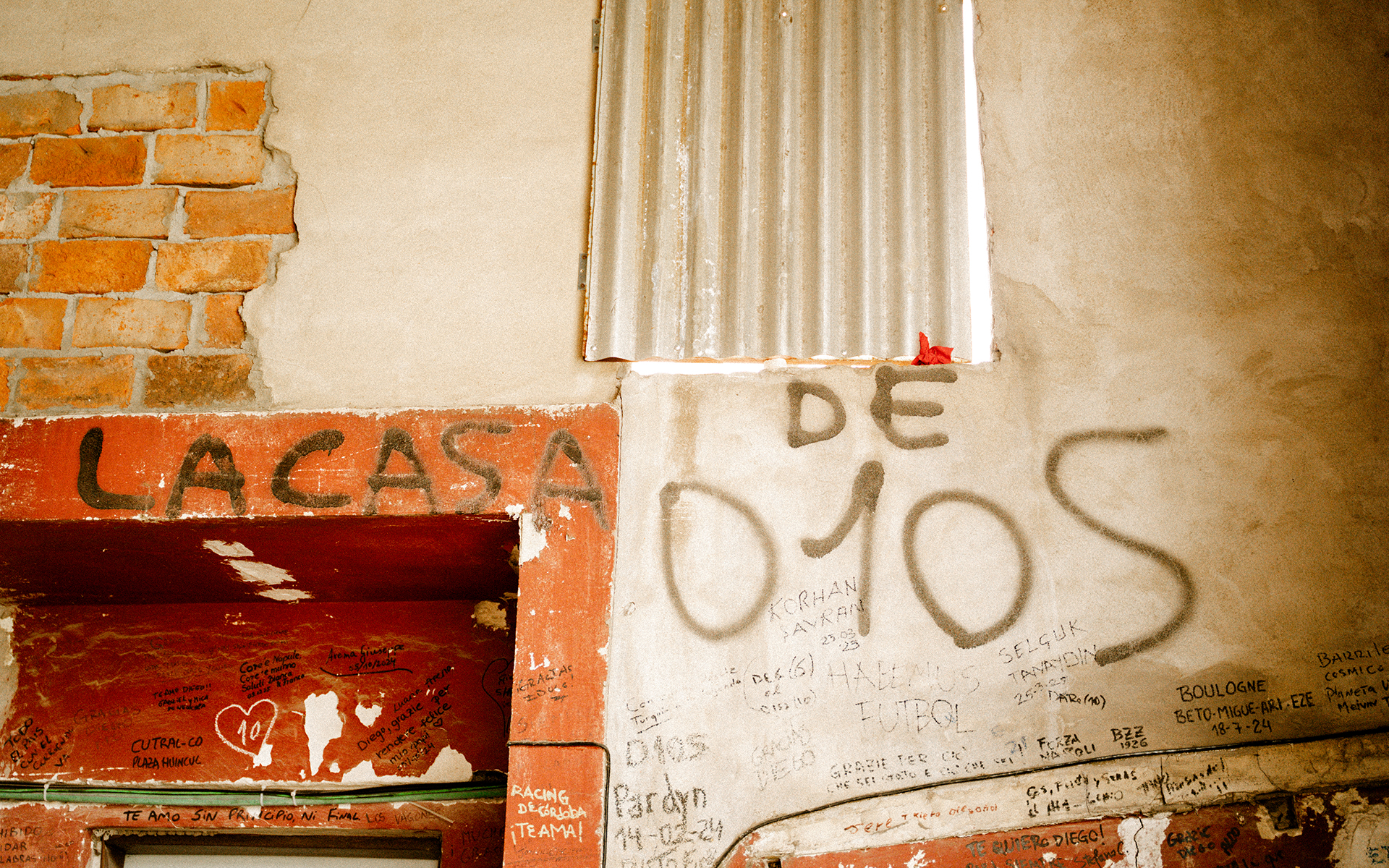
We always refer to football as if it were another religion. It goes from the sanctification of players – for example, Maradona, who is referred to as D10S – to the creation of superstitions as ritual and the transformation of the stadium into a sacred place.
As in the case of many, for me football was always a weekend ritual. Since I was young, watching matches with my dad, going to the stadium, and suffering with the players made me perceive football in this way.
When you’re shooting football culture, what are you most interested in capturing?
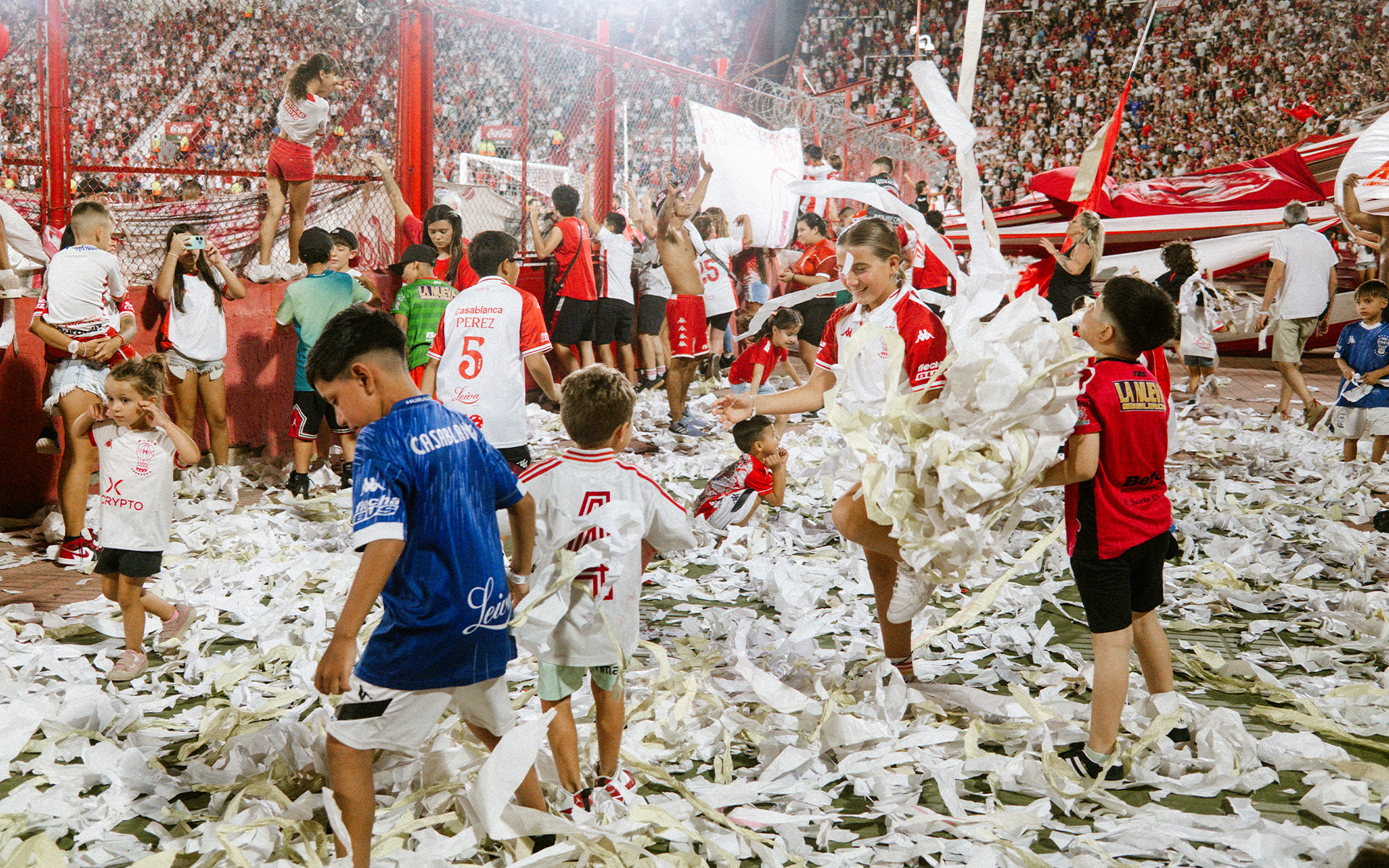
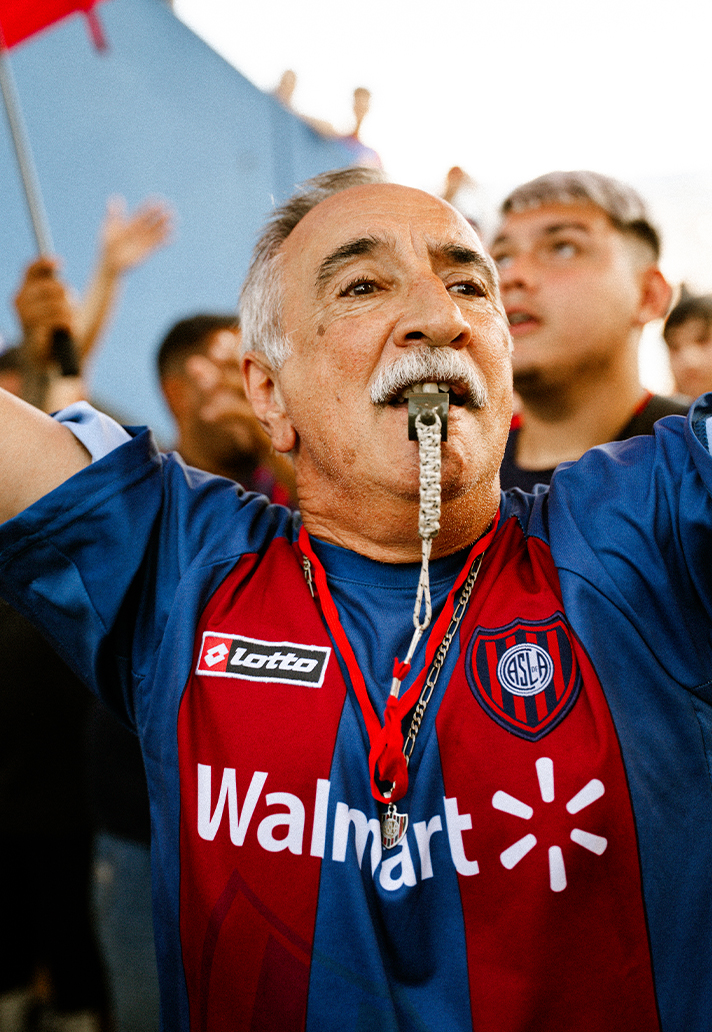
People, what they feel about the colours that represent them, and all the emotions those colours evoke in them. For many, football is a very important part of their lives, and that’s what I want to capture. I also want to show that it’s something that transcends age and gender; this sport truly plays a significant role in the lives of everyone.

How would you describe the atmosphere around Argentinian football to someone who has never experienced it first-hand? What does it feel like to be inside it?
Football is not just another sport in Argentina; it is a major part of the culture and of both individual and national identity. People feel represented by a football team, which is why it is so emotional and why people feel so passionate about it.
Do you think your own relationship with football has changed through photographing it so closely? Has the project made you see the game differently?
Not the game, but it did help me a lot in understanding the different teams. Buenos Aires is the city with the most football clubs in the world, and each team has its own identity. Every neighbourhood in the city has a football team that represents it, and each one has a different energy. That’s where this project helped me: to understand the different facets of the same passion.
What do you hope people outside Argentina understand when they see these images – not just about football, but about identity, belonging, and belief?
I hope people understand that, in the end, the important thing about football isn’t the game itself, but its power to create collective spaces and community. In this country, it’s not just another sport; it’s something that builds families and provides motivation and hope. In a way, for many, it serves as an engine to keep moving forward.
You can check out more of Camila's work via her Instagram account