adidas SPZL has always done things differently. No trend-chasing, just a consistent focus on getting the product right.
Truth is, with most brands, there’s always a moment where they decide what it wants you to believe. The concept, the campaign, the line that ties it all together, for example. But adidas SPEZIAL – the adi sub-line started by Gary Aspden back in 2014 – has never really played that game.
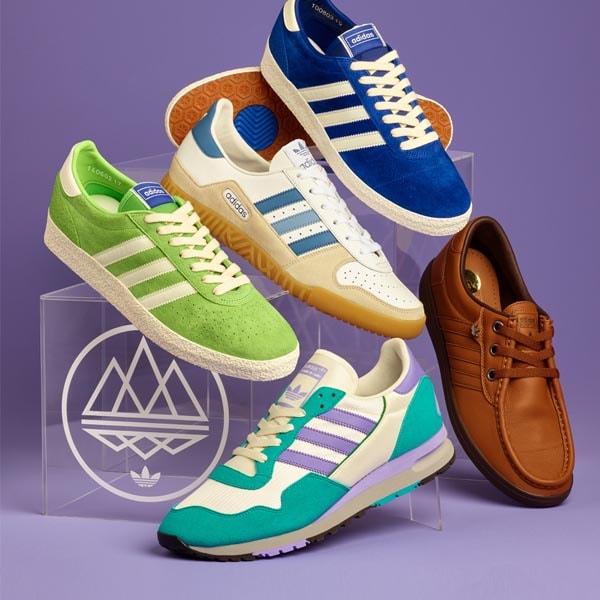
Even with Spring/Summer 2026 – a collection revealed on April 20th that lands online four days later – there’s no neat narrative being pushed to the front. Aspden has always been more interested in the product itself – how it looks, how it feels, and whether it stands up without explanation.
“We were always asked to build story-led collections in the early years of SPZL,” he tells me.
“But I’ve always believed that product has to come before story. Having a great story is pointless if the product doesn’t look good. Storytelling works on some levels for sales and marketing, but it can sometimes add another layer of complexity and even constraint to the design ideas.”
It’s a simple position, but not an easy one to stick to. Most brands lean on narrative because it’s easier to communicate than product nuance. SPZL has done the opposite, and it’s probably why it still feels intact.
Aspden isn’t dismissive of storytelling entirely, but is wary of it becoming the main event. “If my primary motivation was to tell stories, I’d be trying to write books for a living, not making trainers and clothing,” he says.
“The storytelling was a good way to communicate some of the cultural drivers early on, but I’ve never wanted to nail SPZL to any particular cultural posts. I always wanted it to be versatile and adaptable.”
What started as an archive-minded project now sits in its own space – not fixed to one scene, not overly defined, just consistent in its point of view. In the early years, story helped establish the line. Now, it’s shifted into something quieter and more useful.
“The storytelling became more about the process of creating the product itself,” he explains. “That’s what the community seems to appreciate, understanding the design decisions, the practical and commercial considerations, and where the origins and inspirations lie.”
That shift is what keeps adidas SPZL from becoming overly nostalgic. The archive is still there, but it’s no longer treated as something to simply reproduce. “We still look to the archive, but the balance has changed over time – it’s more for ideas than for 1:1 reissues.”
“You might see something in an old shoe that sparks an idea, but it’s about how you translate that into something new.”
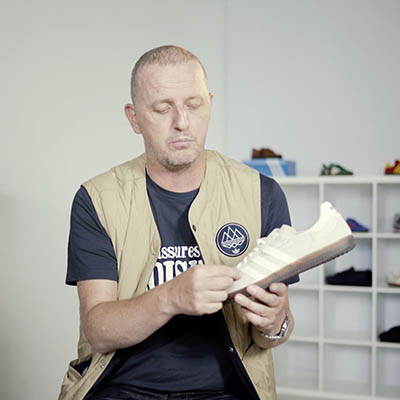
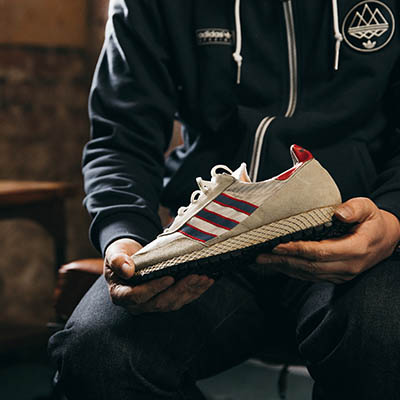
He points to a vintage pair he picked up in Tokyo – not to bring back, but to reinterpret. “They had a toe overlay made of a textured rubber that I wanted to show the team with a view to doing something similar on a low-profile shoe. It sounds simple, but it wasn’t. We had a battle to get the tonal colour match right between the rubber and the suede upper. The first two attempts had too much contrast.”
That’s where SPZL lives now: in those small, precise decisions. Not in big gestures, but in getting the details right. It’s the same with the cultural references that orbit the line.
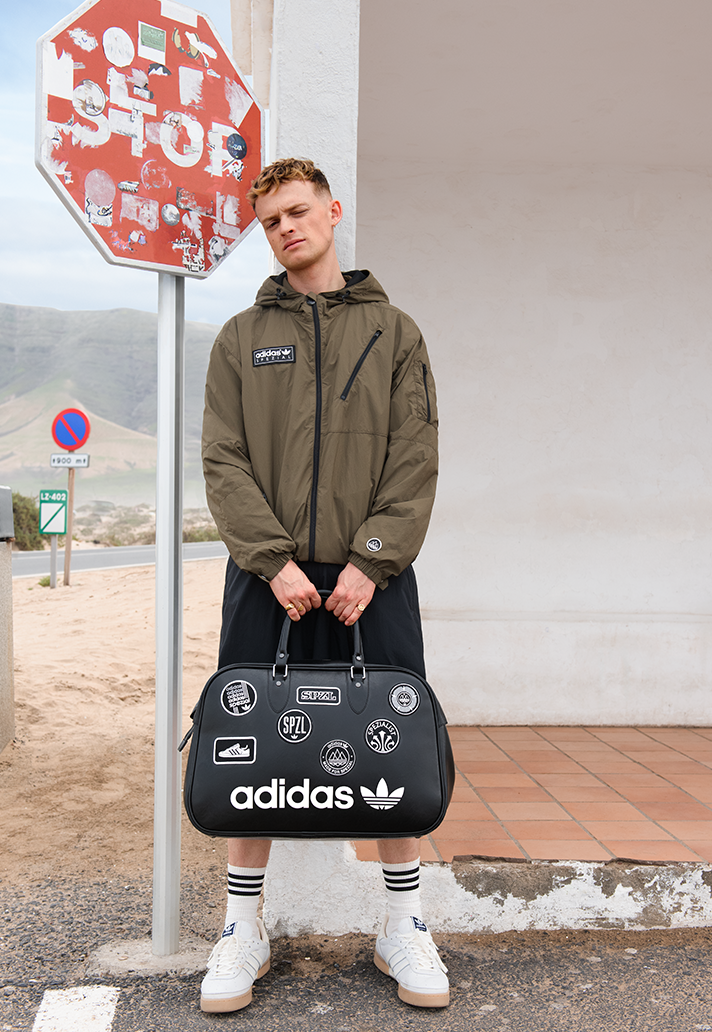
SPZL is often framed through terrace culture, which makes sense on the surface, but it’s not the full picture. “Terrace culture at its very best is extremely considered. In fact, at its sharpest edge it’s about as considered as it gets,” Aspden says.
“Football lads are one of the most sophisticated menswear audiences out there, and I’m inclined to agree with that.”
After all, SPZL didn’t land with football fans because it was marketed to them. It landed because it understood that sensibility from the start.
“We didn’t set out to target any particular audience,” he says. “But in hindsight, its adoption by football fans was highly likely. It’s a contemporary take on that European adidas aesthetic they’re familiar with, but we never wanted it to feel overly prescriptive.”
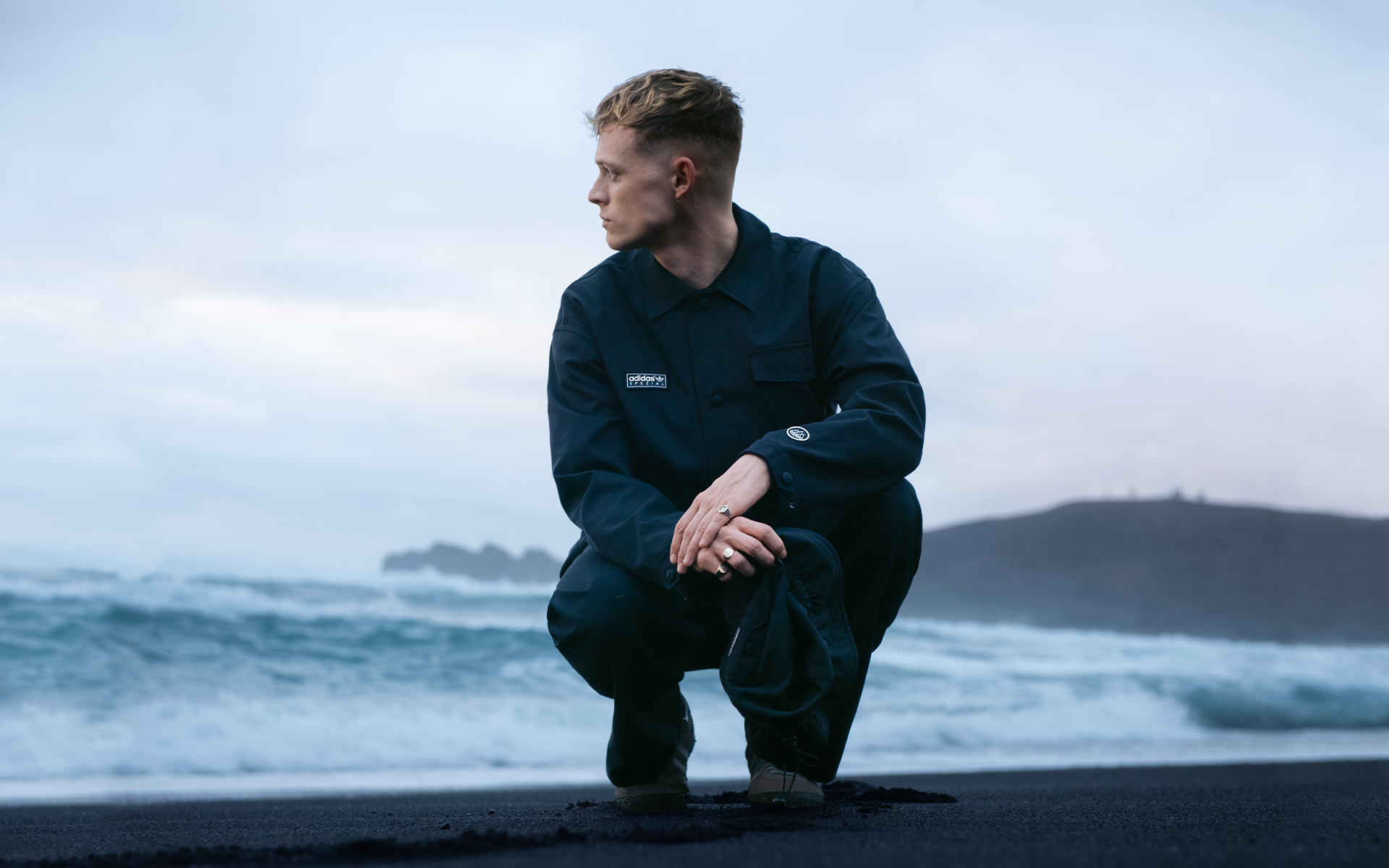
That openness has allowed it to move beyond a single scene. “There are people who wear the range who aren’t dedicated football fans, and I like that,” continues Aspden. “A football lad or a skateboarder can wear the same product in completely different ways.”
Football is still there, though. It always will be, whether it’s explicit or not. “I see it at every game I go to, and at the end of the day that’s what it’s all about,” he says. “Where I sit at Ewood Park, I’ve got a good view of the away end and I’m always looking to see what people are wearing.”
There’s also a broader point about nostalgia itself. “Not everything that sold well in 1983 is going to work in 2026,” he laughs. “There are shoes people ask for that have been brought back before and didn’t work commercially. Our job is to try things out, not just chase low-hanging fruit.”
That’s where SPZL has evolved – away from straightforward reissues and towards something more fluid. “Some of the most popular SPZL releases are actually new shoes that we’ve created,” he says. “Hybrid styles that take elements from the archive but aren’t direct reproductions.”
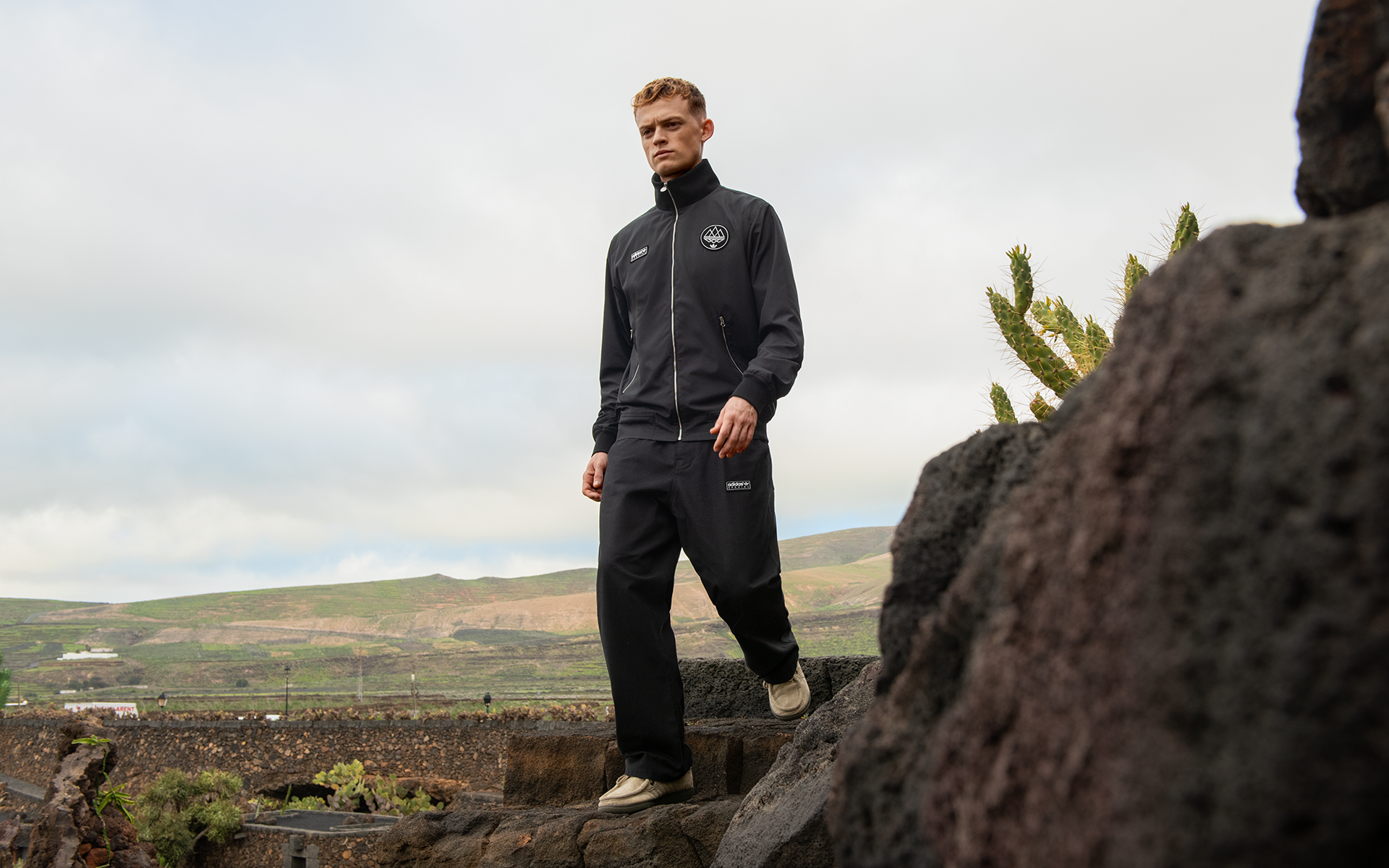
The same progression has happened with the clothing, which now feels just as important as the footwear. “It’s a separate lane,” he explains. “We don’t face the same constraints as we do with footwear, so it allows for a different kind of creativity.” That said, it took time to get there.
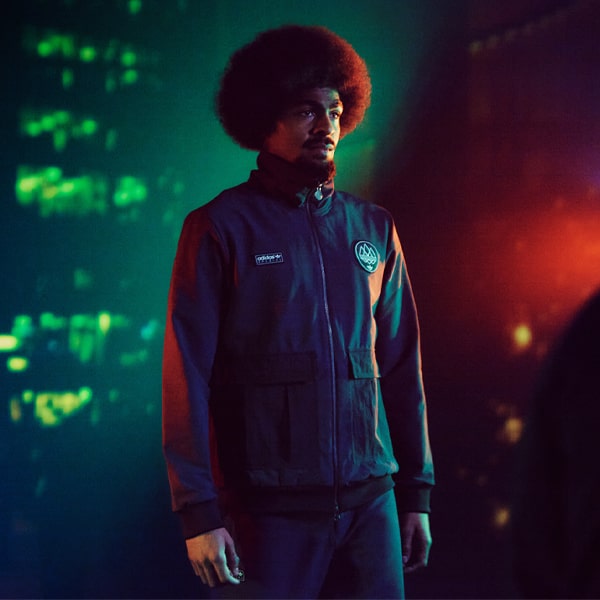
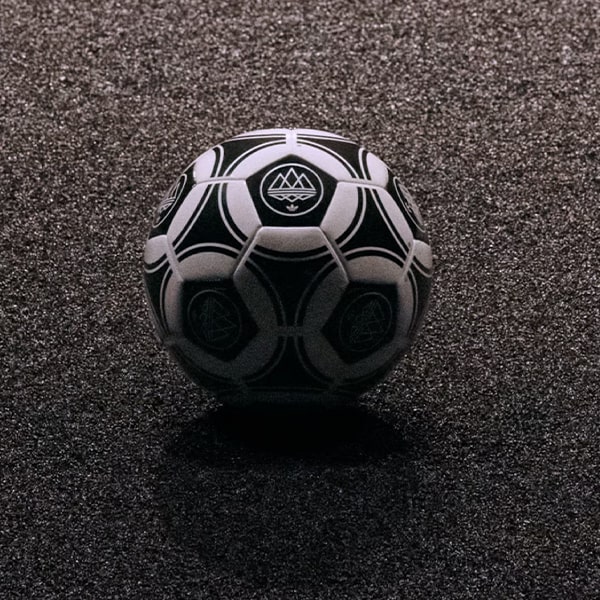
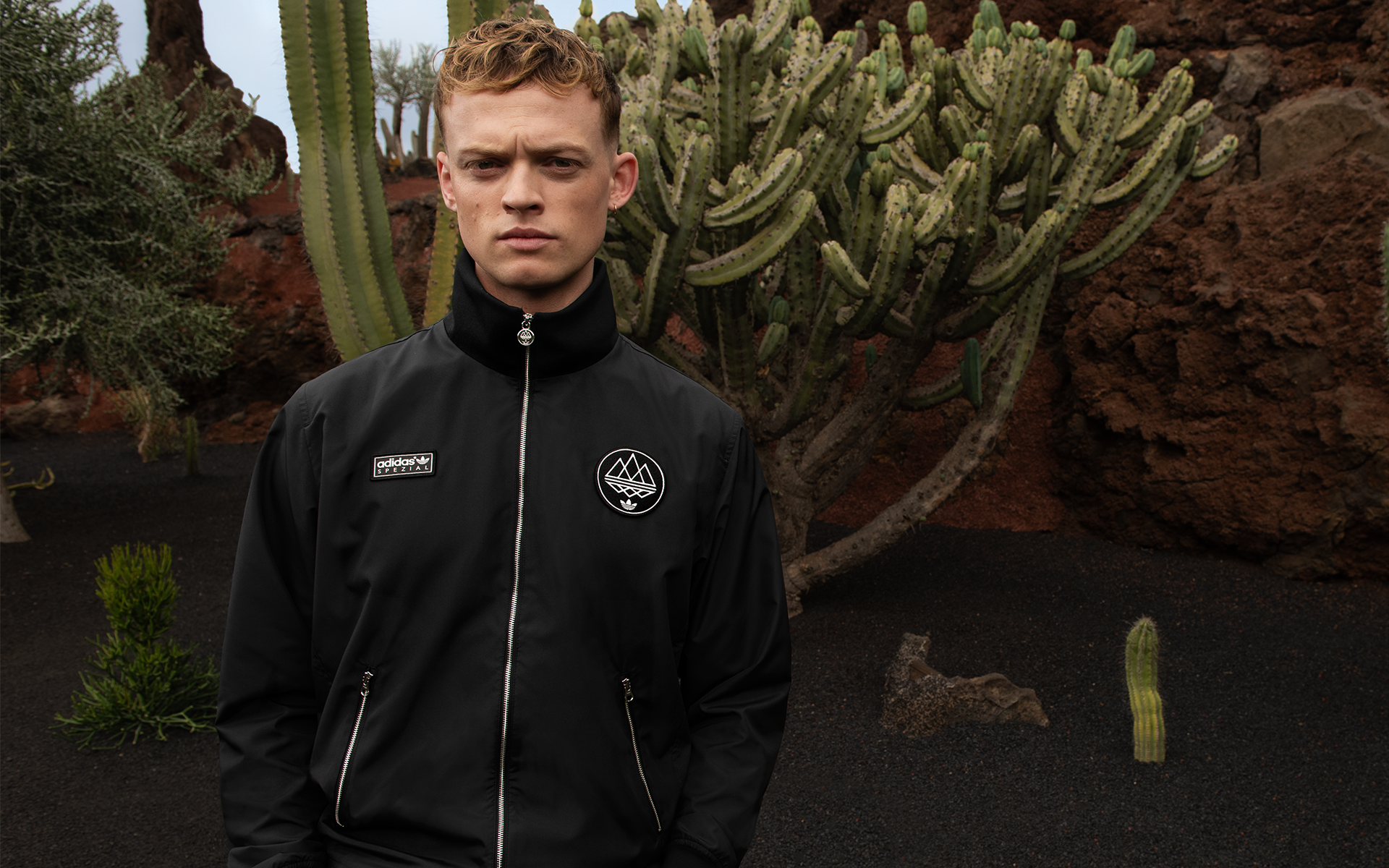
Early on, the clothing didn’t have the same clarity. Then the audience stepped in. “That ‘Mod Trefoil’ graphic was never intended to become a brand mark,” Aspden says. “But its popularity amongst football fans – on banners and stickers – made us reconsider. Once we started incorporating it into the range, that’s when things really began to take off.”
That shift gave SPZL something it hadn’t fully had before – a symbol that carried meaning beyond the product. “The power of a brand mark isn’t just in how it looks, it’s in what it stands for in the eyes of the customer,” adds Aspden. “That’s when it becomes something more.”
From there, the clothing found its place. Not as archive replicas, but as pieces that feel like they could have always existed. Instead of relying on reissues, SPZL went into new territory with the clothing by creating its own archive.

And that’s where SPZL sits now. “We always said we didn’t want it to be about the past or the future – we wanted something that feels modern but echoes the adidas archival DNA,” he says.
“Enduring appeal over time is the essential ingredient. That’s what makes something iconic.”
It’s a difficult balance to strike, but more than one decade in, and SPZL has managed it by staying close to the product and resisting the noise around it. No overworked concept or forced narrative, instead a clear point of view, applied consistently over time.
Turns out, that’s enough.