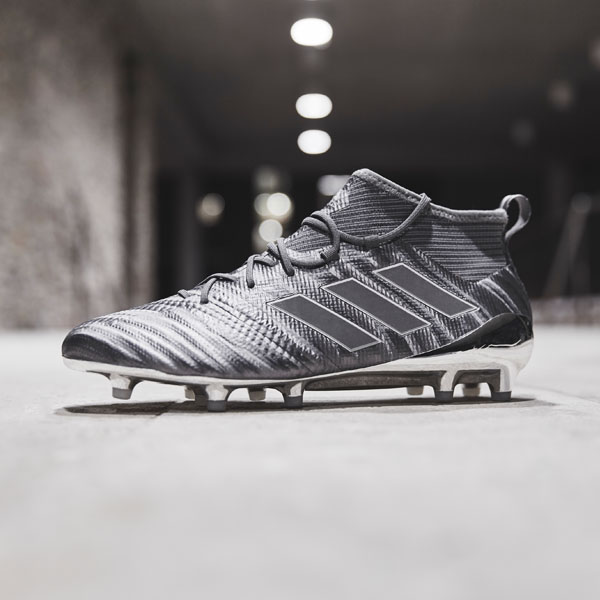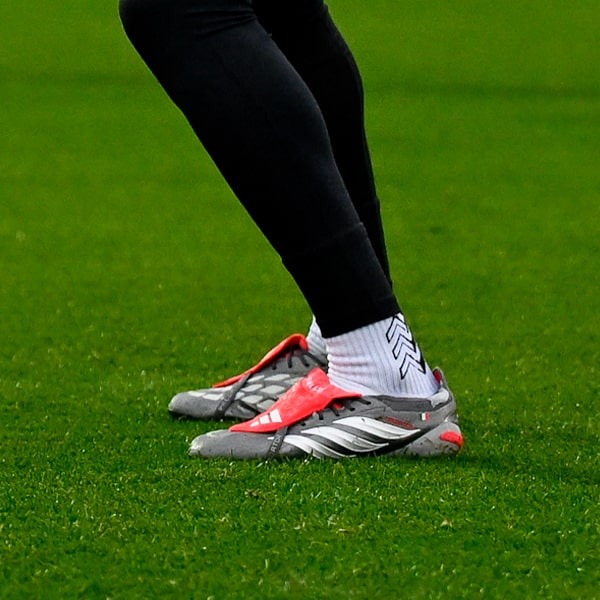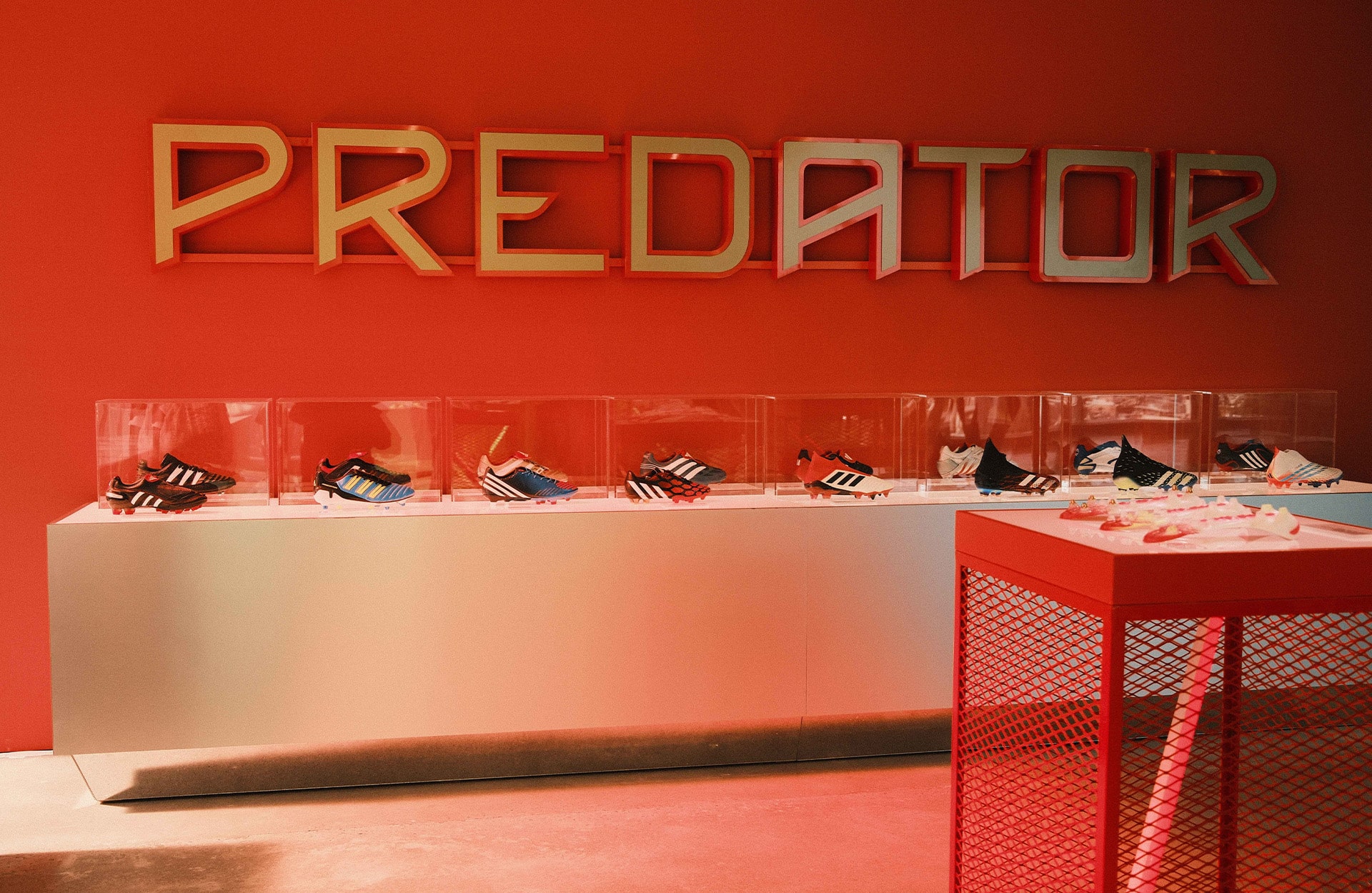
We recently sat down with Mahsa Aryan and Nick Roche, two Category Directors tasked with steering two of football’s most iconic silos into the future. They open up on the contrasting identities of F50 & Predator, chaos vs control, and give us a little insight into where these silos are headed.
Adidas aren’t just entering the new year; they’re sharpening their weapons. With the Predator & F50 silo leading the charge into 2026, two of football’s most iconic silos are once again at the centre of conversation. One built on control and command, the other on speed and chaos, but both carrying decades of legacy on their shoulders.
Behind every line, texture and colourway lies a design team tasked with the challenge of honouring the past without being trapped by it. As the Pred evolves its identity of dominance and precision, and the F50 continues to push the limits of lightweight speed, the balance between heritage and innovation has never mattered more.
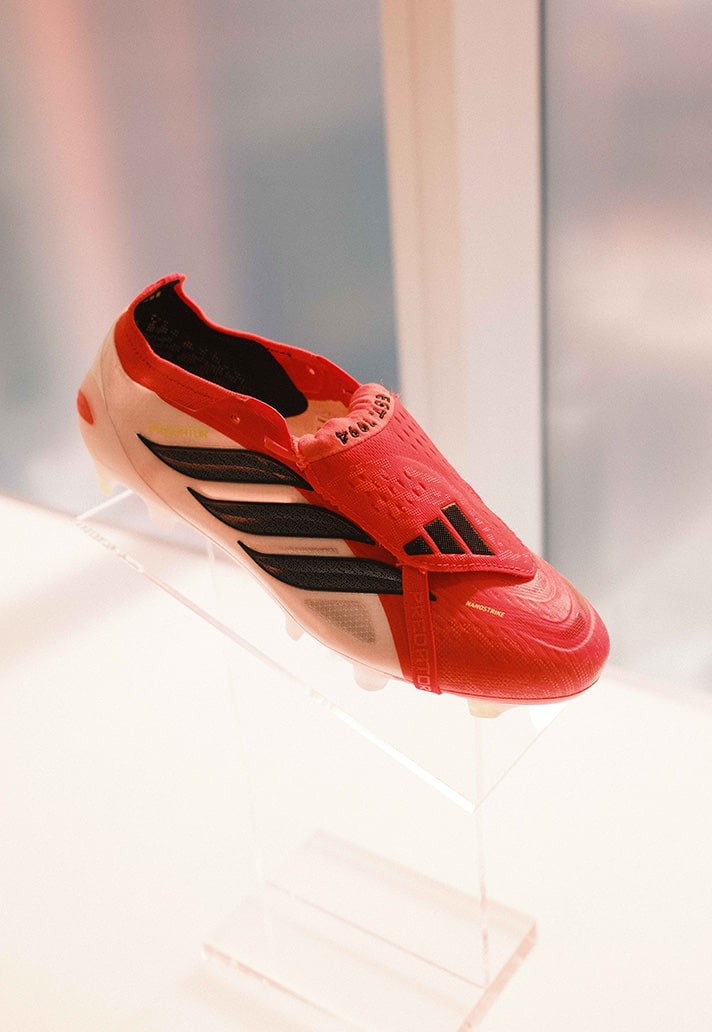
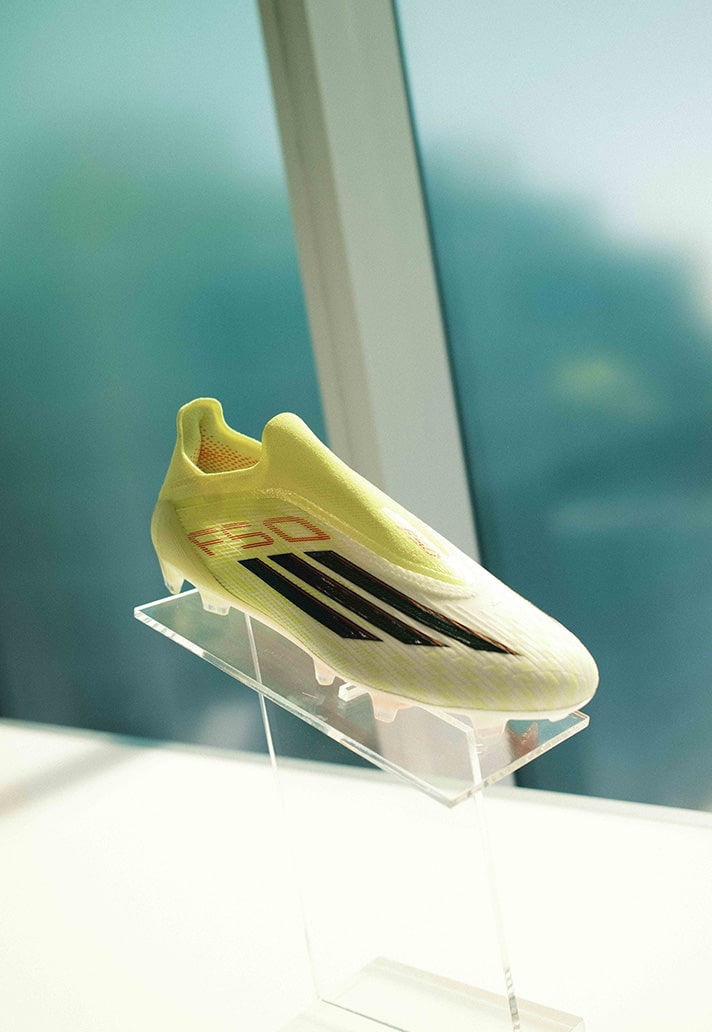
We sat down with Nick Roche and Mahsa Aryan, category directors of both silos, to talk through the thinking, the pressure, and the ambition. From revisiting archival details to reimagining performance for the modern game, this is a look inside how adidas are shaping their future.
When you started working on the new Predator, what were the first things you focused on—performance, legacy, aesthetics?
Nick Roche: You nailed it with the first two. Every new Predator is about balancing form and function for the modern game while still living up to the legacy and expectations of the franchise that has been running for years. Finding that balance is difficult at times, but we’re confident we’ve achieved it, especially here.
And how did that differ for the F50? What was your focus for this new generation?
Mahsa Aryan: We always start by listening to the players. That's so important. We sit down with them all to understand what’s working for them, what isn’t working, what they like, and what they don’t like. That feedback helps to shape the current generation and helps us decide where we need to take this boot next to level up again and provide the best for our athletes.


What feedback have players given on both boots, and how has that influenced your decisions?
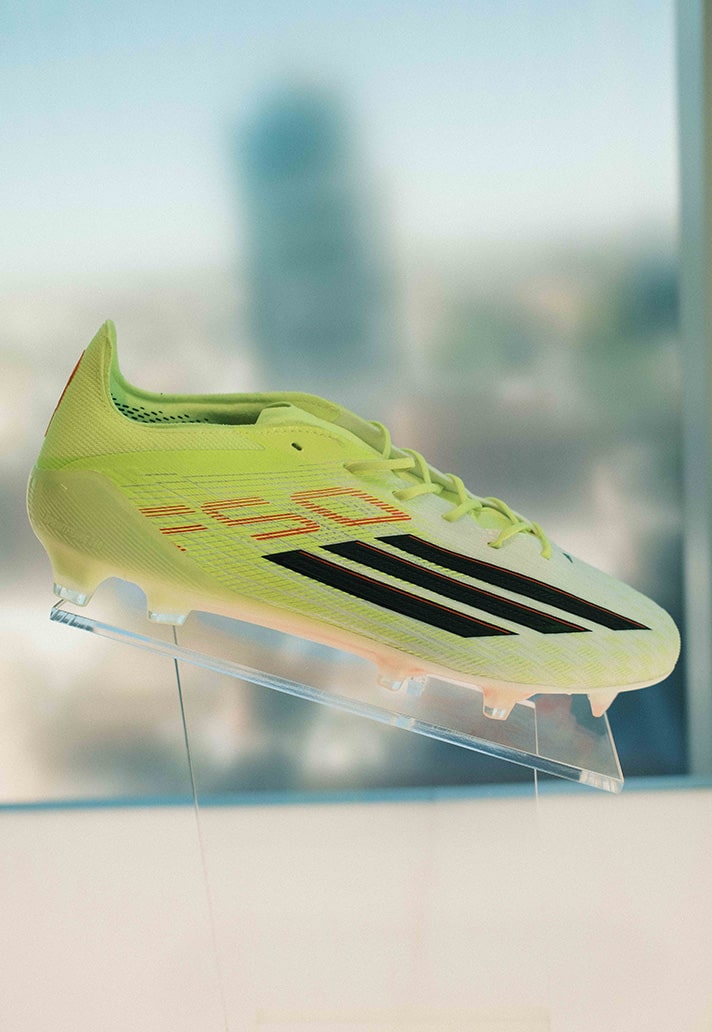
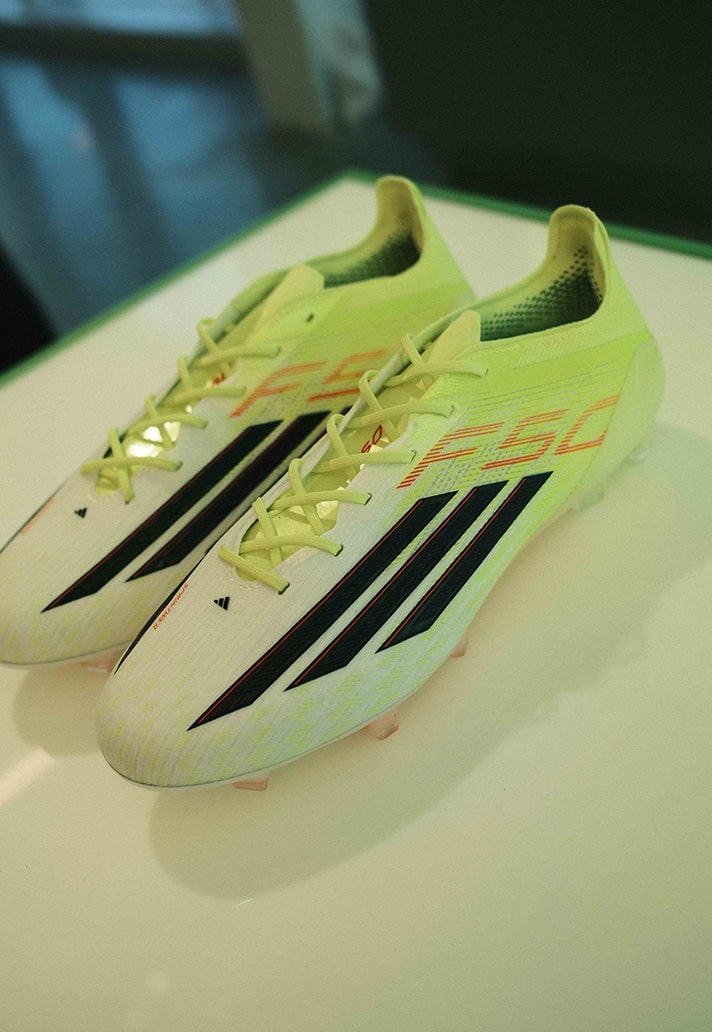
Mahsa: For this generation of the F50, we kept the exact material package from the current on-pitch model because the feedback, both from professionals and grassroots players, was overwhelmingly positive. So we kept what they loved, and focused mainly on a refreshed aesthetic that highlights the boot’s speed and silhouette, and that's what this is.
The Predator is one of the most iconic boots ever. How do you balance its legacy while continuing to innovate?
Nick: We acknowledge the challenge and opportunity of adding to such a legacy, but then we put it to the back of our minds so it doesn’t restrict us too much. We have an incredible team here, and we need to move confidently, listen to previous feedback, and push the boots into the future. We don't want to get stuck in the past.
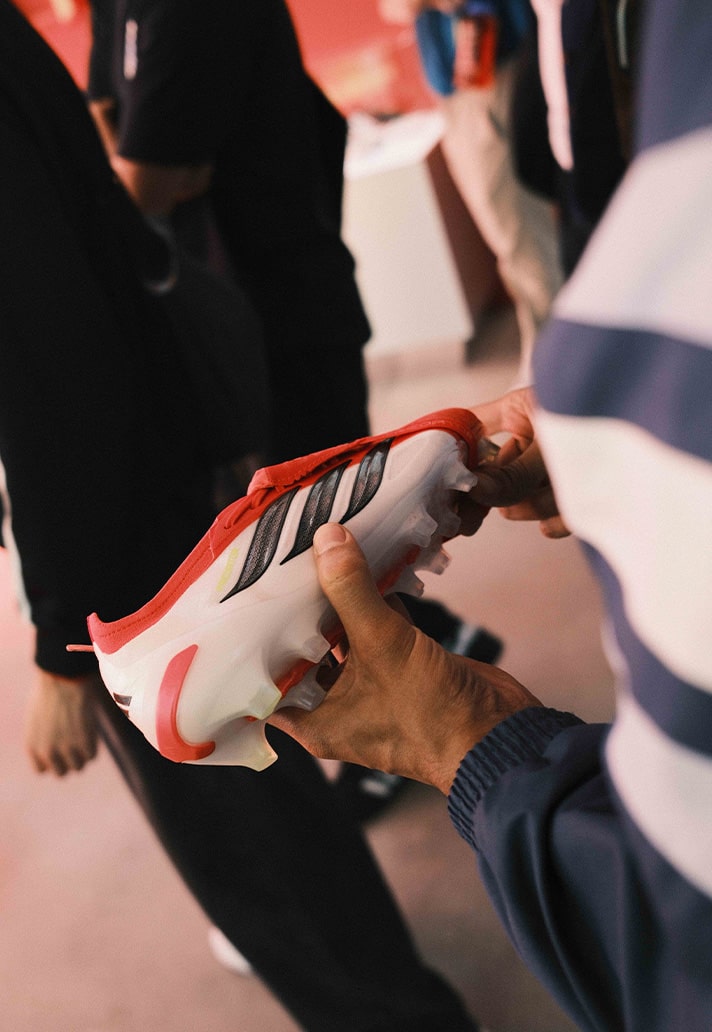
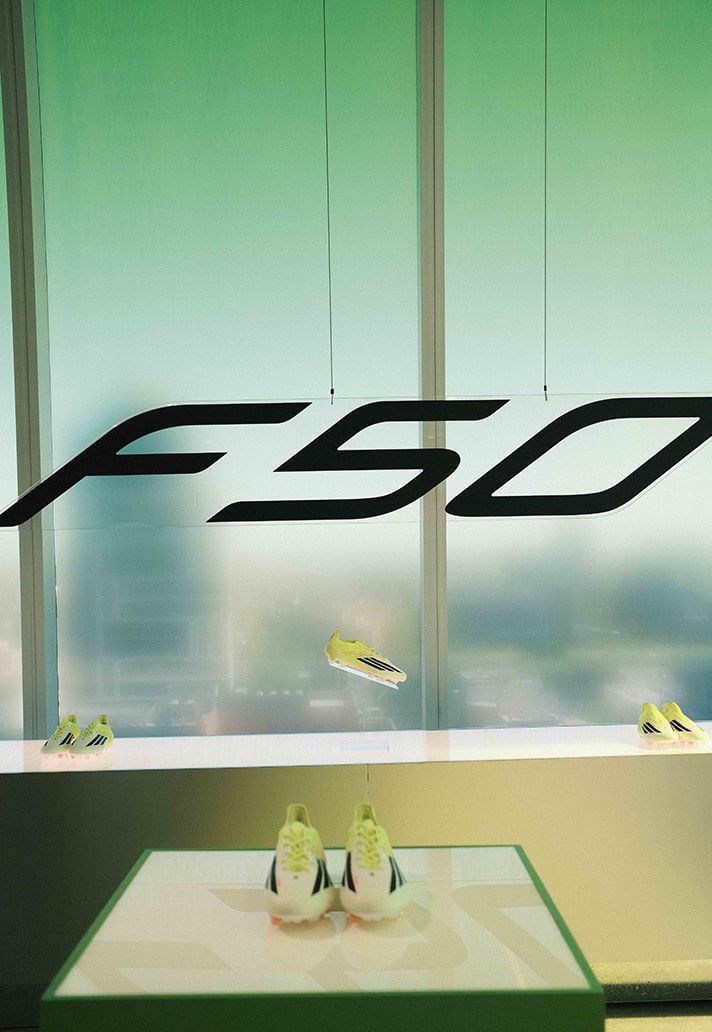
How important is it to have influential players like Jude Bellingham in Predator and Lamine Yamal in F50 on your roster?
Mahsa: Having the biggest players in the world in these boots is so important. The players are incredible, and each of them has their own persona. They all just want to win trophies and, eventually, Ballon d’Ors. Their focus is entirely on performance. And our job is to help them as much as we can to get there.
Do you see their legacies extending off the pitch as well? We’re seeing football overlap with fashion more than ever now.
Mahsa: Absolutely. Our portfolio of players is so exciting, and, as i said, they all have such strong personalities, so designing products through their lens makes it easy to move more into the lifestyle side of things and bring those personalities to life.
Nick: Historically, Beckham was one of the few who transcended football culture, he really got the ball rolling. Now so many players do: Jude, Lamine, and lots of others. So, yeah, expanding into off-pitch culture is a no-brainer for us and something we will continue to do in the future.
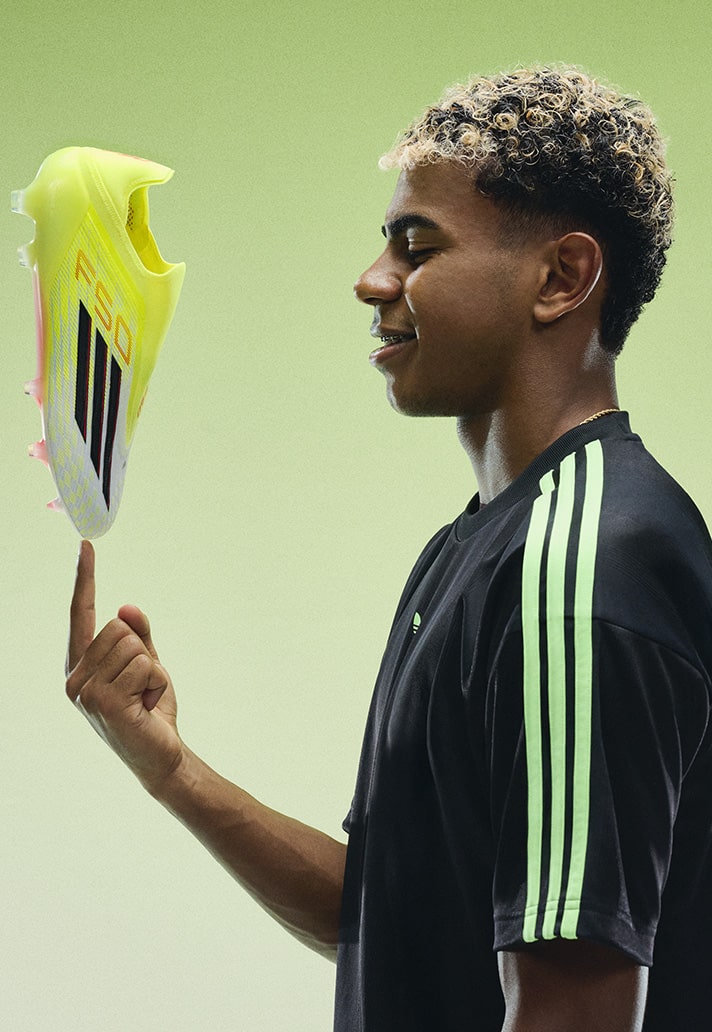

You’ve been digging into the archive recently. Will we be seeing more of that in the future?
Mahsa: We know our archive for both Predator and F50 is incredibly strong, there's been so many iconic boots and colourways, so we always have cards we can play. But timing is everything. It always has to make sense with what’s happening on pitch today, so we tend to work around that and sense when it is right to bring it back.
More personally, do you have a favourite Predator player or moment?
Nick: I have two—one retro, one modern.
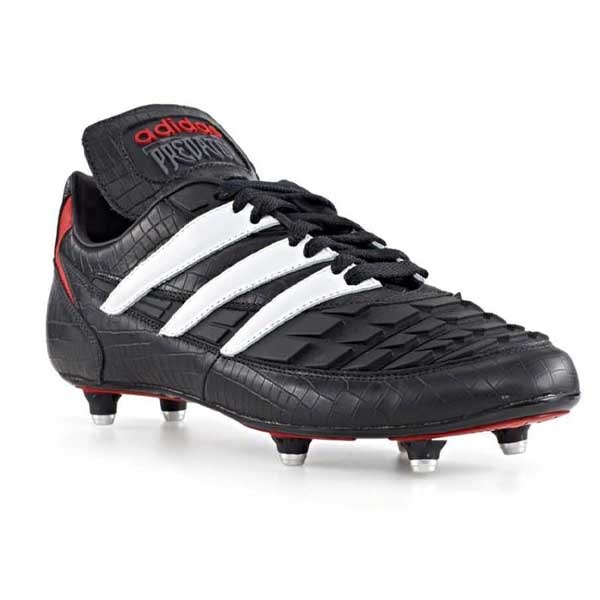
Retro: Zidane in the black-white-red Predators in the UCL final against Leverkusen. So iconic.
Modern: The Japan Blue remake Predator worn at the men’s Euros 2024. Seeing Jude Bellingham score that overhead kick in those was just another iconic moment in a Predator.
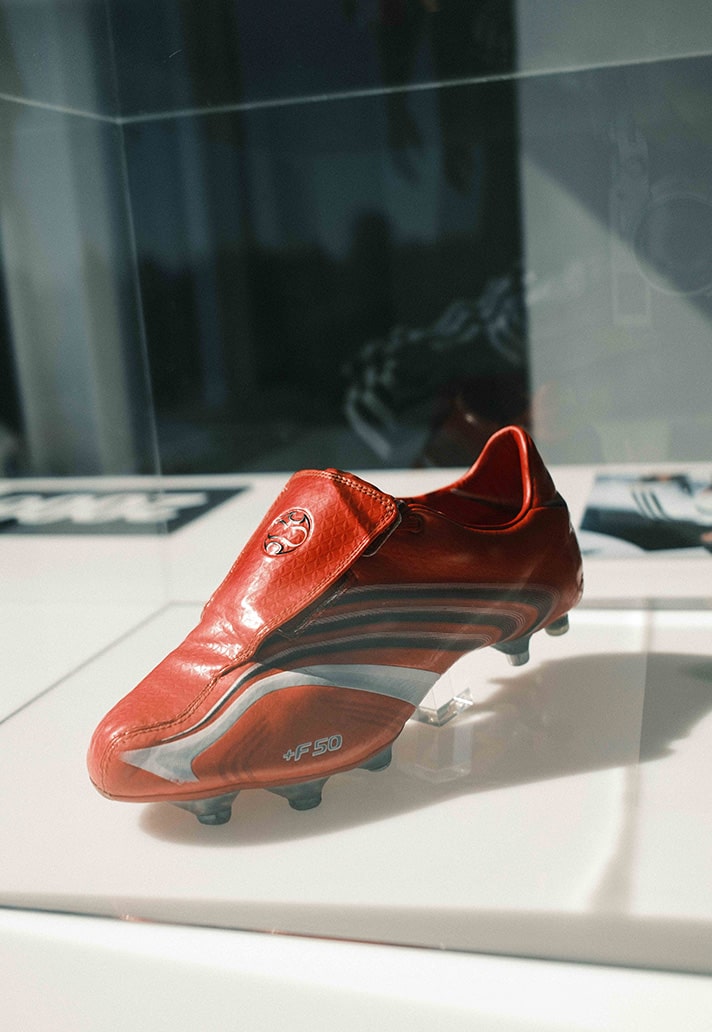
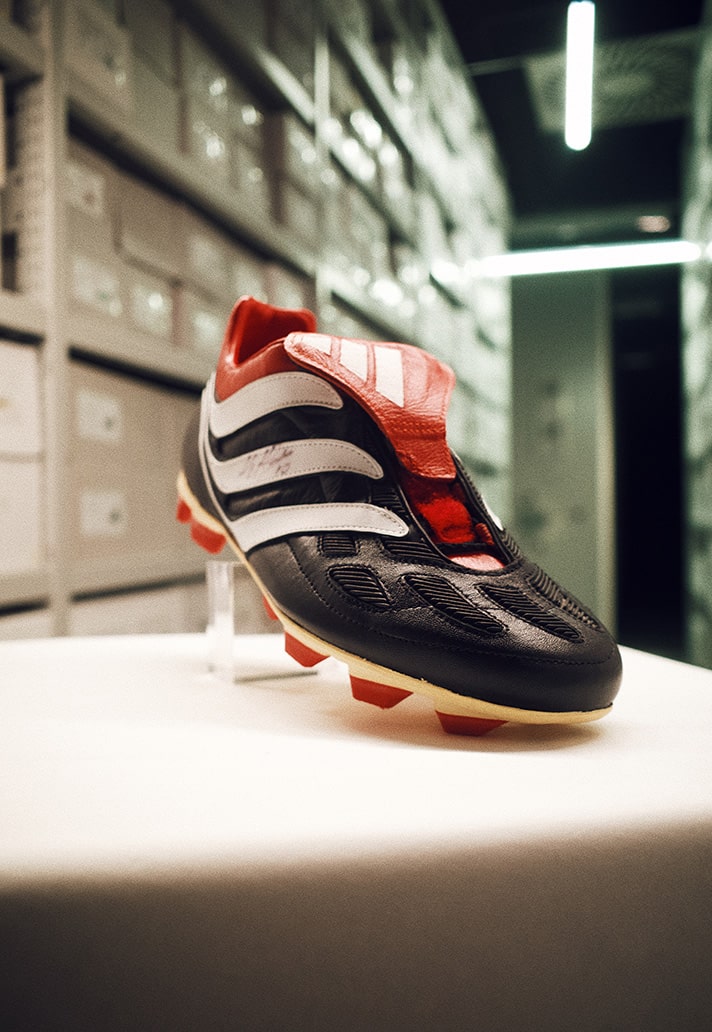
When designing a boot, do you prefer classic colourways like black-white-red, or bolder, more modern colourways?
Nick: Ohh, I’m split on that. I love either the pure heritage looks, like you said black-white-red on the Pred, or the really bold, crazy designs that always turn heads. Nothing in between.
Without spoiling anything, what can you tell us about what 2026 will bring for both the F50 and Predator?
Mahsa: For the F50, all I can say is that adidas have always brought innovation to the biggest sporting events in the world —and there's a big one in 2026 with the World Cup. So, yeah, definitely expect something great.
Nick: Same here, I can’t reveal too much. But I can confidently say the Predator on pitch next year will be iconic, and I'm betting the moments our players create in them will be remembered for decades. So, be ready.


adidas boots are available now at prodirectsport.com/soccer