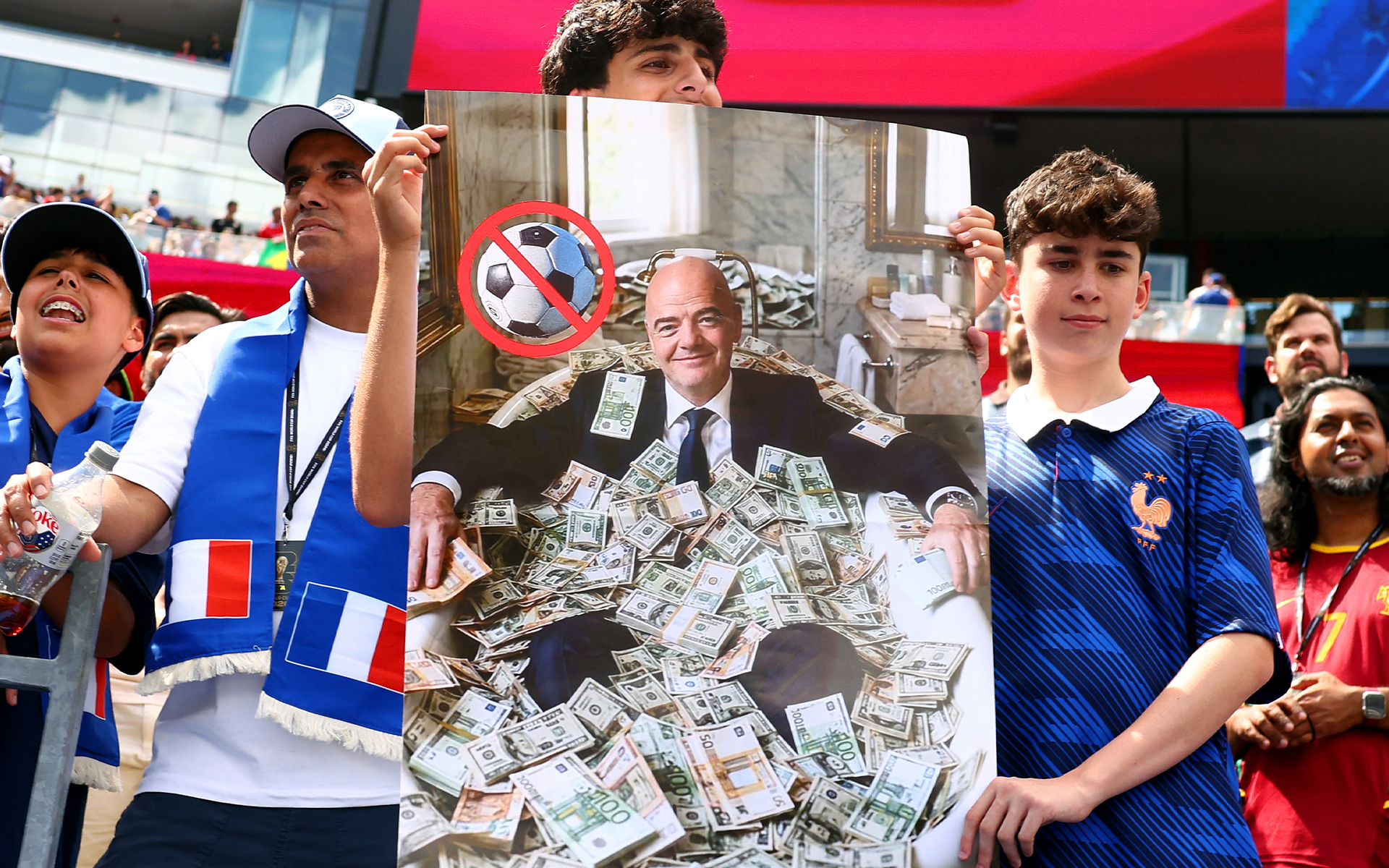
Now the World Cup is over, I've been thinking about the version of this World Cup that belonged to Donald Trump and Gianni Infantino.
You know, the version scripted in boardrooms, motorcades and overlit ceremonies; a tournament in which a president can telephone the head of FIFA about a red card and later claim that he had it changed.
Infantino denies interfering, naturally, but the fact that such a sentence even needs writing tells you enough about the current state of affairs. The World Cup is supposed to be football’s great borderless celebration, except the borders have mattered constantly.
The Trump administration fully or partially barred citizens of thirty-nine countries from entering the US. Iran were forced to base themselves in Tijuana, Mexico, during an ongoing war, with players granted late entry and several members of staff denied visas.
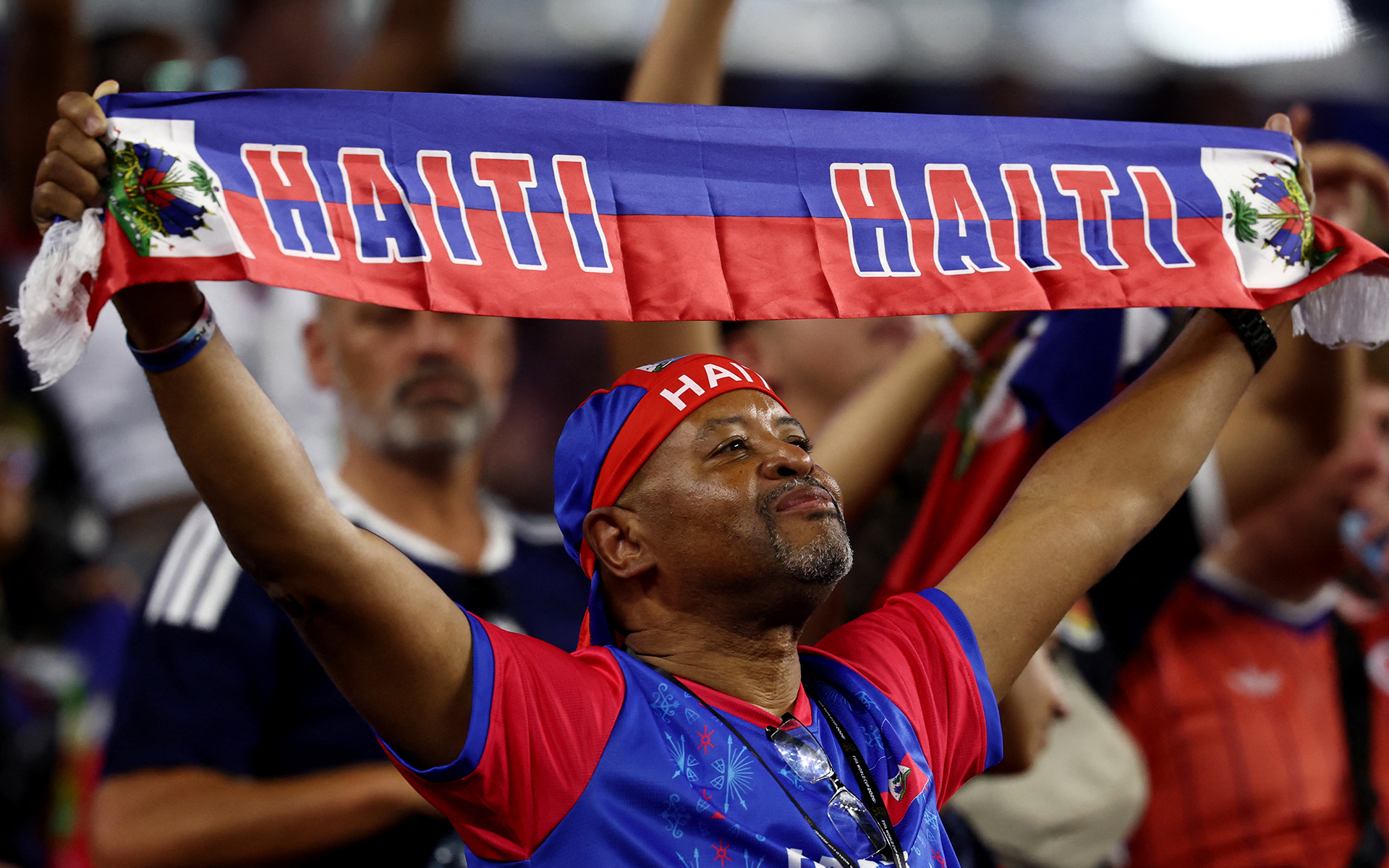
Haiti returned to the World Cup after 52 years having played none of their qualifiers at home, then arrived without many of the supporters who had carried the team across generations. FIFA said football united the world. The host nation kept asking for paperwork.
For a while, the tournament looked in danger of collapsing beneath its own hypocrisy. The first 48-team World Cup was bigger, hotter, more expensive and more openly political than ever.
FIFA had expanded the guest list while governments narrowed the doors. The organisation that awarded Trump its inaugural Peace Prize had clearly confused proximity to power with moral authority.
This World Cup has also, inescapably, been the first influencer World Cup. Every concourse, fan park and media zone seemed to contain somebody speaking urgently into a phone. Thogden and his many equivalents appearing to be everywhere, turning every anthem, flare and tearful supporter into content before the moment had even finished happening.
Football has always attracted opportunists, but never have so many people seemed so determined to prove they were present. The same shirts, references and terrace rituals that once travelled organically through football were now being deployed as marketing language. Much of it felt suspiciously clean.
And yet, beneath all that, something genuinely creative flourished.
For photographers, filmmakers, designers and illustrators, this World Cup became a vast, unruly studio. The scale of the tournament created space for images and ideas that could never have been produced inside a conventional campaign.
New nations brought new colours, faces and visual languages. Supporters arrived carrying hand-painted banners, homemade shirts, family photographs and identities that no brand deck could have invented.
The best work came from people who were willing to look away from the official spectacle. It was found outside stadiums, in neighbourhood bars, at community screenings and among supporters who had travelled further than most sponsors ever would. The tournament may have been aggressively commercialised, but it still gave creative football culture fresh material to work with.
Then, of course, there were the real human stories, the first of which happened on June 15, when Cape Verde played Spain. At the final whistle in Atlanta, a country of roughly half a million people had held the European champions and eventual World Cup finalists to a goalless draw on their World Cup debut. The score looked almost comic on the screen, as though somebody had entered it incorrectly.
That pattern repeated itself, not always in results but in meaning. Ali Olwan scored Jordan’s first World Cup goal and gave children at home a new name to shout. Across Tashkent, fan zones opened in all twelve districts because Uzbekistan had finally stopped being football’s nearly men.
Haiti’s anthem was sung by players representing a country they could not safely play in and a diaspora accustomed to supporting from a distance. DR Congo arrived burdened by how the outside world describes them, then left having pushed England to the edge and forced the world to see ambition, noise and pride instead.
Those were not the tournament’s side stories. They were the tournament.
The people in power prefer football as a backdrop: a trophy for the photograph, a stadium for the speech, an audience to be harvested. But the game remains unusually resistant to ownership.
You can buy the rights, rename the grounds, inflate the ticket prices and build a VIP route that never touches a pavement. You can fill the stands with creators and instruct them which hashtag to use. You still cannot manufacture the sound of a nation scoring its first World Cup goal. You cannot legislate the feeling in Tashkent at dawn. You cannot tell Cape Verde that a draw is only a draw.
Sure, Spain are now world champions and the brought its ceremony, grandeur and men in suits leaning towards the camera. Let them have the photographs.
The real victory, though, had already happened. It belonged to countries that arrived after decades of waiting, supporters who crossed borders their governments had complicated, and creative communities who found beauty in the spaces the official tournament overlooked.
Football cannot solve war, corruption or exclusion. It can, however, offer something more honest: a refusal to be reduced by the people who claim to own it. Sure, FIFA organised this World Cup while Trump tried to force his way into it. But football culture, above everything else, still took it back.