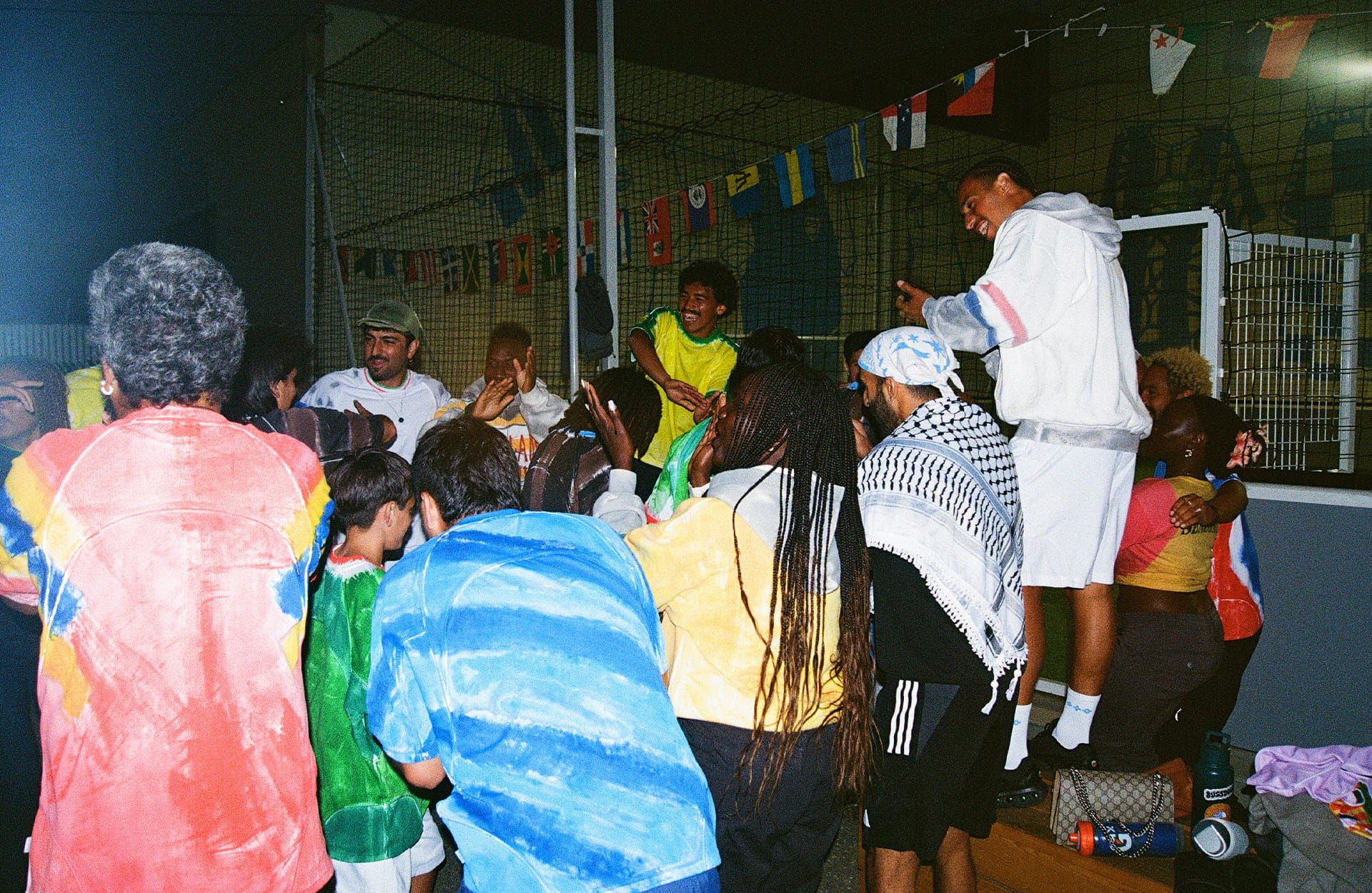
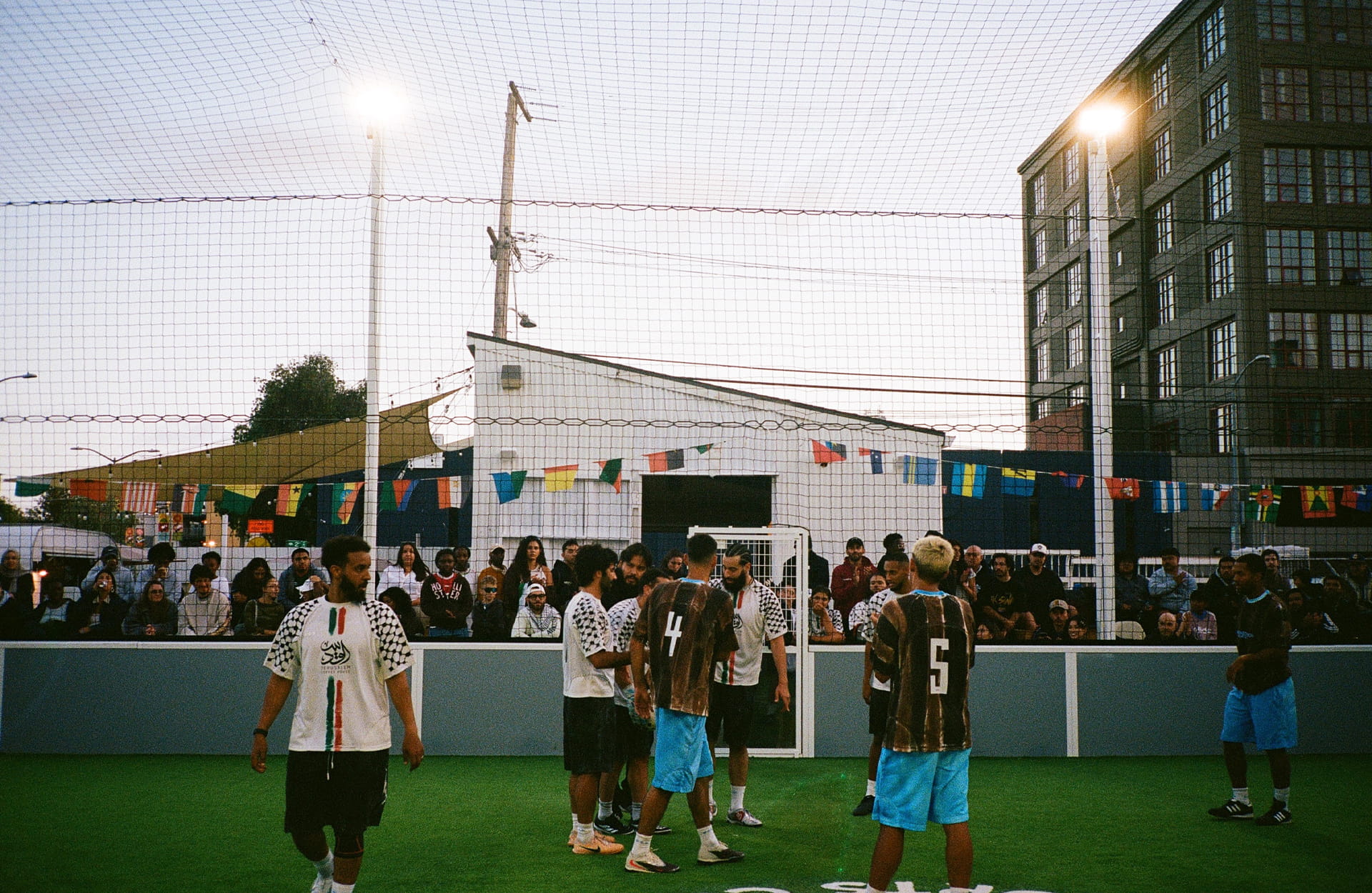
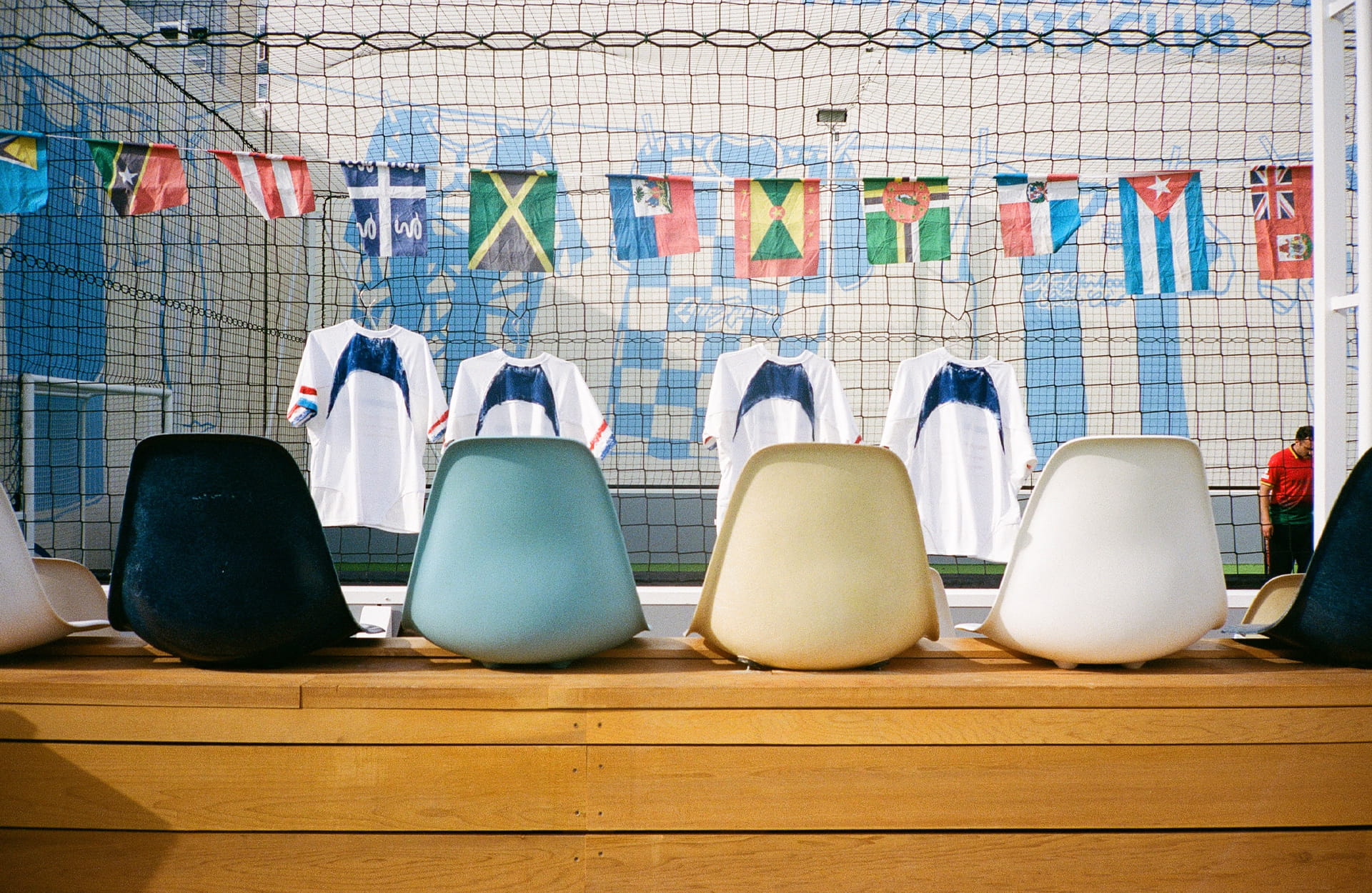
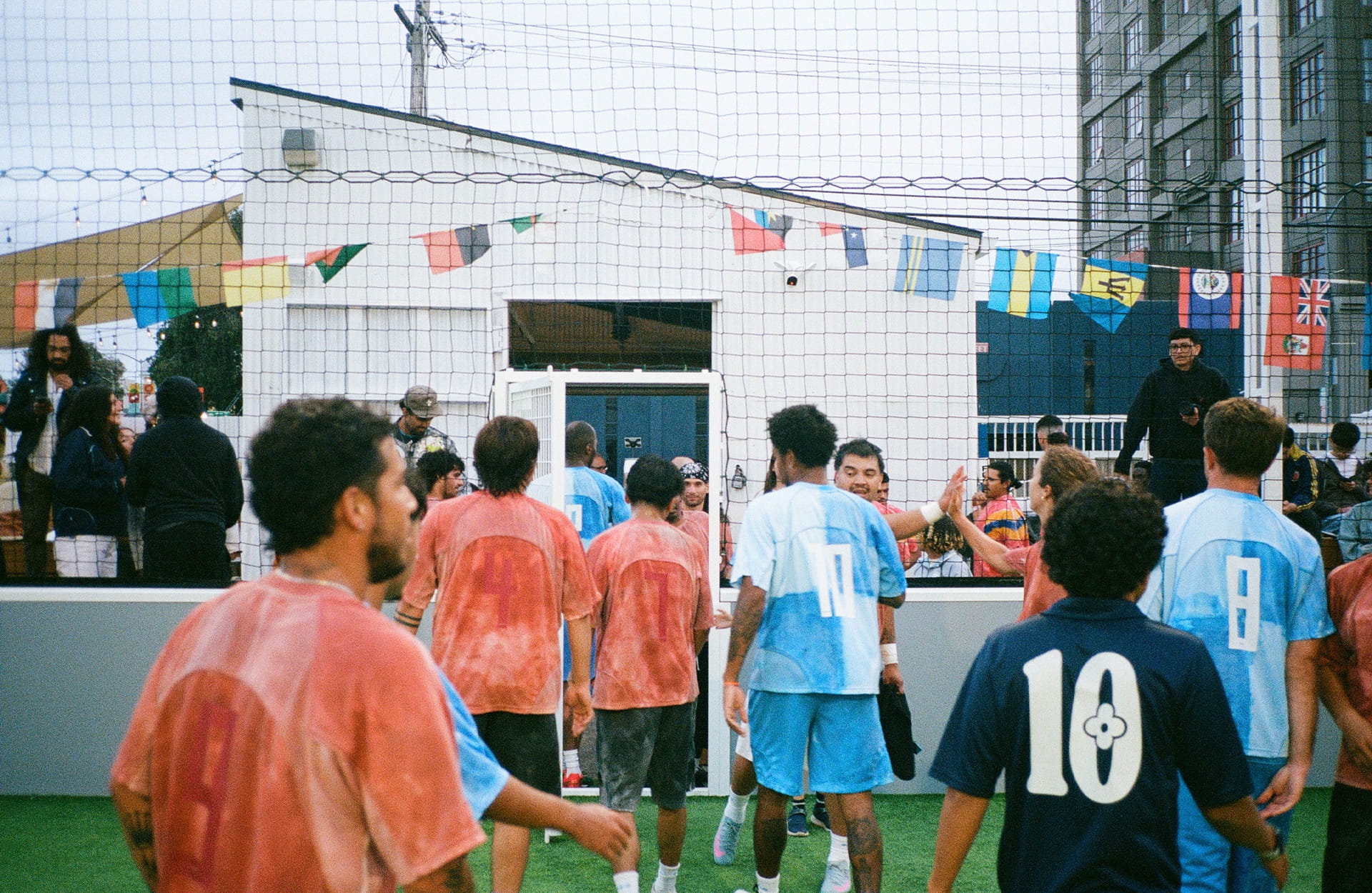
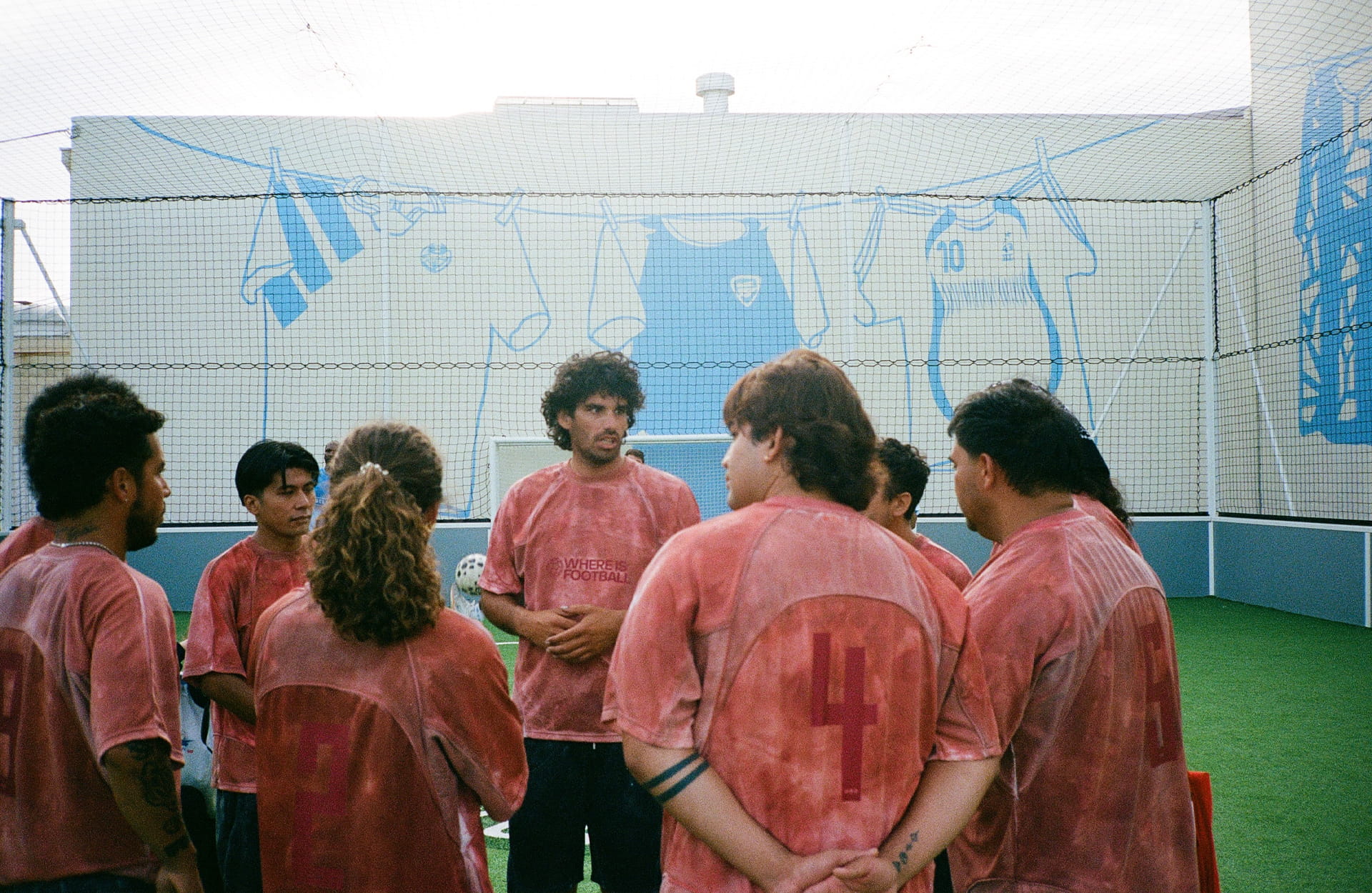
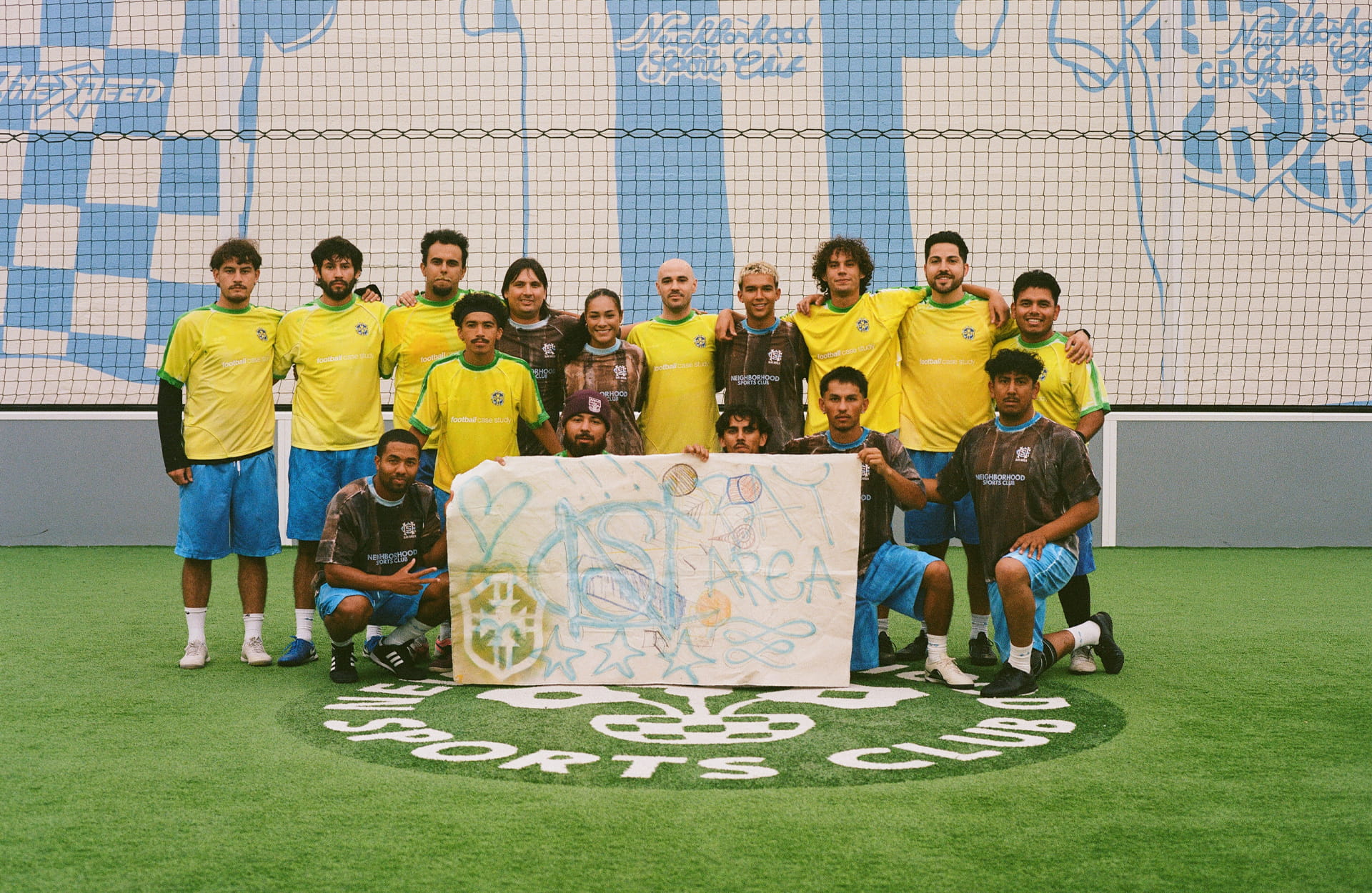
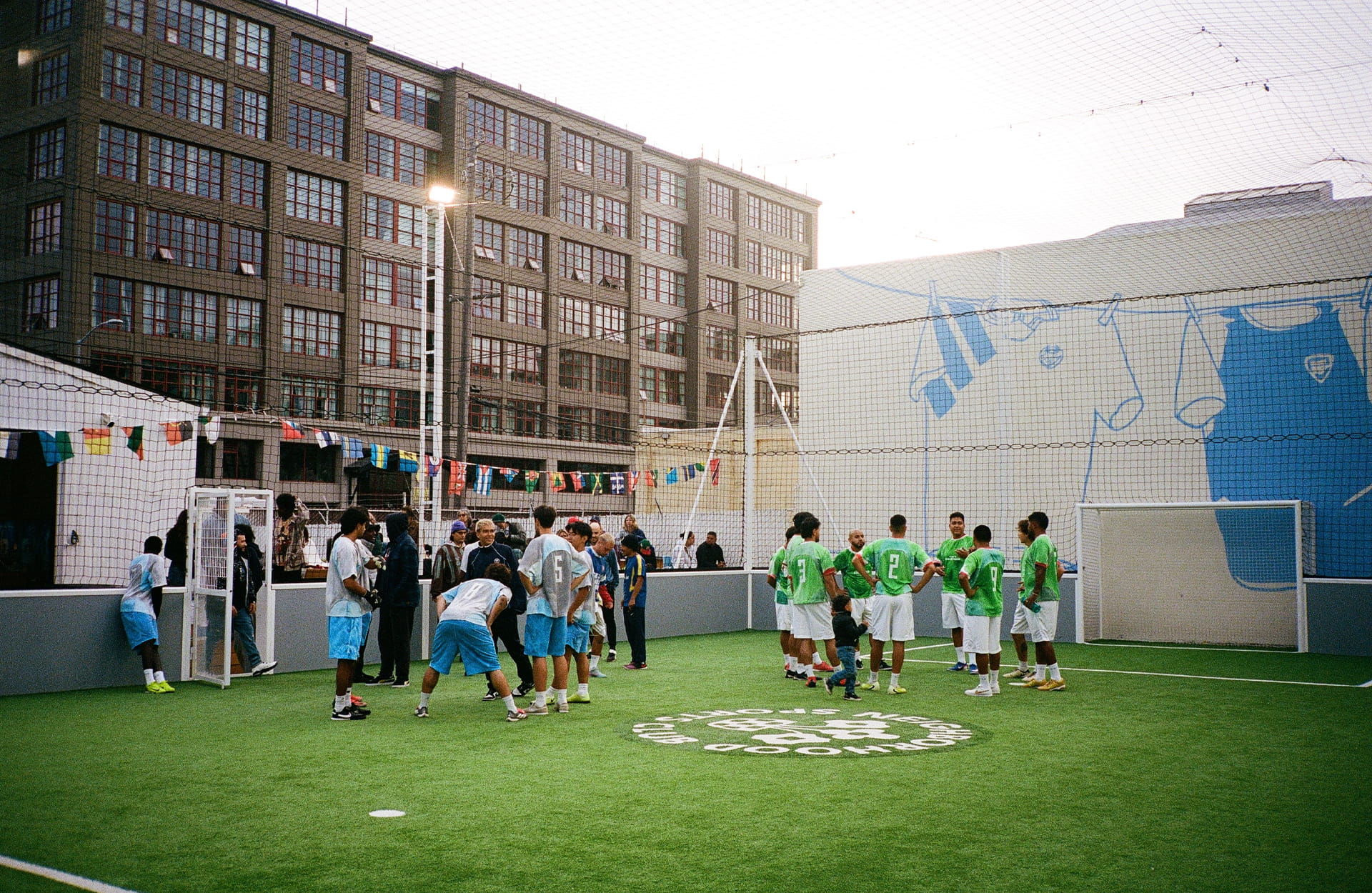
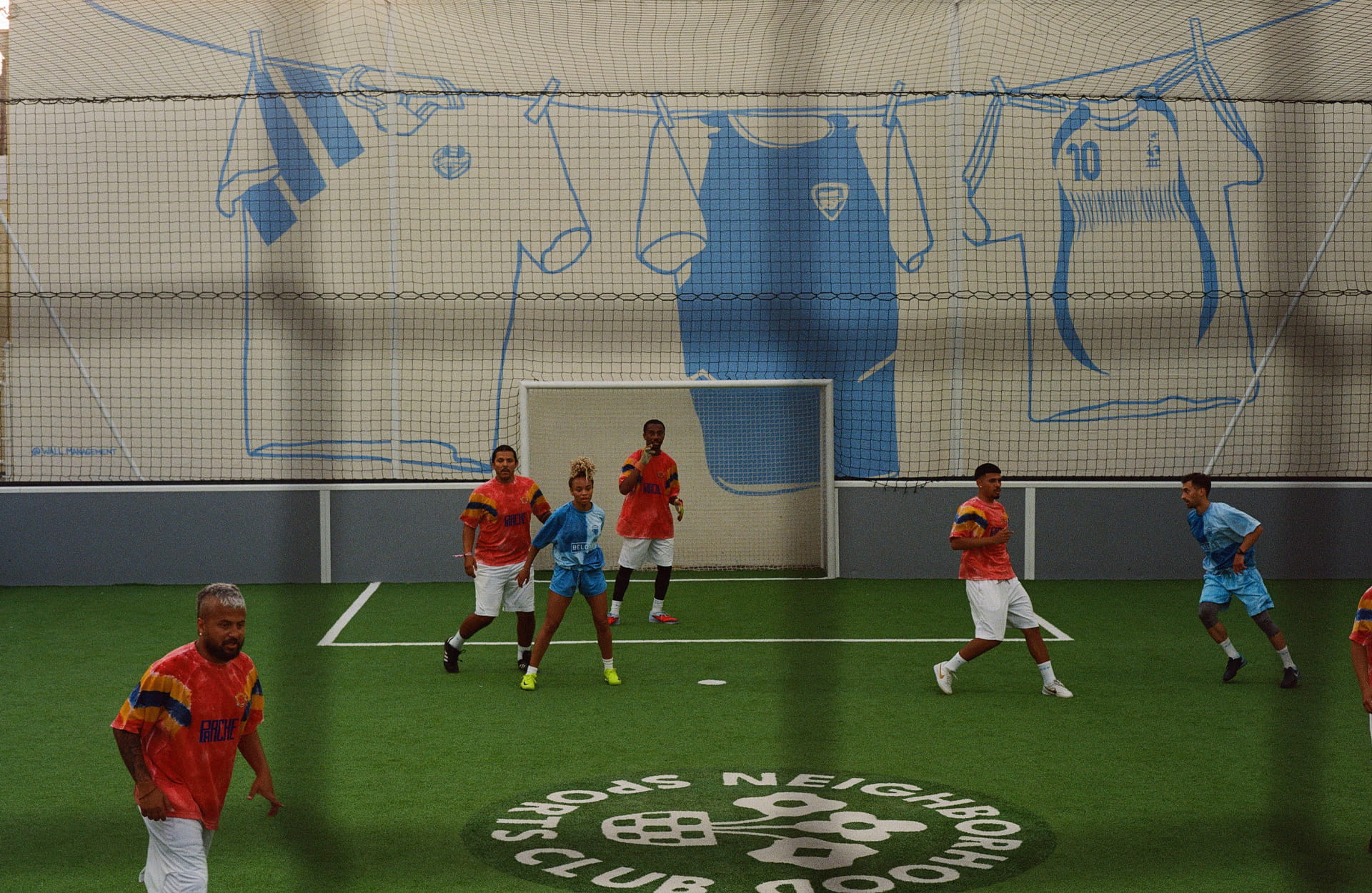
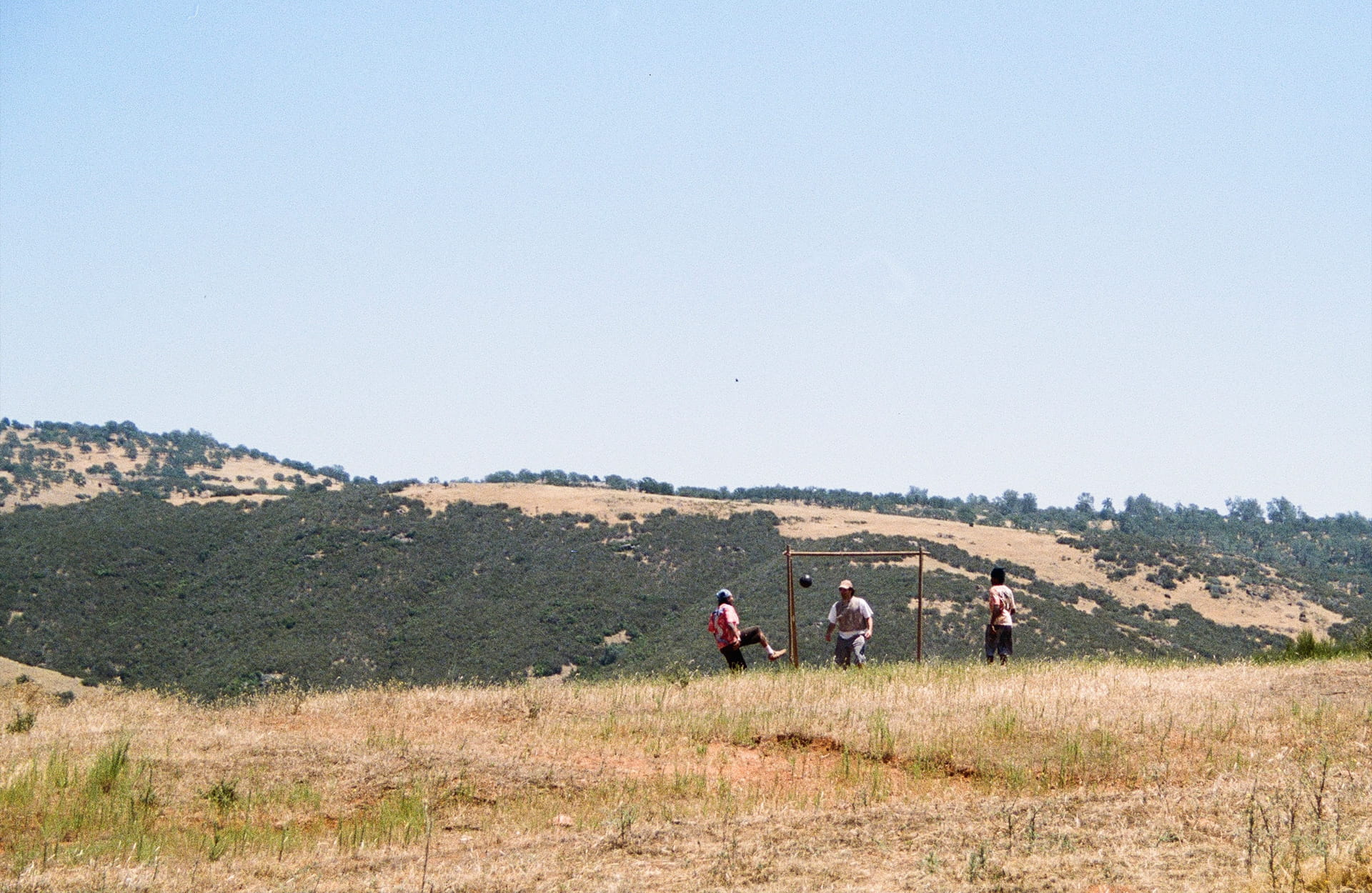
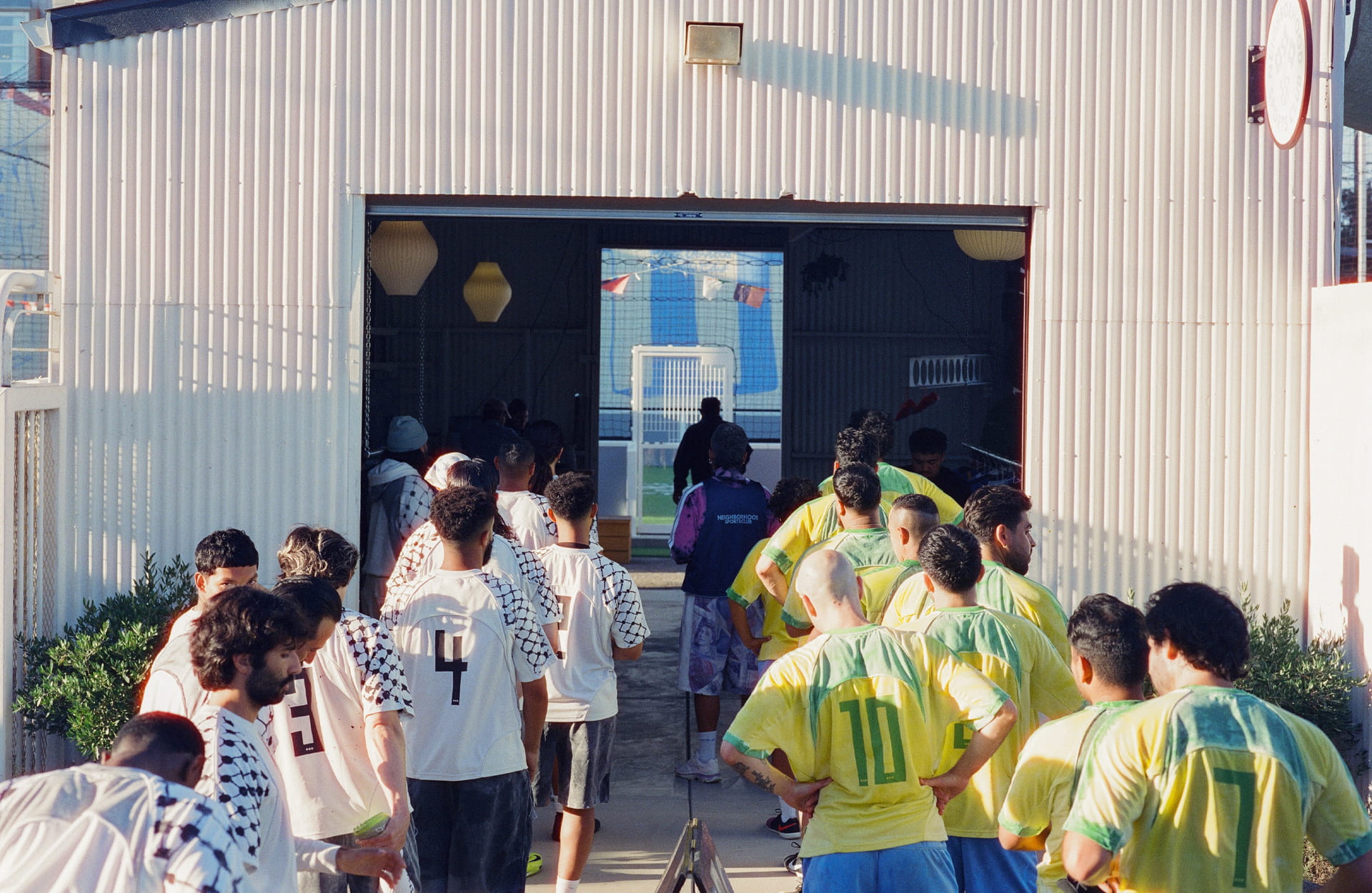
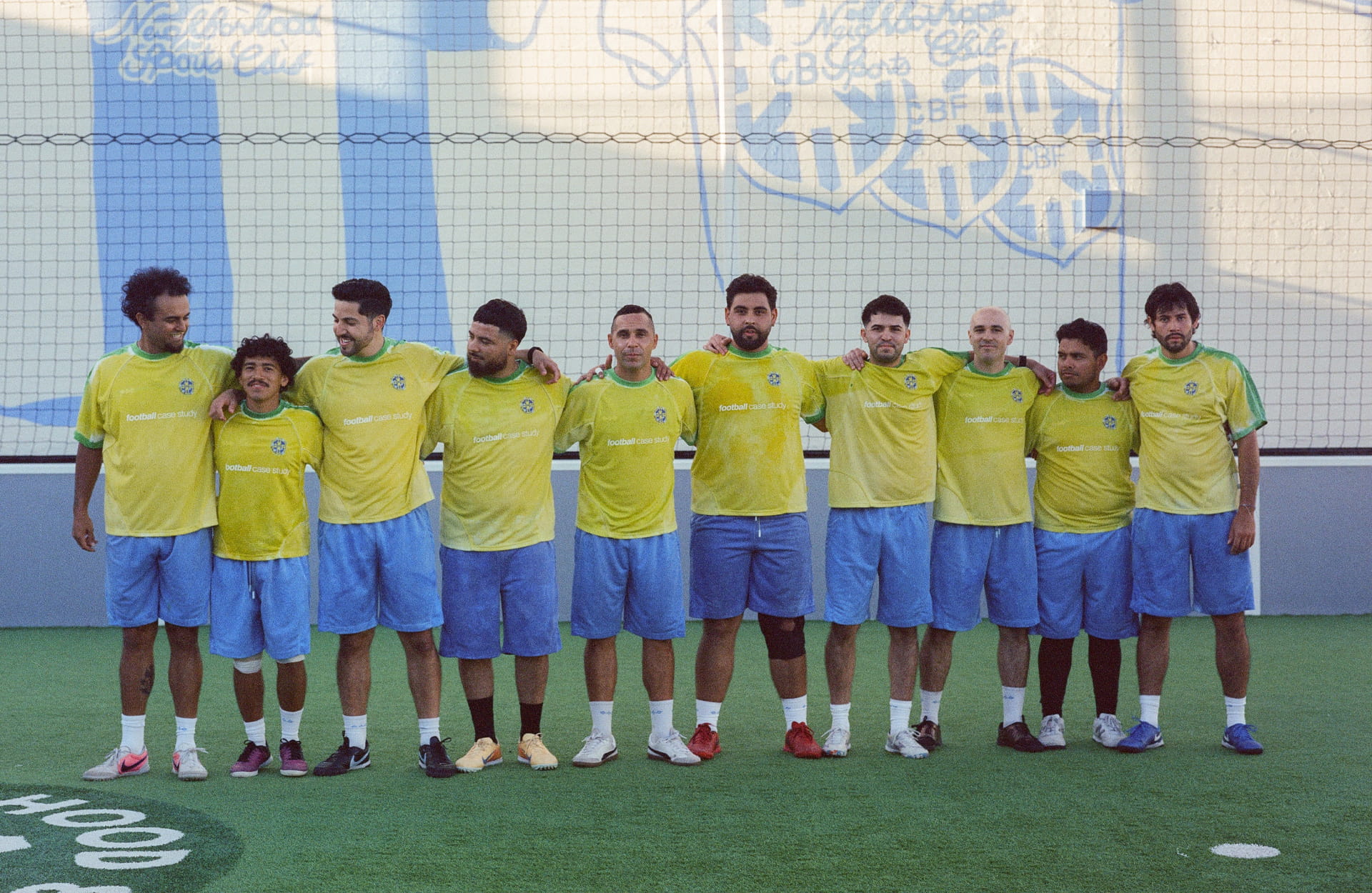
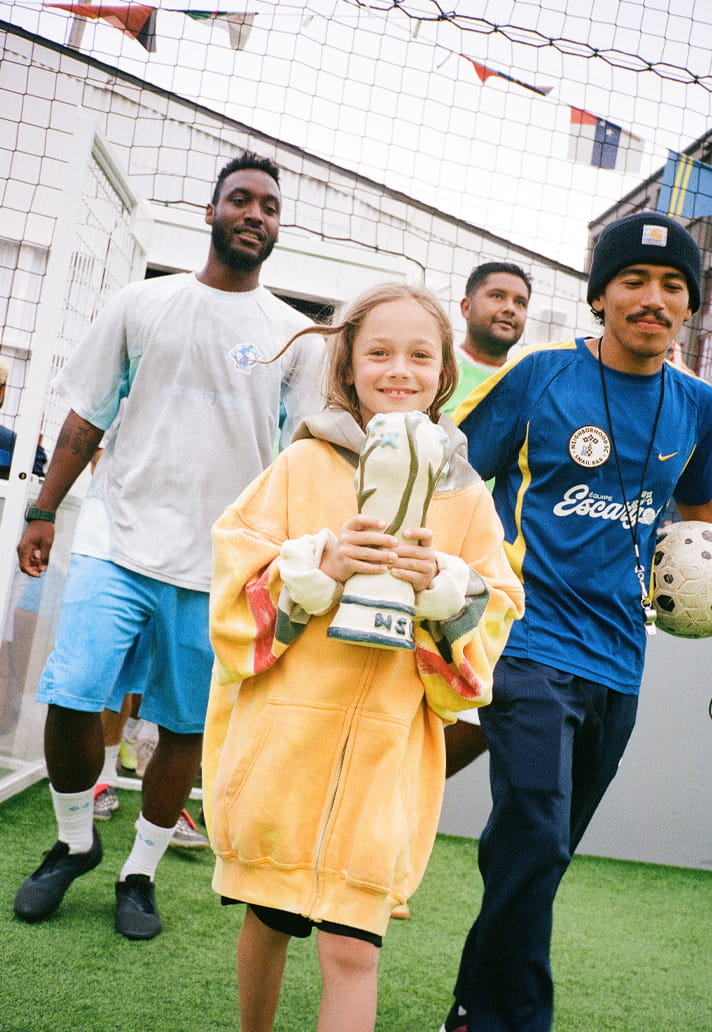
Turns out FIFA aren’t the only organisation hosting a World Cup this summer. Whilst the world’s greatest players have been duking it out, football-inspired lifestyle brand and community space NEIGHBORHOOD SPORTS CLUB has been hosting its own tournament, featuring 16 teams of Bay Area locals representing 16 countries, celebrating the diversity of the Bay and its deep football culture. And frankly, it looked beautiful.
The beauty of Creative Soccer Culture is that it’s so open to interpretation. For me, it’s at its purest when football is influenced in anyway by unfiltered creativity. And if, in so doing, you happen to create a like-minded community, well, that’s just a distilled expression of what football in its purest sense should be. So when I was introduced to NEIGHBORHOOD SC (NSC) and their own wonderful take on what a World Cup can (and in some respects should) be, I was instantly on board.
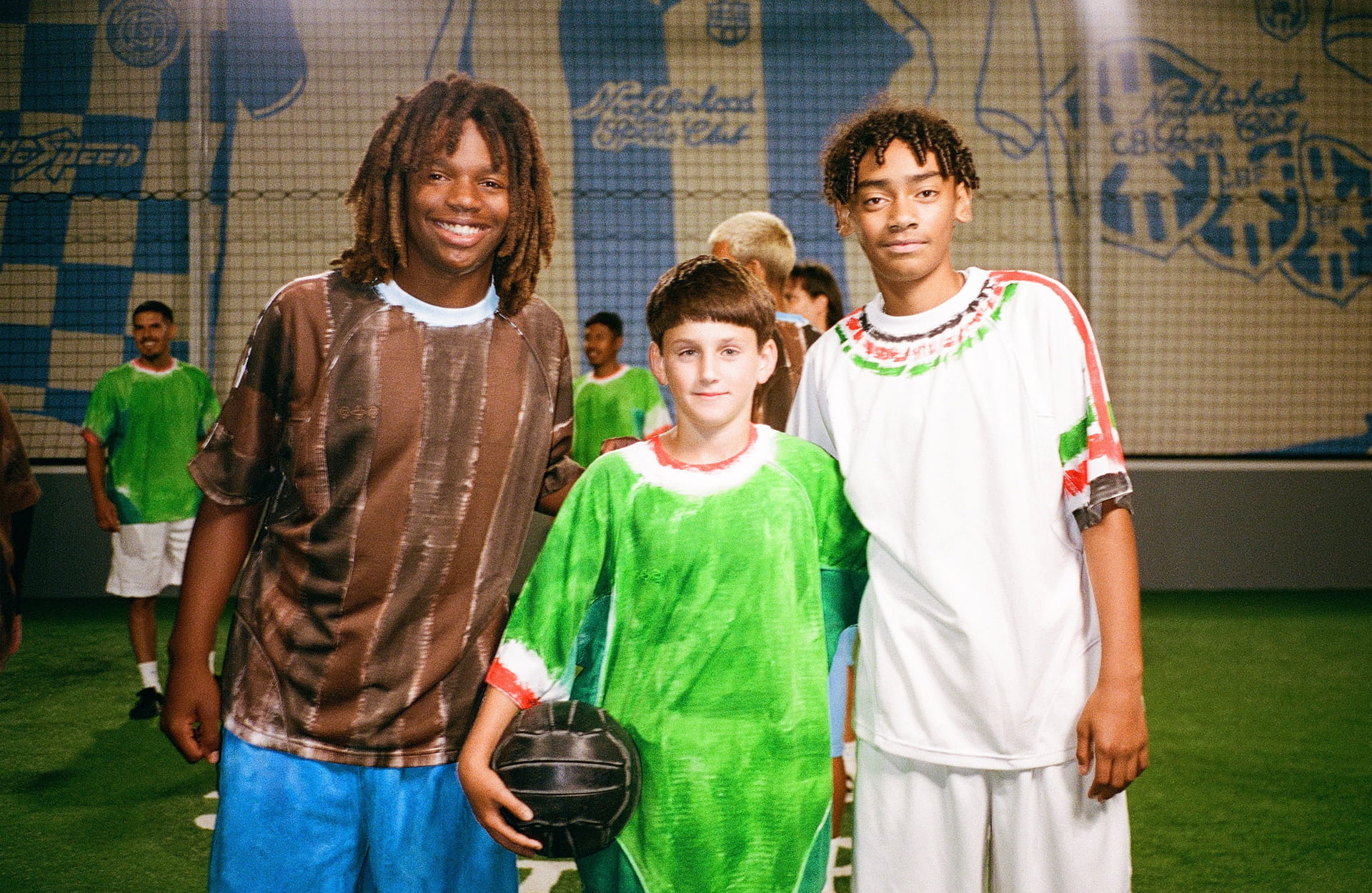
Created by Max Ornstil and the team at NSC, the event sits at the intersection of football, design, art and community. Teams representing countries and communities including Afghanistan, Palestine, Ethiopia, Mexico, Nigeria and more compete on the pitch, while local food vendors, businesses and creatives bring the wider matchday experience to life.
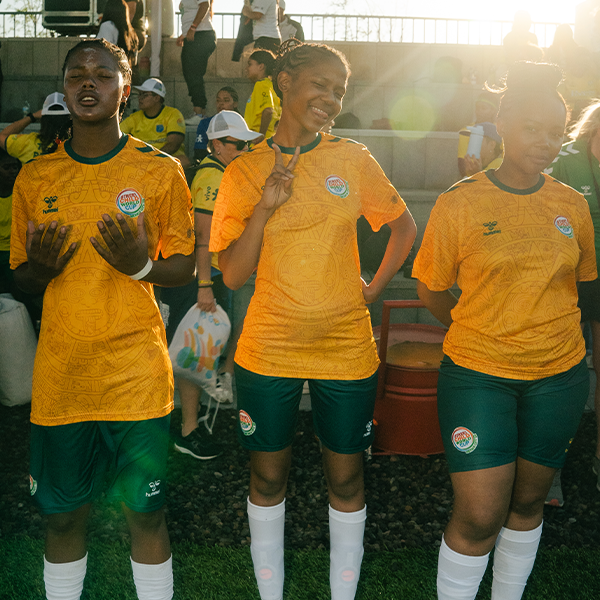
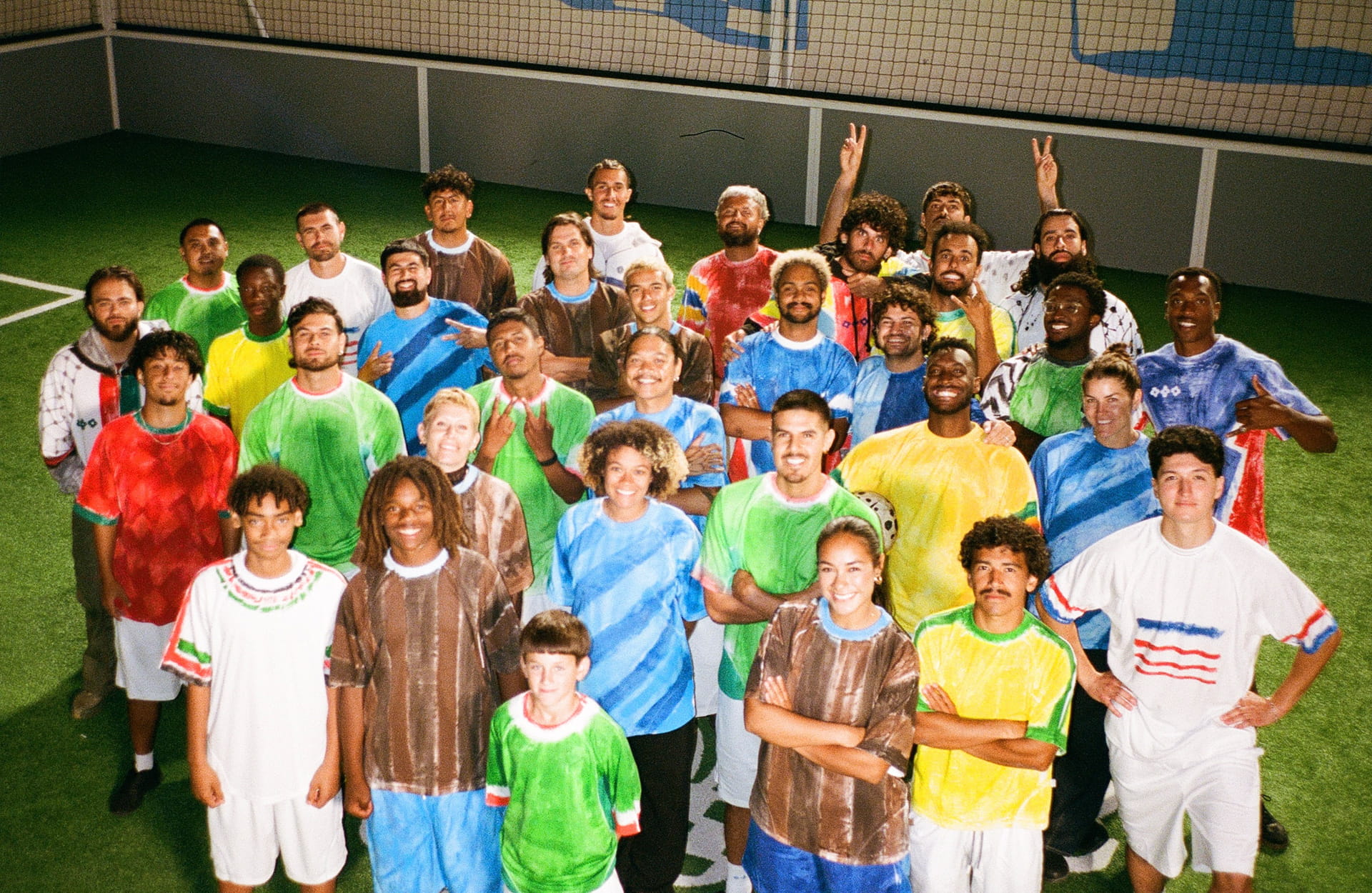
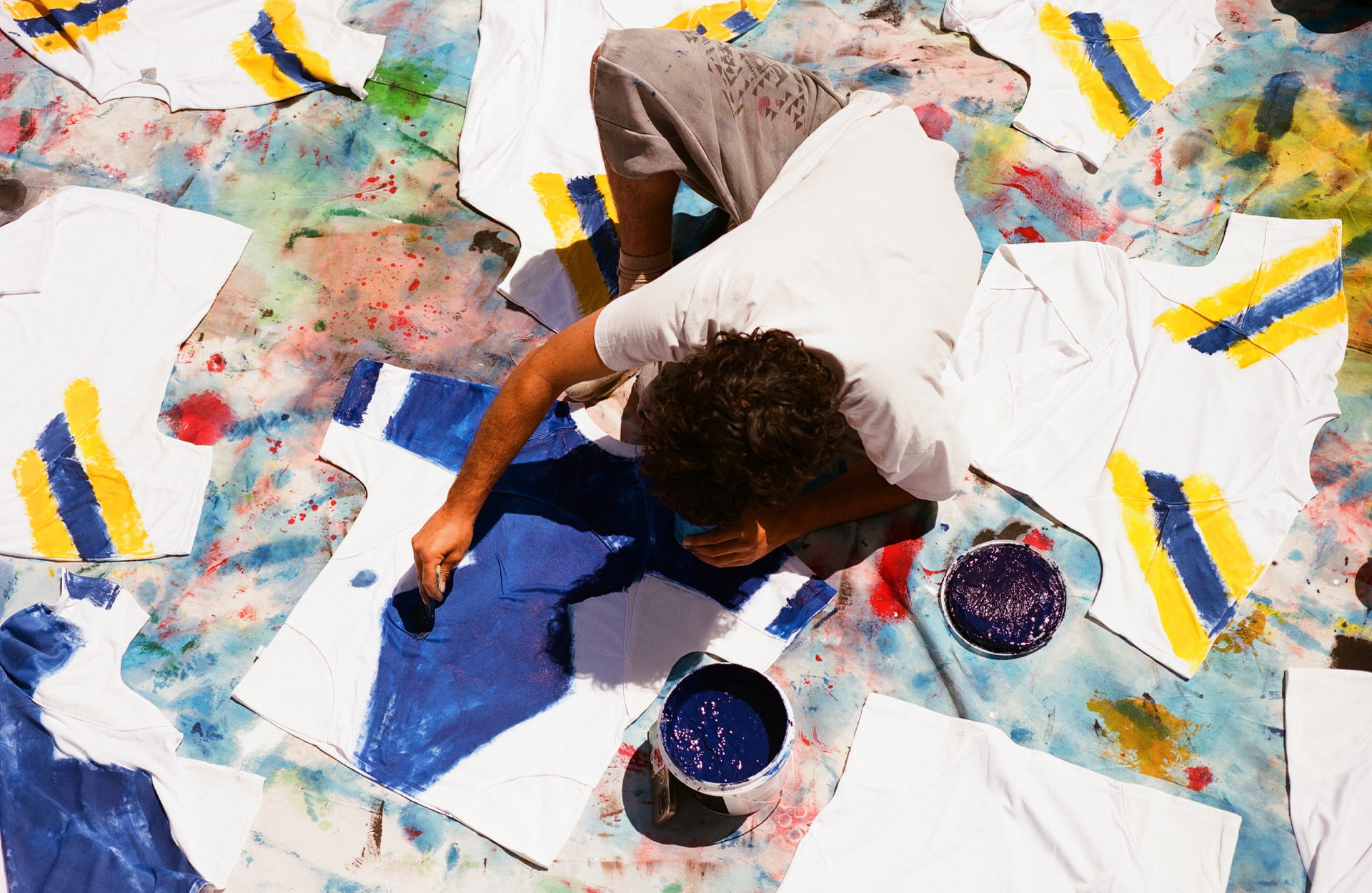
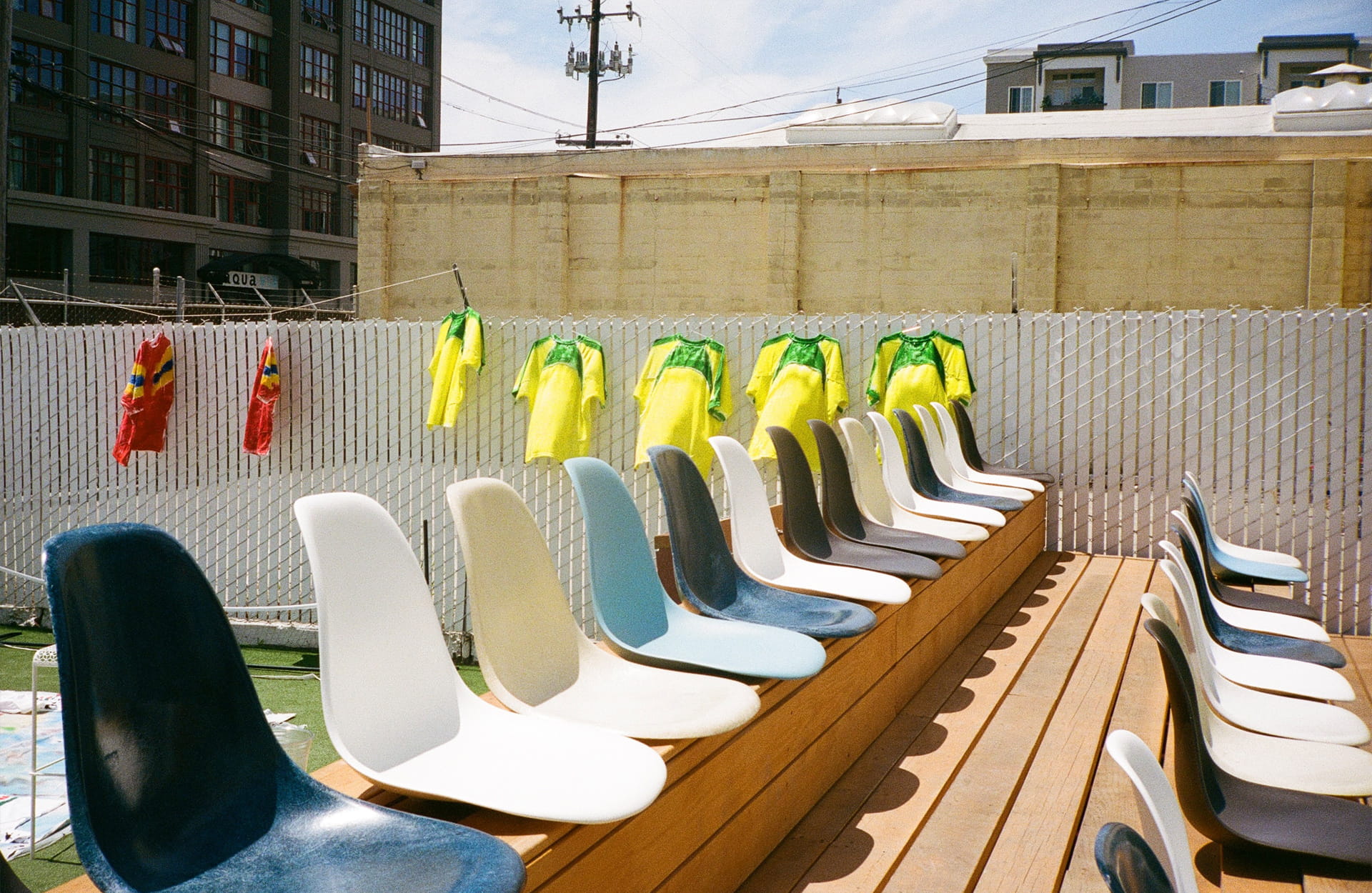
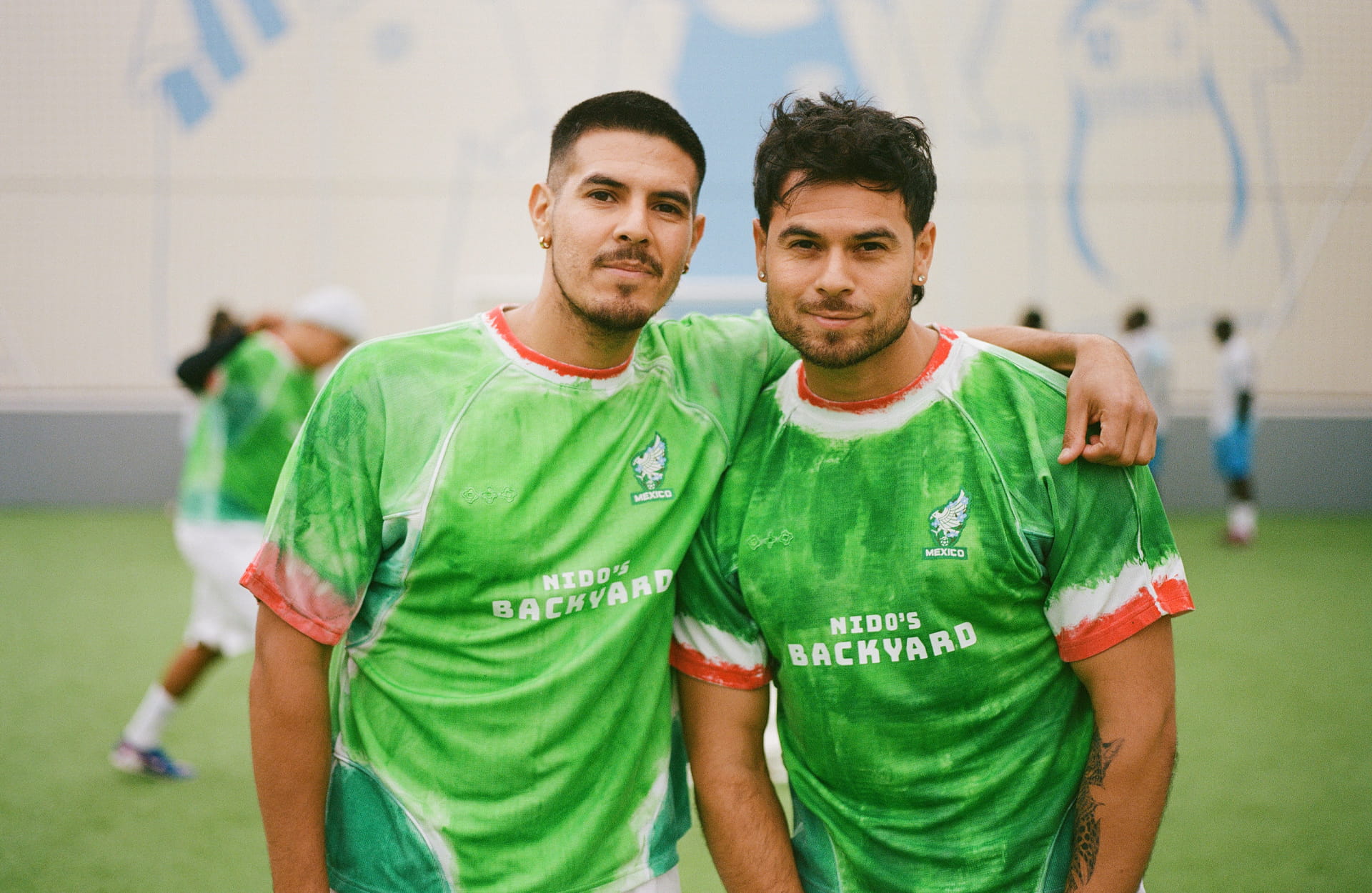
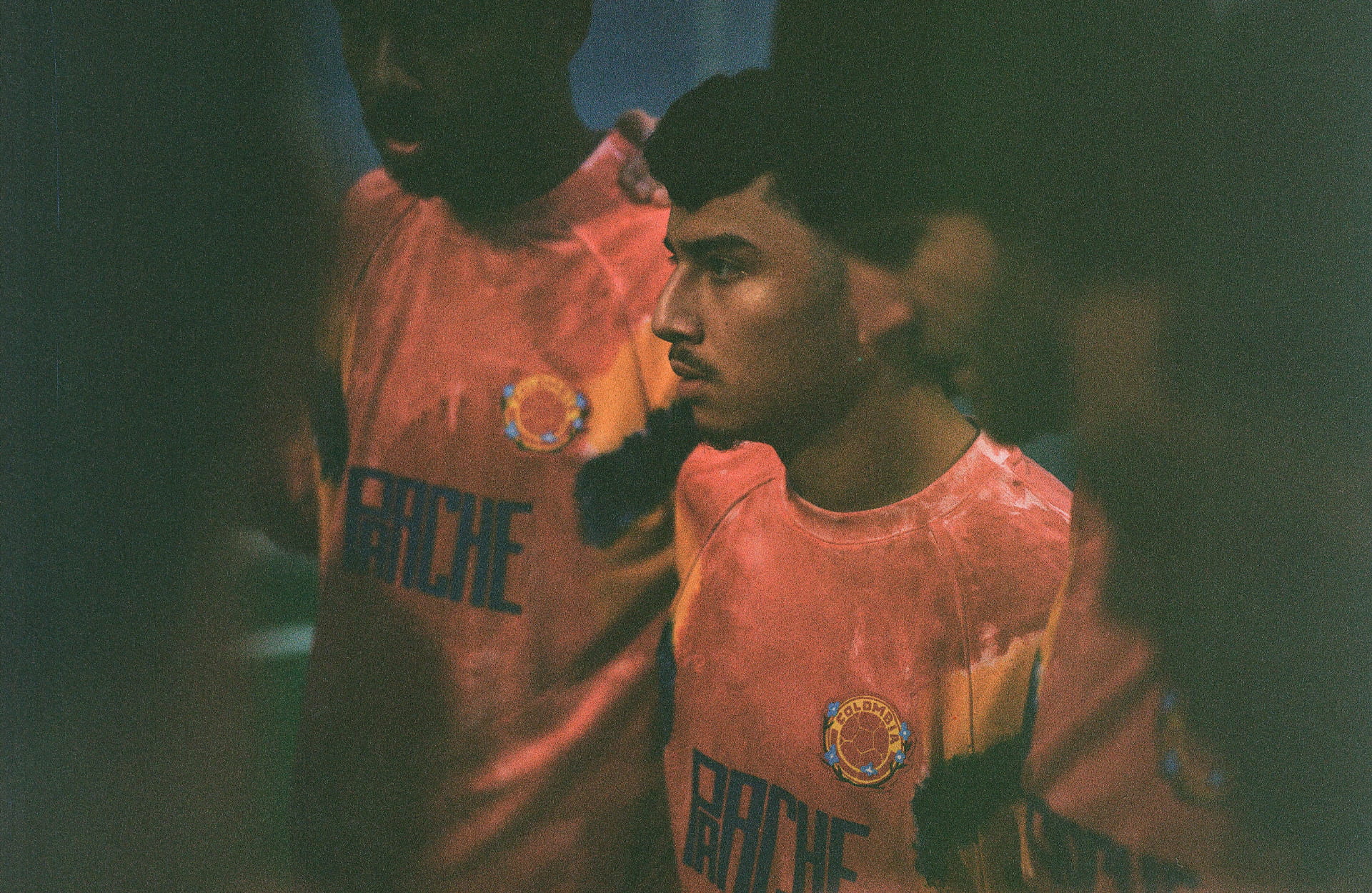
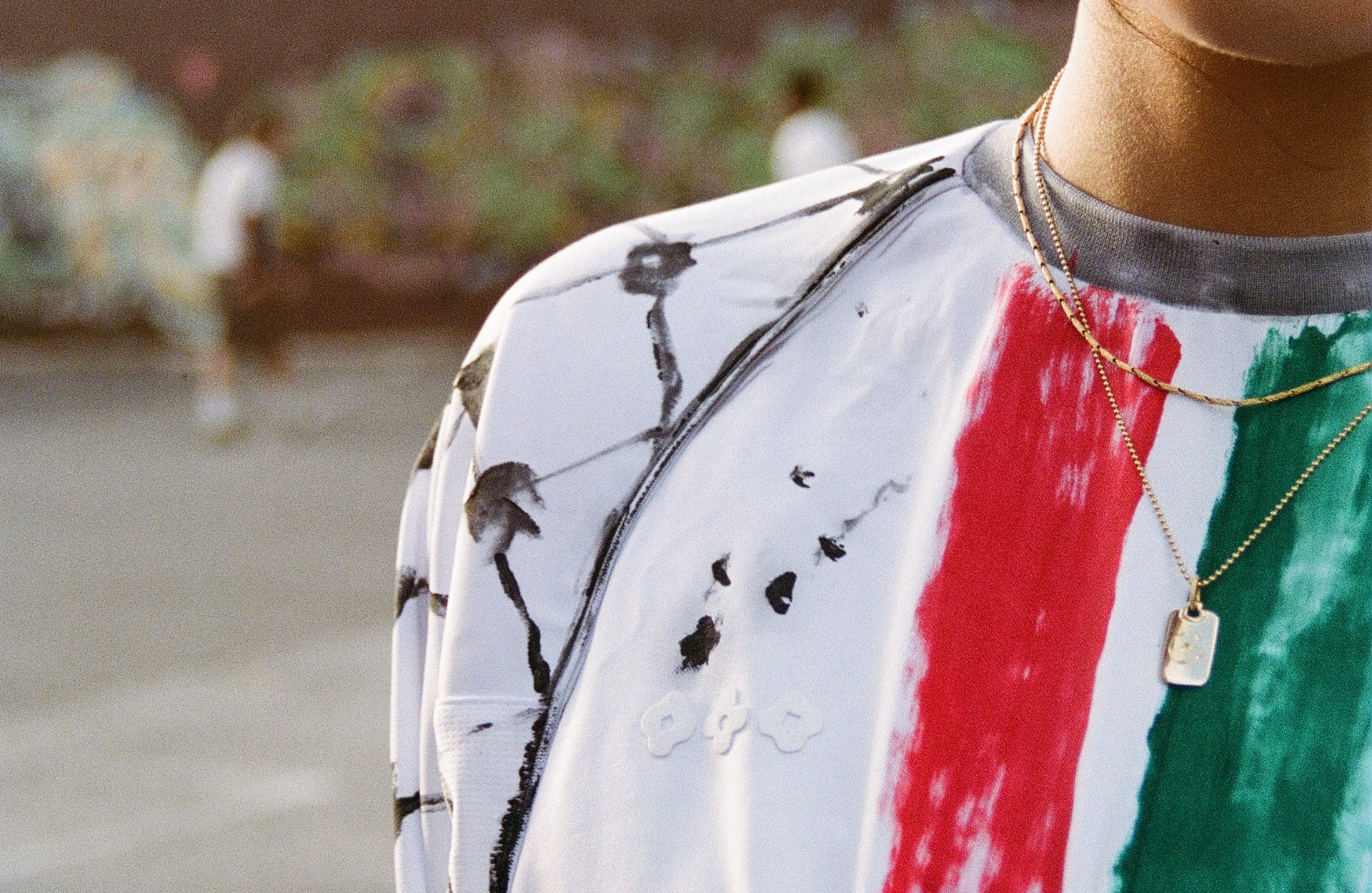
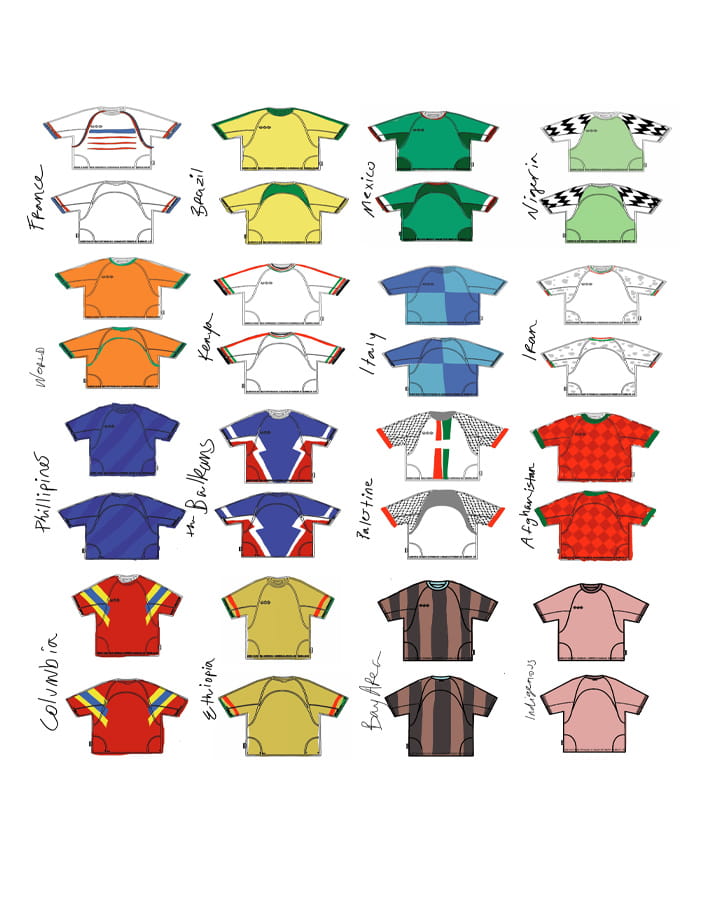
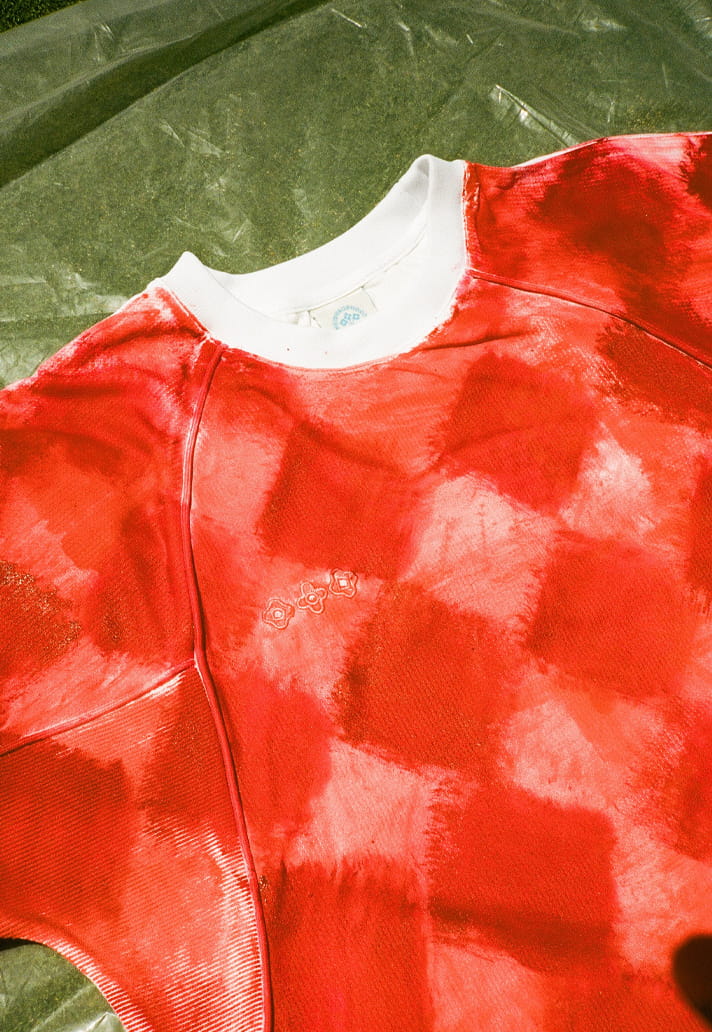
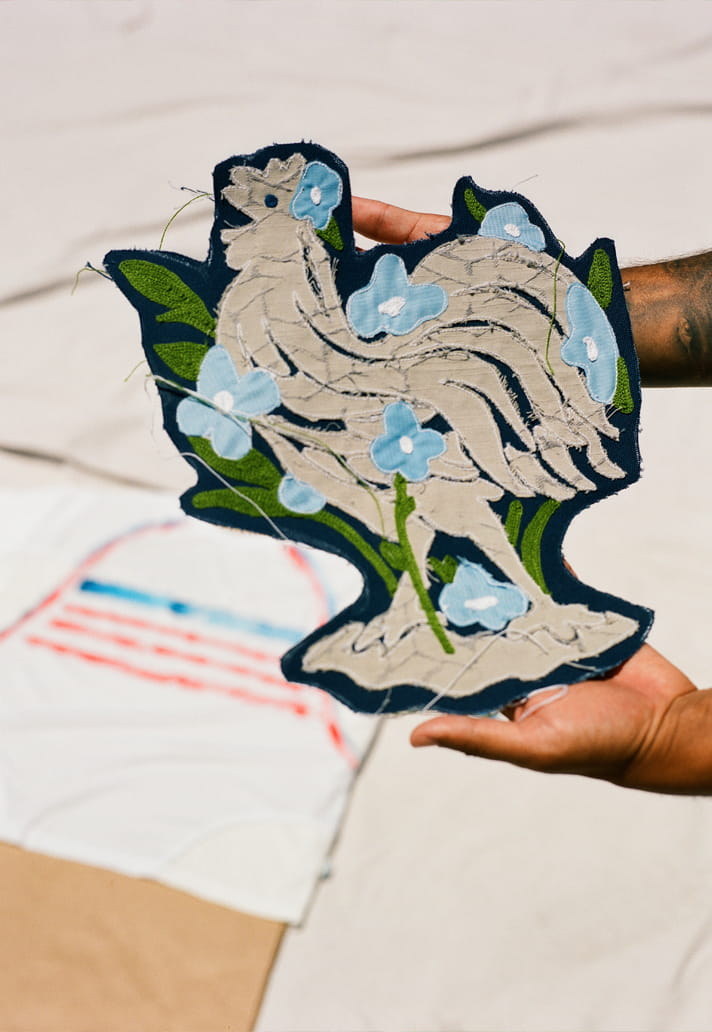
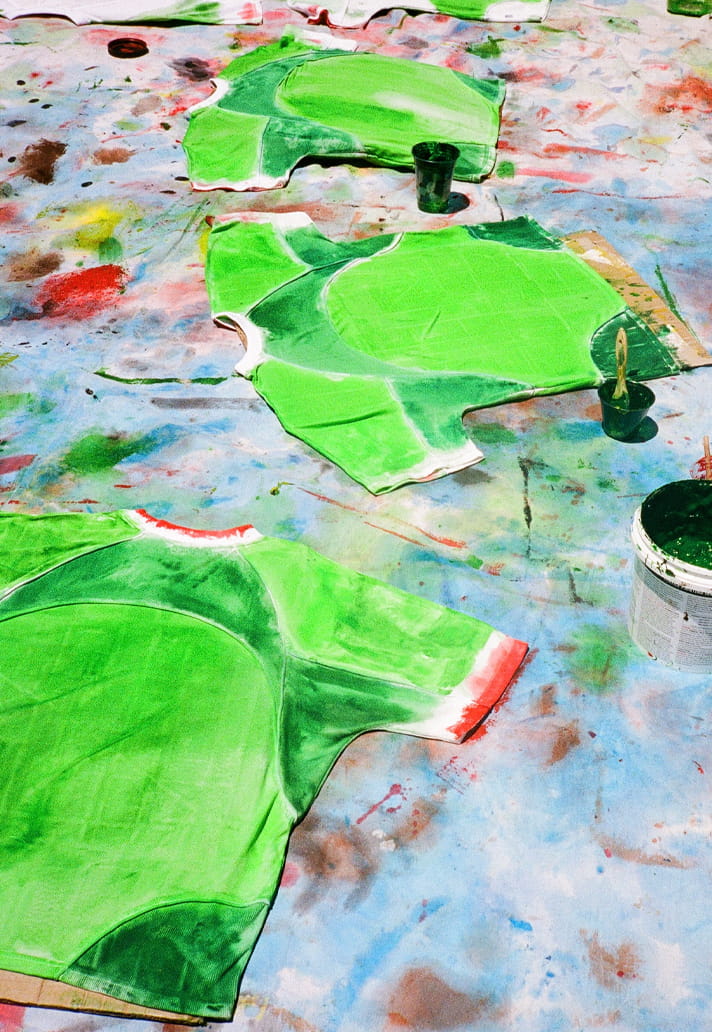
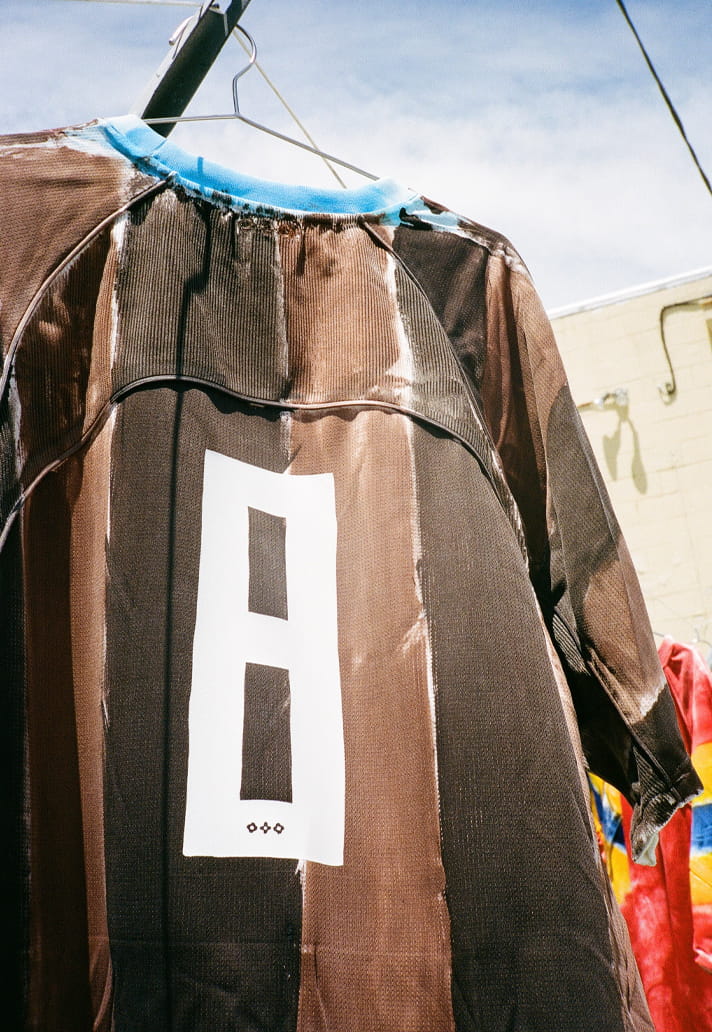
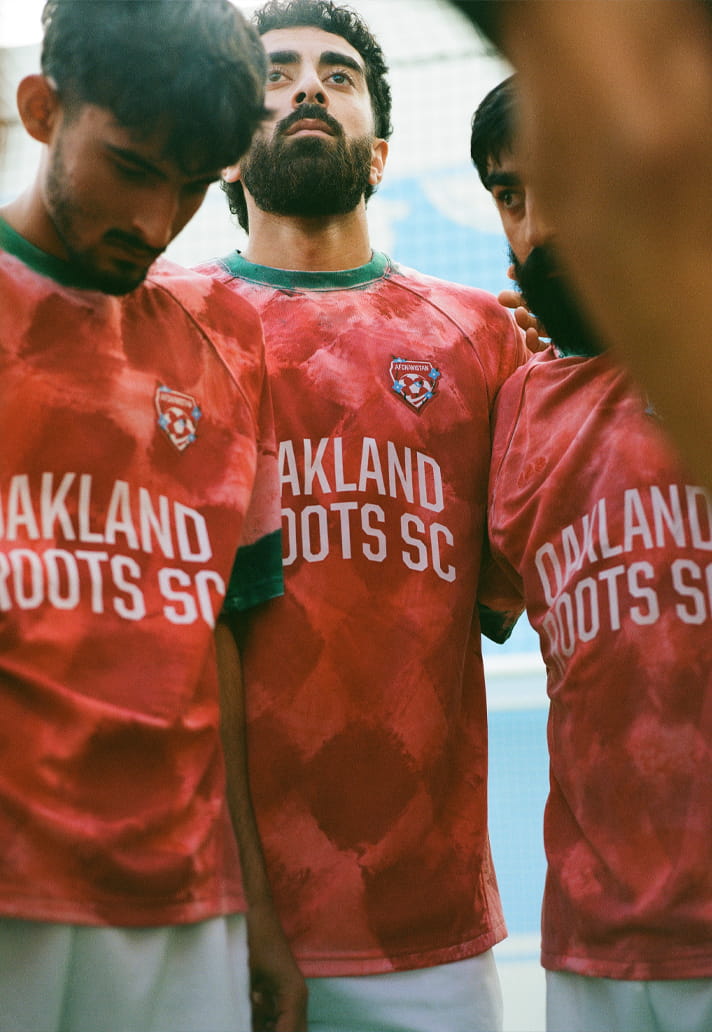
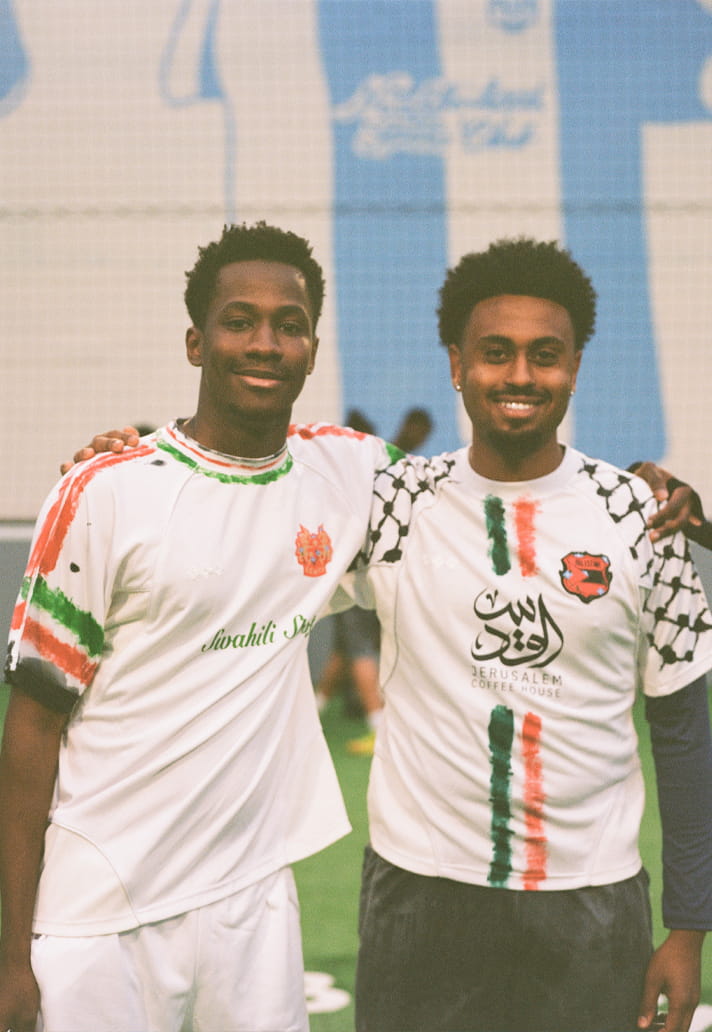
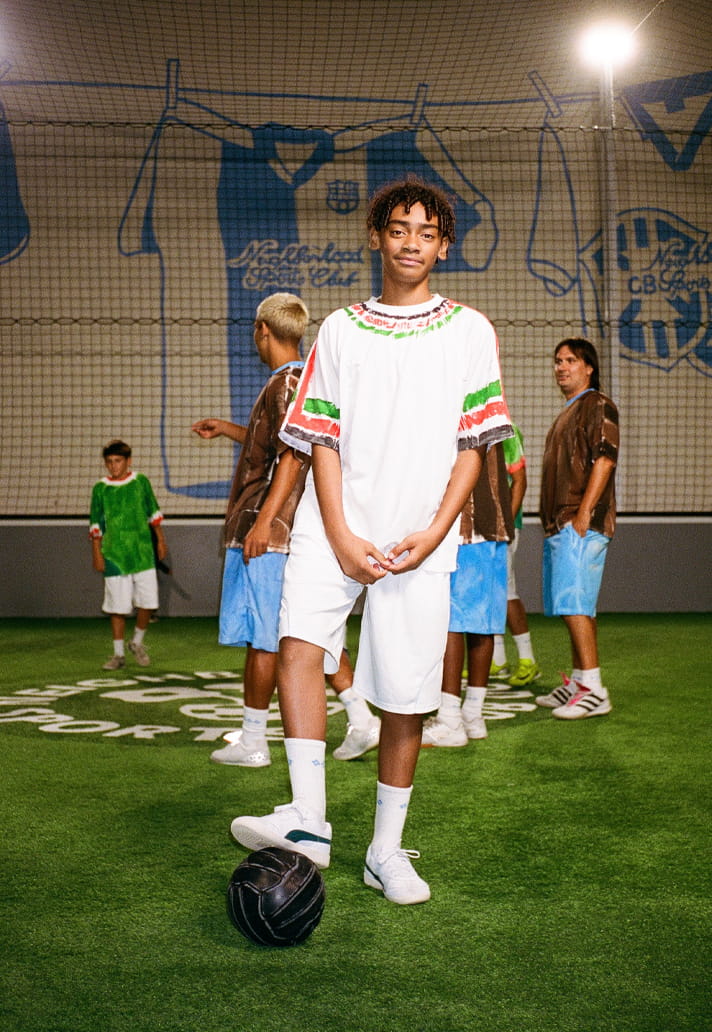
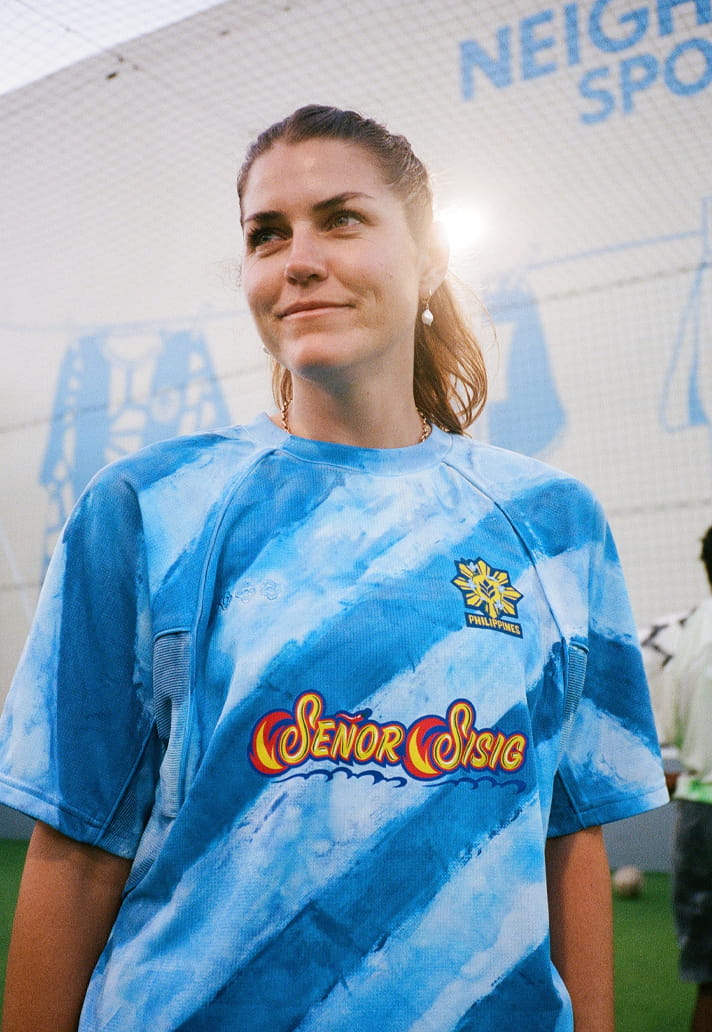
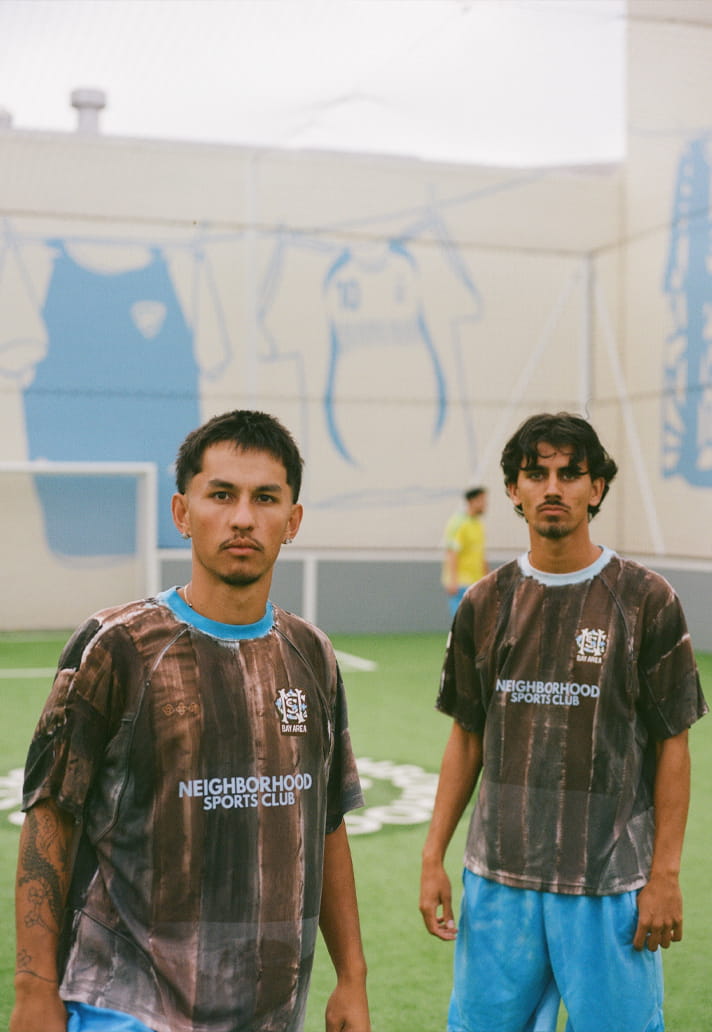
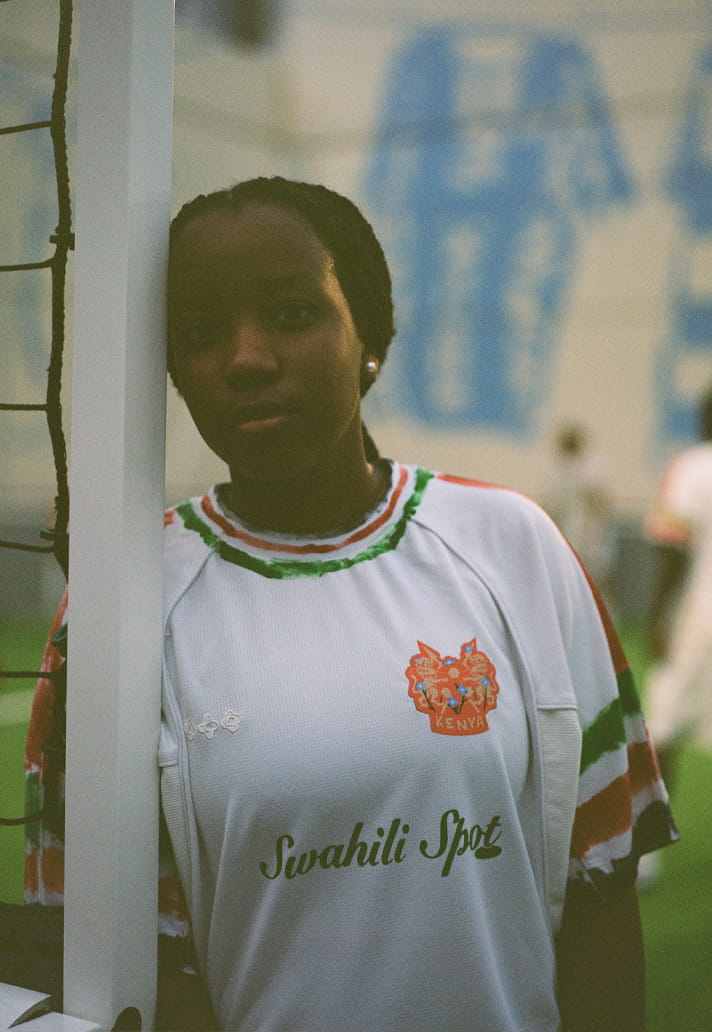
What truly sets the tournament apart, however, is its collection of one-off kits. Designed, manufactured and hand-painted locally, each shirt has been created in collaboration with artists and community members, turning every jersey into a wearable piece of storytelling. From custom crests and culturally significant details to hand-painted finishes, the kits capture the spirit of the communities they represent while showcasing the creative energy thriving within Oakland's football scene.
In a football landscape that can often feel increasingly distant and commercialised, the NEIGHBORHOOD World Cup is a reminder that community is – and should always be – the heartbeat of football, and that some of the game's most meaningful expressions still come from the grassroots. We caught up with Ornstil to discuss the vision behind the project, the importance of community-led creativity, and why football shirts can be powerful cultural artefacts in their own right.

The NEIGHBORHOOD World Cup feels less like a tournament and more like a cultural exhibition. What was the original creative vision behind bringing together 16 communities, 16 countries and 16 bespoke identities under one roof in Oakland?
When we first envisioned NSC, we always believed it could become a venue for tournaments like this. A year ago, when we were planning to open shortly before the World Cup, we saw an opportunity to introduce the space through something meaningful — a tournament that reflected both Oakland's football culture and the values we wanted NSC to stand for.
But it also became about something bigger than us. Given everything happening around football globally, we felt compelled to take a little ownership of the game back and create an event that felt accessible, community-driven and reflective of what football really represents.
One of Oakland's greatest strengths is its diversity. We wanted this tournament to celebrate that while also shining a light on the incredible football culture and talent that often goes overlooked in the Bay.
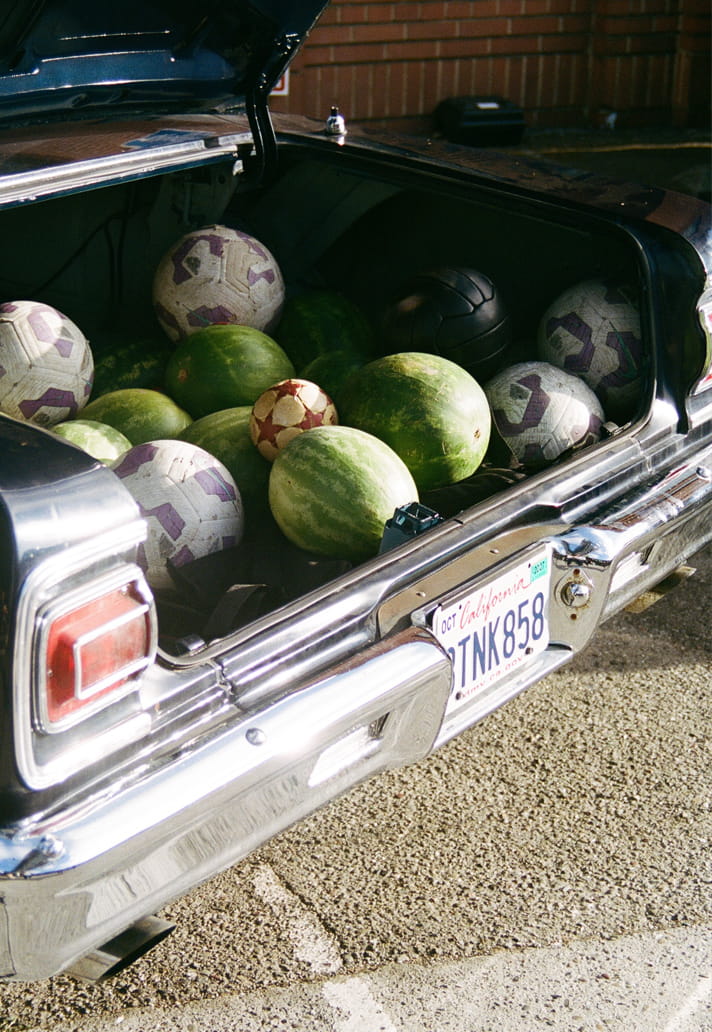
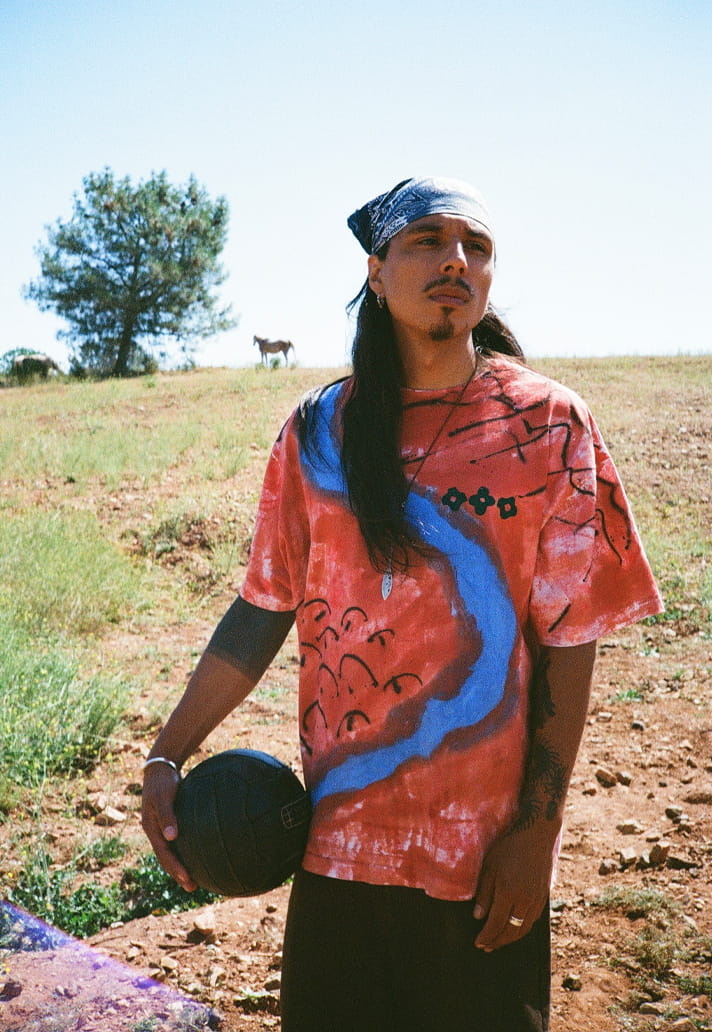
The kits are arguably the standout element of the project. Why was it important that every jersey was hand-painted by local artists rather than following a more traditional football design process?
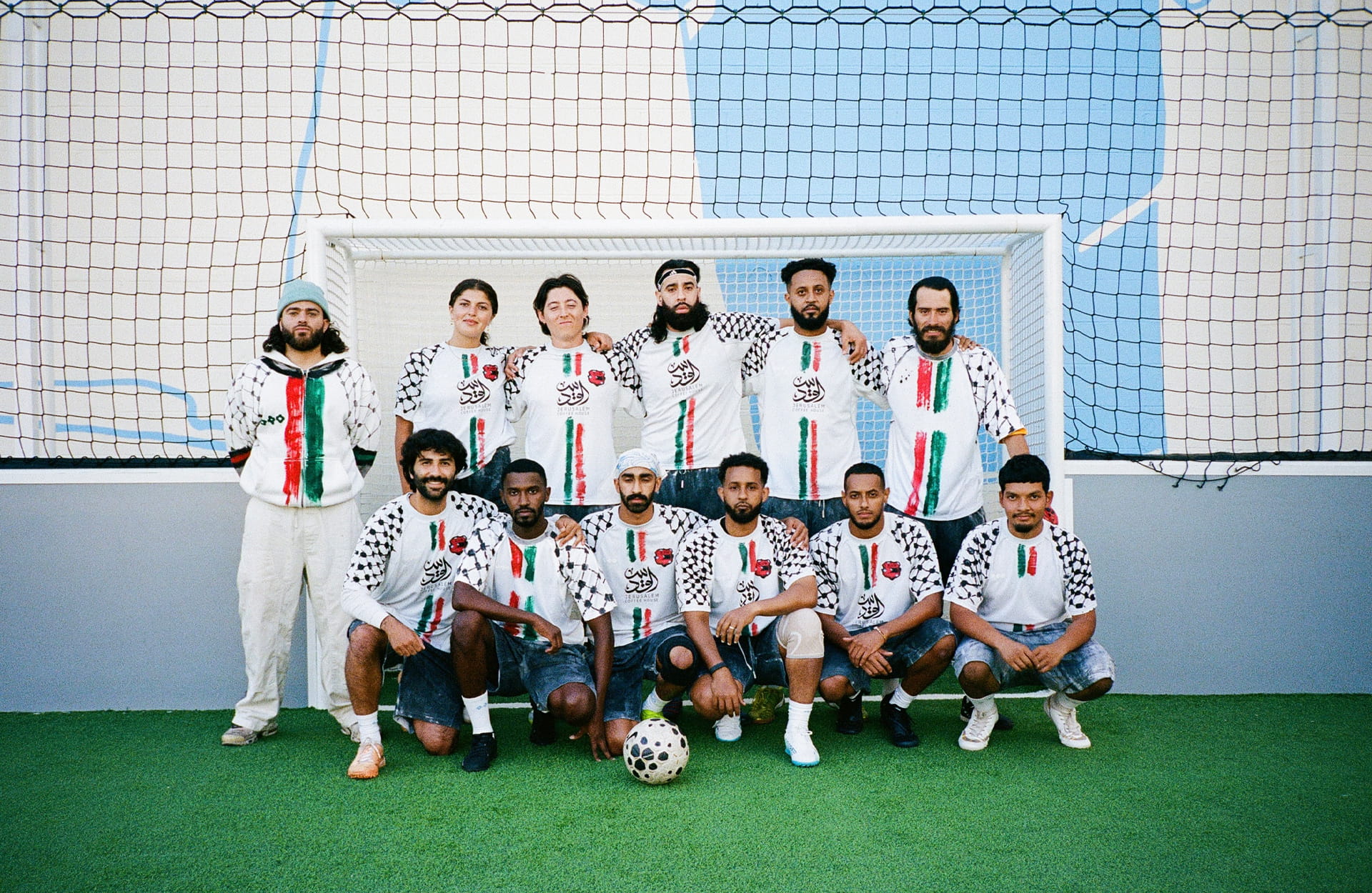
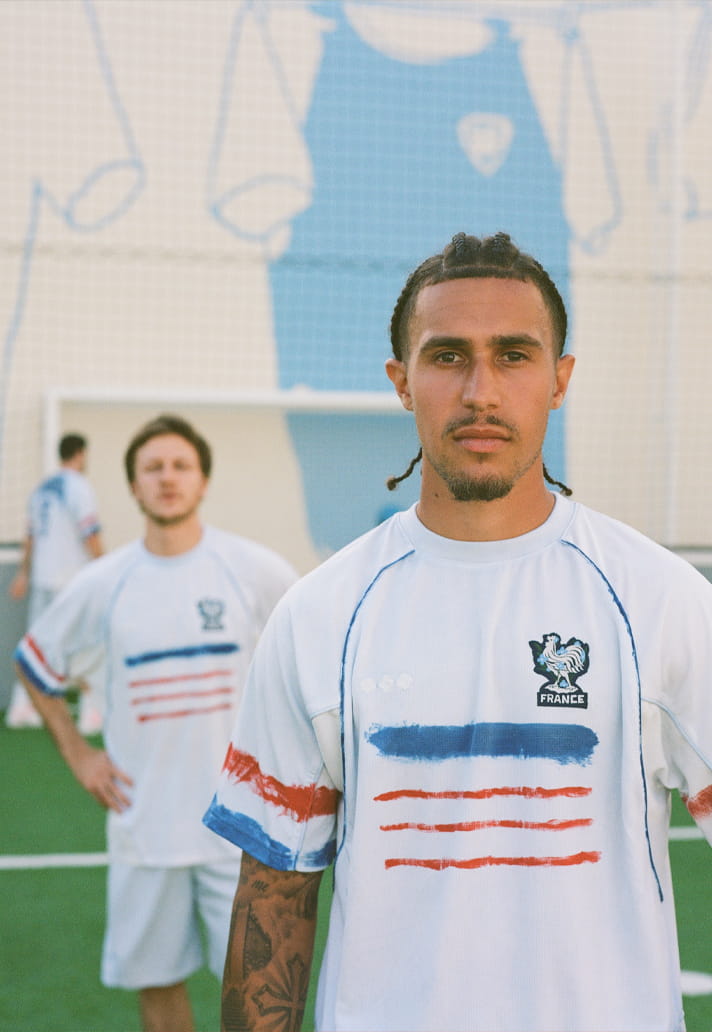
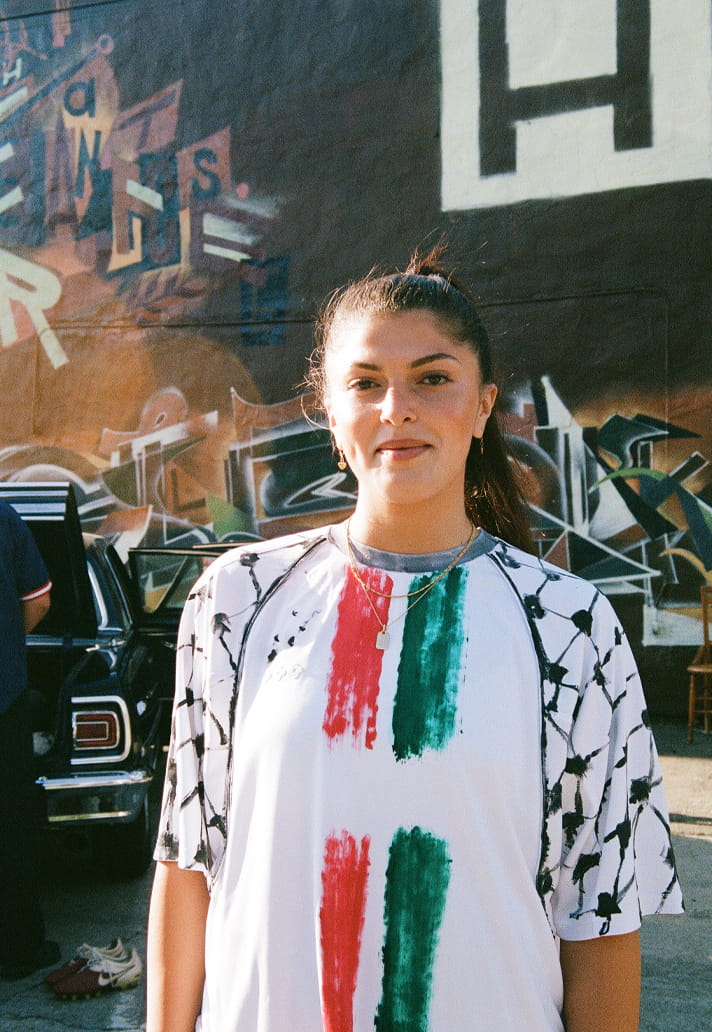
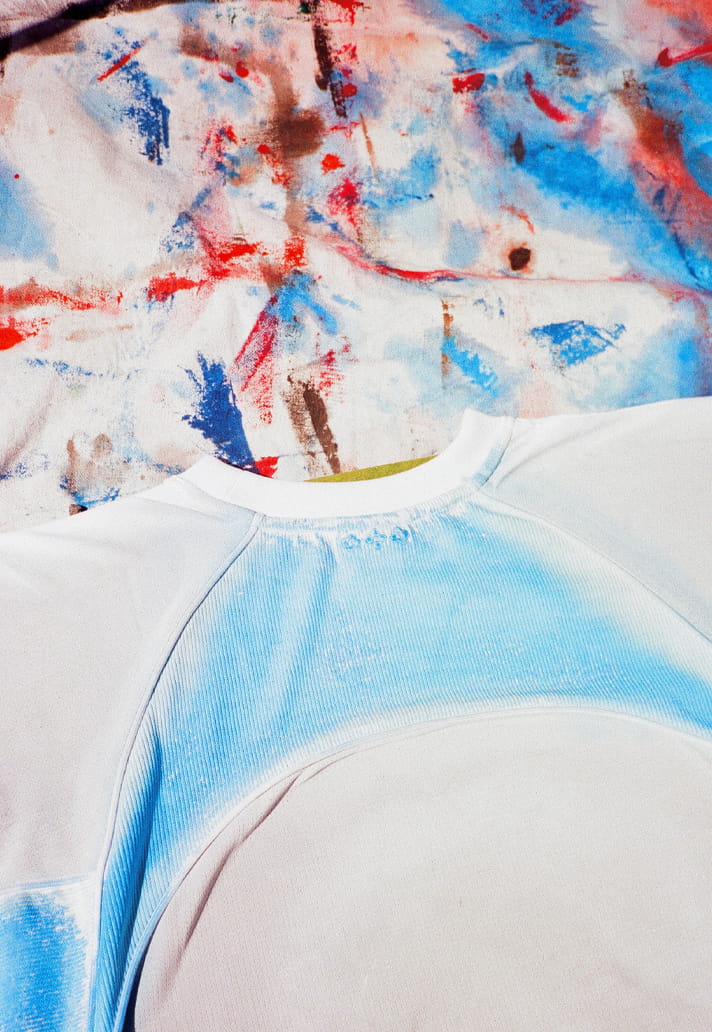
The kits are a reflection of everything this tournament is about. They're hand-painted by local artists, with support from people across our community, celebrating both the talent we have here and football's ability to bring people together.
Once we saw the work Bryce Borroughs had been creating alongside our friend Jasko Begovic and other local designers, we knew we wanted to collaborate with him. During our early conversations about the tournament kits, it became clear that this was the perfect project to showcase his unique approach to garment painting.
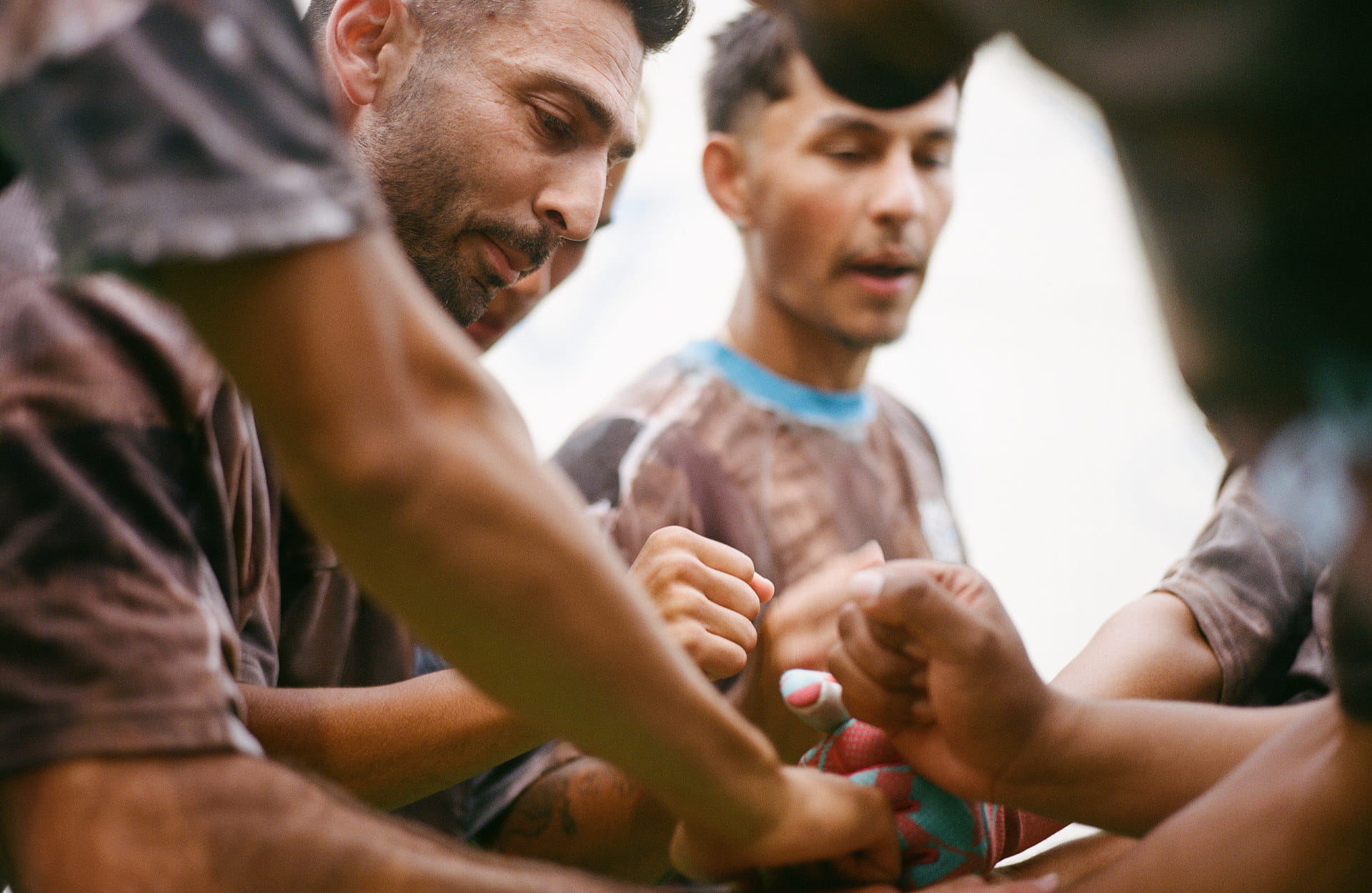
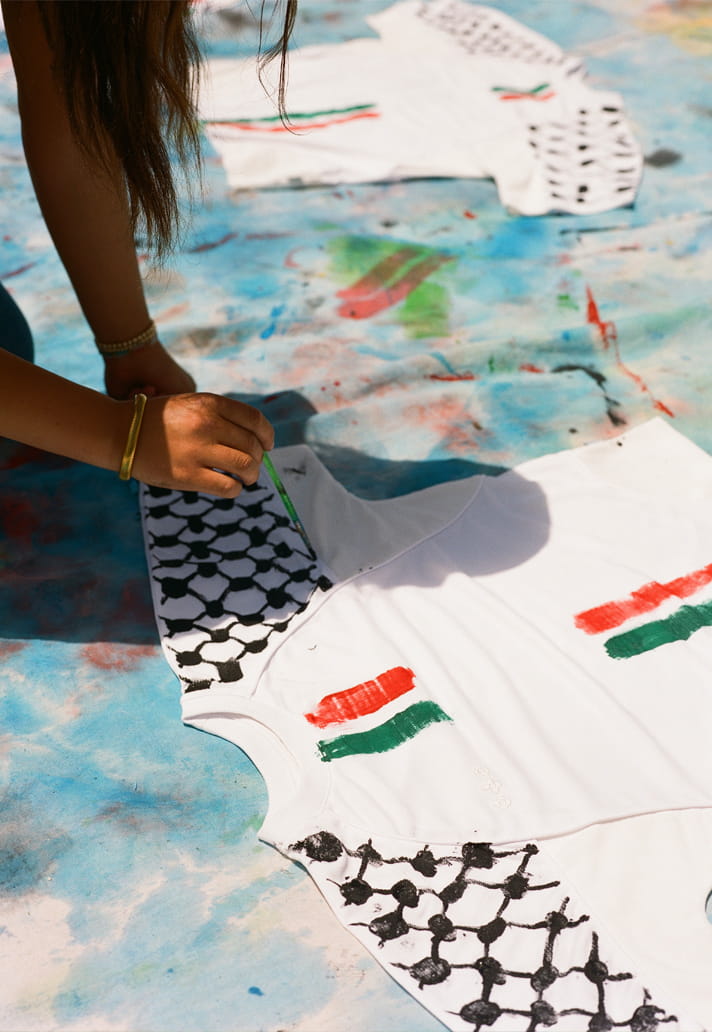
What made it even more special was how many people got involved. We had community members — many of whom are playing in the tournament — spending hours helping paint not only their own shirts but other teams' kits too. There's something powerful about stepping onto the pitch and being able to say, "I literally painted my own kit."
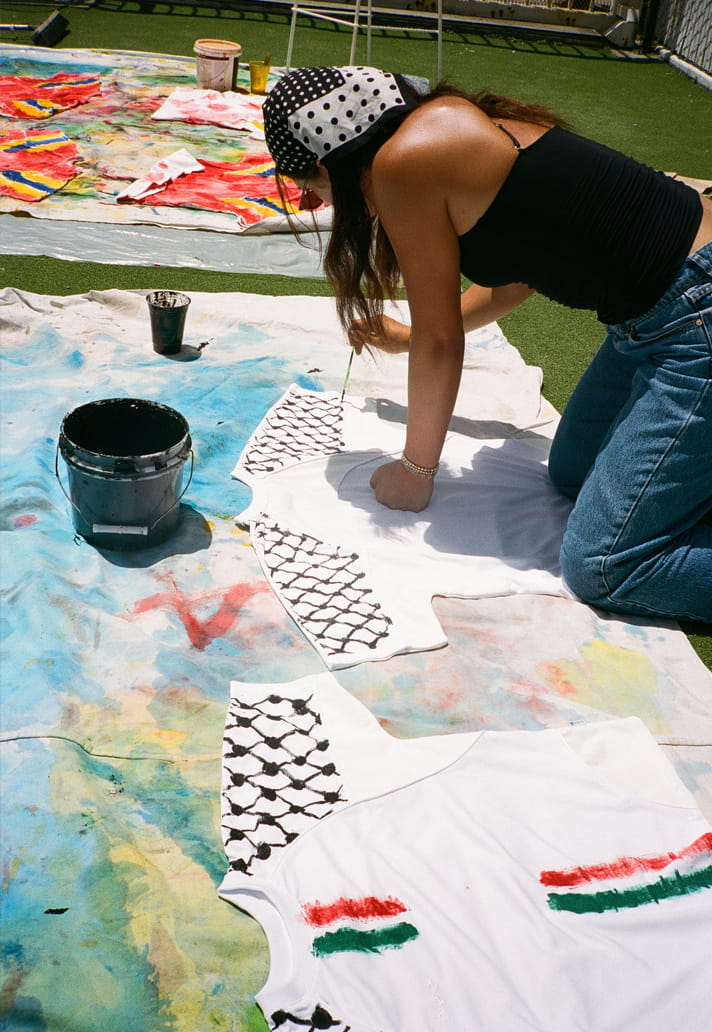
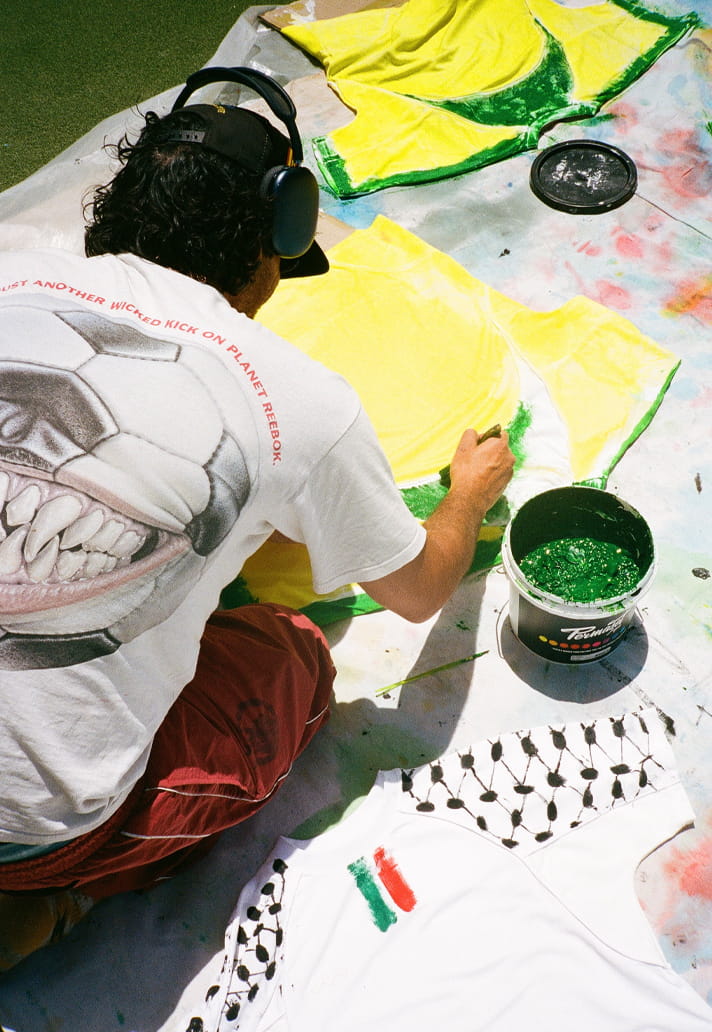
When you're creating a jersey for a community rather than a club or national team, what stories are you trying to tell through the design?
We wanted every kit to authentically reflect the culture and community it represents, whether through colours, design details or the crest.
For the Indigenous team, that meant creating a crest from scratch featuring a howling wolf inspired by a drawing from the team captain, who is a member of the Dry Creek Band of Pomo Indians. For France, it meant referencing the iconic red and blue stripes of the 1998 World Cup-winning side.
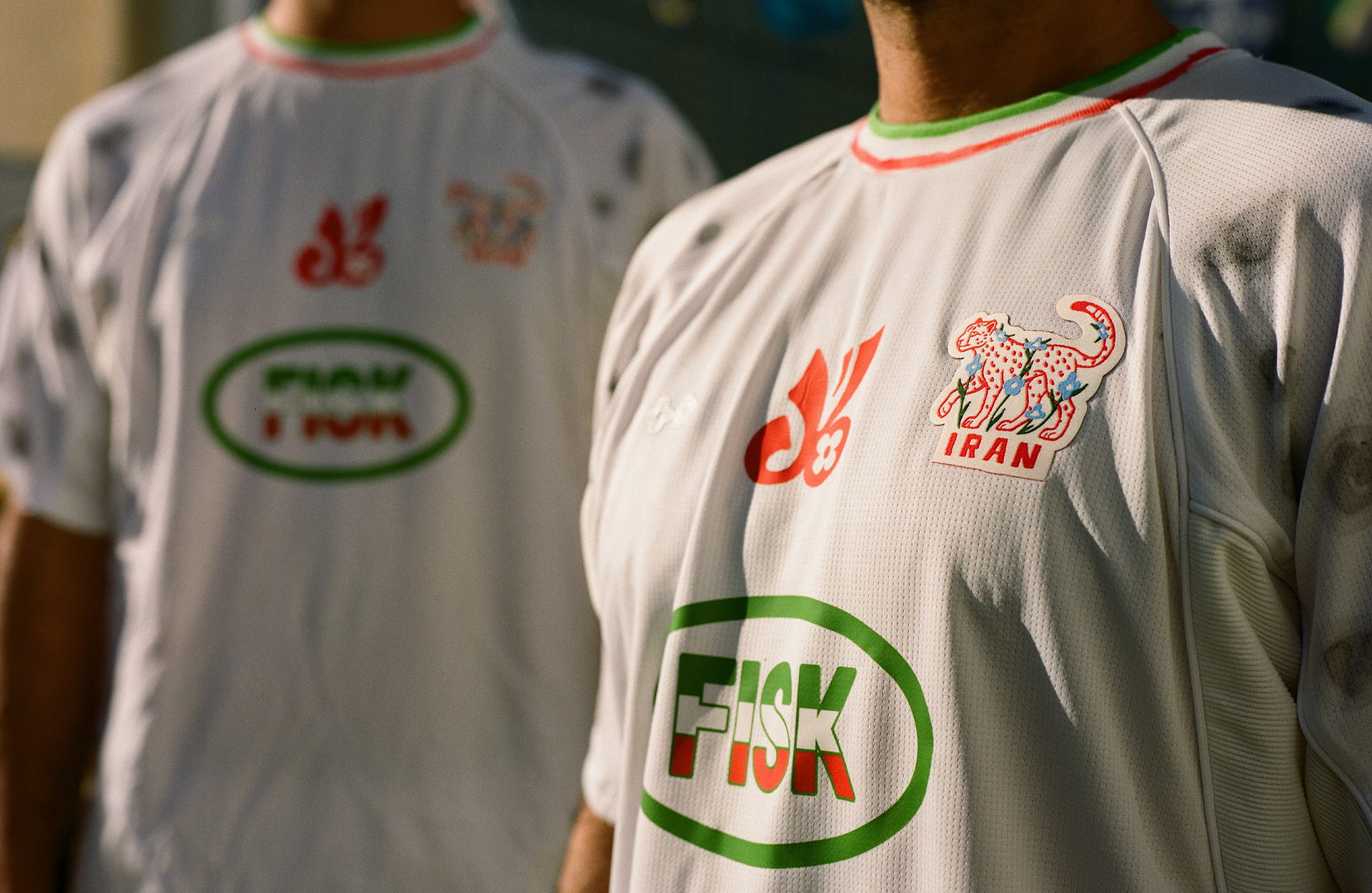
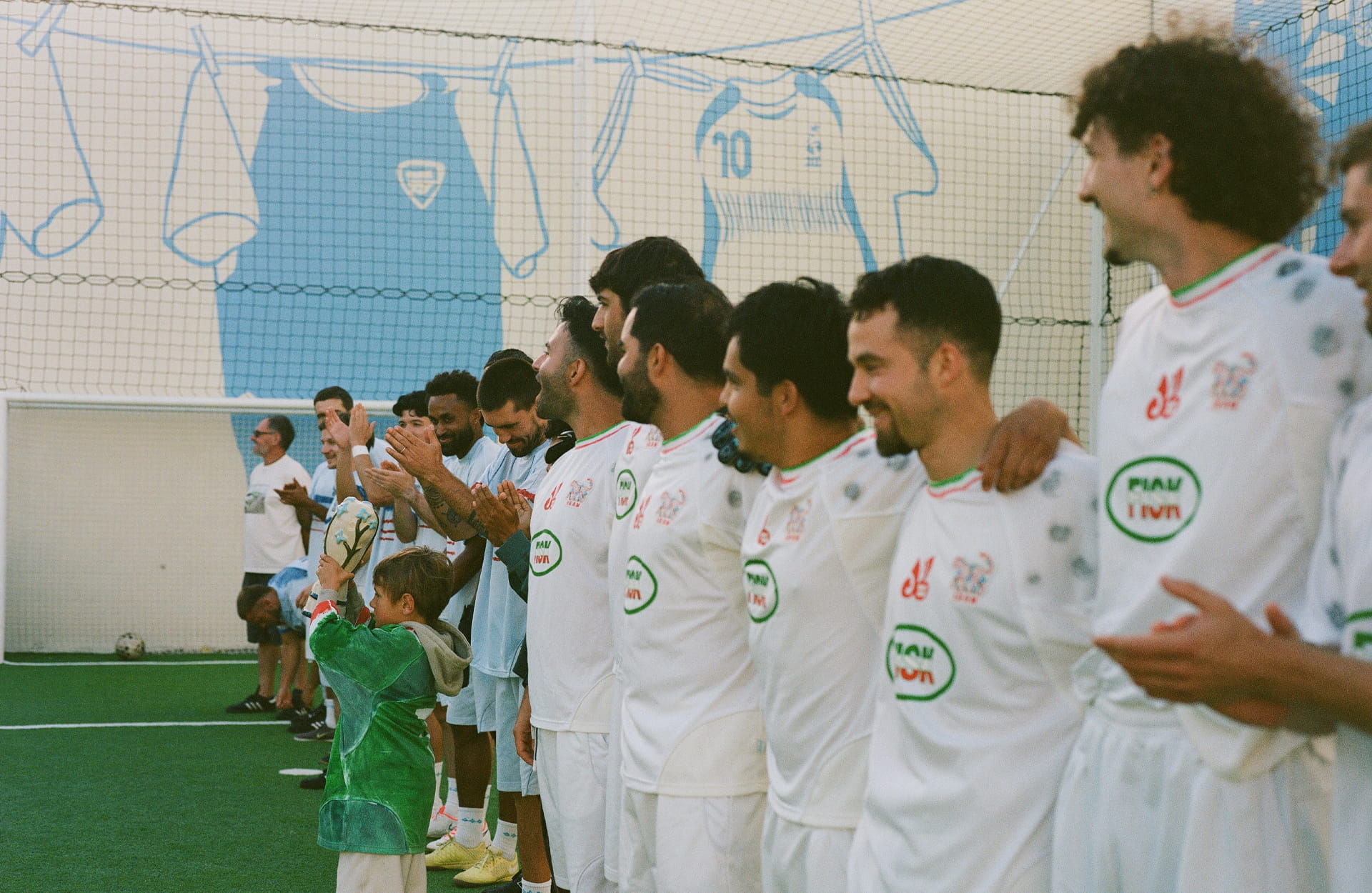
For Iran, we worked closely with the team captains to blend classic references with something that felt uniquely theirs. The crest features a cheetah, the sleeves include a hand-painted spot pattern and the sponsor graphic was created by FISK Projects, a creative studio with Iranian roots.
Football shirts have become some of the most powerful cultural artefacts in the game. Did you approach these kits as performance wear, pieces of art, or something in between?
I think they naturally sit somewhere between the two because of both their function and their beauty.
They're genuine art pieces — every shirt is completely unique. Each one started as a blank canvas and was painted entirely by hand. At the same time, they're high-performance garments that take on a different energy when they're worn as part of a full kit on the pitch.
I like to think of them as wearable art.
NSC exists at the intersection of football, design, storytelling and culture. Do projects like the NEIGHBORHOOD World Cup help redefine what a football club, or football community space, can be in 2026?
Absolutely. Projects like the NEIGHBORHOOD World Cup show how community spaces can be used differently and how football can act as the ultimate connector between people. The game intersects with art, fashion, design, music, food and so much more.
We want people to understand that NSC — and this tournament — is about far more than what happens on the pitch. It's a community where everyone is welcome to participate.
Looking across all 16 kits, was there a design or artistic interpretation that particularly surprised you or changed the way you viewed a community's story?
There are honestly too many to choose from, but a few stand out.
When designing the Afghanistan kit, we spoke with the team's captain, who wanted to explore the patterns found in Afghan rugs. The tonal chequered graphic we developed felt like a beautiful interpretation of that idea and of Afghan culture more broadly.
The Indigenous kit is another favourite. While developing the concept, Bryce landed on a clay-red colour inspired by the earth beneath our feet during the filming of a short tournament film. It's a small detail, but one that gave the shirt a strong sense of place and meaning.
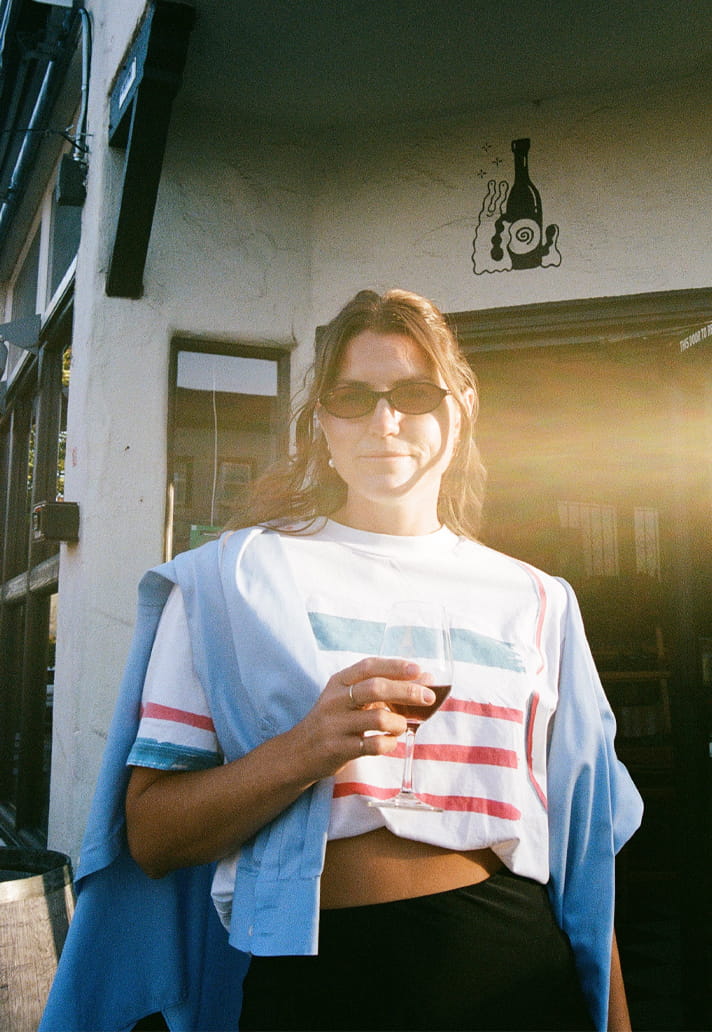
In an era where football culture can sometimes feel increasingly commercialised and globalised, how important is it to create something that's hyper-local, handmade and rooted in real neighbourhoods?
Now more than ever, I think it's important to highlight the power of grassroots football communities doing real work.
We want people to understand that this isn't a "World Cup moment" for us. This has been our everyday reality for the last four years and will continue well after the tournament ends.
Using football as a vehicle for connection, self-expression and positive change doesn't stop when the World Cup finishes. There are still people and communities pushing football culture forward in authentic ways, and we're proud to be part of that.
The tournament celebrates communities including Afghanistan, Palestine, Ethiopia, Nigeria and Mexico. How do you balance honouring cultural heritage while still creating a unified visual language across the competition?
One of the most successful elements of the project is that balance between cultural heritage and football tradition, and a lot of credit goes to our graphic designer, Ian Conklin.
Each crest has a hand-drawn quality while still paying homage to classic football design. That consistency creates a softness and cohesion across all 16 teams, while still allowing every identity to feel distinct.
You've described football as a universal language. Can a football shirt be a language too?
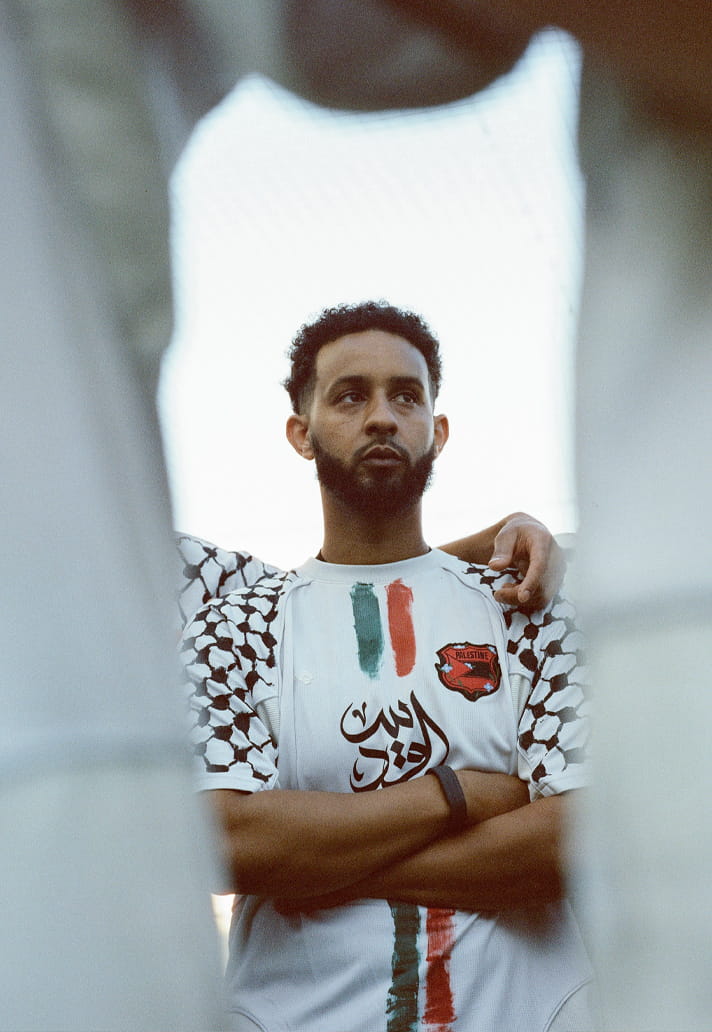
Oh yeah, for sure. We're already seeing new stories and memories being created through these shirts. Whether it's the keffiyeh-inspired pattern on Palestine's sleeves, an Indigenous jersey someone might be seeing for the first time, or the redesigned Iranian crest featuring a cheetah, these details allow people to feel represented and recognised.
They communicate something that words often can't. That's the beauty of football, and it's the beauty of the NEIGHBORHOOD World Cup.
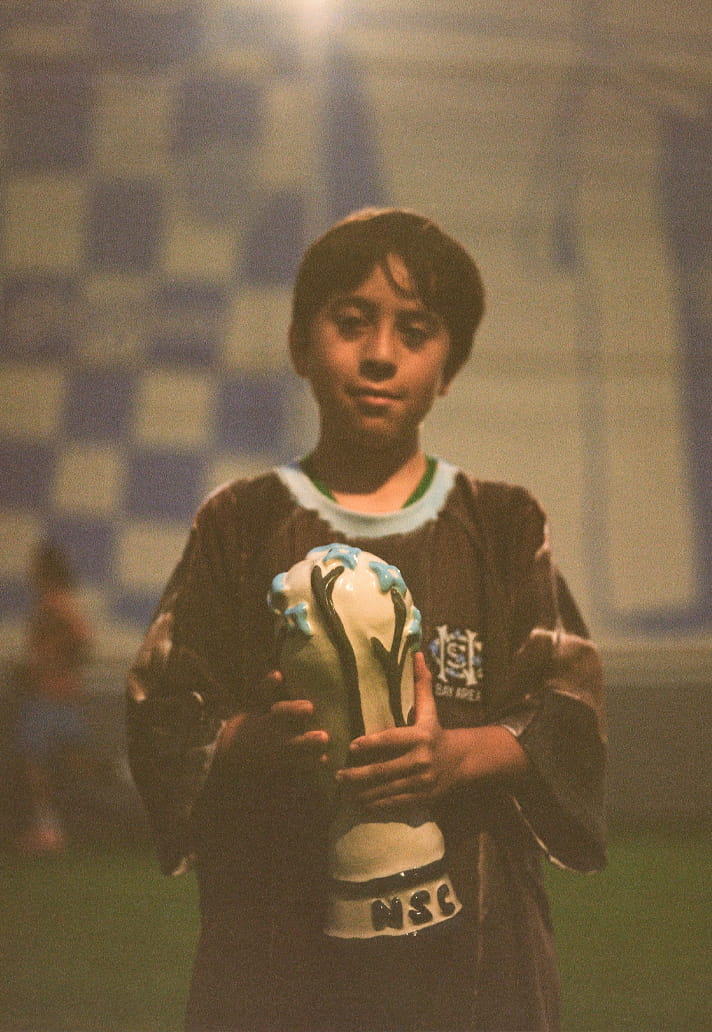
Five years from now, what do you hope people remember most about the first NEIGHBORHOOD World Cup?
I hope people look back on this first NEIGHBORHOOD World Cup as the beginning of something special.
Whether it's the atmosphere around the matches, the energy of the crowd, the attention that went into every one-off kit or the care behind the tournament's visual identity, I hope people see it as the start of a new chapter.
For us, it represents both the opening of NSC's permanent community space and the beginning of what we hope becomes a recurring celebration of Bay Area football culture — one that's been missing for a long time and is desperately needed.
Follow the conclusion of the Neighbourhood World Cup at @neighborhoodsportsclub