Every World Cup has a moment when the tournament suddenly clicks into place. This year, Cape Verde against Spain felt like that moment.
Cape Verde, playing their first ever World Cup match, holding Spain to a 0-0 draw in Atlanta. Spain, European champions. Spain, 27 shots. Spain, almost three quarters of the ball. Spain, with Lamine Yamal coming off the bench like some kind of emergency glass case.
And Cape Verde, a country of a little over half a million people, standing there at full-time with a point, a clean sheet and a story the World Cup still somehow knows how to produce.
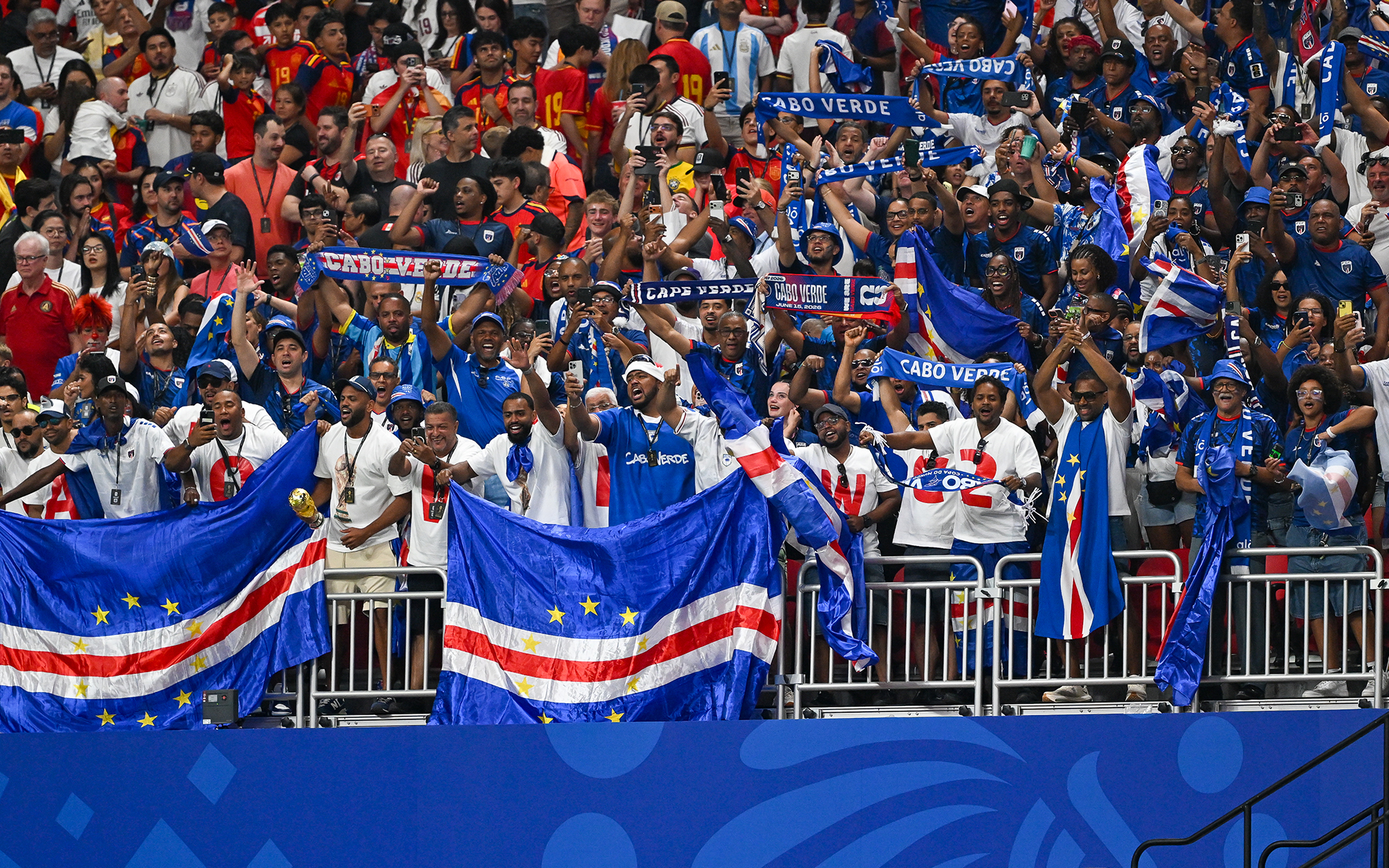
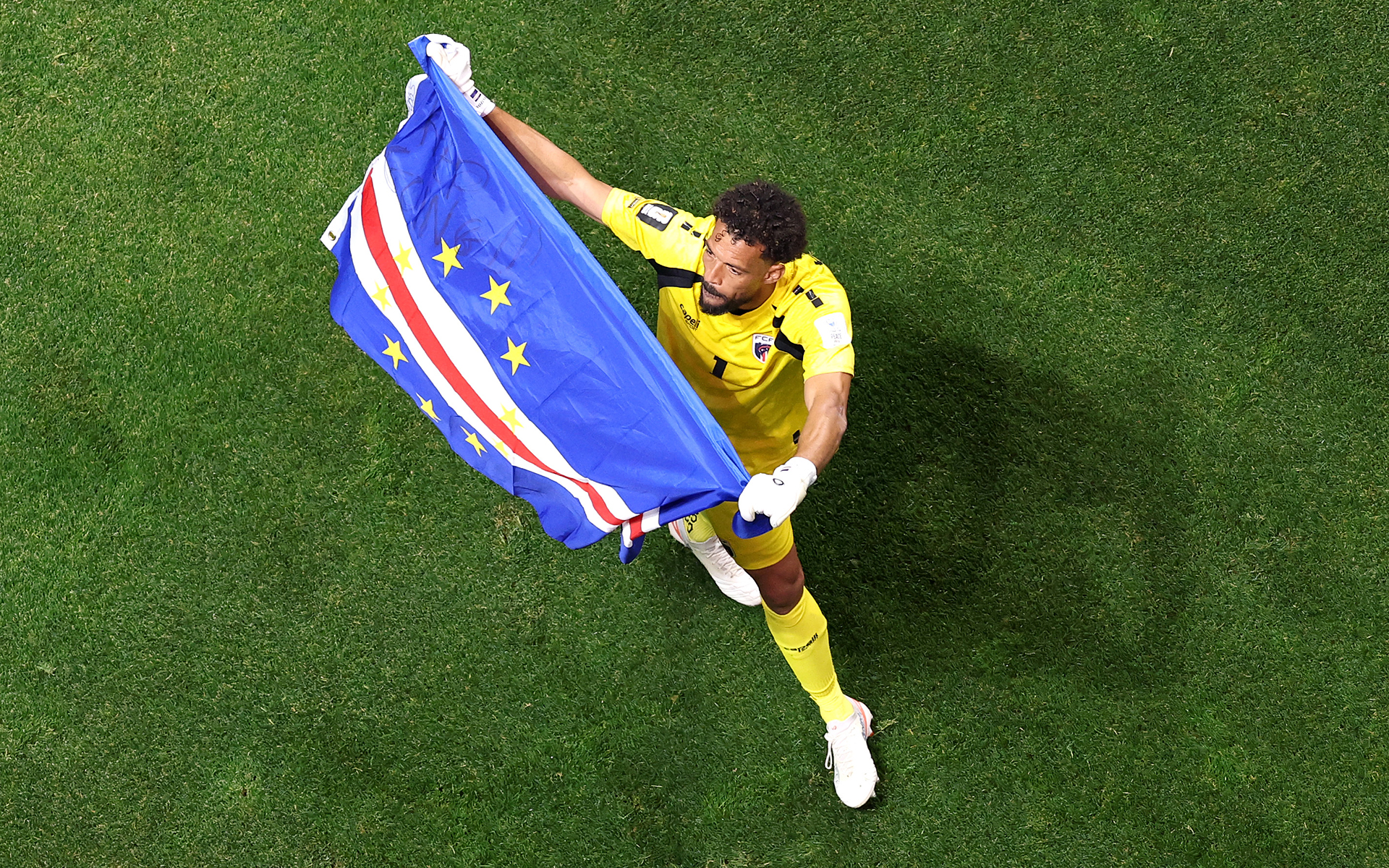
This is why the World Cup still matters. Because for all the talk about formats, hosts, content, and commercial scale, the World Cup is still at its best when it makes the sport feel huge and tiny simultaneously. At one moment it feels big enough to hold the attention of the planet, and then small enough that a 40-year-old goalkeeper called Vozinha can spend 90 minutes turning himself into folklore.
Vozinha's story alone would be enough, in truth. Seven saves. Player of the match. Tears at full-time. A man who has been Cape Verde’s No.1 for more than a decade, who started playing professionally late, who kept going because of this exact dream.
It's worth remembering that this result was not some strange accident, and that Cape Verde didn't arrive in the United States by mistake or by vibes alone. They got here by winning their CAF qualifying group ahead of Cameroon, taking 23 points from a possible 30, losing just once in 10 matches and sealing qualification with a 3-0 win over Eswatini.
What I'm saying is that this has been years in the making. Under Bubista, the Blue Sharks have become one of African football’s great modern stories: organised, stubborn, clever and, most importantly, emotionally connected.
Let’s put Cape Verde into perspective for a moment. This is a country of around 525,000 people, spread across 10 volcanic islands in the Atlantic, with a population smaller than Sheffield. They only joined FIFA in 1986, once ranked 182nd in the world, and made their first AFCON appearance as recently as 2013.
They’re a squad built from the islands and the diaspora, from Praia to Rotterdam, Portugal to Ireland, Cyprus to Turkey. Cape Verdeans often talk about the diaspora as the country’s 11th island, and this team feels like that idea made flesh.
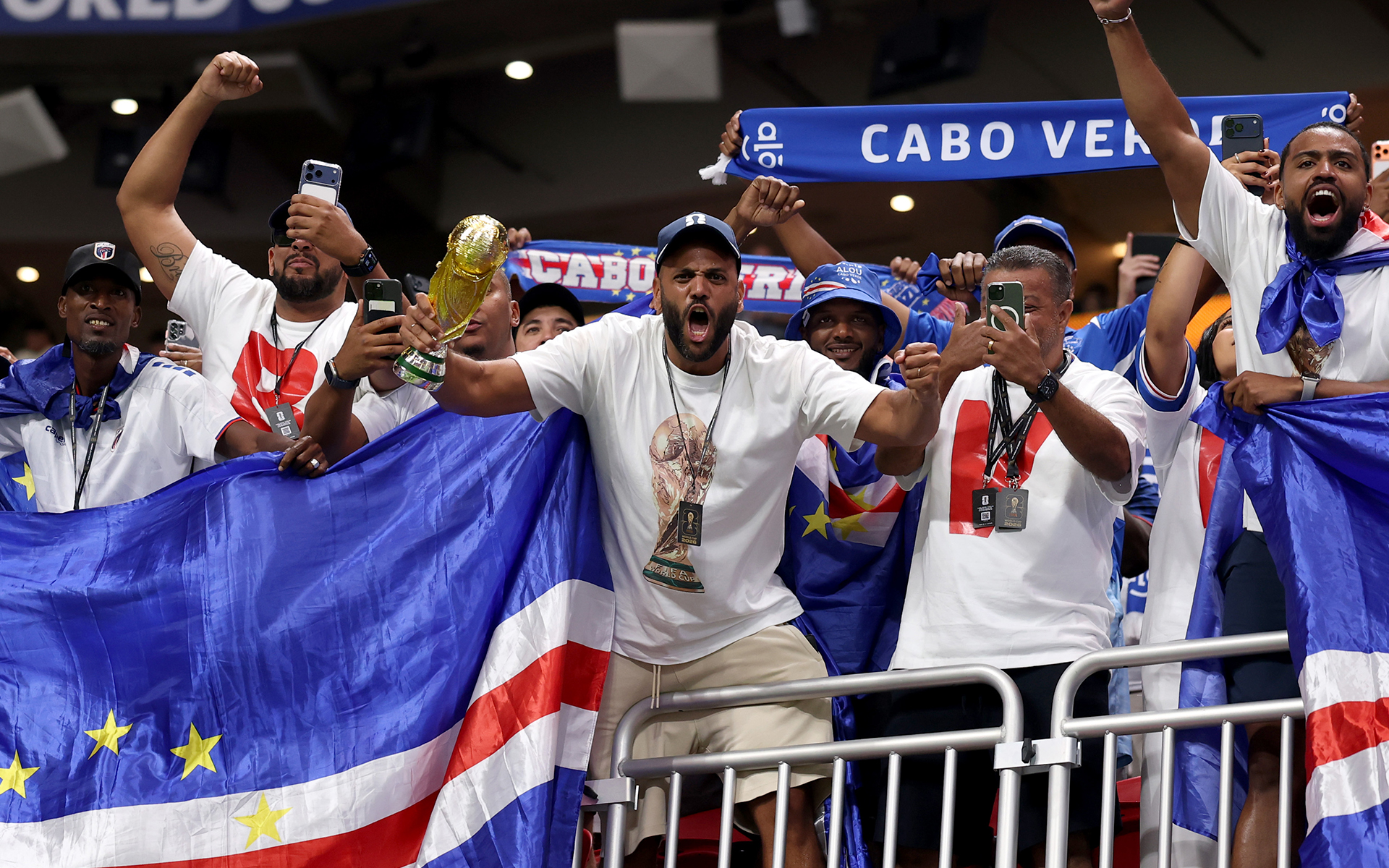
A nation scattered by history, brought back together by football. That was there in the qualification celebrations. Flags on balconies. Music in the streets. Families watching from Praia, São Vicente, Boston, Rotterdam, wherever Cape Verde lives now. It was there again in Atlanta, too.
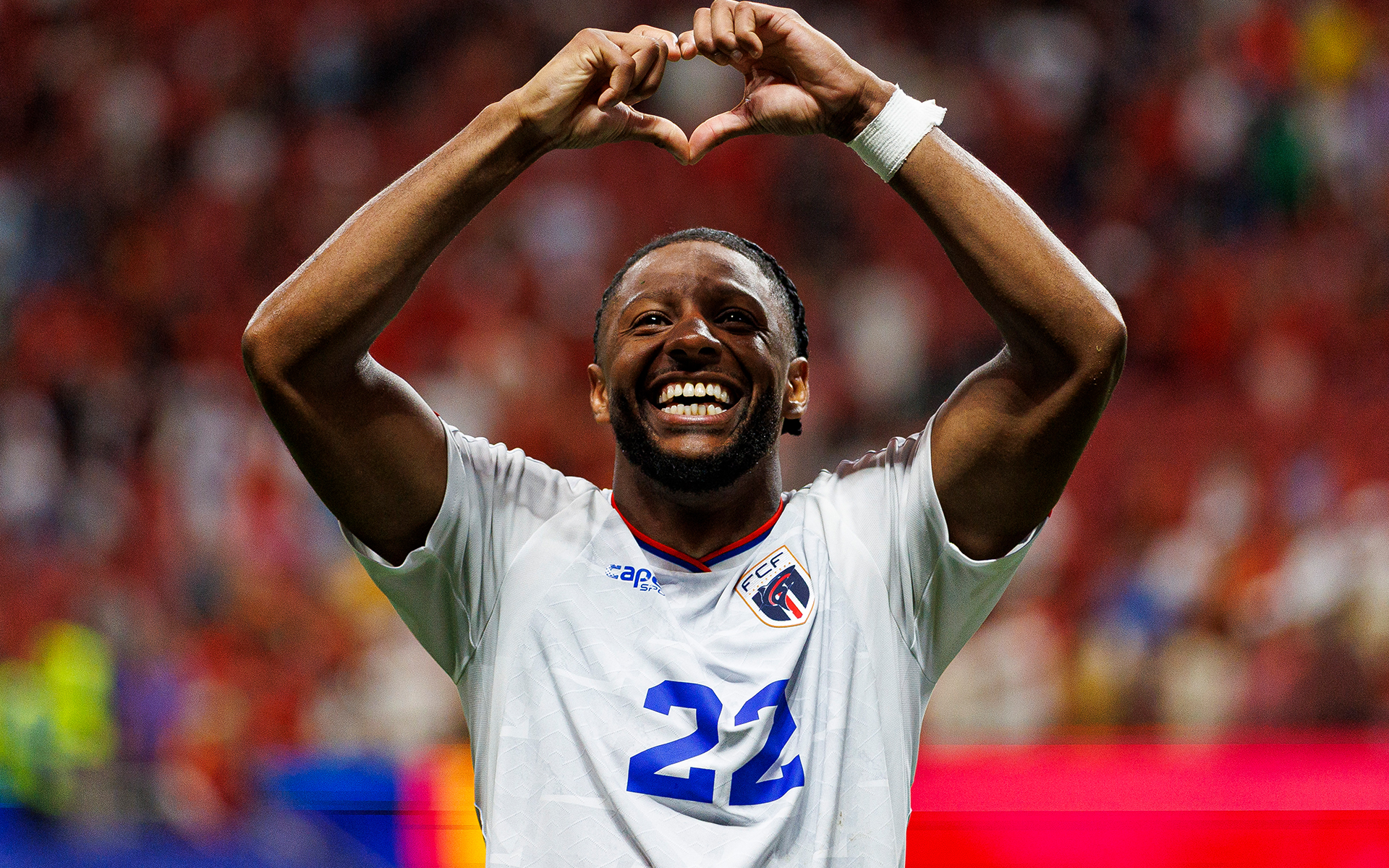
In every block, every clearance, every desperate stretch of a leg, every second Spain spent trying to turn possession into something more meaningful than frustration. And maybe that is what made it so good. This was about discipline, heart, timing and a refusal to let the obvious thing happen. Sure, Spain will probably be fine. That’s what big teams get to do.
Cape Verde, though, gets something rarer and much more memorable: a night that belongs to them. A first World Cup match, a first World Cup point, a goalkeeper in tears, a country seen.
The World Cup can be bloated, strange, exhausting and too much of almost everything at times, but then Cape Verde draw 0-0 with Spain, and for one night it becomes exactly what it is supposed to be.