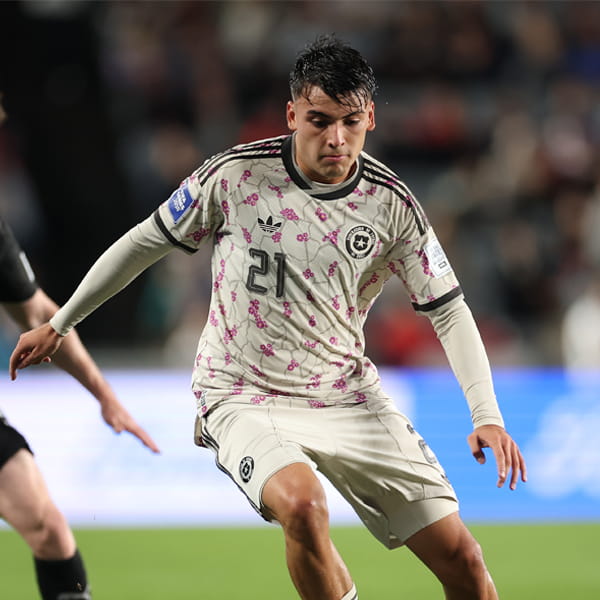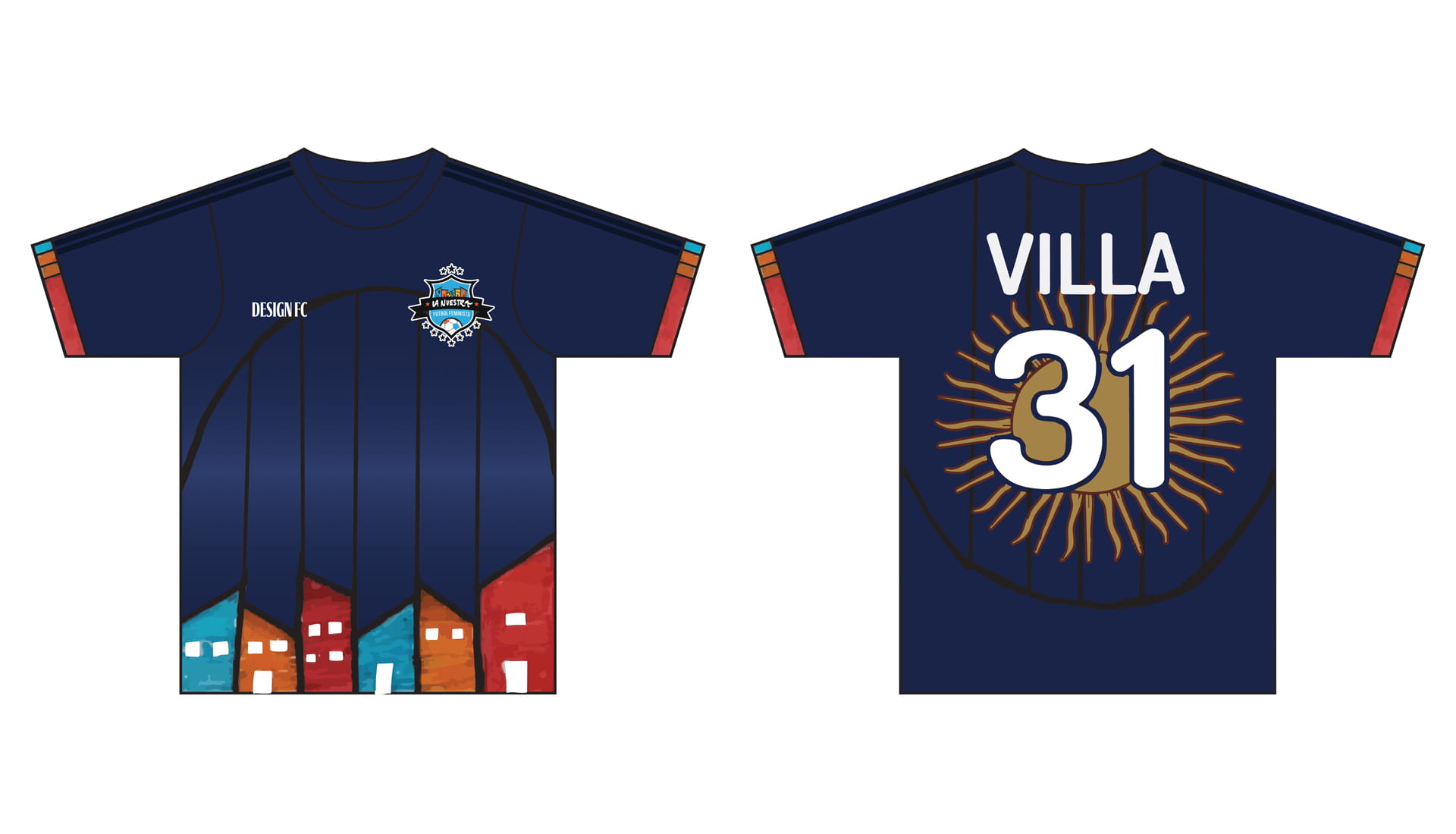
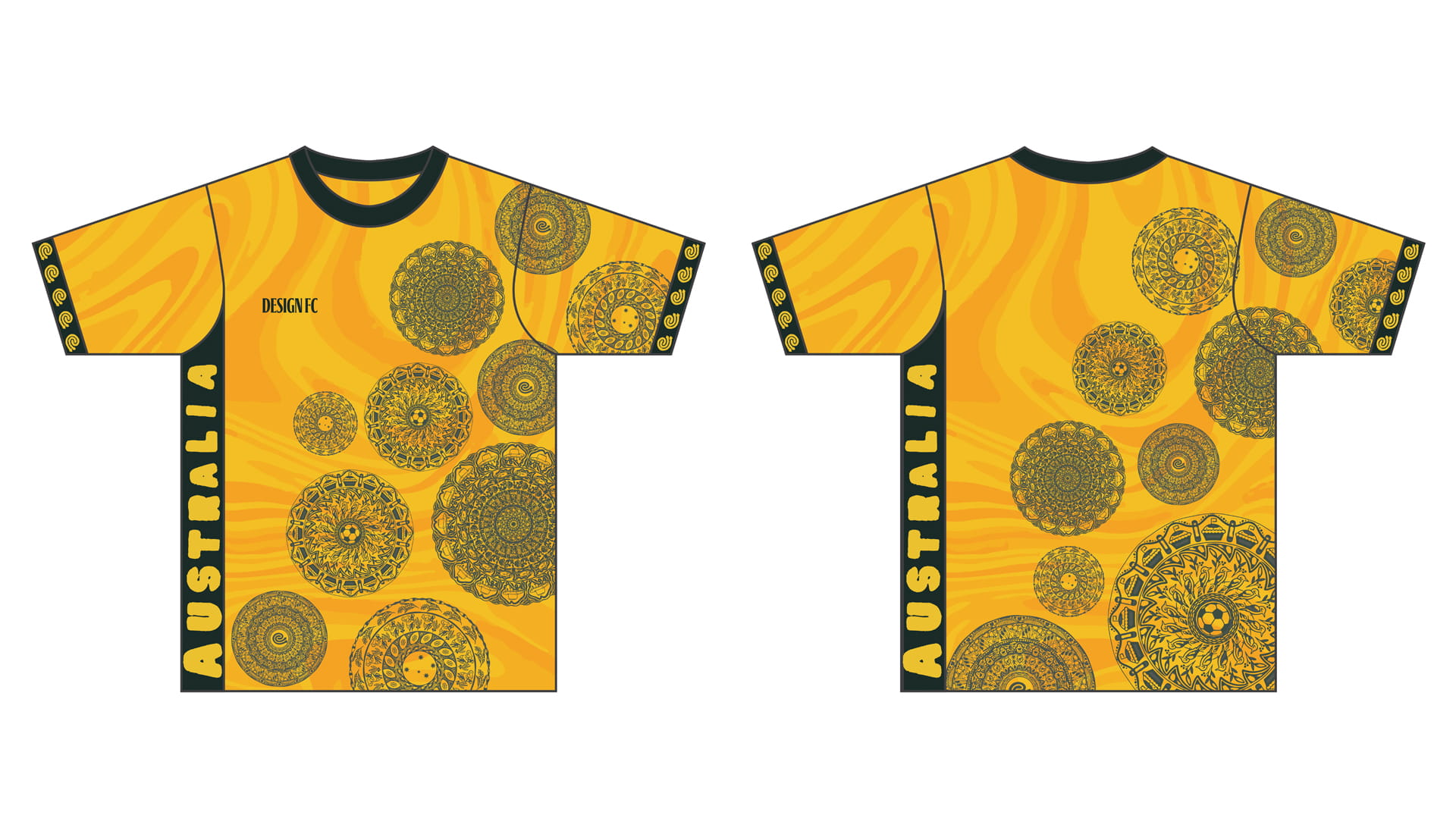
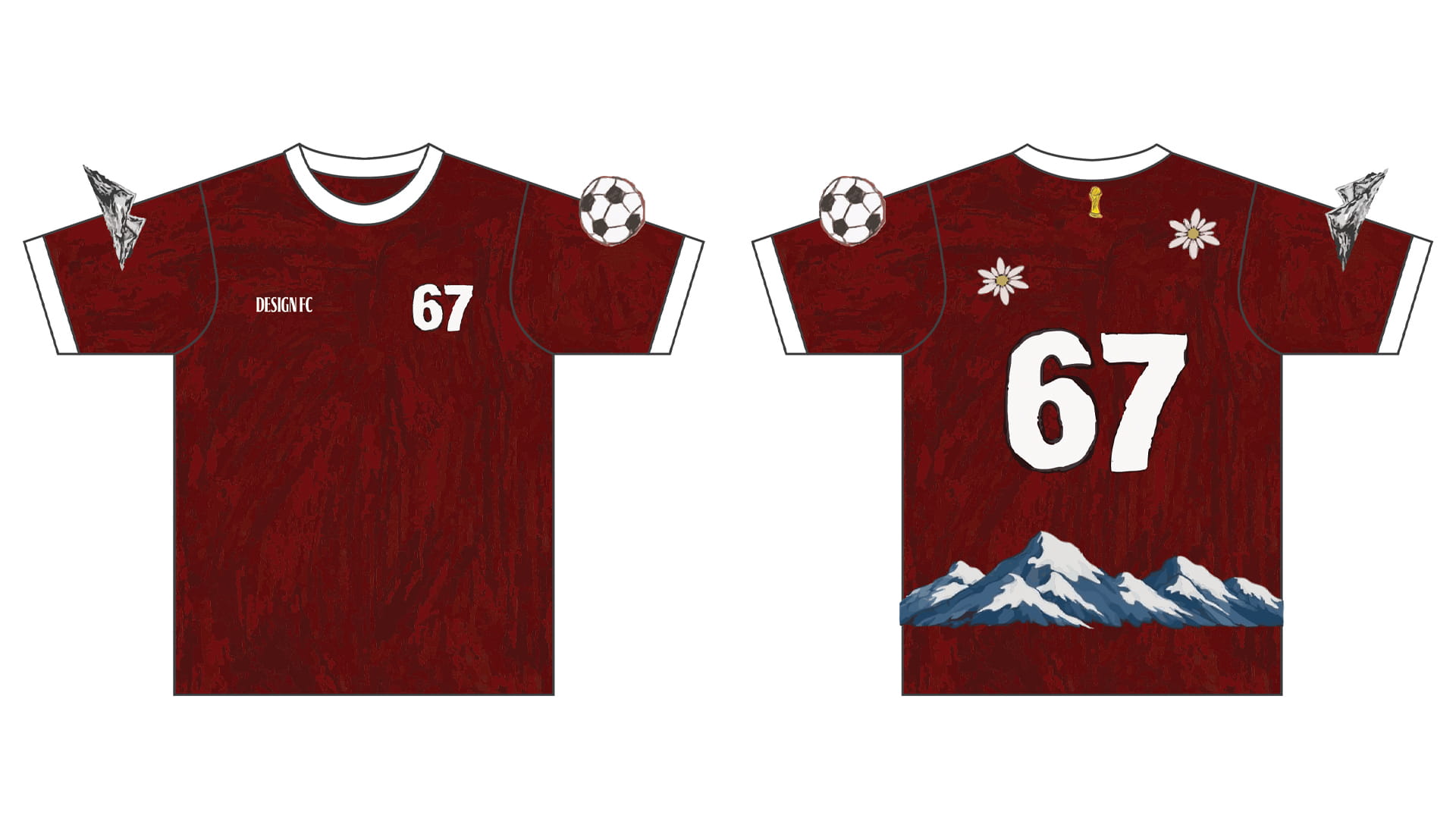
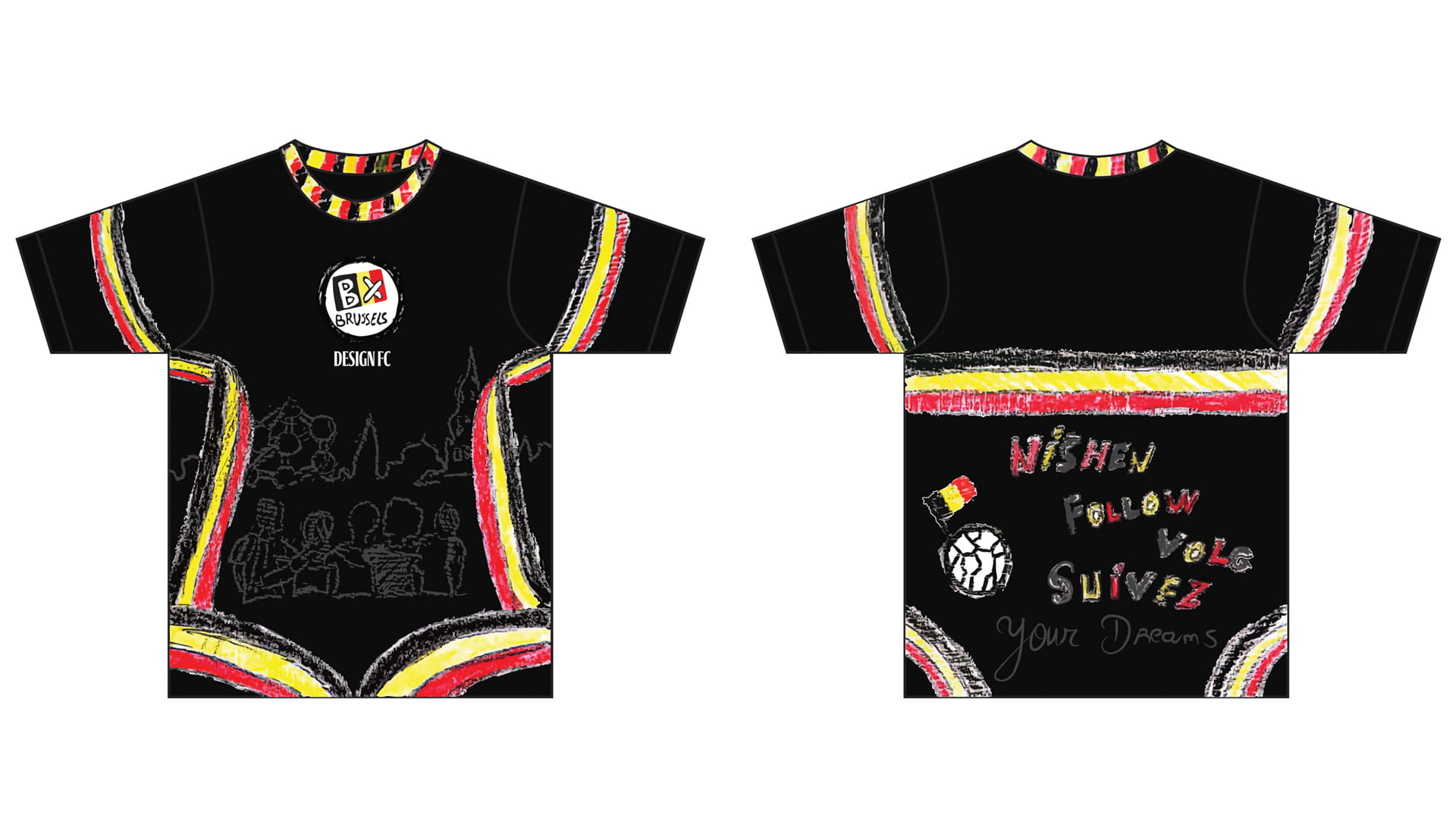
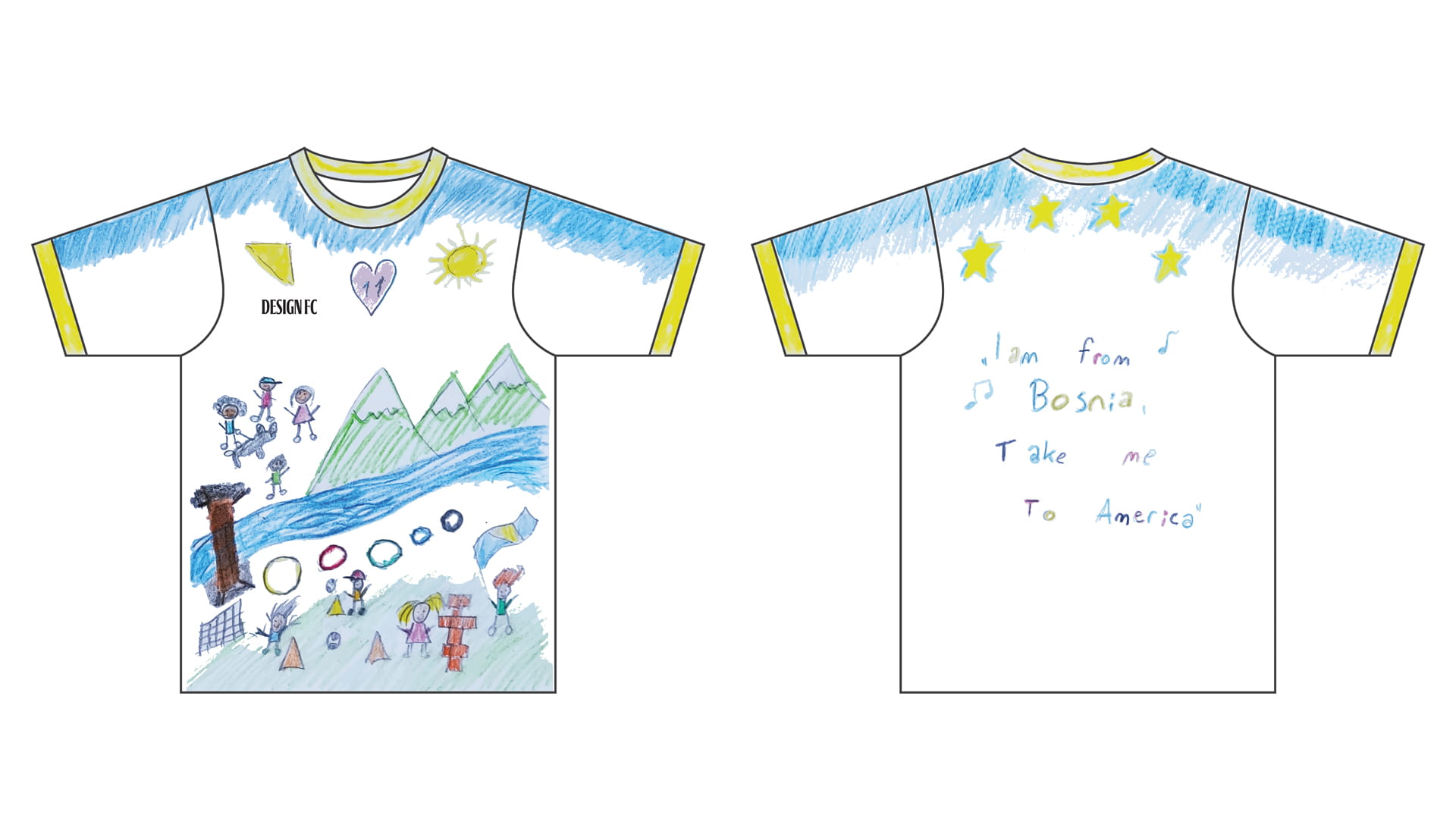
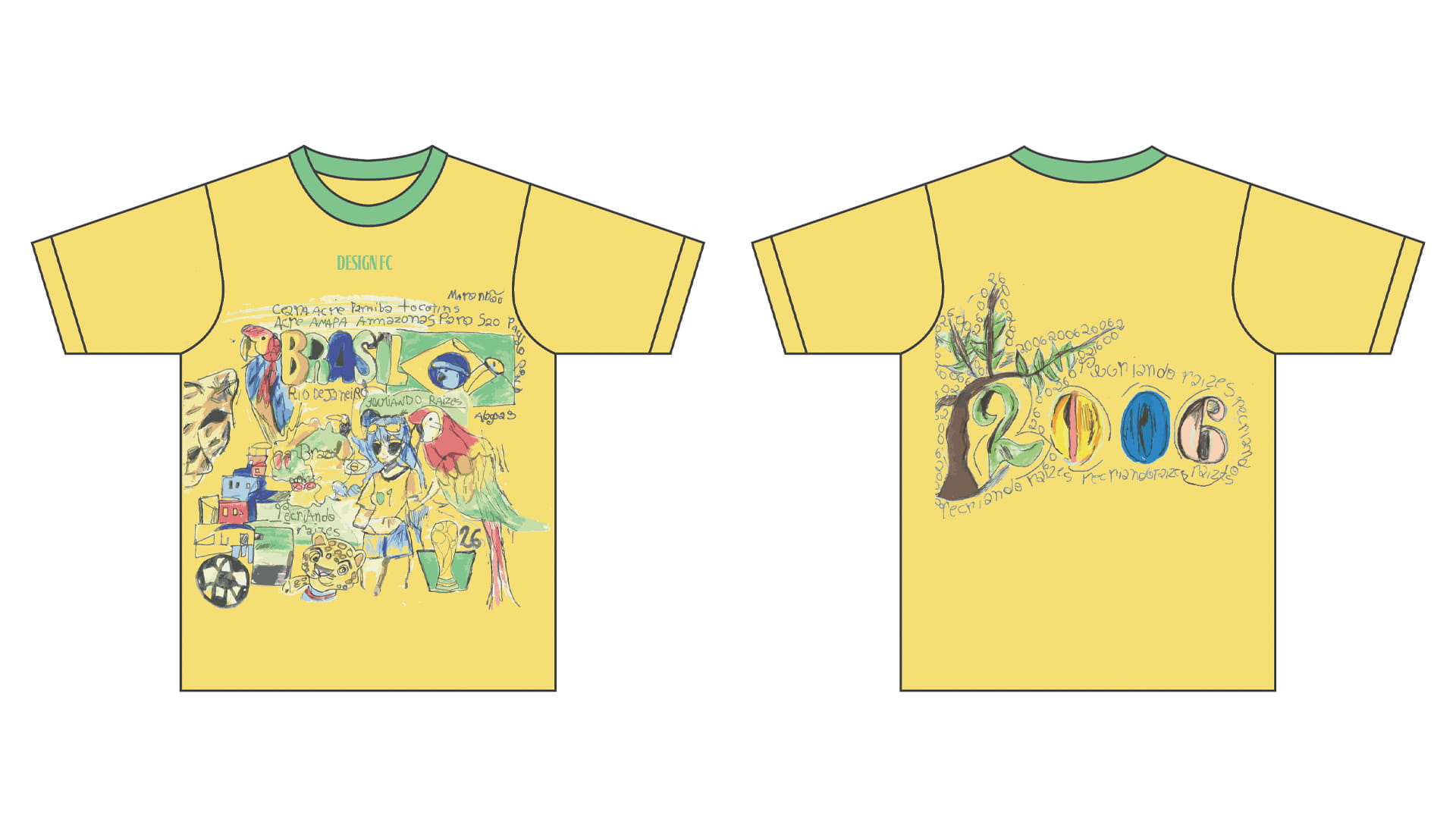
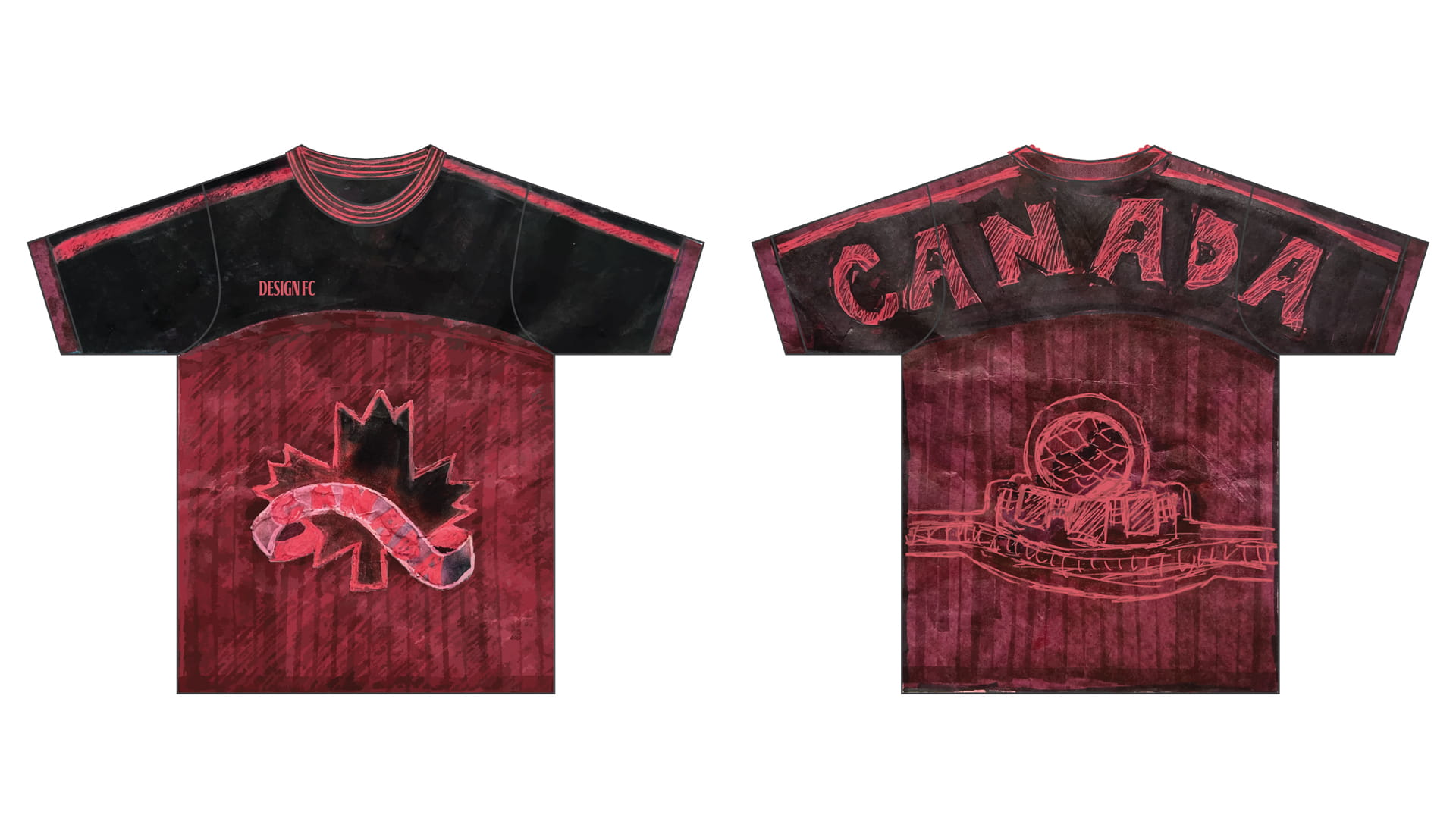
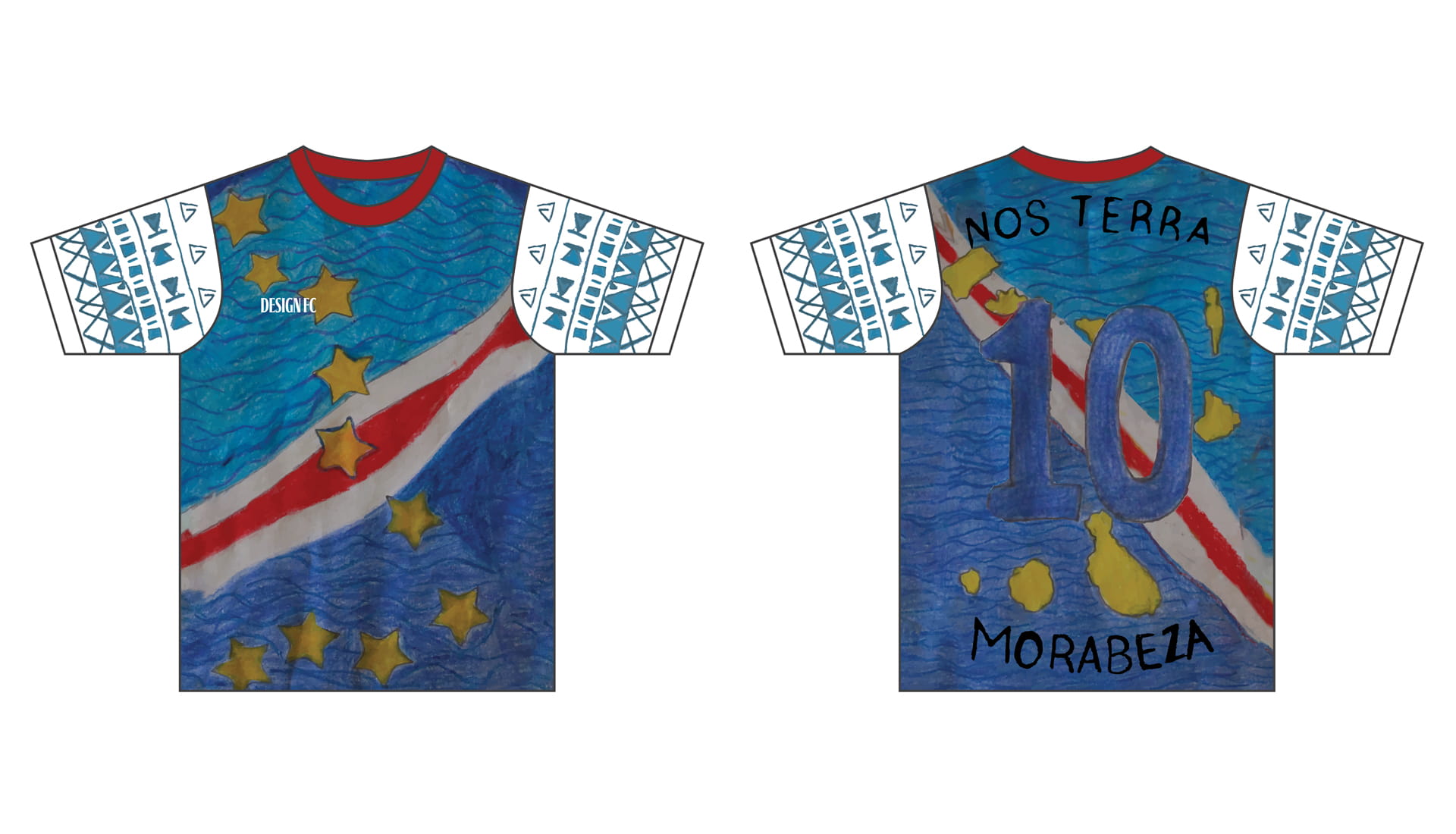
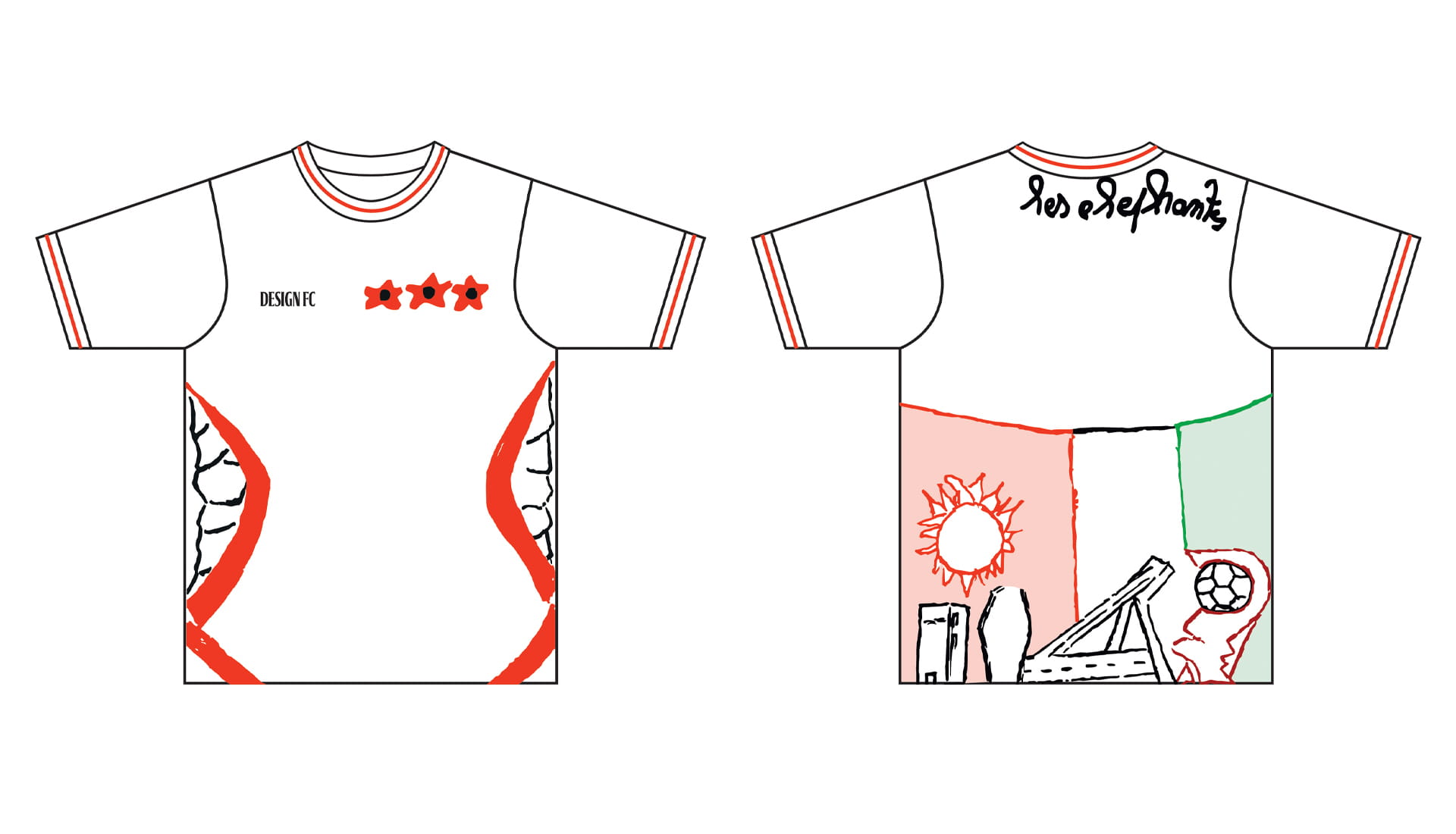
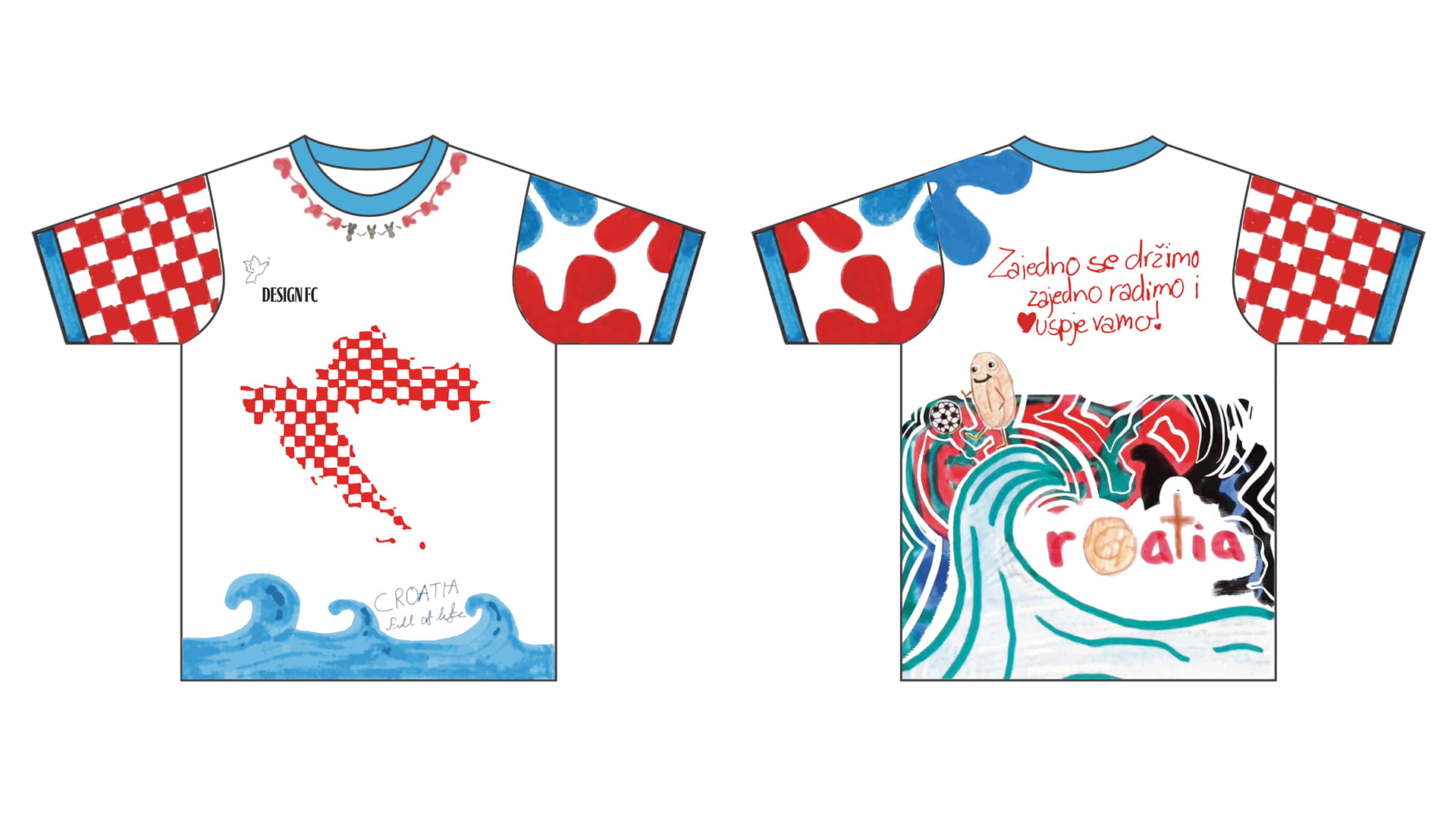
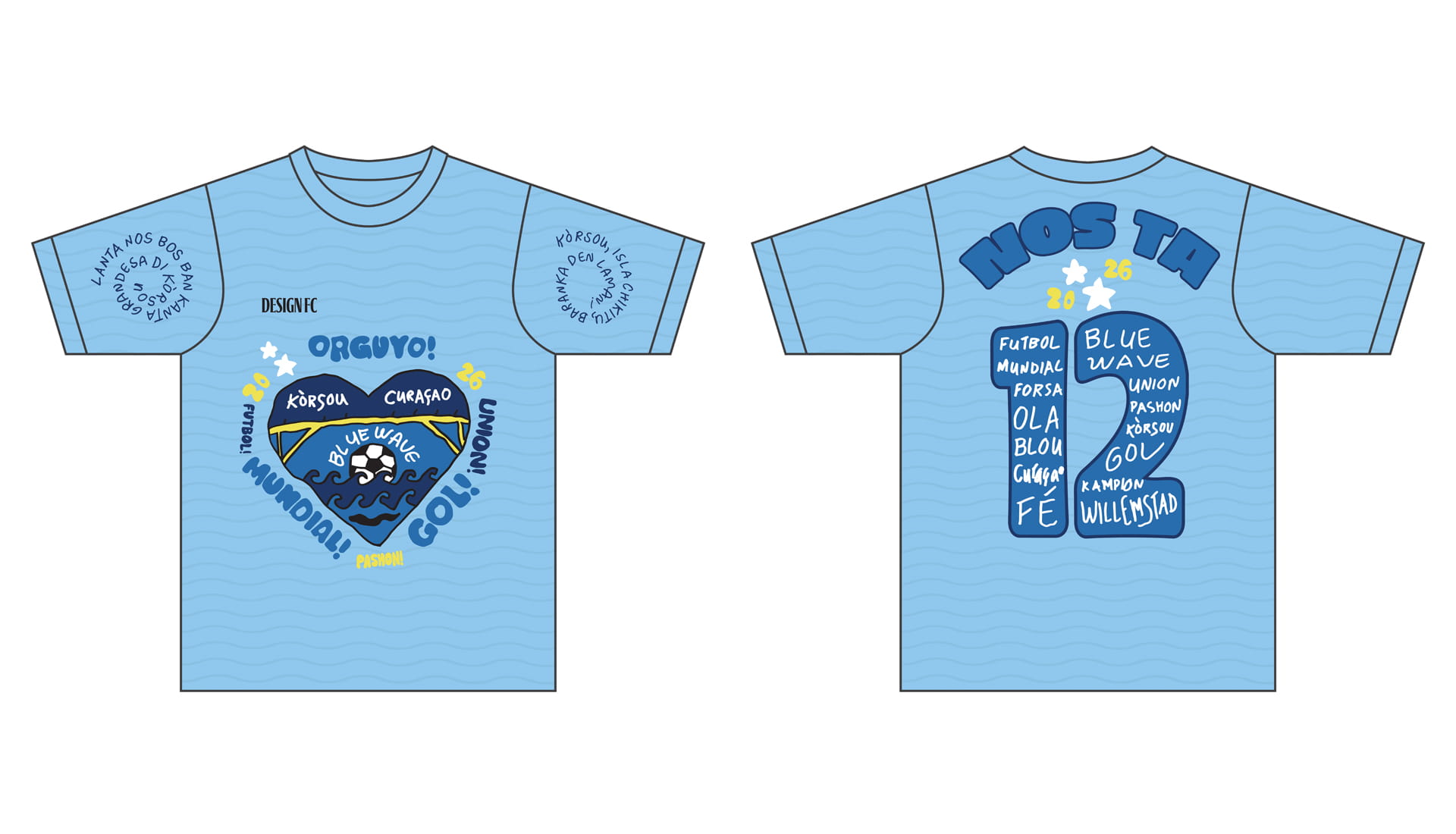
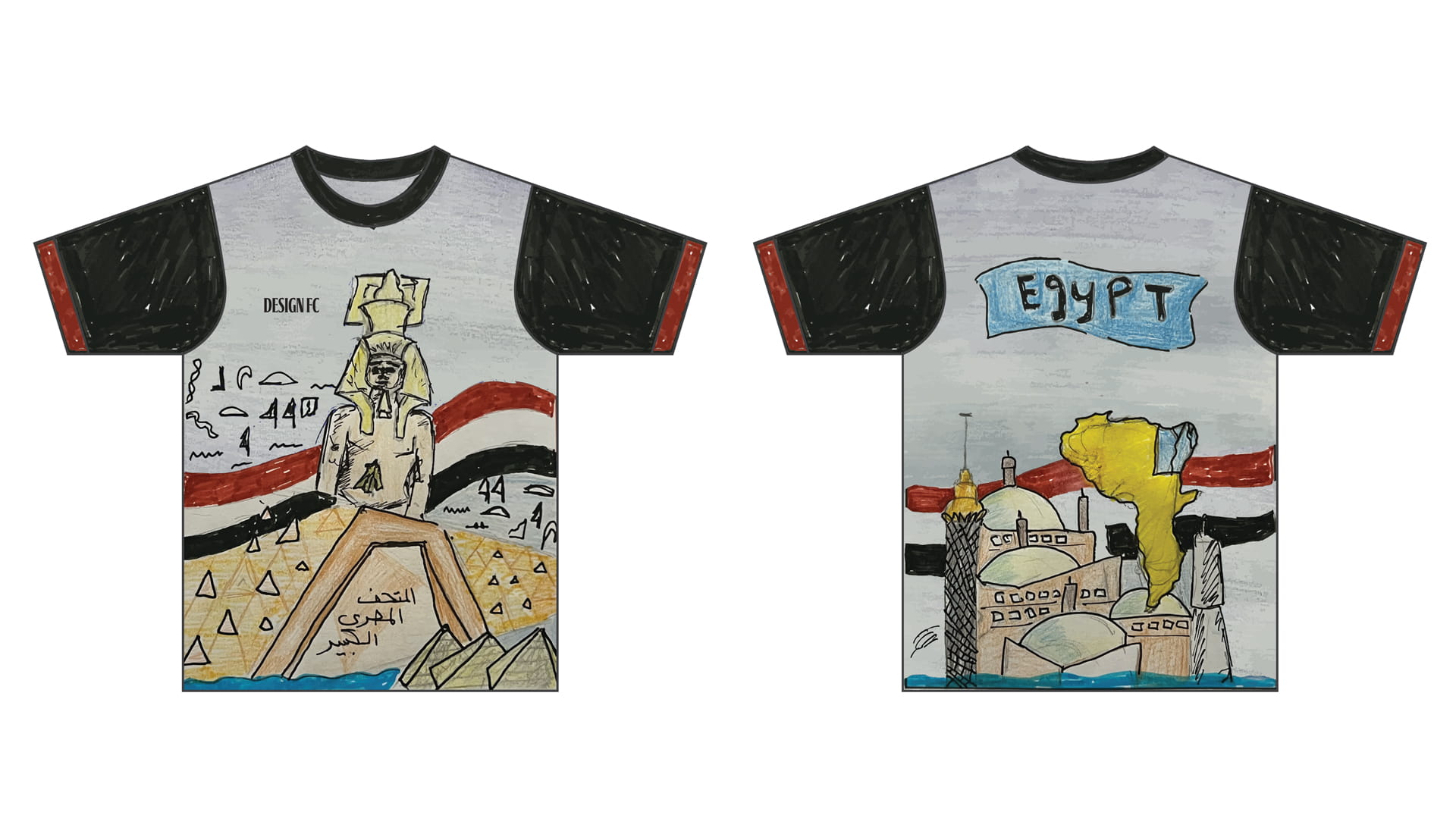
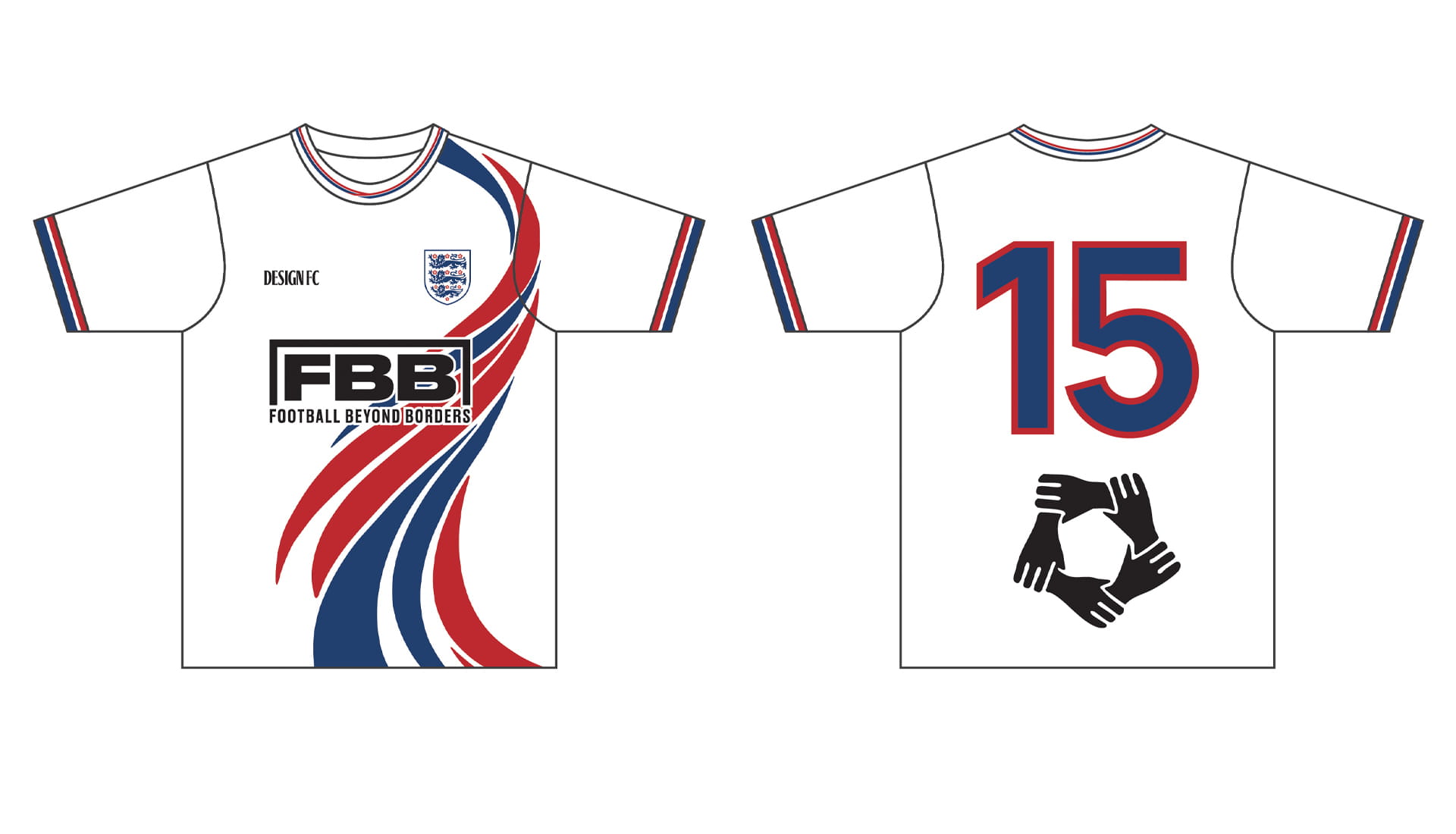
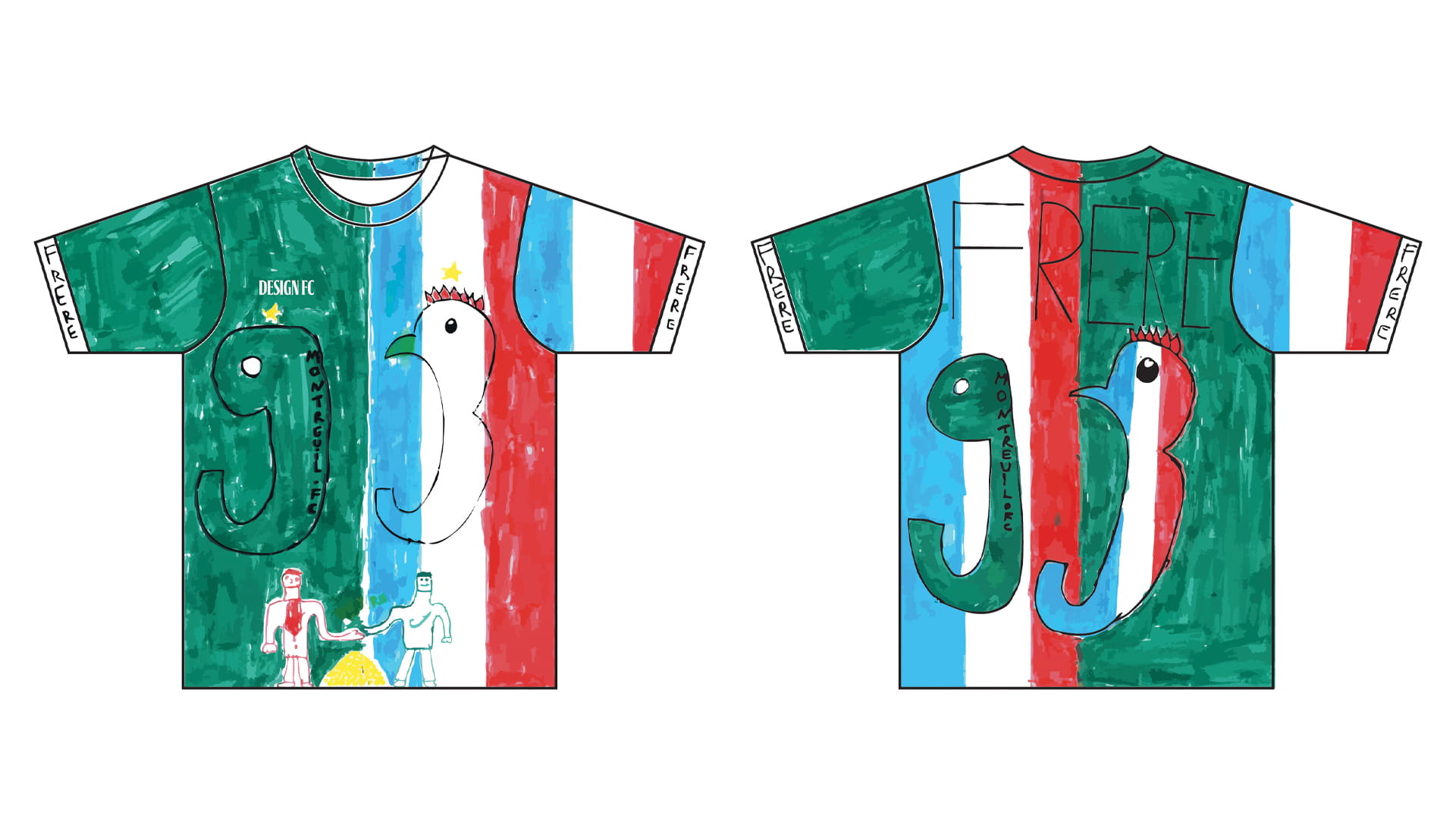
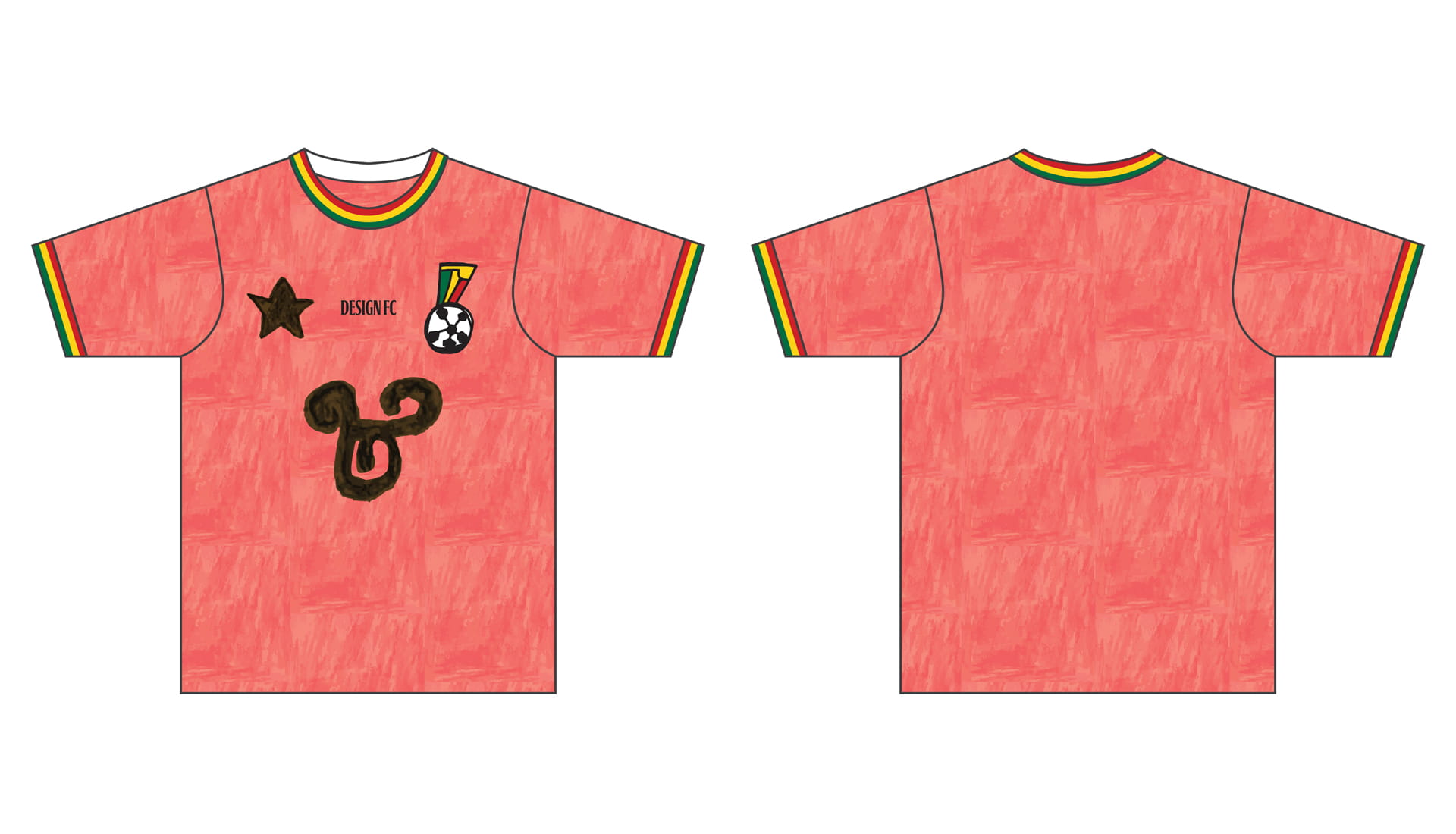
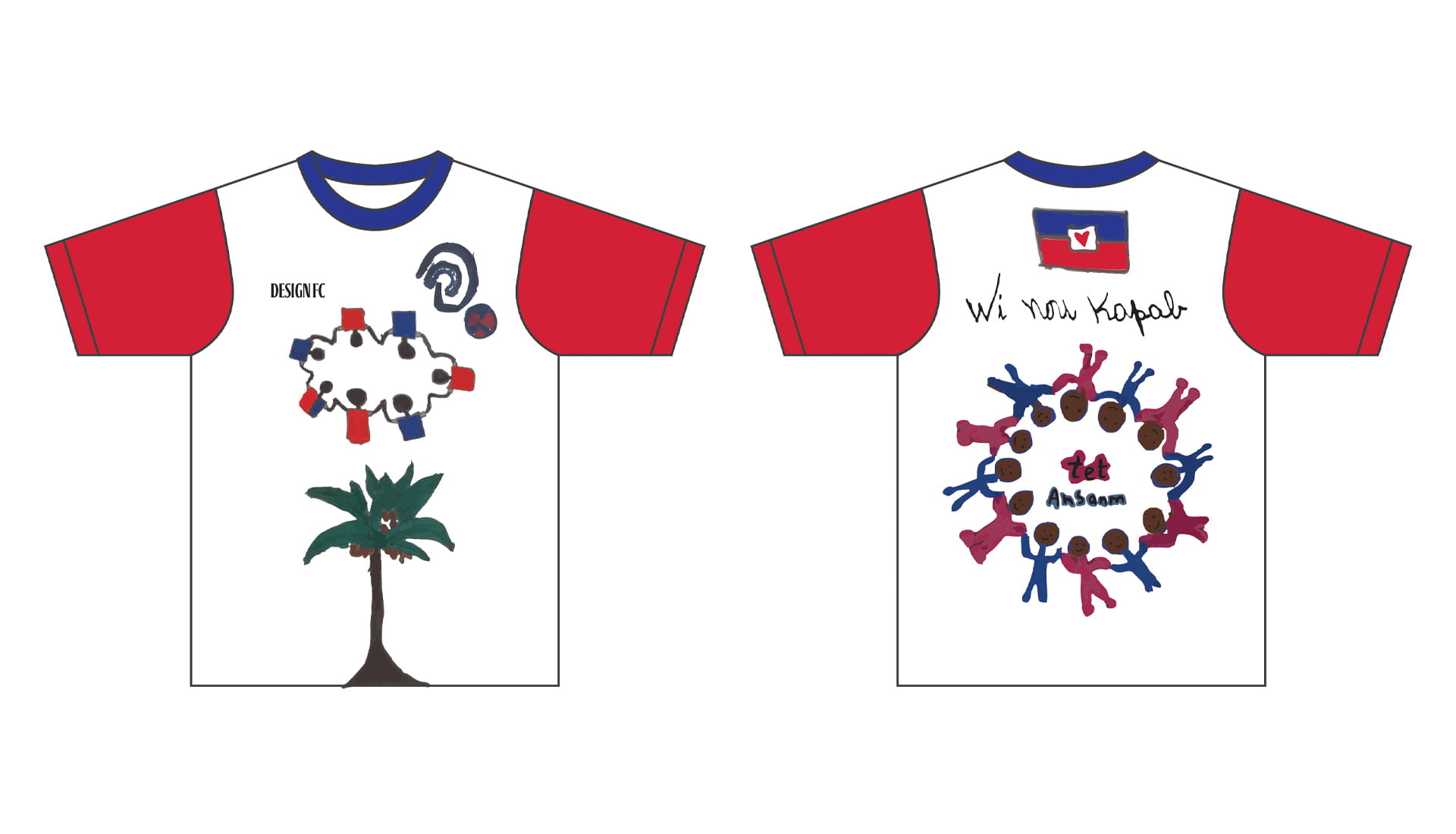
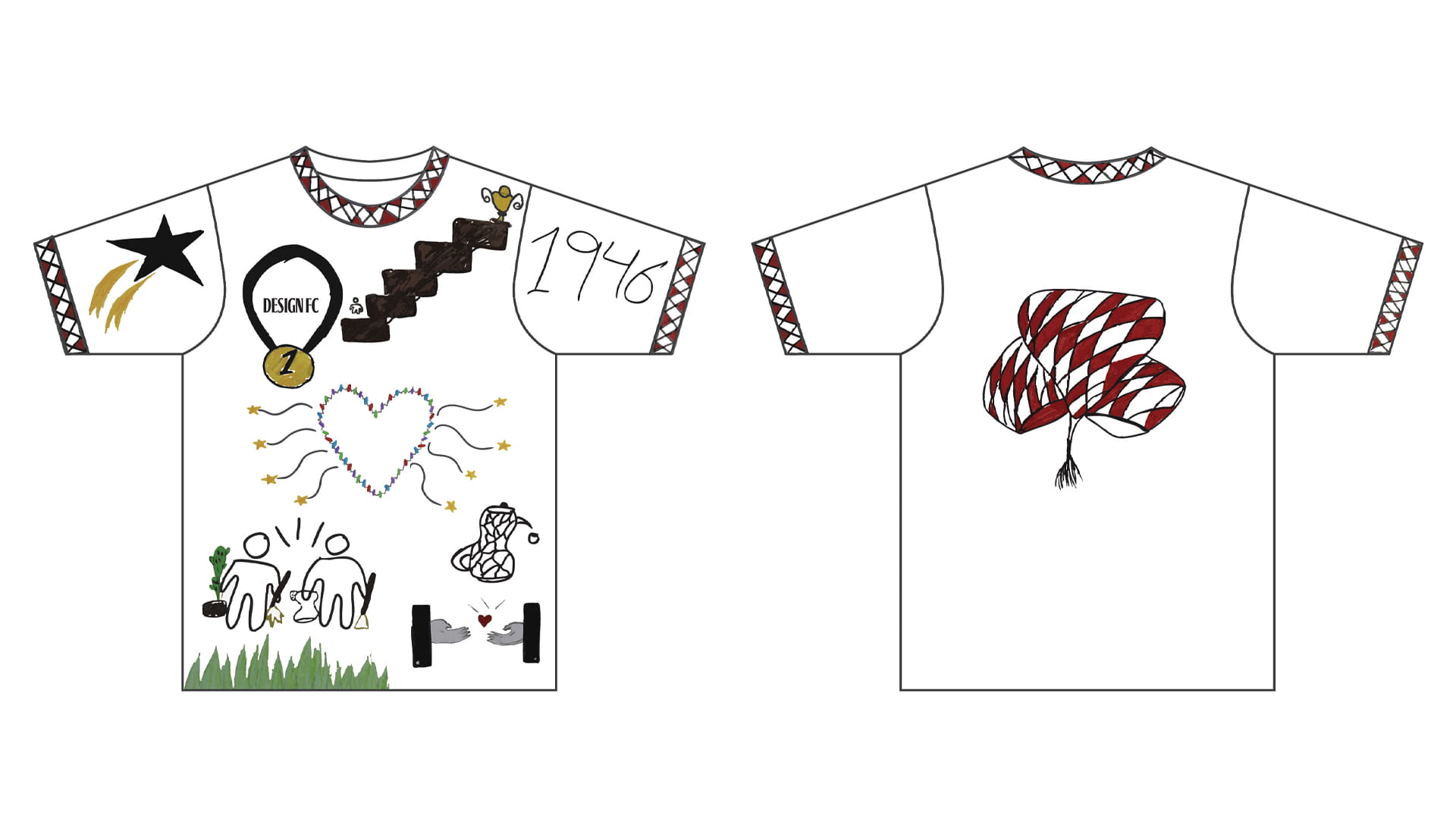
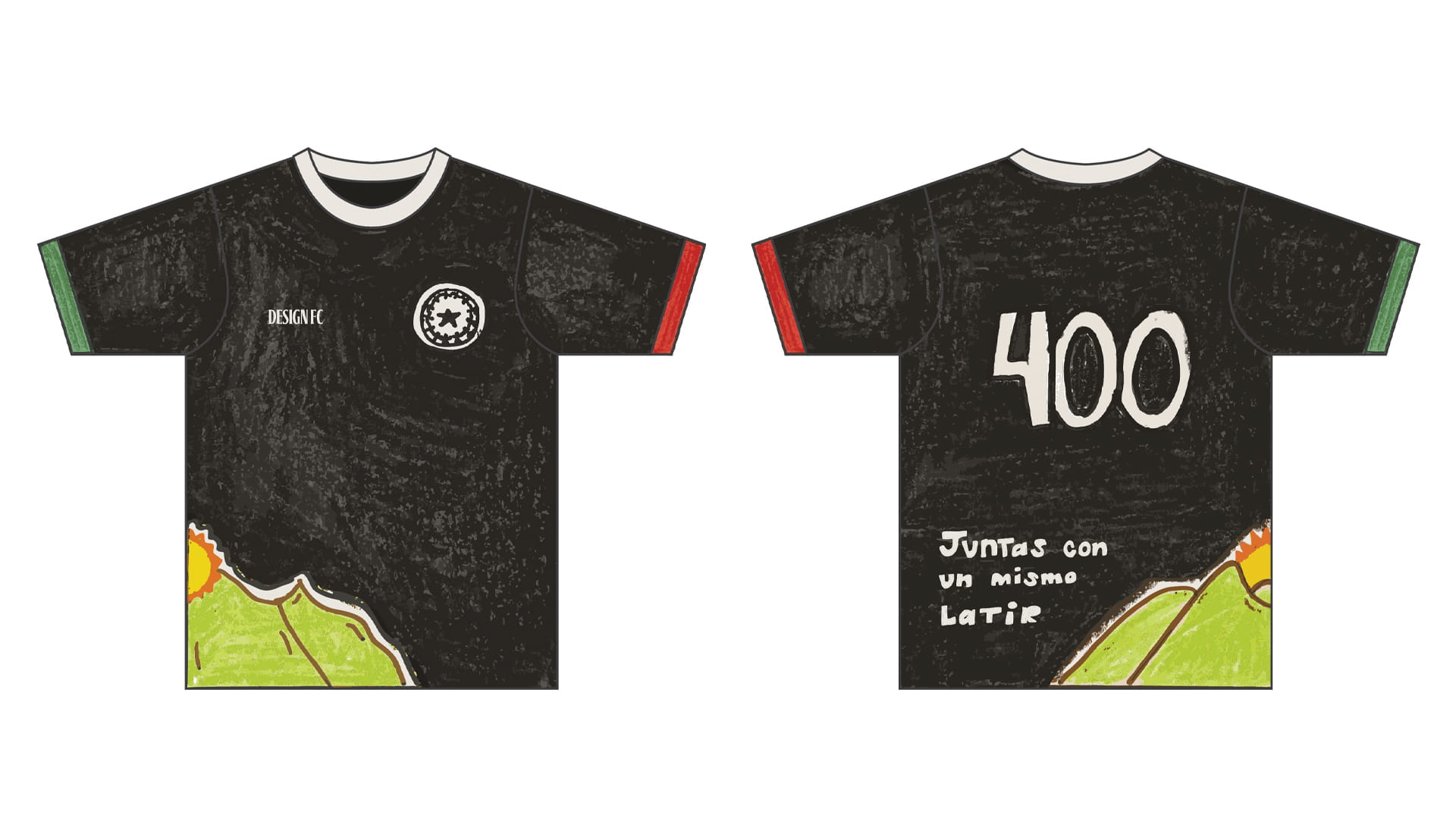
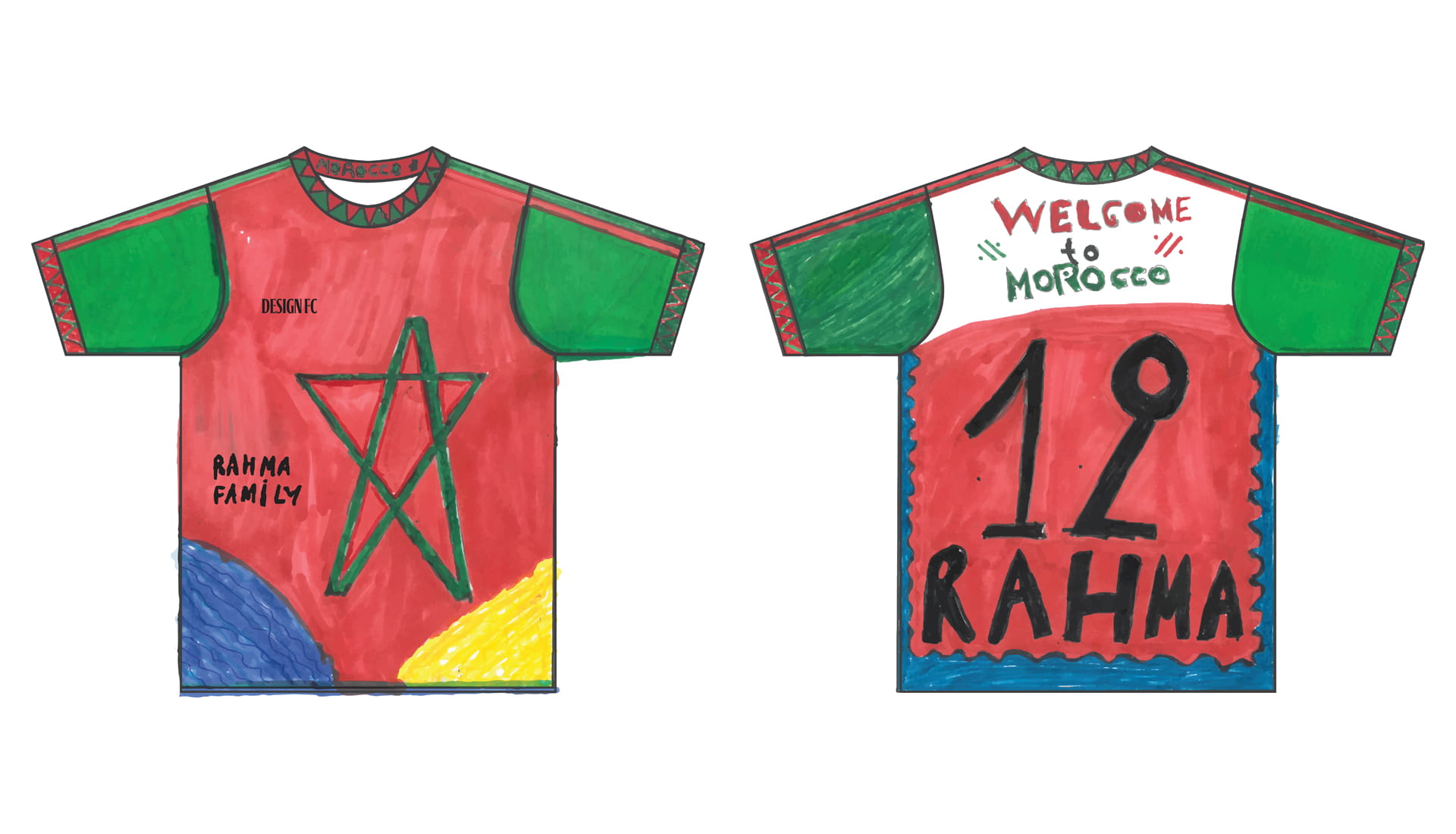
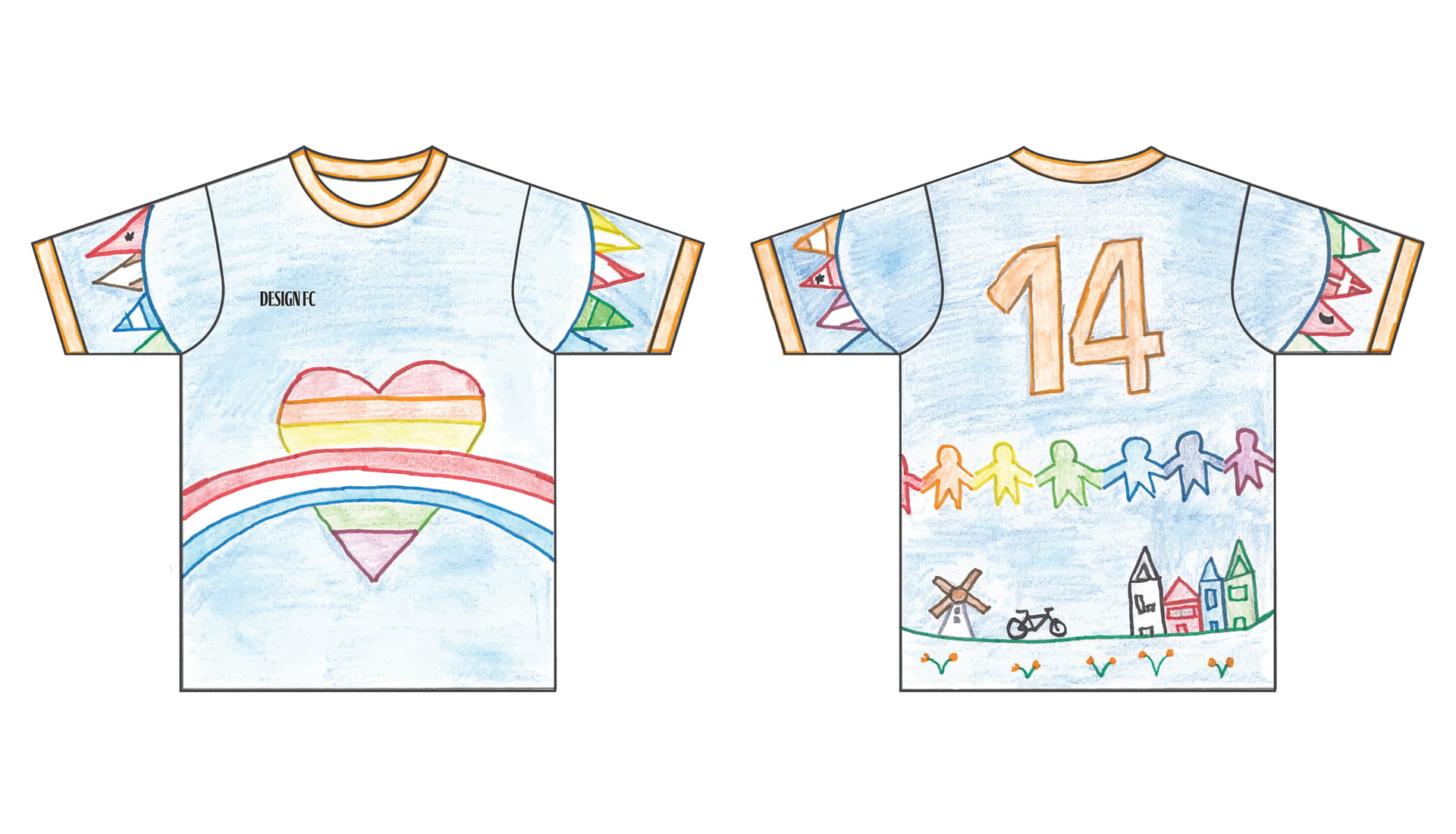
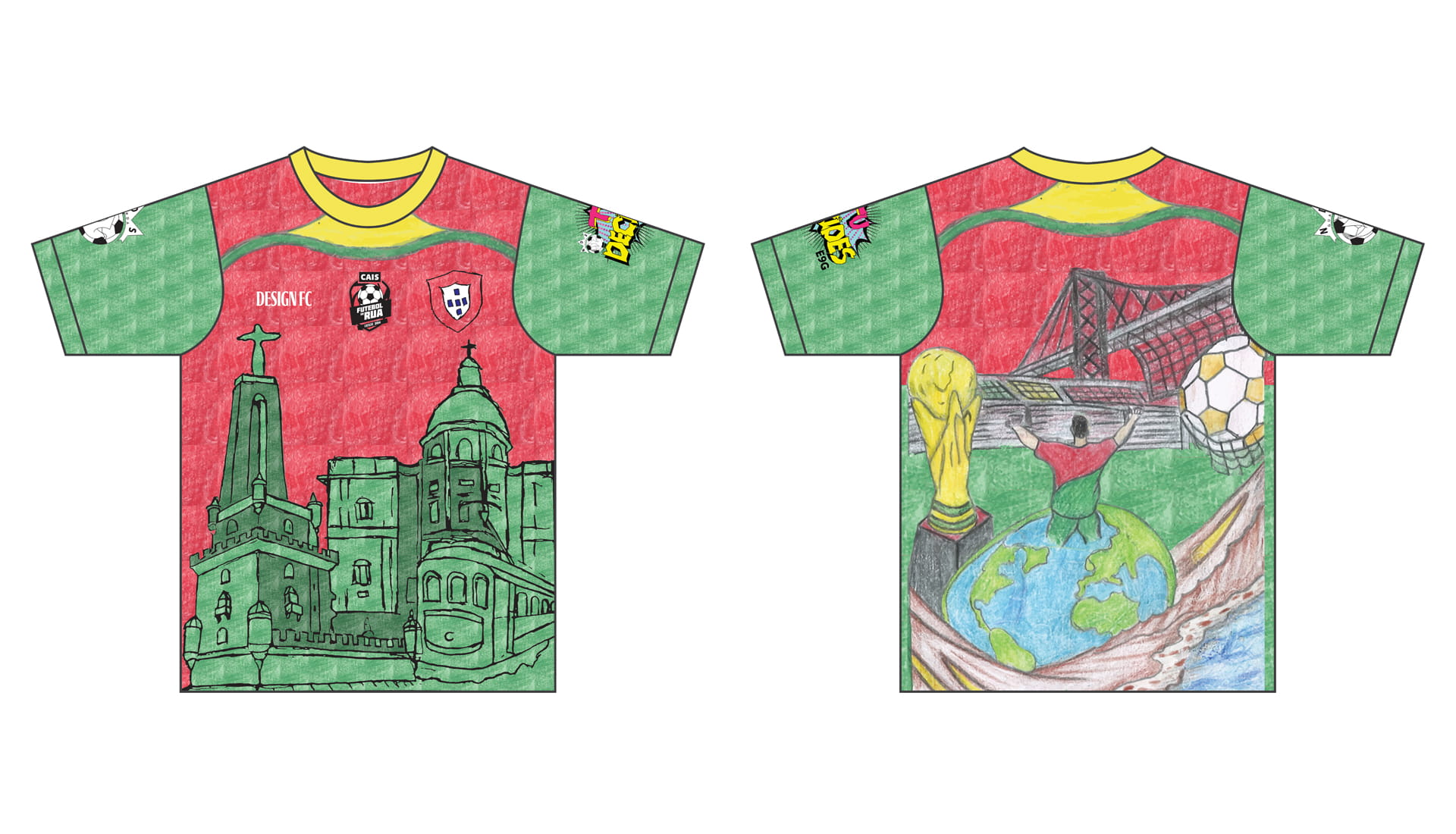
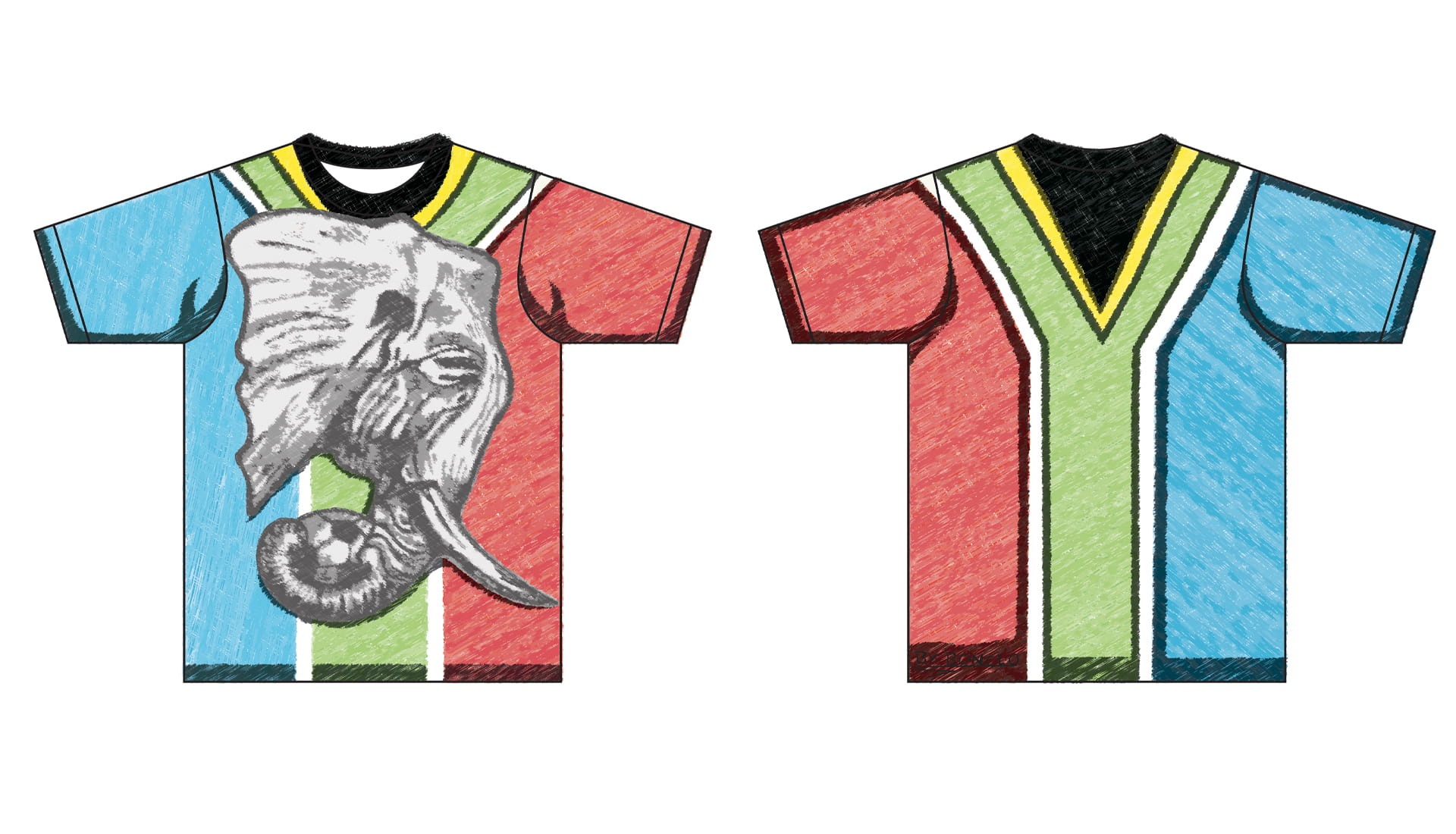
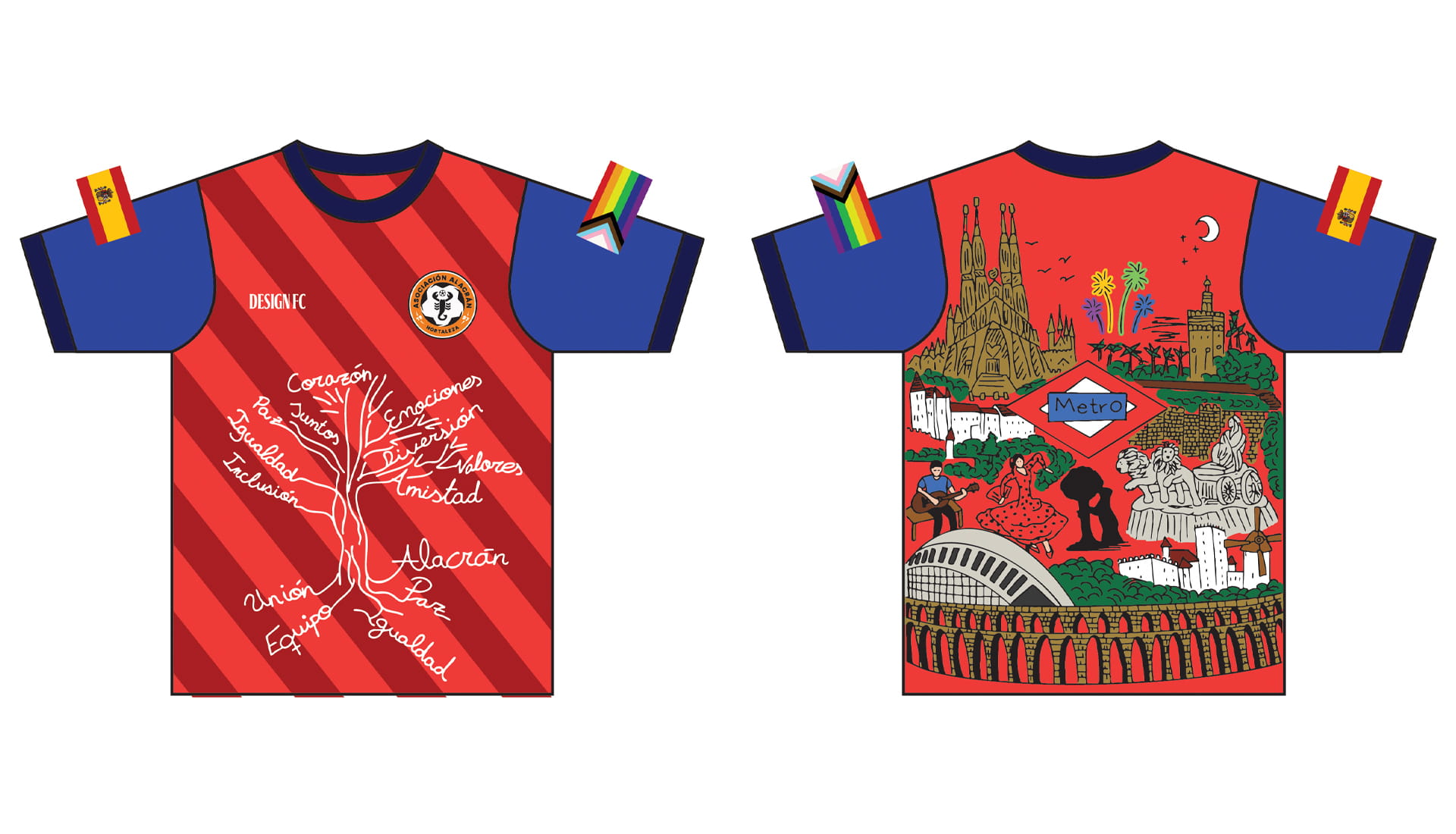
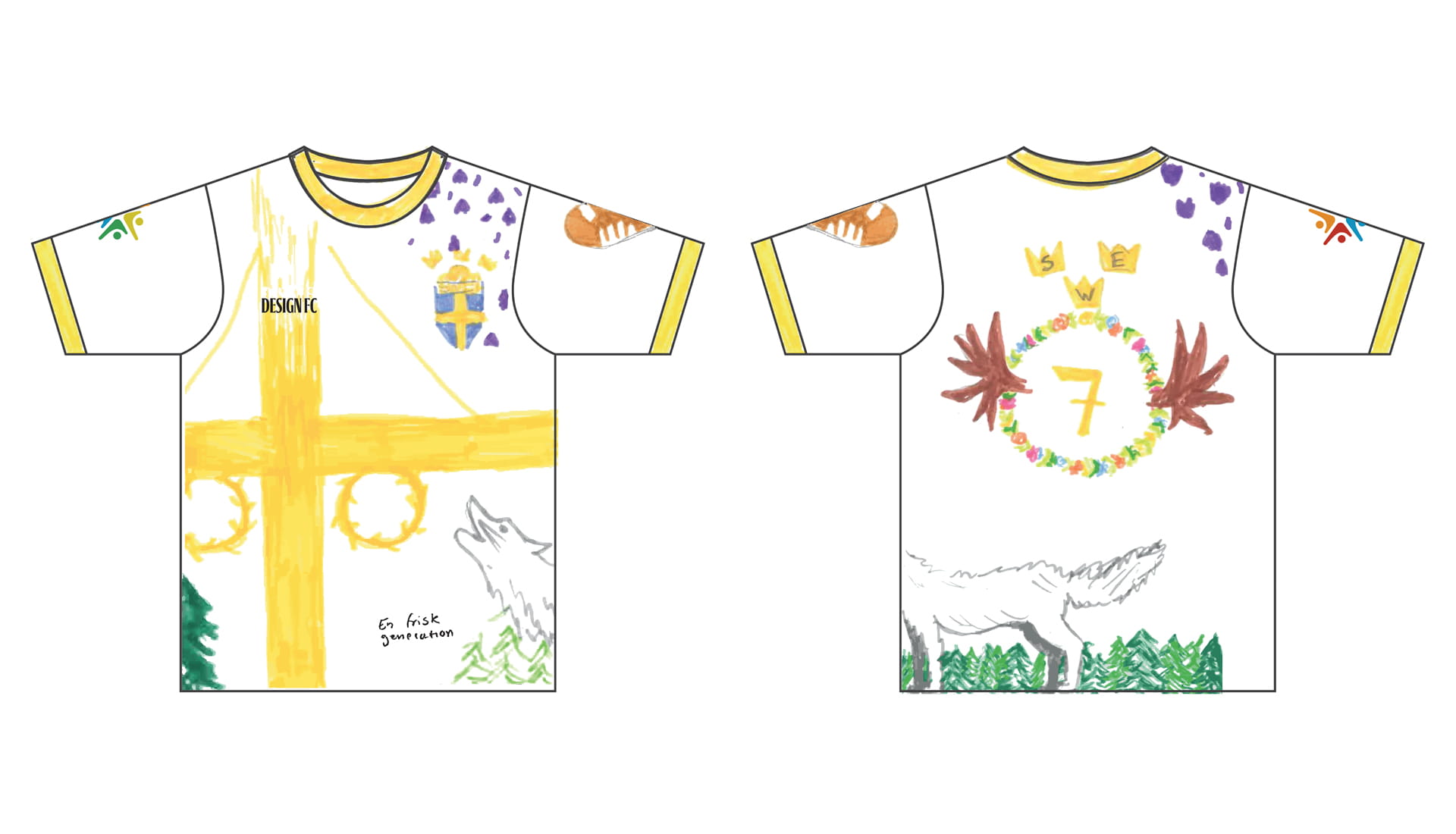
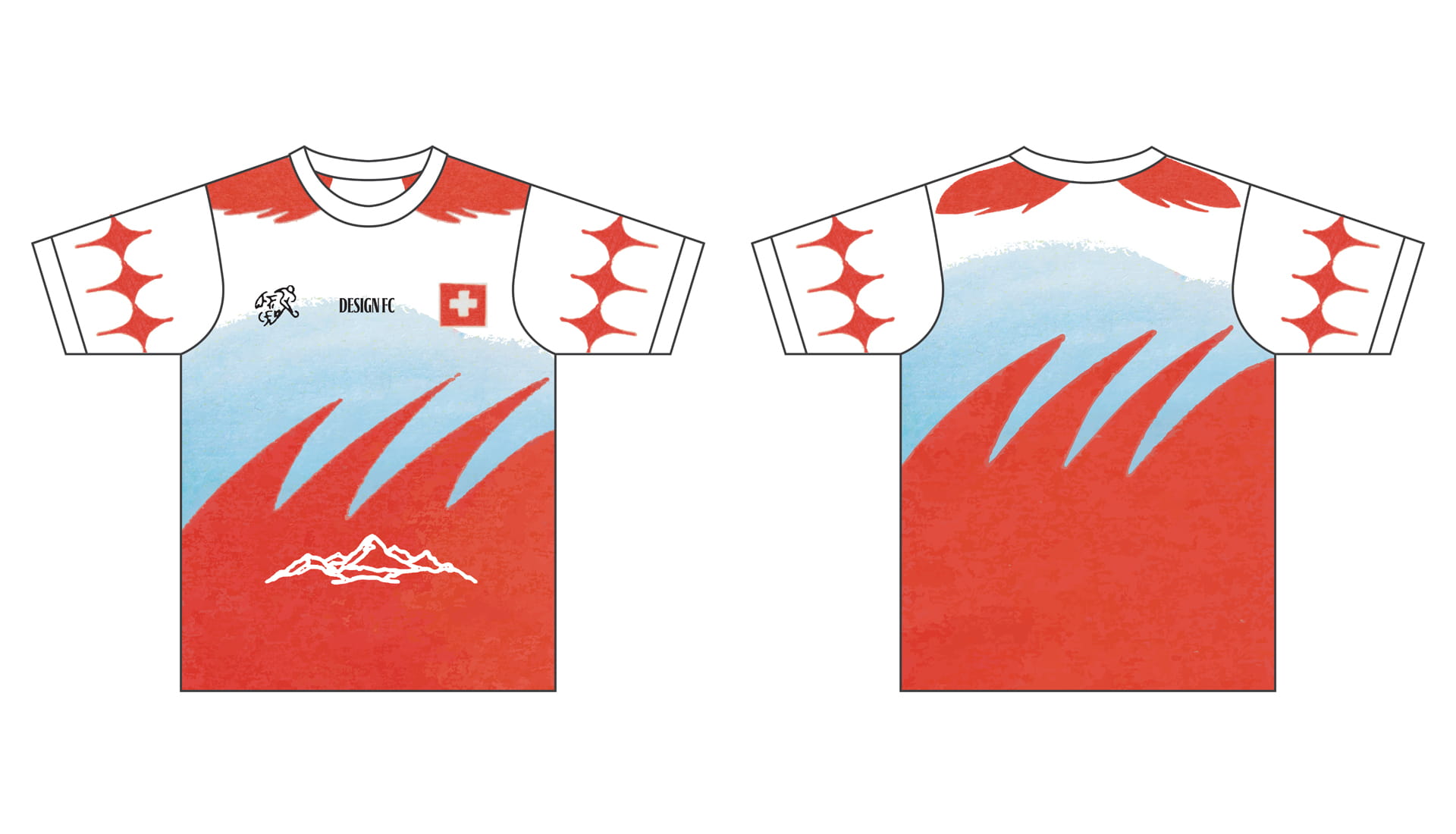
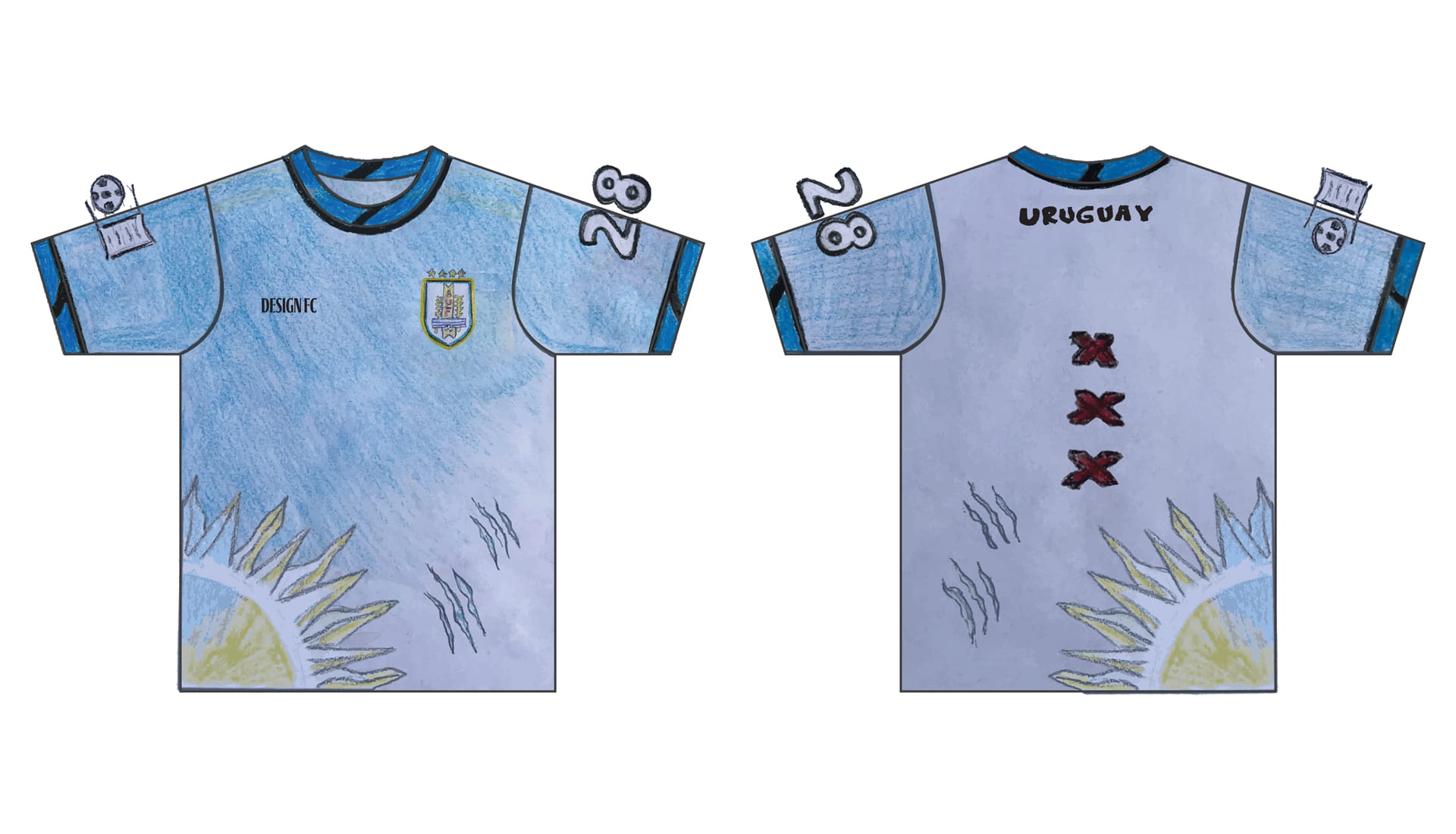
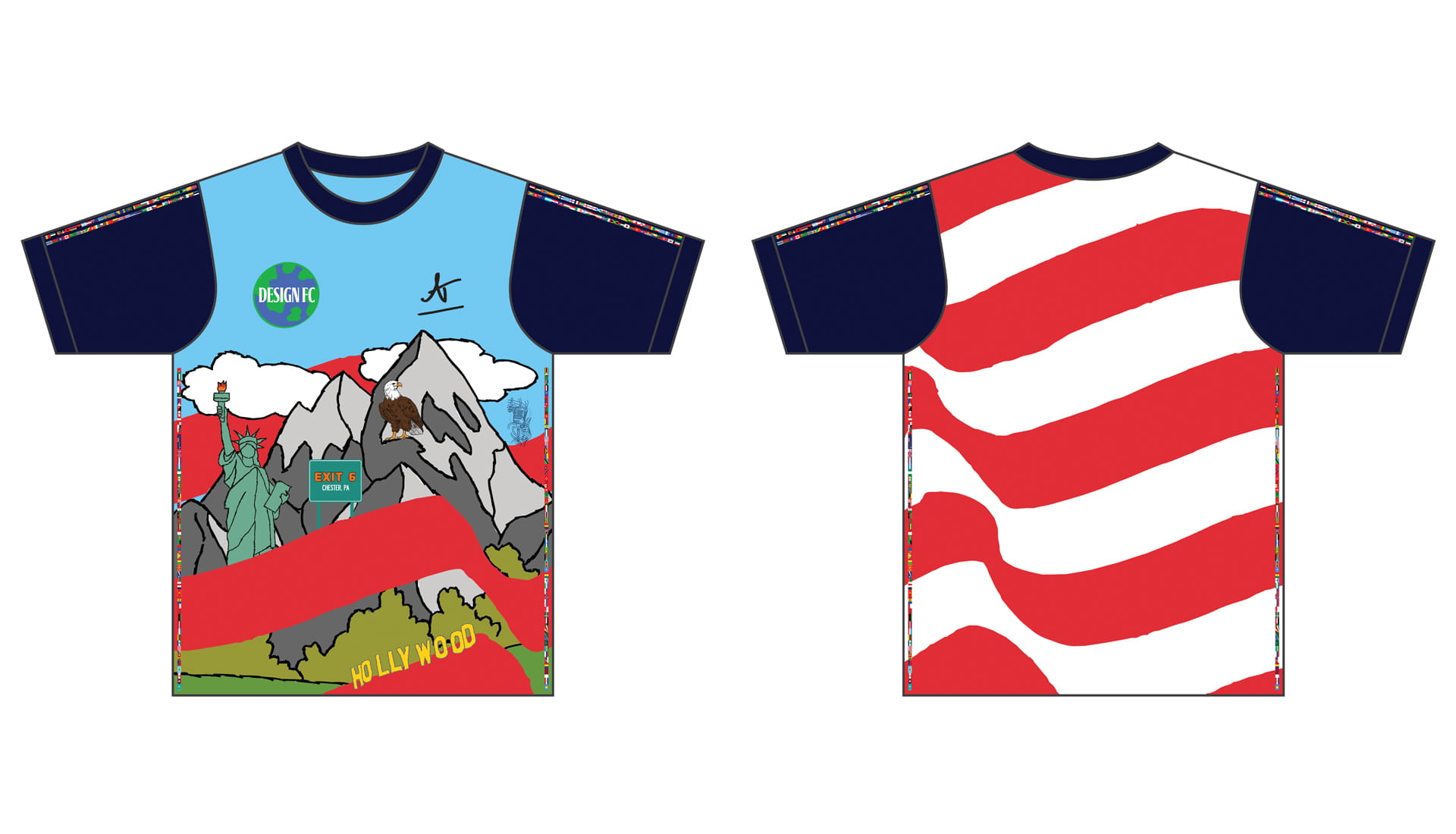
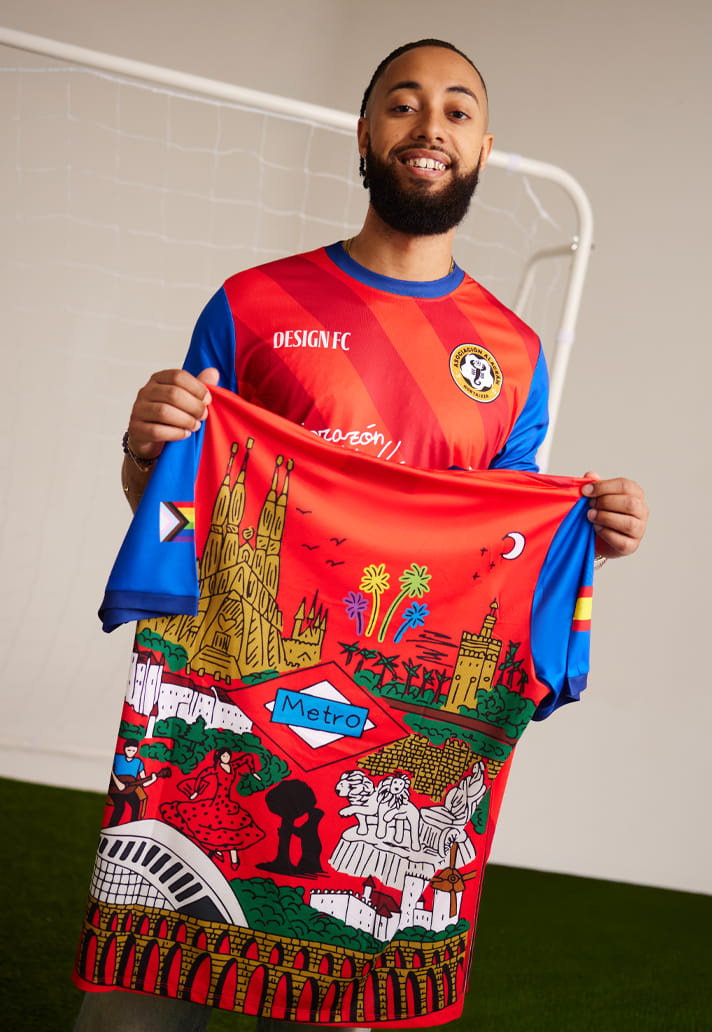
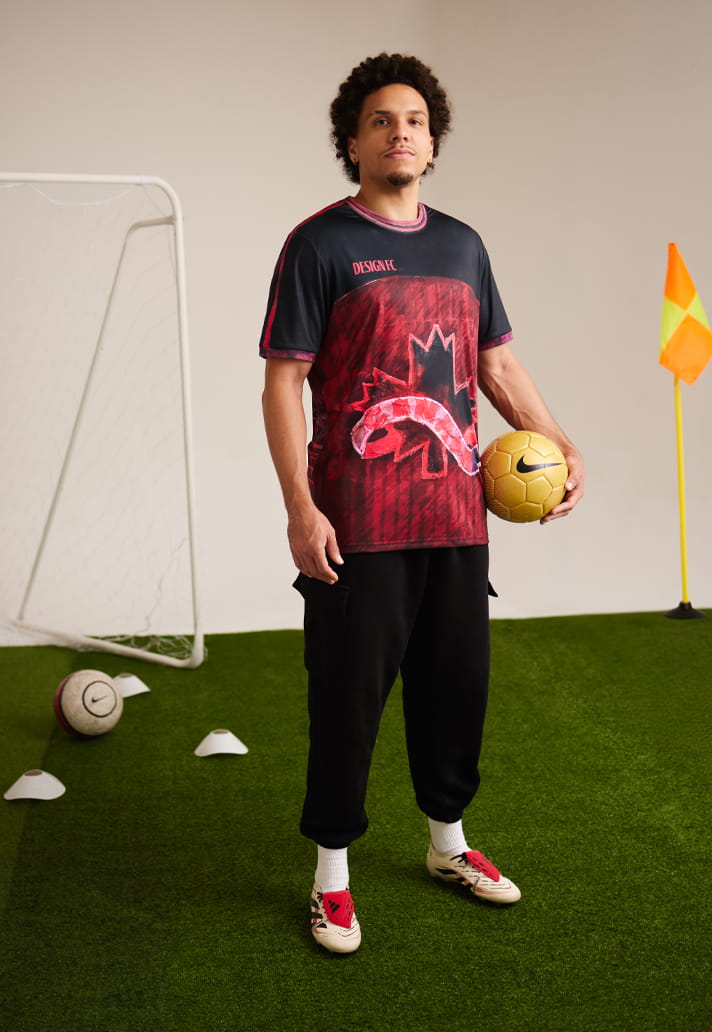
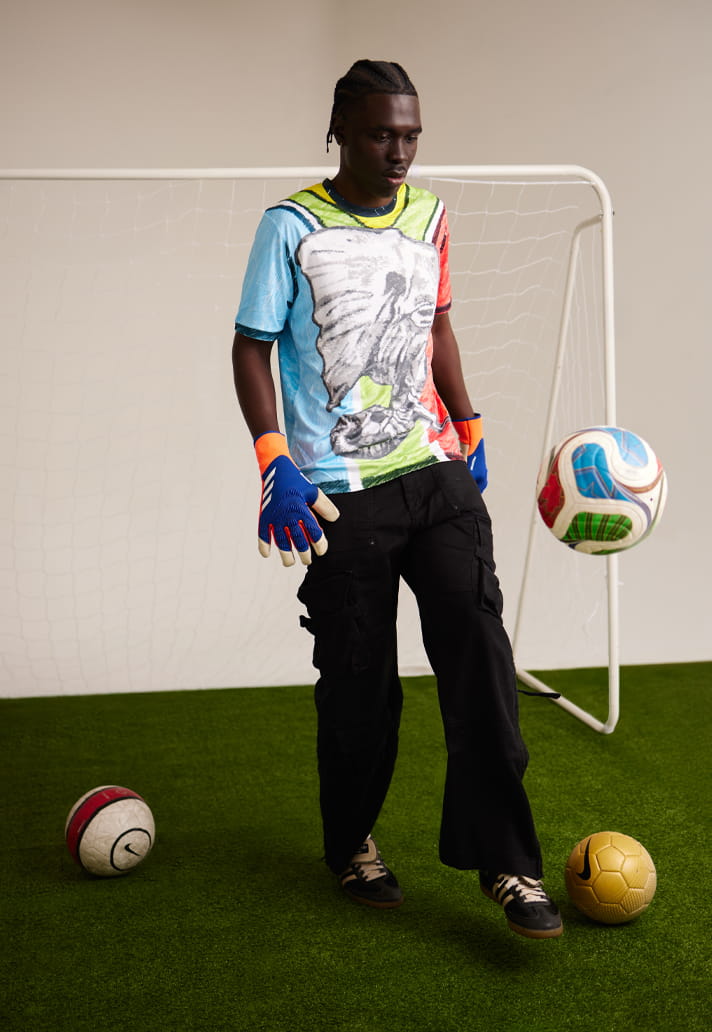
Amid the spectacle and intensity of the World Cup, it’s often the quieter creative stories that leave a lasting impression. One such project comes from Design FC, whose Youth Creative Collective offers a fresh, youth-led take on international identity, reimagining football jerseys through the eyes of the next generation.
In amongst the beautifully chaotic noise of the World Cup, it’s always refreshing to uncover smaller stories – ones that may sit outside the spotlight, but still carry real weight within creative soccer culture. That’s exactly what I found in the Youth Creative Collective World Cup 2026 collection, a project from design non-profit and youth-driven brand, Design FC.
With the tournament now in full swing, nations are battling through the group stages across stadiums in Mexico, the USA and Canada, each stepping out in kits created by the biggest brands in world sport. Designs crafted to be instantly recognisable and steeped in national identity.
But these kits ultimately represent how brands and football associations choose to define that identity. The question is: how do fans see it? More specifically, how does the younger generation interpret it? That curiosity sits at the heart of The Youth Creative Collective World Cup 2026, Design FC’s latest initiative.
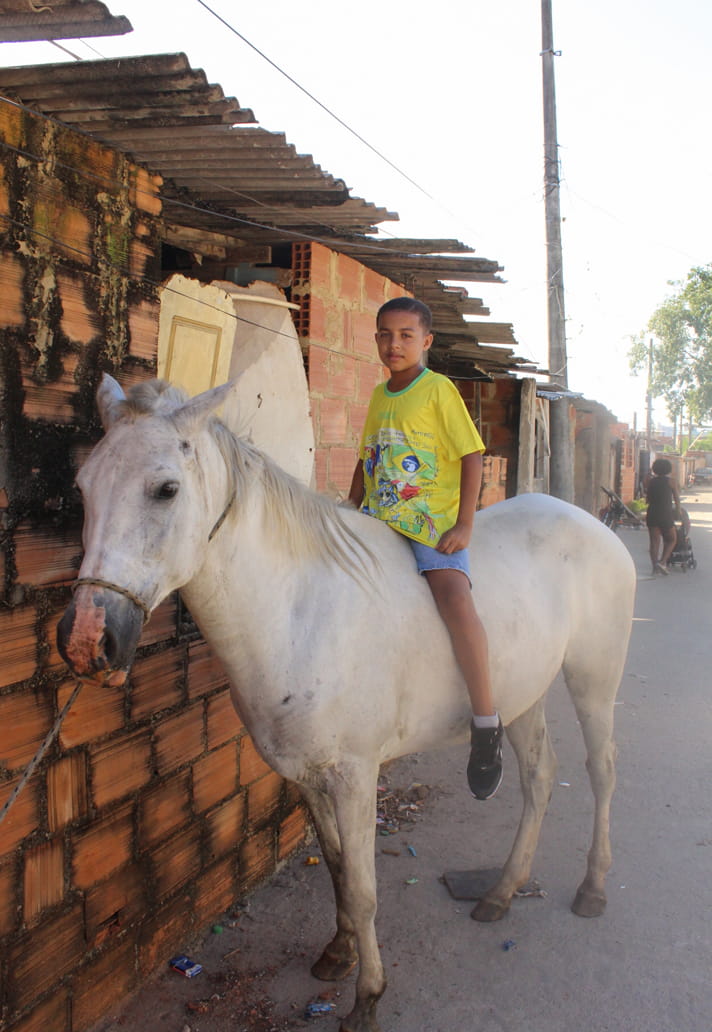
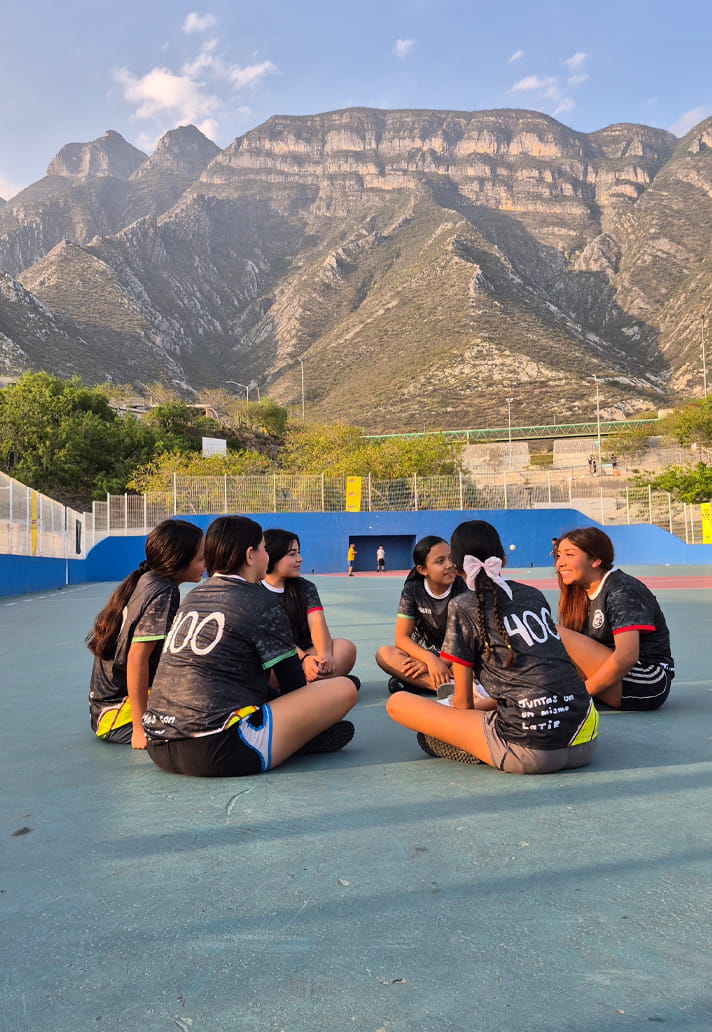
Design FC operates at the intersection of sport and creativity, aiming to inspire the next generation through hands-on design programmes and industry collaborations. By providing access, opportunities, and platforms for self-expression, the organisation empowers young people to tell their own stories through creative work.
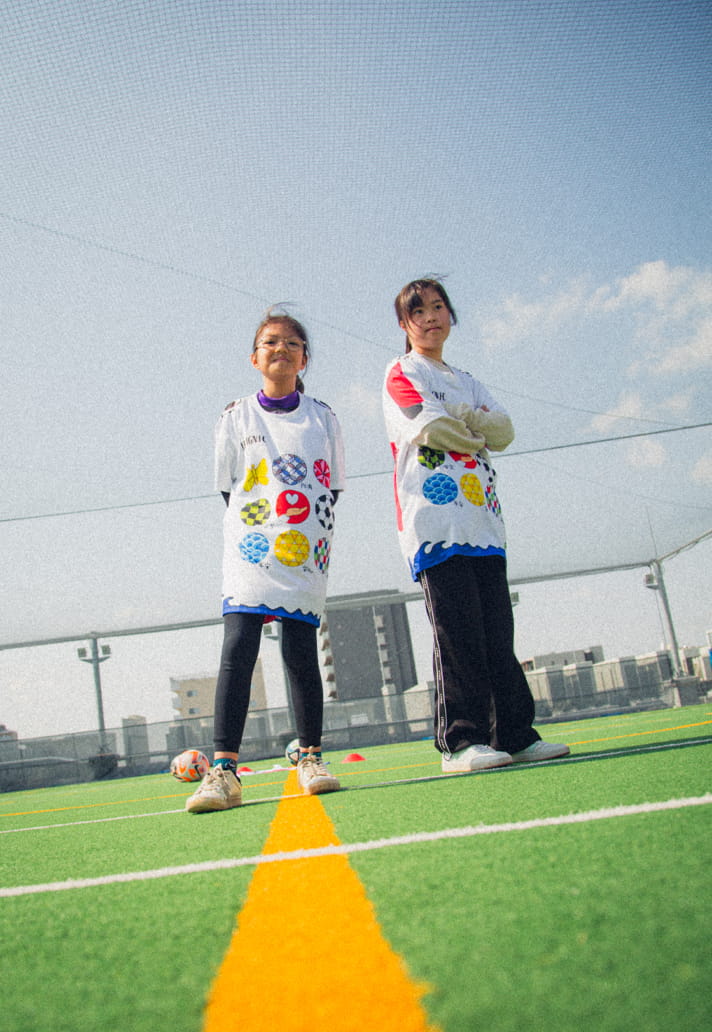
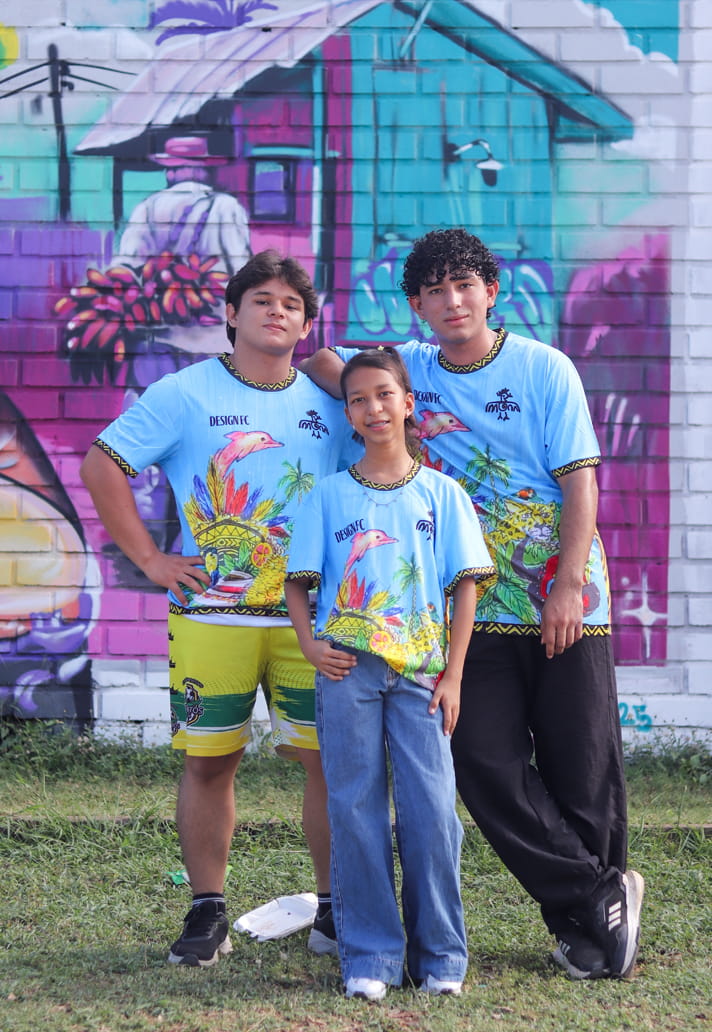
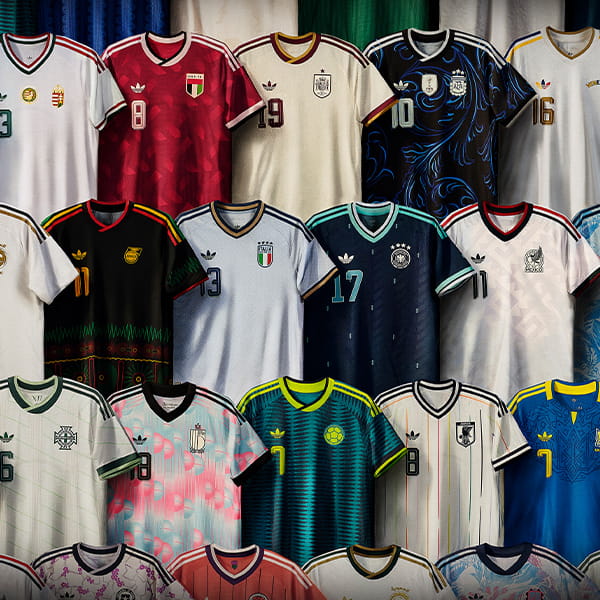
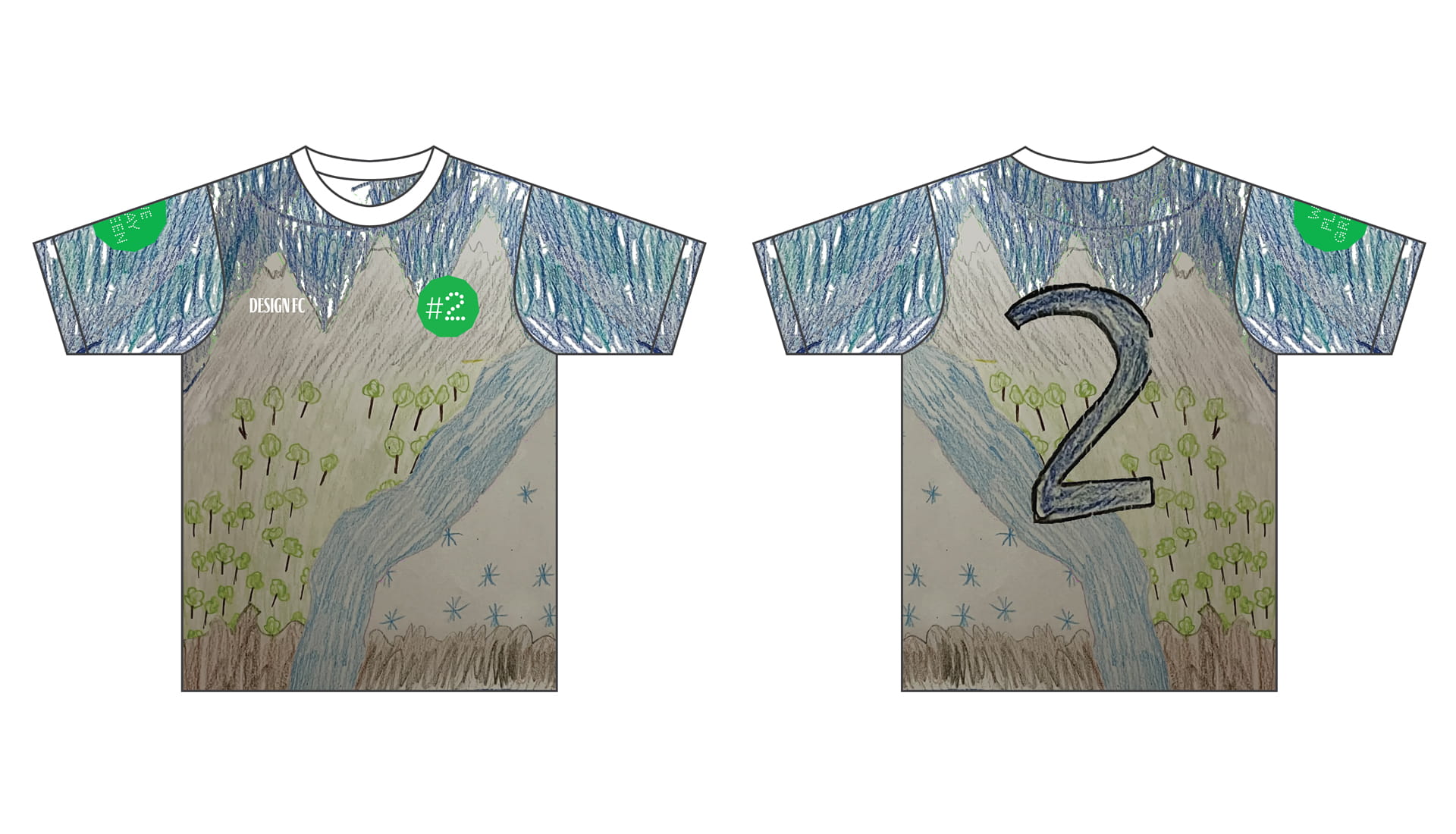
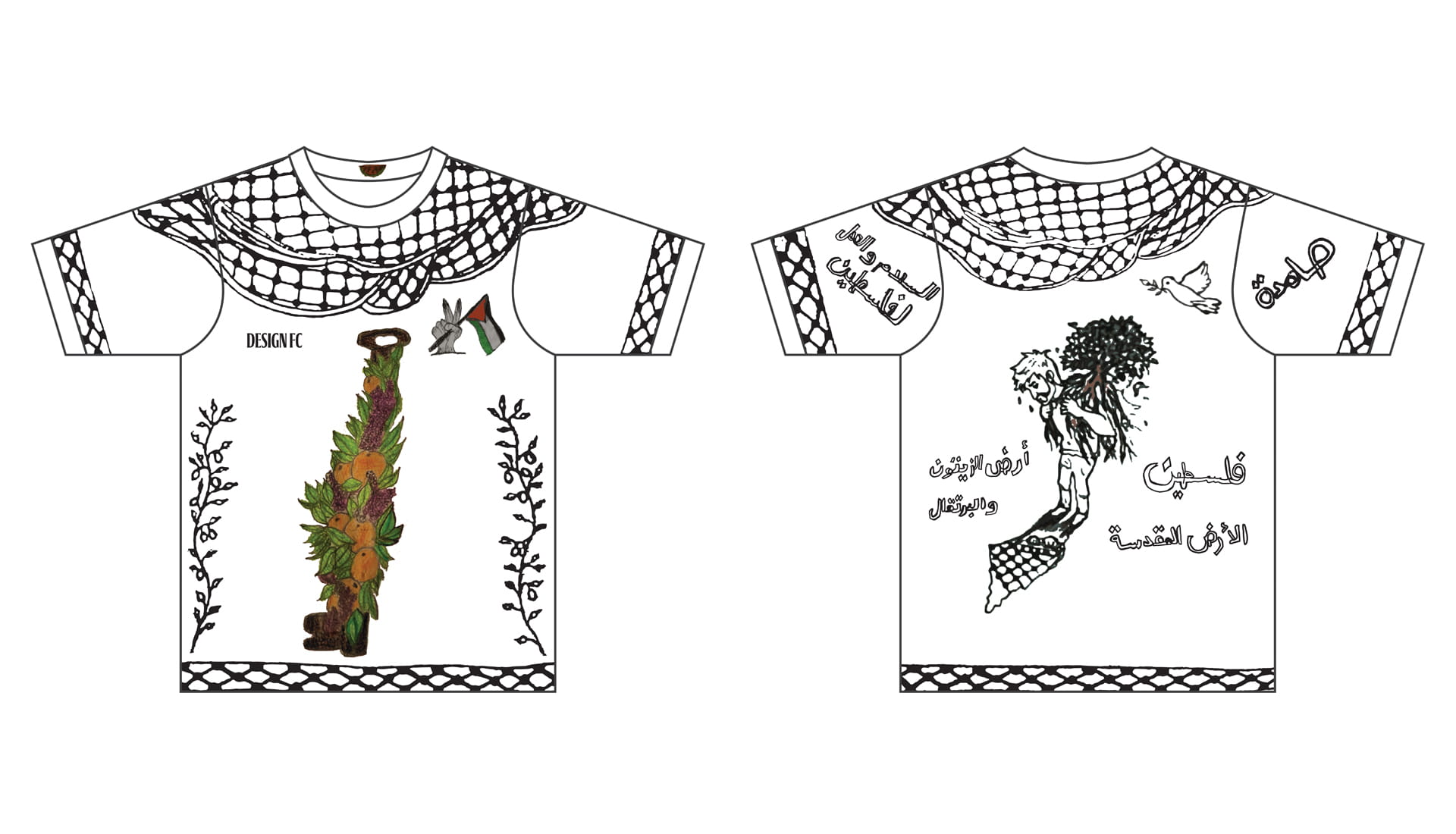
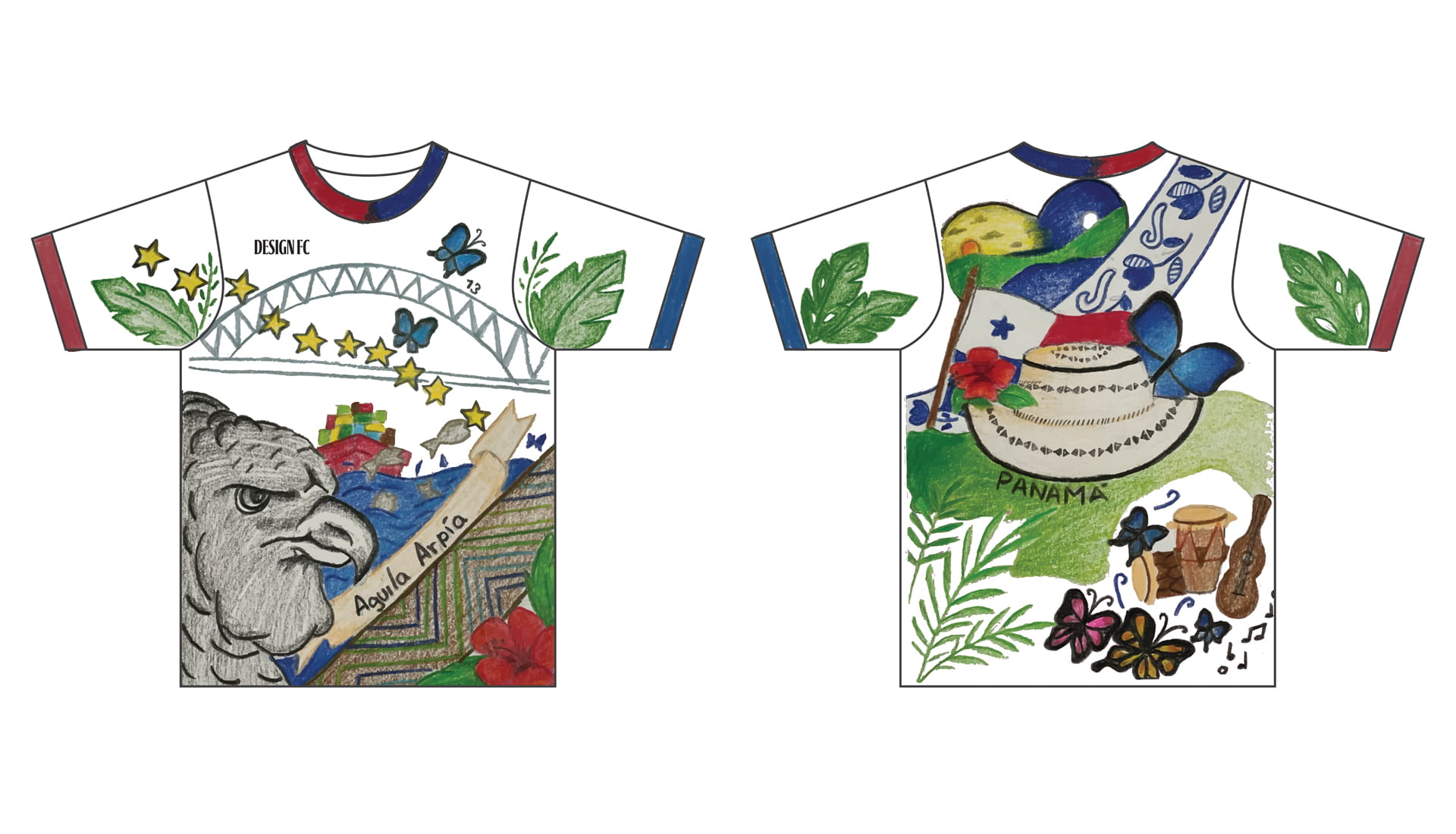
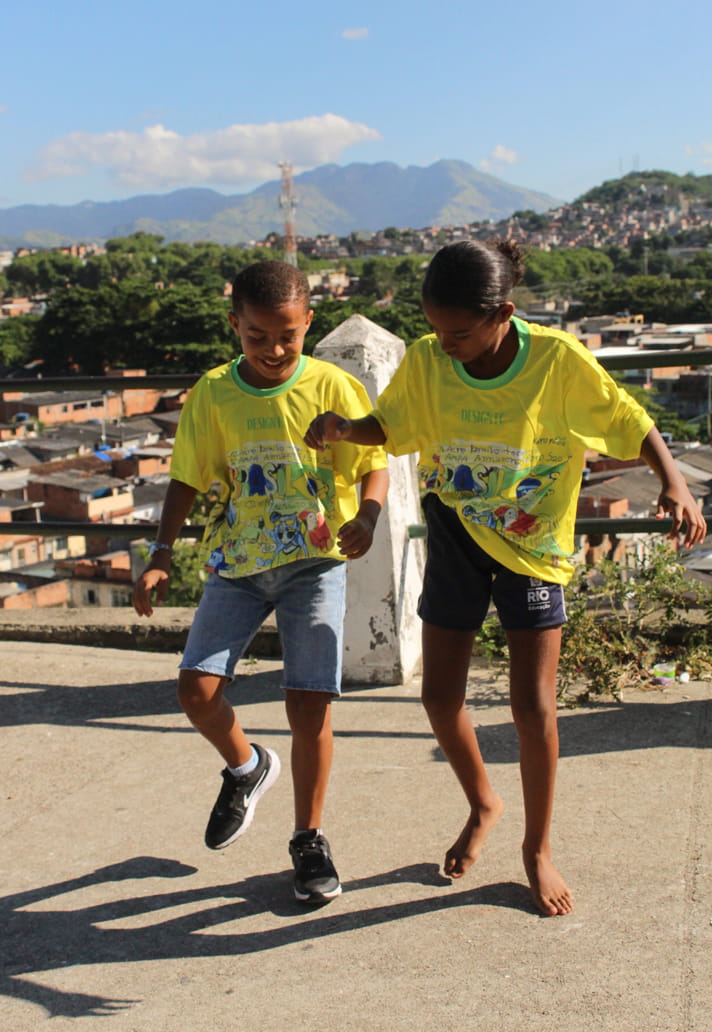
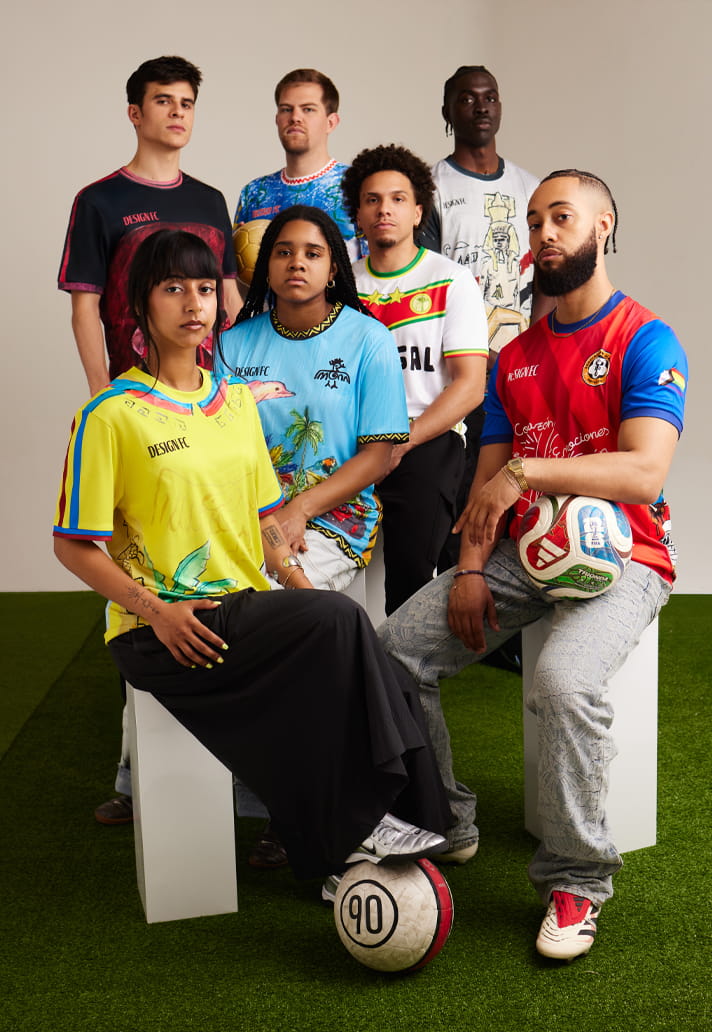
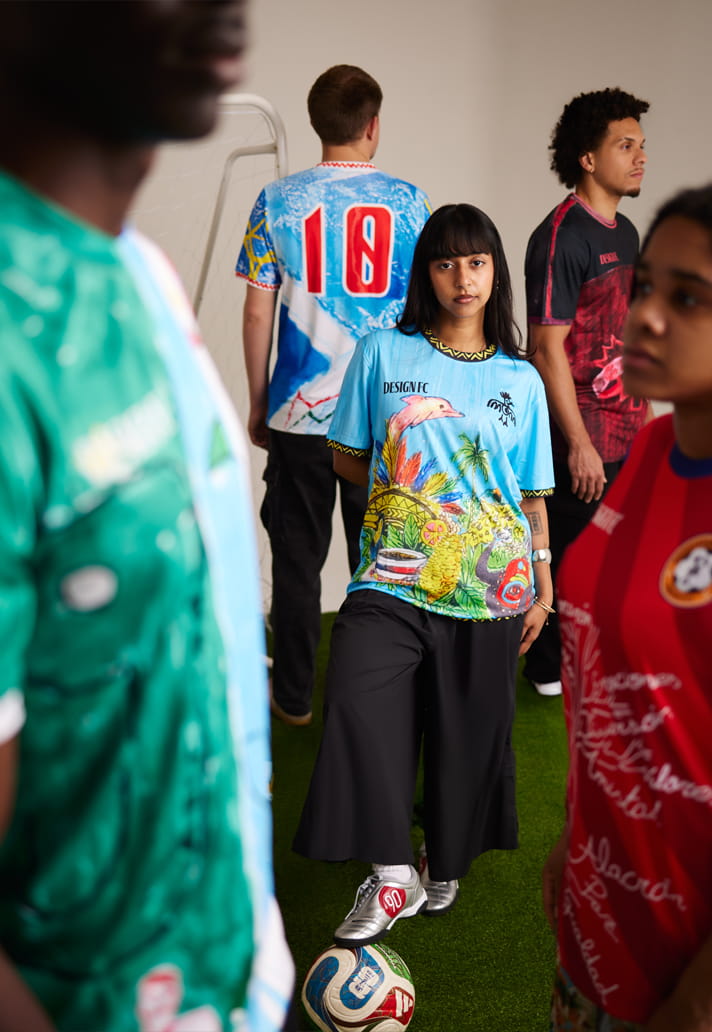
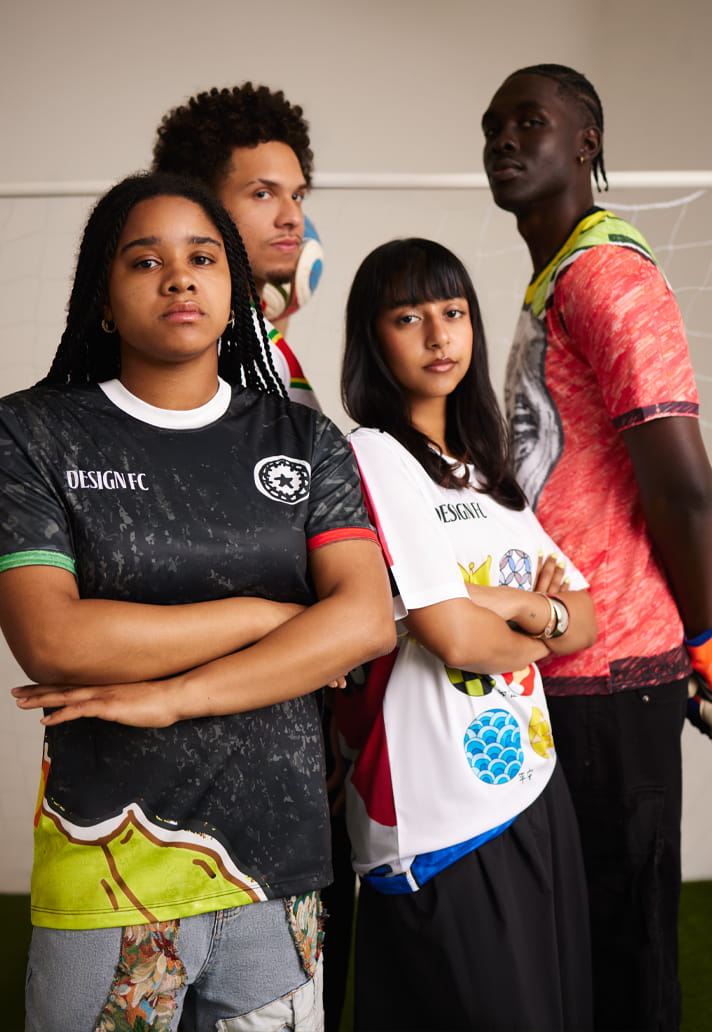
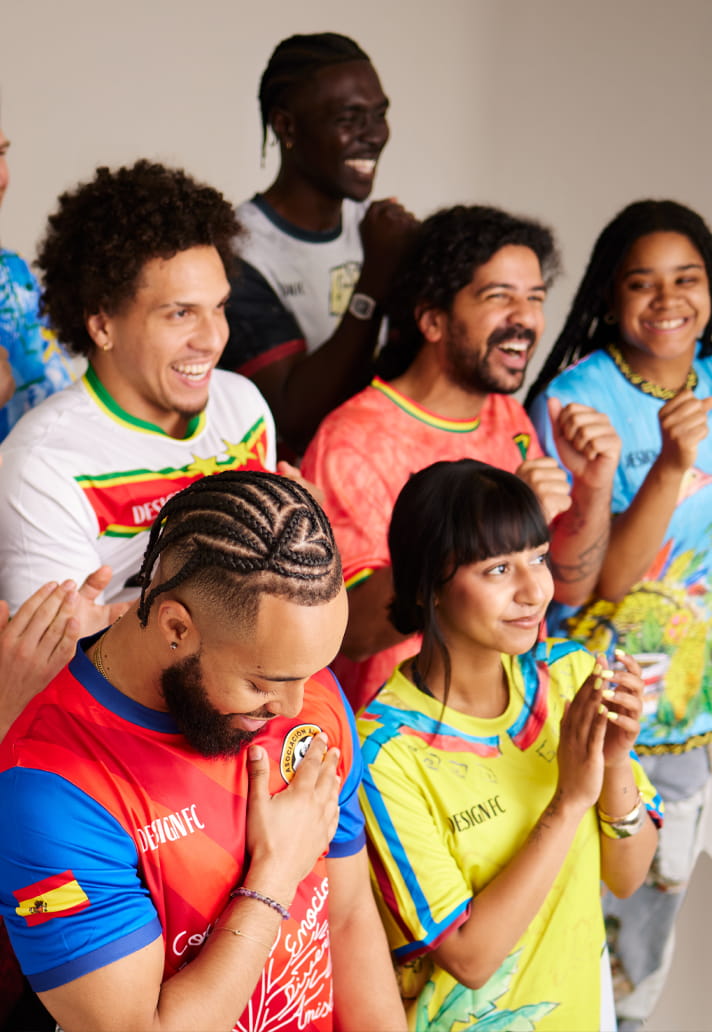
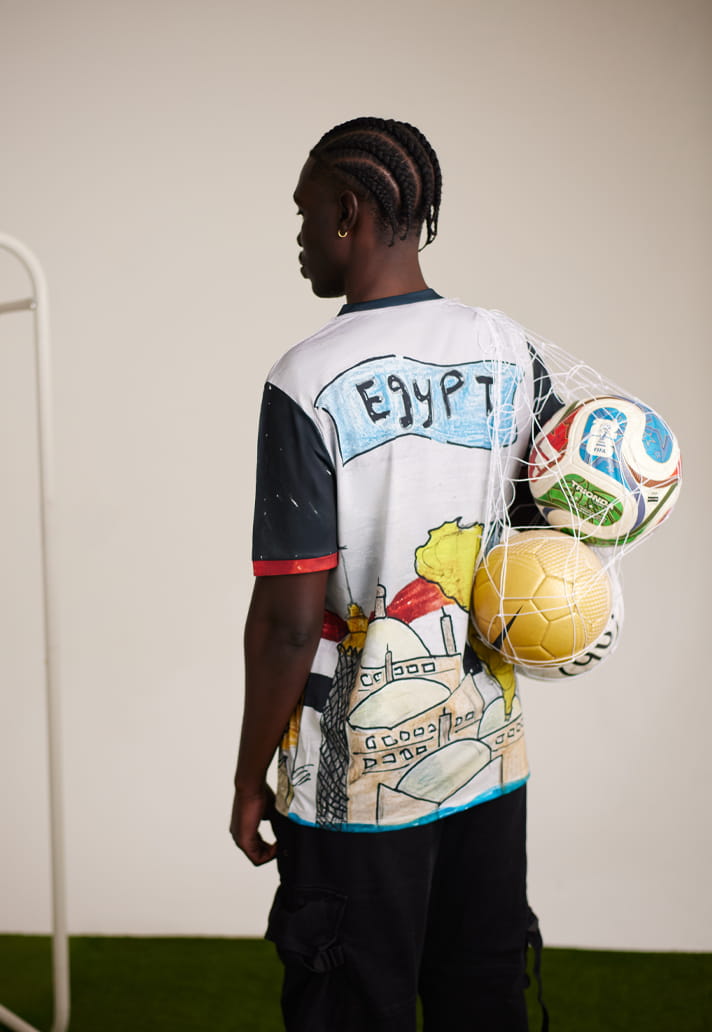
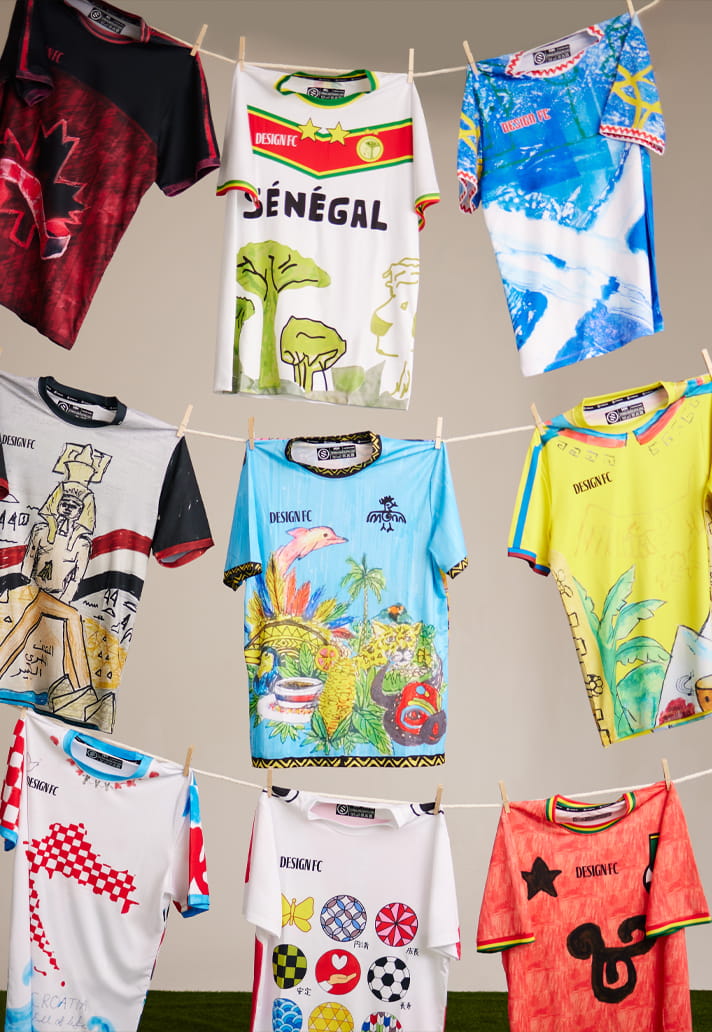
The global YCC World Cup ’26 initiative invited young designers from around the world to reimagine their national team jerseys, each piece acting as both canvas and conduit for identity, emotion, and lived experience. And it’s within these individual stories that the project really comes to life.
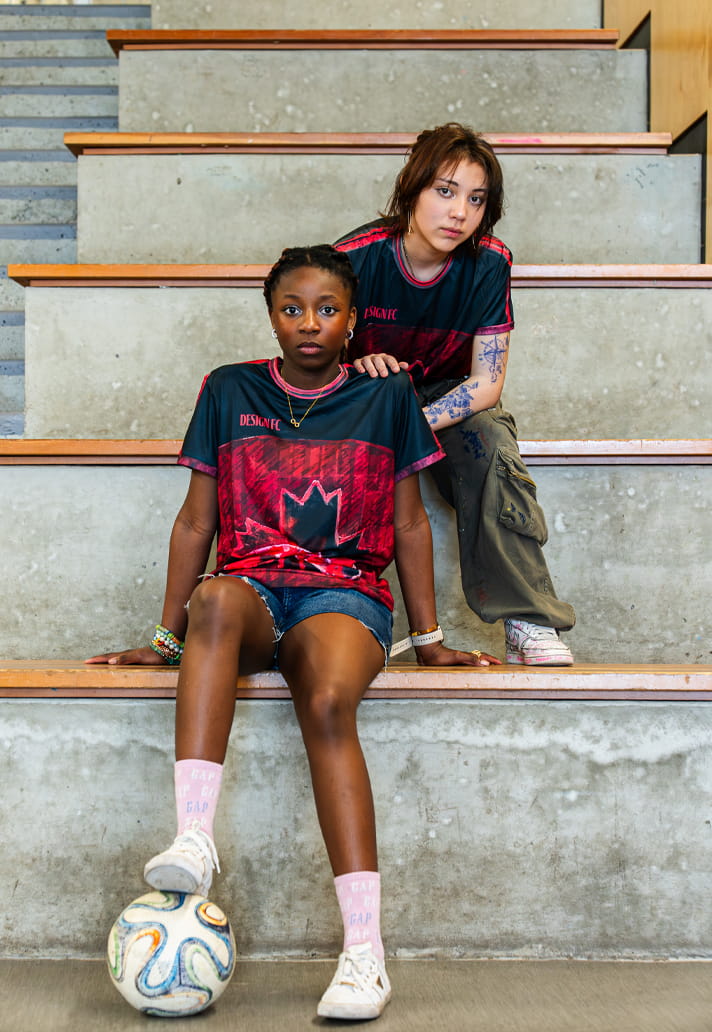
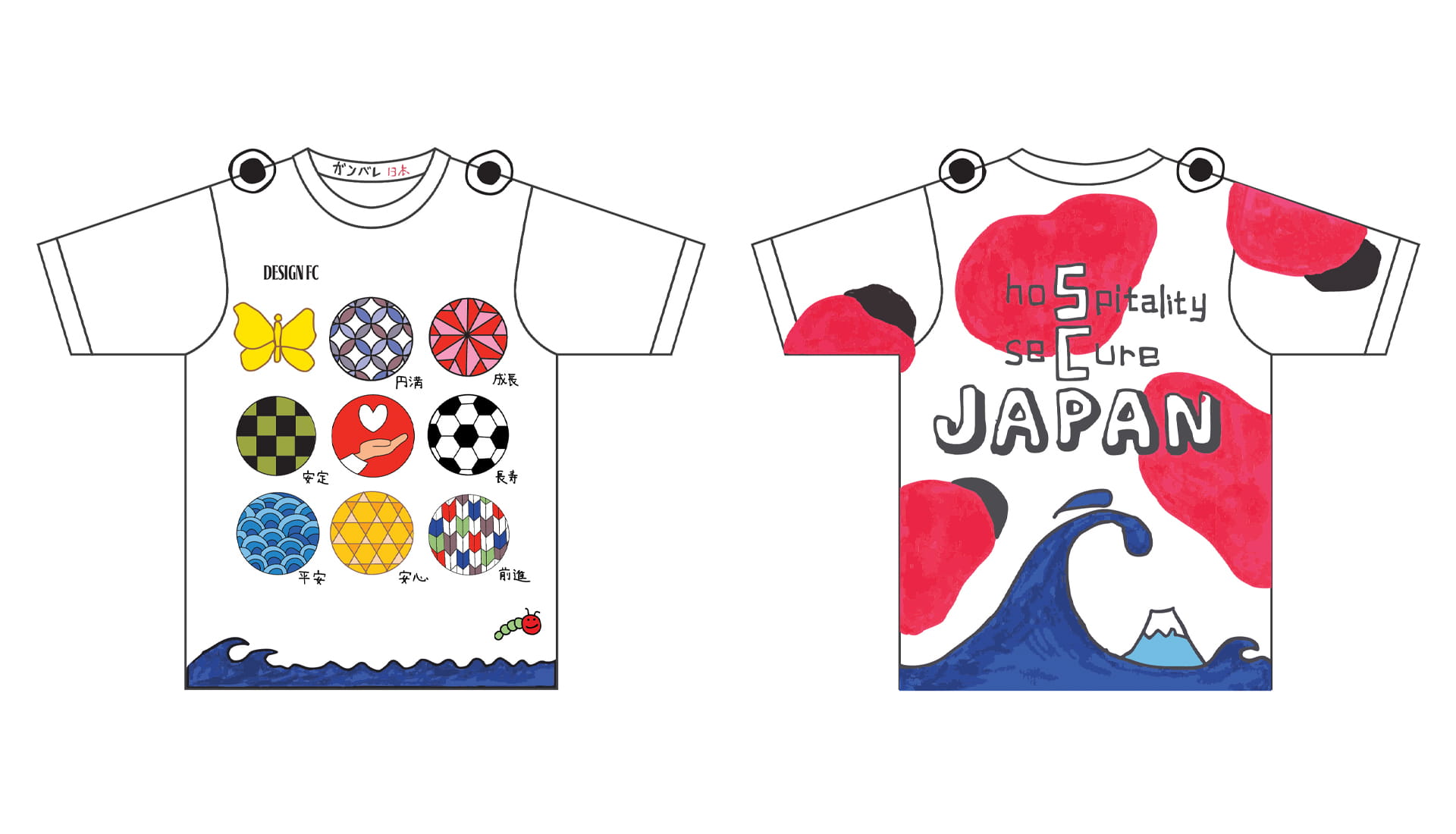
In Tokyo, 18-year-old Natsuki, a member of inclusive girls’ team FC RESIA, created a jersey rooted in traditional Japanese symbolism – koi, Mt. Fuji and flowing wave motifs stitched together with patterns representing safety and good fortune. But the most powerful detail sits almost hidden: a caterpillar in one corner, a butterfly in the other. It’s a personal metaphor for growth. “Sometimes I feel left behind,” she shared, “but I believe that one day I, too, will become a butterfly.” It’s a quiet but deeply resonant message of perseverance.
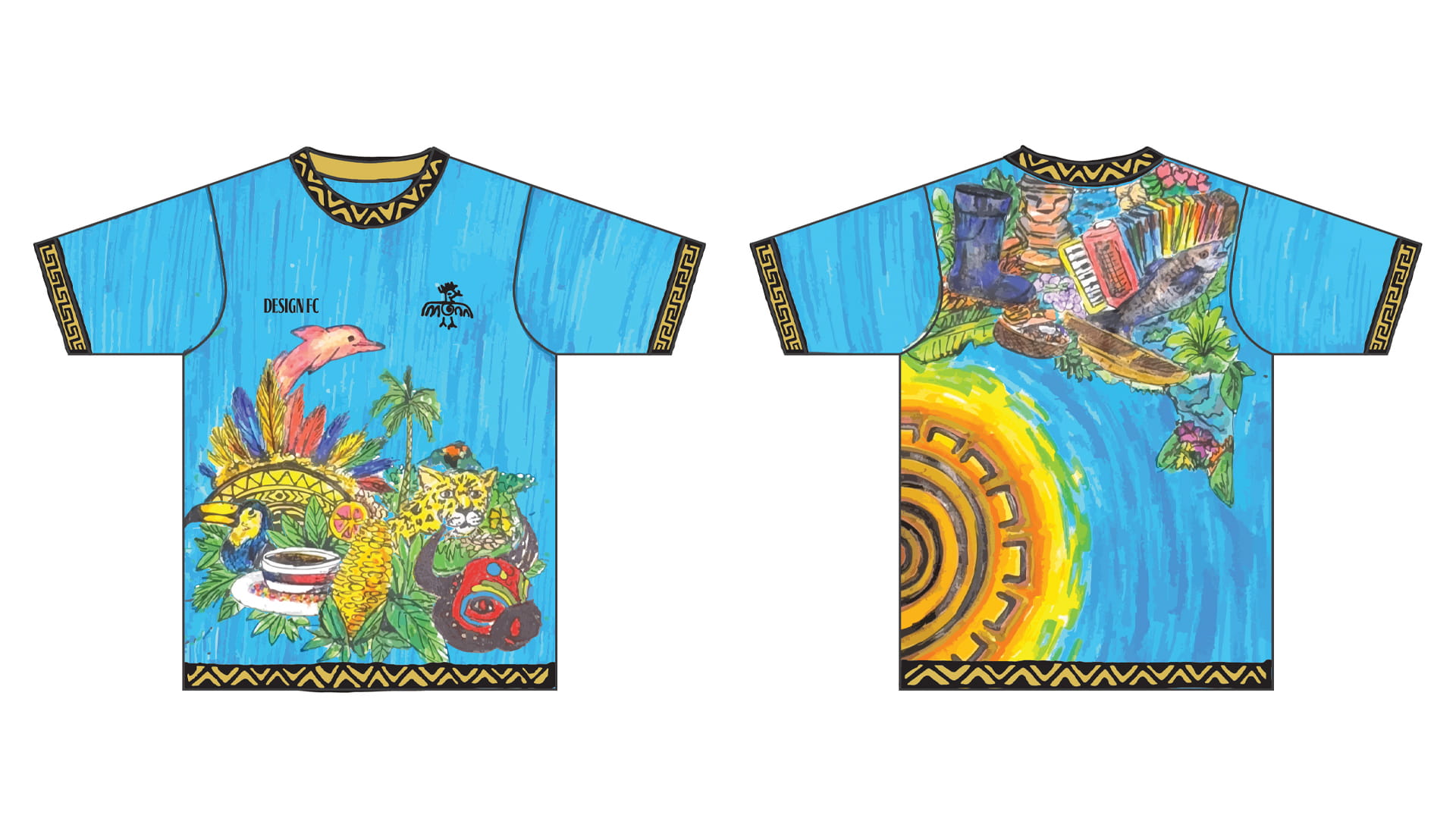
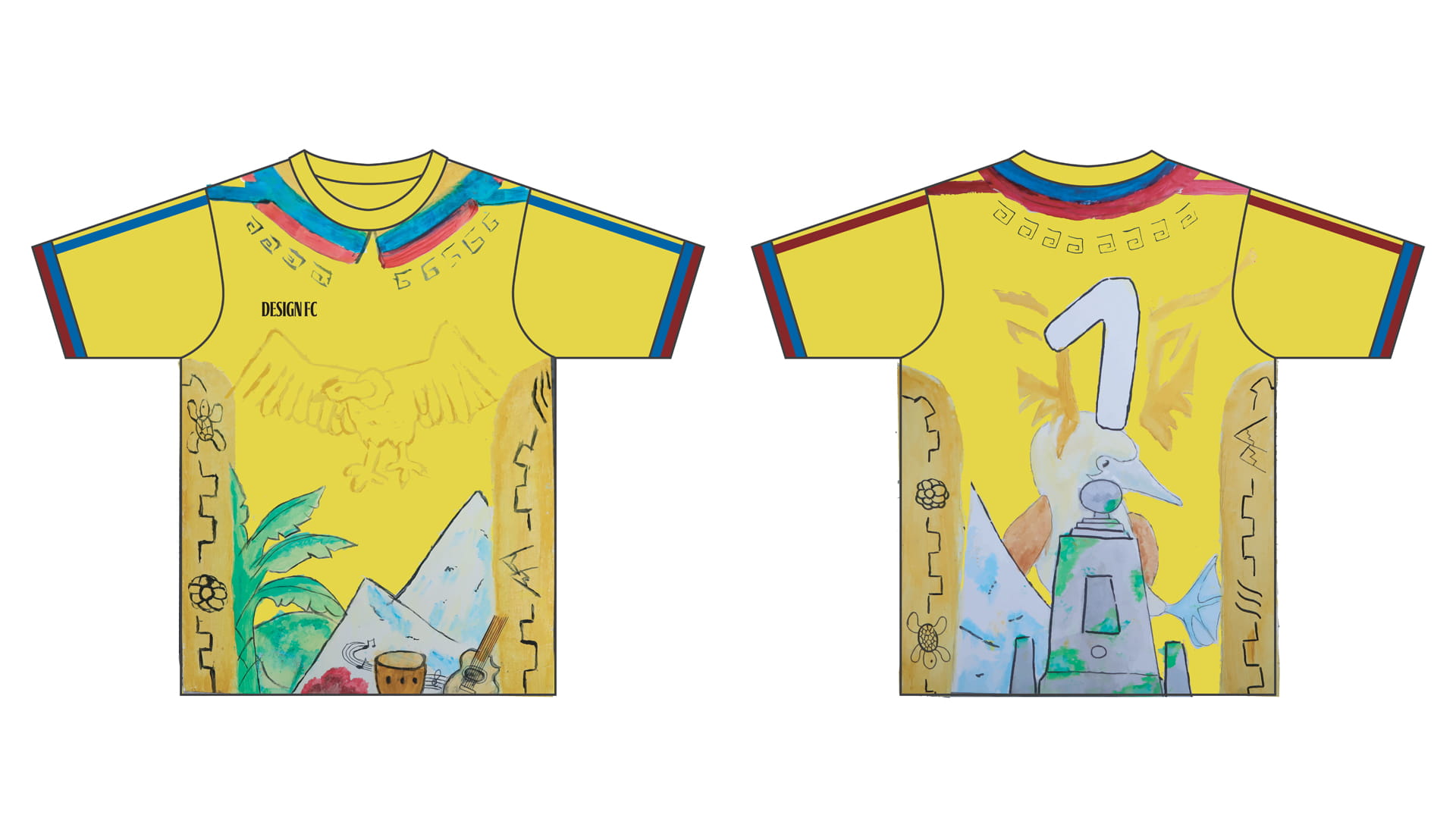
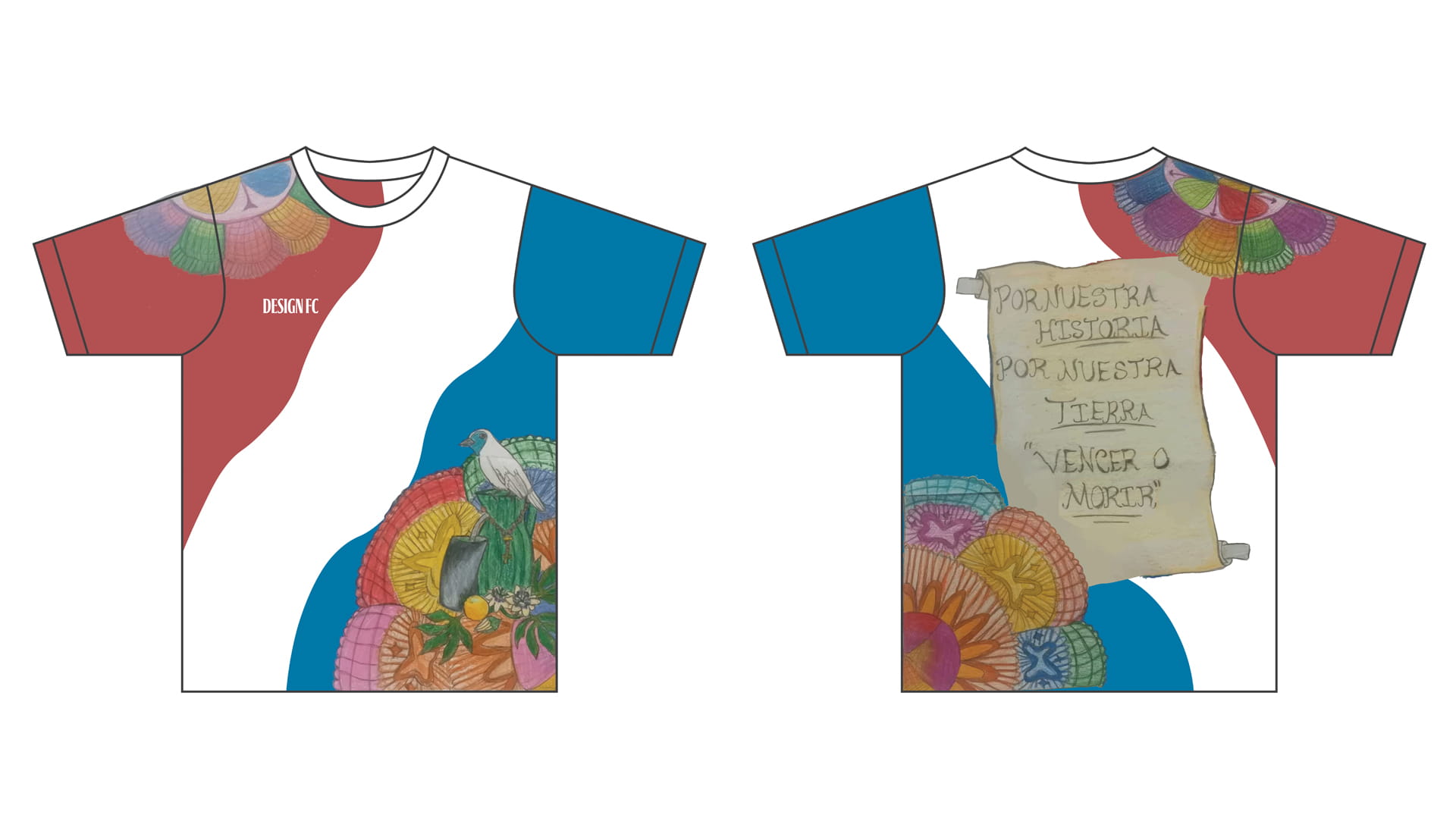
That same sense of layered storytelling appears in Colombia, where 16-year-old Geremi Alexander López Sánchez approached his design with intention and structure. Working with the Línea Subterránea Foundation, he combined indigenous symbolism with natural icons – a jaguar, condor, and pink river dolphin – while embedding a striking concept into the construction itself: when assembled, the jersey forms the silhouette of Colombia’s map. His aim was clear: to show a version of his country often overlooked. “Colombia is much more than a country marked by violence,” he explained. “It is culture, creativity, identity, and expression.”
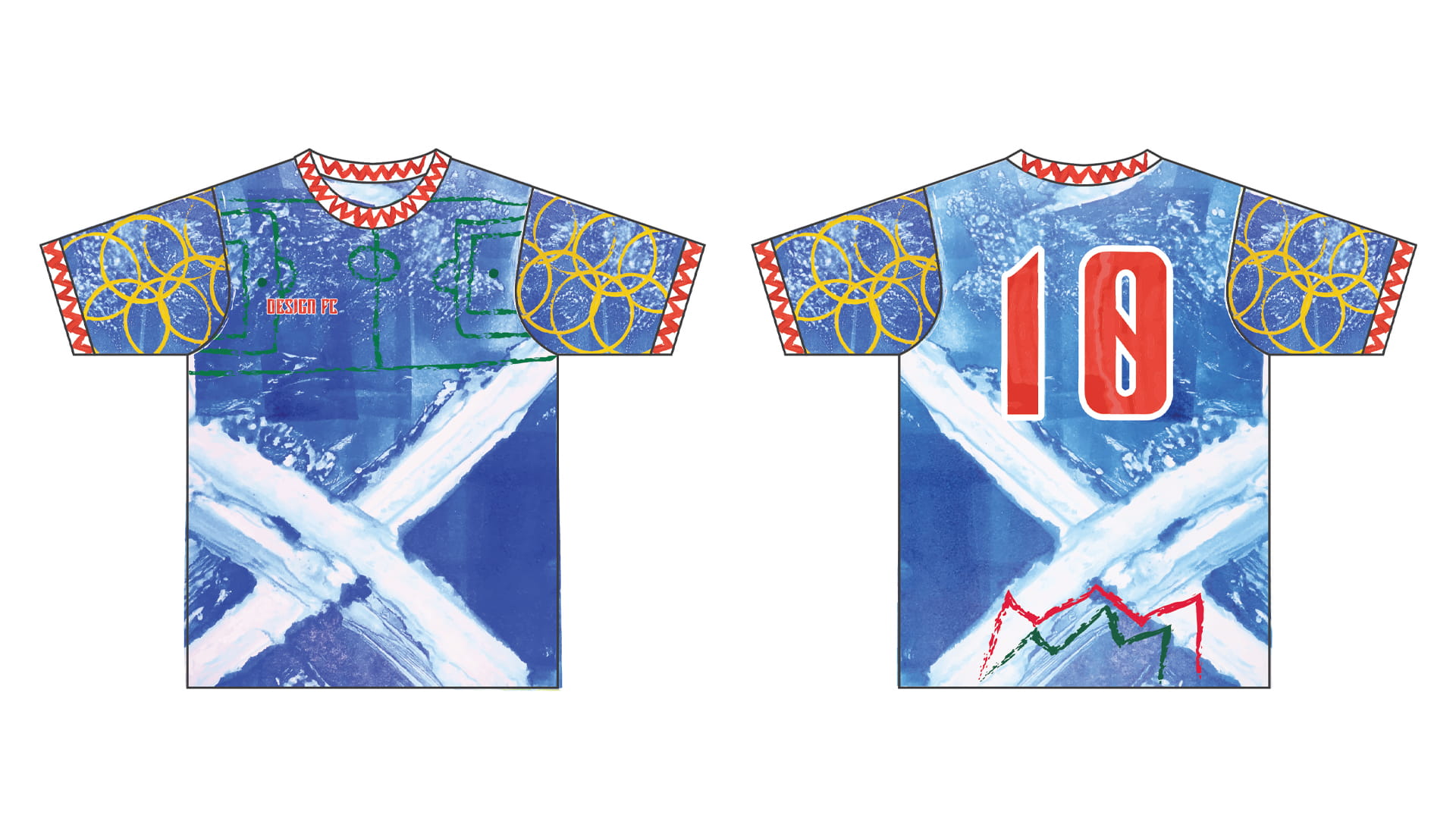
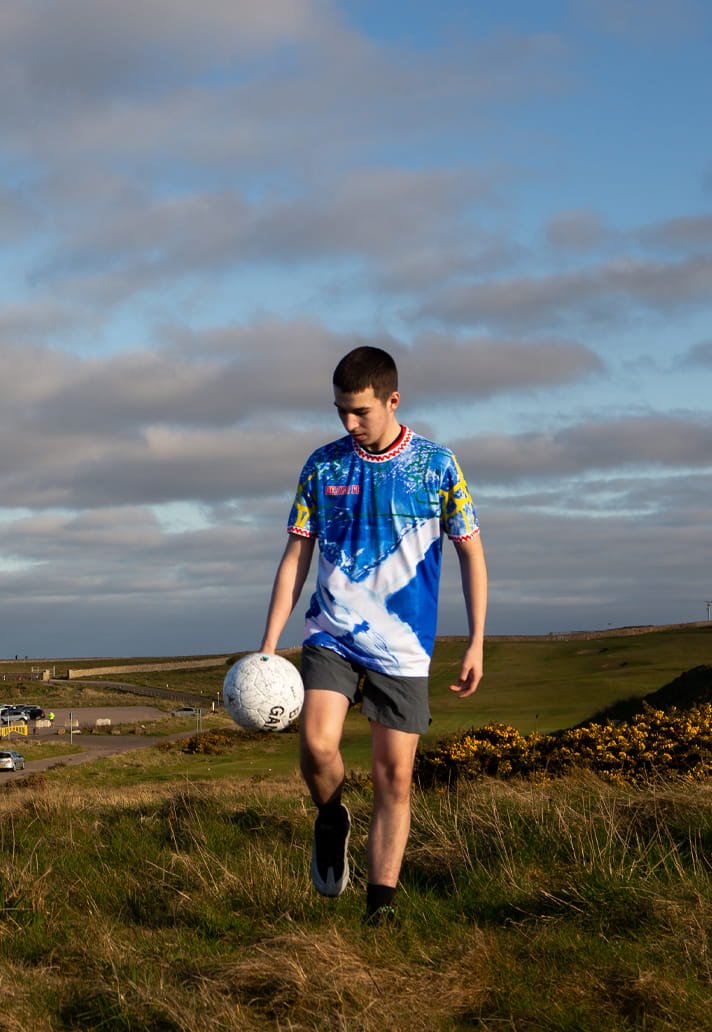
Across in Aberdeen, 17-year-old Marcus Crooks took an entirely tactile approach. Having grown up in the Denis Law Legacy Trust programmes and now giving back as a volunteer, his process involved physically manipulating materials: rolling oil-based ink across the Scotland flag, washing it away to mimic the unpredictability of Scottish weather, and pressing jar lids into fabric to form yellow circles symbolising community warmth. Red zigzag lines, inspired by his hometown, wrap the jersey as a constant reminder of connection. “They represent the bonds formed within the community,” he said, lines that, much like those relationships, remain unchanged.
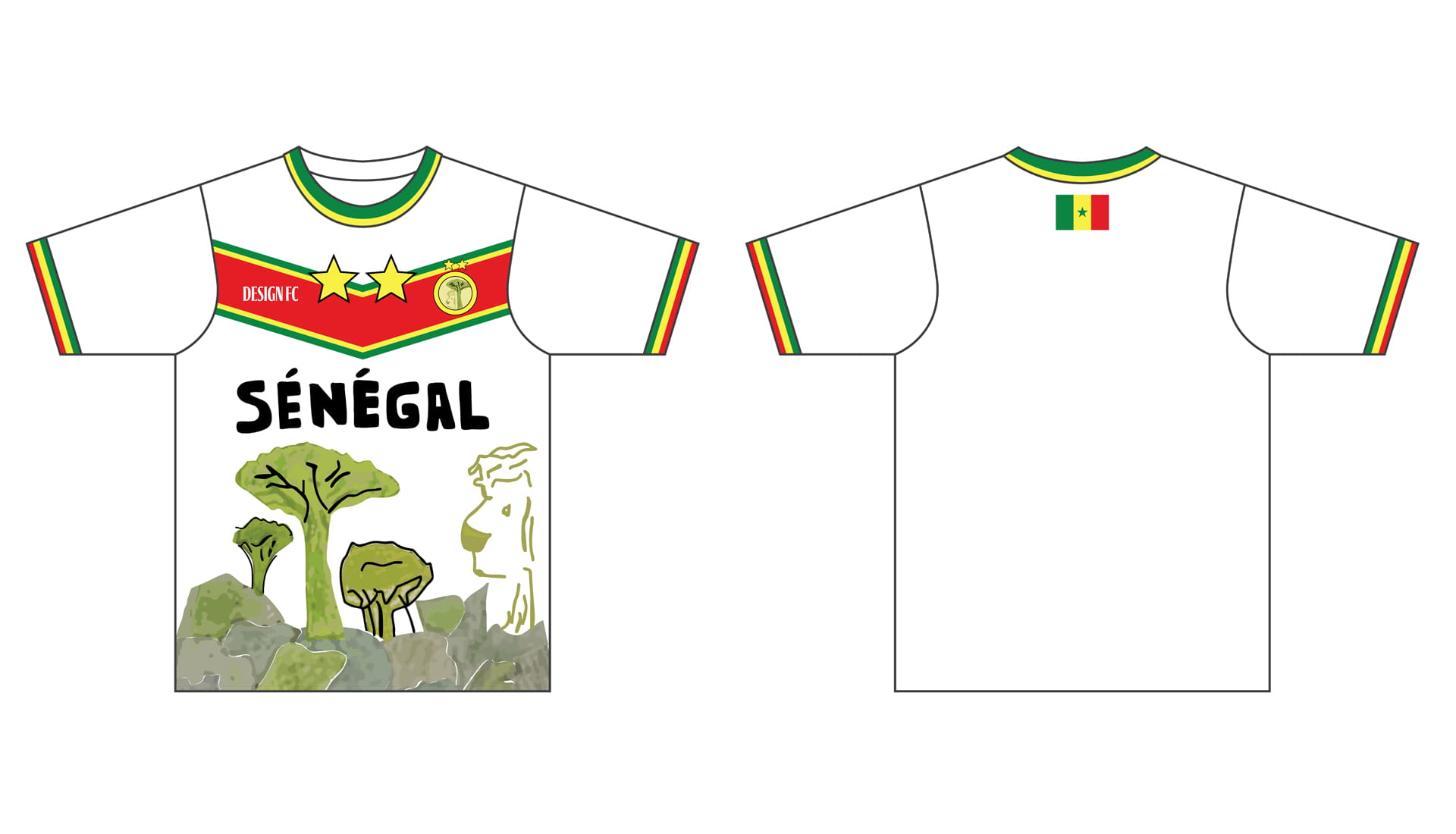
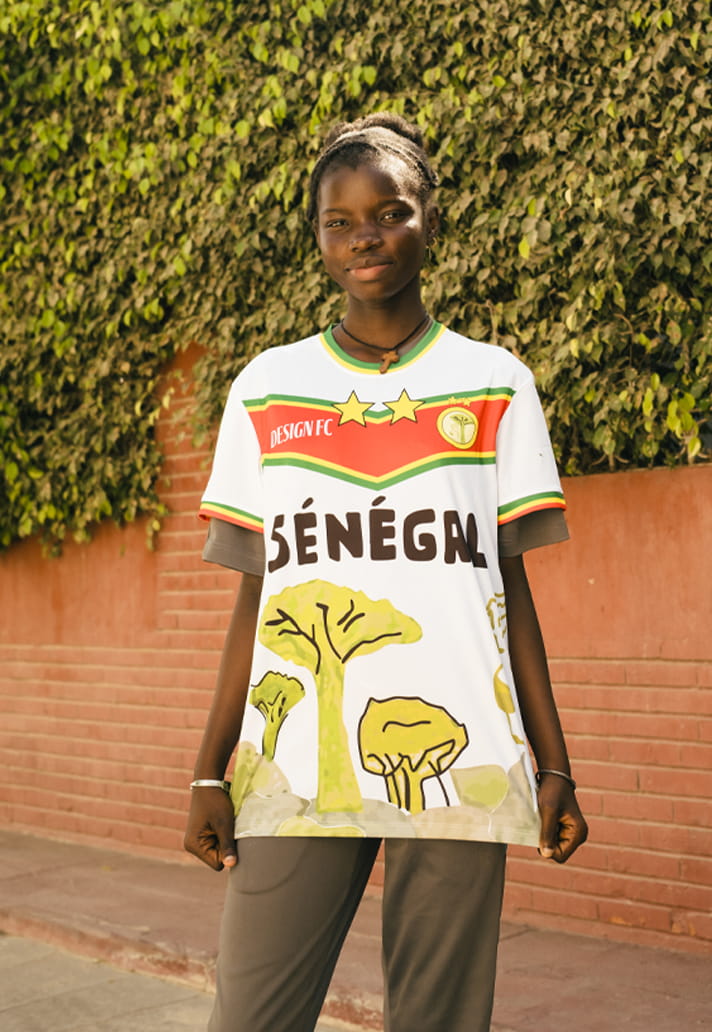
In Senegal, 14-year-old Marie Pierre Diedhiou channelled national pride through clarity and symbolism. A participant in the Força Foundation’s football programme in Dakar, her design centres on the green, yellow and red of the national flag, each colour carrying meaning, of hope, cultural wealth, and sacrifice. At its heart sits the lion, emblem of both the national team and the Senegalese people. For Marie Pierre, the shirt transcends sport: “It is the perfect embodiment of an entire nation.”
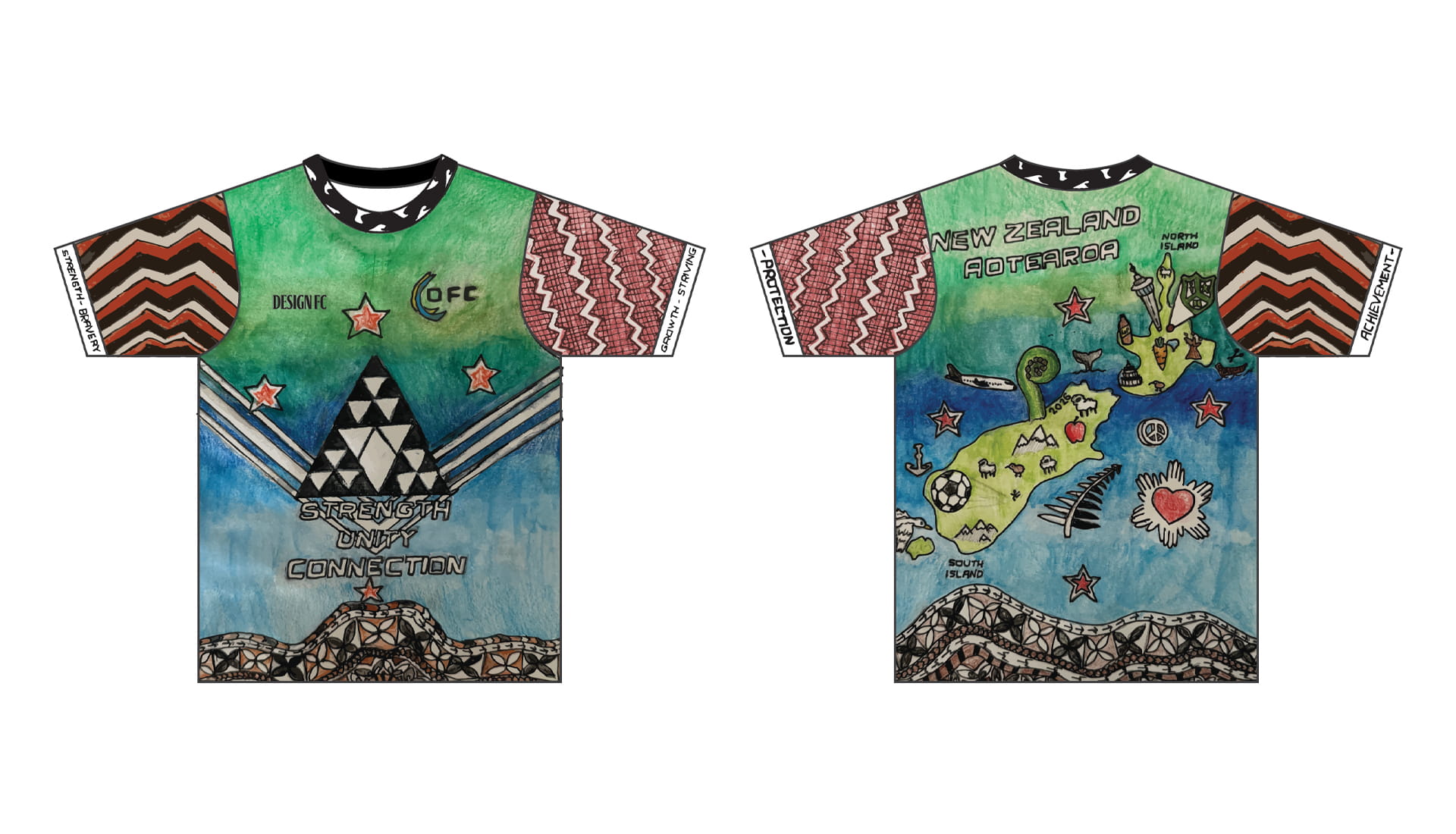
Even younger voices found space within the project. In Auckland, 12-year-old Zeno Bridges created a design that reflects Aotearoa New Zealand’s identity and its place within the Pacific. Incorporating the Southern Cross, the local mountain Puketāpapa, and the Niho Taniwha pattern, his jersey connects all 13 Oceania Football nations through interlocking triangular forms. It’s a design rooted in unity and navigation, past and present. “This shows who we are,” he explained. “Connected, diverse countries who stand together.”
To bring these stories to life on a global stage, Design FC partnered with 37 organisations worldwide, identifying a Youth Leader in each country to lead the creative process. The resulting designs are now being showcased through a rolling programme of social media features and physical exhibitions across World Cup host cities.
New York marked the first stop on that journey, with Oakland, California next (a stone’s throw from San Francisco); each location offering a platform for these young creatives to share their work, and their voices, with a global audience.
Projects like the Youth Creative Collective are the tangible evidence of how Creative Soccer Culture continues to grow in influence. By handing creative control to young voices around the world, Design FC is helping to reshape how identity, representation, and storytelling are expressed through the game, while at the same time championing and inspiring the next generation of creatives.
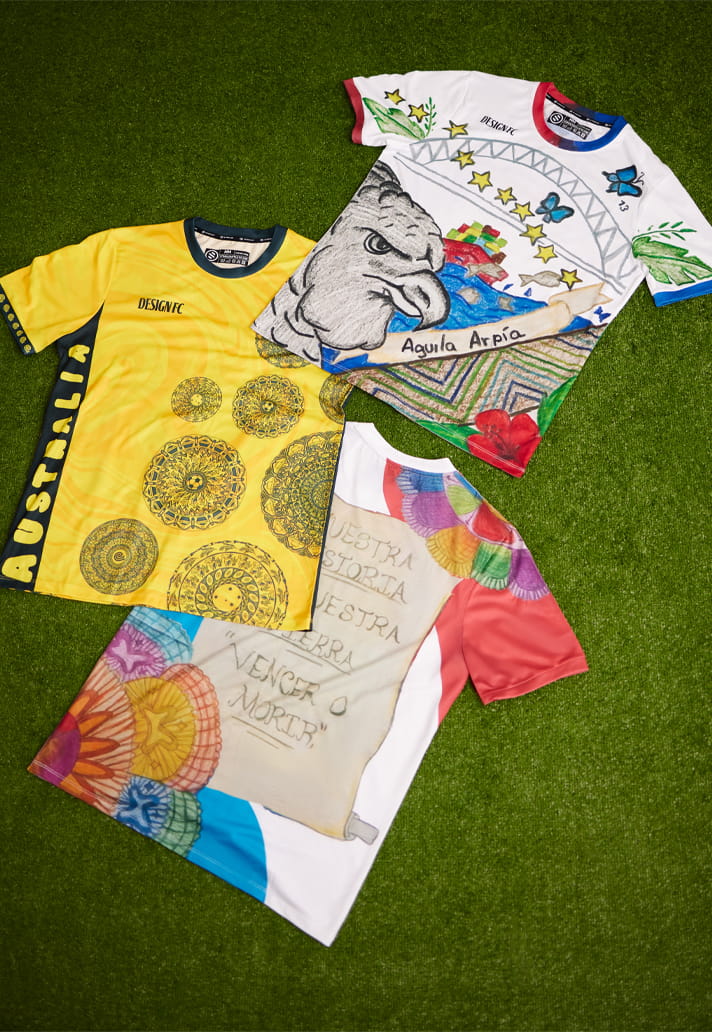
To find out more about every design, head to designfc.org and follow the project on Instagram at @designfc_org and @designfc_ycc.