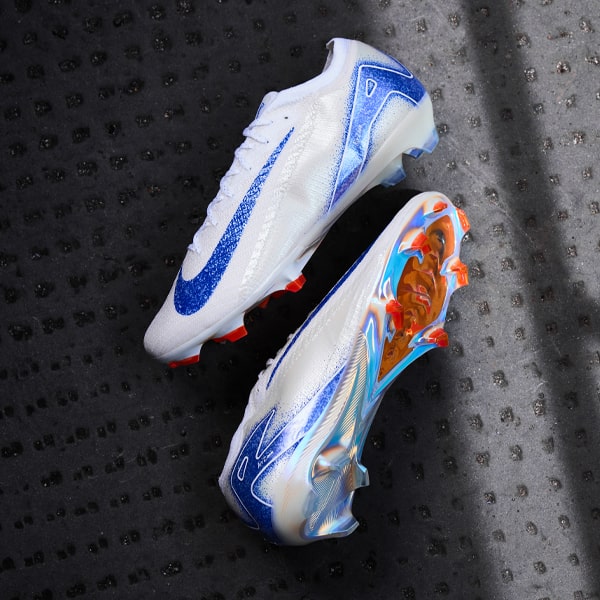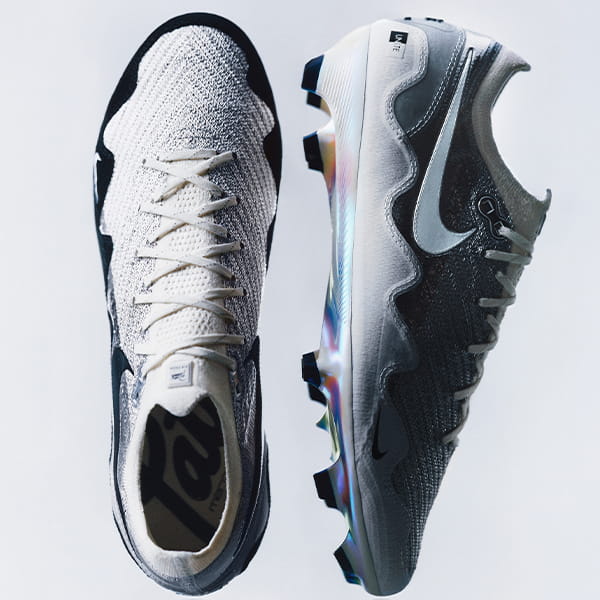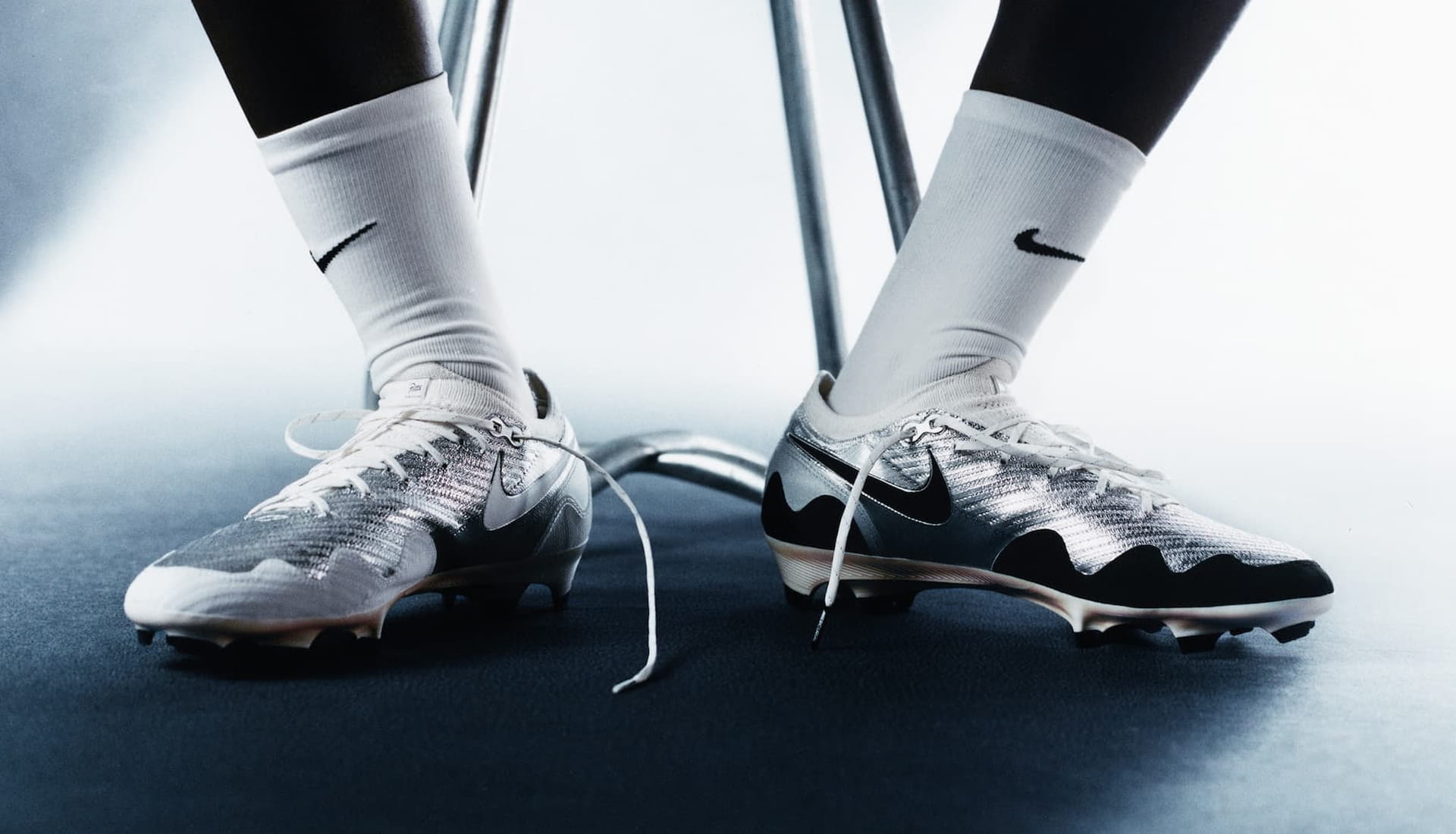
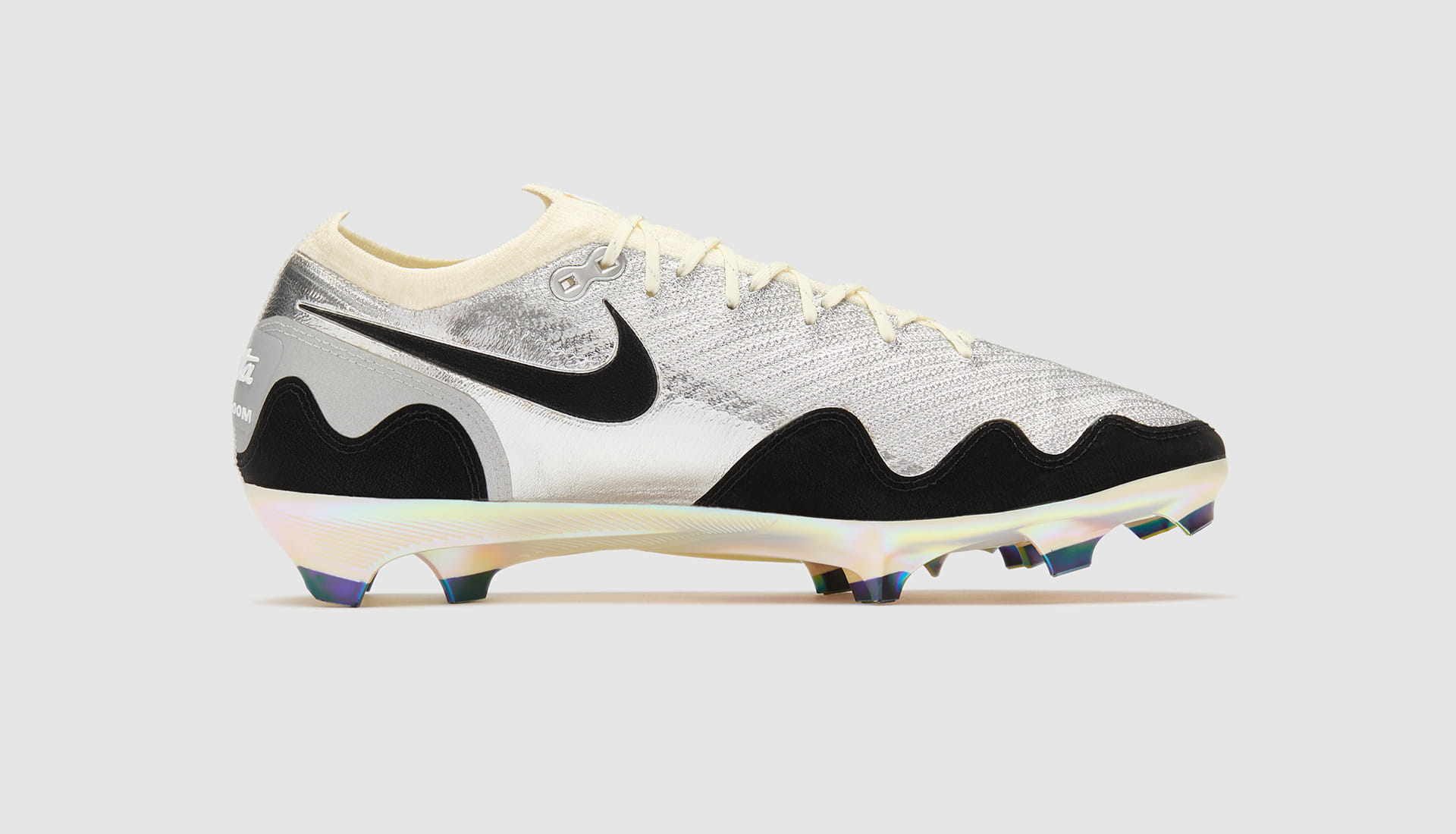
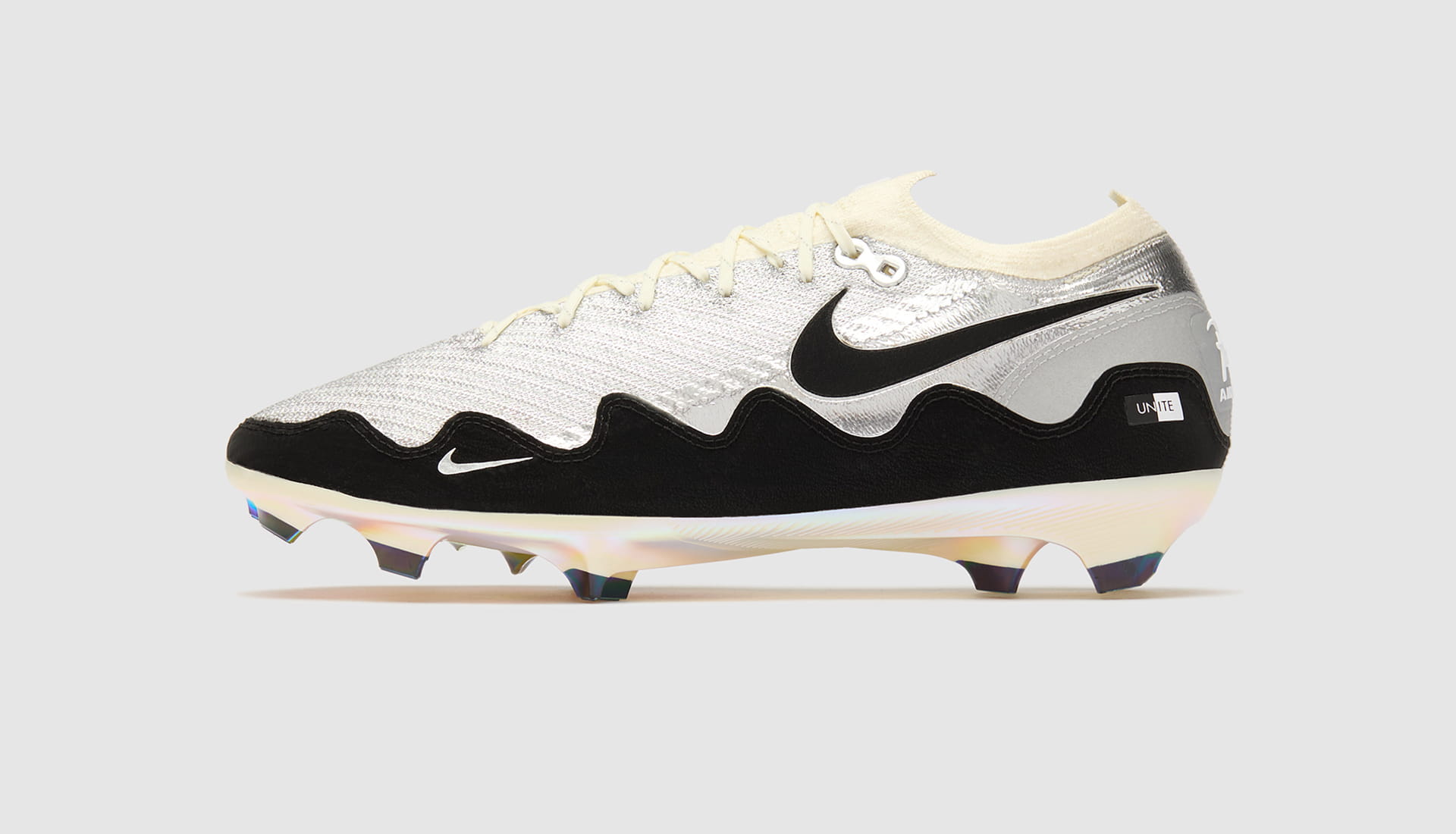
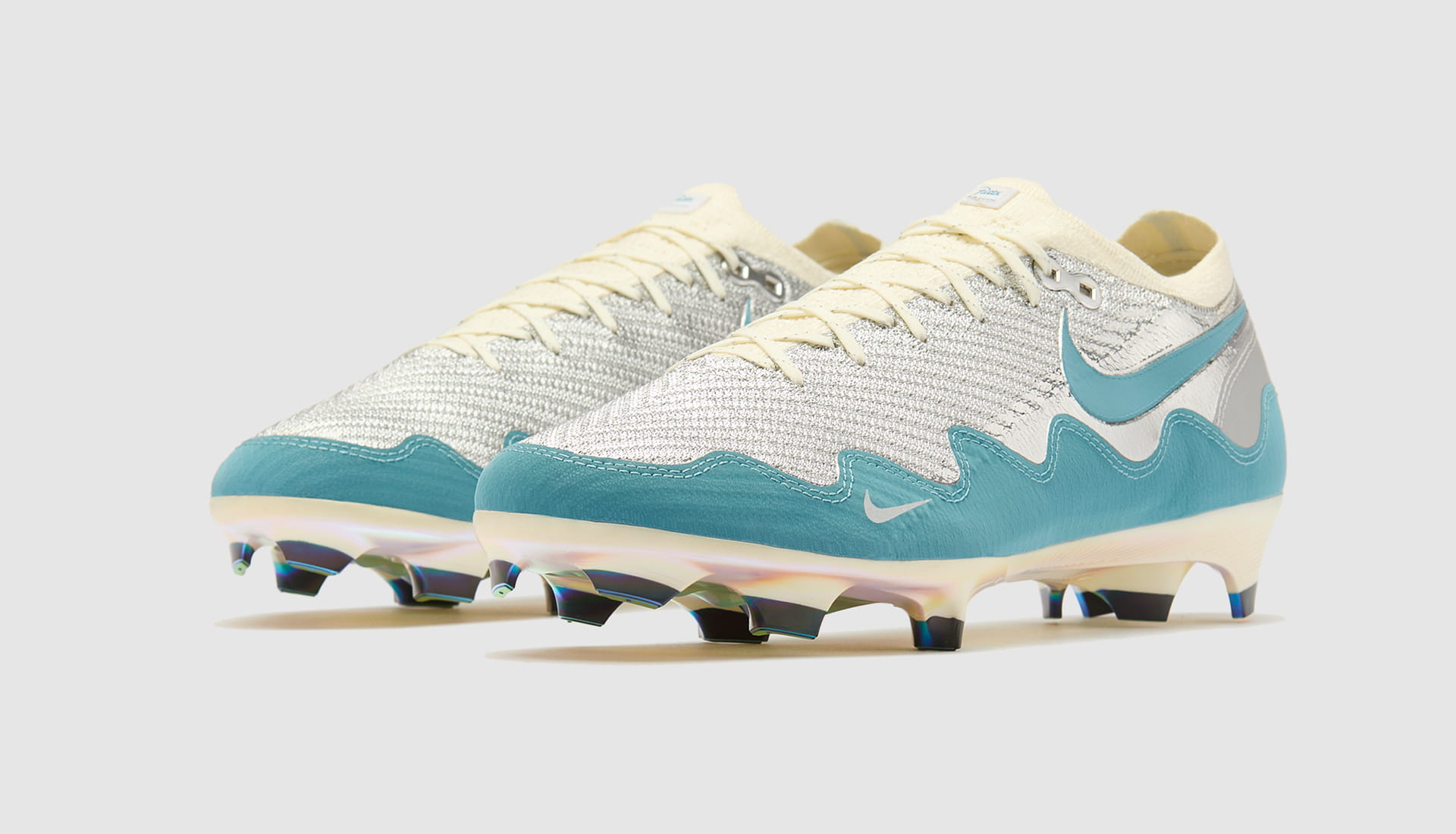
Last week Nike and Dutch brand Patta revealed their collaborative ‘Unity’ Mercurial, catching attention on the feet of players like Désiré Doue and Vinicius Jr. Now, with the boot becoming available for retail, we find out more about it, how it came to be, and the powerful message behind it from Patta Creative Director, Vincent van de Waal.
Few collaborations feel as inevitable as Nike and Patta. Two cultural heavyweights operating in different lanes, yet fluent in the same language, their partnership has consistently blurred the lines between sport, streetwear and storytelling. With the world’s focus set to be on football once again this summer, the latest chapter arrives in the form of the Air Zoom Mercurial Vapor — a performance icon reimagined through Patta’s unmistakable lens.
At the heart of the project is Vincent van de Waal, Creative Director at Patta, whose approach goes far beyond aesthetics. Rooted in Amsterdam but speaking to a global community, Patta has always stood for identity, inclusivity and perspective, values that don’t traditionally sit front and centre in elite-level football boots. This collaboration set out to change that.
From the decision to work on the Mercurial — a boot synonymous with speed, superstardom and self-expression — to the bold “Unite” concept expressed through opposing black and white colourways, the project carries a message as powerful as its silhouette. We caught up with van de Waal to discuss responsibility, representation and why this Mercurial is about far more than what happens on the pitch.
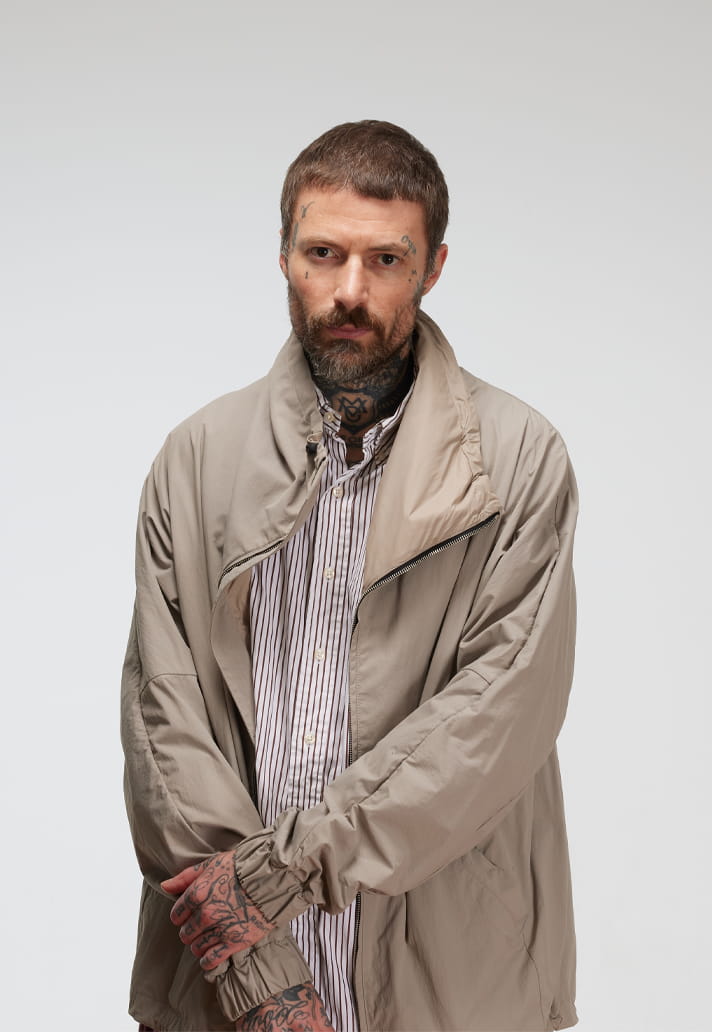
Vincent van de Waal
To start off, Nike & Patta, two global powerhouses in their own lanes – how does a collaboration like this come about?
We have a very long-standing relationship with Nike. When a big event like the World Cup comes around, they look at all kinds of partners and think, “Who could do what?” Since Patta has always done a lot around football, it was actually quite logical that they included us in some of the stories they wanted to tell.
Patta was born in Amsterdam but speaks globally. How does that local-to-global mindset influence how you approach a collaboration with a brand like Nike?
Patta is from Amsterdam, and Amsterdam is a relatively small place. From the beginning, we felt our story was bigger than just our city and needed to be heard beyond it. We always aspired to go broader.
Especially with how connected the world is these days, if your ambition is big enough, you naturally find people around the world who share the same ideas and speak the same “language,” even if it’s not literally the same language.
Patta has always represented more than clothing. It’s about identity, community and perspective. How do those values translate into a football boot, which is often seen as a purely performance-driven product?
That’s really the core of how we approached this project. When Nike came to us and said, “Do you want to do a Mercurial cleat?” we immediately thought, “Okay, how can we tell more of the Patta story here?”—exactly in the way you described: identity, community, perspective.
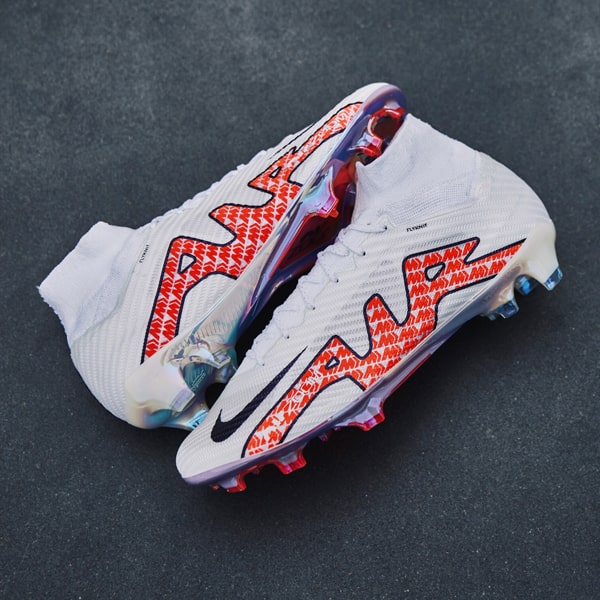
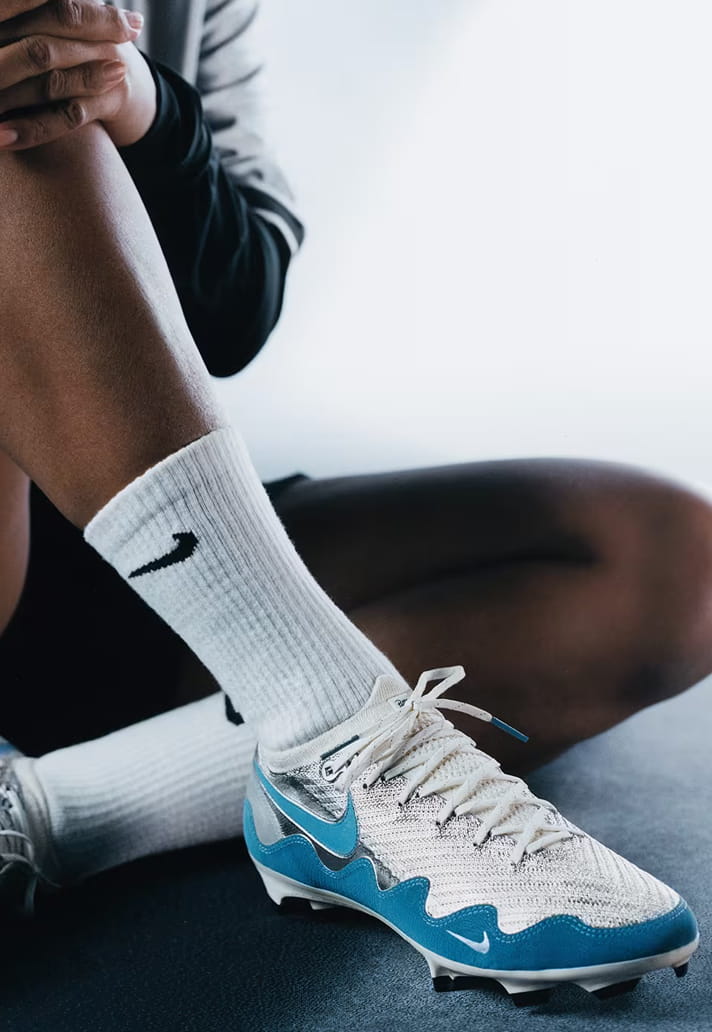
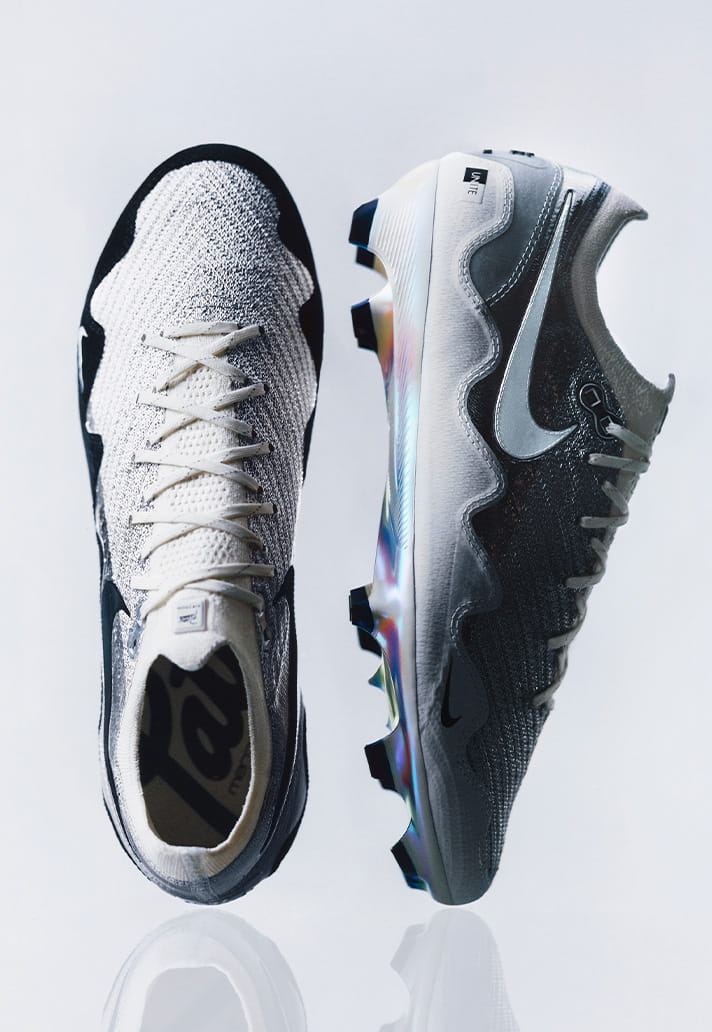
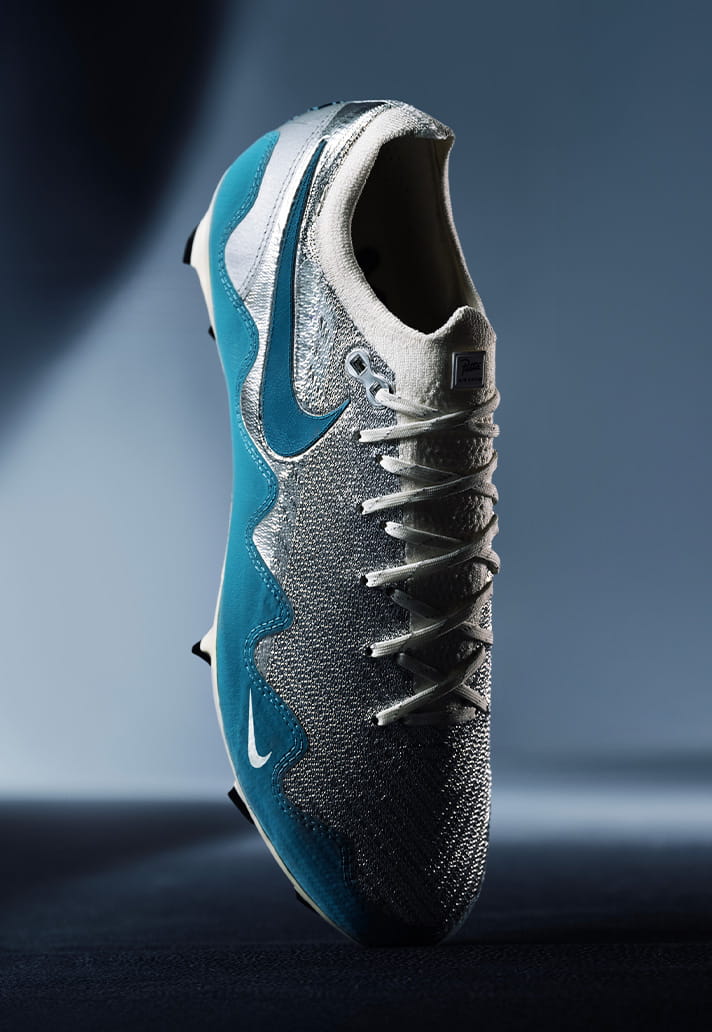
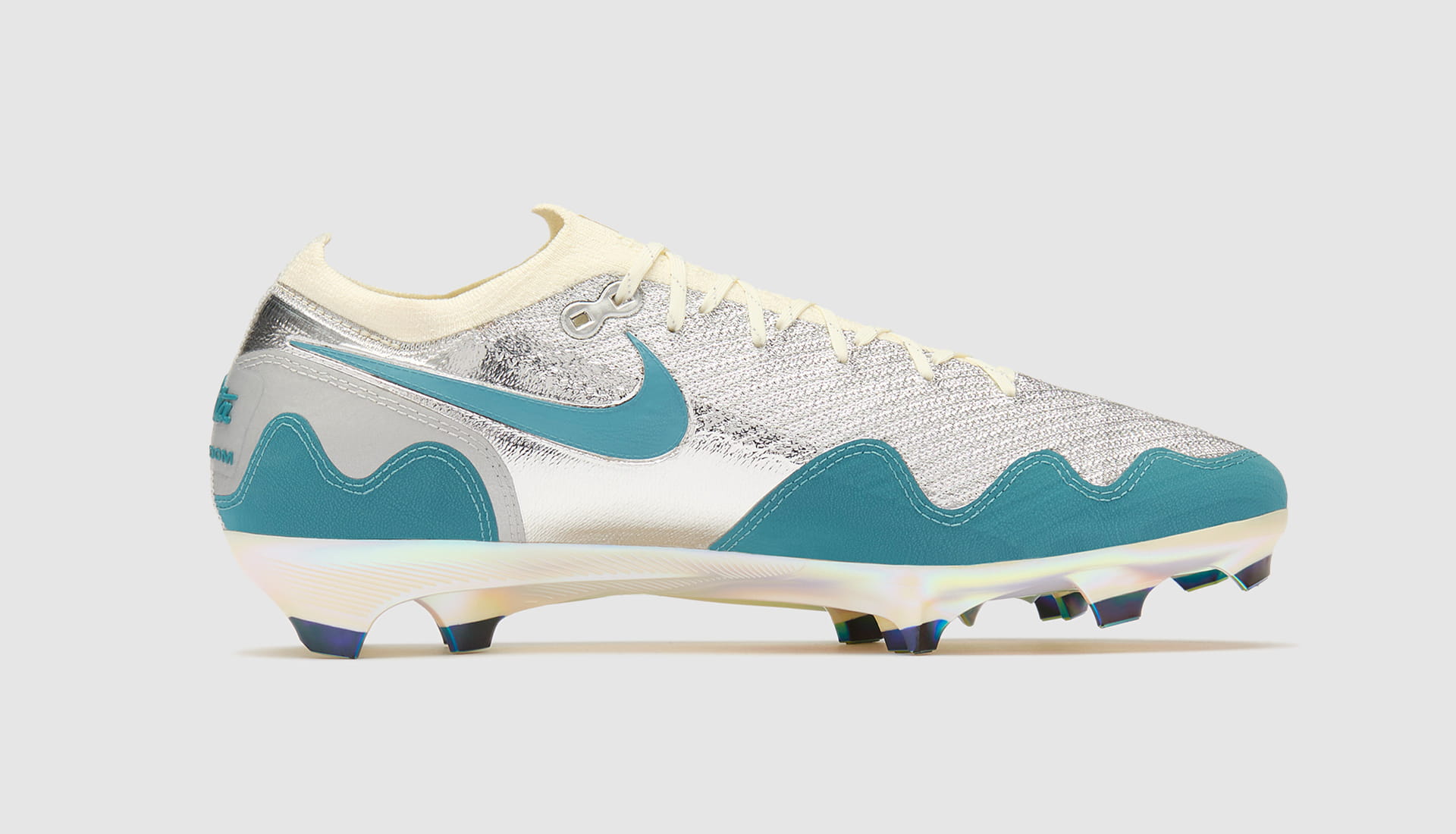
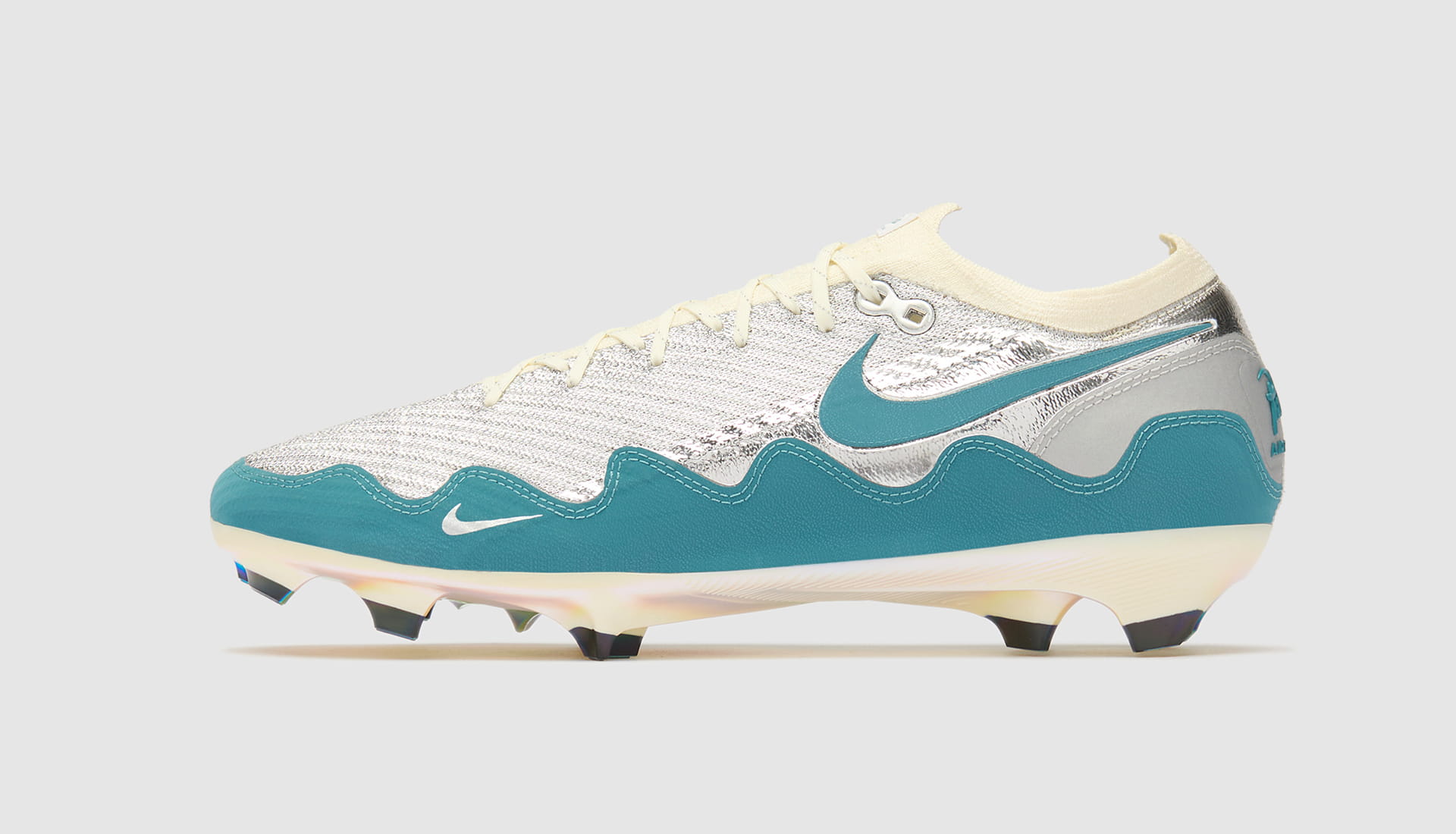
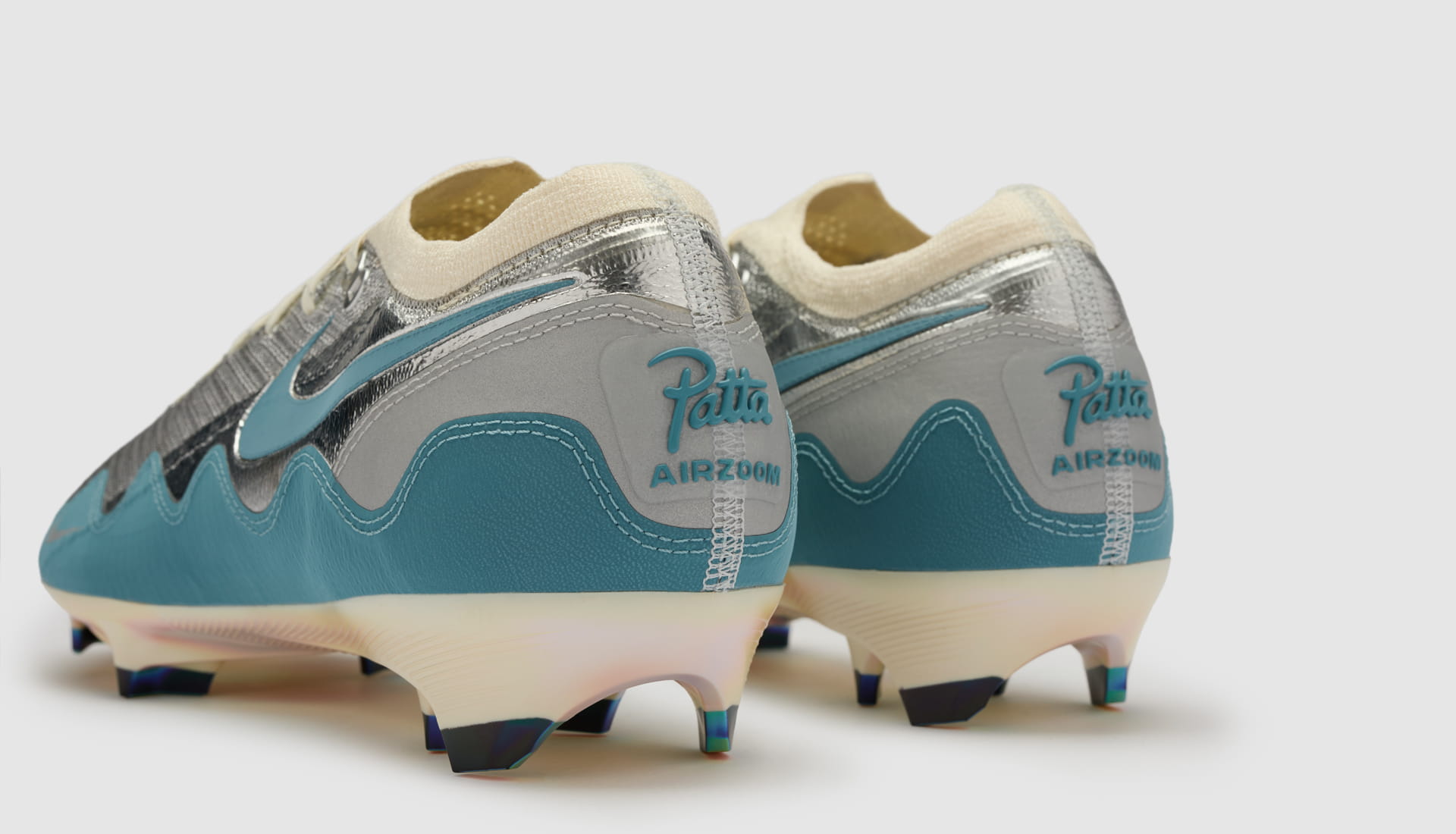
That’s how we came up with the “Unite” theme and the black-and-white boot. First, we wanted to stay close to a Patta classic—the wave design that every sneaker lover kind of knows or has in their collection. We wanted to tell a story using something very classic from our side.
We started from the blue wave, one of the first Wave Air Maxes we released, and based one of the cleats on that, as an ode to that shoe. But then we couldn’t decide between the black and white versions we also did, which are both seen as classics.
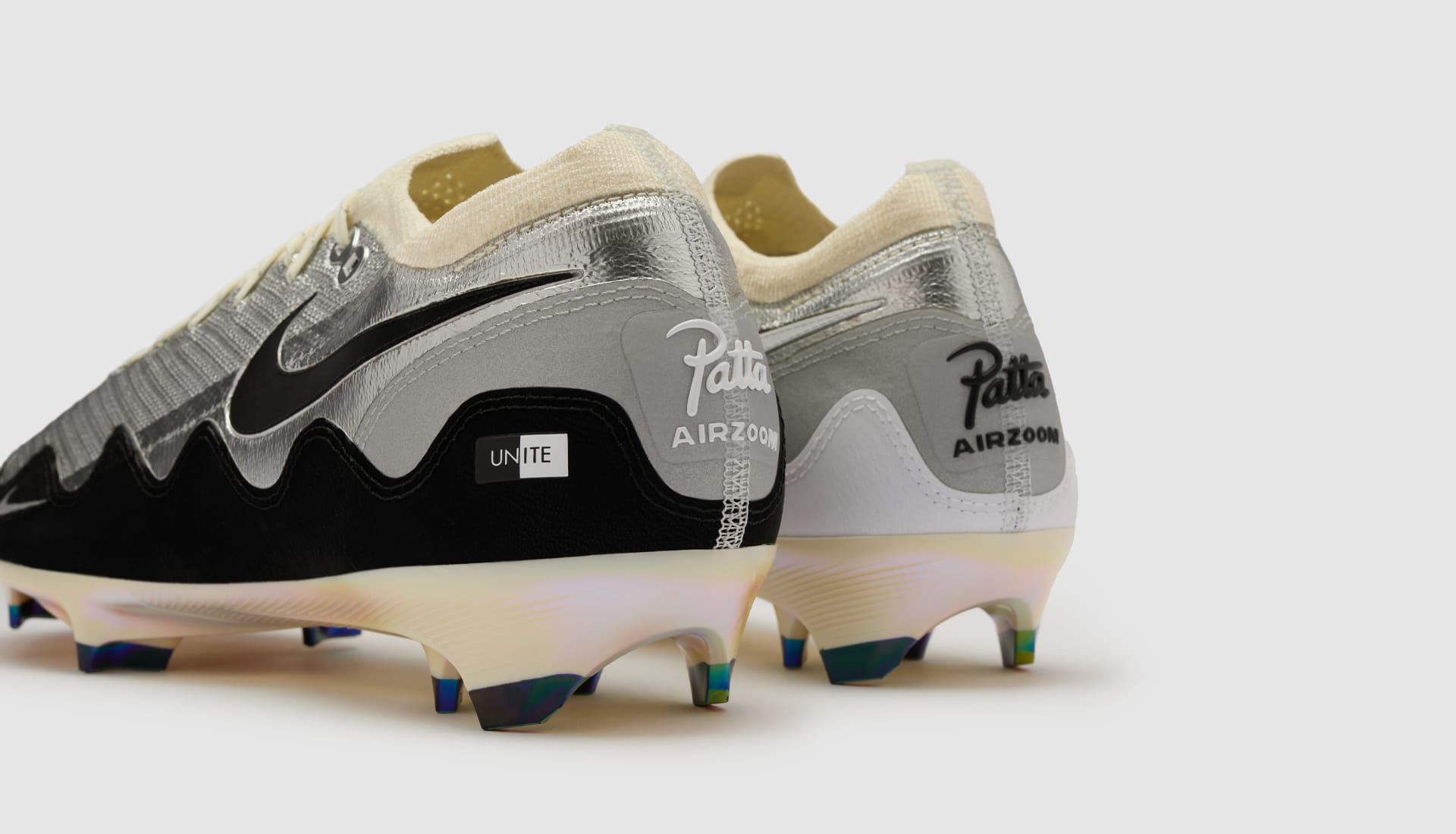
Since this was connected to football, and Patta is very much about inclusivity, we thought: why not build a story from that? In today’s game, racism is still very present—there’s a lot of negativity and discrimination. Patta as a company has always liked to speak about those things. This project was a great chance to do that.
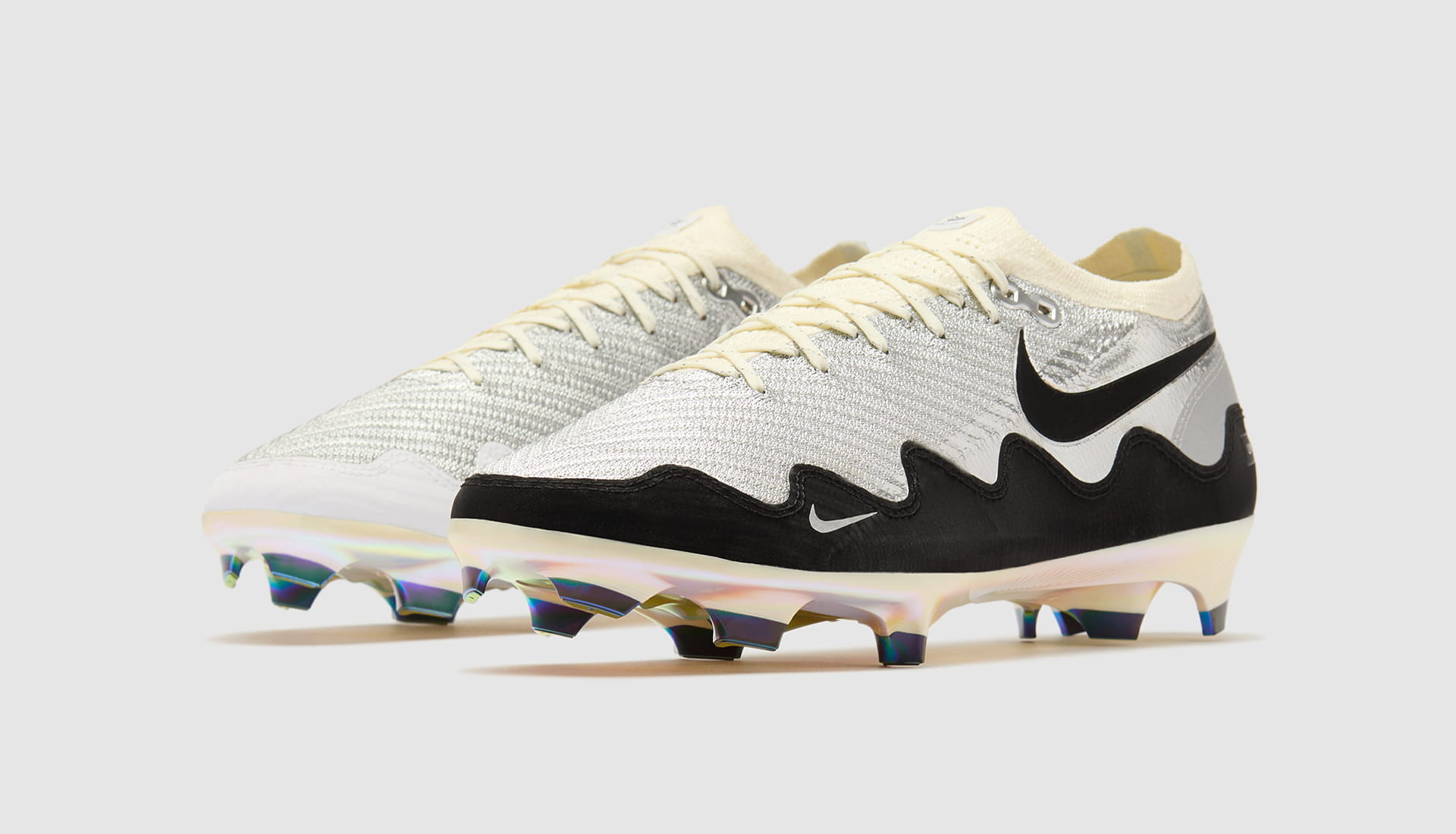
So we came up with the idea: let’s do one cleat white and the other black.
You mentioned that Nike asked, “Do you want to do a Mercurial?” So was it Nike that proposed the Mercurial rather than, say, the Tiempo?
In all honesty, yes. We were already doing all kinds of things leading up to the World Cup, and the story just kept evolving.
We started the journey with the two Air Maxes that dropped at the beginning of the year. They already had a small hint of the pattern from the jersey, but at that time people didn’t fully know what was coming—though some could guess, of course.
It was Nike who then said, “Hey, do you also want to do a cleat?” And the Mercurial was the cleat they presented to us. We really liked the Mercurial because of its history and the players associated with it—Ronaldo, Zlatan, and many other big names. It was immediately a shoe that we felt very comfortable with.
The Mercurial is a special boot with a deep history. Was there any trepidation in making that the focus of this latest collaboration?
There wasn’t fear, but there was a sense of responsibility. If you have the chance to design a boot like that—one that players of that stature might wear—you’d better do it well.
We always want to do every project really well, of course, but this one was particularly special because of the technical side of the shoe. With a performance cleat, you depend a lot on Nike’s team. We can handle the aesthetic and storytelling aspects, but all the technical elements of a cleat require very close collaboration with their experts. They did a fantastic job.
How important was it for you that there was alignment between the players wearing them and the message behind the boots, given that they’re huge stars and cultural figures now? Did you have any say in which players would wear them?
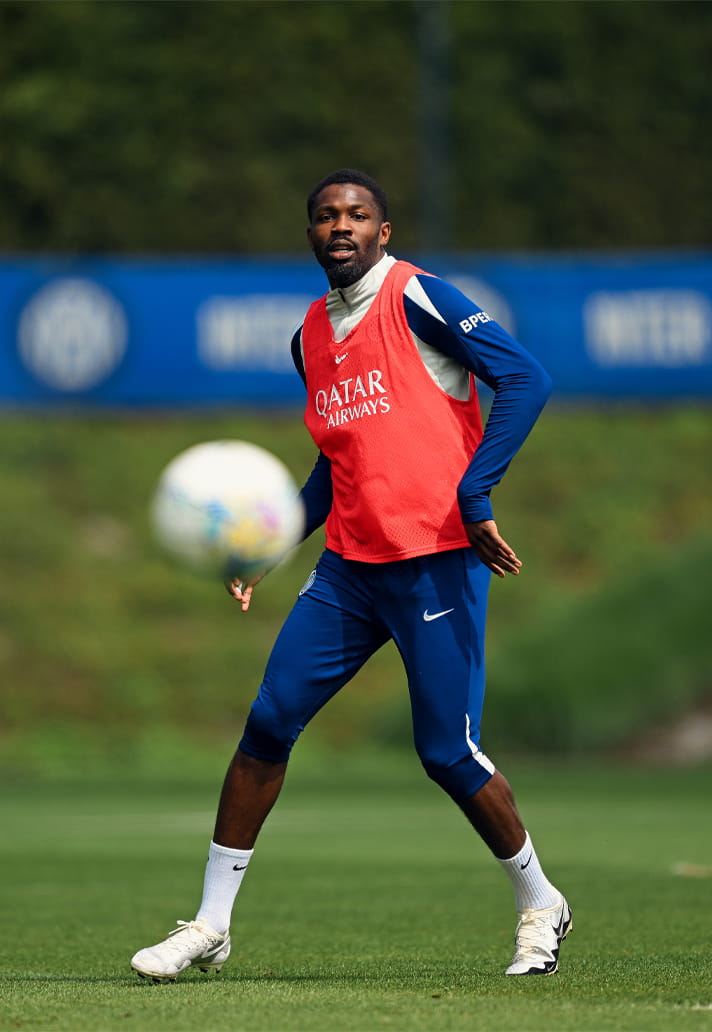
Yes, we definitely had some input. For us, the most important thing was that the message—the Unite message—was heard. It’s a very simple message about bringing people together, but if Patta can play a role in that, we’re very happy to do so.
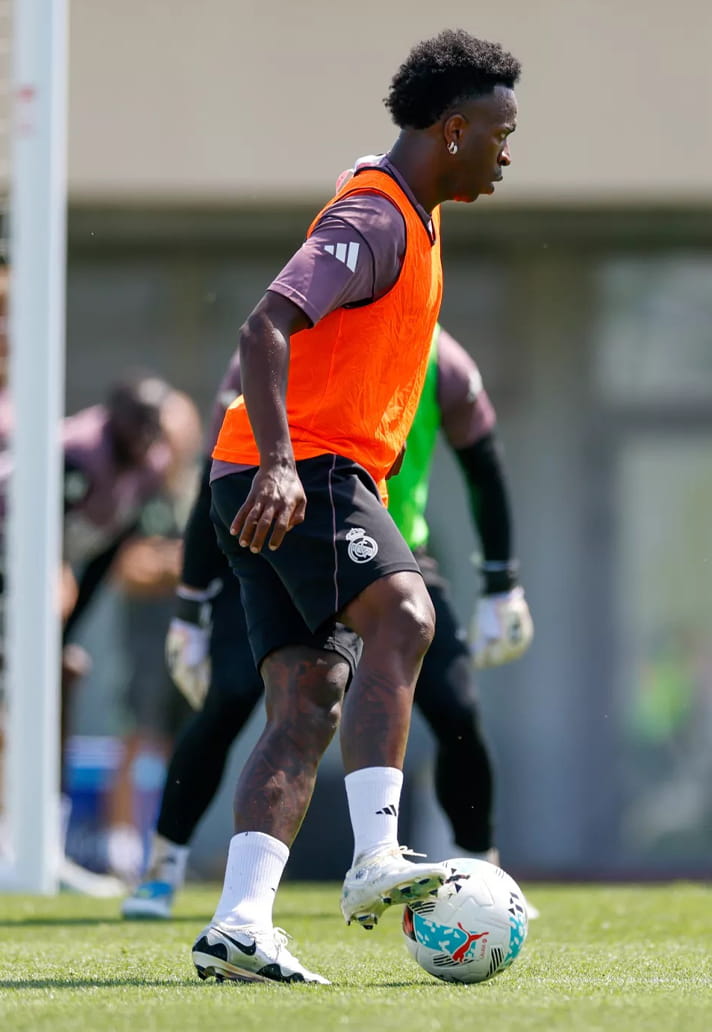
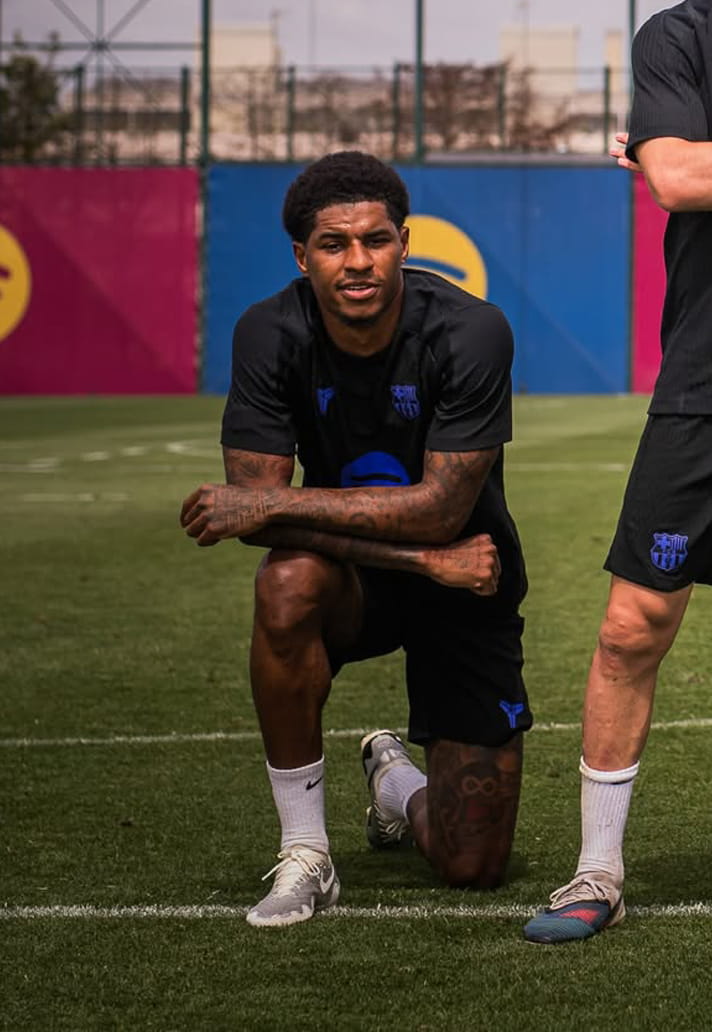
So our thinking was simple: the more big stars who can amplify this message, the better. We specifically asked Nike to connect us with Vinícius, because in recent years he’s had to deal with these issues directly. It’s not a nice history, but he’s a strong figure to help translate this message.
At the same time, we also love the idea that this message translates to amateur pitches as well. Beyond the big stars, I really like the thought of local heroes—neighborhood players—wearing these boots on their own fields.

"If you’re a racist and you wear a Patta boot, you’re going to look very stupid. That’s what I like about it—that these boots, without saying anything, stand for something"
There’s been a visible shift in football culture where players are more expressive – on and off the pitch. Do you see the Mercurial x Patta as a reflection of that new era?
I think we’re living in an era where many things that used to be subcultures or niche have become pop culture—like how hip hop became mainstream.
This collaboration is almost a reflection of that phenomenon. Things are more flamboyant now. Players have social media, and the way stars are admired is very different from how it used to be.
The idea of standing out has become more important in a world where everyone is connected and visible. Back in the day, everything was just on a smaller scale.
Boots used to be purely functional, now they’re cultural signifiers. Do you think football boots can carry the same storytelling weight as sneakers?
In the past two years, it’s been almost crazy to see how big football has become in fashion. It’s literally everywhere—I’ve never seen it as present as it is now.
I don’t know exactly why it exploded at this moment. Of course, the World Cup plays a role, I get that. But I also remember when someone like Dirk Bikkembergs was maybe the only fashion house truly embracing football culture. Now, it’s everywhere.
It’s nice to see, though, with collaborations like this, that there’s a deeper level of meaning and storytelling. It gives the product a much richer cultural sense in terms of what you’re trying to achieve. With that in mind, what does success look like for a project like this?
Success, for me, is when the boots are embraced by people who really play football—whether they’re big stars or local team players, it doesn’t matter.
It’s also about the opportunity to spread that message and that Patta ethos onto the pitch through the cleats. If the boots can do that, even in a small way, that’s success.
Because honestly, if you’re a racist and you wear a Patta boot, you’re going to look very stupid. That’s what I like about it—that these boots, without saying anything, stand for something: for a movement and for values we’ve practiced for over 20 years.
For you personally, thinking purely about the aesthetics of the boot, what’s your favorite element?
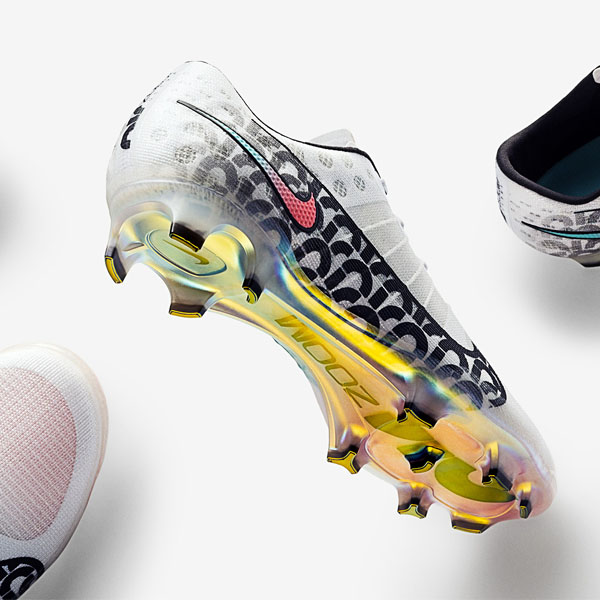
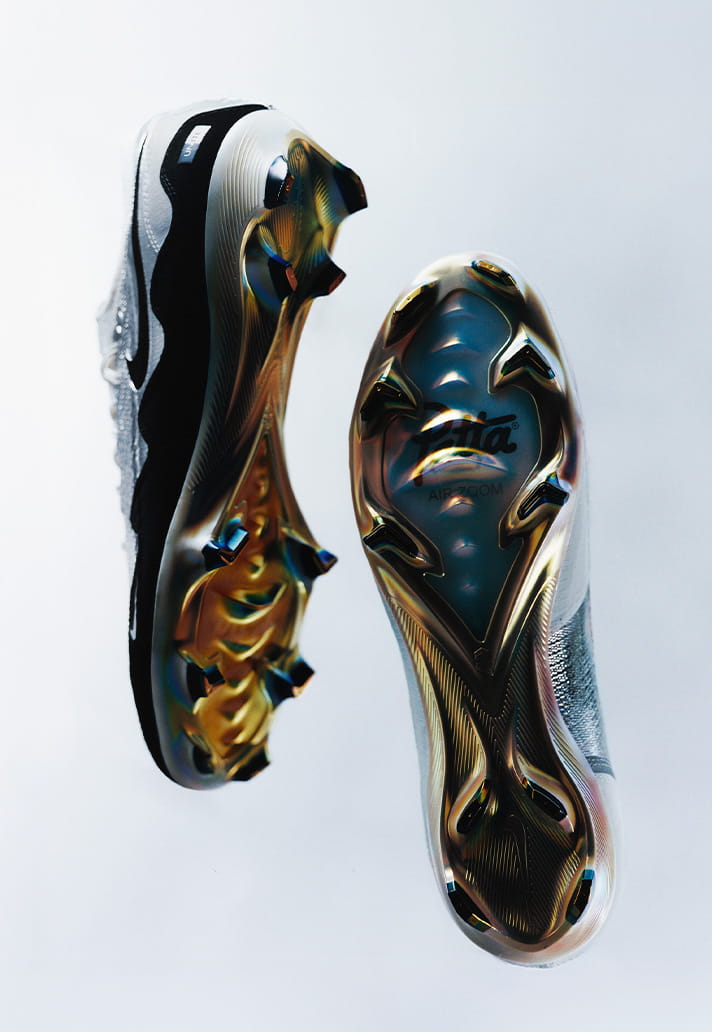
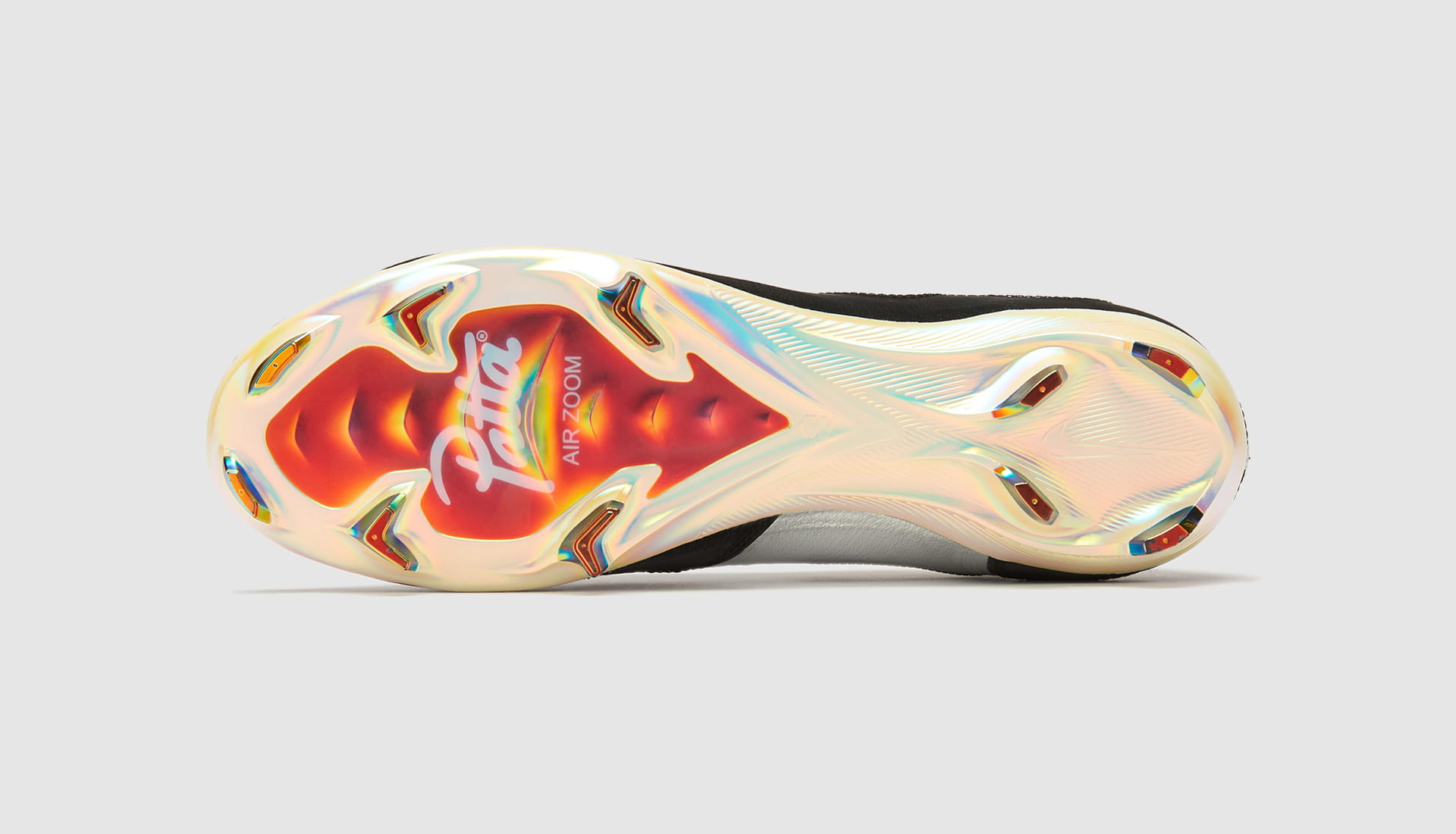
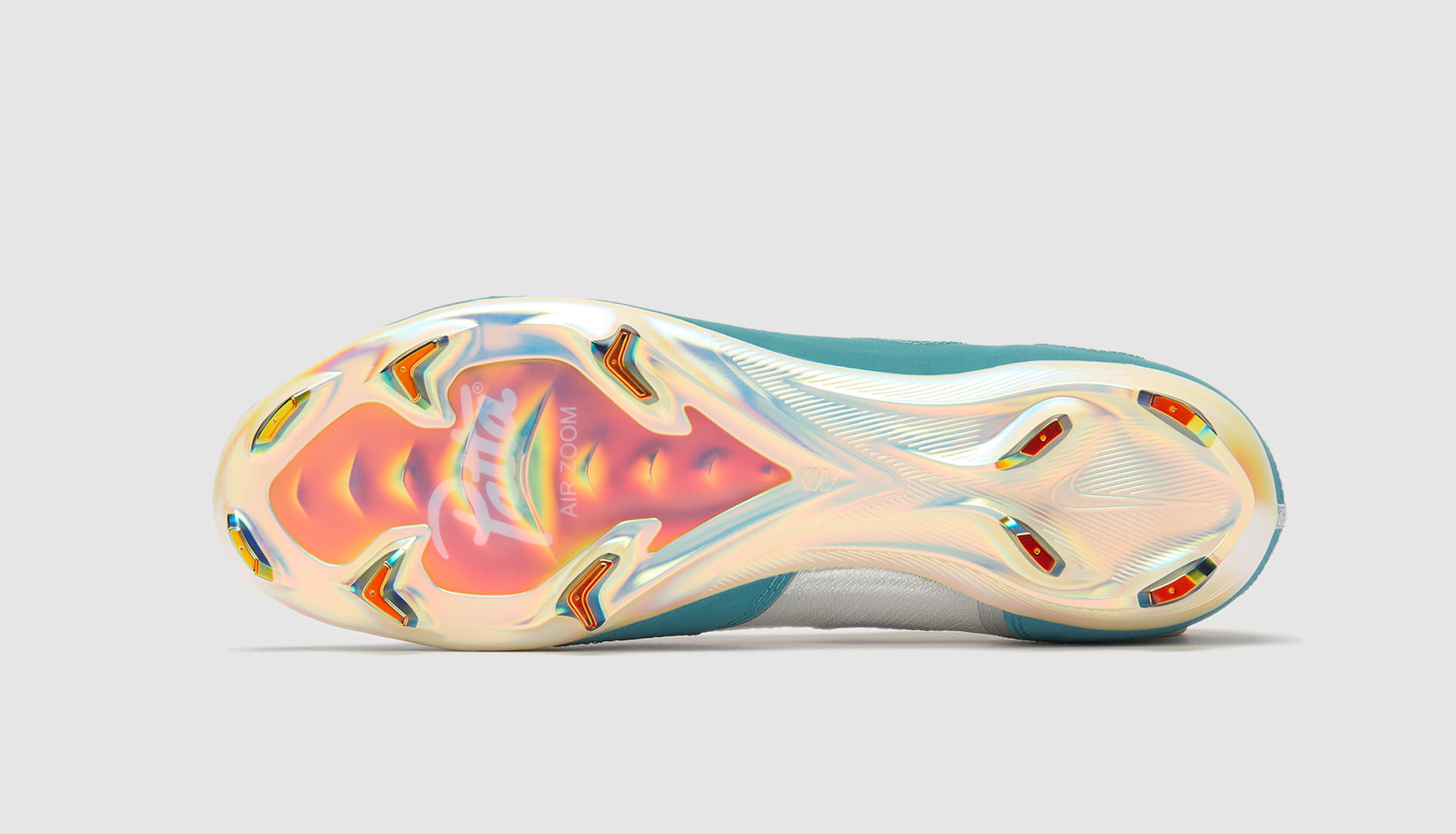
That’s a tough one because there are many elements I really love. But I think the soleplate is quite amazing.
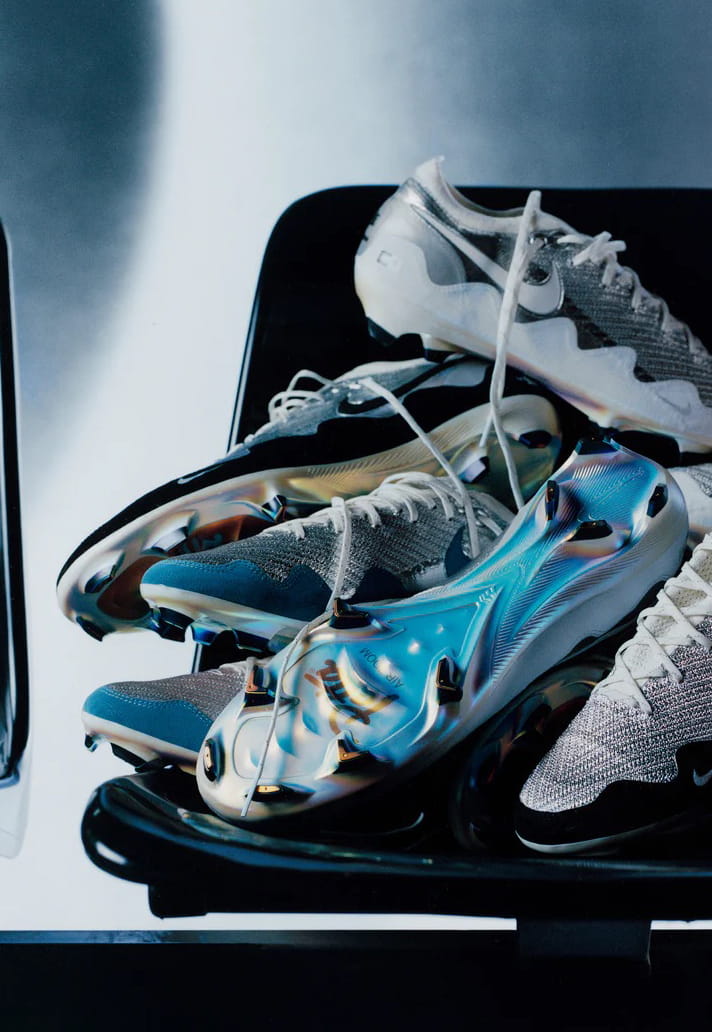
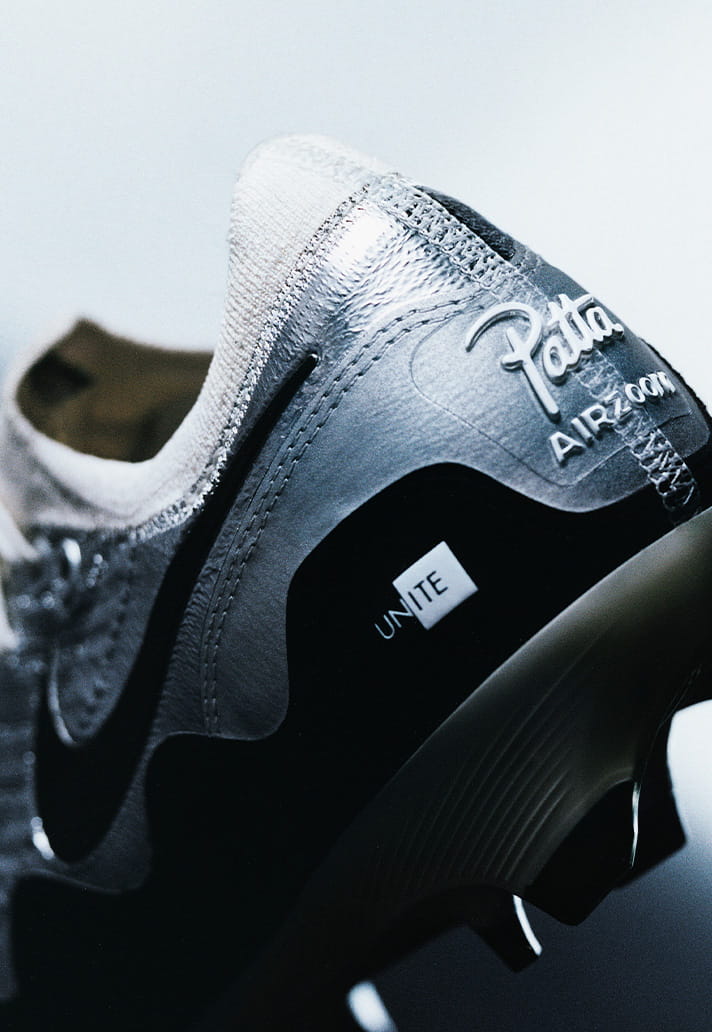
When we were designing, we were in the US with the Nike team, and we tried to stay as close as possible to the Wave Air Maxes we did back then. That shoe has a sole that isn’t white, but more of a creamy tone—the official name is “Coconut Milk.”
At the same time, I was very attracted to all the futuristic things they can do now. So just a plain milky sole wasn’t enough. What’s funny is that from a distance it still looks off-white, but when the light hits it, so much happens visually. What it does in photos is really attractive.
Pick up the Nike Air Zoom Mercurial Vapor x Patta at prodirectsport.com/soccer