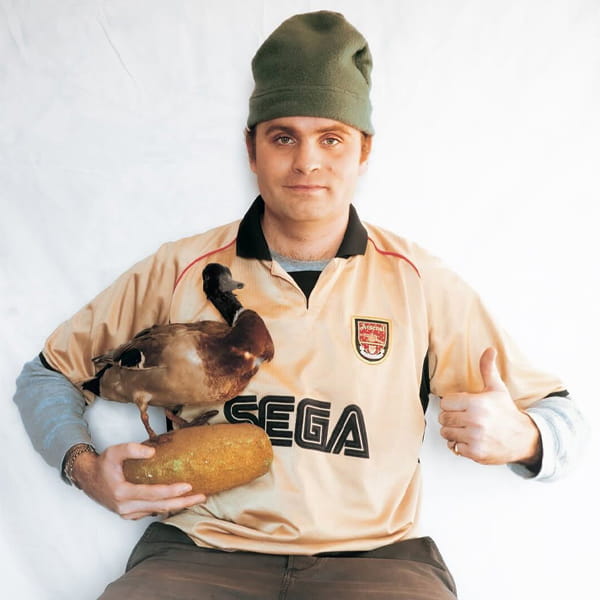
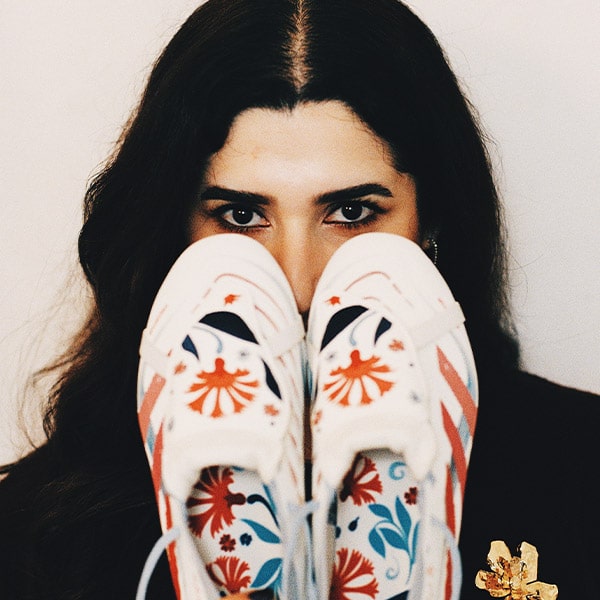
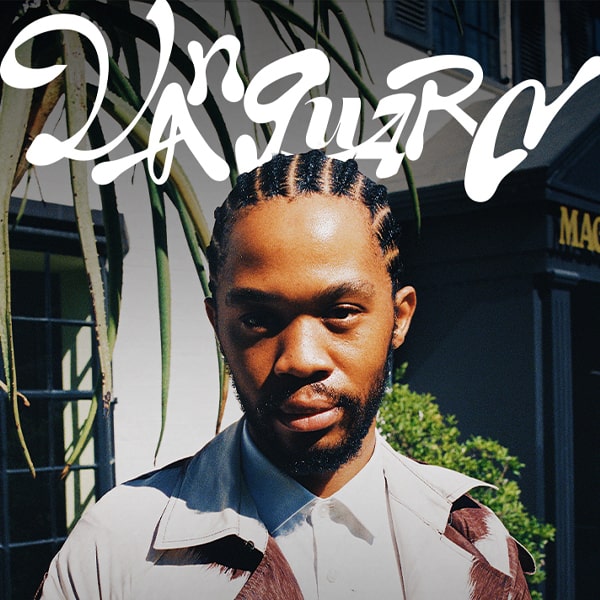
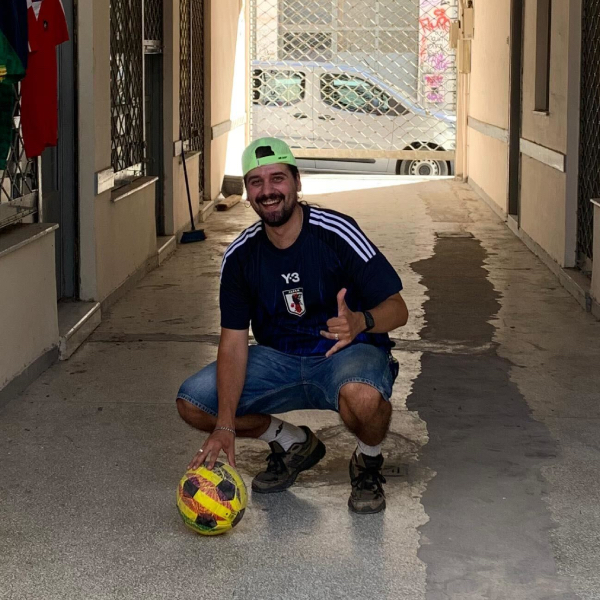
If you’re not familiar with the work of Sonya Kondratenko, chances are you’ve seen it – you just didn’t realise it.
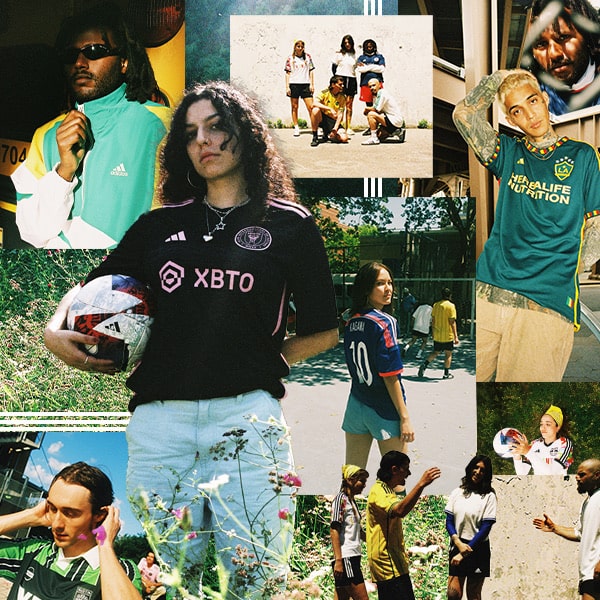
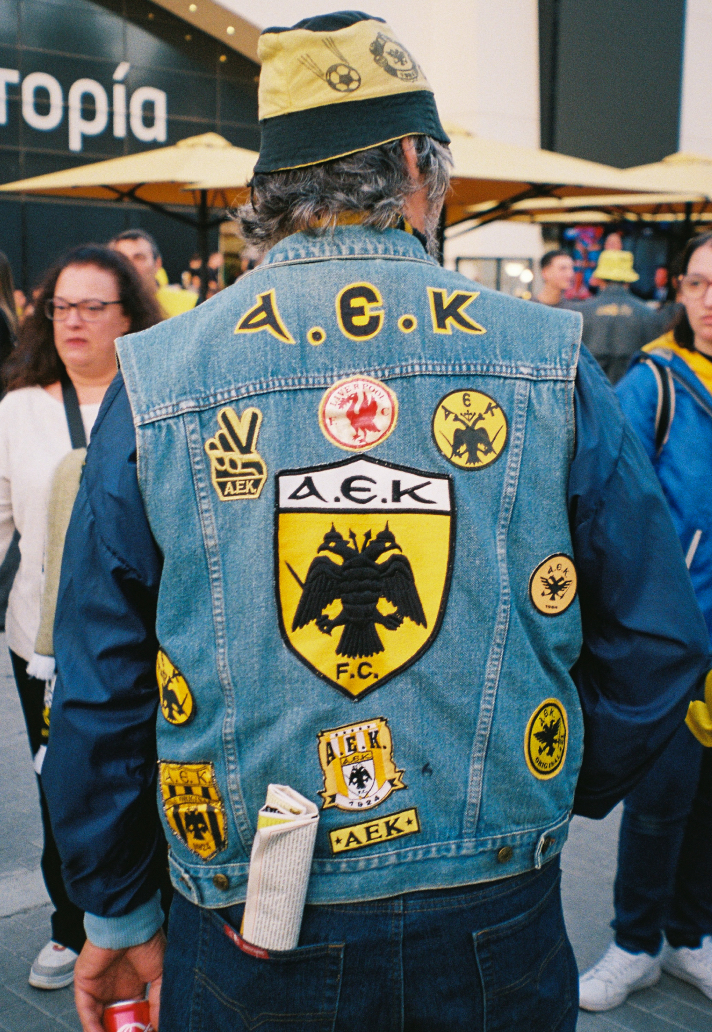
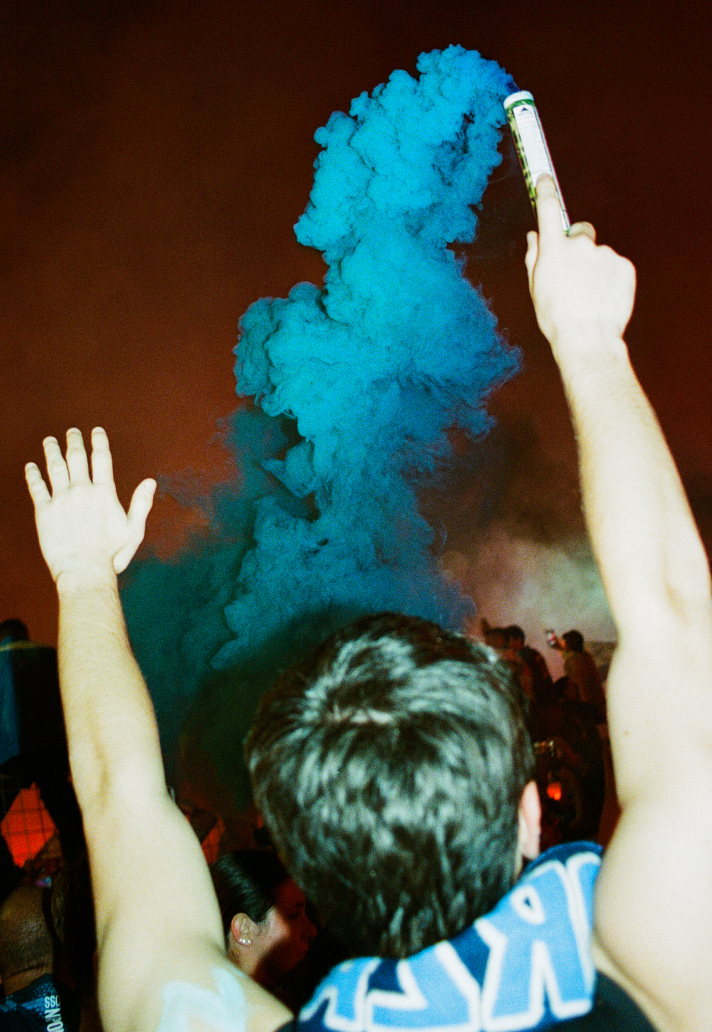
Hailing from Baltimore, Maryland, Kondratenko has helped to reshape how football looks and feels, playing a defining role in projects like Venezia FC and Athens Kallithea FC. Her work – which is shot entirely on film – sits somewhere between documentation and world-building, rooted in real life but with a clear sense of intent.
Now based in Athens, Kondratenko remains less interested in the action on the pitch and more drawn to everything around it, building a visual language that feels unapologetically lived-in. We caught up with her as part of our VANGUARD series to talk process, perspective and the power of doing things differently.
Let’s start by telling us about yourself, your background and how you came to where you are today…
I’m originally from Baltimore, Maryland. It’s not a city people immediately associate with football, but there’s a deep-rooted culture there, especially within immigrant communities. My family is Ukrainian, and my dad actually went pro, so football was always around me. I grew up spending weekends at games – from local park leagues to indoor matches with the Baltimore Blast. I was immersed in that world from the start, which probably gave me a different perspective on it.
At the same time, there was pressure to follow that path, and I pushed against it. I was far more interested in art. That tension between sport and creativity shaped a lot of how I think today. My mum is a mural painter and always had a camera on her. I grew up around that too, and I was fascinated by film from a young age. In hindsight, it’s not surprising I ended up here.
You studied fine art and photography before moving into football media and creative direction. When did you realise your creative instincts could exist inside football rather than orbiting it from the outside?
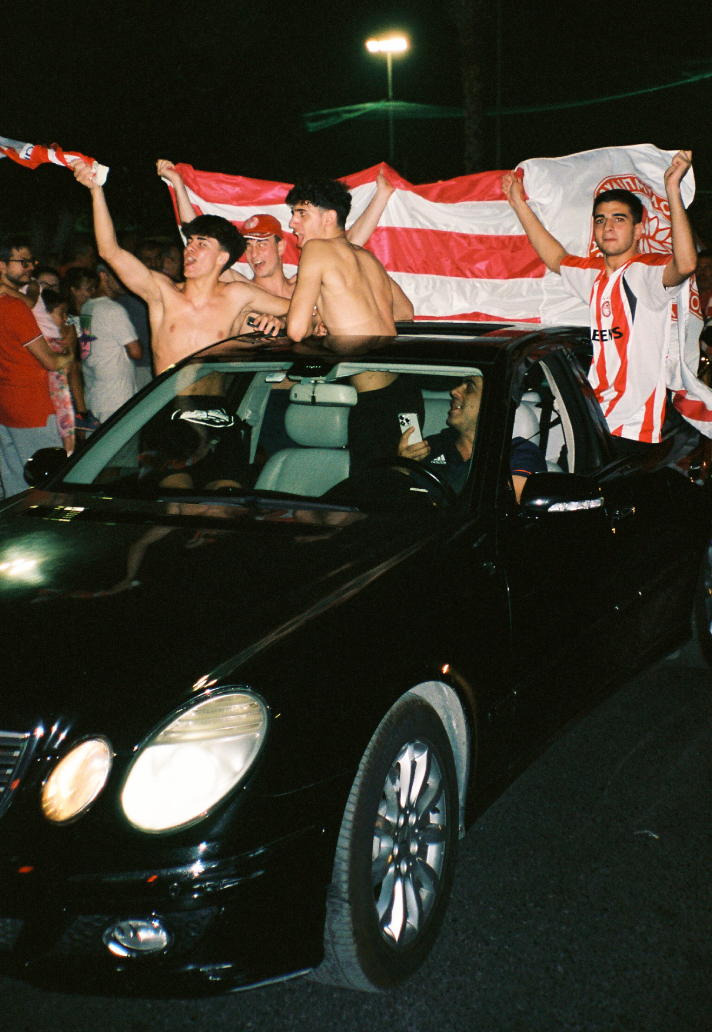
I always knew I wanted to be a photographer, but I didn’t know what that would look like. I was obsessed with what happens behind the scenes – I never wanted to be on stage, I wanted to be the one building it. I went through art school and spent years in the darkroom, completely removed from football. At that time, sport just wasn’t part of that world.
After graduating, I started going back to games on my own terms. I’d go to D.C. United or U.S. national team matches and just make photos for myself. No pressure, no expectations – just documenting what interested me.
That’s when it clicked. The work started to resonate, people responded to it, and suddenly I found myself in the middle of the American soccer scene. From there, it felt obvious that this was where I belonged.
A lot of clubs talk about storytelling, but few actually build culture. How do you approach shaping a club so it’s felt emotionally, not just consumed visually?
For me, it has to come from real life. A lot of the work at Venezia and Kallithea is just me living in those places. It’s not content created for the sake of content.
At Venezia, we made a conscious decision to never shoot players at the training ground. Everything happened in the city. We worked with local institutions and used Venice itself as the backdrop – partly to show that the city is more than just tourism, but also to reconnect the club with its community. After multiple bankruptcies, there was a responsibility to rebuild trust. The imagery had to reflect something genuine, not manufactured.
With projects like Venezia and Athens Kallithea, how early does narrative enter the process?
There’s always a long-term vision, but it doesn’t mean everything happens immediately. A lot of ideas sit and wait until the timing feels right. Working with smaller clubs helps. There’s less pressure to rush, so things can develop organically. Sometimes the story unfolds quickly, sometimes it takes years – but it always comes back to being intentional.
You’ve spoken before about building spaces that feel open and authentic rather than manufactured. How do you protect that ethos when football is increasingly driven by metrics and marketing cycles?
A lot of that comes from growing up in the hardcore music scene in Baltimore. It was a space where authenticity mattered, and if something felt forced, it was called out immediately. That mindset has stayed with me. Of course, success and growth bring different pressures, but I’m always conscious of where things started and why I do this.
At Kallithea, we’re fortunate. We can take our time, we don’t have external pressures forcing decisions, and we’re comfortable with the slow burn. Not everything needs to perform instantly – it’s all part of a bigger picture.
Your background is in photography. How do you use imagery as strategy rather than decoration?
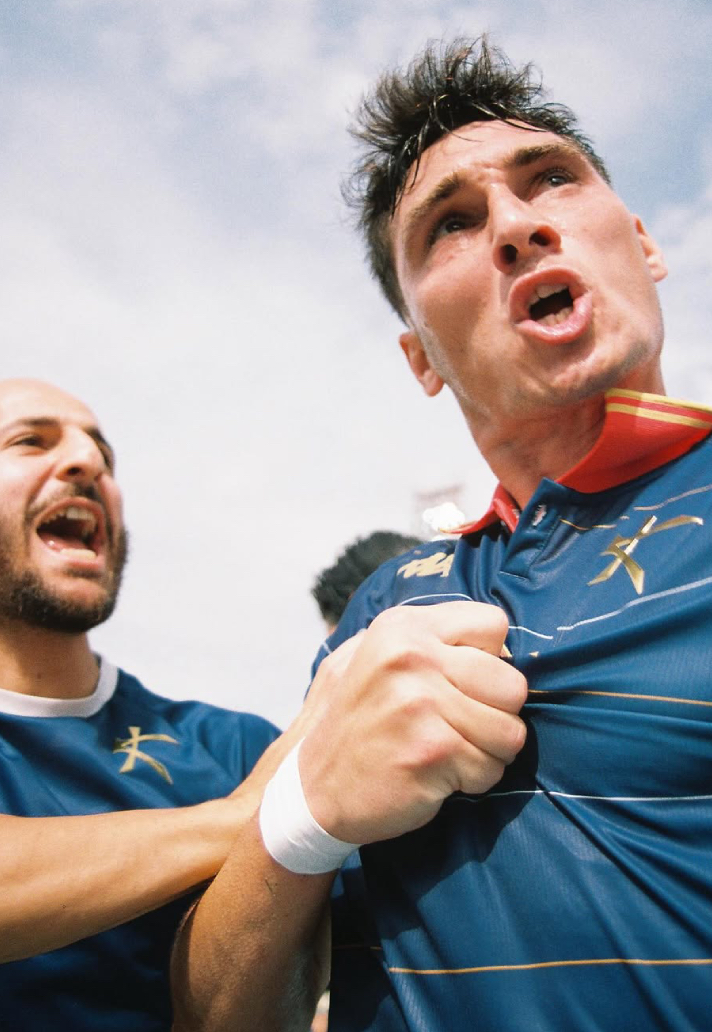
I’ve always been more interested in what’s happening around the game than the game itself. The details, the overlooked moments, the atmosphere. At Venezia, before promotion to Serie A, I was essentially building a visual journal of my life in the city. At some point I thought, why can’t a club share this? We started posting those kinds of images, which at the time wasn’t typical. But it worked – it became a core part of how the club communicated. Now you see that approach everywhere, but back then it felt like a risk. I like to think we played a part in shifting that.
You’ve worked across different cities and football cultures. What have those environments taught you?
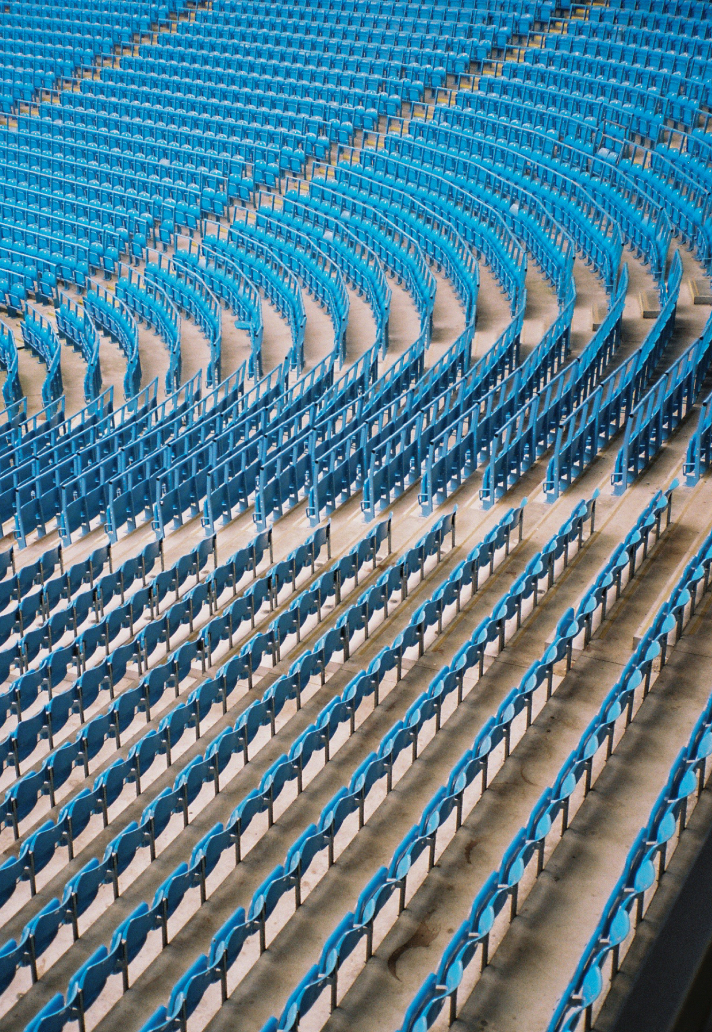
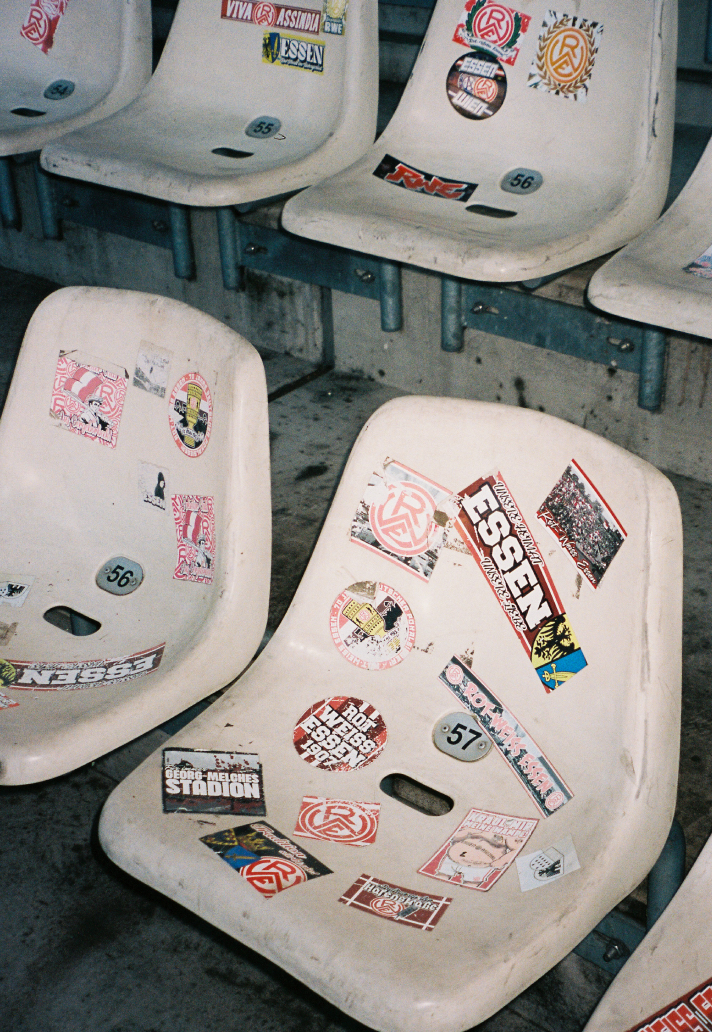
Coming from the U.S., where sport is often disconnected from its surroundings, living in Europe changed everything for me. I’ve spent the last decade around community stadiums – places that aren’t perfect, but have real character. Graffiti, worn seats, history in the walls. That’s the environment I connect with. Those experiences are less about the match itself and more about understanding the culture around it.
We’re seeing fatigue around constant drops and hyper-produced launches. Do you think football culture is heading toward something slower?
I hope so. It’s easy to feel overwhelmed by how much is out there. For us, selling products has never been the goal – it’s a byproduct of doing something authentic. At Kallithea, we’ve used the same three kits for two seasons. We didn’t see a reason to change them. That used to be normal. We’re just trying to bring that mindset back.
Looking ahead, are you more interested in building brands within football, or football institutions that behave like cultural platforms?
I’m not interested in building something superficial. It has to resonate and have a real impact. Even when working with bigger organisations, I try to hold onto that DIY mentality. Football doesn’t need to be homogenised, there’s still space to create something personal, something different.
You can keep up to date Sonya's work via her Instagram account
VANGUARD: The Creative Soccer Community is SoccerBible’s ongoing celebration of the people reshaping the seams of creative soccer culture – the photographers, designers, filmmakers, stylists and thinkers redefining how the game looks, feels and lives beyond the pitch. It’s a platform for individual voices and distinct perspectives, spotlighting those building new visual languages around football while respecting what came before.