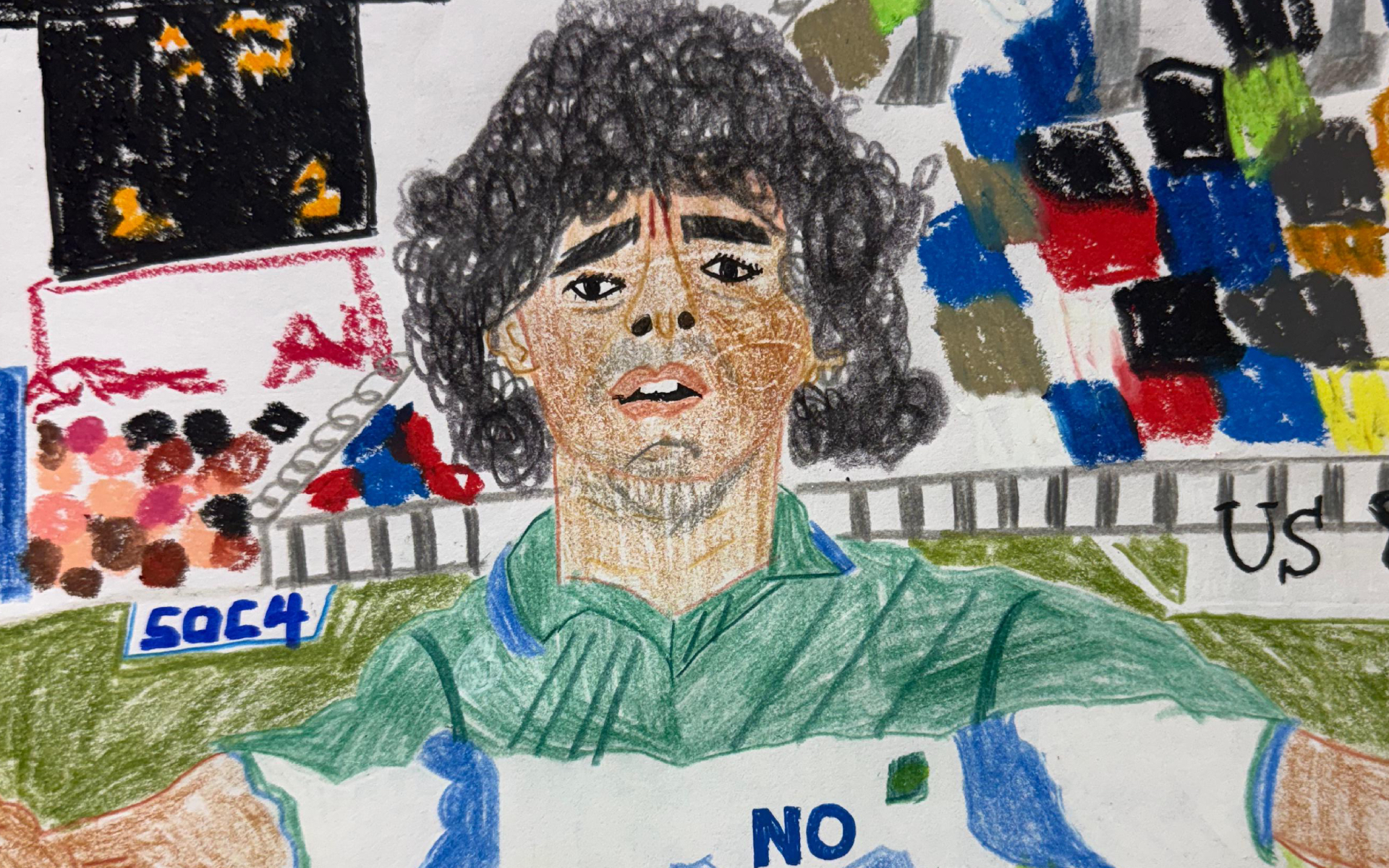
If football lives anywhere beyond the ninety minutes, it lives online – in the images, edits and reinterpretations that travel long after the final whistle.
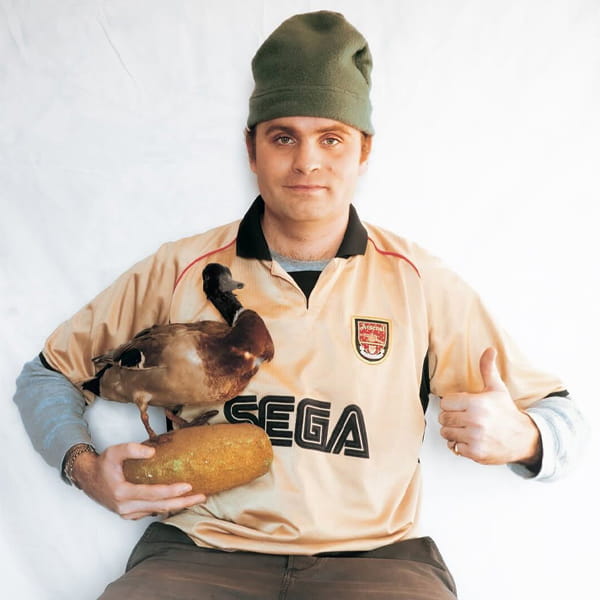
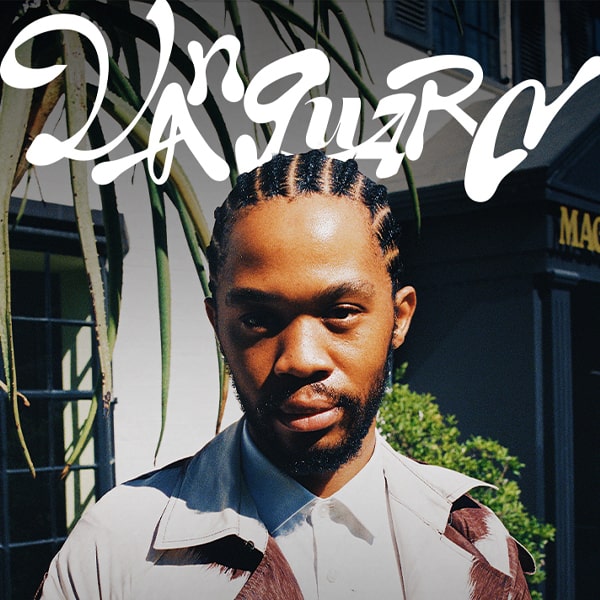
Apostolis Dimitropoulos, better known to many by his Instagram alias KROOKSMUCKER, operates right in the middle of that space. Part digital archivist, part cultural remixer, the Athens-based artist has built a following by taking some of football’s most recognisable moments – iconic goals, kit eras, player imagery – and reframing them through his own lens.
What started as instinctive image-making has quietly evolved into collaborations with some of football and fashion’s most recognisable names, most recently working alongside Milan-based boutique Slam Jam for the release of its latest AC Milan collaboration.
Despite the growing list of collaborators, Dimitropoulos still operates with the mindset of an outsider and someone documenting the culture as much as participating in it. For our latest VANGUARD conversation, we caught up with Dimitropoulos to talk nostalgia, internet culture, football’s visual history and the moments that demand to be immortalised.
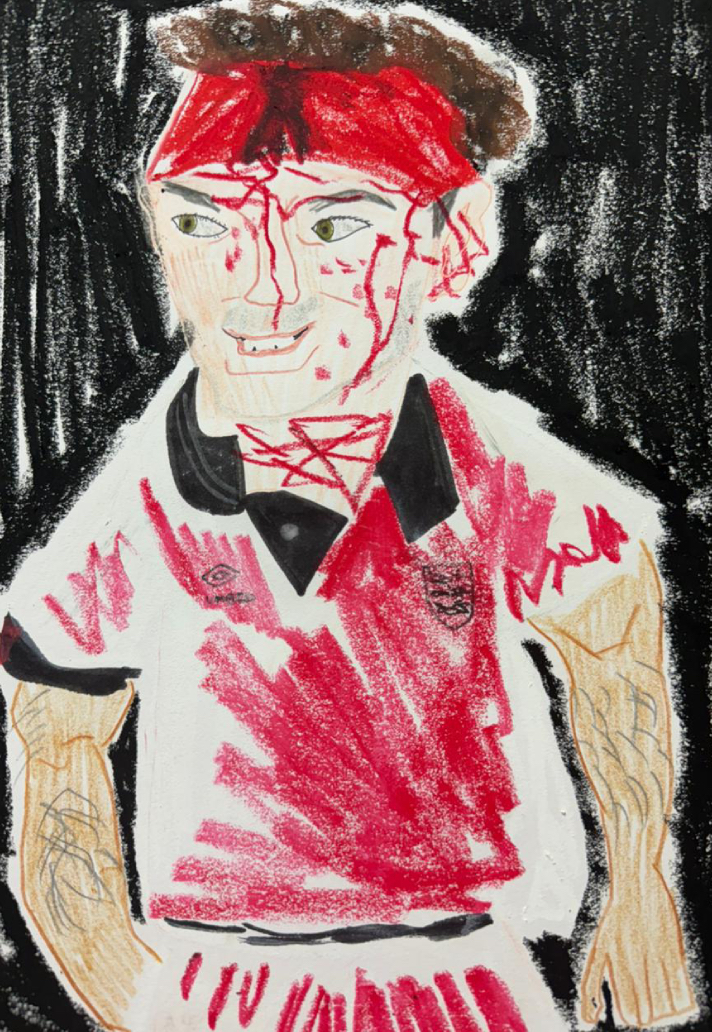
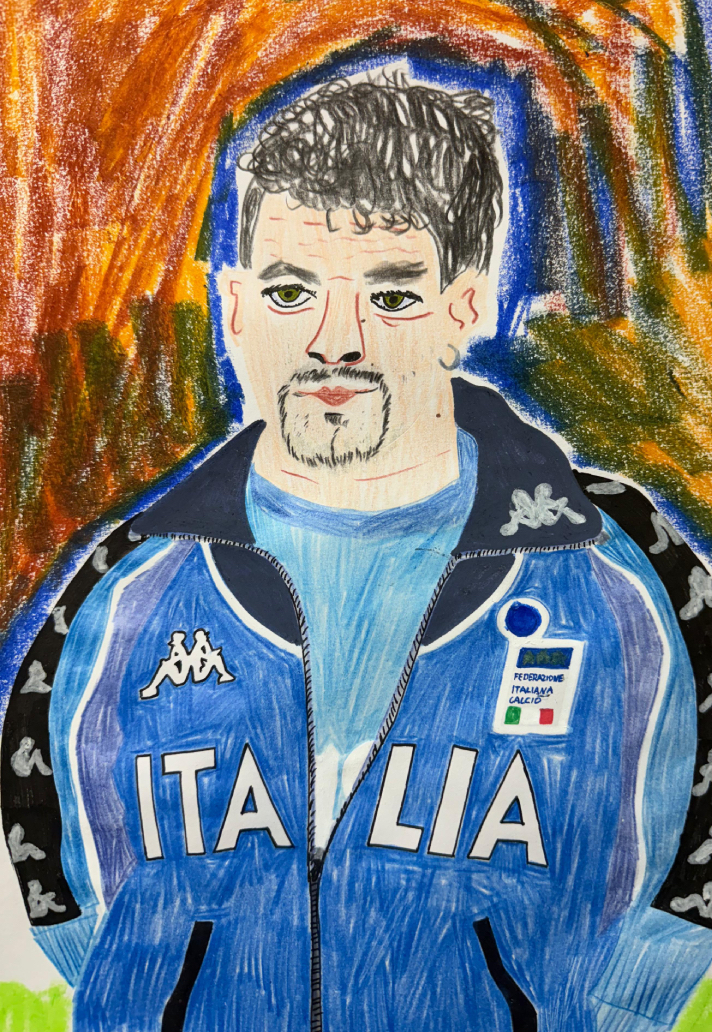
For anyone discovering you through this, how do you describe what you actually do?
I think I’m doing something quite unique with my own perspective. Art is subjective – everyone judges and chooses what they like – but that’s exactly the point. What I try to do is take moments from football and present them through my own lens, then give that interpretation back to people so they can decide what they see in it.
Do you remember the first time you realised football imagery could be manipulated or reframed? Was there a moment where you saw the game as more than sport, and as raw material?
Football has given us so many moments. When I first started, most of what inspired me came from my childhood; the games I watched, the emotions I felt growing up around the sport. Now there’s a mixture. Some of the work comes from nostalgia, but also from moments happening right now.
Your work often feels like it sits between nostalgia and disruption – pulling from classic eras but twisting them into something new. What draws you to the past, and what are you trying to correct or challenge within it?
The past is our experience – what we have lived – and no one can erase that. I draw inspiration from it every day. But what excites me most is when the past and the present meet. When those two timelines mix together, it creates something new, something refreshed. That’s where I find energy in the work.
A lot of what you make travels quickly online, but it doesn’t feel disposable. How conscious are you of permanence versus immediacy when you’re creating?
Information spreads extremely quickly now. The fact that my work can travel instantly is obviously positive, but at the same time I think creating a kind of cult around it, something people really connect with and return to, is important for the evolution of culture.
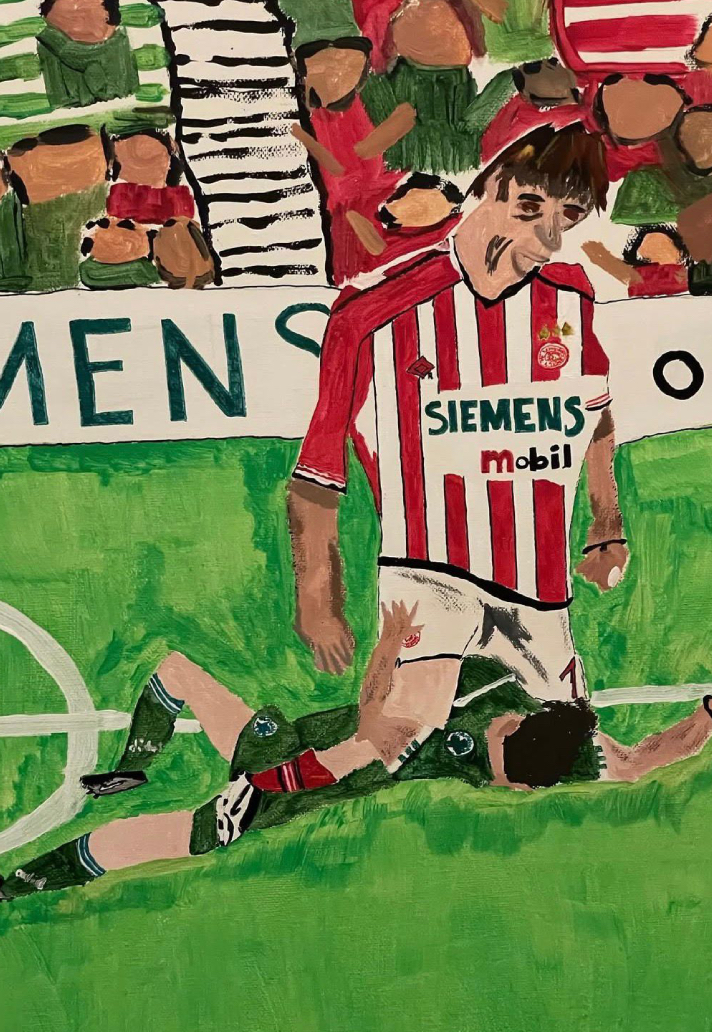
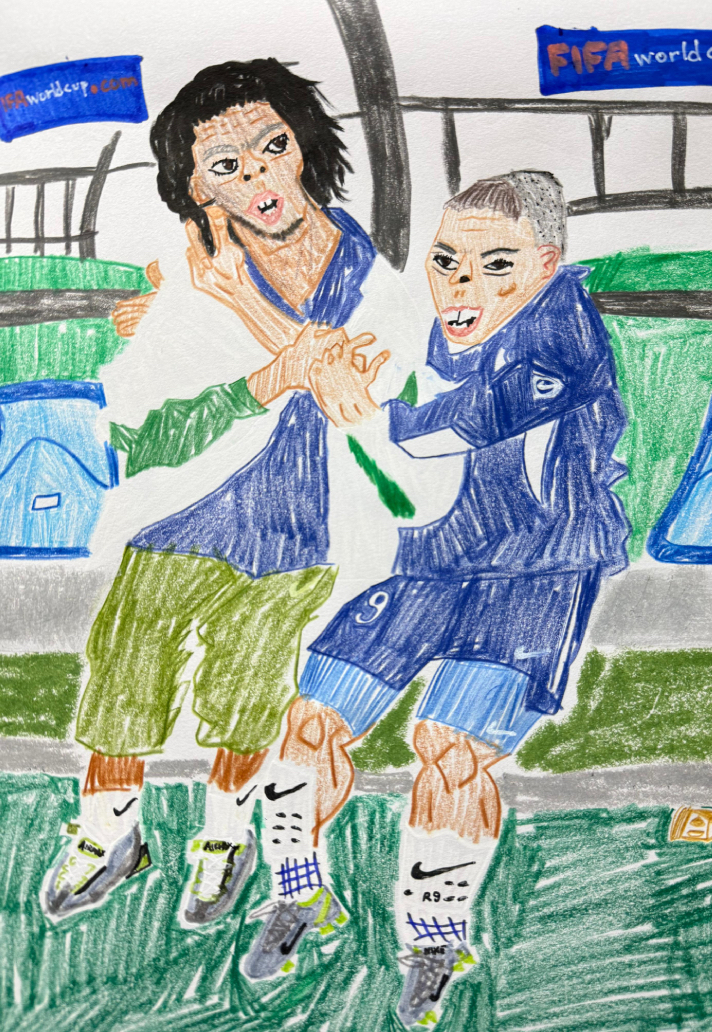
What does your process actually look like? Are you deep in archives, trawling old match footage, screenshotting obscure forums, or is it more instinctive and reactive?
Usually it starts with memories. I’ll think about a moment and then look for the right way to immortalise it. Other times I might see something online from a page I follow, or something happens live during a match and I immediately think: okay, I have to create this.
Football culture right now is hyper-commercial, hyper-polished. Do you see your work as existing in opposition to that, or as part of the same ecosystem?
Football is everywhere now. To be honest, I don’t really think of myself as part of that ecosystem, because I’m not sure many people fully understand what I’m trying to do yet. Of course I’m connected to it and I want to grow within it, but I can’t really speak about being part of something bigger until I fully know what that looks like.
Who shaped your eye early on? That could be designers, photographers, kit manufacturers, boot silos, fanzines – what built your visual language?
I don’t think I’ve ever had idols. Not in a negative way, I admire the work of many people around me, artists of all kinds, but I’ve always preferred to focus on developing my own perspective. With full respect to everyone doing great work, of course.
There’s a certain humour running through what you do, too – sometimes subtle, sometimes pointed. How important is irony in how you approach football?
It’s true! In my eyes what I make is always perfect, but sometimes it can be extreme. Either it’s very accurate or completely wrong. There’s no middle ground for me as a person, so that probably comes through in the work as well.
Has the response from clubs, brands or players surprised you? Do you feel embraced by the industry, or still slightly on the outside of it?
I can only be grateful for what God has given me. I’ve worked with amazing people and received love from everywhere, from small amateur clubs to big teams, from players known and unknown, from brands as well. But there is always something bigger to chase. I can’t be complacent. The journey matters most, and as long as we have health we can keep learning and improving.
Looking ahead, do you want to stay in this fluid, internet-native space, or are you interested in building something more physical – books, shirts, exhibitions, collaborations?
My friends and family always tell me to build something of my own because they see the influence the work has. It’s definitely in the back of my mind. But right now I’m more interested in collaborating with new people around the world. Travelling, meeting different cultures, experiencing things up close – those are the stimuli that keep the work moving forward.