Martin Odegaard rarely gives much away. I’m not talking about possession (although that would be accurate), I mean how he speaks, in the same measured way he plays football: controlled, precise and unrushed.
All of which, ironically, feels at odds with the speed at which it all began for the Arsenal midfielder.
A prodigy in Norway, Odegaard was still in his mid-teens when he made his professional debut for Stromsgodset in the Norwegian first division, becoming the youngest player to ever appear in the league and, at 15, also becoming Norway’s youngest-ever international.

By 16, he had signed for Carlo Ancelotti’s Real Madrid, making his first team debut on the final day of the 2014/15 season, when he also became their youngest debutant, replacing Cristiano Ronaldo. Despite his rapid rise, when Odegaard talks about that period now, there’s no sense of overwhelm or lingering drama, just the same measured tone that we’ve come to expect.
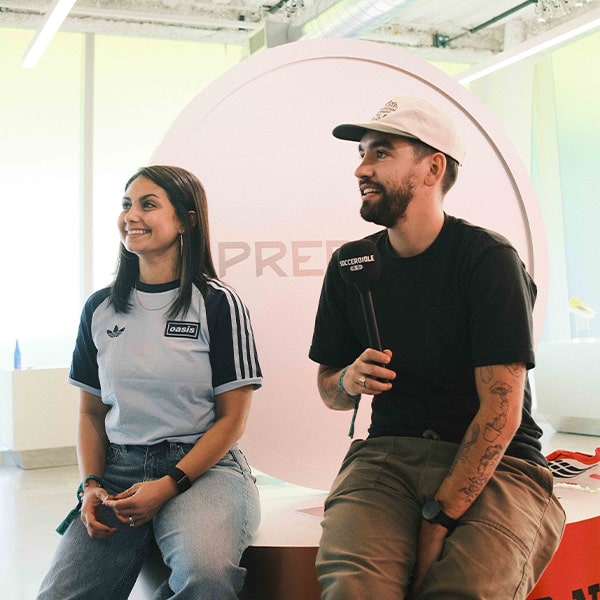
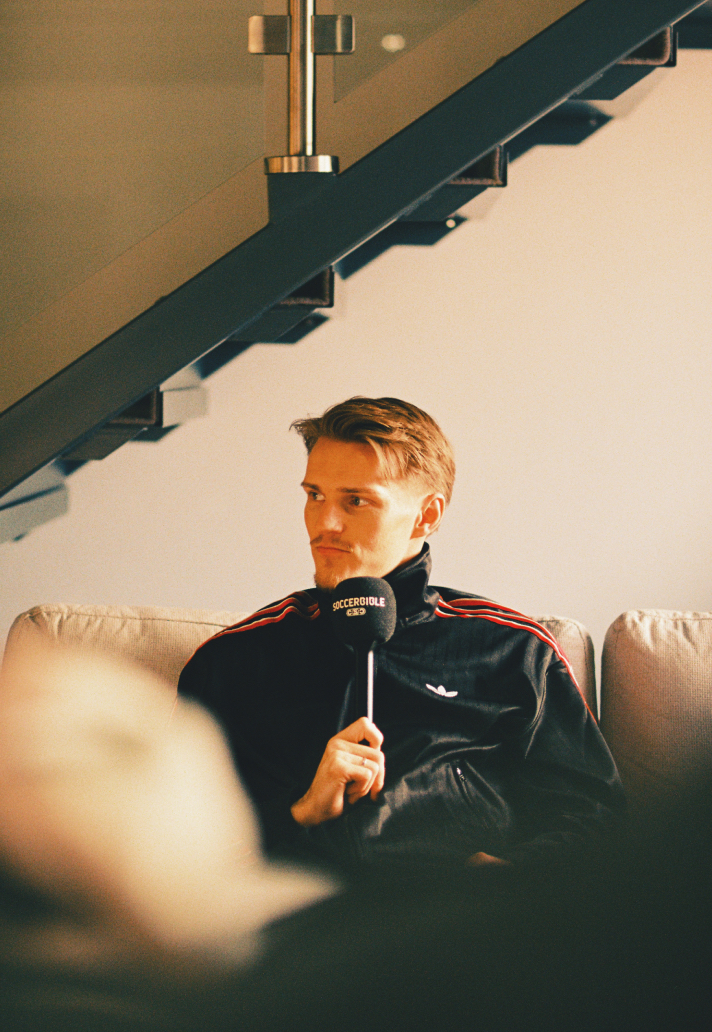
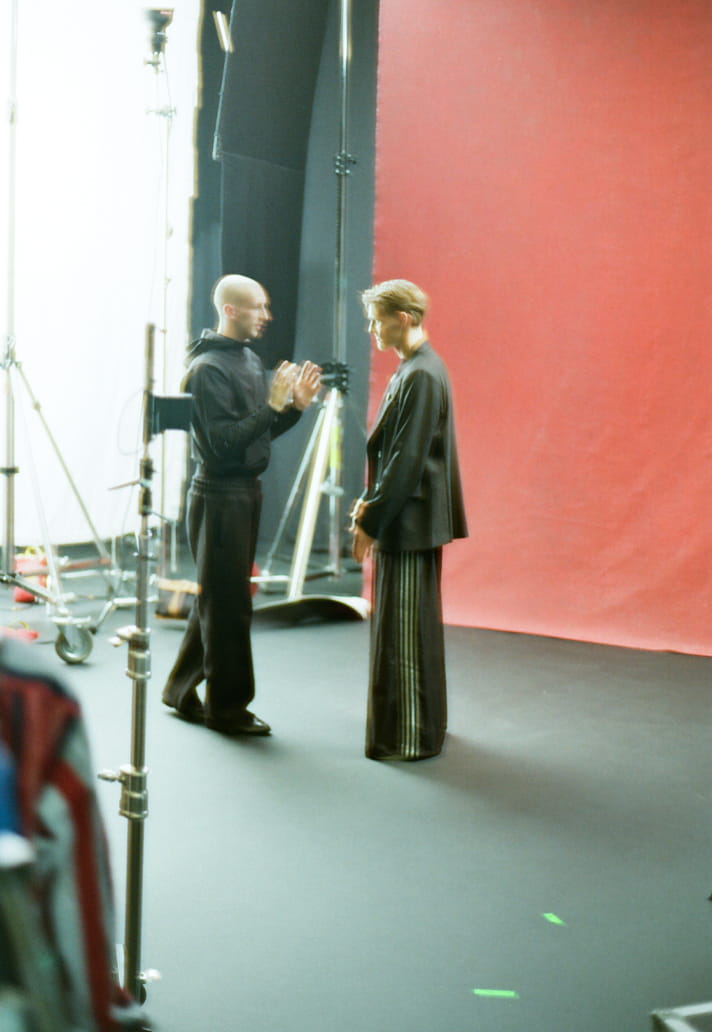
“When I was young, it was always a big dream to make it to one of the biggest clubs and the best league in the world,” he tells me on the set of the latest adidas Predator shoot. “I didn’t know how it [the move] was realistically going to happen. But I always wanted to train, I always wanted to play football, and I worked hard on the way.”
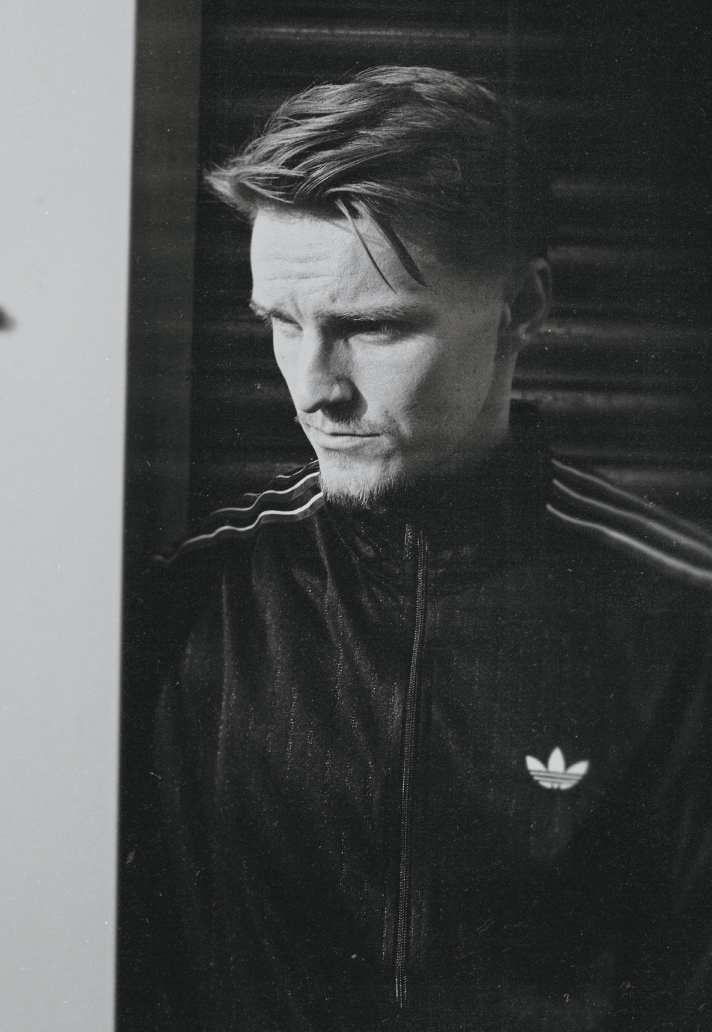

It’s a familiar sentiment, but what’s striking about the way Odegaard describes it is the absence of mythology. There’s no talk of destiny or grand narrative about being chosen, he instead puts it down to something much simpler: habit.
Growing up in Norway, football was a constant presence. His father, a former professional himself, ensured the game was always within reach. “I started to play football really young,” Odegaard says. “My dad and I always watched a lot of football. I always had a natural love for the game.” There, the word natural surfaces again, not as shorthand for talent, but for familiarity, something that was embedded within a young Odegaard early and then refined over time.
That said, if the early years of his career were defined by acceleration, what followed has been shaped by something much closer to restraint and the Odegaard we know today. The loans, the movement between clubs, the gradual settling – a constant recalibration, if you will.
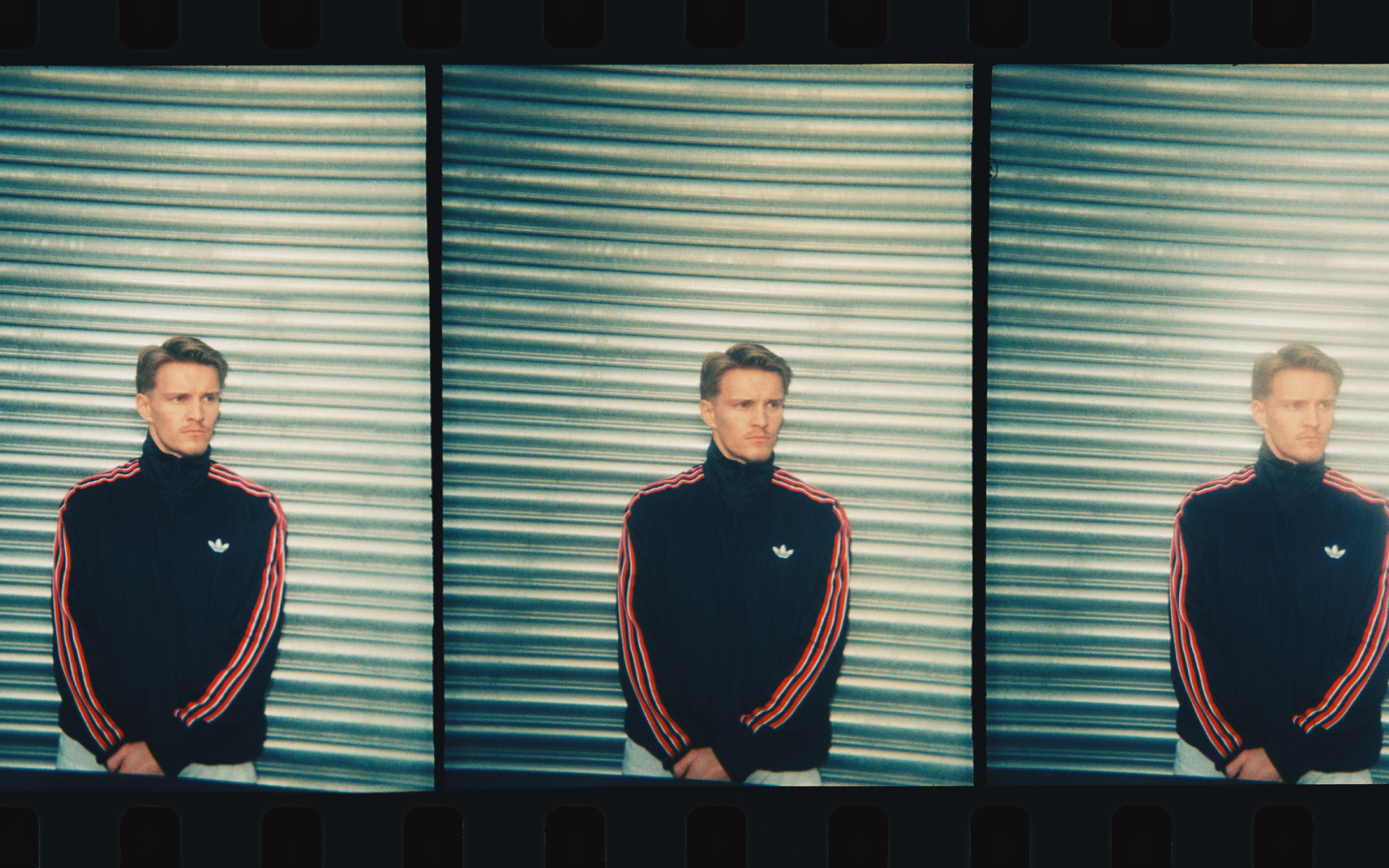
It’s here that Odegaard’s defining trait begins to emerge more clearly and his capacity to narrow his focus in an environment that constantly demands expansion. “I think it’s important to just focus on what you can control,” he says. “Don’t listen too much to the outside world. Listen to the right people, the people around you.”
It’s important to know that this isn’t framed as a reaction to pressure, but instead as a way of operating within the constraints of it. Football is increasingly driven by opinion and Odegaard’s response has been to filter it rather than absorb. “In the end it’s just opinions from people,” he continues. “To me that’s always been key – to be true to myself, listen to the people around me, and always focus on how I can improve.”
Away from football, Odegaard speaks less about analysis and more about distance, about the importance of stepping outside the intensity of the game altogether. “With my family and friends, just spending time with people that you enjoy being with,” he says when I ask him how he switches off.
“Sometimes it’s nice to just not think about football because what we do is so intense. You have to be switched on all the time. They really help to ground me. People that love you for you. Not for whether you have a good game or a bad game.”
It’s a distinction that feels central, not just to how Odegaard lives, but to how he plays. The ability to separate performance from identity, to move between the two without letting one overwhelm the other. On the pitch, that balance takes on a different form.
As Arsenal captain, under Mikel Arteta, Odegaard, now 27, operates within one of the most structured systems in modern football, one built on precision, detail, and standards. “He [Arteta] was one of the main reasons I joined,” he says. “His work is incredible and I’ve learned so much from him. The standards are just so high. He always wants the best for everyone.”
And yet, within that structure, Odegaard has preserved something much less tangible. “It’s always been important to keep that creative side to my game,” he explains. “I’m someone who likes to play with freedom and I’m at my best when I have that flow to my game.”

There’s clearly a tension there, a sort of system versus instinct scenario. Yet Odegaard doesn’t see it as conflict, but more as a calibration. “The tactics are really important, but you always need to feel the game and go with your instincts when the moment is right.”
Perhaps it’s that balance – the one between discipline and instinct, control and release – that has come to define not just Odegaard, but this Arsenal side more broadly. A team that, like its captain, has learned how to manage moments rather than be overwhelmed by them.
As the season edges towards its conclusion, that composure has taken on a new significance. Arsenal are no longer chasing something distant, they are within touching distance. There is, inevitably, more noise now, which brings with it more scrutiny, more expectation and more urgency layered onto every result.

Odegaard’s response, however, is unanimously unchanged. “You have to stay focused on what you can control,” he says, echoing the same idea that runs through everything he does. “Keep working, keep improving, and trust the people around you.”
This mindset feels tailor-made for this stage of the season, where margins tighten and the pull of what lies ahead becomes harder to ignore. If Arsenal are to get over the line, it will likely mirror Odegaard himself: composed, controlled, quietly assured.
Because in a sport that rarely slows, Odegaard hasn’t merely adapted to its pace, he’s learned how to hold it, and, when it matters most, bend it to his own rhythm.