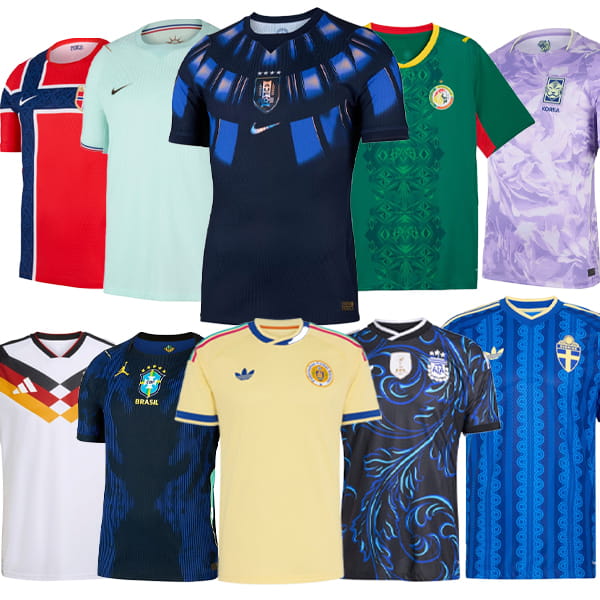
We recently rounded up the Nike X2 collection for a closer look and generally to just swoon over it a bit. But those with a keen eye will have noticed that the collection actually looks a bit different at the World Cup. So why is that?
If you’ve been paying even casual attention to the style side of football lately, you’ve probably clocked Nike’s X2 collection. And if you haven’t, honestly, you’ve been missing out – it’s one of the most exciting intersections of football, fashion and community I’ve seen in a while.
Having taken a proper look at the collection recently, mostly as an excuse to admire it up close, a curiosity became pretty hard to ignore once the World Cup rolled around: the X2 gear suddenly looks… a bit toned down. So what’s going on?
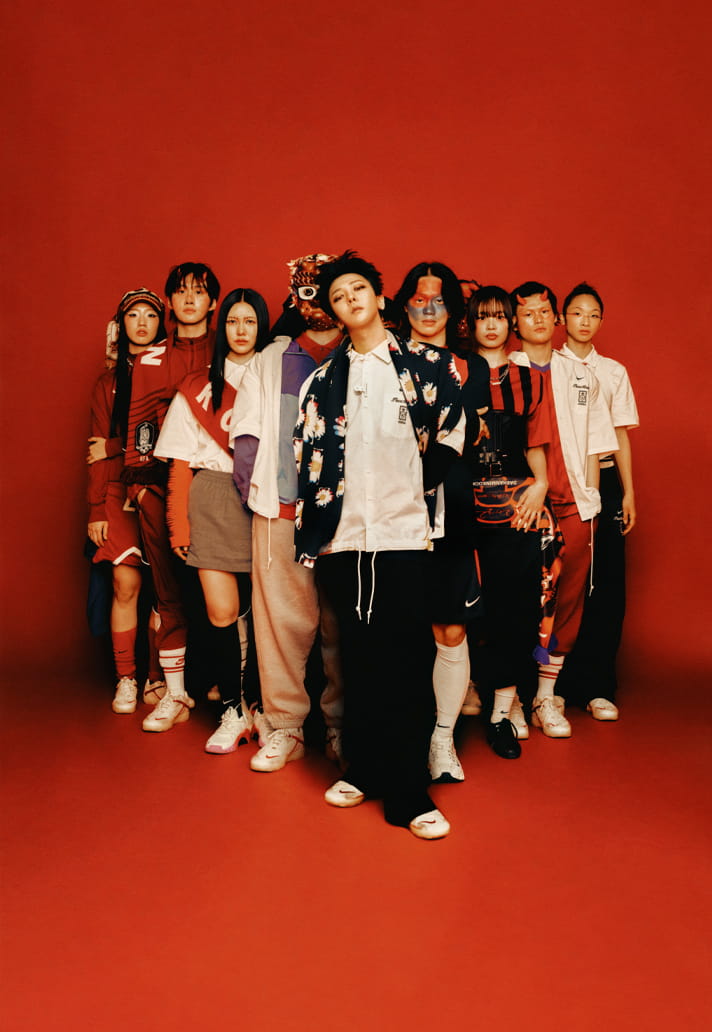
For me, the Nike X2 project is everything modern football culture should stand for. It’s not just about kits or performance gear, it’s about storytelling. Nike teamed up with seven national federations, plus a mix of collaborators and community organisations, to create capsule collections rooted in identity, but also carrying strong messages of support.
Each drop builds from the official federation kits but then hands the reins over to designers, artists, and grassroots voices. And the result was collections that reflect how football actually exists in the real world, shaped by local culture and creative expression. It was about giving credit to the people and places influencing the game off the pitch, not just the ones playing on it.
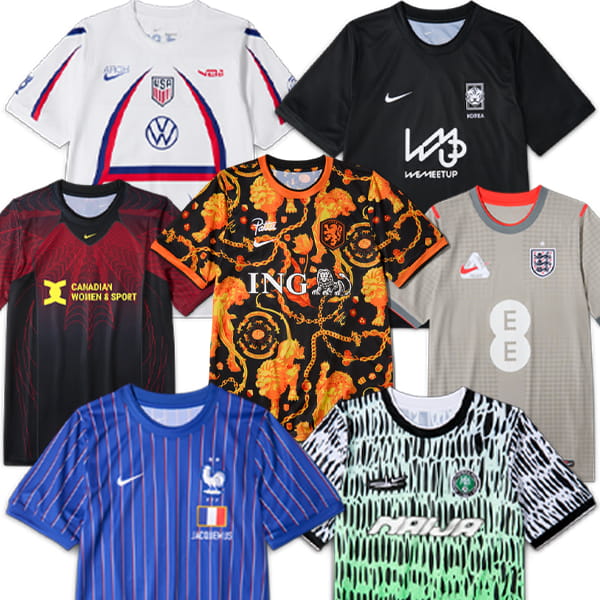
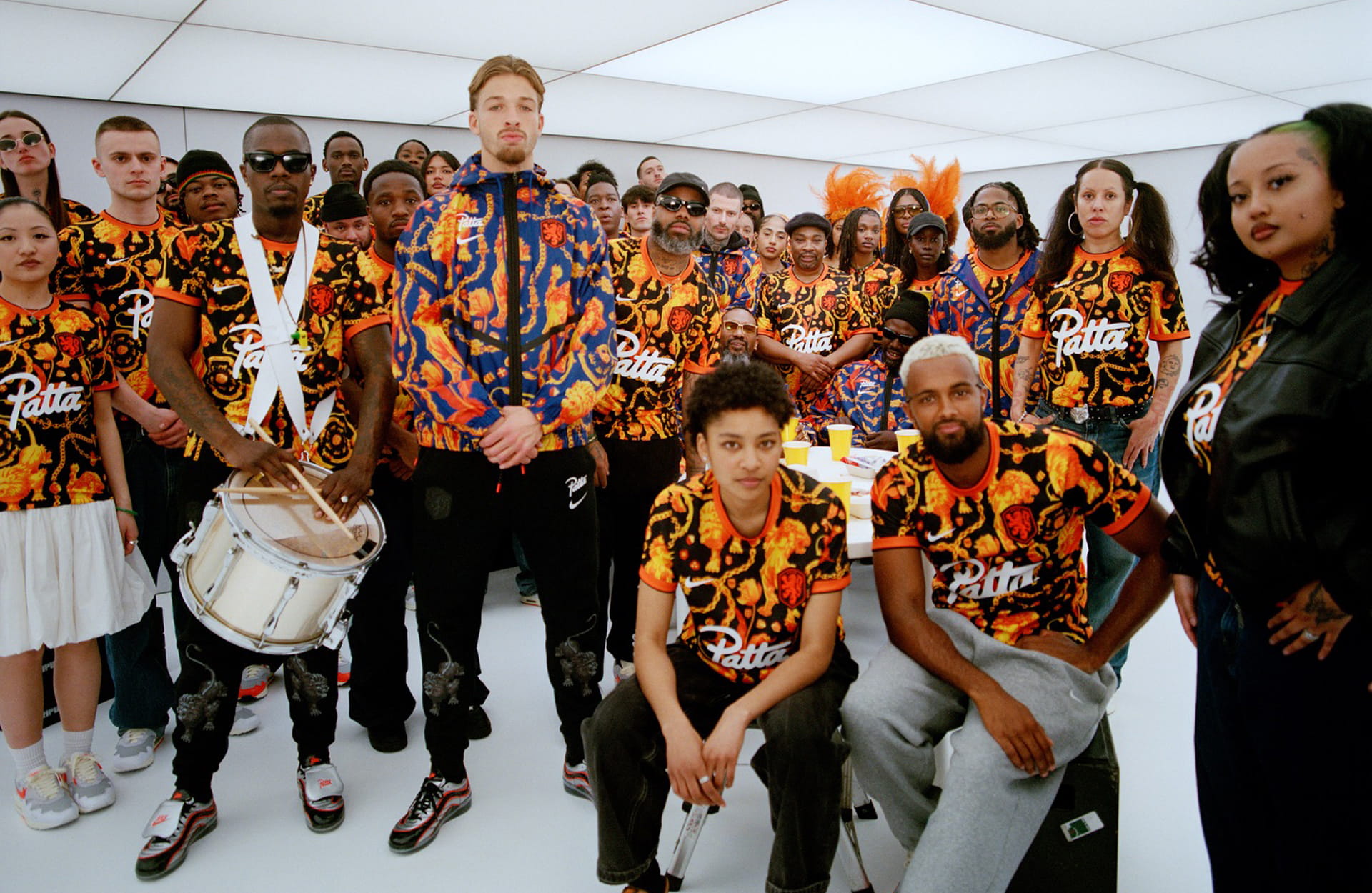
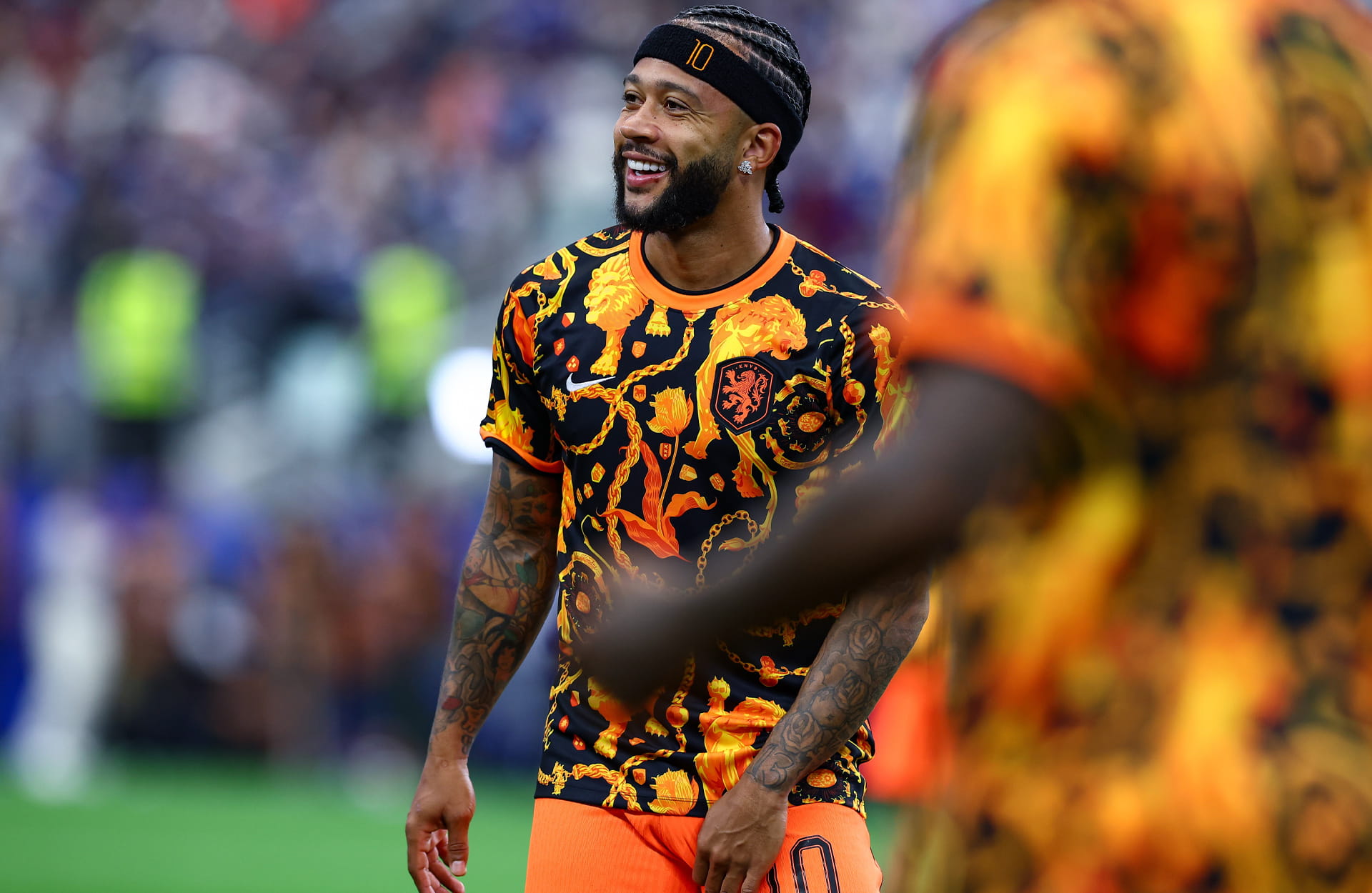
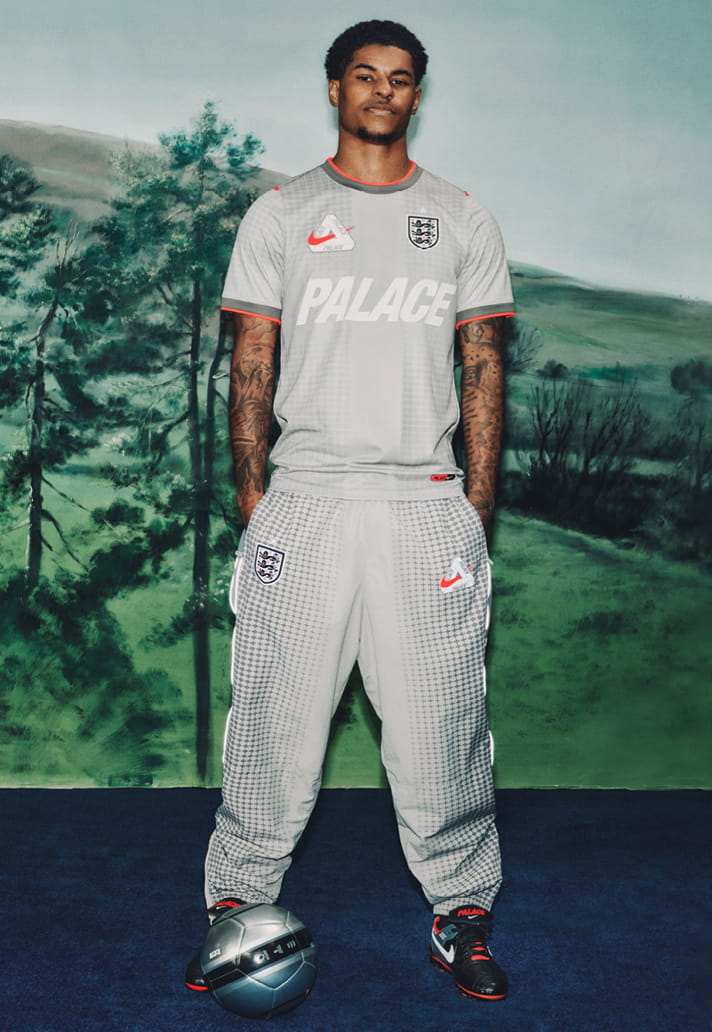
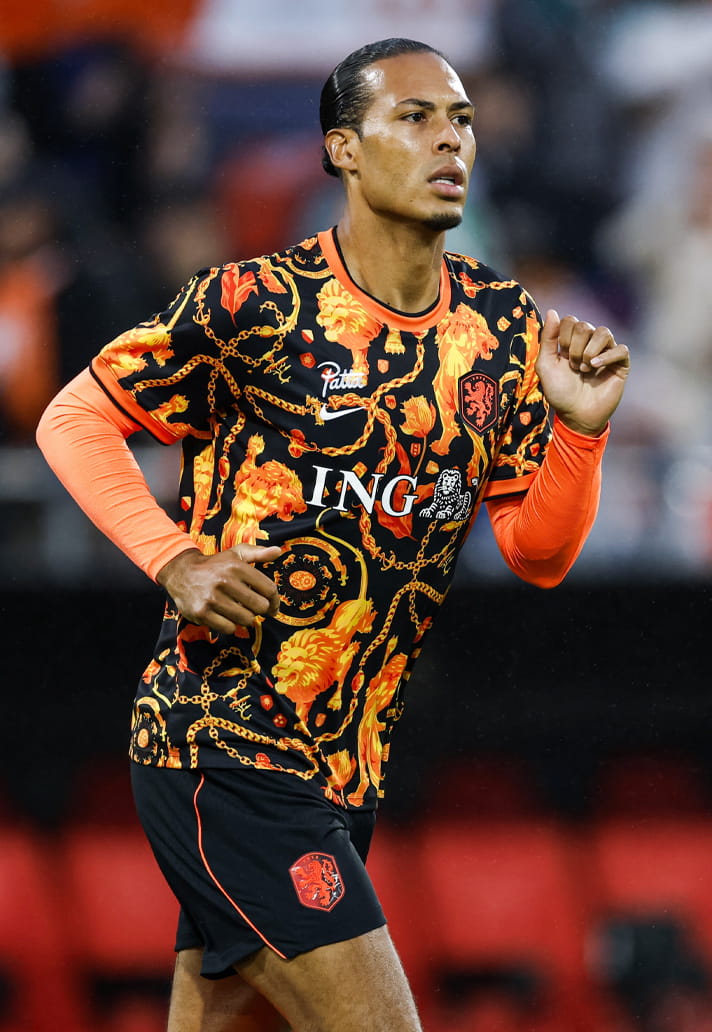
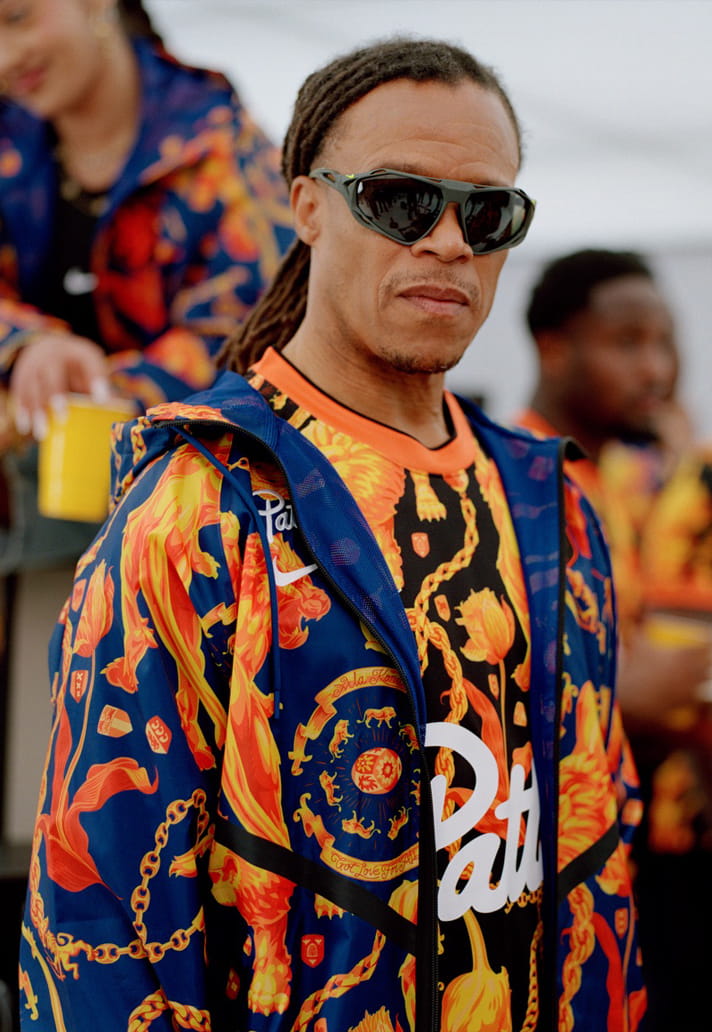
In the lead-up to the World Cup, everything looked promising. Teams were warming up in fully realised Nike X2 pre-match gear, complete with collaborator branding. Netherlands gear featuring Patta, England linked up with Palace, and so on. It all felt fresh, authentic, and properly reflective of where football culture is right now.
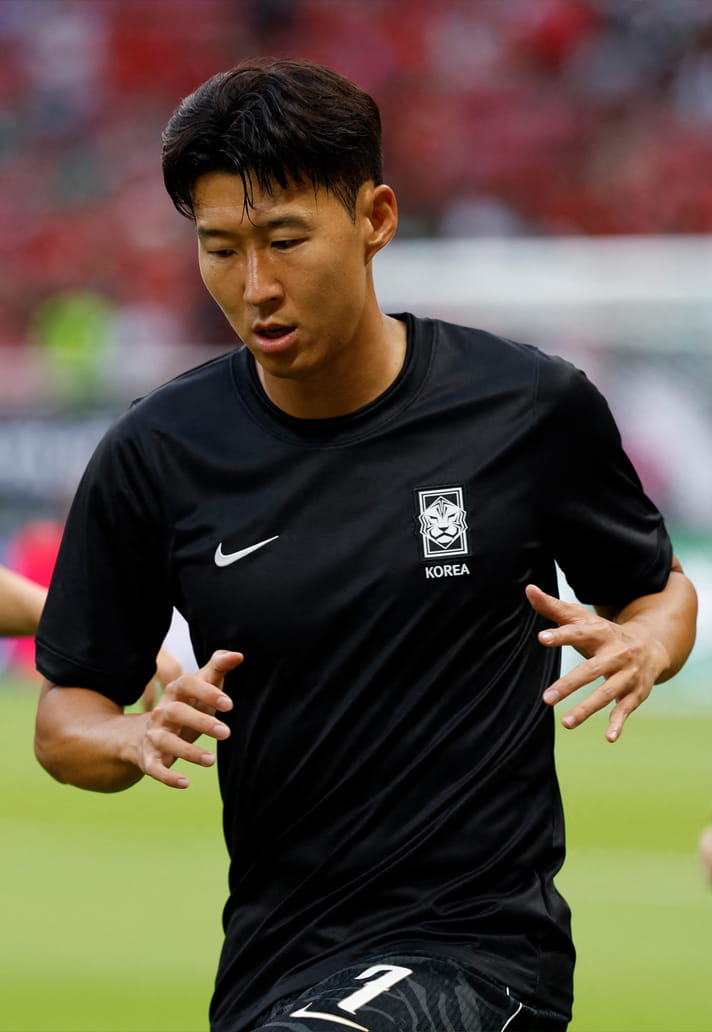
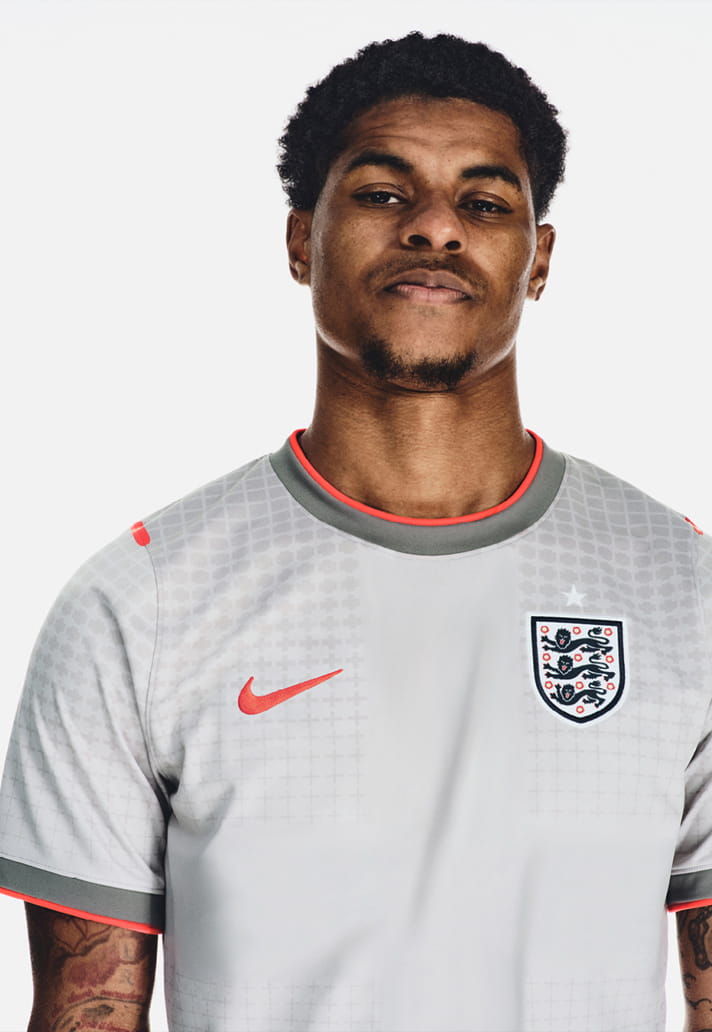
Then the tournament started… and those details quietly disappeared. Same designs, sure, but stripped back. No Patta. No Palace. No Nocta. Just the standard Nike Swoosh.
So what changed?
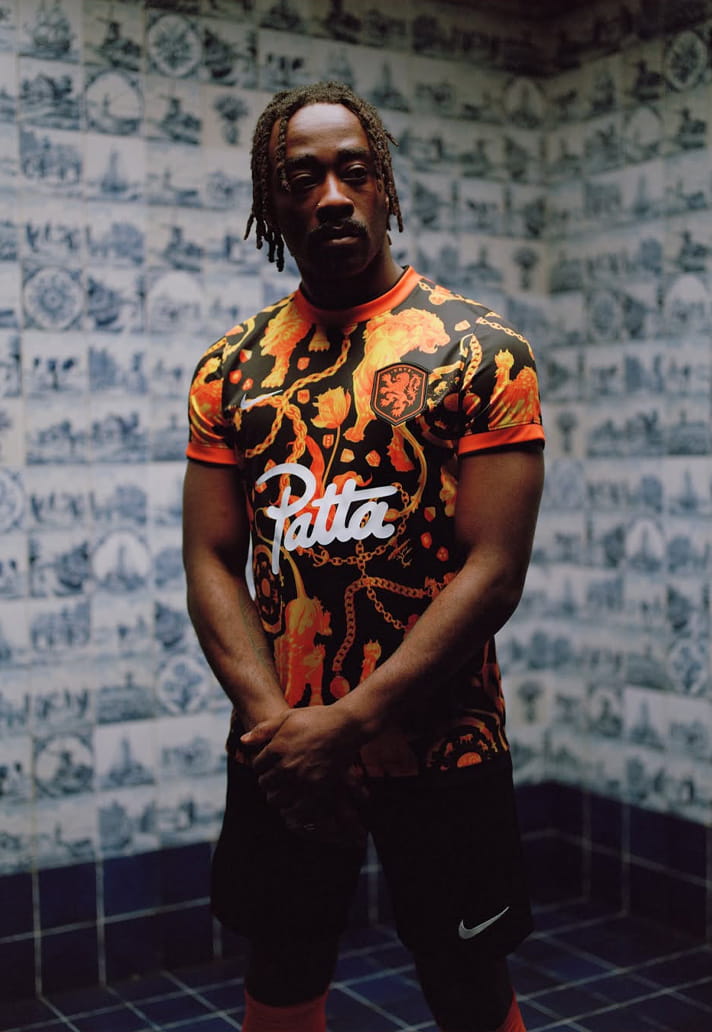
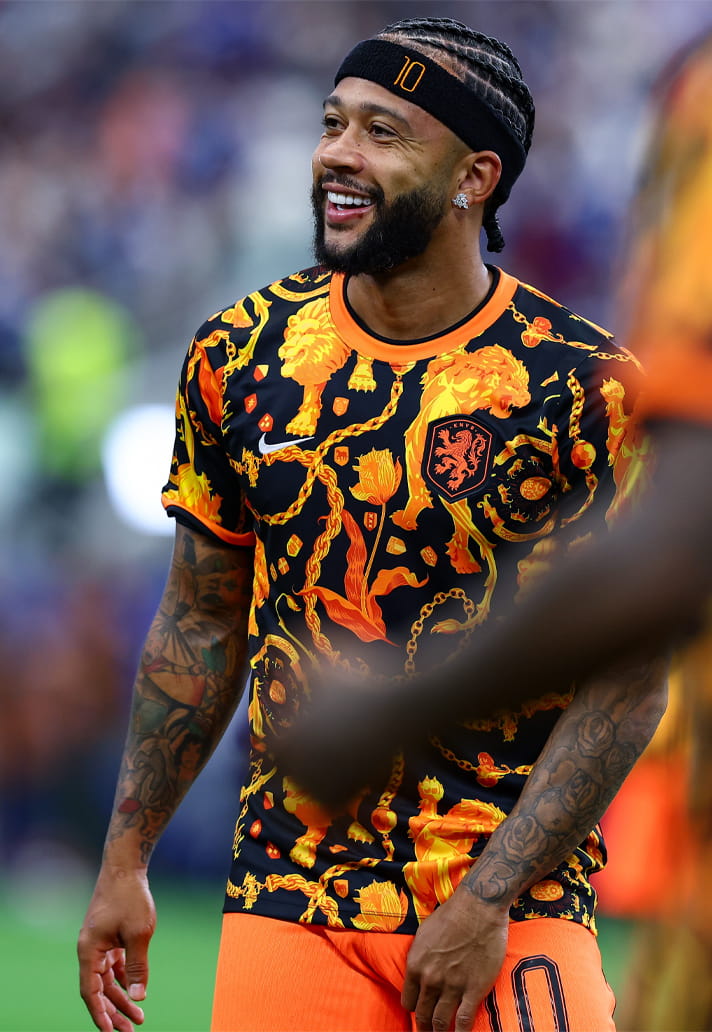
The answer, unsurprisingly, comes down to FIFA’s regulations. The governing body has strict rules around sponsorship and branding on anything worn on the pitch, and that includes pre-match kits.
In simple terms: too many logos, too many collaborators, too much deviation from approved commercial structures, and it’s a no-go.
Nike were effectively told to dial it back. The designs could stay, but the collaborators – the very people who made those designs culturally relevant in the first place – had to fade into the background. More than that though, it affected the meaning behind the collections as a whole at the moment when they would get the most visibility.
It's called Nike X2 for a reason – Nike and two others: one for the creative design side, and one community organisation creating the future of youth sport (Canada x NOCTA, honouring Canadian Women & Sport; England x Palace, honouring Football Beyond Borders; France x Jacquemus, honouring Sport dans la Ville; Netherlands x Patta, honouring Favela Street; Nigeria x Slawn, honouring the Bravehearts Ladies Foundation; South Korea x PEACEMINUSONE, honouring We Meet Up; United States x V.A.A., honouring Coalitions for Sport Equity).
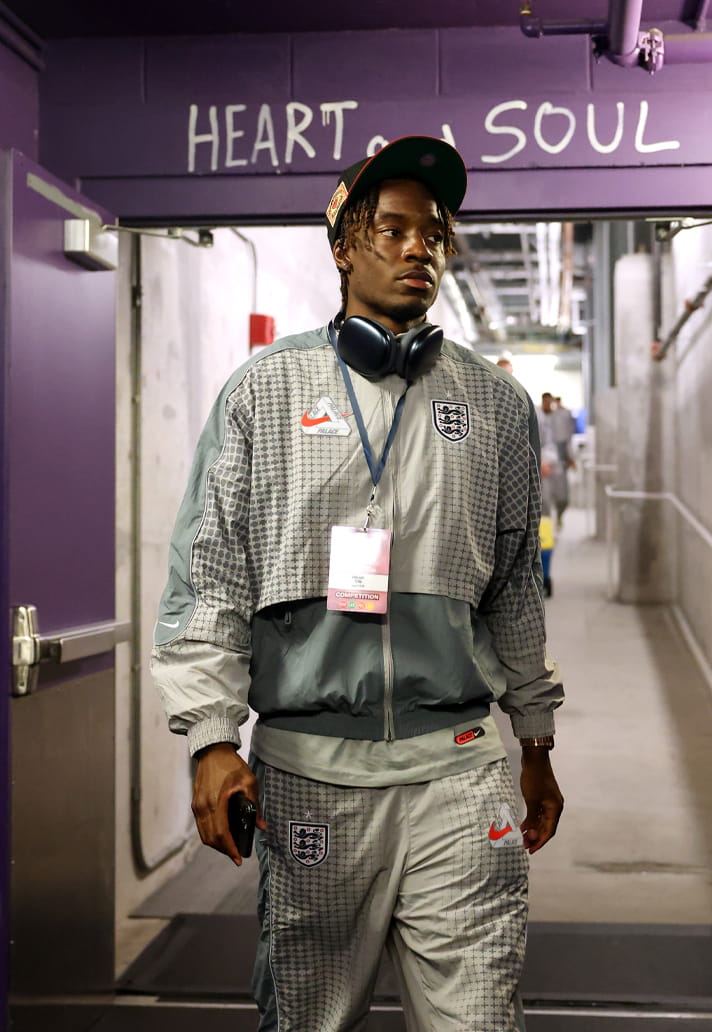
The kicker here though? These rules only apply on the pitch. Players can still arrive at the stadium wearing the fully branded versions. Fans can still buy them, which is great. But once it’s time for warm-ups in front of a global audience, those creative partnerships get cropped out.
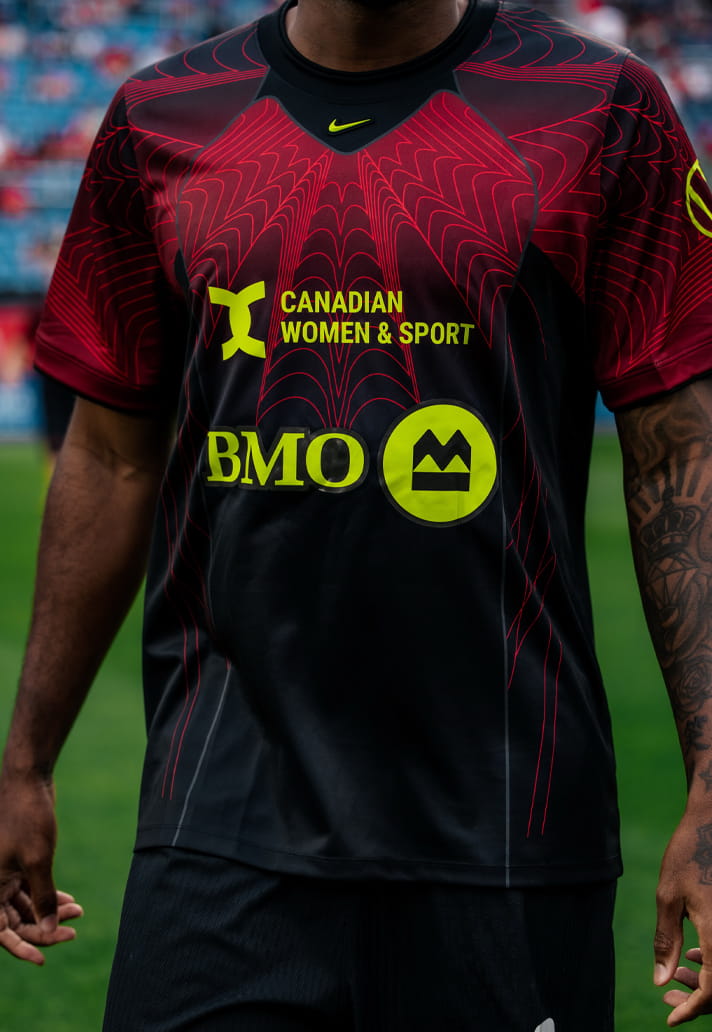
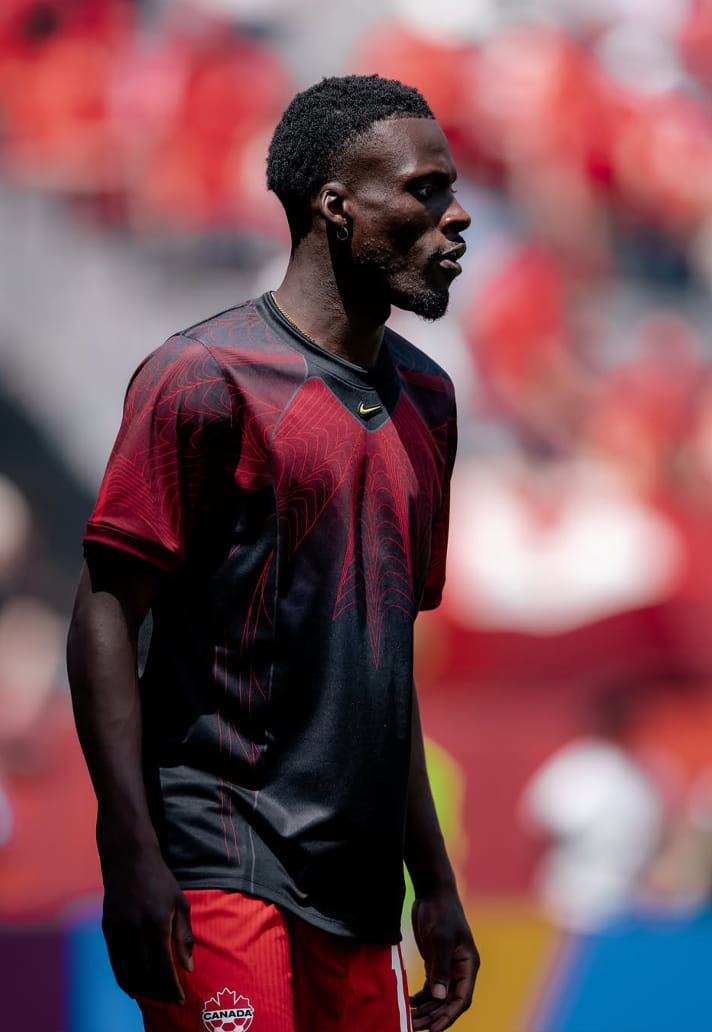
What we’re left with now is a slightly awkward situation: two versions of the same shirt: One that represents the full creative vision, complete with collaborator branding, another that fits FIFA’s rulebook, cleaned up and corporately compliant.
And while that might seem like a small change, it actually cuts pretty deep into what made the X2 project special. Because let’s be honest for a minute, visibility matters. What you don’t see will inevitably fade into obscurity. If you’re a brand like Patta or Palace, or a community group involved in shaping these designs, being seen on the global stage is the whole point. That’s how culture spreads. That’s how recognition is built.
Take that away, and suddenly the storytelling feels incomplete.
Now, it’s not like FIFA regulating kits is anything new. There’s always been a framework around what teams can and can’t wear, especially during official matches. So from a purely traditional standpoint, this isn’t a surpise.
But here’s the thing: these aren’t match kits. They’re pre-match fits. Warm-up gear. The part of the football experience that’s increasingly become a playground for expression. And that’s why this decision feels frustrating for me.
Because if there’s one area where football has been evolving rapidly, it’s here, in the crossover between sport and culture. And its in these quieter corners of the game – your prematch kits, tunnel fits, and other bits – where creative expression has increasingly found a stage.
So to see that squeezed into narrower limits, especially at the biggest tournament in the world, feels like a step backwards.
You could argue FIFA are just doing their job, protecting sponsorship structures, keeping visuals clean, maintaining consistency. Fair enough. But at what cost?
Projects like X2 exist to broaden football’s cultural reach. They bring in new audiences, spotlight underrepresented voices, and reflect how the game actually lives beyond stadiums. Stripping away collaborator visibility doesn’t just tidy things up, it dilutes that message.
And the irony is, the designs themselves remain bold and expressive. You can still see the creativity. You just can’t always see who’s responsible for it.
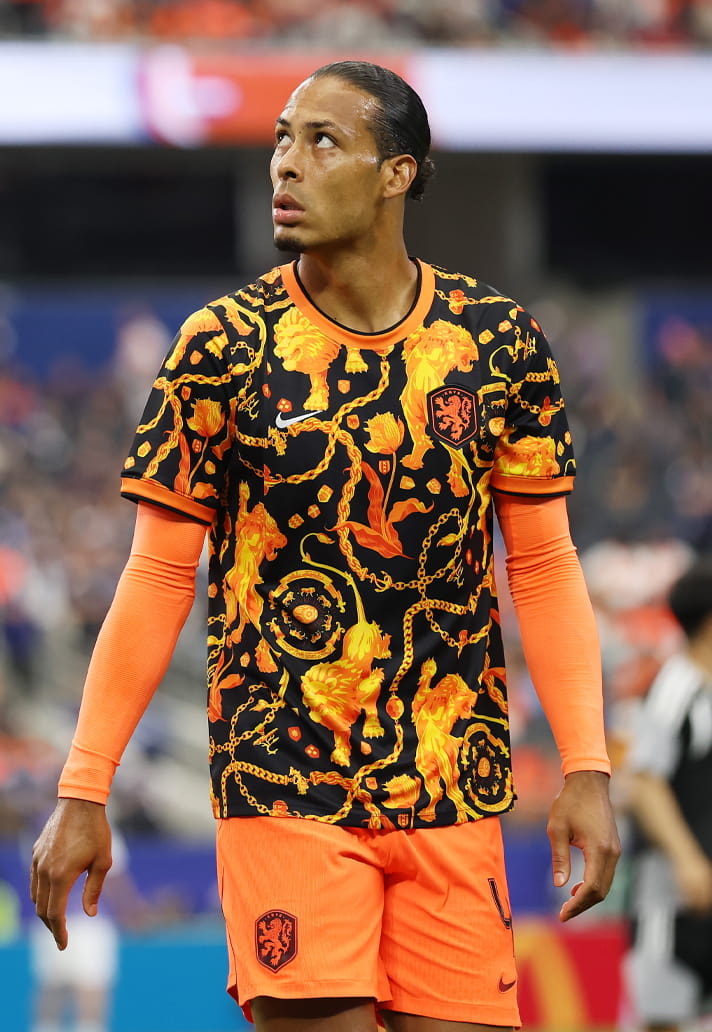
Ultimately, the X2 situation highlights a bigger tension in modern football: the push and pull between regulation and expression; tradition and progression.
On one side, you’ve got organisations like FIFA, prioritising control, sponsorship clarity, and tradition. On the other, brands, designers and communities trying to push the game forward culturally.
Right now, it feels like the rulebook is winning.
But if football really wants to stay connected to the people who shape it – especially the next generation – it might need to loosen the grip a little. Because when creativity gets sidelined, I'd argue that everyone loses.
Shop the Nike X2 collection at prodirectsport.com/soccer