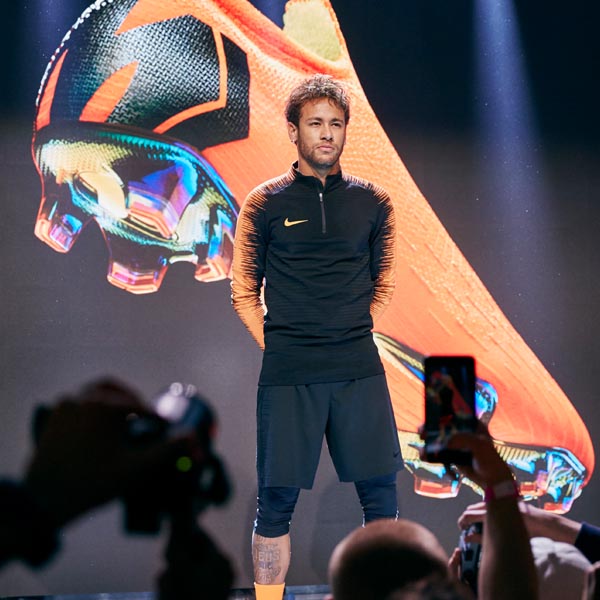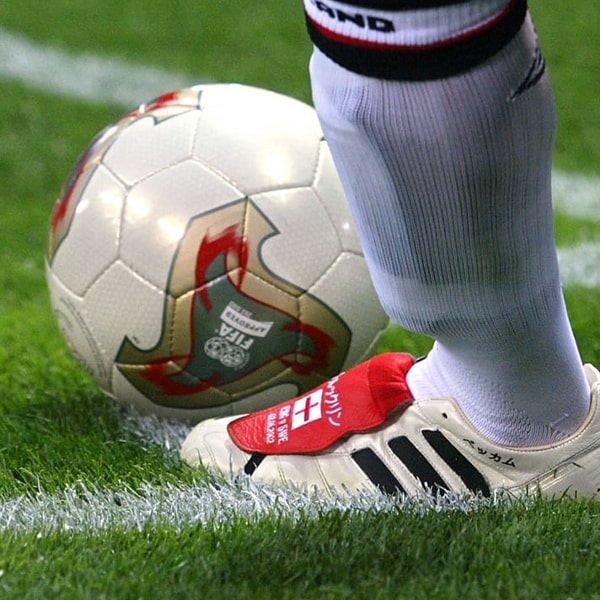
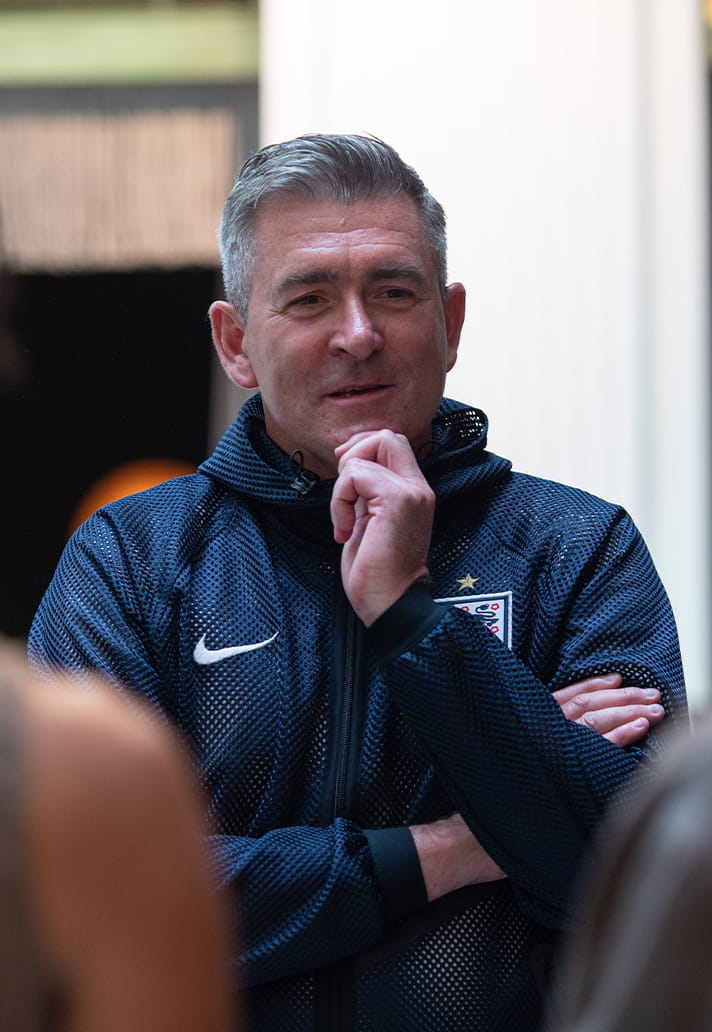
Sitting down with Phil McCartney, EVP Chief Innovation & Product Officer at Nike, we get an insight into the brand's ever-evolving relationship with innovation and how it continues to shape the beautiful game we know and love.
There has never been more football product on the market than now. Every week brings another launch. Another colourway. Another technology claim. Another campaign promising more speed, more touch, more control. Scroll through Instagram for five minutes and you’ll probably see half a dozen boot launches. The football industry has become a relentless cycle of product drops competing for attention.
And yet, despite the saturation, despite the noise, despite the sheer volume of brands fighting for relevance. Nike continues to occupy a space that few brands can truly reach. Not because it’s louder. But because, beneath the campaigns and colourways, there remains an obsession with athlete performance.
Ahead of this World Cup cycle, Nike’s latest innovations don’t feel like products designed to win a marketing battle. They feel like products built by people who are still asking the same question that has driven the brand for decades: how do we make the athletes better?
It’s a philosophy that came through repeatedly when speaking to Phil McCartney, EVP Chief Innovation & product officer. “We spend a lot of time with the athletes,” he explained. “You just spend time with the players and the answer’s always in those conversations.”
It sounds simple. Almost obvious. But maybe that’s exactly the point.
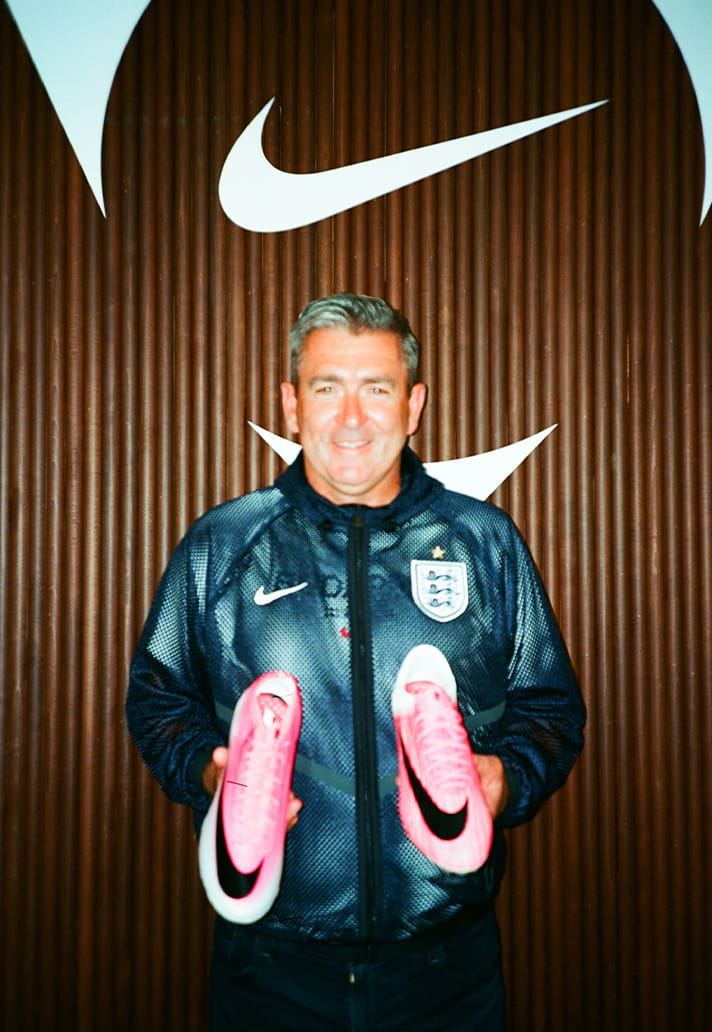
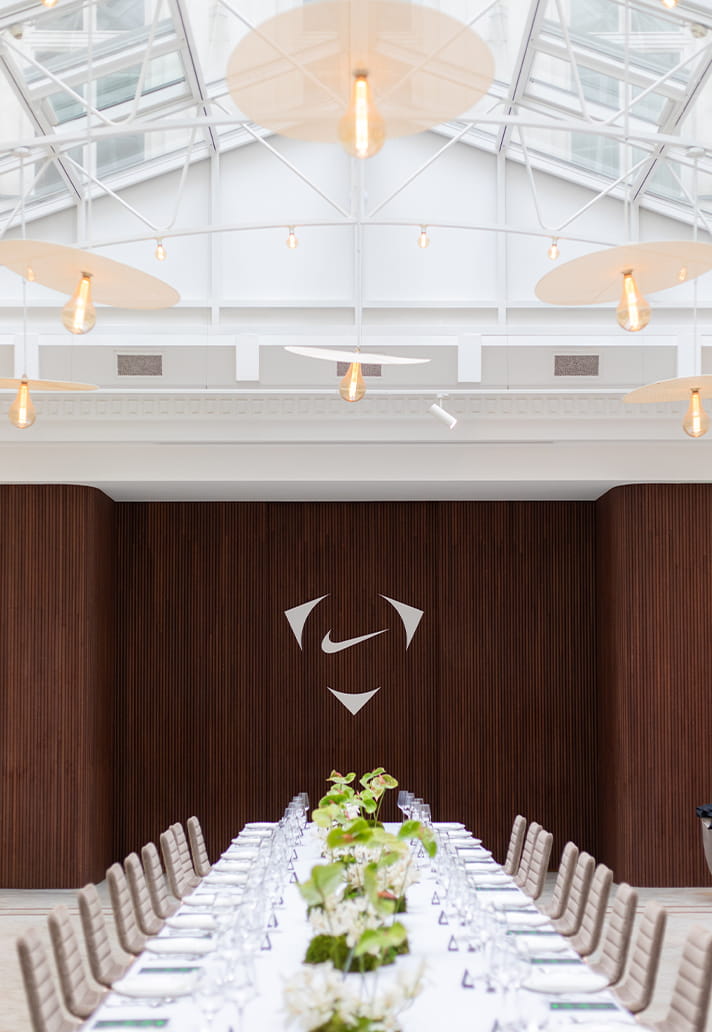
The game is faster than ever before. More explosive. More physically demanding. But according to Nike, the definition of speed itself is evolving too. “The game’s getting faster, speed’s becoming more and more important,” Phil explains. “But also, the dimensionalisation of speed. Some players are saying ultra-lightweight, and some players are saying more propulsive.”
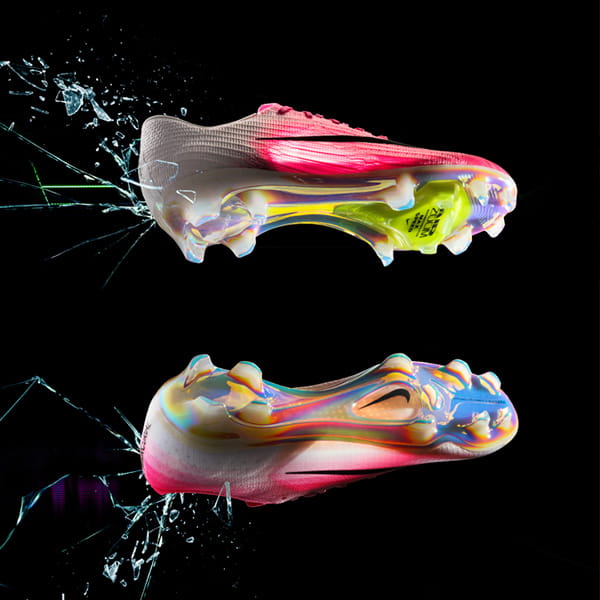
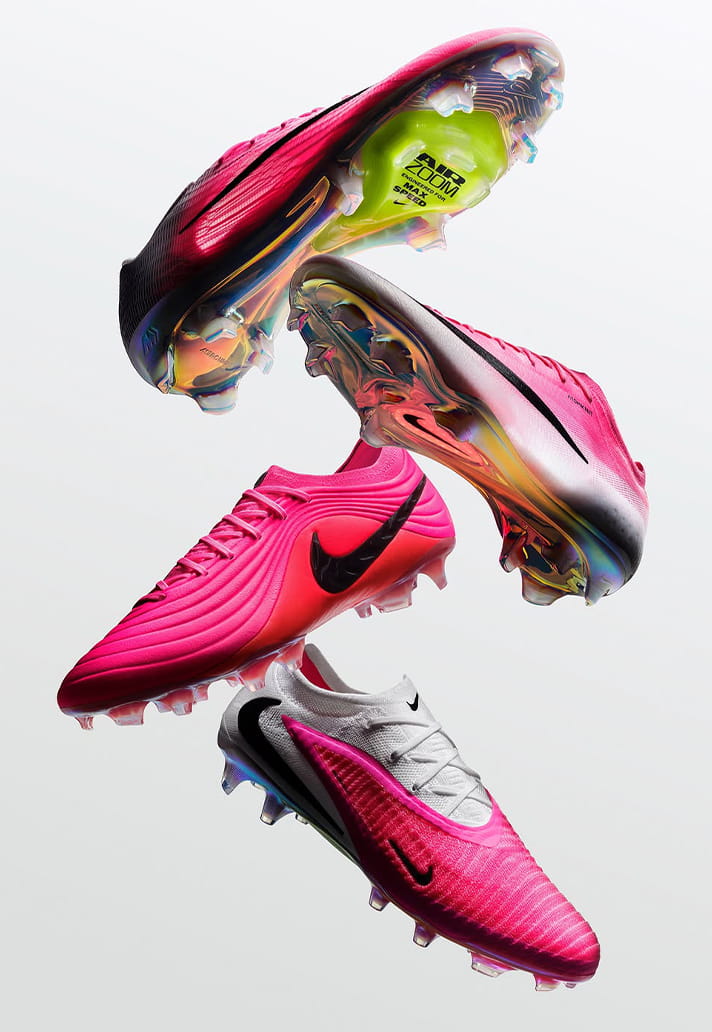
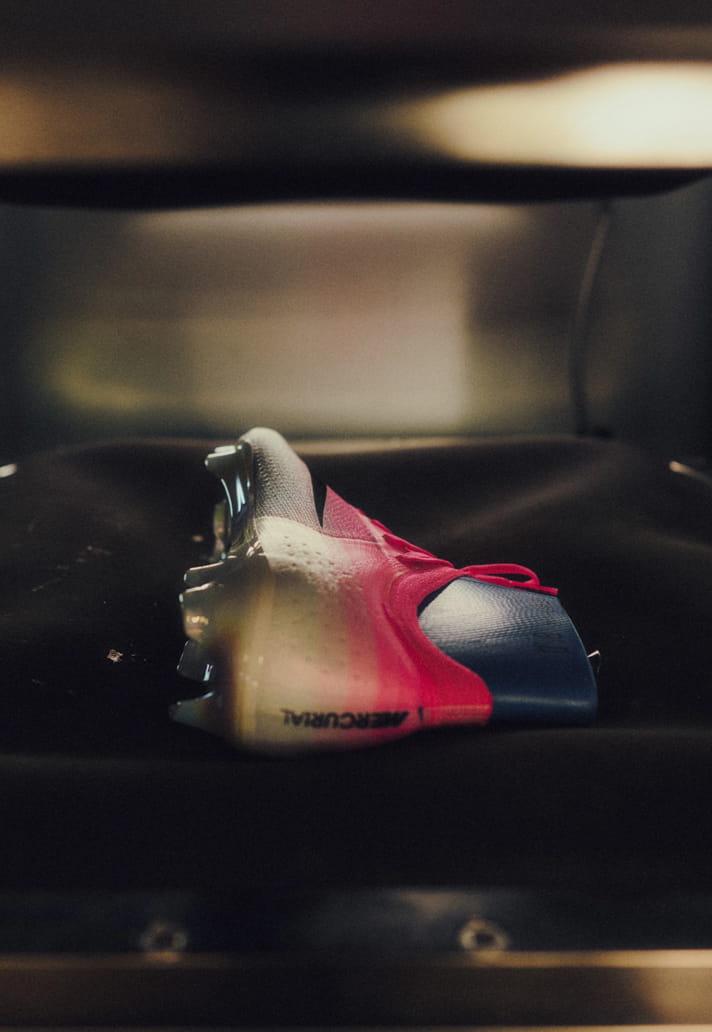
That observation sits at the centre of Nike’s latest Mercurial evolution. For years, football footwear has largely focused players into compromise. Want something lighter? Sacrifice some responsiveness. Want more energy return? Accept additional weight. Nike’s latest challenge was finding a way to deliver both.
And the pursuit borders on obsession. In the best possible way.
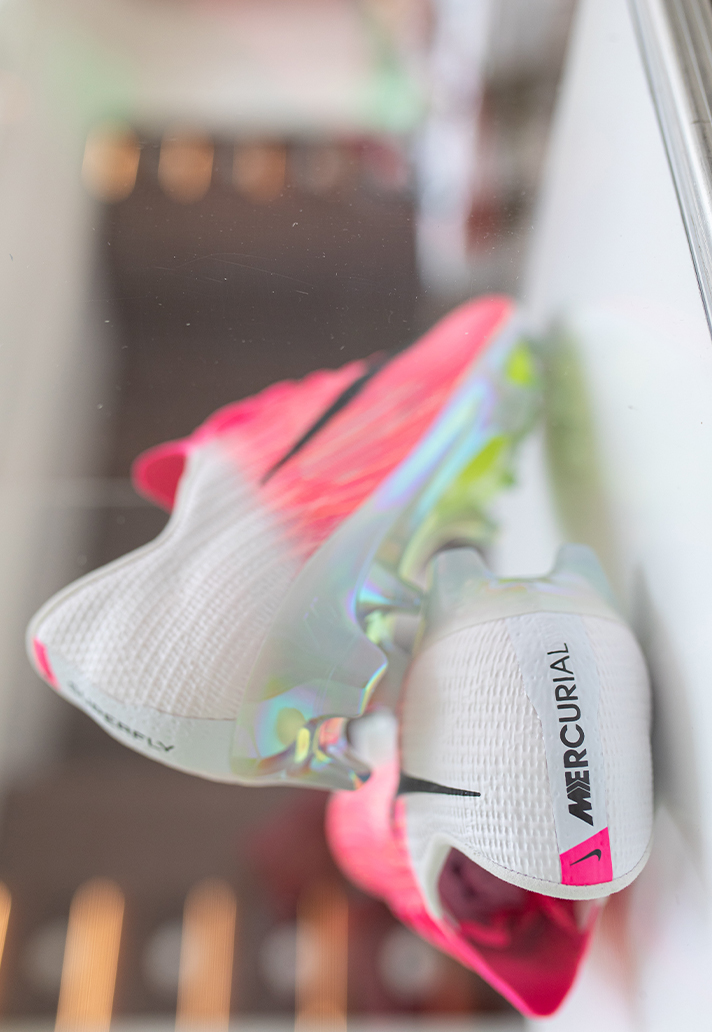
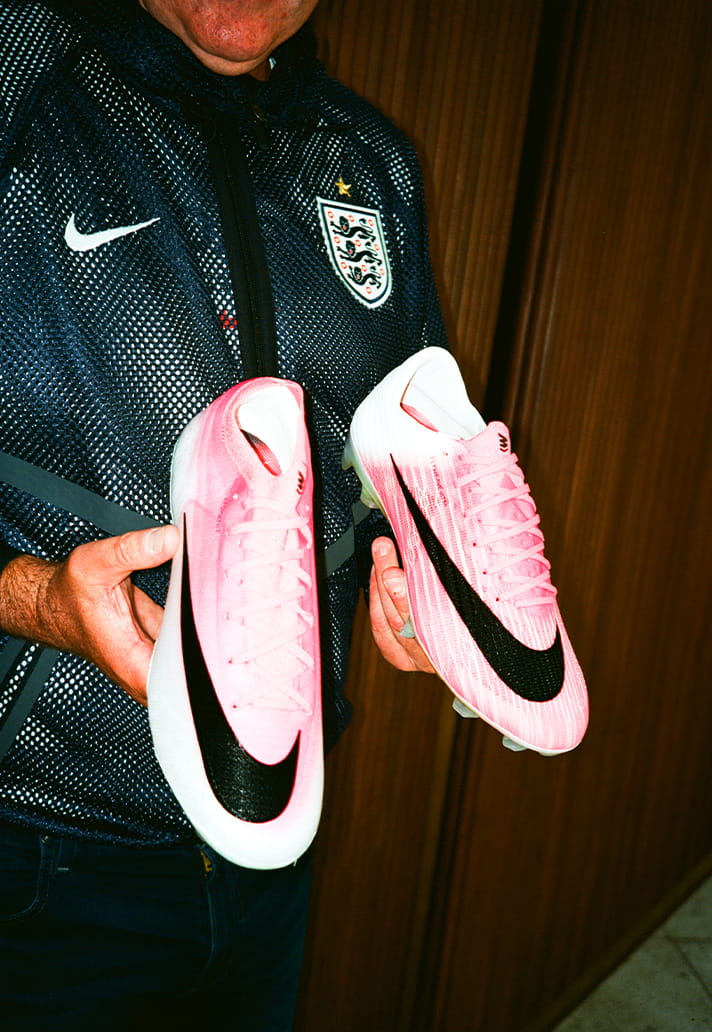
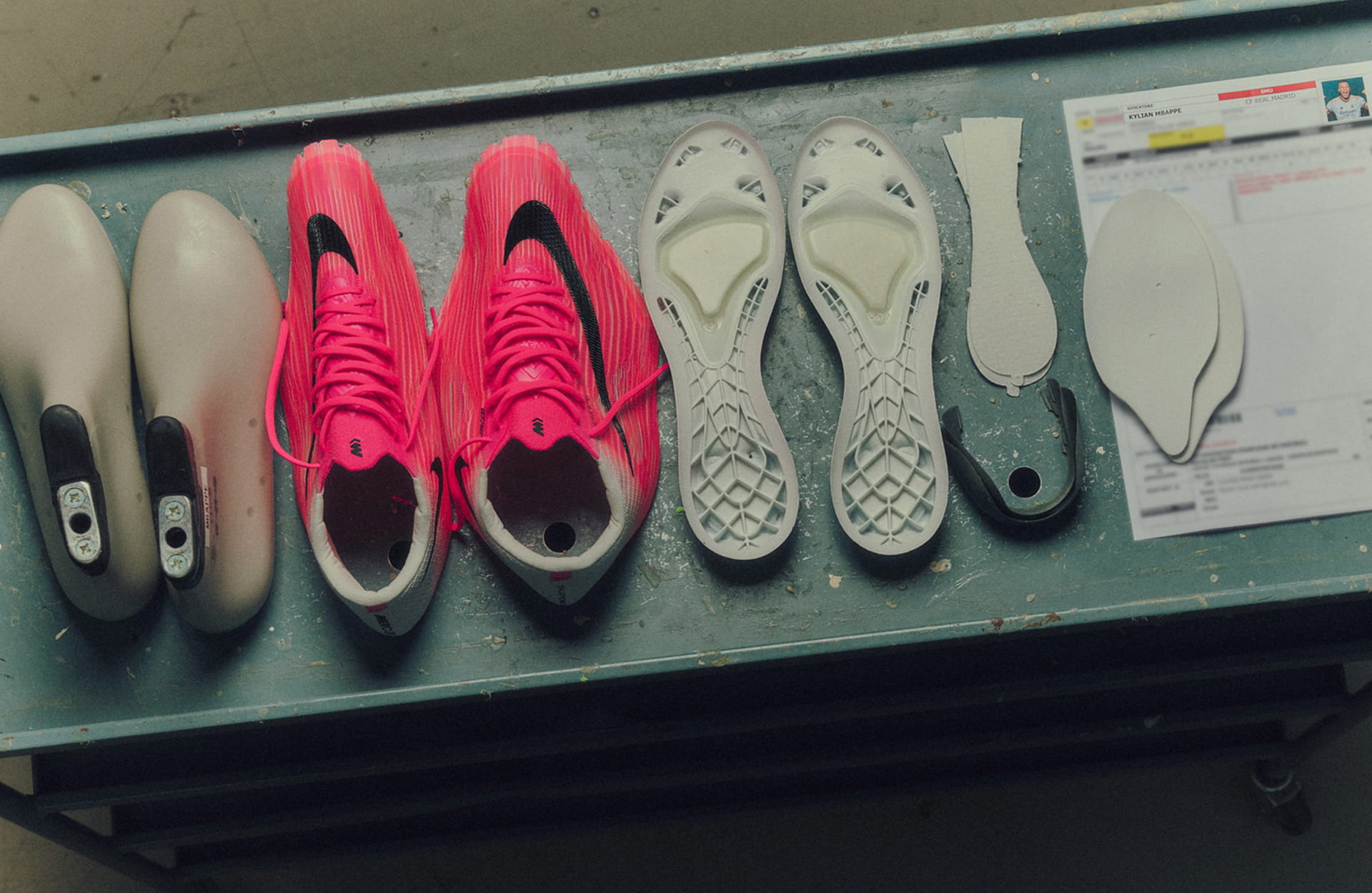
Tiny weight reductions became major conversations. Perforations are debated for hours. Millimetres matter. “We punched the heel counter, we punched the plate, we punched the sockliner. You take bits of the plate out where you can reduce the weight.” He told me. “It’s crazy that you can find so many ways to pick out weight, and the players are obsessive about it.” And that obsession seems to be reflected internally as well. During our conversation, stories emerged of lengthy debates over perforation placement and millimetre-level adjustments that most players would never probably notice.
“Obsession’s the right word,” Phil laughed. “It’s a bunch of football geeks and product geeks in one room.”
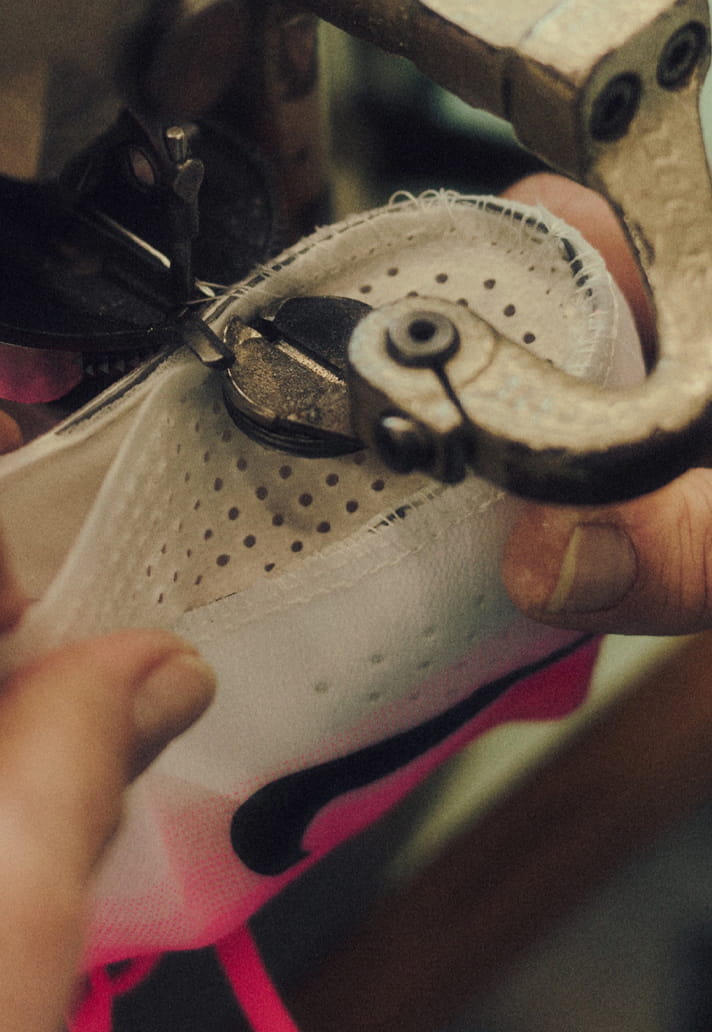
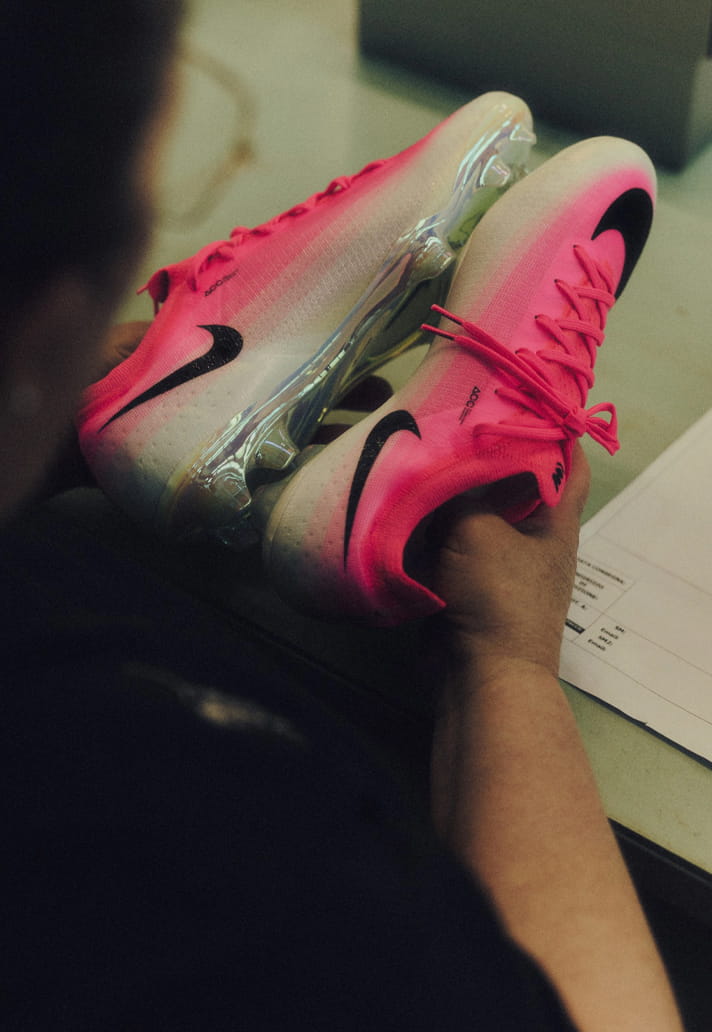
The reality is that modern football innovation rarely comes from dramatic breakthroughs. More often, it comes from hundreds of microscopic decisions layered together. That’s where Nike’s scale becomes a genuine advantage.
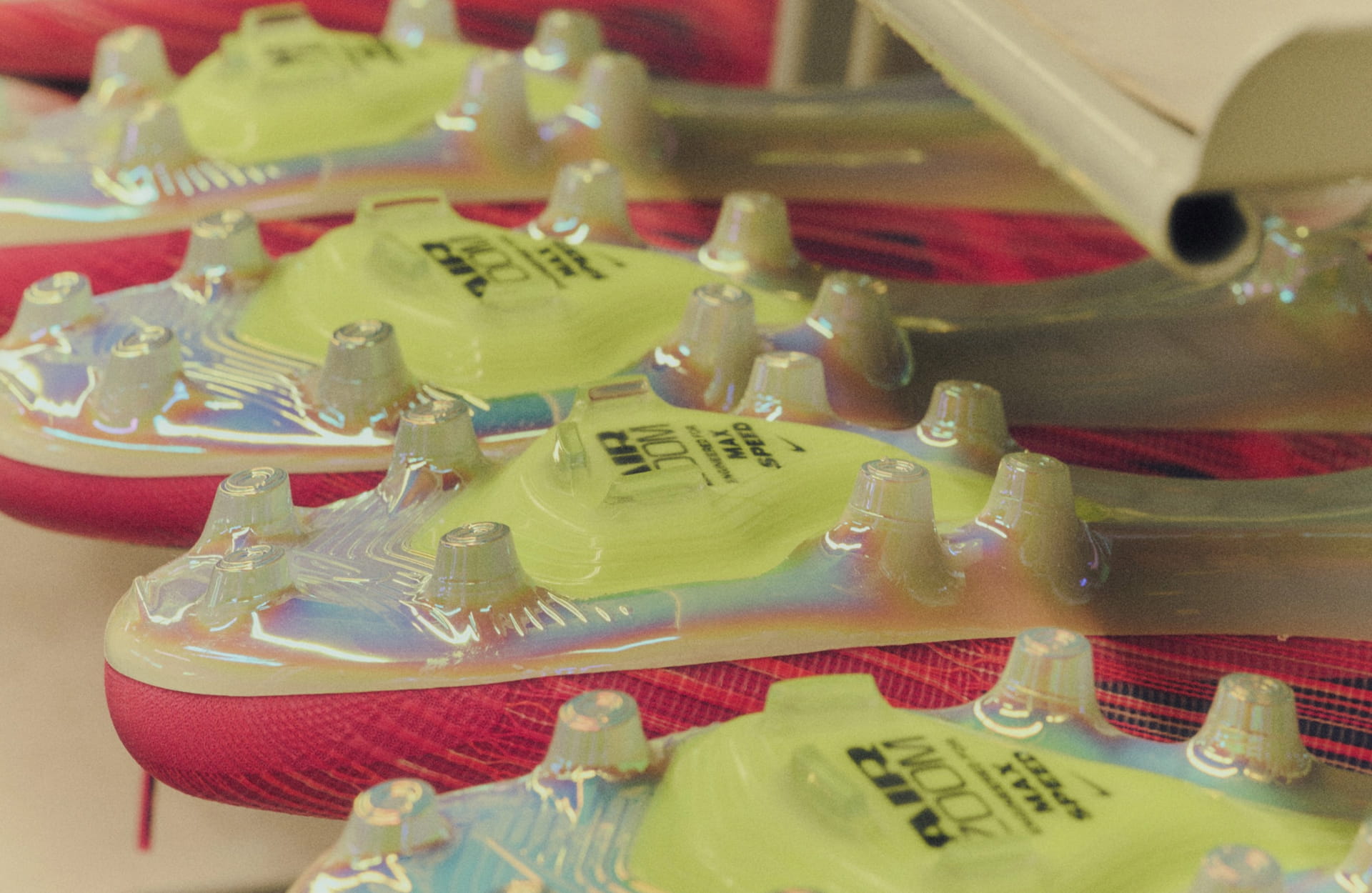
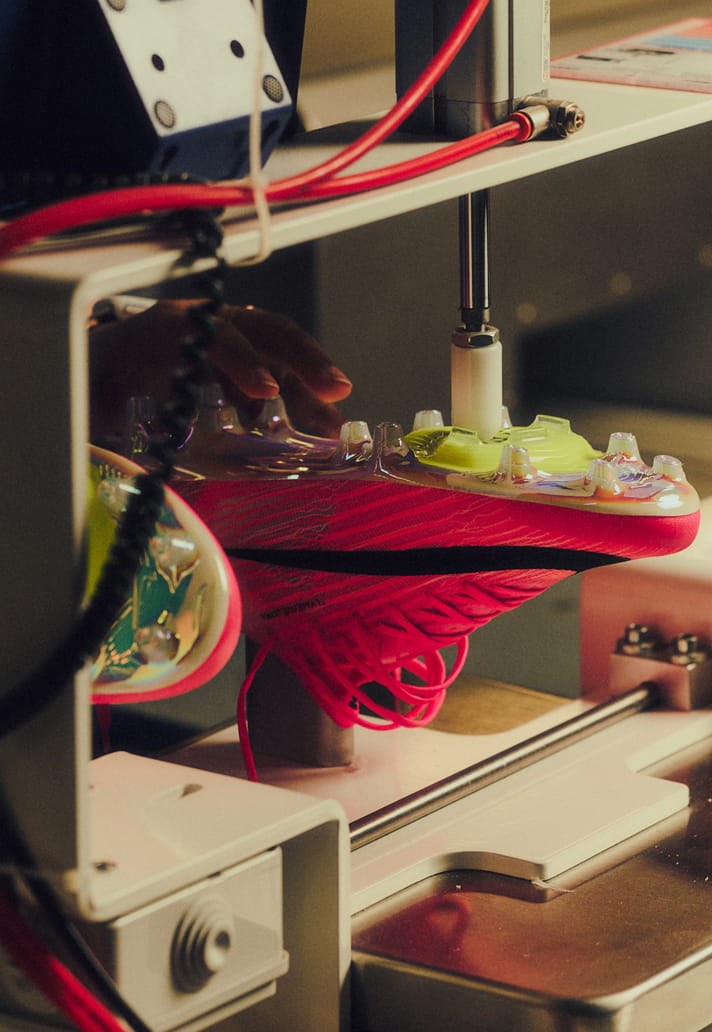
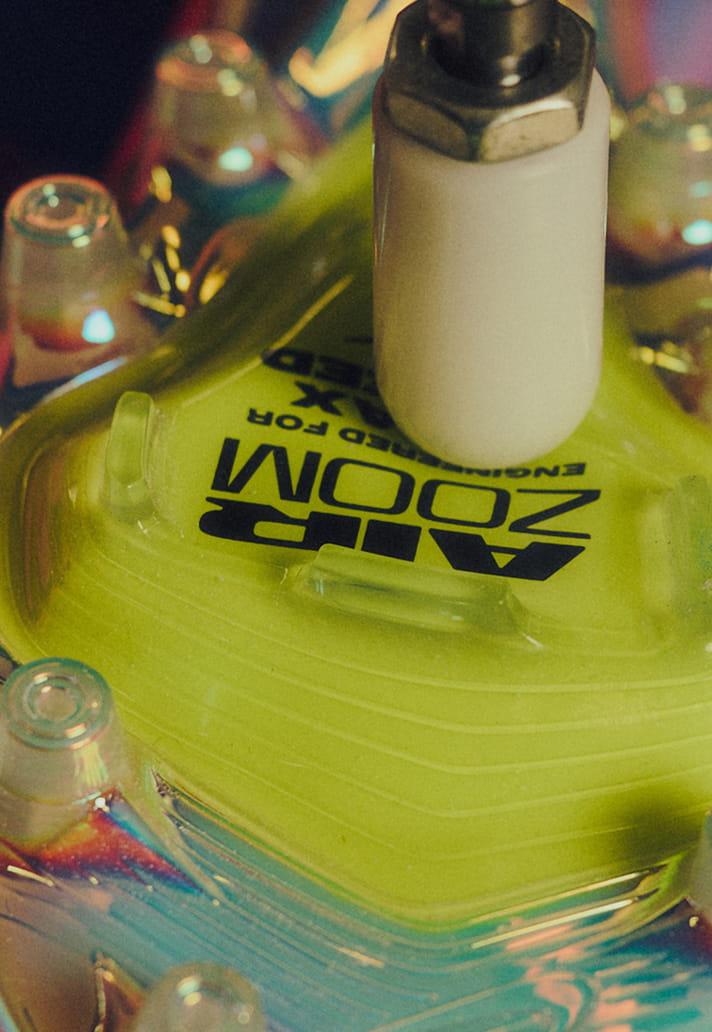
Inside the LeBron James Innovation centre, ideas move between sports pretty naturally. A sprinting solution might become a football solution. A running innovation could eventually influence a World Cup collection. And the latest example is the Zoom Air construction on the Mercurial Superfly soleplate. Initially developed and refined through track and field, Nike recognised similarities between elite sprinting mechanics and football’s demand for explosive acceleration.
“So, if you’re doing that in track and field where it’s all about speed, well then let’s try it in football and see if we get the same results.” The result is a system that players describe as feeling like they’re ‘exploding’ off the forefoot. Exactly the sensation Nike were chasing.
But where this really gets interesting is how naturally these conversations move beyond footwear. Because Nike aren’t talking about products individually. They talk about whole systems. “The whole thing that we think about is a system. The sock that goes with the boots, the kit that goes with the boot, the boot that goes with the kit. We’re thinking about how we solve athlete problems from head to toe.” It’s an approach that feels particularly relevant heading into a World Cup expected to be played in extreme temperatures.
And once again the solution came from listening. “We were watching the games, and you could see kits sticking to players, and you could see them pulling at it.” And if you watch football, you know what he means. It’s a small distraction that can become magnified under pressure. Especially at a World Cup.
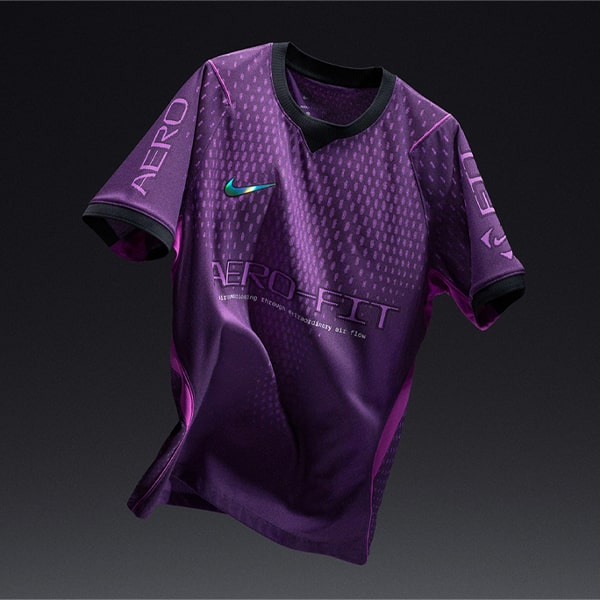
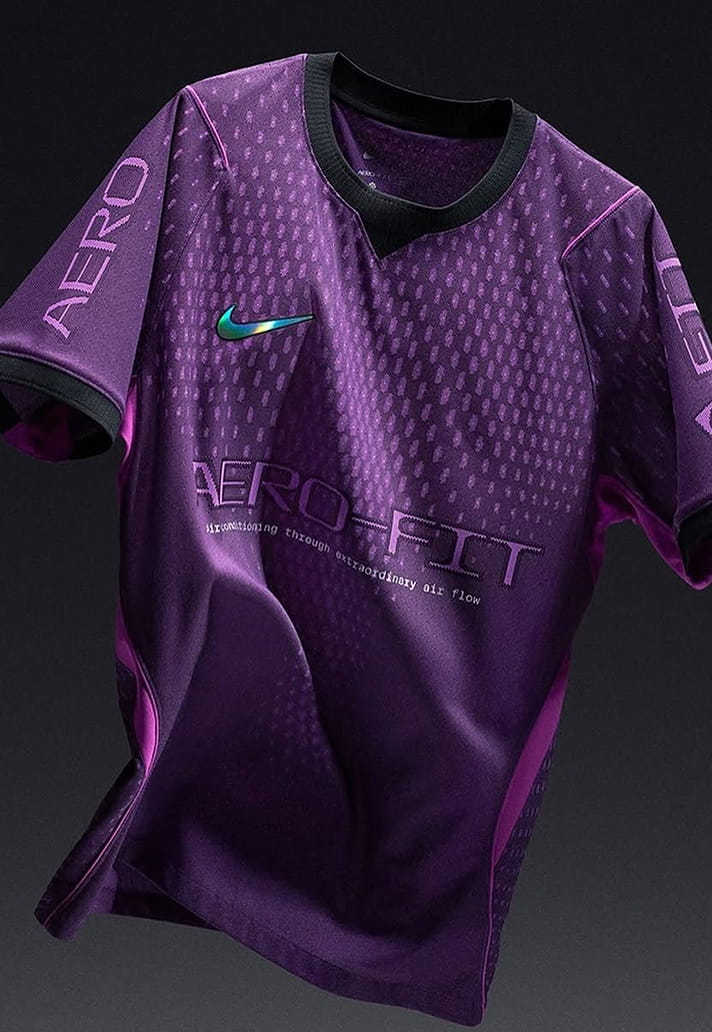
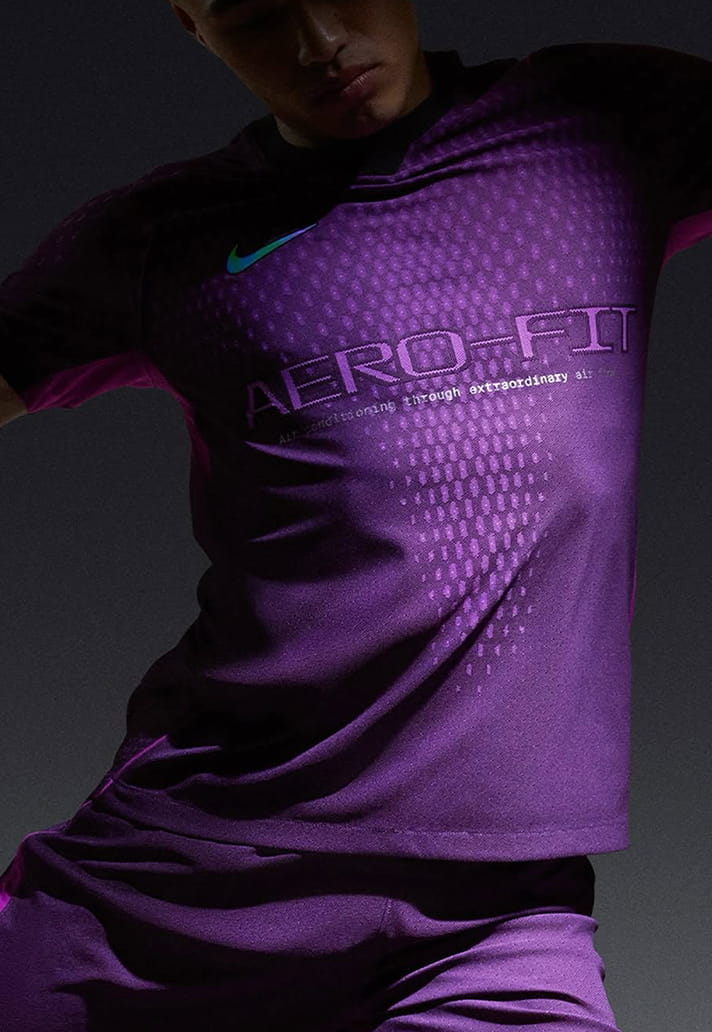
Now this is where Aerofit comes in. Using advanced fibre engineering and extensive environmental testing inside Nike’s heat chambers, the team pursued a singular goal: eliminate that distraction. “The 238 percent improvement comes from how much air can pass through the garment. Ultimately, it’s about making sure the player is as comfortable as possible and eliminating distraction.”
At the highest level of sport, comfort is performance. A player shouldn’t be thinking about their shirt, or their boots. They should just be thinking about the game.
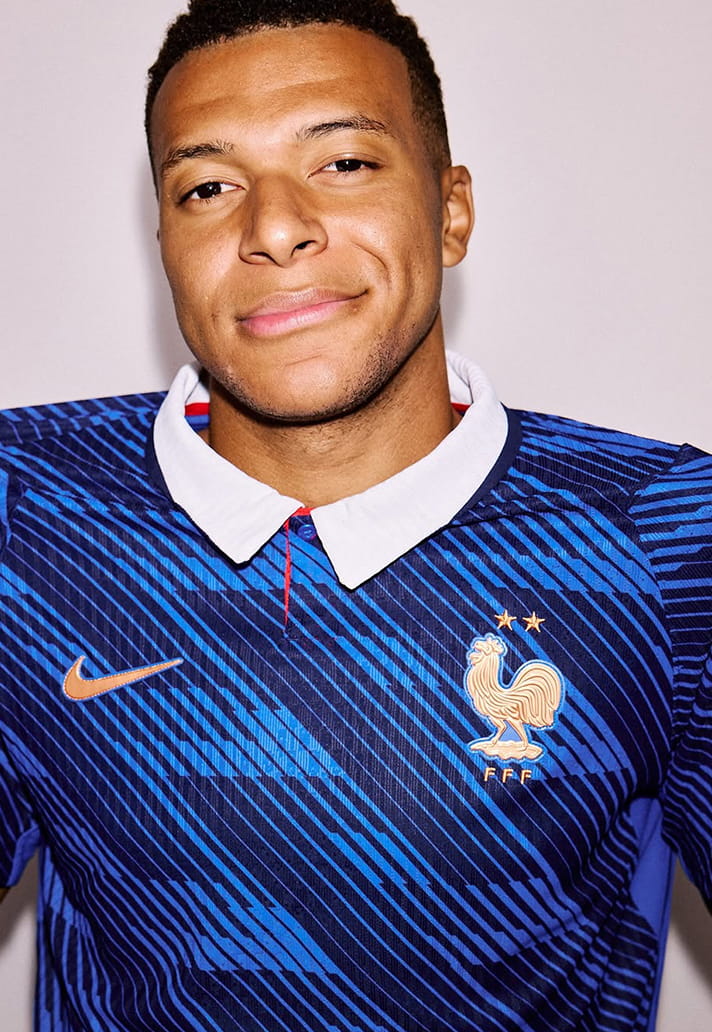
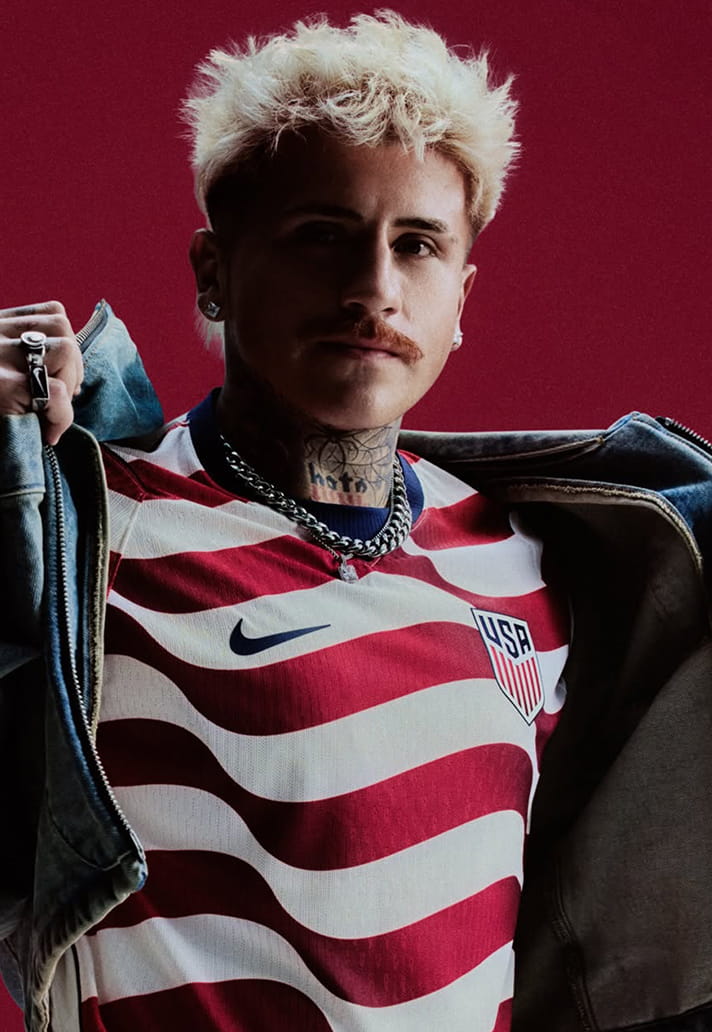
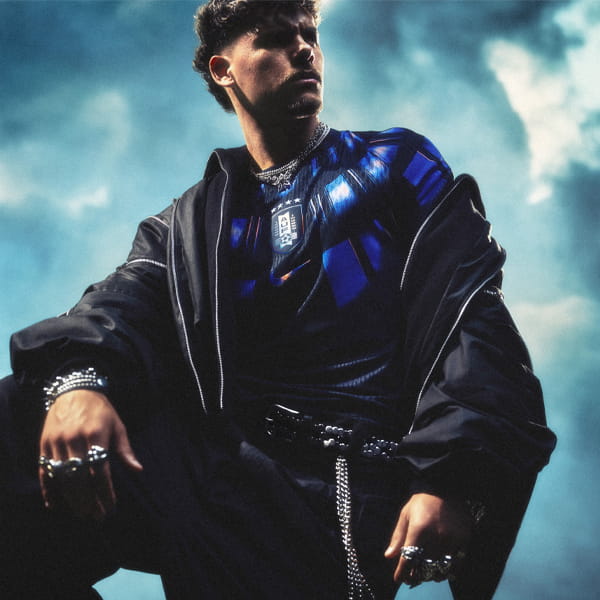
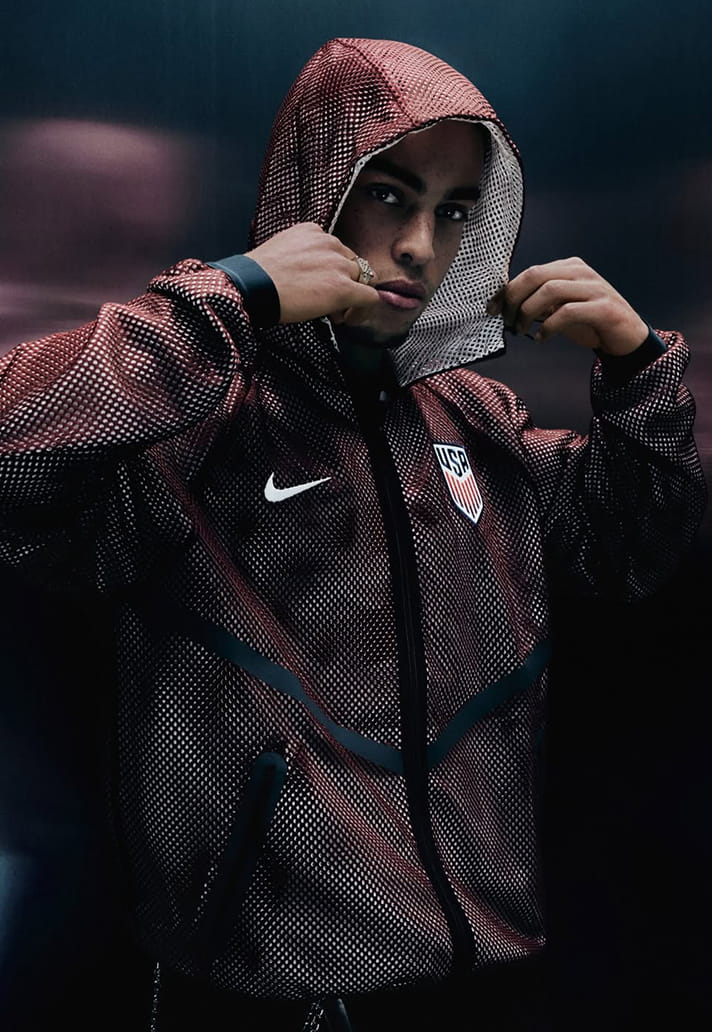
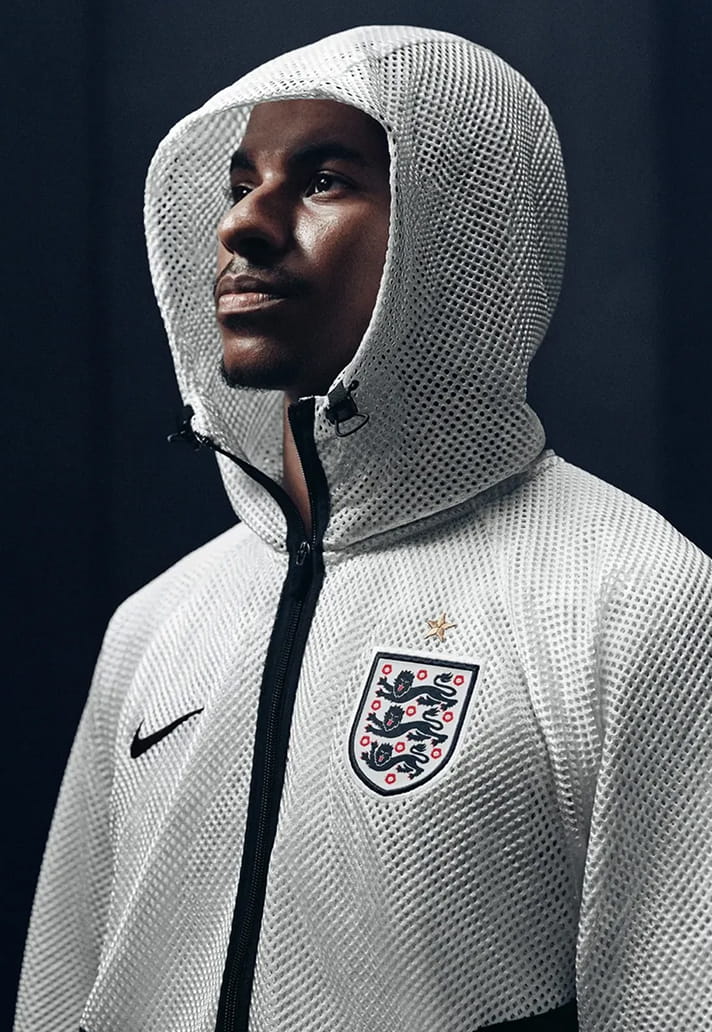
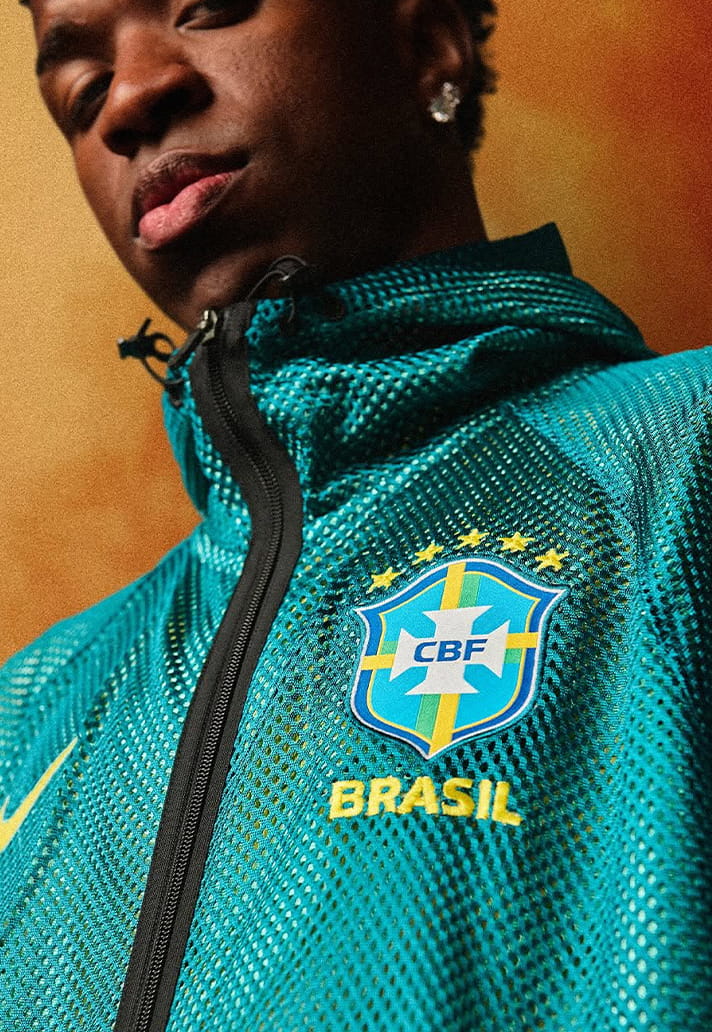
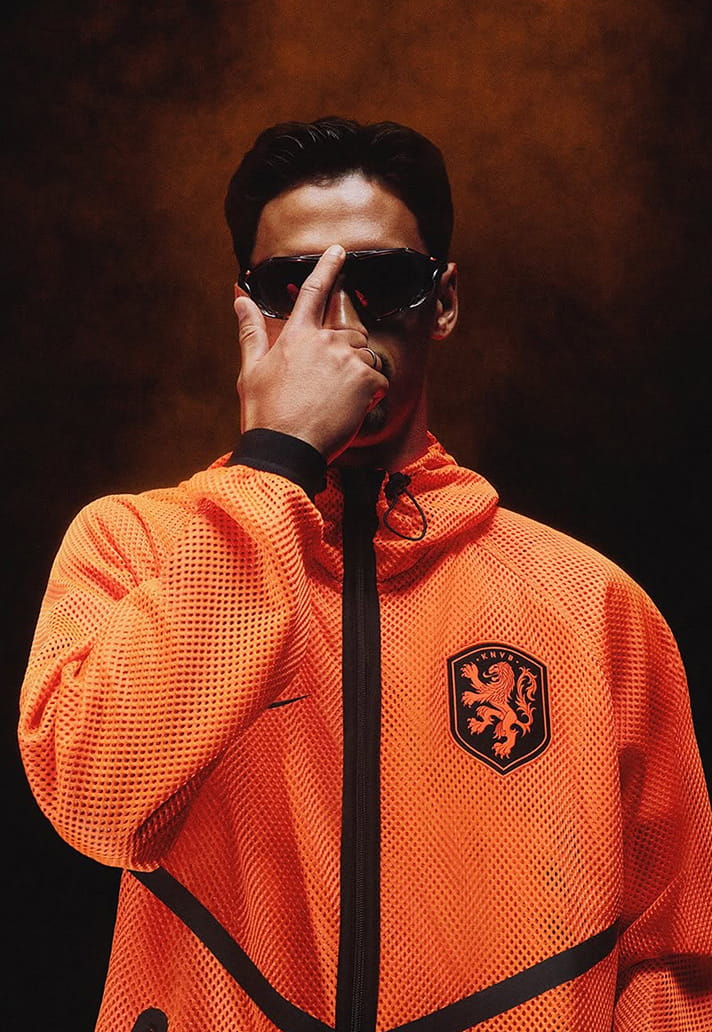
One of my personal favourite pieces from these latest World Cup collections though, is Nike’s Radical Air jackets. Not only do they look so good (like seriously, I would happily rock one of these everyday), but the concept actually emerged from somewhere rather unlikely. “We had an ultra-trail runner in, Caleb Olsen, he was running Western States. It was going to be boiling hot in those conditions and he needed to stay cool in order to maximise performance.” The solution was unconventional.
Instead of removing material, Nike created space. Instead of hugging the body, the garment deliberately sits away from the skin, creating airflow channels designed to cool the athlete. What followed is probably the most Nike thing imaginable. An idea developed for ultra-running was reimagined for football’s biggest tournament. That’s the advantage of operating across multiple sports, and it’s also where Nike’s scale becomes a genuine weapon.
“We had 15 of the world’s best sprinters on campus,” Phil told me. “The whole goal of the week was trying to get them 0.1 percent faster.” The lessons learned from that can then eventually influence football. And maybe that’s why Nike remains such a fascinating brand within football culture. The product rarely starts with aesthetics. “If we start with visual difference, it doesn’t work. You’ve got to start the athlete voice, the science and the innovation.”
That doesn’t mean design comes secondary. Far from it. One of the Nike Football’s greatest strengths has always been its ability to make performance desirable. To make innovation feel aspirational. To create products that become iconic. Phil was honestly spot on when he joked “If you look good, you feel good, and if you feel good, you play good.”
Footballers understand that better than anyone. Confidence matters. Identity matters. All you have to do is look at some of the best players in the world to see that. And at a time when consumers have more choice than ever before, those emotional connections to products remain incredibly powerful.
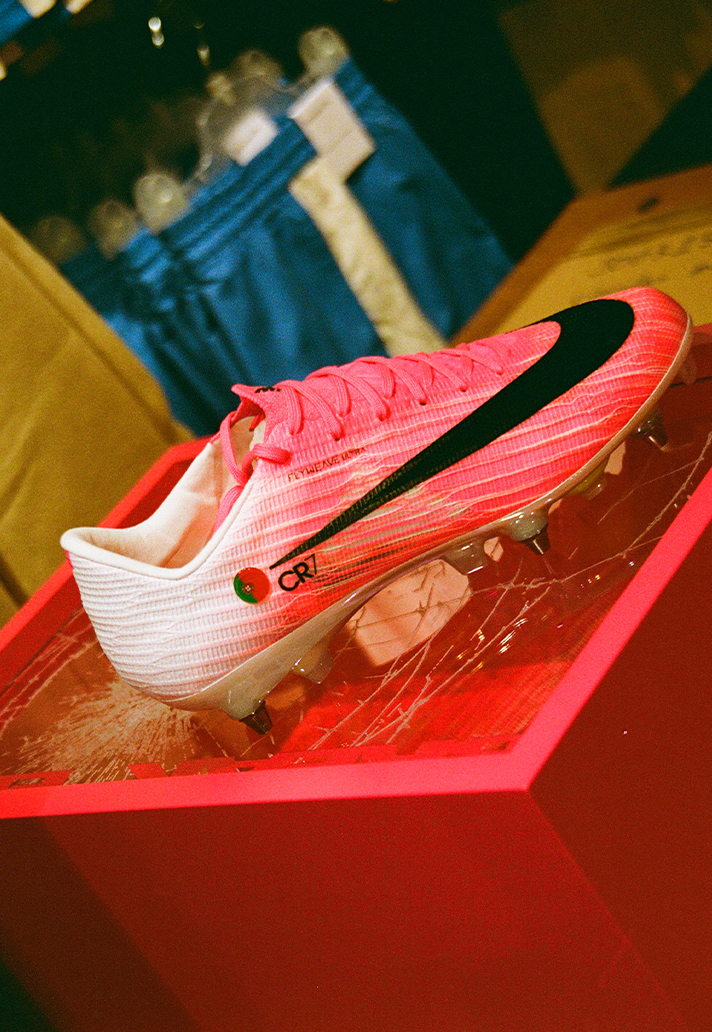
I still remember one of my favourite boots I ever owned as a kid: the Nike Mercurial IX CR7 Galaxy. If you know, you know. I’ll be real, I knew nothing about innovation at the time, I just knew that Ronaldo looked and played good in them. And that was enough to sell me on it. The performance came later.
The kind of obsession Nike hold may sound excessive. But it’s also why they continue to lead. Not because every innovation succeeds. Not because every launch changes football. But because the pursuit never stops. While the industry chases trends, Nike still seem fully focused on chasing problems.
And that’s an important distinction heading into this World Cup. Because football’s biggest stage has always rewarded the brands willing to think beyond the next product cycle. The conversation inside Nike today isn’t really about the next boot. It’s about the next athlete problem.
“The closer we get to sport, the closer we get to athletes, there’s always a problem to solve.” In a market overflowing with products, that mindset might be Nike’s biggest innovation of all.
Watch this space for more on Nike's innovation...