In Tashkent, history will arrive with breakfast. Around 7am on June 18th, while much of Uzbekistan is waking up, the national team will walk out at the Azteca for the first World Cup match in the country’s history.
Across Europe, Uzbekistan vs Colombia is a middle-of-the-morning kick-off. One for the night owls. In Uzbekistan, though, nobody will be sleeping through it. Across the country, life is expected to bend itself around the game.
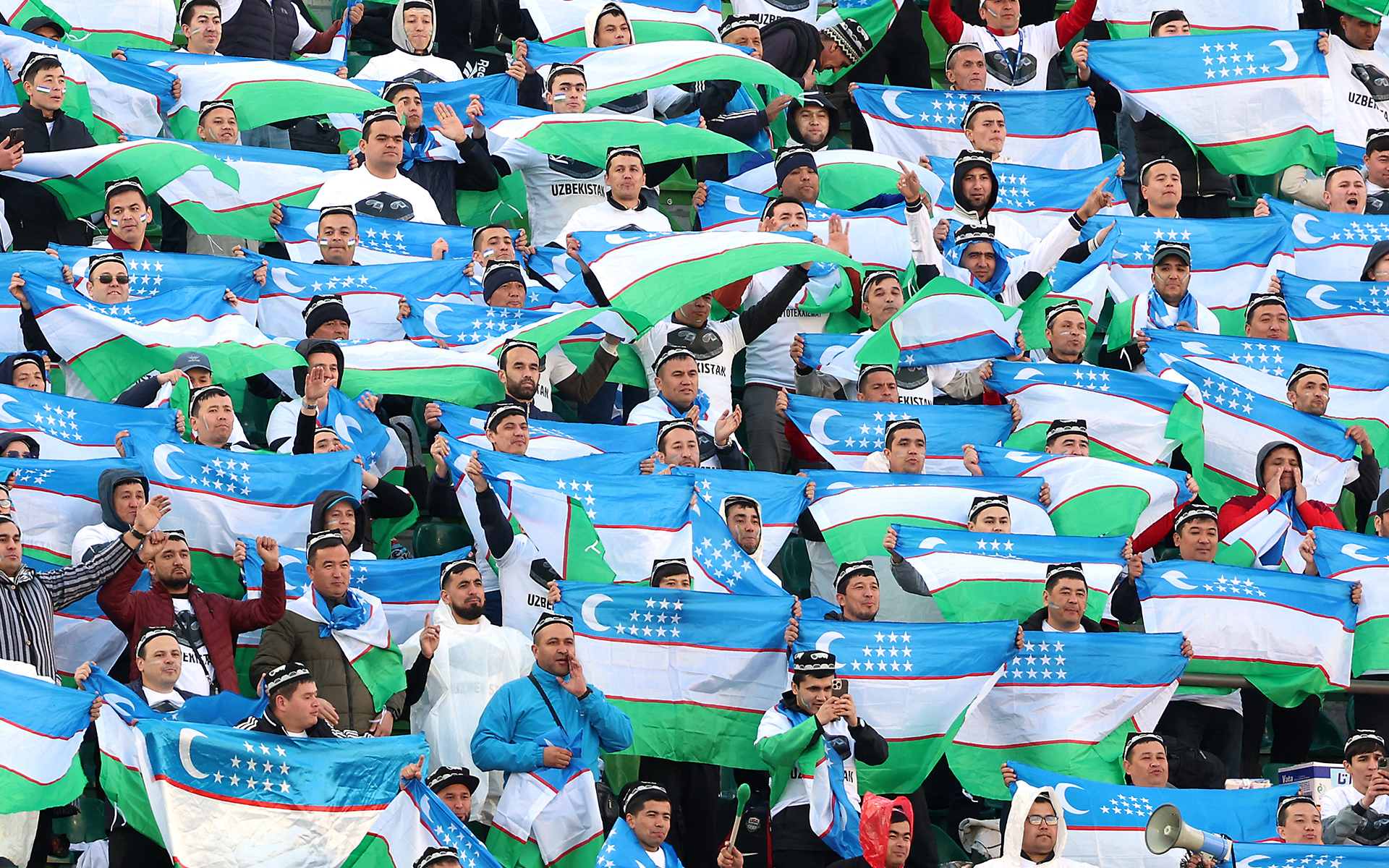
In Tashkent, the capital, fan zones have been set up across all 12 districts. At Bunyodkor Stadium, thousands are expected to gather in front of giant screens. Schools will show it, cafes will show it, offices will show it. Families will watch together at home, generations around a television, all of them waiting for the same whistle.
This is what the World Cup can do. It can take a country that has spent years watching from the edge of the tournament and, for one morning, place it right on centre stage.
Uzbekistan is home to more than 38 million people, the most populous country in Central Asia, sitting between Kazakhstan, Kyrgyzstan, Tajikistan, Turkmenistan and Afghanistan. It is Samarkand and Bukhara, Silk Road cities and blue-tiled domes, Tashkent tower blocks, mountain borders, markets, noise, and modern ambition.
A young country in independent terms, but one with deep history, pride, and a football culture that has been waiting a long time for the world to look its way.
Thing is, Uzbekistan has been a serious football country for years, and a national team that always seemed close enough to touch the tournament, but never quite close enough to step inside. They have been, for years, football’s nearly men.
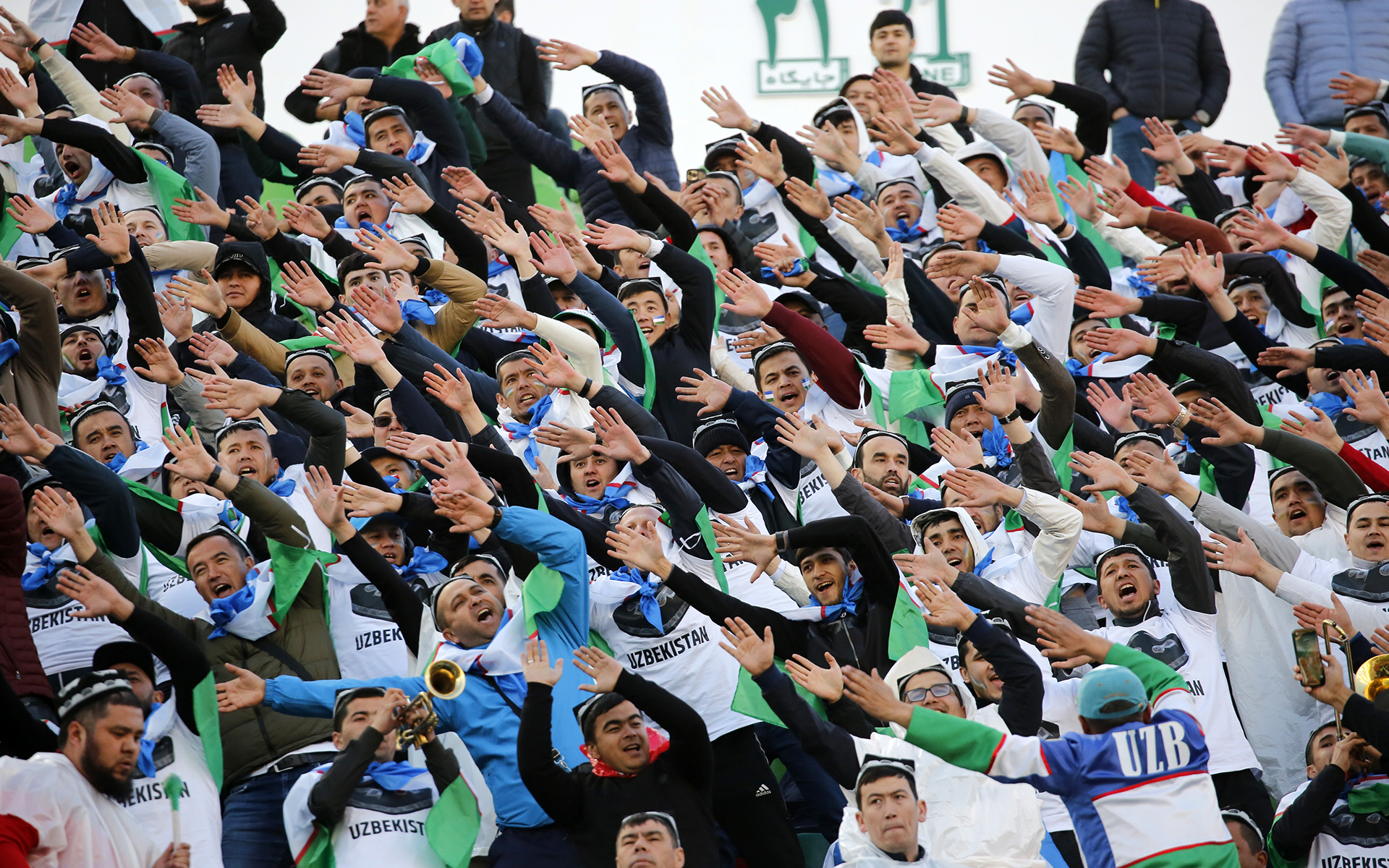
The most painful chapter came on the road to Germany 2006. Uzbekistan were beating Bahrain 1-0 in Tashkent when Server Djeparov scored a penalty that should have made it two. The referee saw encroachment, but instead of ordering the kick to be retaken, gave Bahrain a free-kick.
Uzbekistan appealed, FIFA agreed there had been a mistake. Then, somehow, ordered the whole match to be replayed with the tie finishing level. Bahrain went through on away goals. Uzbekistan had knocked on the door, pointed out that the door was broken, and still been left outside.
After that, the almosts kept coming. In 2014, they missed automatic qualification behind South Korea by a single goal on goal difference, then lost a play-off to Jordan on penalties.
Four years later, South Korea stood in the way again. Win in Tashkent and Uzbekistan were going to the World Cup. It finished 0-0. Another full stadium and another night that nearly became the night.
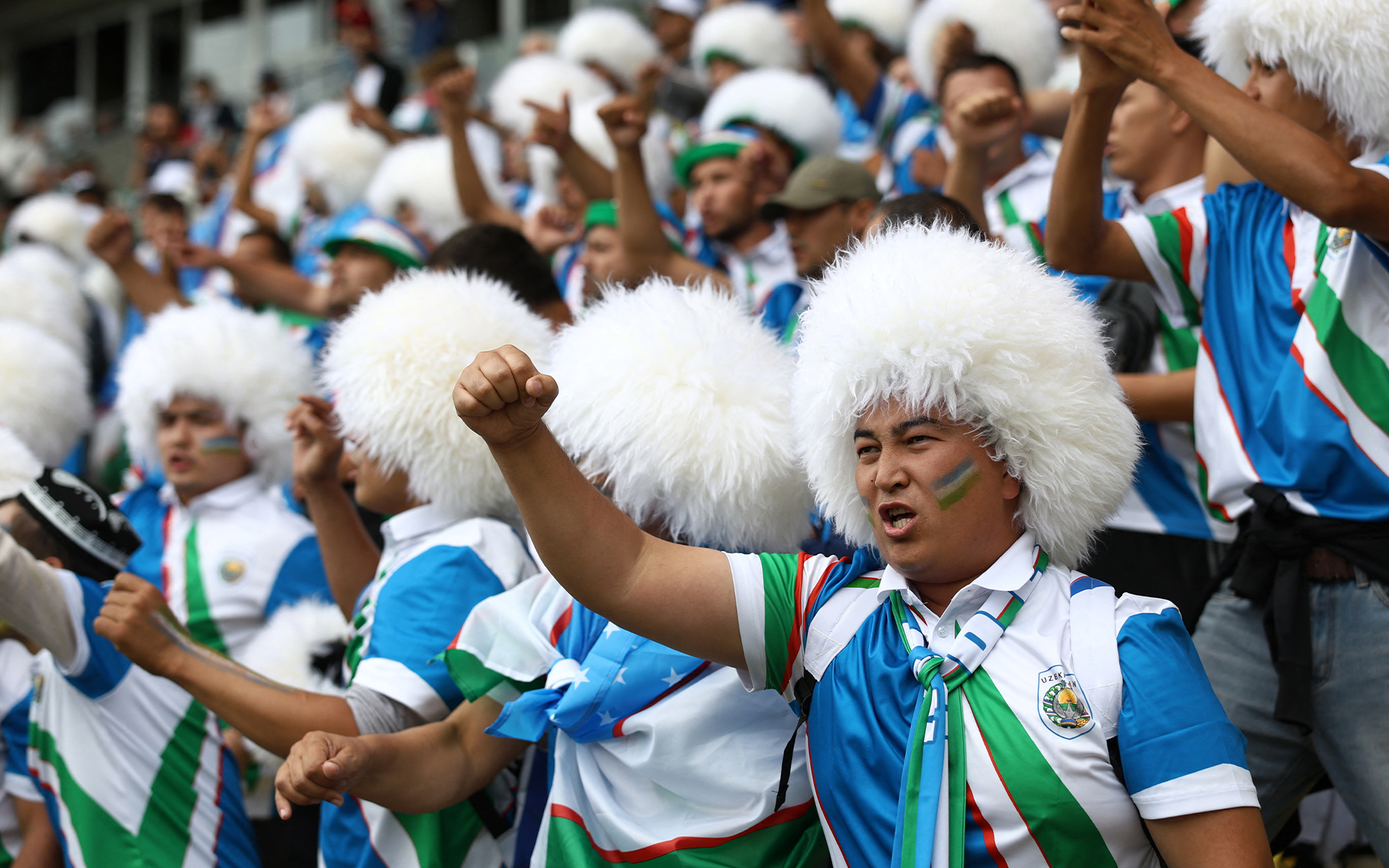
That sort of thing stays with a football nation and becomes unwanted folklore. Not failure, really, because Uzbekistan has never been a failure, per se, but more like a team cursed by tiny margins.
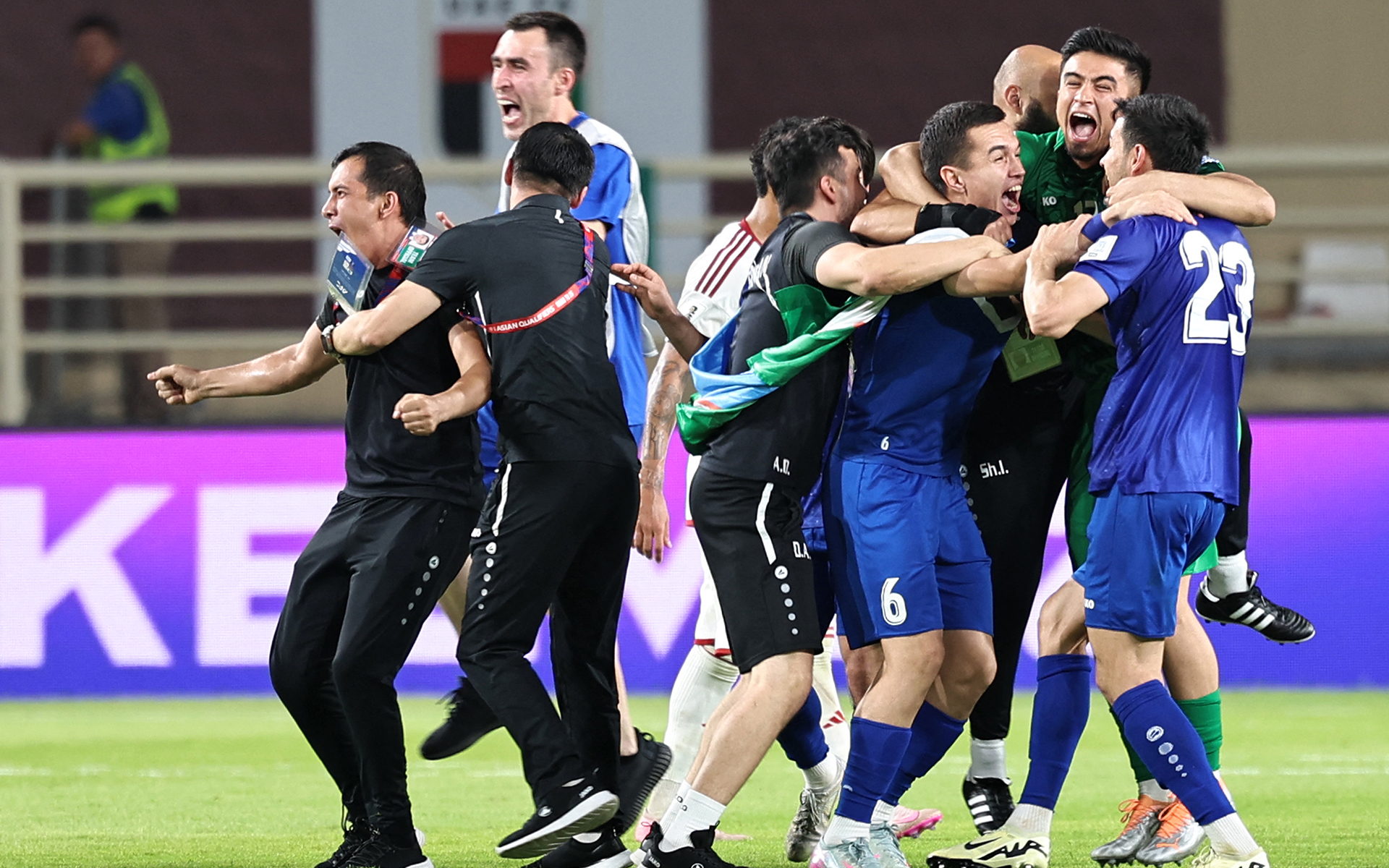
This time, though, the ending changed. Their qualification was beautifully unflashy with a 0-0 draw away to the UAE in Abu Dhabi. Eight minutes of stoppage time, goalkeeper Utkir Yusupov making the saves that mattered and the clock moving much slower than it should.
Then the whistle went, and there was nothing left to take away: Uzbekistan were going to the World Cup. Suddenly, there it was. Not a dream anymore.
It’s worth pointing out that there’s top talent in Uzbekistan, too. Manchester City’s Abdukodir Khusanov gives them a defender operating at the very top of the game, while Eldor Shomurodov, the Europe-based journeyman, remains the captain, the scorer and the face of so much of this journey.
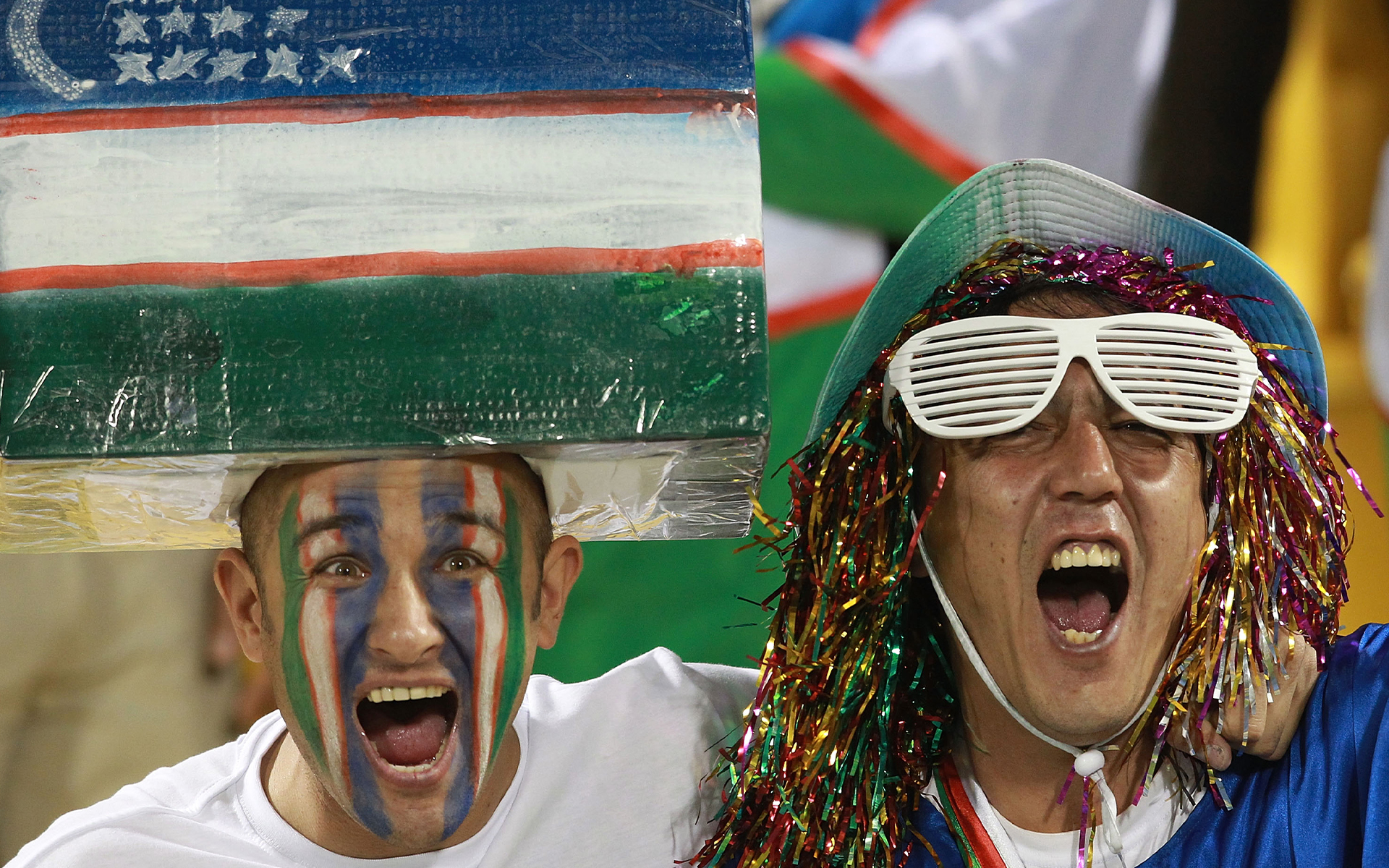
Although it was Timur Kapadze, Mr Uzbekistan football, who guided them over the line, Fabio Cannavaro now leads them into the tournament, a World Cup-winning captain managing a country at its first.
Sure, Colombia will be favourites, Portugal and DR Congo wait after that and will be favourites too. This is a hard group and Uzbekistan know it, but that is tomorrow’s problem, and next week’s problem, and the kind of problem you only get once you have finally arrived.
Before all that, there is this: a country waking up together and watching together. A team stepping out in Mexico City, thousands of miles from home, carrying a generation of nearlys.
At the Azteca, where Pelé and Maradona once turned football into mythology, Uzbekistan gets its first page. The nearly men are nearly no more – they have arrived.