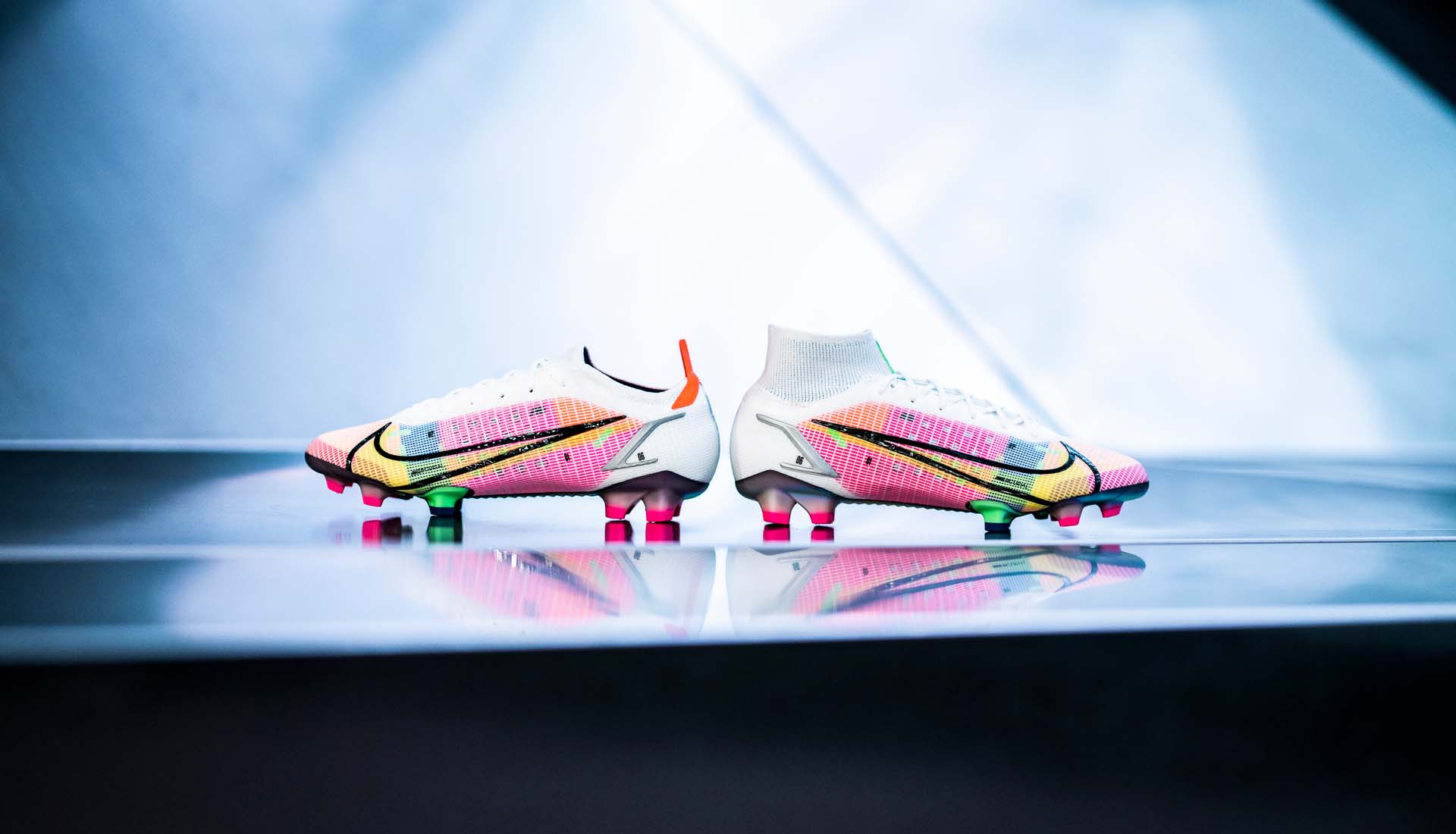
For over two decades, Nike’s Mercurial line has defined speed in football boot design, with the Vapor and Superfly each carving out distinct identities. But those lines have blurred in recent years, and so I’m asking: is it time to separate them once again?
Few silos in football product design carry the cultural weight of the Nike Mercurial. Aside from the stalwart Tiempo, no franchise in Nike’s football portfolio boasts the same depth of heritage or influence over the modern game. Within that lineage, the Mercurial Superfly has long stood as the halo model – the pinnacle of innovation, the laboratory on feet – while the Vapor provided a more accessible expression of speed-driven performance. At least, that was the idea.


Today, however, the line between the two has blurred to the point of near invisibility. And that raises a legitimate, perhaps overdue, question: should the Nike Mercurial Vapor and Superfly be separated once more, not just in name, but in purpose?
To answer that, we need to revisit what made the Superfly special in the first place.
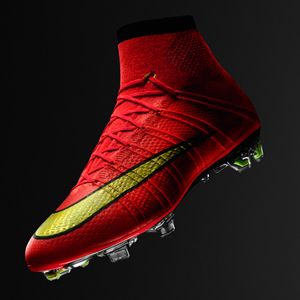
When it launched in 2009, the Superfly wasn’t just a new boot – it was a statement. This was Nike at its most unapologetically experimental, delivering a product that felt closer to a concept car than a mass-market release. Carbon fiber soleplates, Flywire cables, radically reduced weights – these weren’t incremental updates, they were leaps. The Superfly was where Nike’s most ambitious thinking lived, and crucially, it had an audience ready to engage with it. Players weren’t just wearing the future; they were helping shape it.
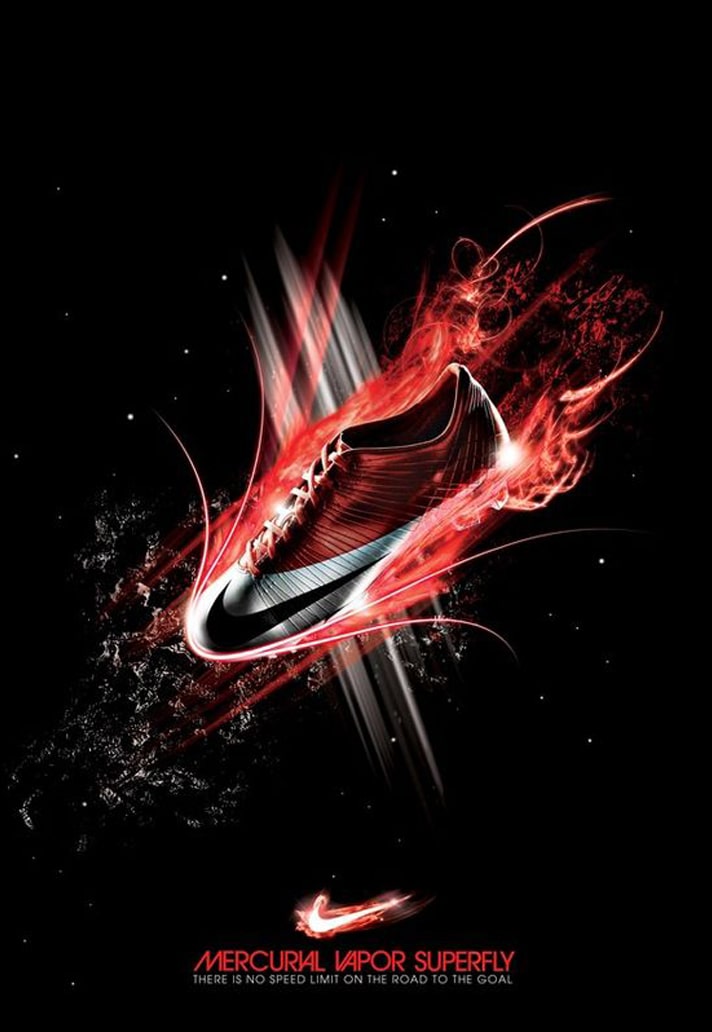
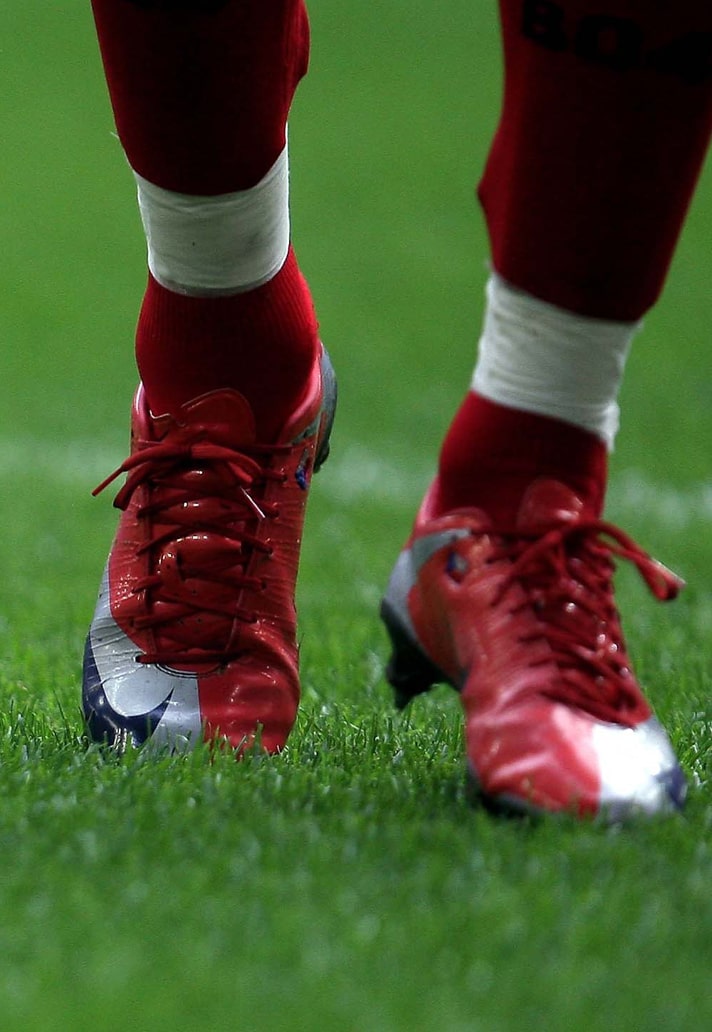
The Vapor, by contrast, carried forward Mercurial’s core identity: speed, responsiveness, and simplicity. It was the purist’s choice. The Superfly was the innovator’s playground.
That distinction held for nearly a decade. Until 2018.
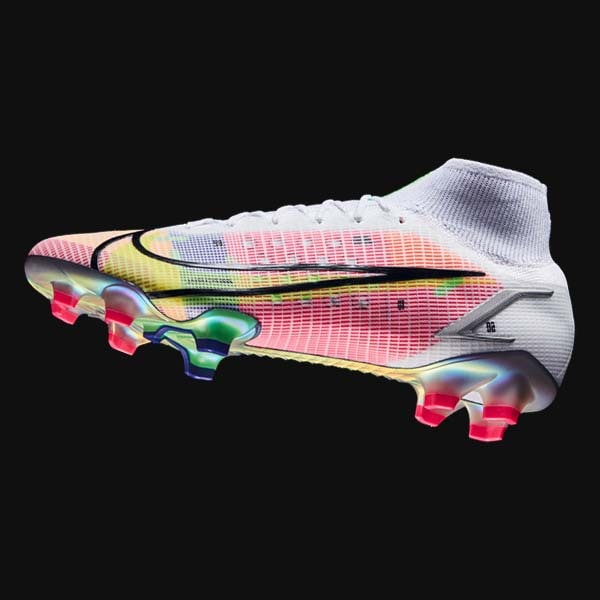
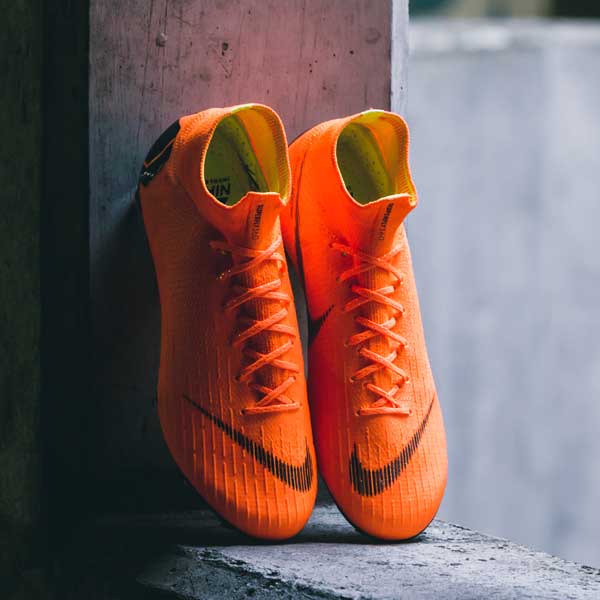
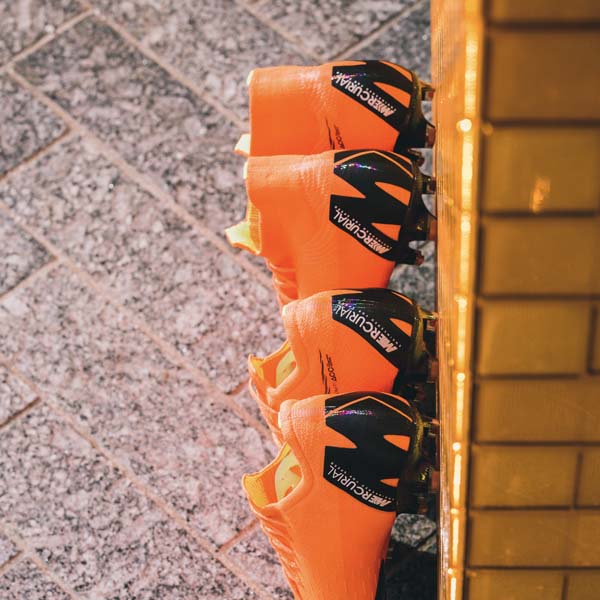
Ahead of the World Cup in Russia, Nike unveiled the Mercurial 360 platform, introducing Flyknit across the entire upper for both the Superfly and Vapor. Technically, it was a breakthrough. The concept of a fully knitted, one-piece upper that wrapped seamlessly around the foot was genuinely progressive. But in doing so, Nike unified the two boots to an unprecedented degree.
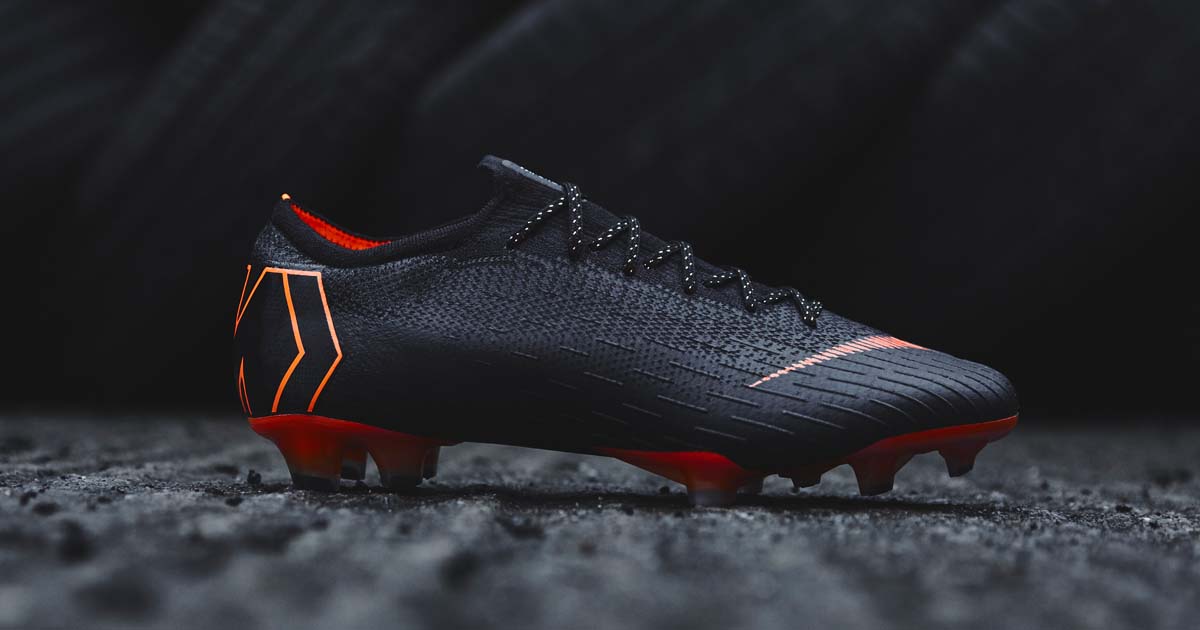
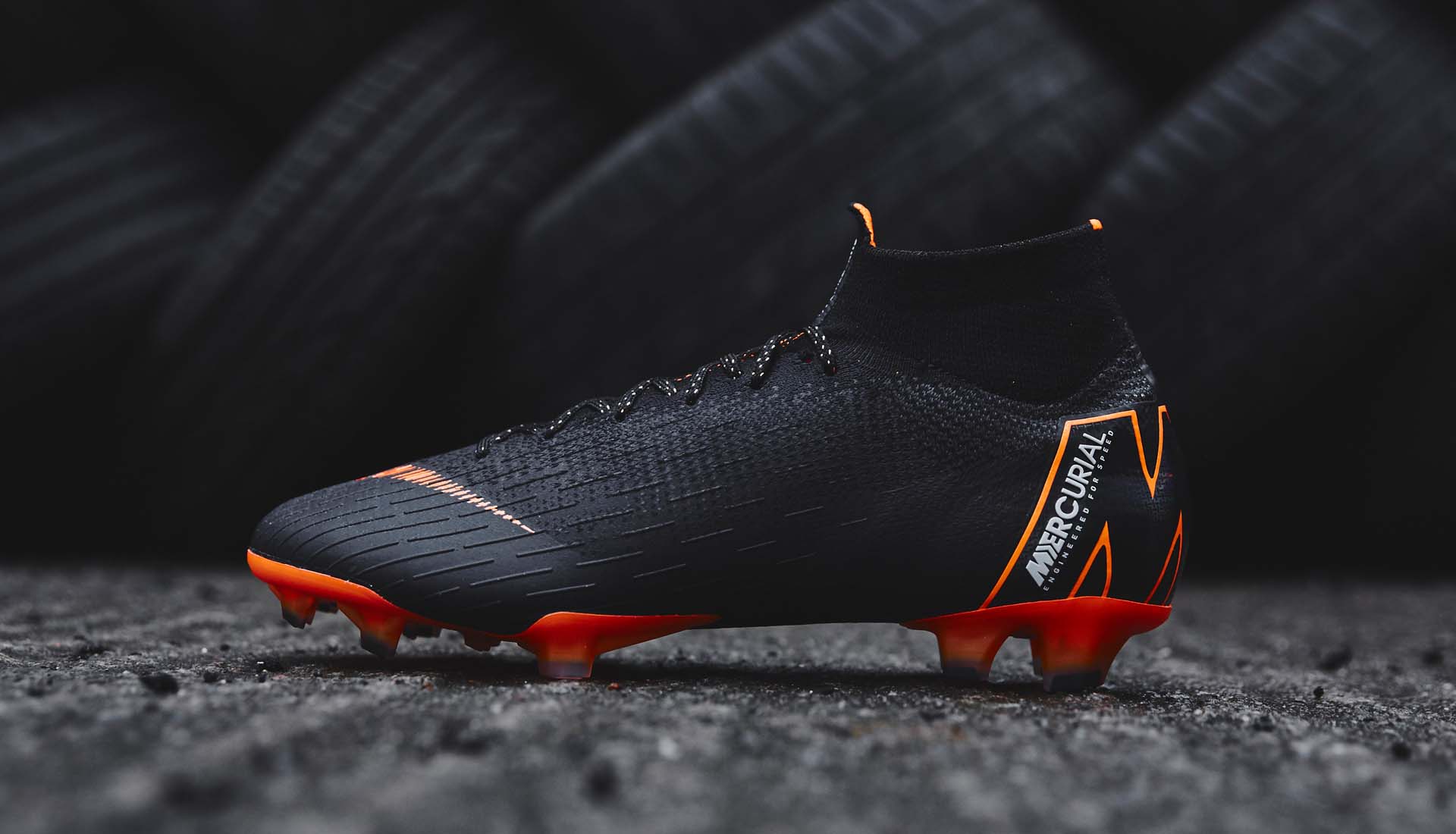
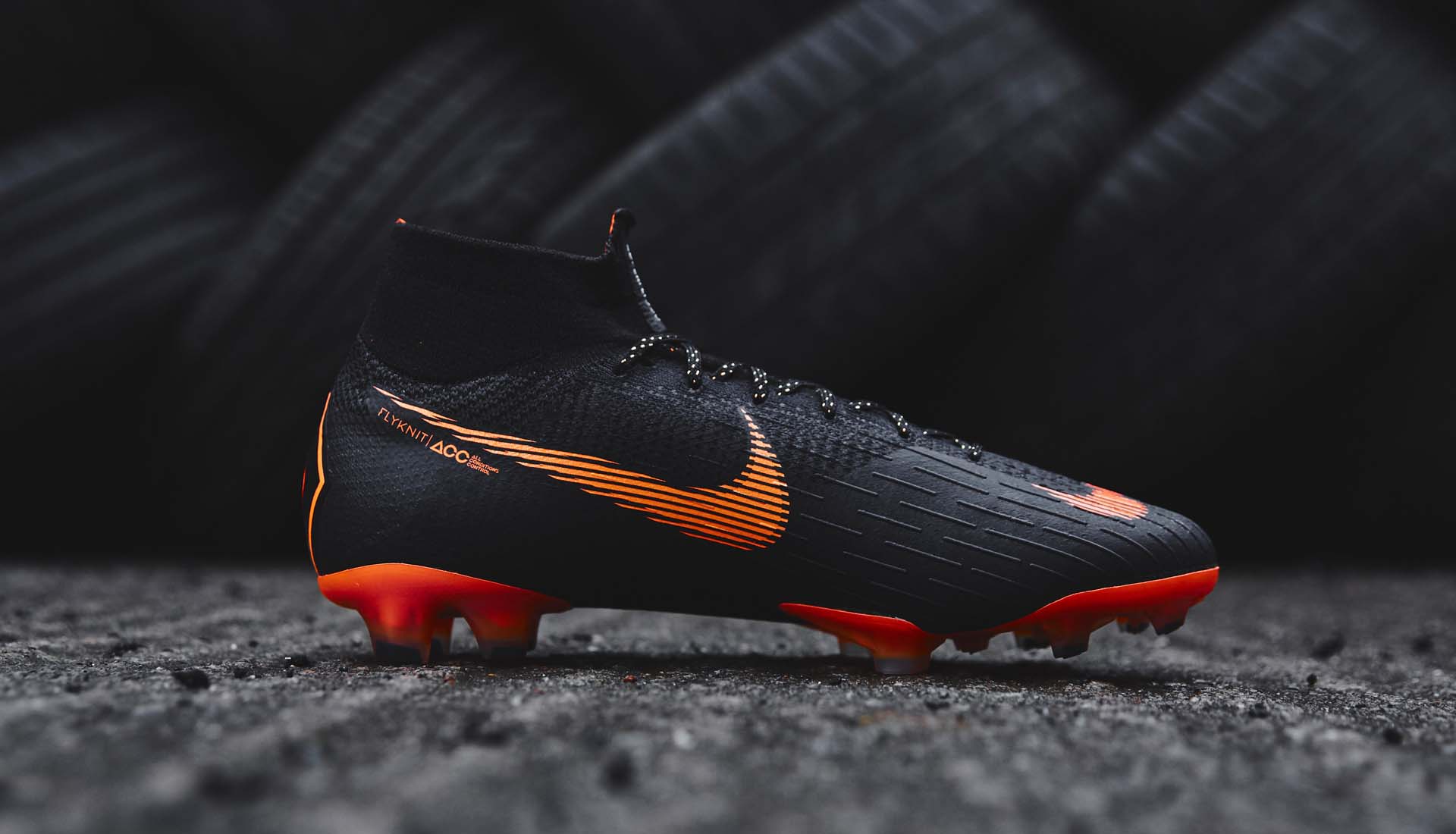
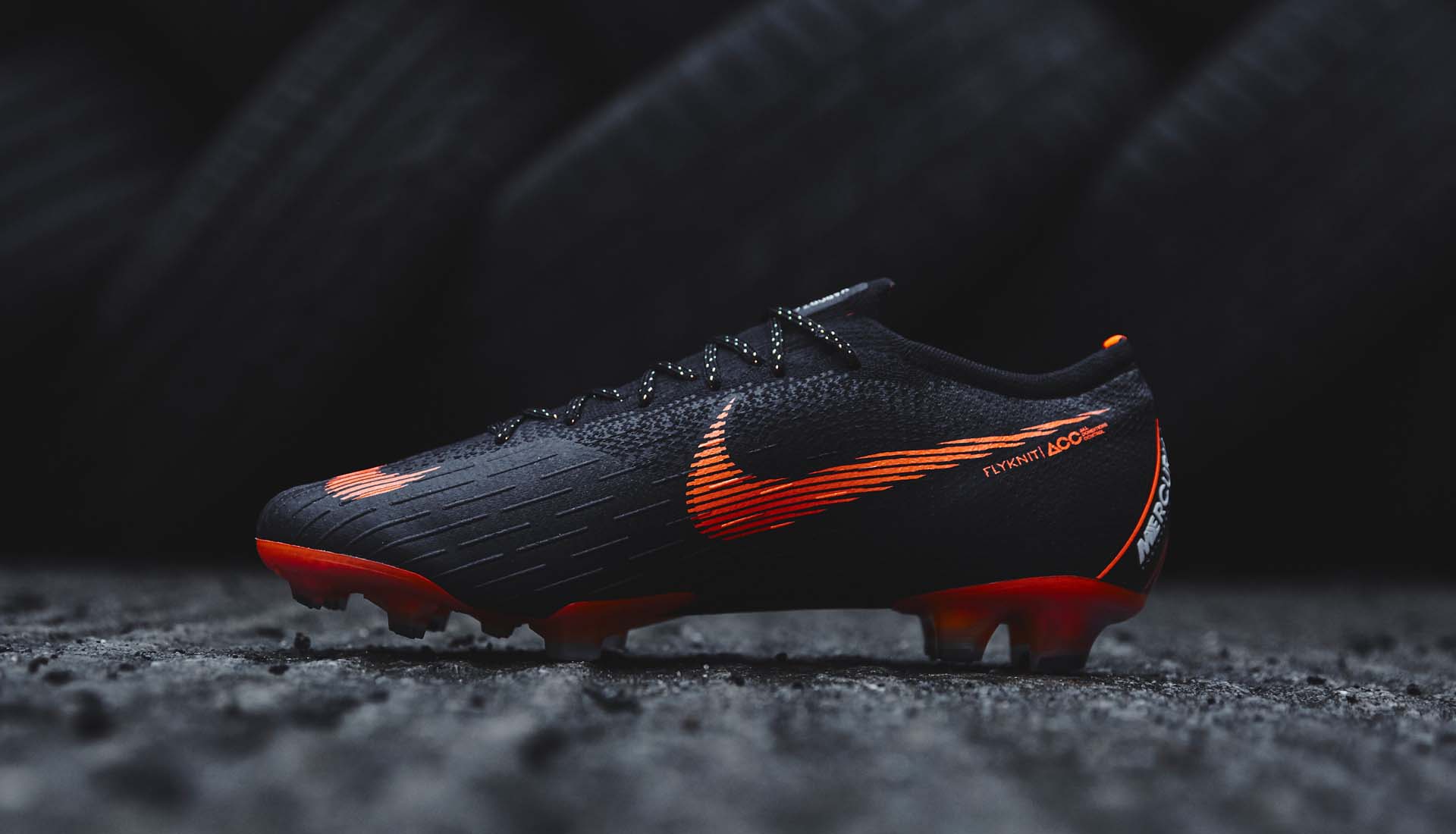
From that point on, the Superfly and Vapor became, effectively, the same boot – differentiated to all intents and purposes only by the Dynamic Fit collar.
Now, let’s be clear: this wasn’t a design failure. The Mercurial 360 was excellent. But it marked a philosophical shift. The Superfly stopped being the proving ground for bold innovation and became, instead, a stylistic variation of the Vapor.
And that’s where the problem lies.
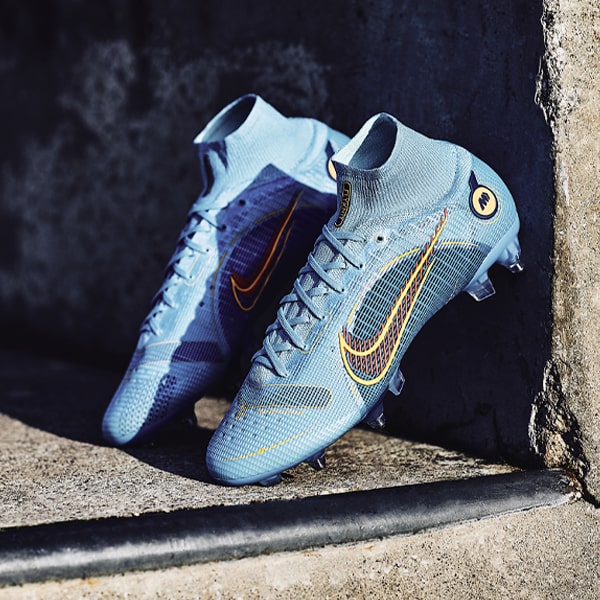
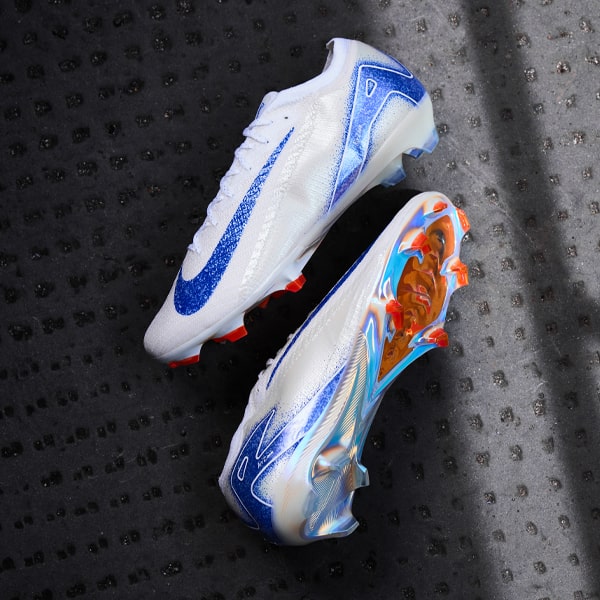
Fast forward to today, and the gap has narrowed even further. The Dynamic Fit collar – once the defining feature of the Superfly – has been gradually reduced, both in height and in significance. Many elite players have moved away from it entirely, opting for the low-cut Vapor. The once-polarising design element has become almost incidental, its performance benefits debated and its aesthetic impact diluted.
So where does that leave the Superfly?
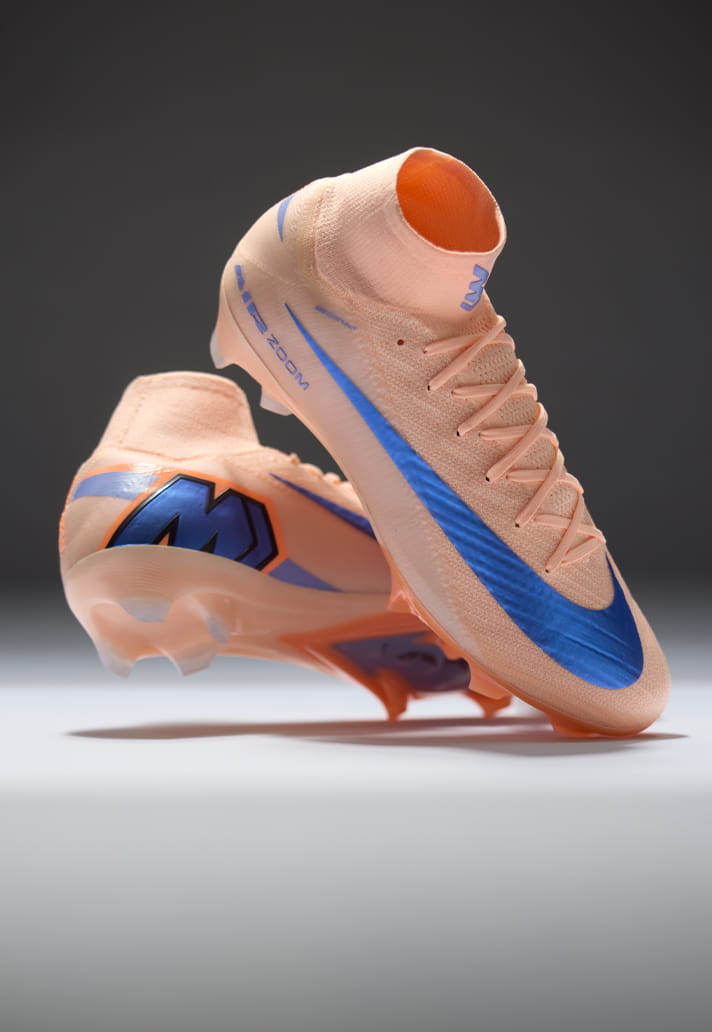
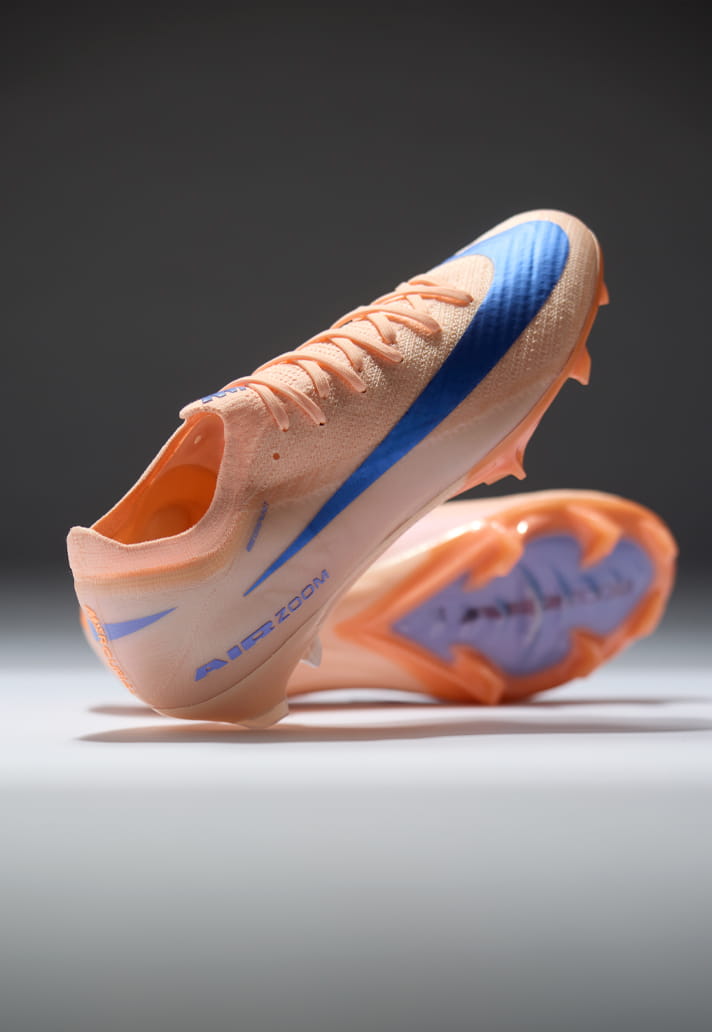
In its current form, it risks becoming redundant – not because it’s a bad boot, but because it no longer stands for anything distinct. And for a silo that once defined the cutting edge of football footwear, that’s a dangerous position to occupy.
This is not to suggest that Nike should abandon the Superfly. Quite the opposite. It should double down on it.
The Mercurial line must never forget what made it iconic: its refusal to stand still. And if the Vapor continues to serve as the streamlined, speed-focused option – which it does admirably – then the Superfly should once again become the brand’s experimental spearhead.
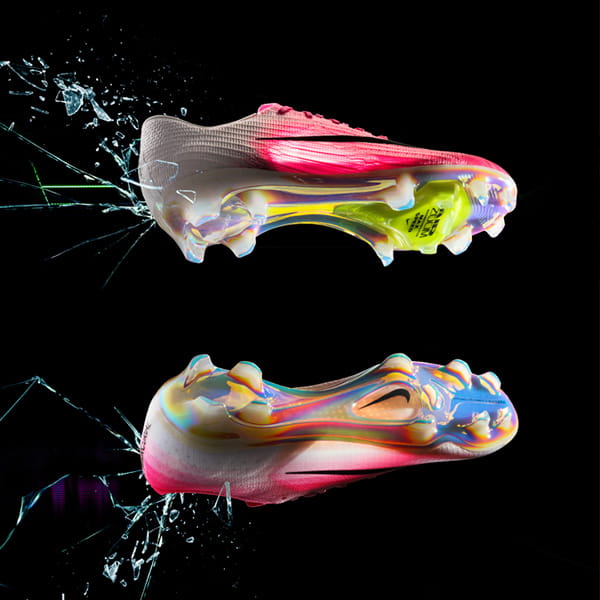
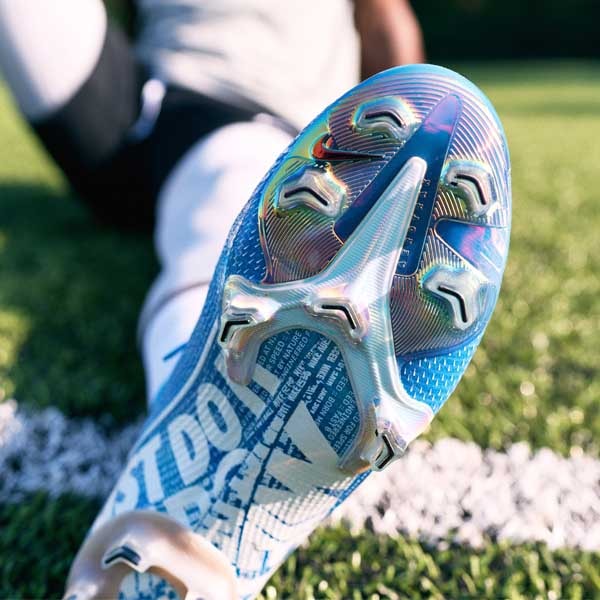
That doesn’t necessarily mean a return to gimmicks or impractical design flourishes. But it does mean restoring a sense of ambition. I'm talking about pushing materials further – more aggressive use of advanced knits, hybrid constructions, perhaps even a rethinking of how lockdown and propulsion are achieved. The Superfly should feel different underfoot, not just around the ankle. It should lead, not follow.

Because ultimately, the Mercurial franchise thrives on identity. It sells not just performance, but aspiration. Players choose Mercurials because they represent something — speed, flair, modernity. But within that, there must be layers. There must be a flagship that sets the tone for everything else. Right now, the Superfly isn’t quite doing that. And perhaps that’s the opportunity.
By re-establishing a clear divide between the Vapor and Superfly, Nike wouldn’t just be reviving an old structure — it would be reaffirming its commitment to innovation. It would be giving players a genuine choice again: refinement or risk, purity or progression.
Because as things stand, the Mercurial still leads the conversation. But the Superfly, once the loudest voice in the room, has gone quiet.
It’s time for Nike to let it speak up again.