In 1978, Italian designer Piero Gratton altered the visual identity of AS Roma through a seemingly simple yet elegant redesign of the club’s crest. This is the story of the now iconic ‘Lupetto logo’.
Creative Soccer Culture is a term that we coined in 2024 to define the world where football intersects with other creative disciplines, from product to fashion and design to photography, film, music, art and beyond; these intersections have been stitched into the fabric of the game for decades though – all we’ve done is put a name to it. The trailblazers who laid its foundations were already working with the kind of foresight and imagination that we still celebrate today. One of those defining moments came on 30 June 1978, when Italian designer Piero Gratton altered the course of AS Roma’s identity forever with the birth of the Lupetto.
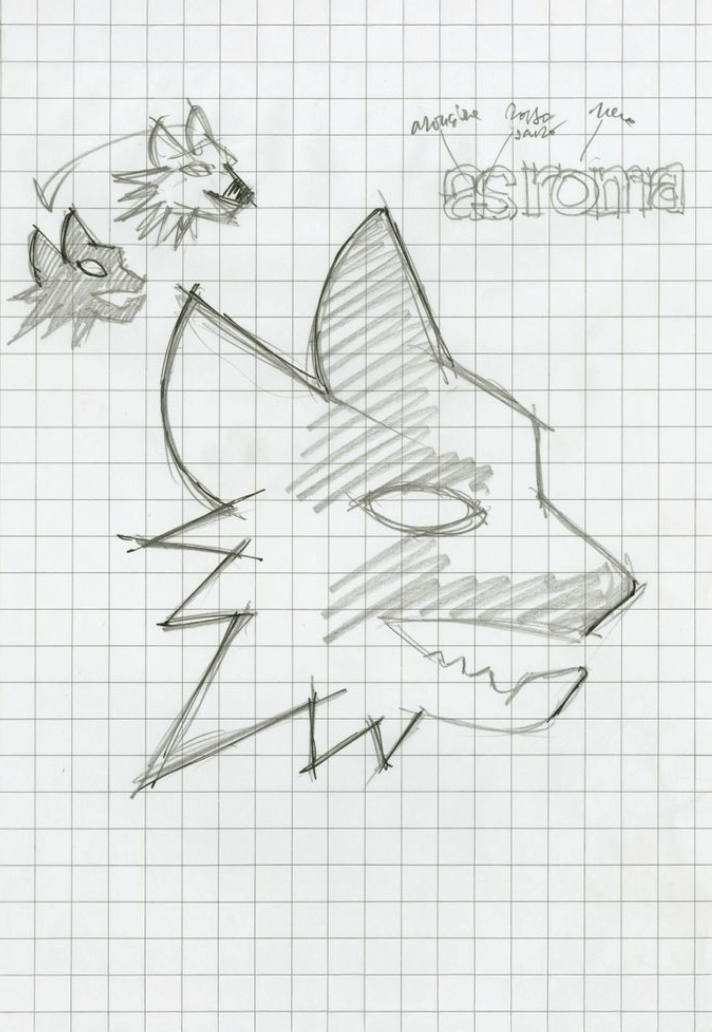
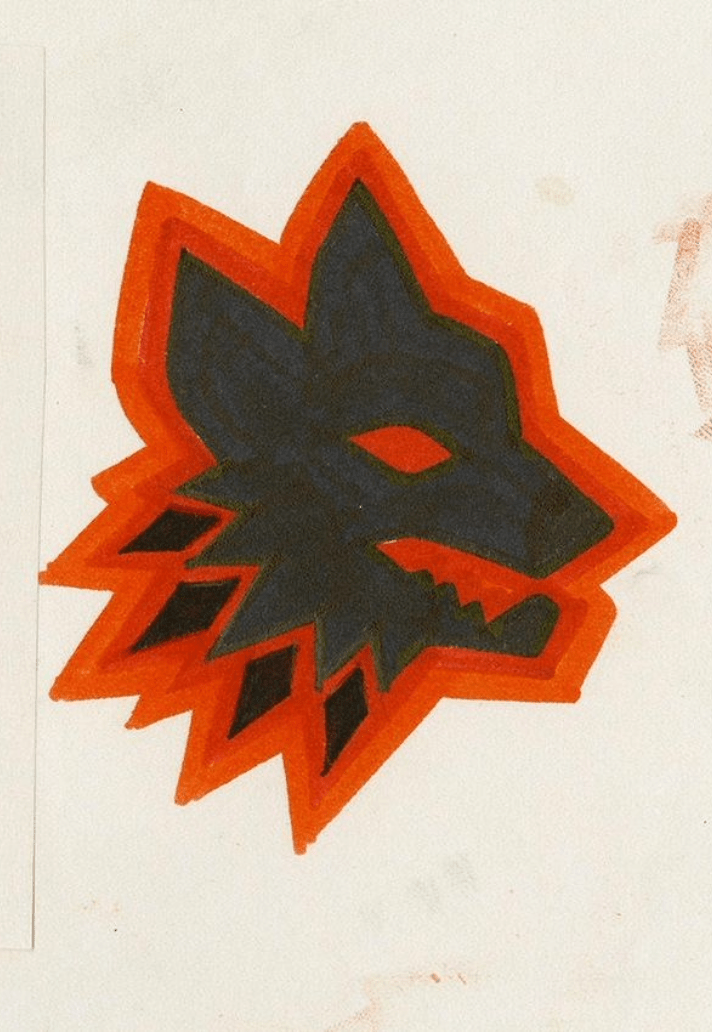
A simple wolf’s head, stripped back, bold, elegant. Black form, red eye, yellow-red border. The Lupetto — “little wolf” — was modern minimalism before the term had entered the mainstream. It arrived as the official logo of the Giallorossi under president Gaetano Anzalone, replacing the untrademarkable Capitoline Wolf that had long adorned the club crest. Gratton, born in Milan but raised with Roma in his heart, designed it not as a rejection of tradition, but as an evolution of it. And in doing so, he authored one of the most significant creative statements football has ever seen.
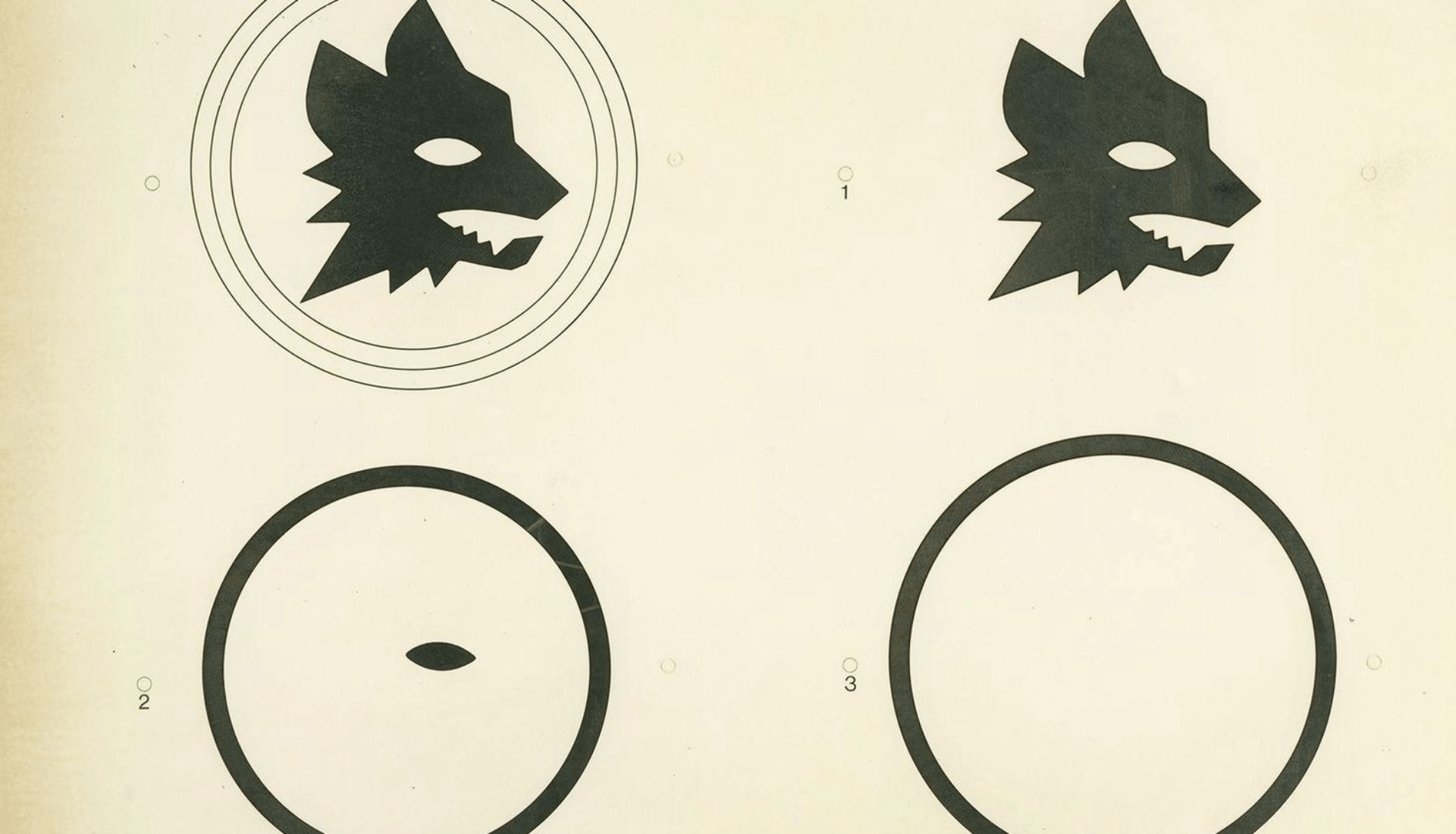
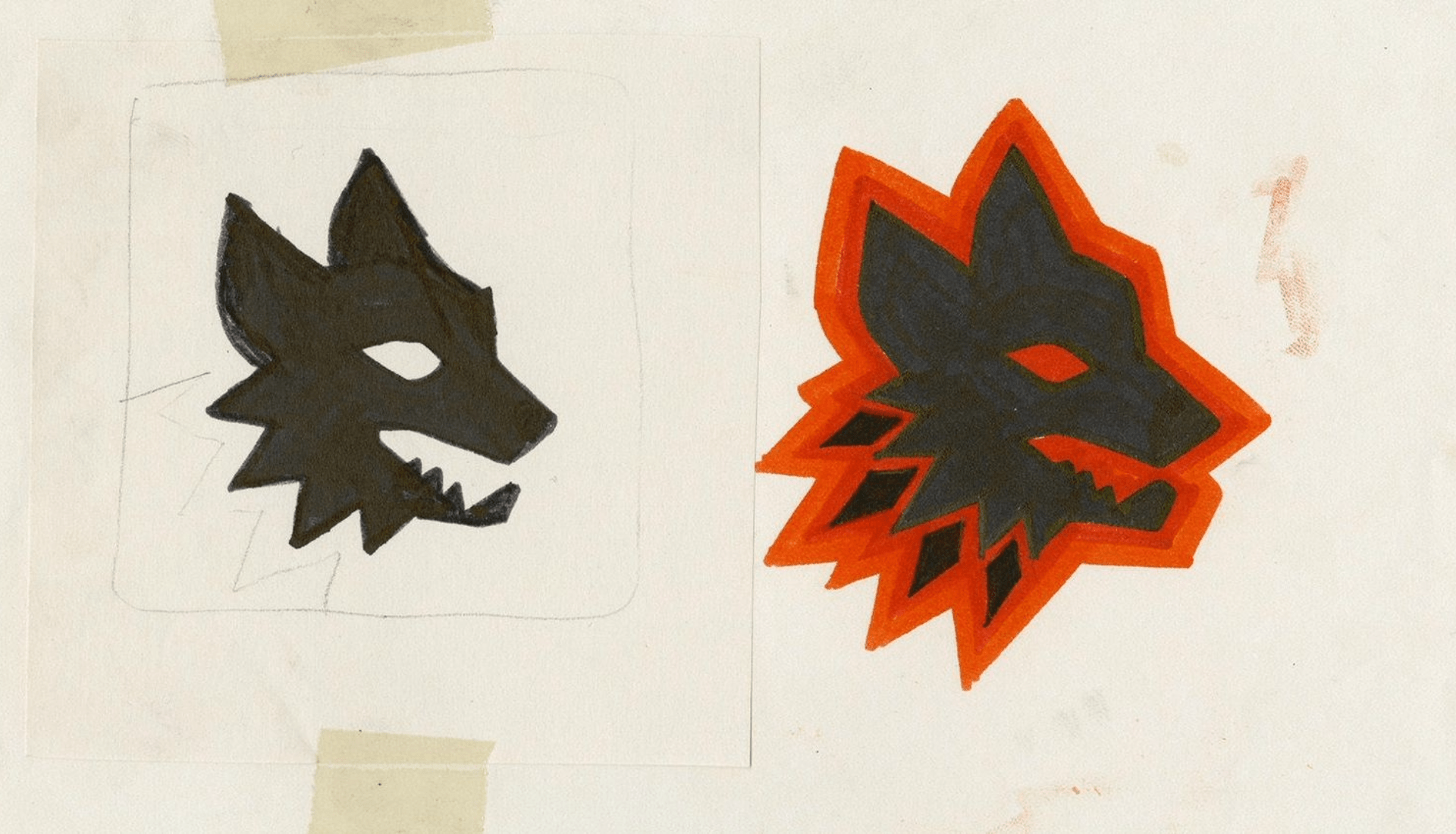
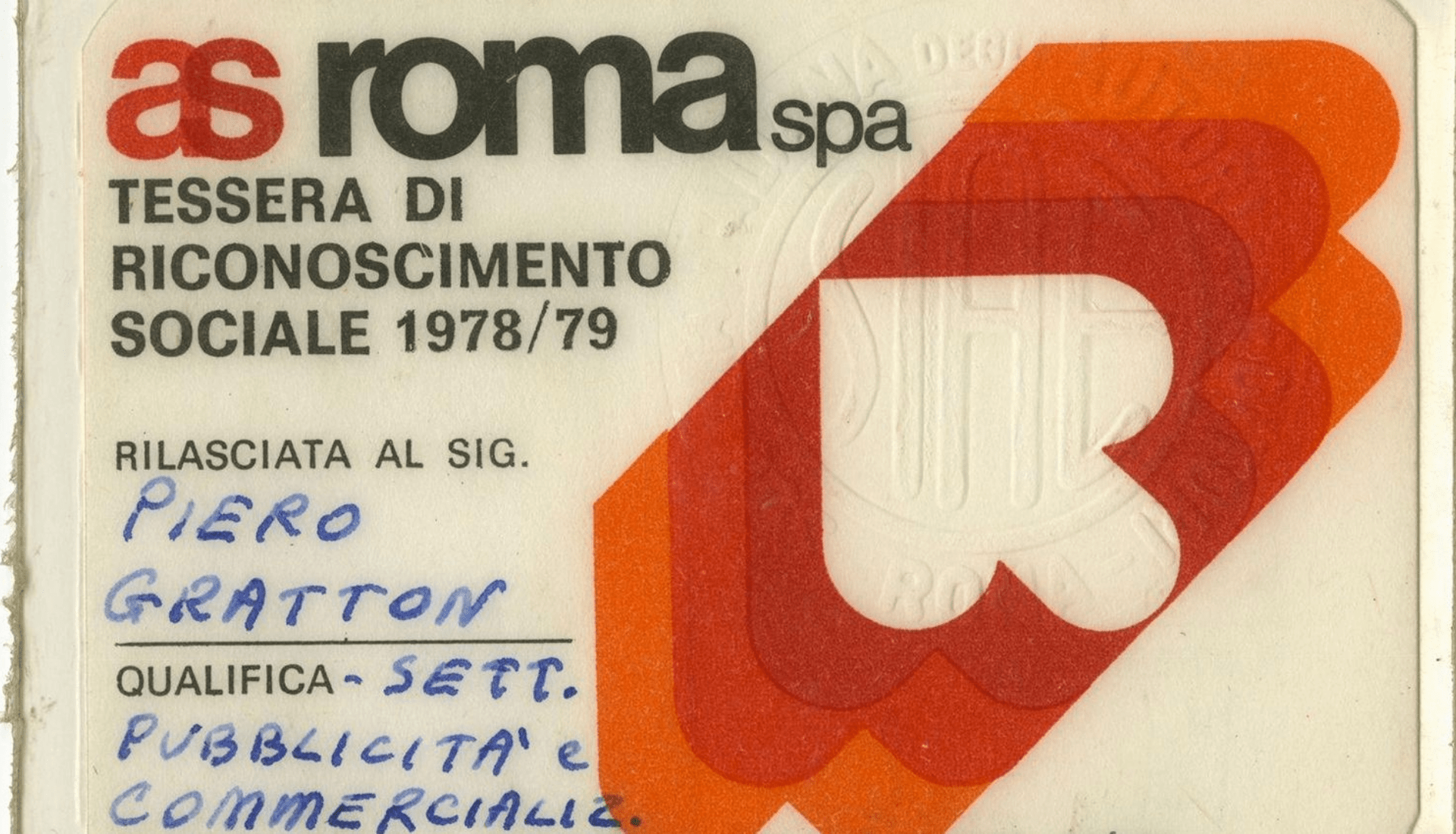
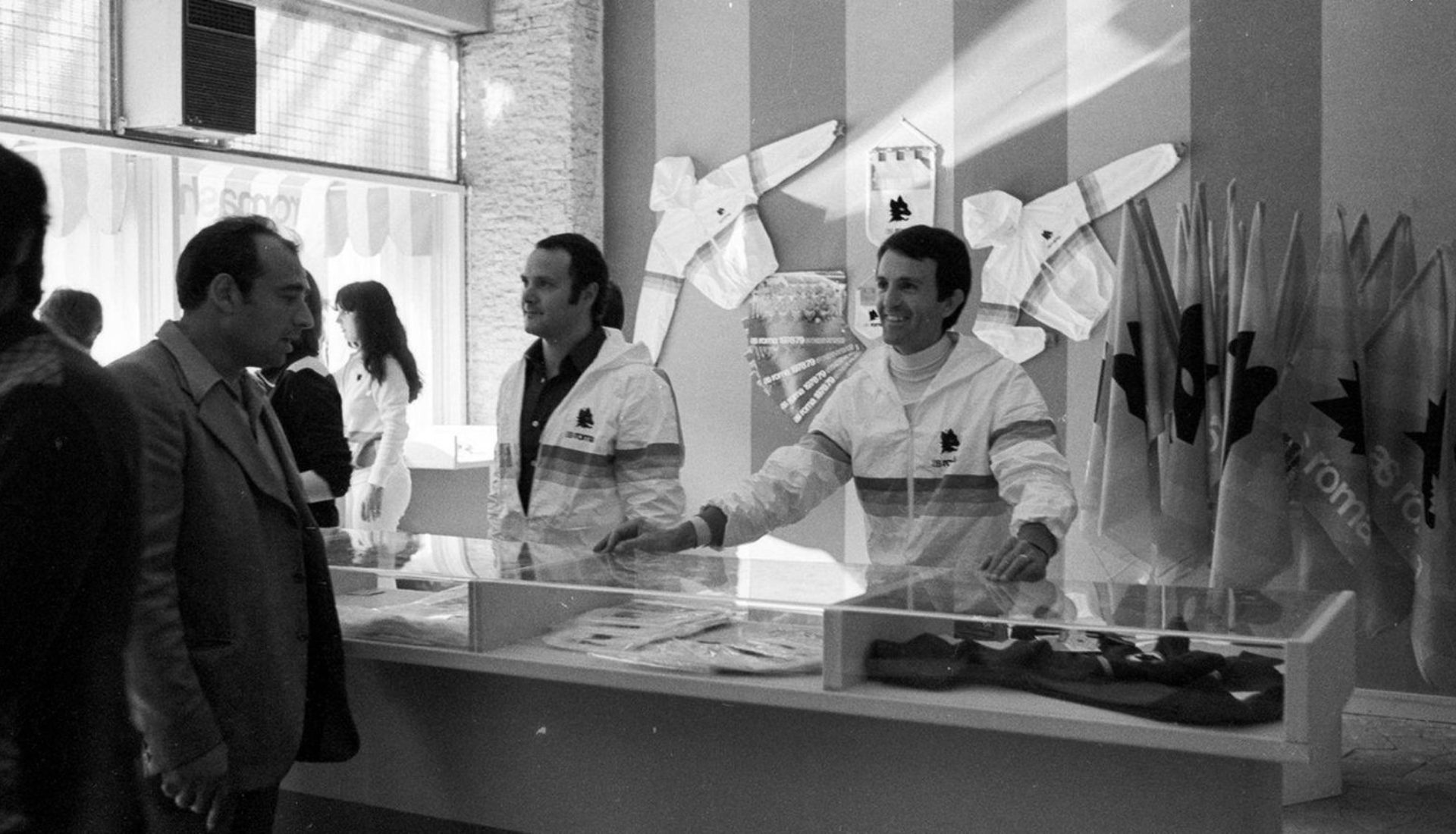
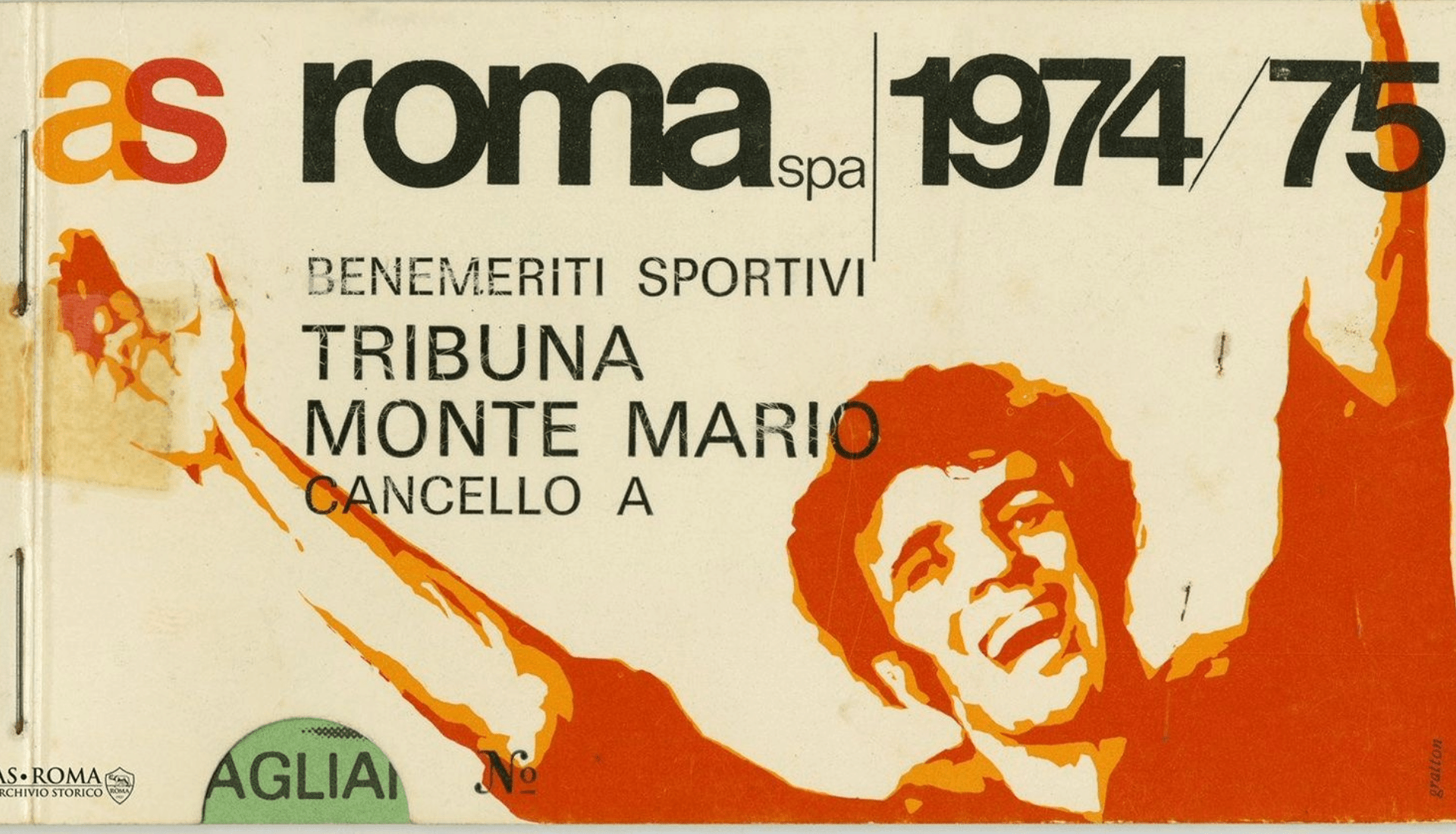
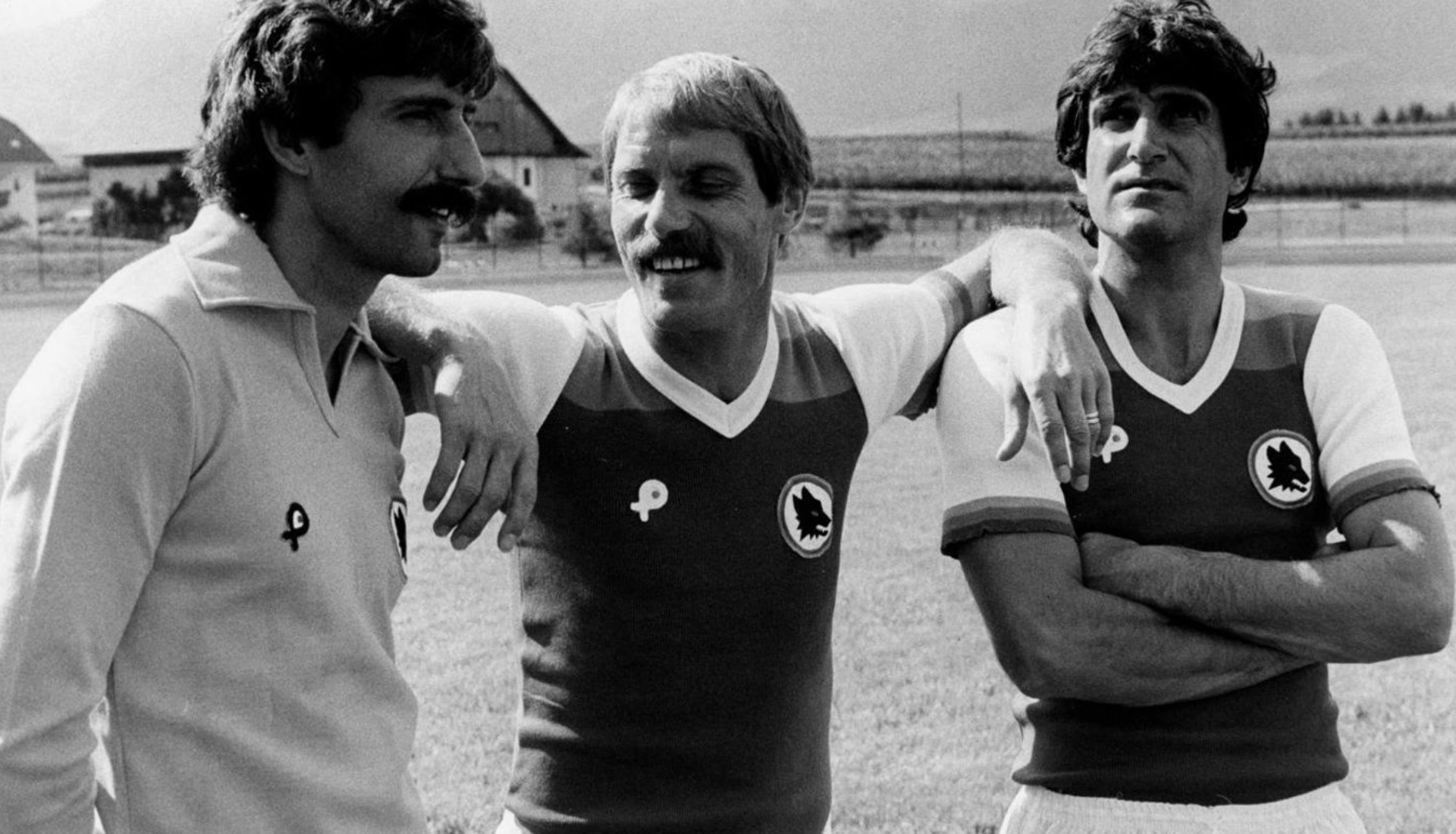
At first, it was controversial. Supporters weren’t ready to let go of the maternal wolf that had embodied Roman pride for decades. So much so that the club published an editorial in Il Messaggero to ease the transition. Titled Il Lupacchiotto, it gave the new emblem its own voice: “I tell you, from the heart, that I am not looking to obscure our legacy… I am just younger. Give me time and I will earn your affection.” Prophetic words. Because in time, the Lupetto would do just that.
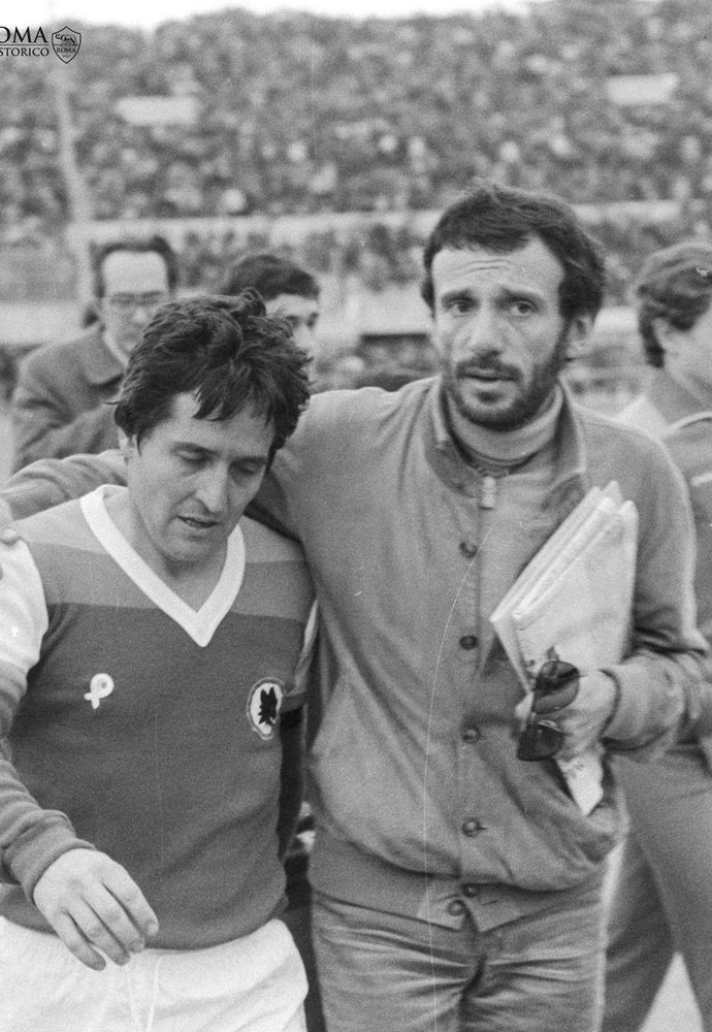
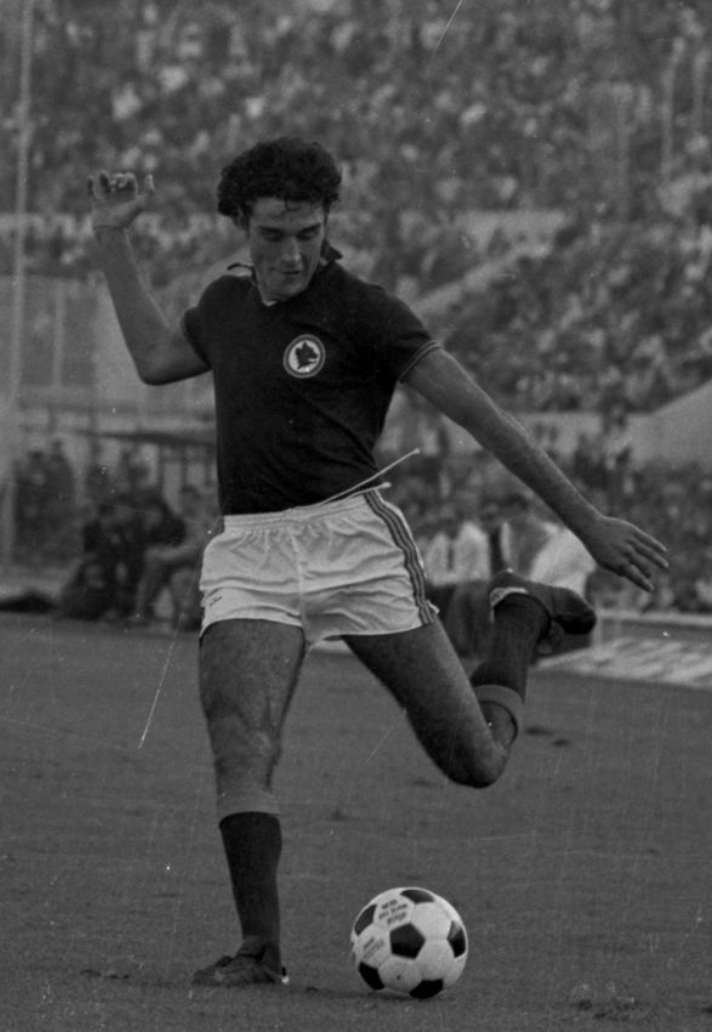
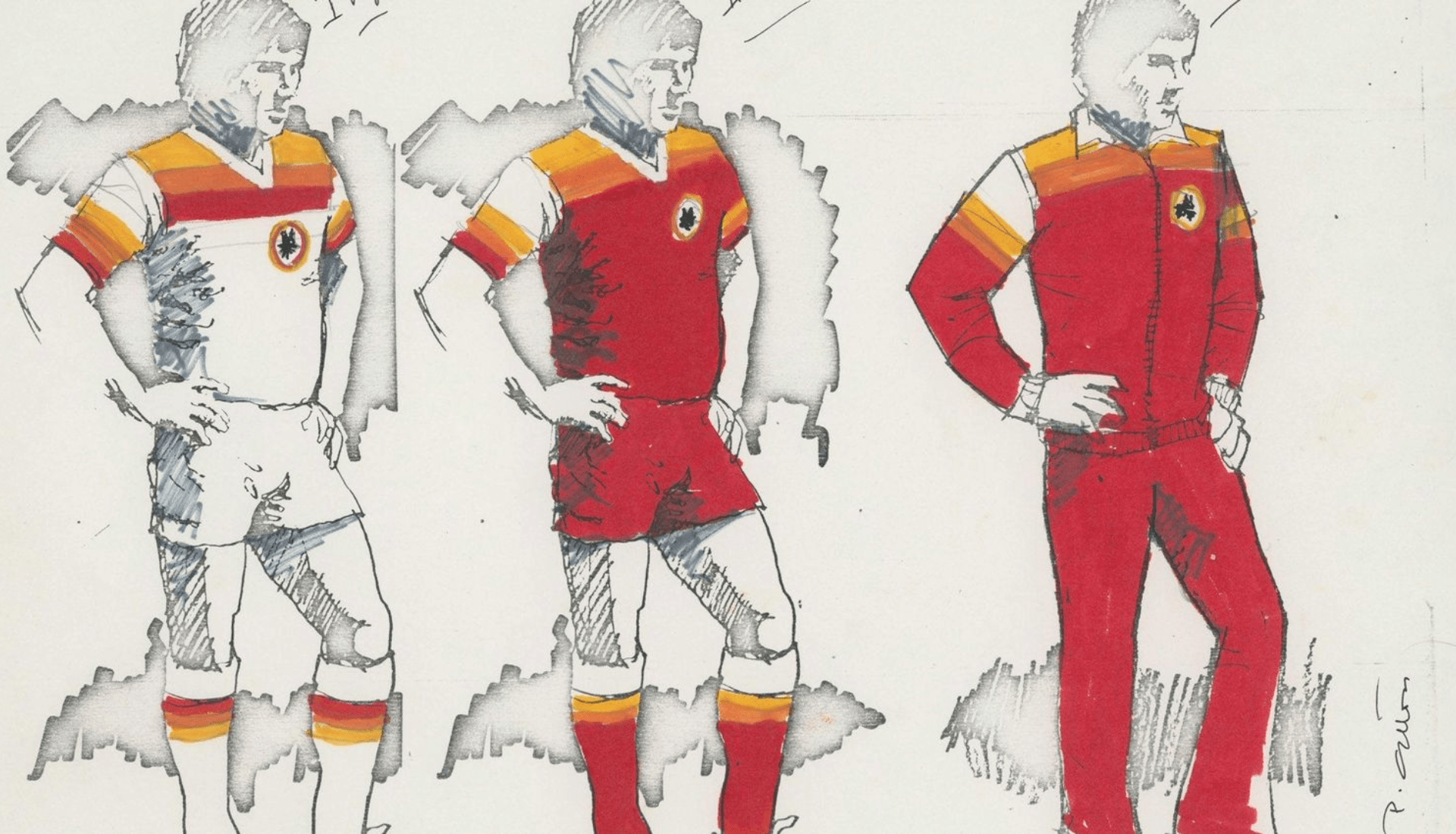
From season tickets and merchandise to the iconic “ice lolly” kits, Gratton embedded his vision into every corner of Roma’s identity. The Lupetto became a cornerstone of Romanismo — an image that felt contemporary and yet timeless, easy to sketch but impossible to replicate with the same soul. For kids growing up in the 1980s, it wasn’t just a badge, it was Roma. It symbolised an era when the club’s avant-garde aesthetic aligned with unforgettable moments on the pitch.
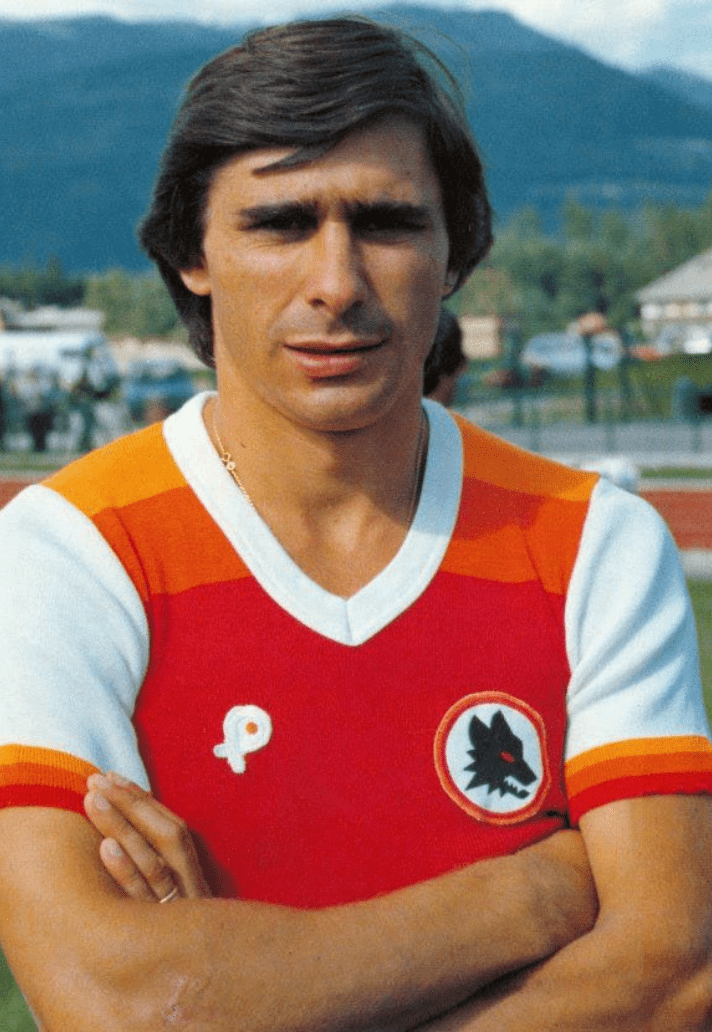
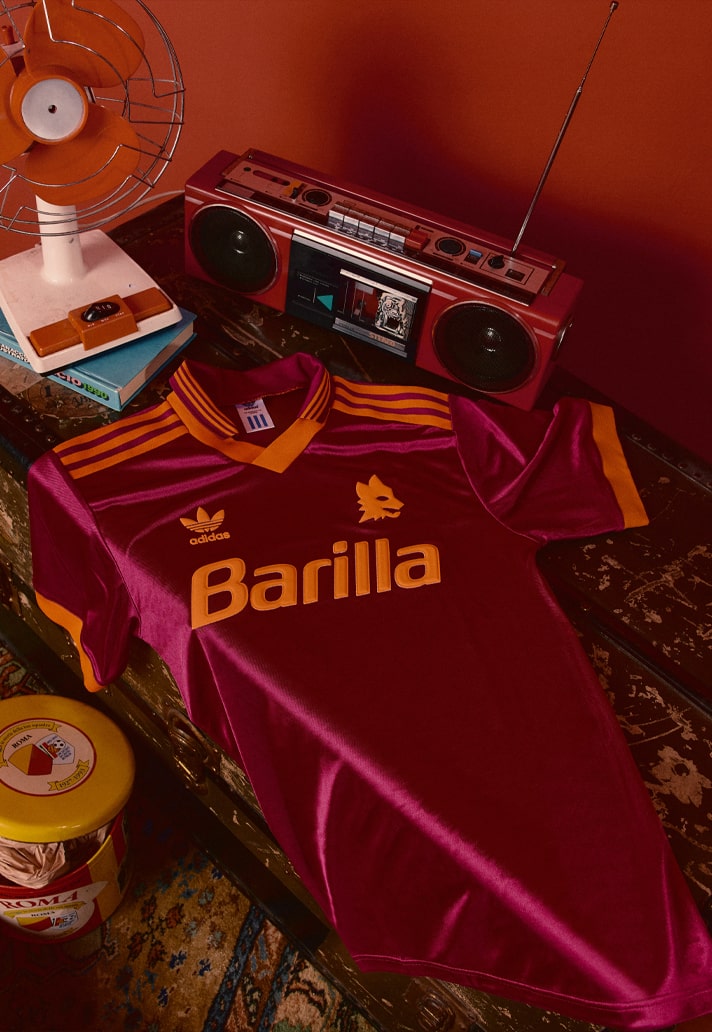
Gratton’s creativity didn’t stop with Roma. He left his mark across Italian football and even designed the logo for Euro ’80. But the Lupetto is his legacy. It’s a work of design that sits alongside some of the greatest visual identities in sport, proof that football can be as progressive and boundary-breaking as any other cultural field. Gratton passed away in 2020, but every time the Lupetto returns, so does his spirit.

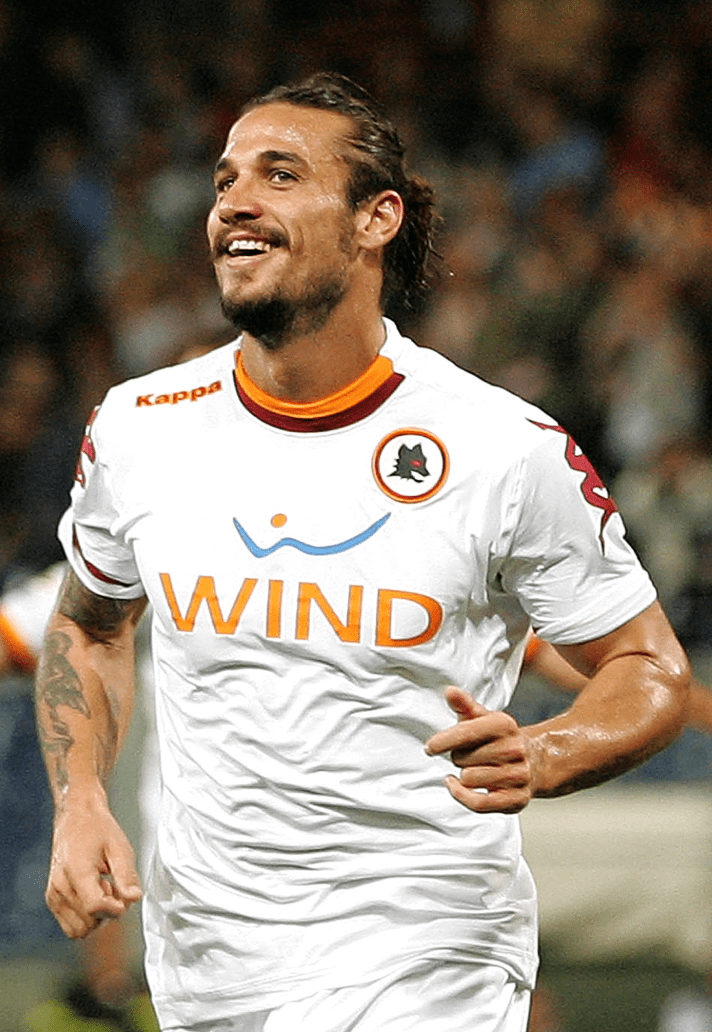
And return it has. Phased out by 1997, it has re-emerged at key moments: on Kappa shirts in the early 2010s, the Italian brand bringing it back after over a decade in the cold; on Nike kits in 16/17 and again in 20/21, the likes of Totti and then Salah shining on the pitch with both Swoosh and Lupetto; on New Balance’s third shirt in 21/22, the American brand looking to make a statement in their short lived tenure; and then — in a moment dripping with nostalgia and reverence — on adidas’s 23/24 home and third kits. Nearly 30 years since it last appeared on a Roma home shirt, the Lupetto came back with a bang, instantly elevating one of the most acclaimed kit sets of the season. Today, it continues to grace the away shirts, carrying its cult-like aura forward for new generations.
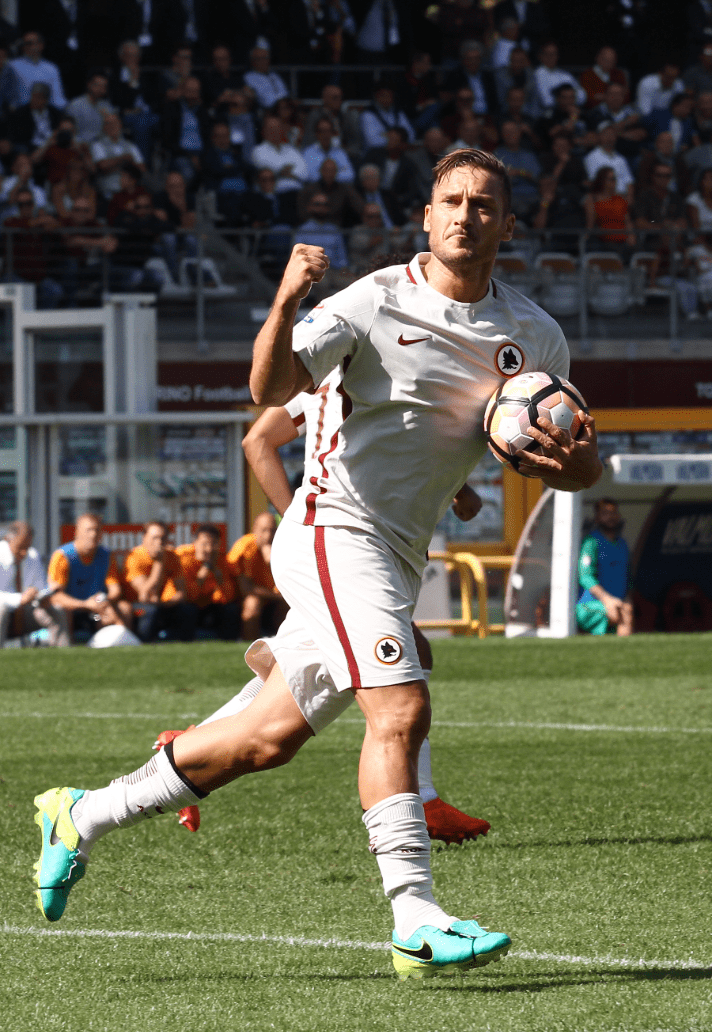
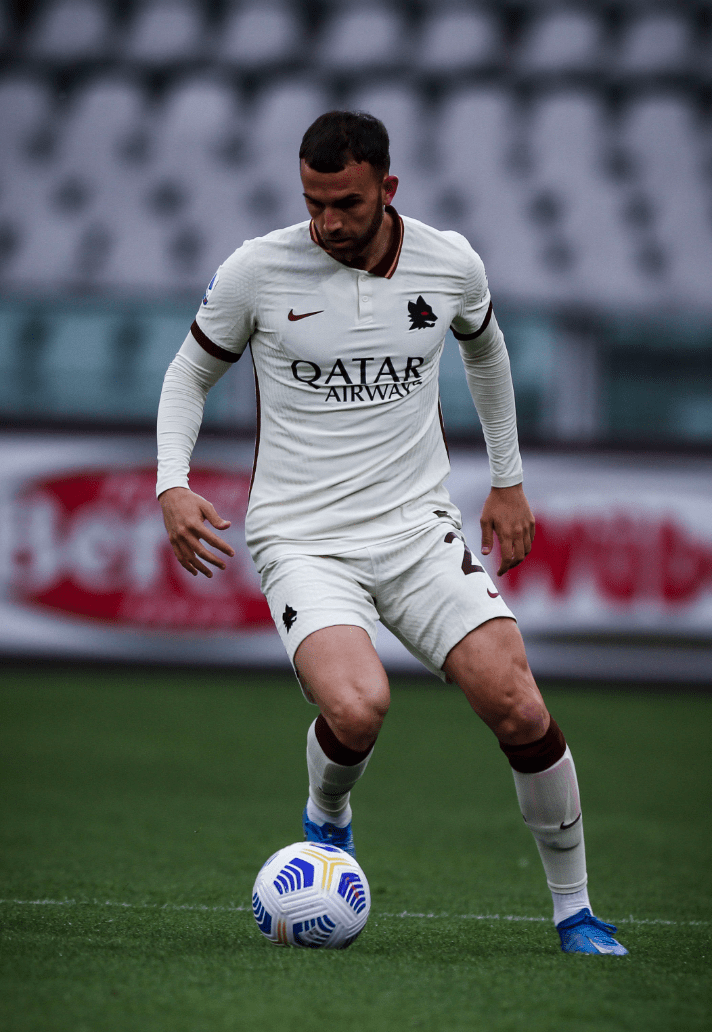

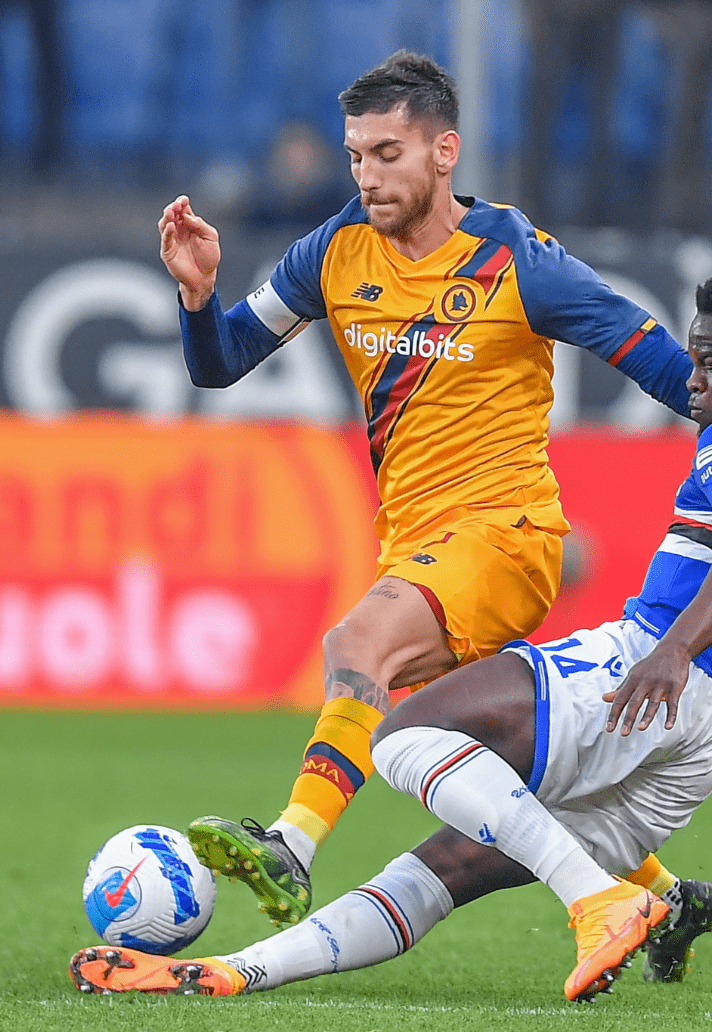




In an age when football clubs are redrawing their badges for the “social media era” — often with divisive results — Gratton’s Lupetto stands as proof that less can be infinitely more. Nearly half a century on, it hasn’t aged a day. Instead, it has become an emblem of Creative Soccer Culture at its finest: design that transcends fashion cycles, carries deep meaning, and inspires both on and off the pitch.
For AS Roma, the Lupetto is more than a logo. It’s heritage modernised, creativity immortalised, and proof that when football embraces design with sincerity, it can produce something truly eternal.
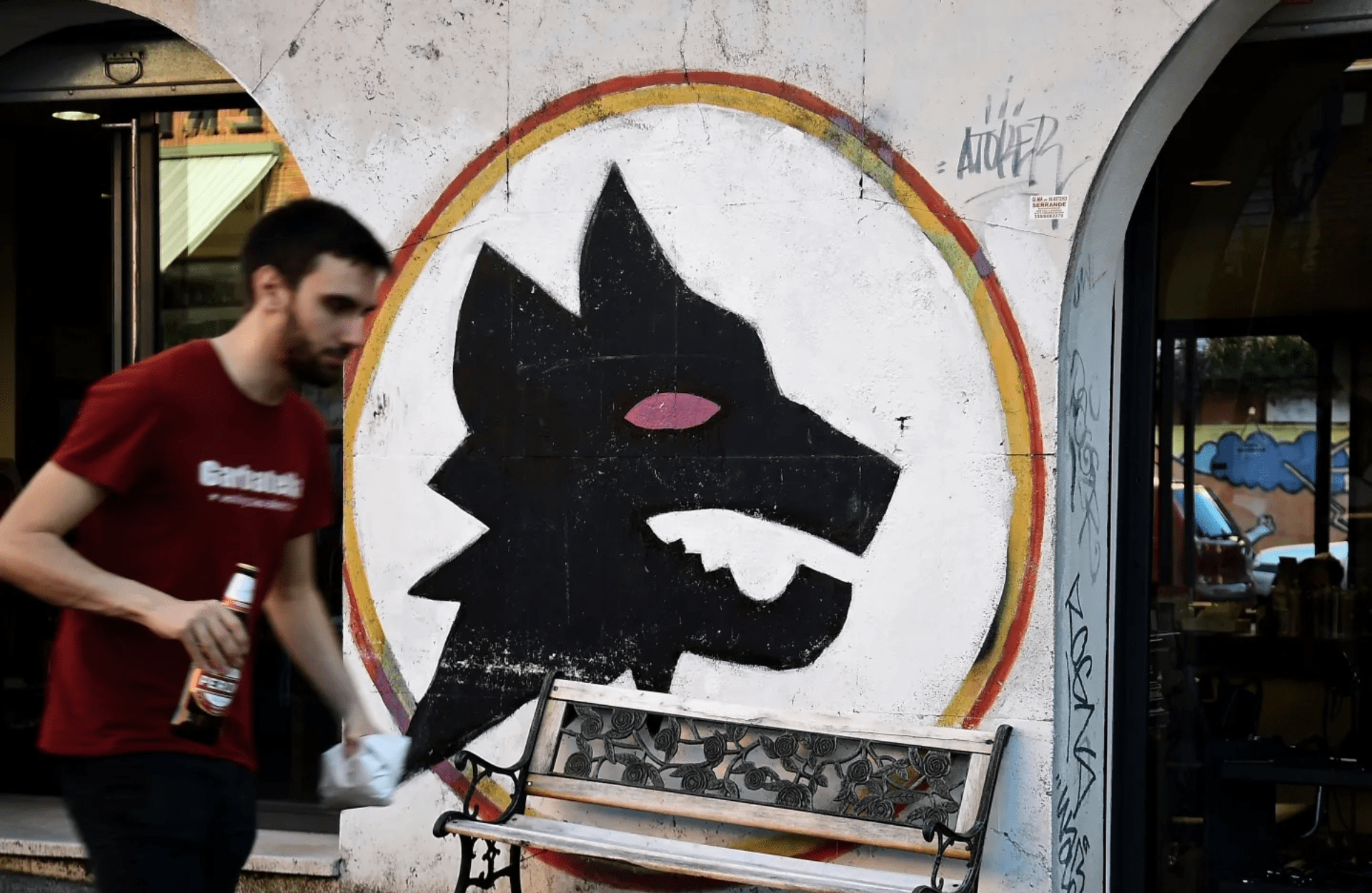
Image by Filippo Monteforte
Selection of imagery courtesy of AS Roma.