As Virtual Soccer Schools (VSS) launches a new campaign to tackle the youth mental health crisis, USMNT captain and VSS Trustee Tim Ream pens a powerful piece for SoccerBible — a reflection on resilience shaped by the recent Gold Cup Final defeat and his sights on the 2026 World Cup on home soil.
I was told I wouldn’t make it.
Not in a cruel way. Just that calm, clinical, guidance counselor tone – the kind that makes you feel like the decision’s already been made for you.
I was 15 or 16, sitting in this small office in suburban St. Louis. He was flipping through my test scores, maybe pretending to look interested. And then came that sentence: "So, what are you thinking in terms of careers?”
I said, "I want to be a professional soccer player.”
He almost chuckled. "That's a great dream and all, but no one's ever gone pro from this school. Slim to none, really. Let’s find something more realistic."
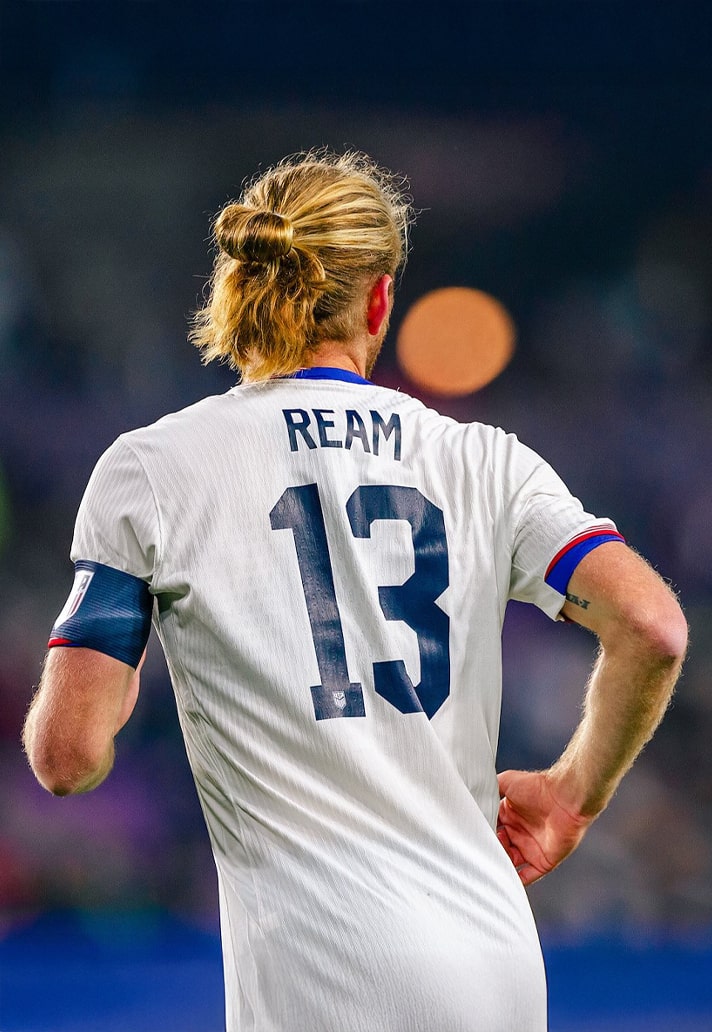
I remember sitting there, nodding politely, but inside I was burning with determination. I didn’t say much. Just got up, walked out of the room, and made a promise to myself.
You don't get to decide what I can do. Only I get to decide that.
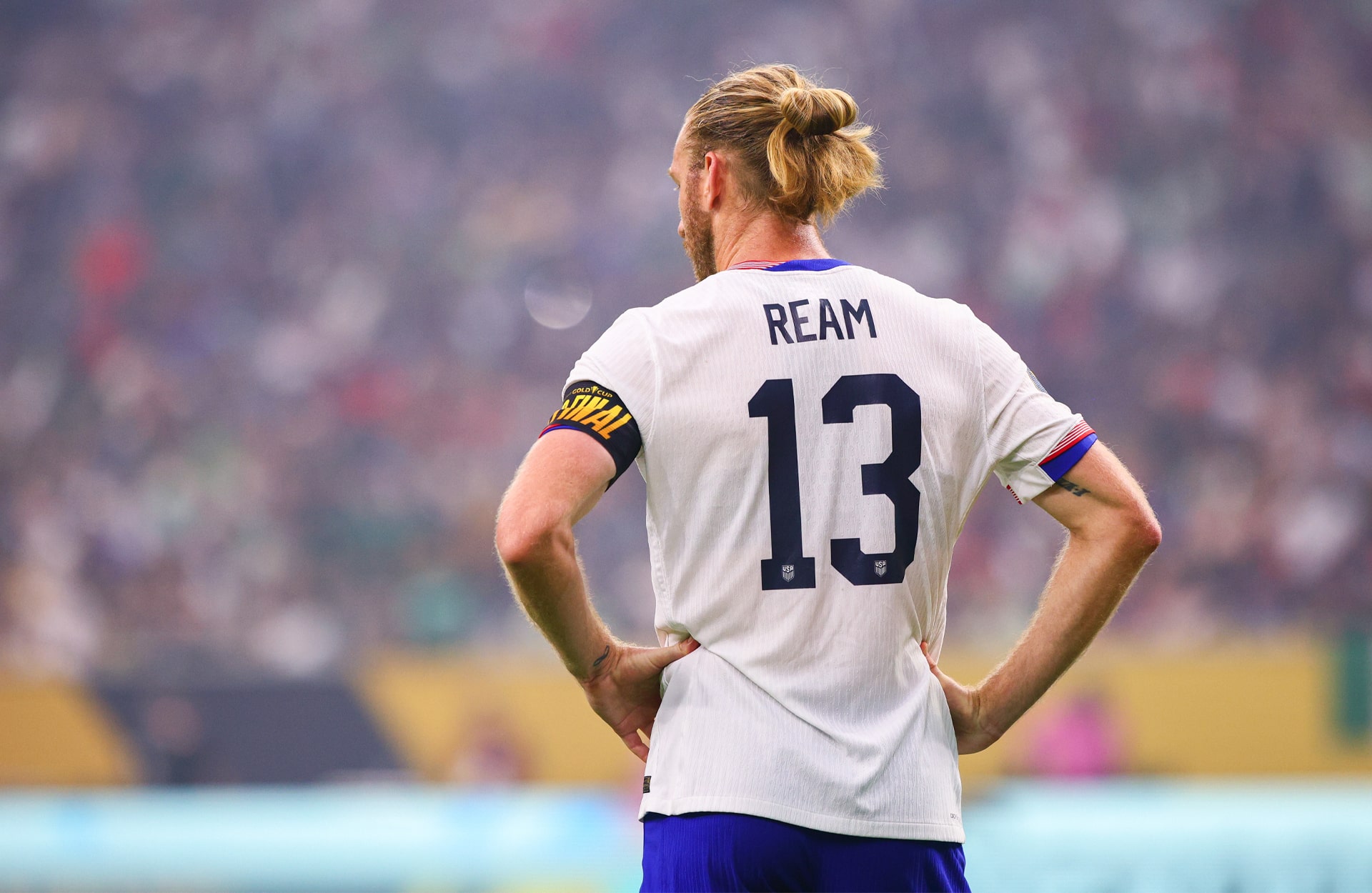
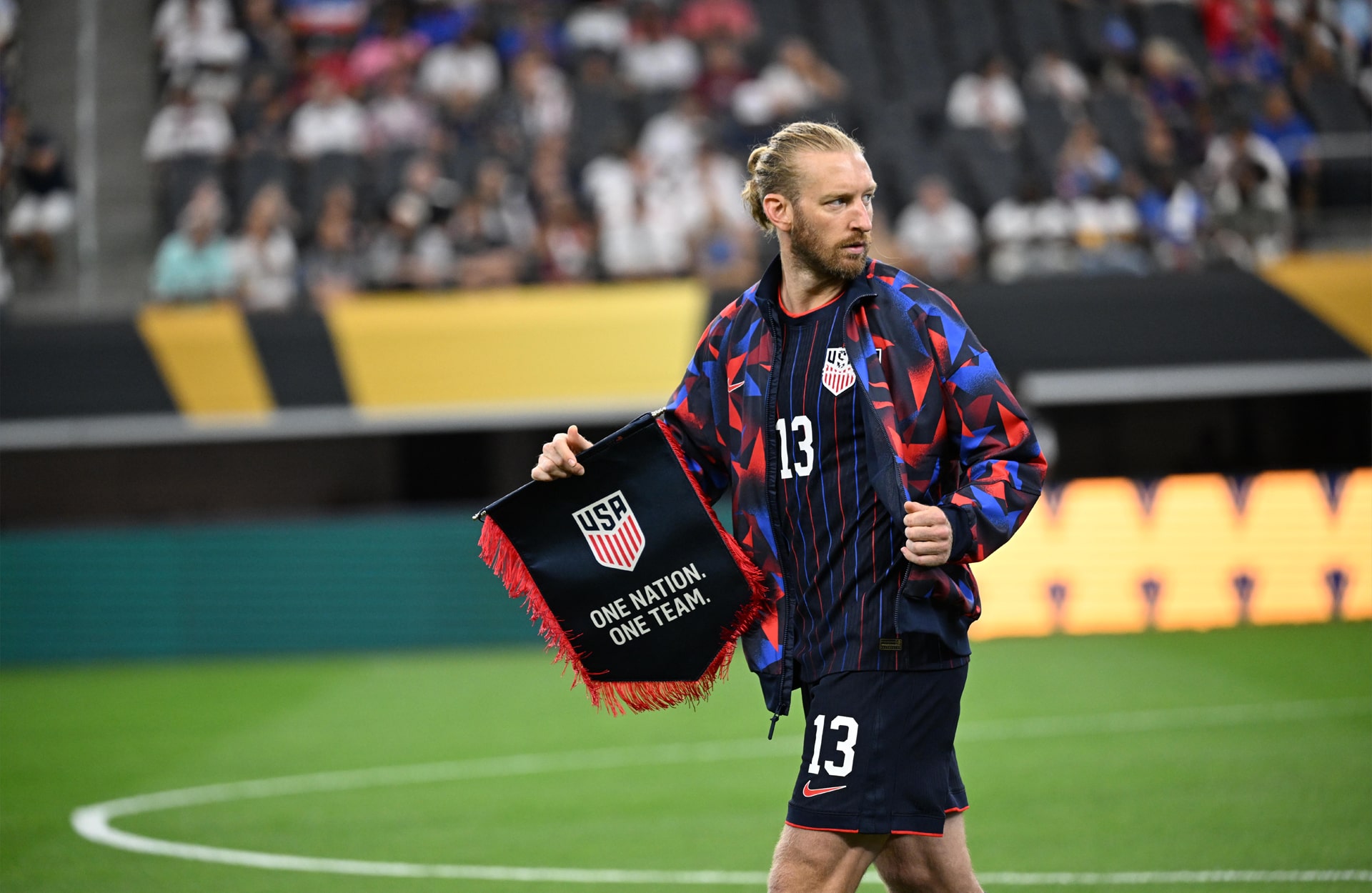
That voice was in my head this past summer as I walked my team out for the CONCACAF Gold Cup Final at 37 years old. My fourth Gold Cup, still chasing that first win.
I had the armband on, and I knew what some were saying. Too old. Twilight years. Probably your last shot.
Maybe. Maybe not.
But that final? That was about more than just a trophy. It was about a team trying to find its way, about proving something – not just to critics, but to ourselves. Not in the fiery way I felt when I was a teenager. This time, it was quieter. More grateful. More aware that every game now could be the last.
And man, that game hurt.
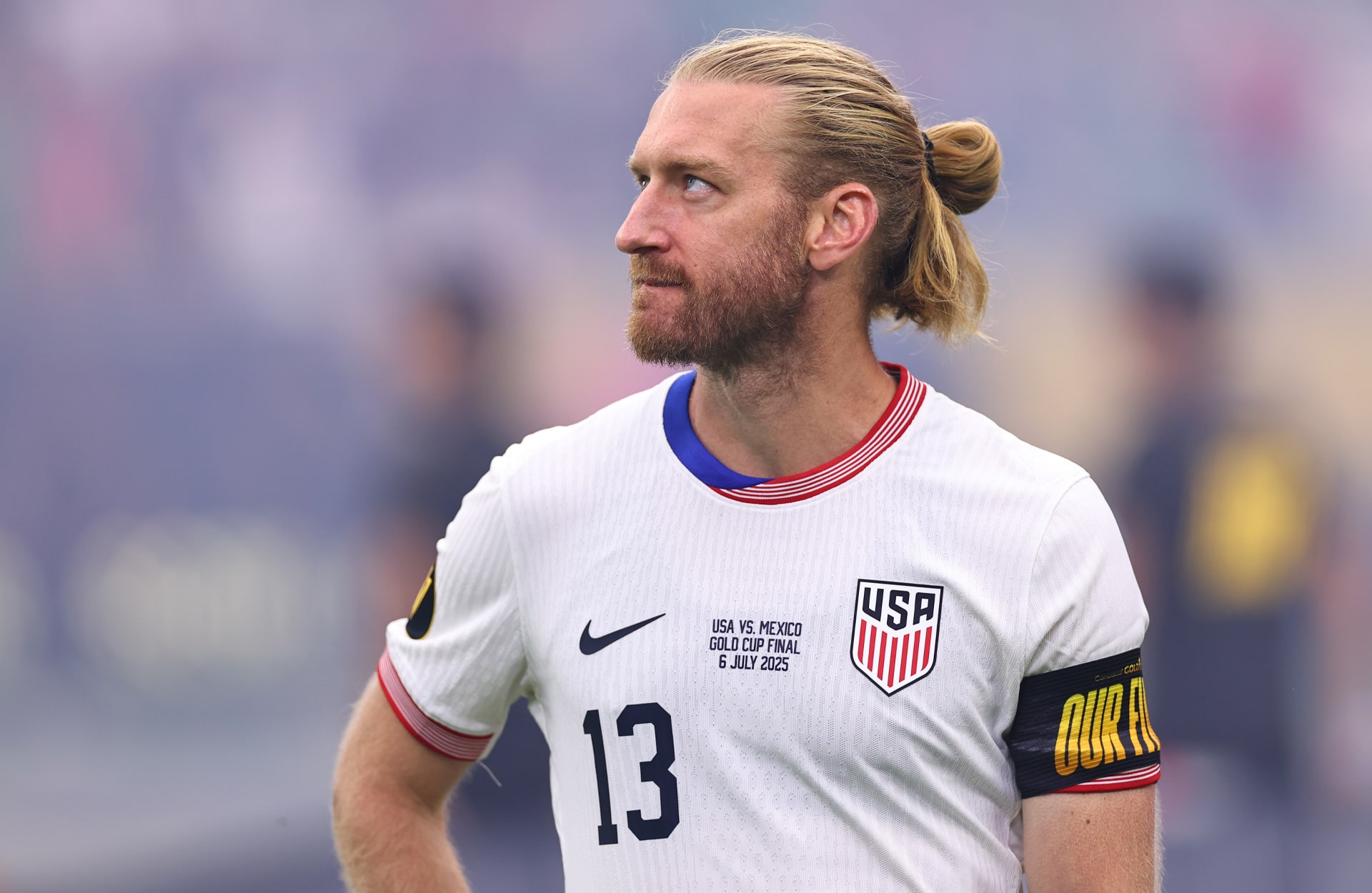
We came up short, and I felt it deep. Not just because I wanted to lift that cup – though I did – but because I felt the weight of what it could have meant. For the group. For the fans. For the culture we’re trying to build.
It was emotional. You could see it in the faces of the players and the staff. You could see it in the reaction from Coach Pochettino – caught on camera, breaking down, overwhelmed. That wasn’t just about a match. That was about pride, about unity, about the fight we put in and how much it mattered to everyone in that locker room.
We didn’t get the result, and you have to own that. But you also have to learn from it, build from it, and keep going.
Mental toughness doesn’t mean not feeling the pain. It means knowing what to do with it.
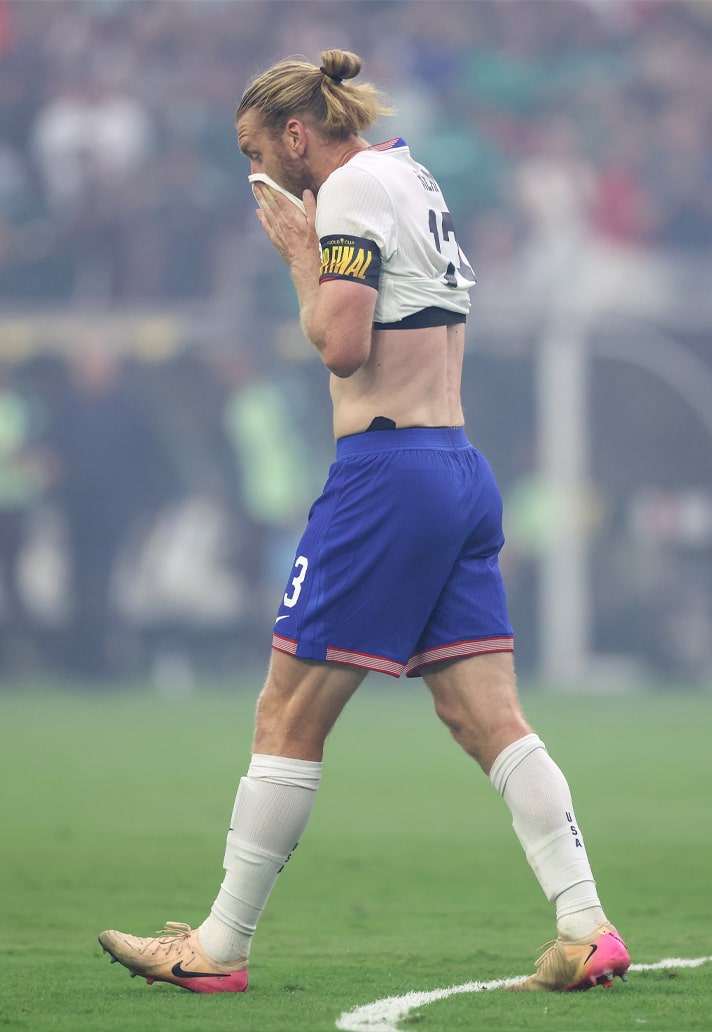
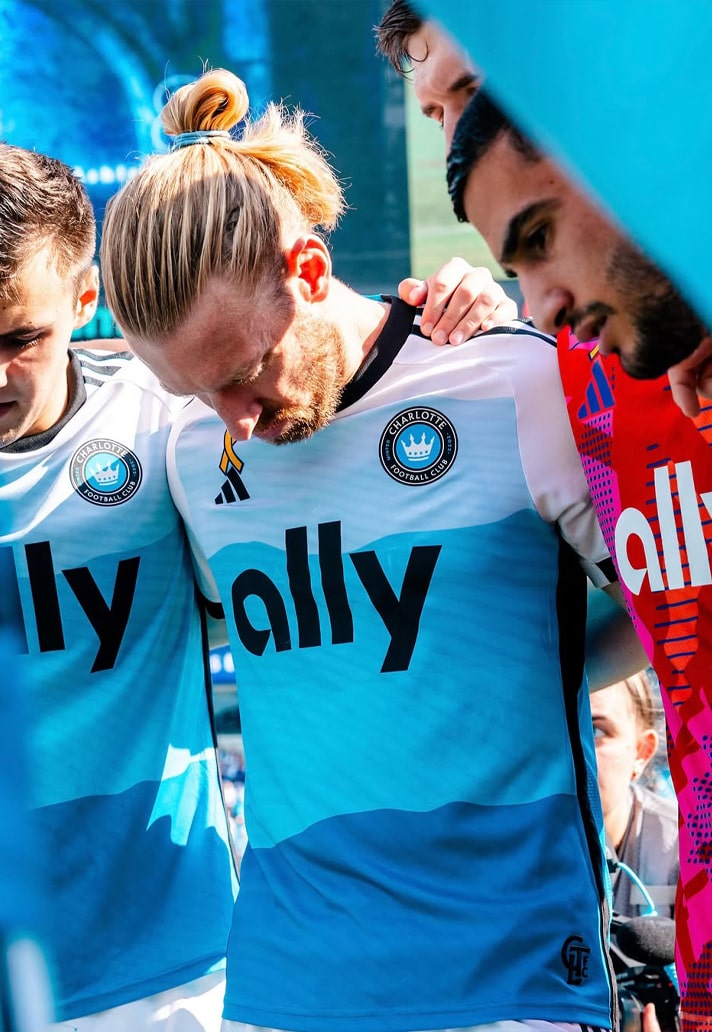
This past year has been one of the most challenging in my career – physically, emotionally, all of it. Most of the national team have had just one week’s break in more than 12 months. The schedule doesn’t let up.
Mentally, it wears on you. People don’t always see that side of it. You get into this rhythm of go-go-go. Then something happens – an injury, a loss, a bit of doubt creeps in – and it feels like the world gets heavy.
Back in 2018, after a promotion with Fulham to the English Premier League, I slipped a disc in my back. At 30, everyone said, "that’s when it starts going downhill." I was thinking, "is this the beginning of the end?" I had surgery, had to learn how to walk again, how to balance. I couldn’t feel the right side of my body.
There were mornings during that recovery when I woke up thinking, "I don’t know if I can do it today." But I got up anyway. Got to work. We go again.
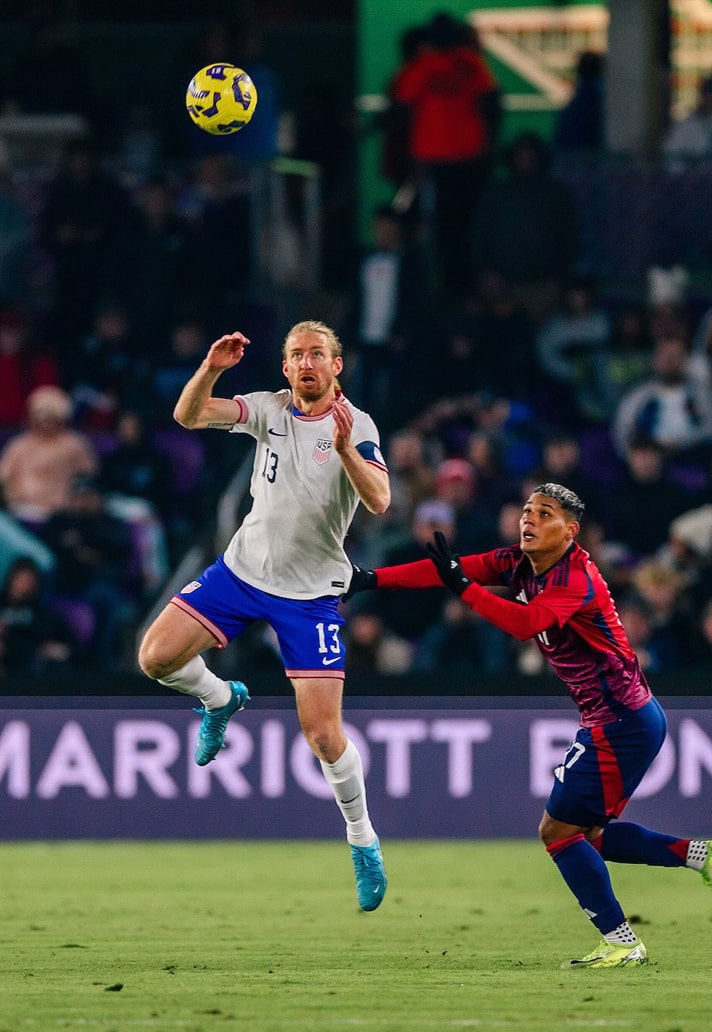
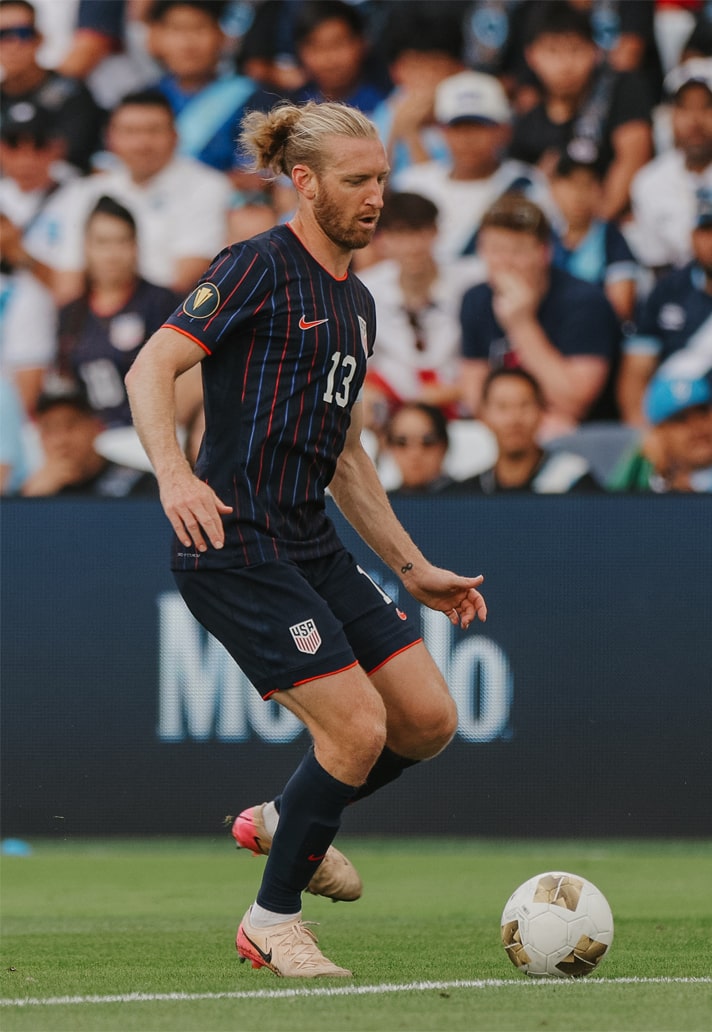
And now, I’m not trying to defy age or break records. I just want to show the young guys something: that if you keep showing up, if you stay level – not too high, not too low – you give yourself a chance. You give the team a chance.
We go again.
That’s been my focus in this USMNT group. This past summer, we had guys stepping into their first major tournament experience. I told a few of them: "This is a gift. The pressure? The expectations? It means you matter. Embrace it.”
You don’t need to be perfect. You just need to keep showing up.
I think a lot about the kids I work with through Virtual Soccer Schools – a global program that connects pro players with young athletes to promote mental well-being, resilience, and life skills through the game. We talk a lot about pressure, about bouncing back. And I always tell them: It’s OK not to feel OK. It’s OK to have doubts. It’s what you do next that counts.
One of the people I’ve met who’s most exemplified that wasn’t a superstar athlete or veteran coach, but a 13-year-old boy with cerebral palsy. His name is Rhys. At Fulham, we invited him to one of our games after he’d posted videos online of himself making saves. A little goalkeeper with the biggest smile you’ve ever seen.
I got to surprise him in person at a training session. That moment took on a life of its own. Media picked it up, and people around the world saw what we saw in him: mental strength, joy, pride.
But what I’ll remember most isn’t the media reaction. It’s his resilience – the way he tuned out bullies and doubters, stayed focused, and kept showing up. He kept moving forward, no matter what.
That spirit – that refusal to back down, to keep pushing – that’s what I’m taking with me into what comes next.
Because we’ve got the biggest World Cup in history coming next year. More teams. More fans. More eyes. Billions of people watching. It’s going to be the most-watched tournament ever, and it’s happening here in the US.
The pressure will be huge. The expectations bigger than ever.
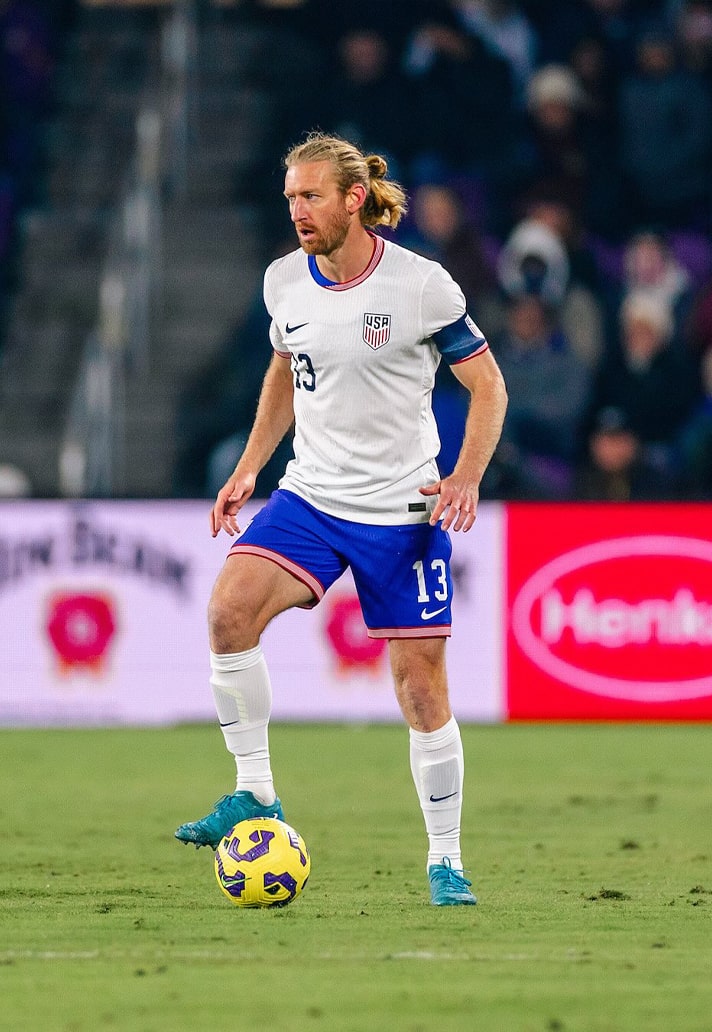
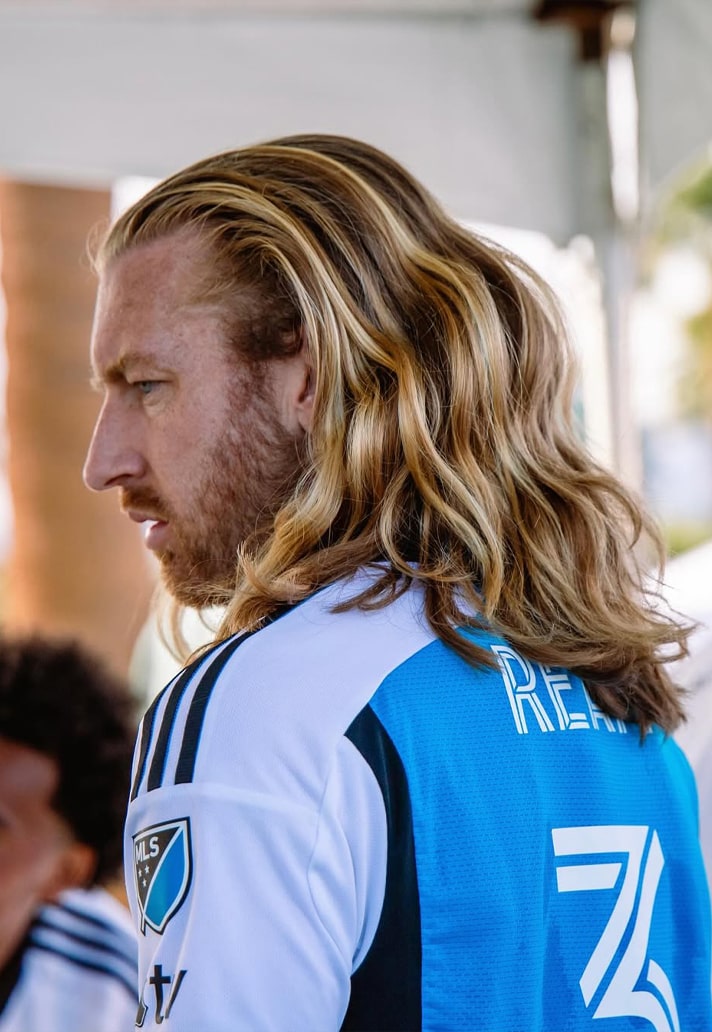
But pressure isn’t the enemy. It’s a sign that you’re in the right place.
I don’t know what my role will be in 2026. Maybe I’ll be starting. Maybe I’ll be coming off the bench. Maybe I’ll be the old guy in the corner with the snacks and stories. I’ve made peace with whatever happens.
We’ve built something bigger than any one of us. And the mandate stays the same: prepare. Prepare for a run that no one forgets. Prepare to show the world what we can do.
Prepare to prove that no one else gets to decide what this team achieves – only we do.
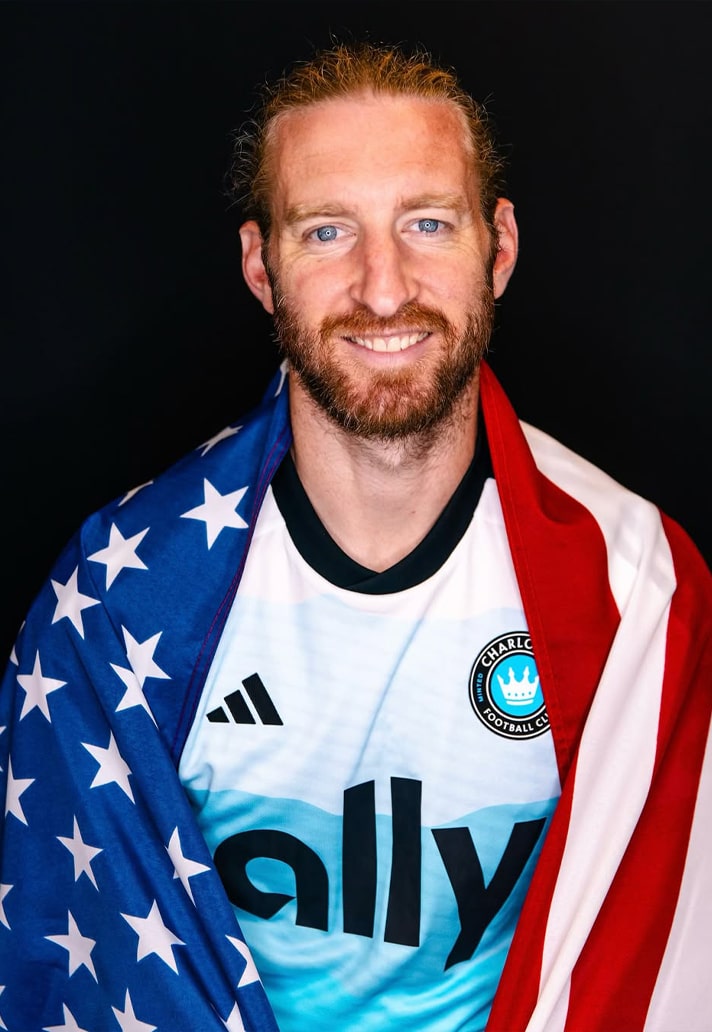
Tim Ream captains the USMNT and Charlotte FC. He's also a member of the VSS Mental Health XI, which assembles 11 footballers – including Chris Richards, Kiernan Dewsbury-Hall, and Lucy Staniforth – who will deliver virtual school sessions throughout the season that use storytelling and lived experience to help 8-16-year-olds build confidence, resilience, and emotional awareness. Find out more at vss-global.org.