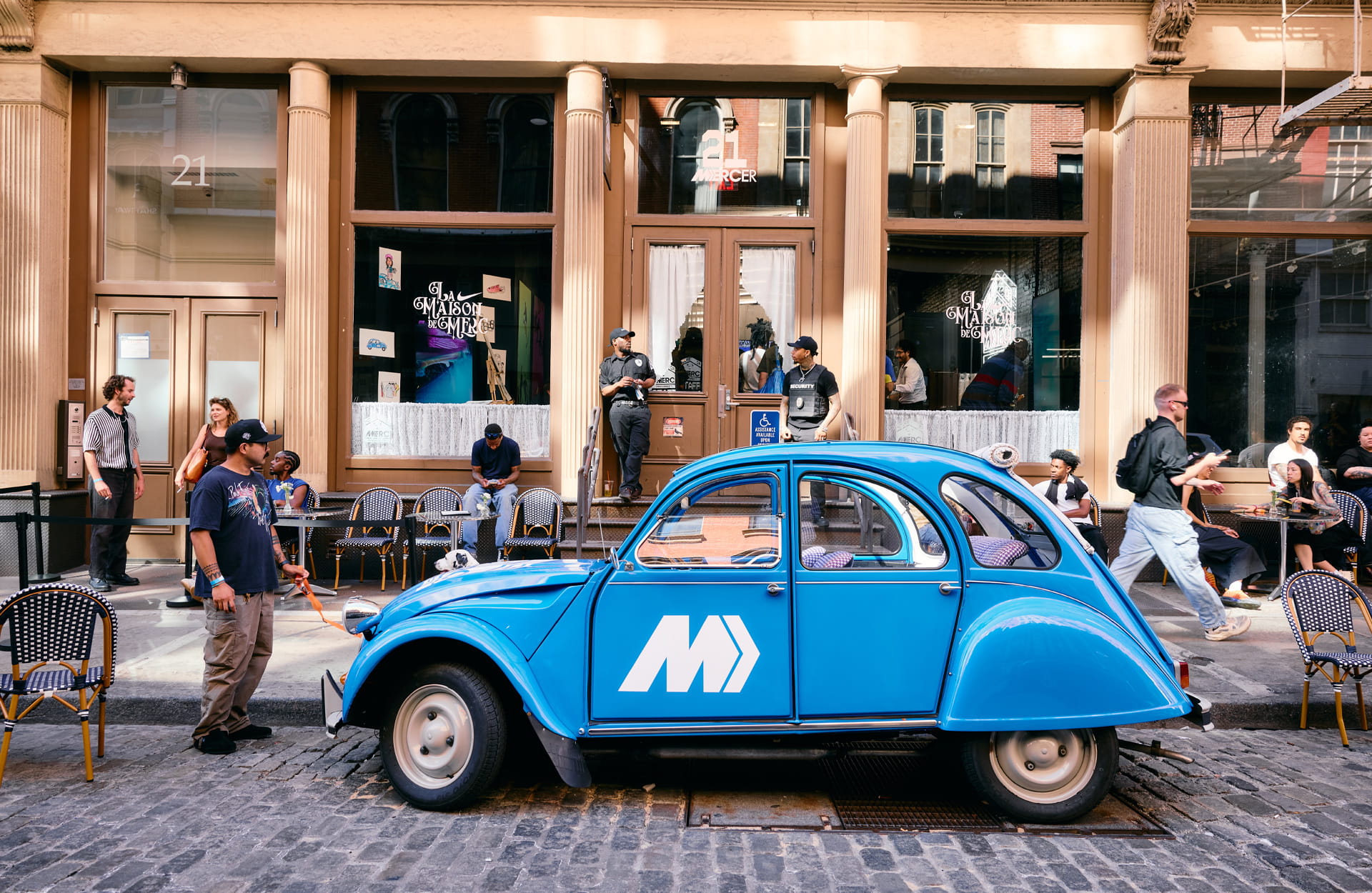
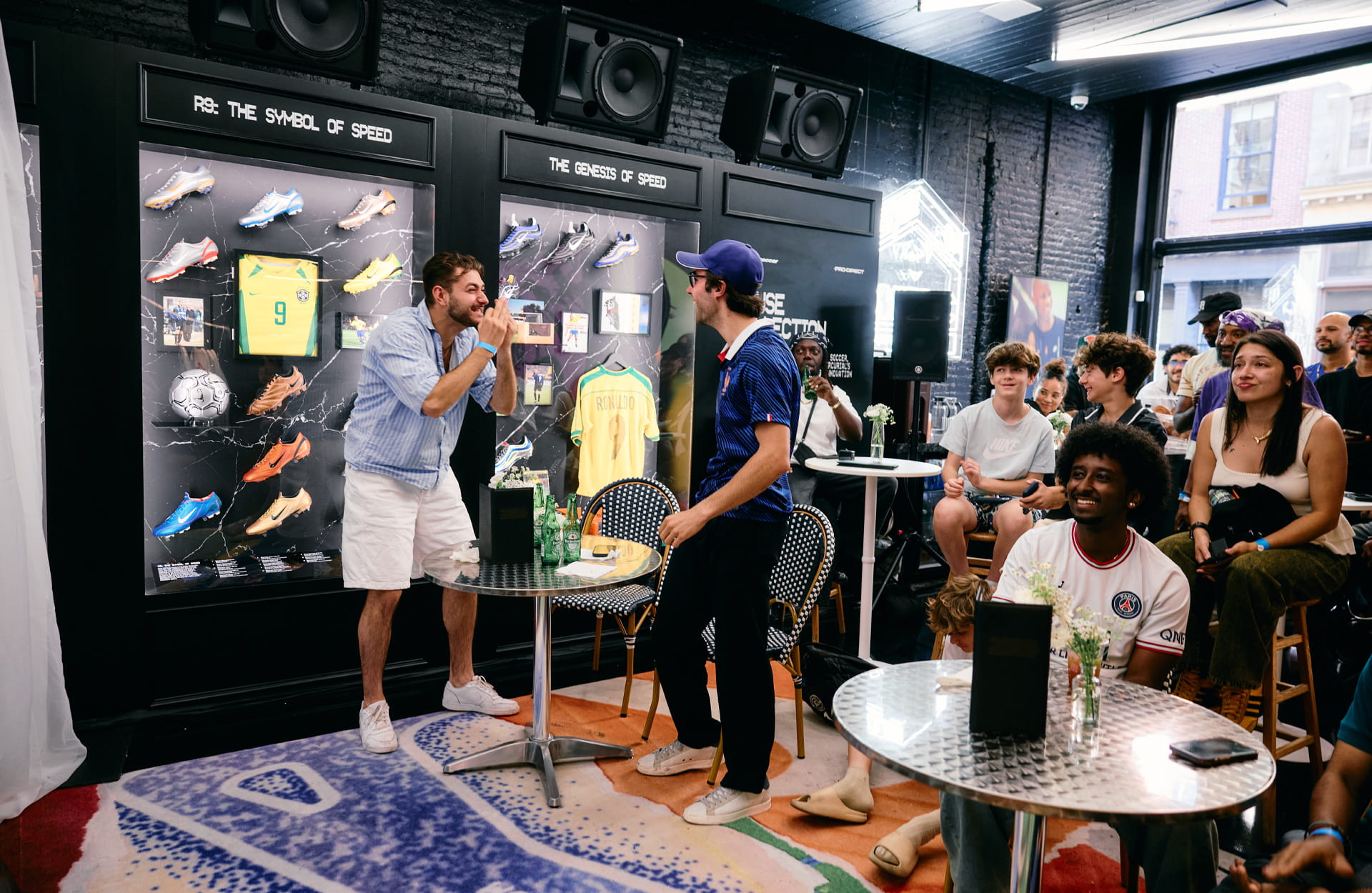
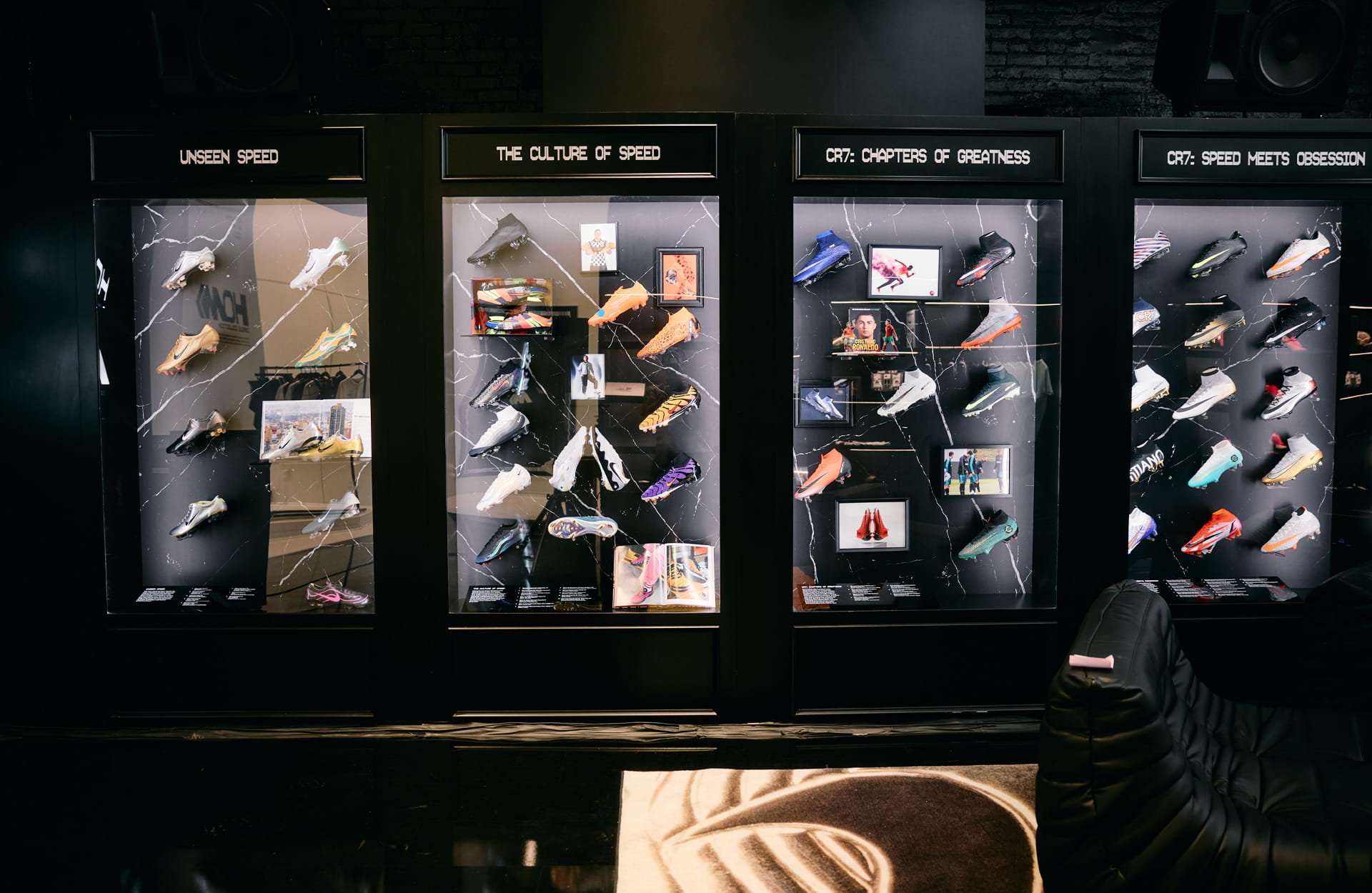
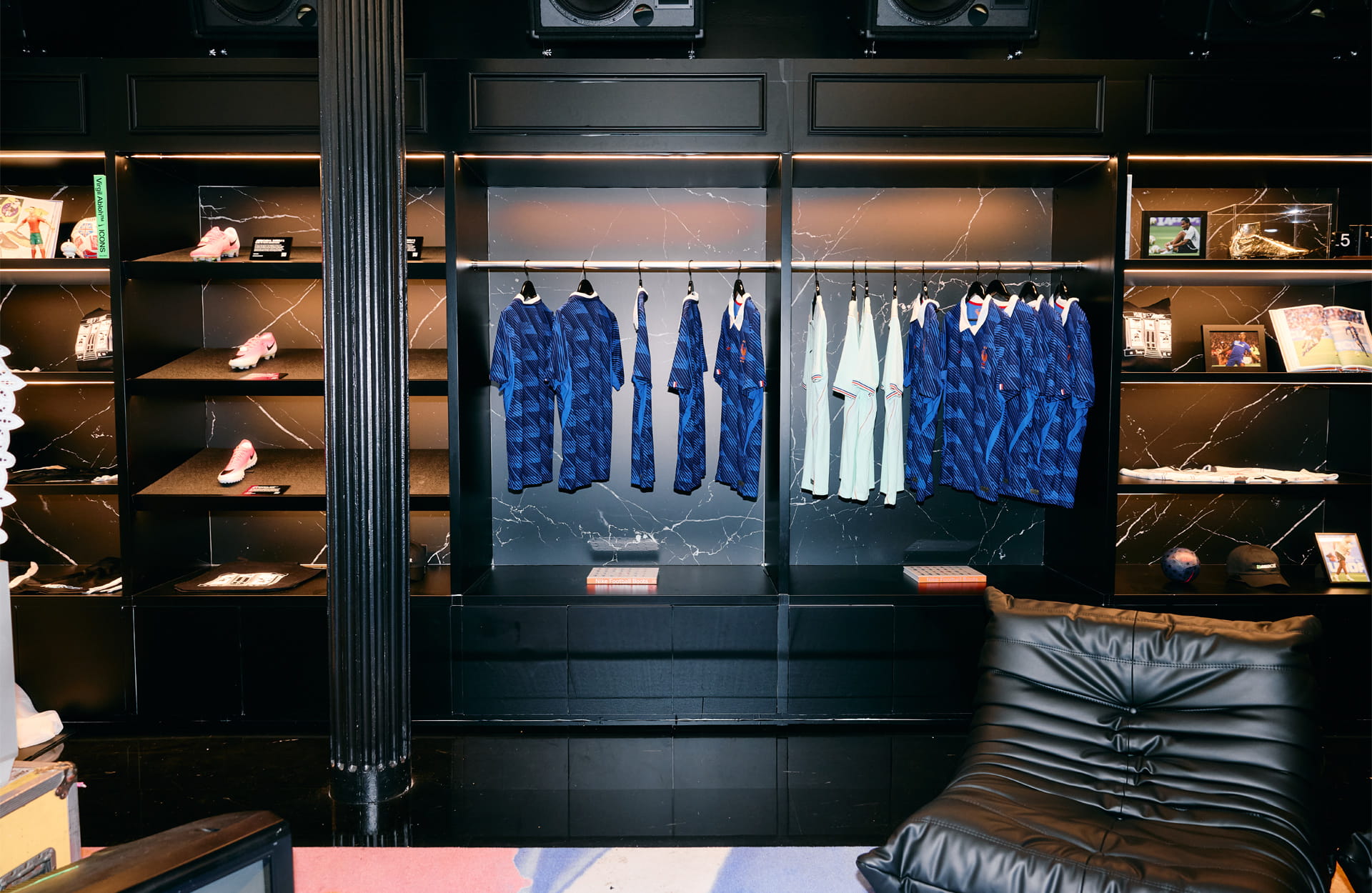
Dropping a slice of Parisian culture into the rhythm of New York City, La Maison de Merc reframed what a football gathering can be, inviting guests to slow down, tune in, and experience the game through a more considered, culturally rich lens.
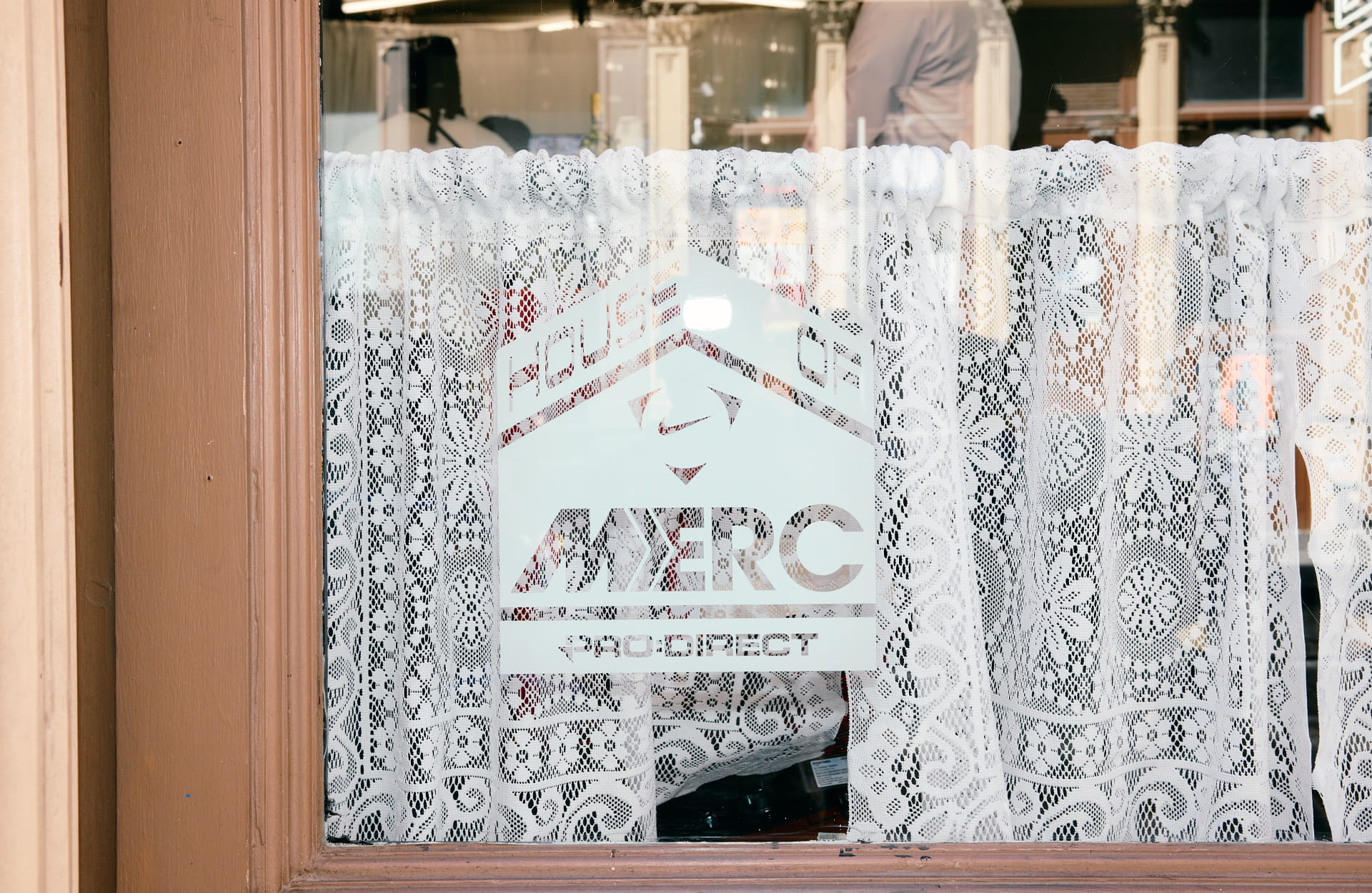
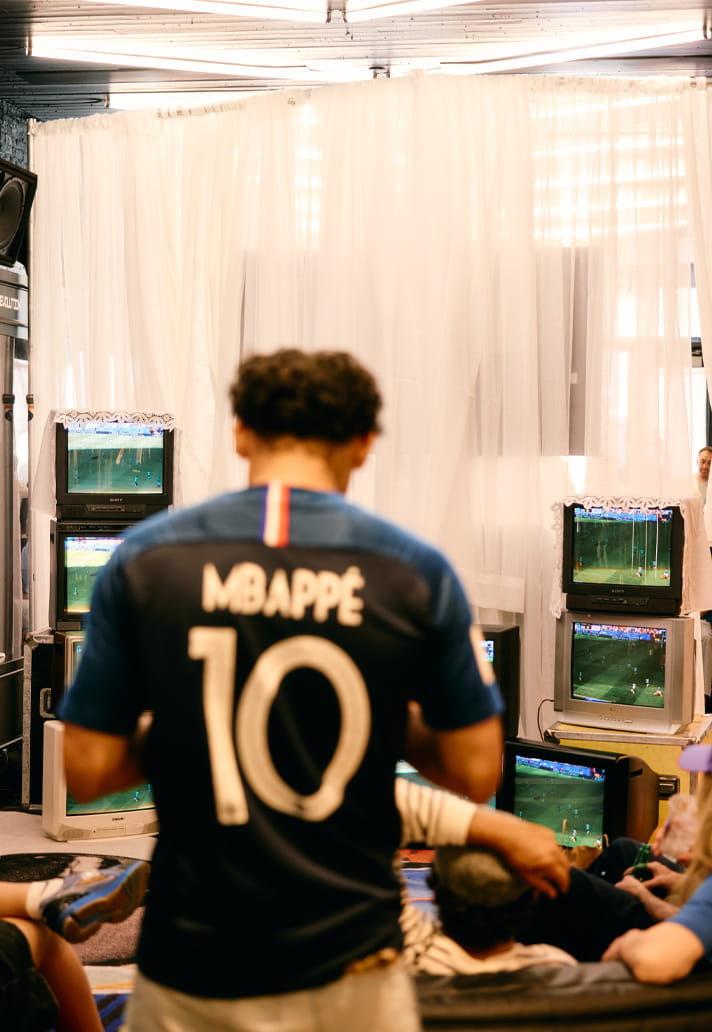
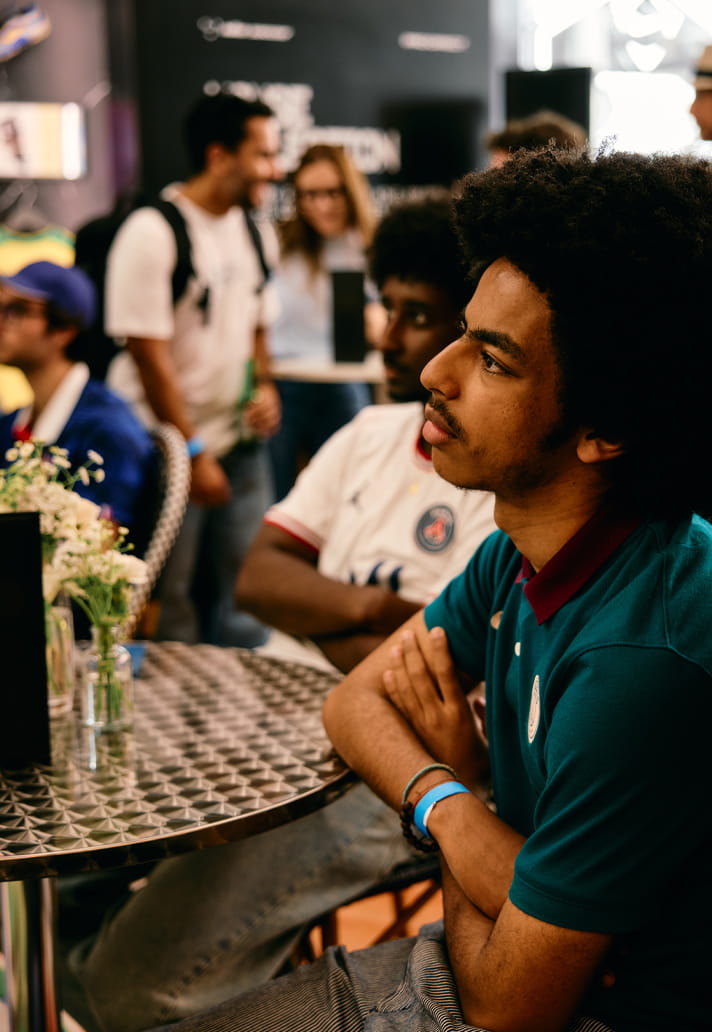
At the core of ‘La Maison de Merc’ (as it was fittingly renamed for the event) sat the café, the heartbeat of the vibe that was being captured. Think Espresso poured continuously, the recent of croissants and other pastries floating through the air, all setting the scene as conversations ebbed and flowed across tables. The space hummed with a quiet energy, building organically as kickoff edged closer, mirroring the rituals that define matchday across French cities.
The event was was about atmosphere. About those in-between moments – the pre-match debates, the shared anticipation, the subtle glances at screens – where football becomes social currency rather than sole focus. And in that sense, La Maison de Merc felt effortlessly authentic.
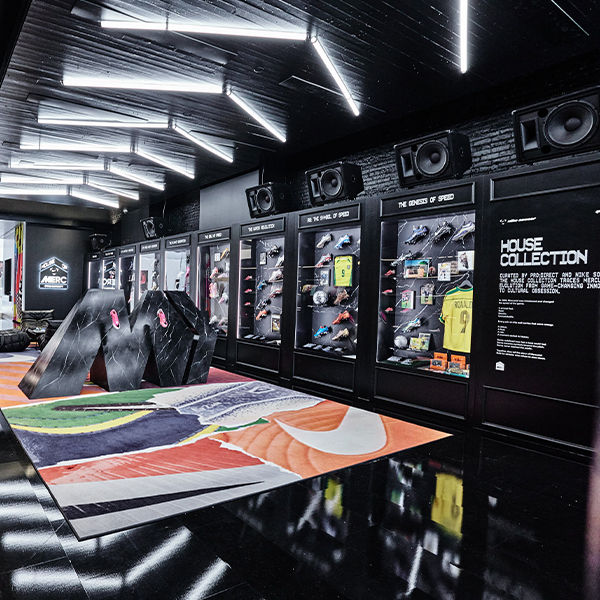
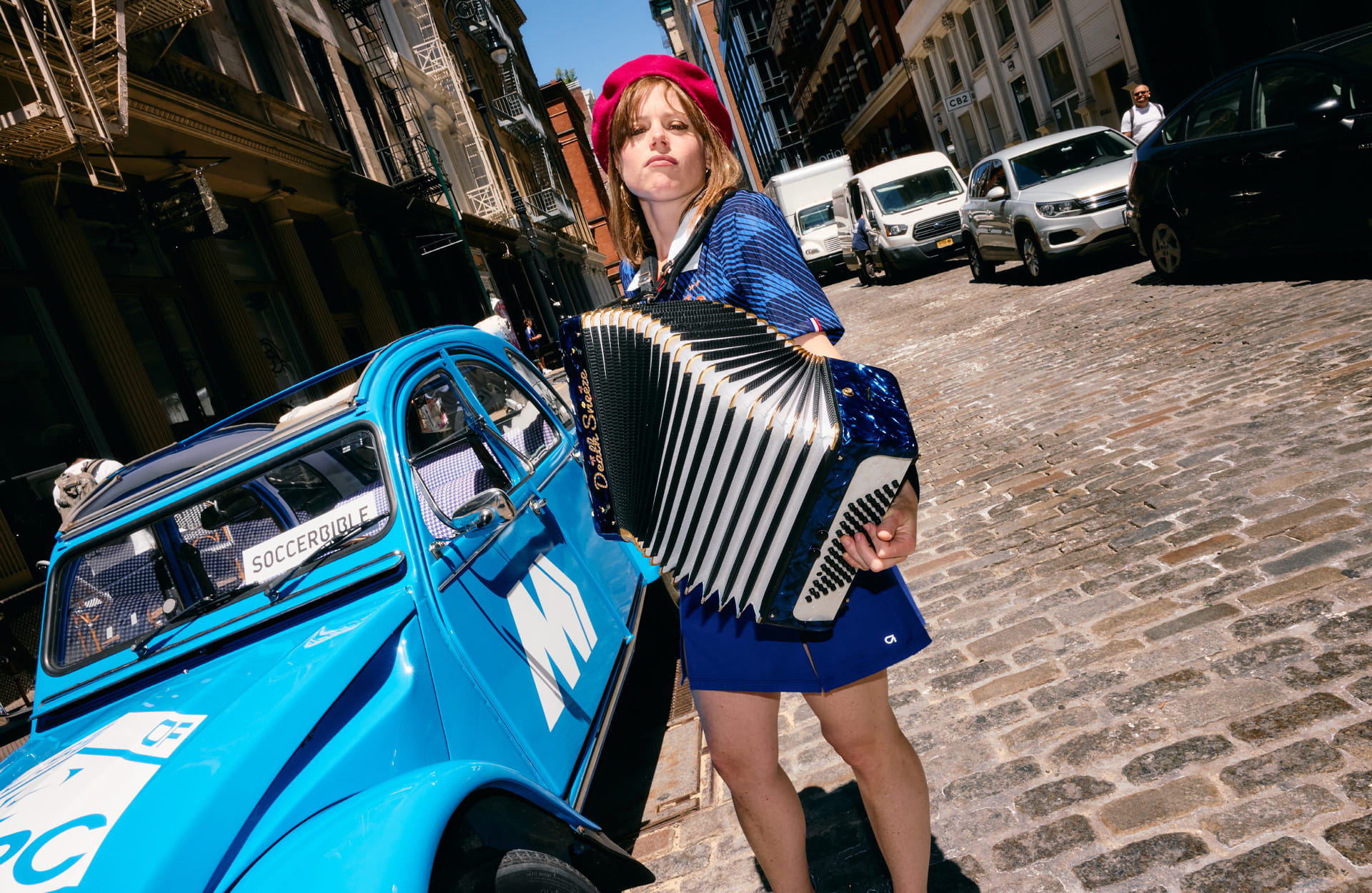
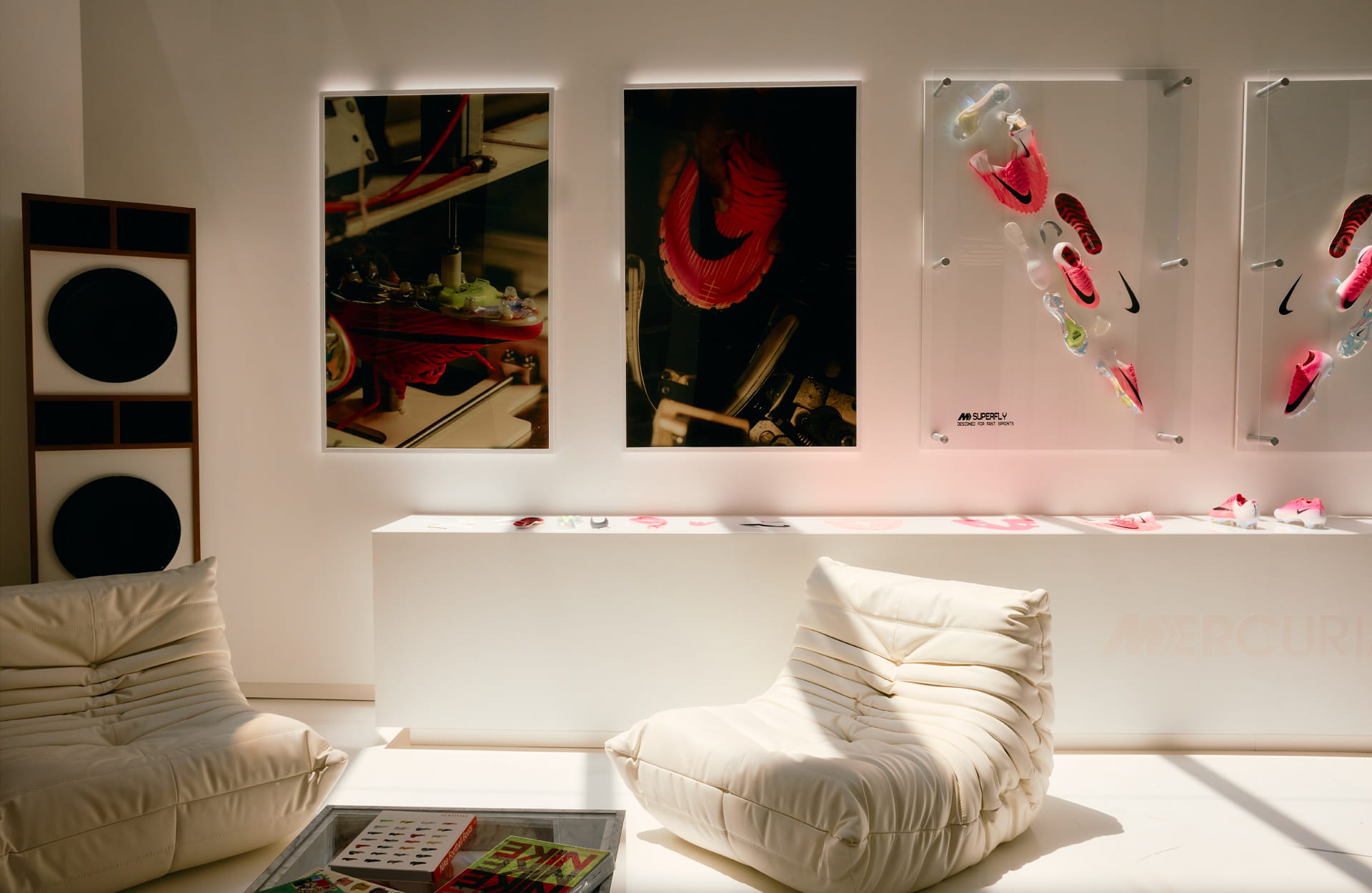
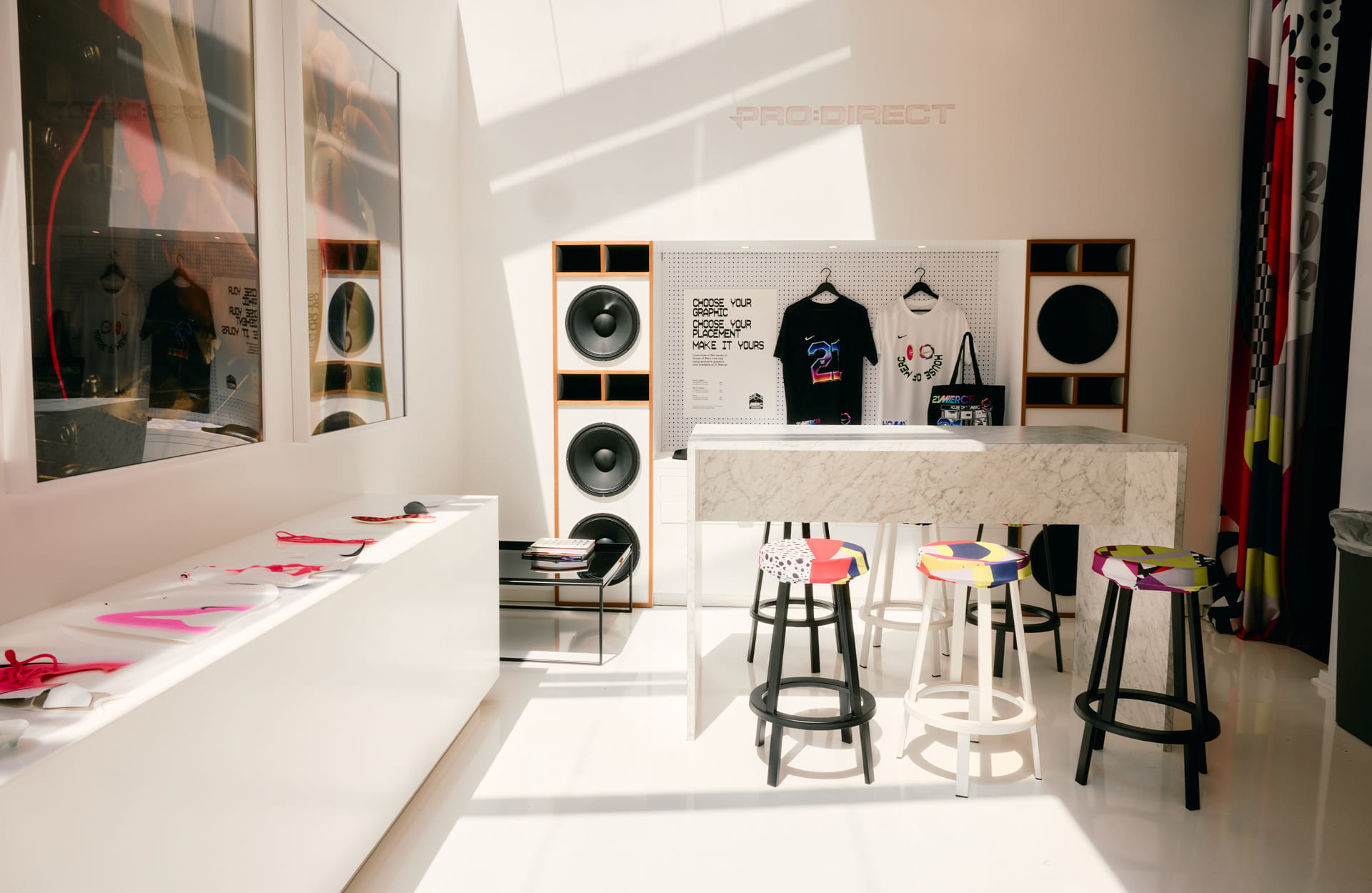
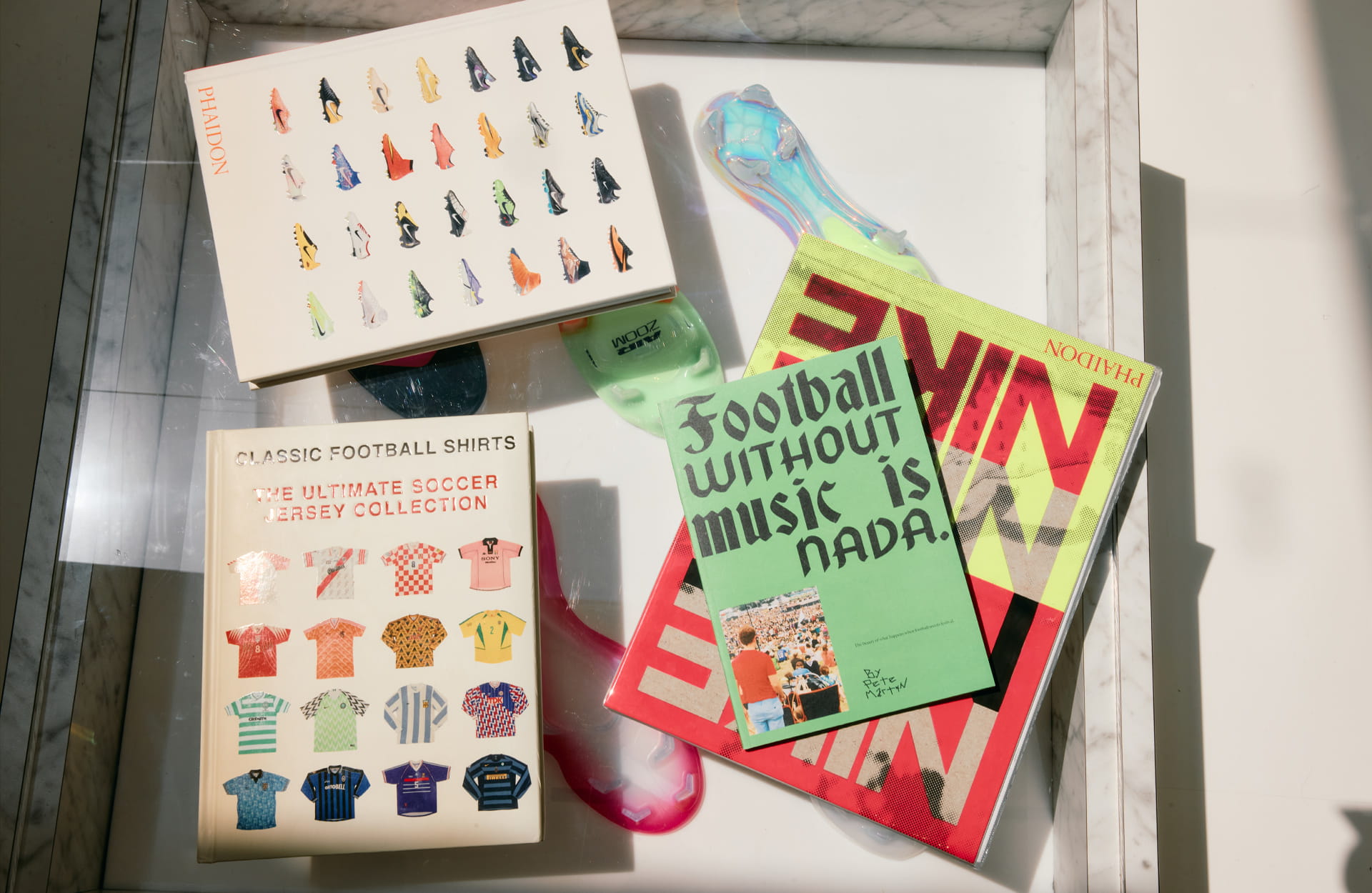
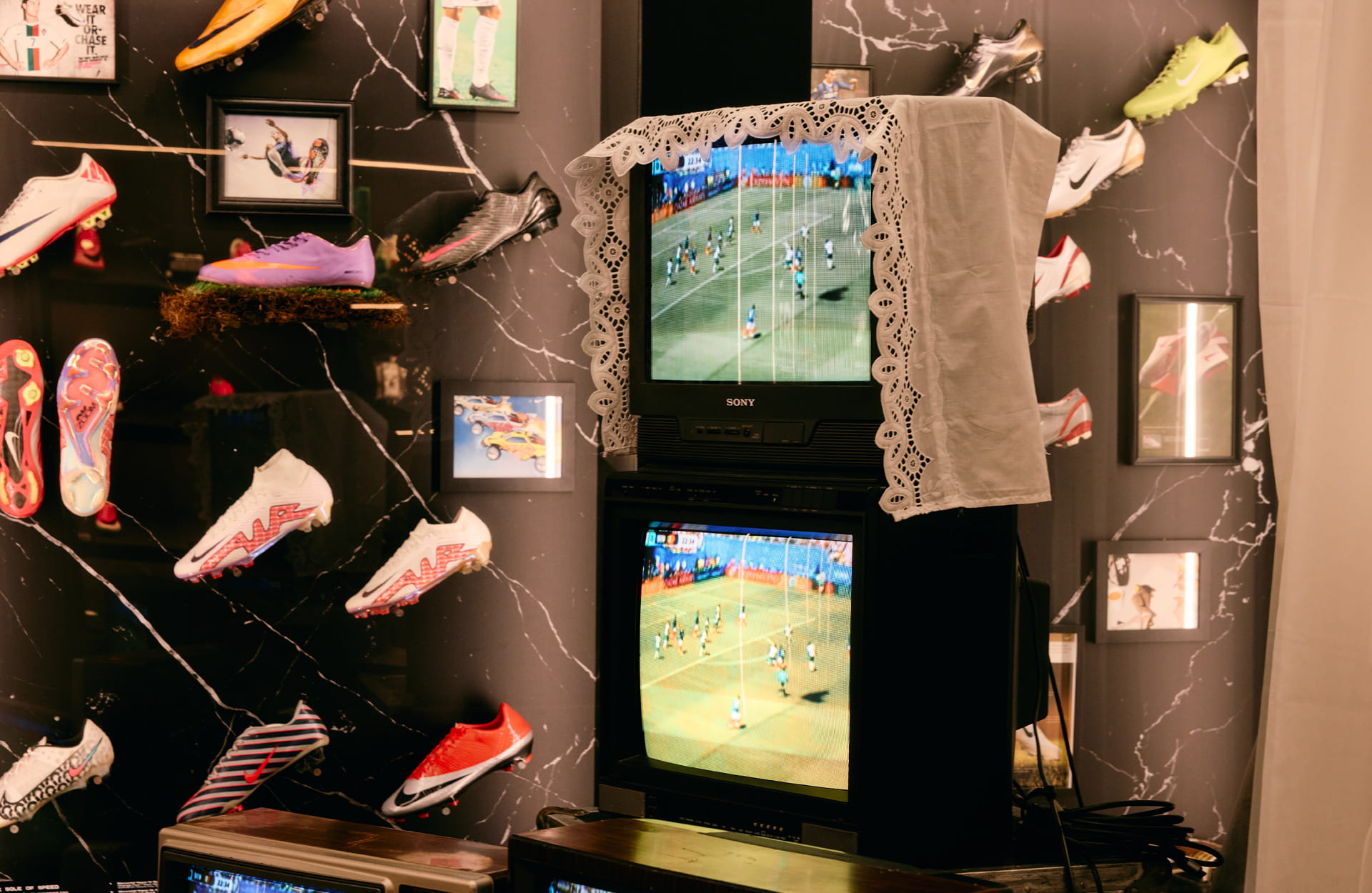
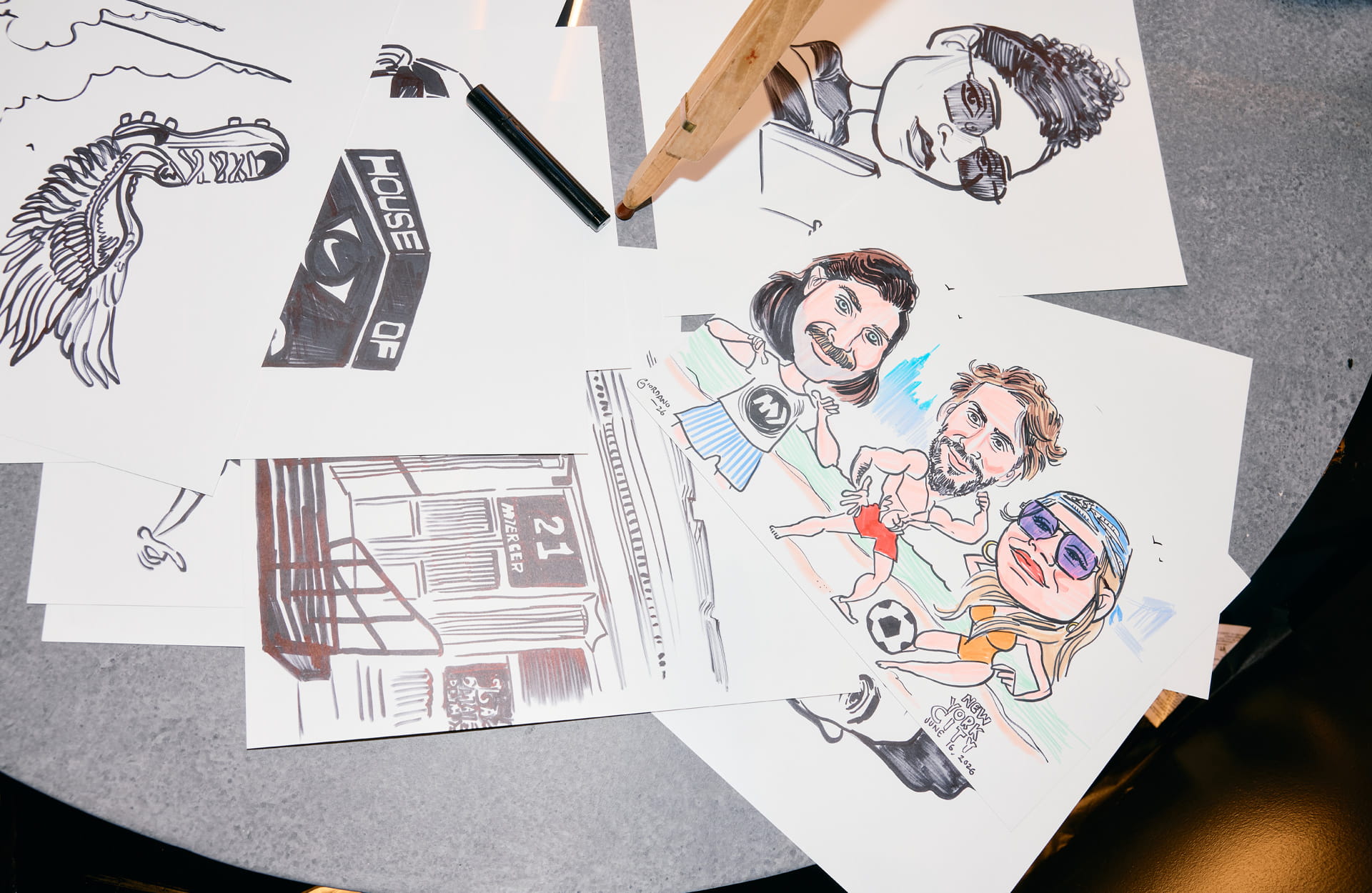
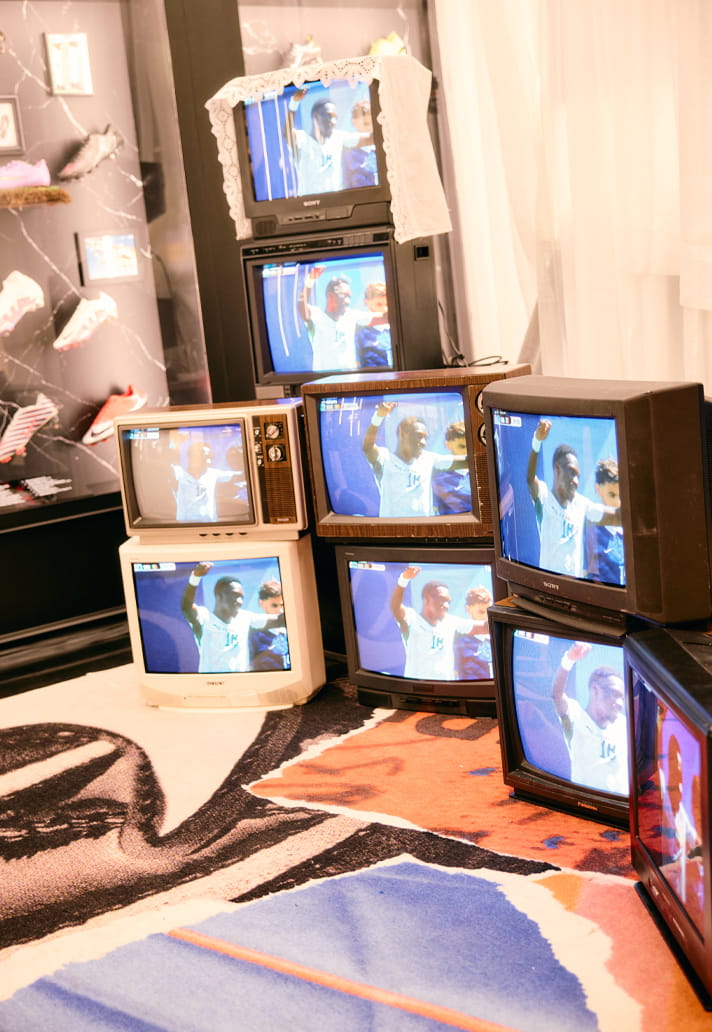
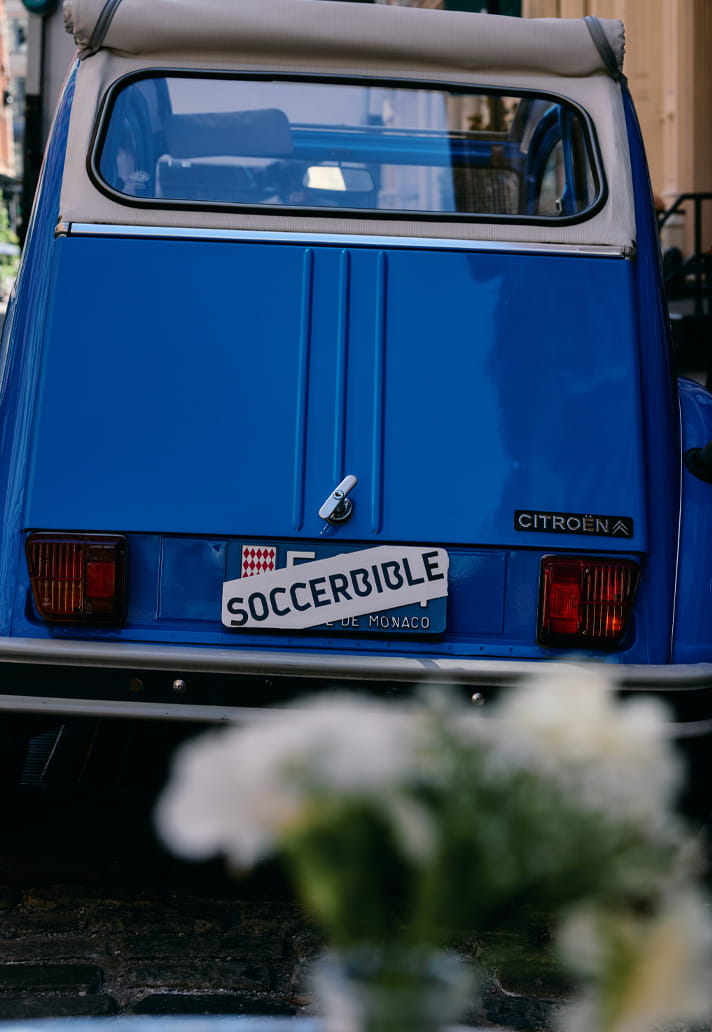
Visually, the environment told its own story. Drawing from the texture of Parisian streets, the space was layered with detail, from posters and printed ephemera to café cues wrapping the interior to create the illusion of a neighbourhood institution that had always existed. Nothing felt forced. Everything felt discovered.
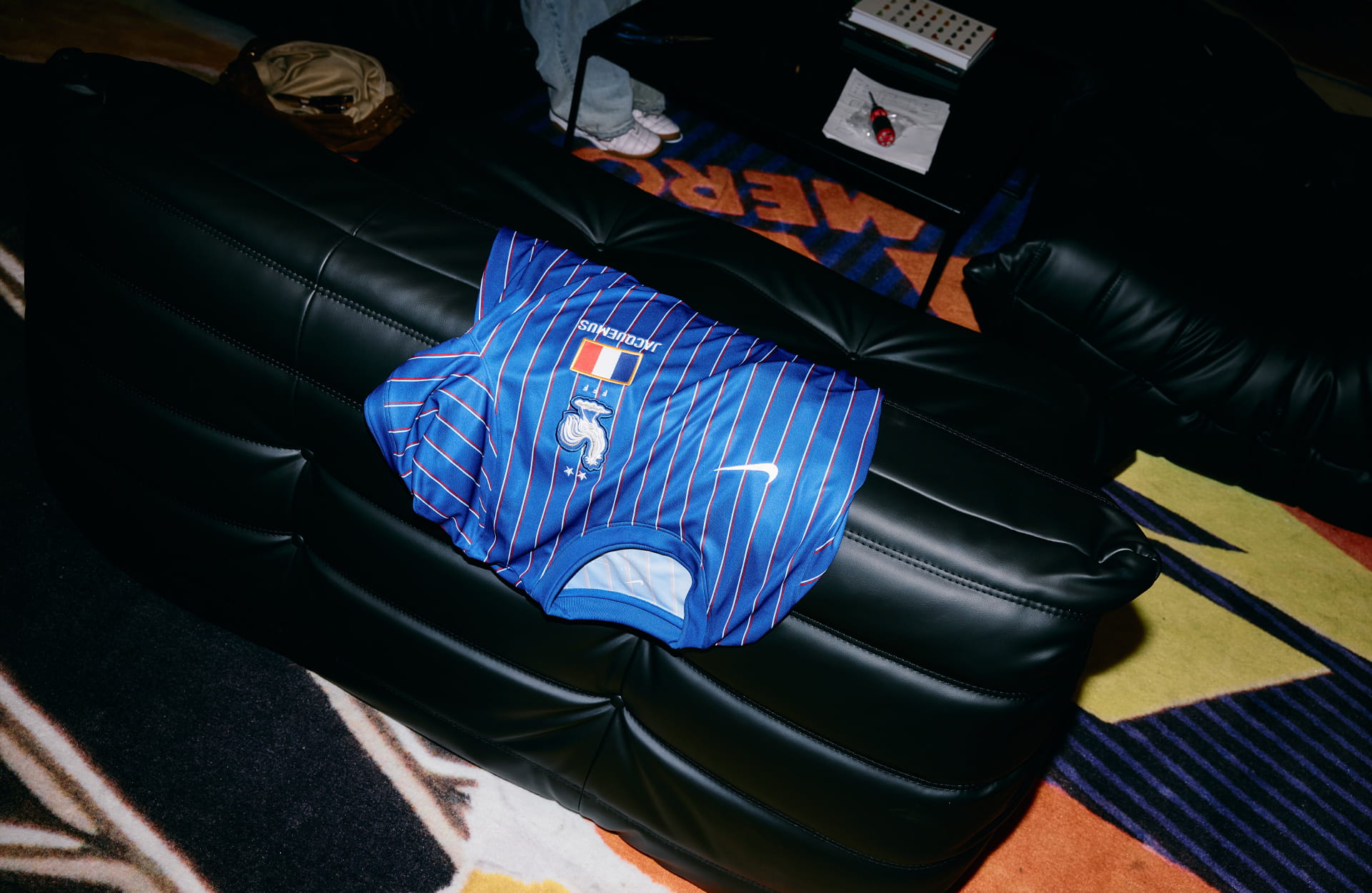
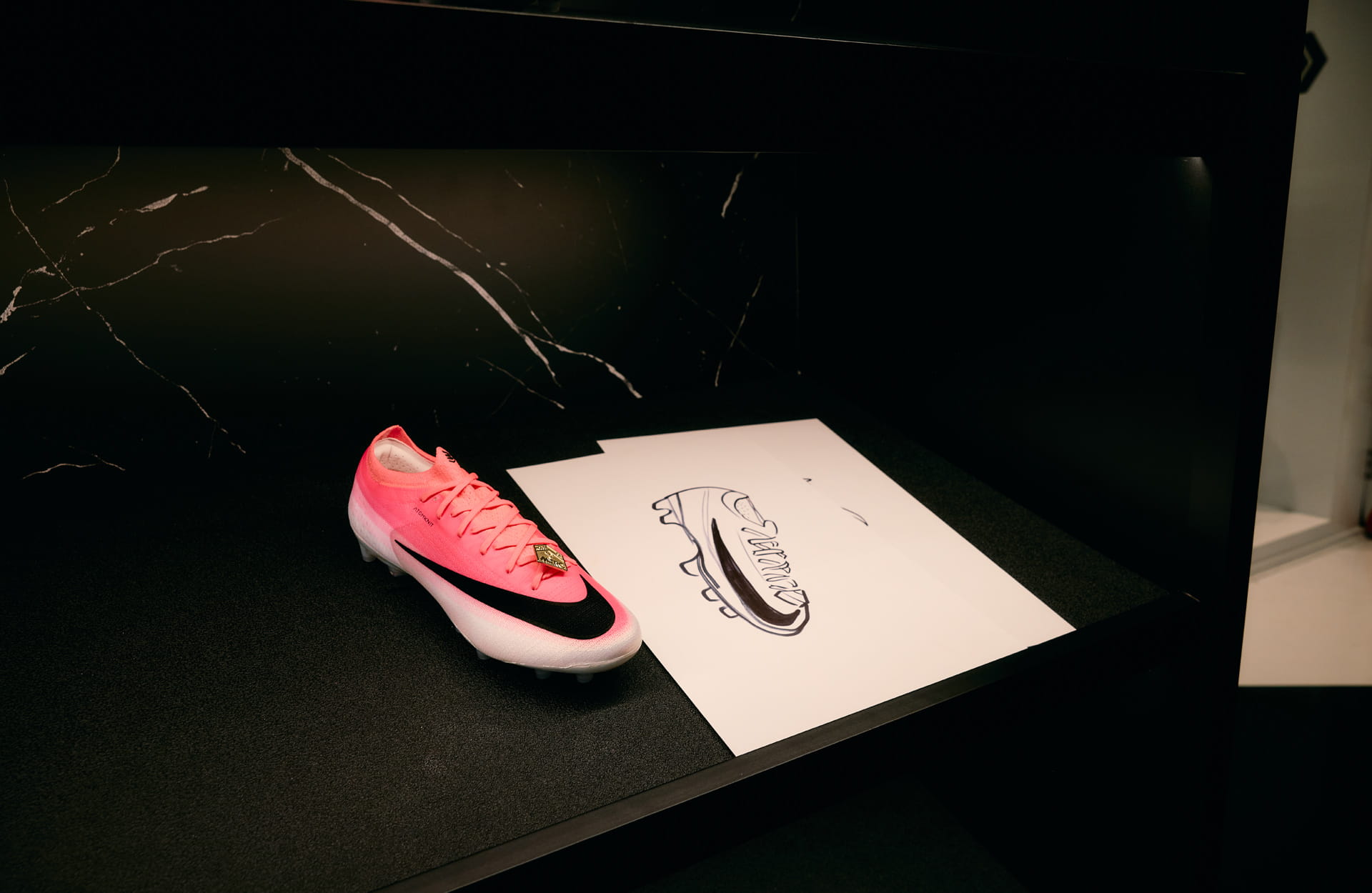
From bespoke objects placed with intent to styling touches that nodded to Mercurial’s deep-rooted connection with France, each detail rewarded curiosity. References were subtle but deliberate, celebrating not only the boot’s legacy but the players and moments that have defined its place within French football culture. It was deliberately immersive without being overwhelming. The kind of design that invites exploration rather than demands attention.

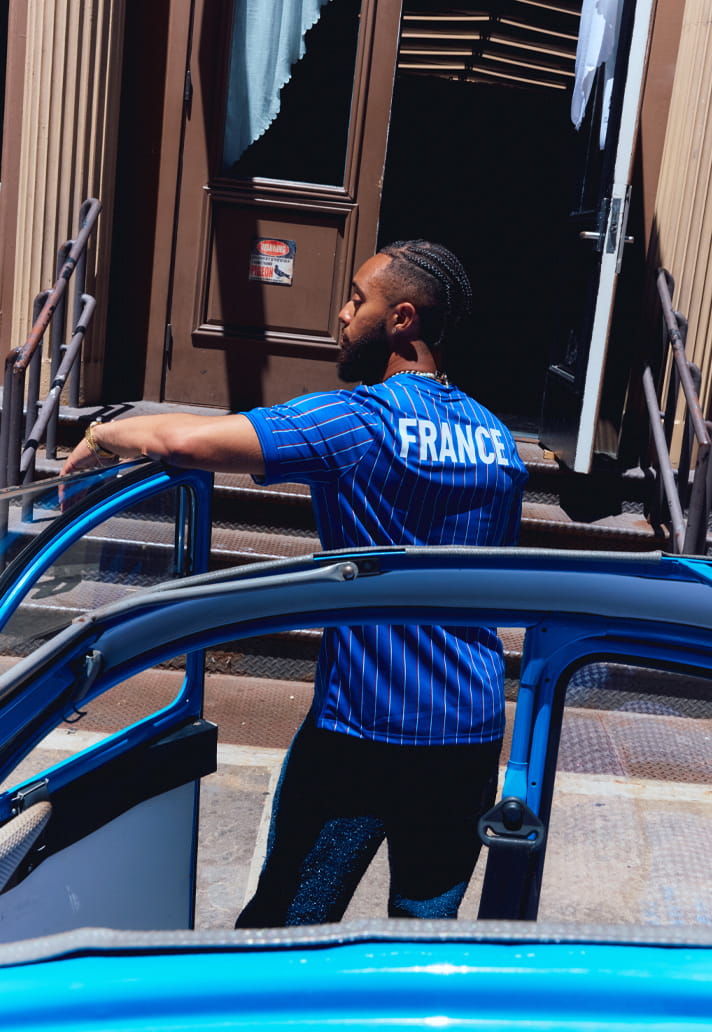
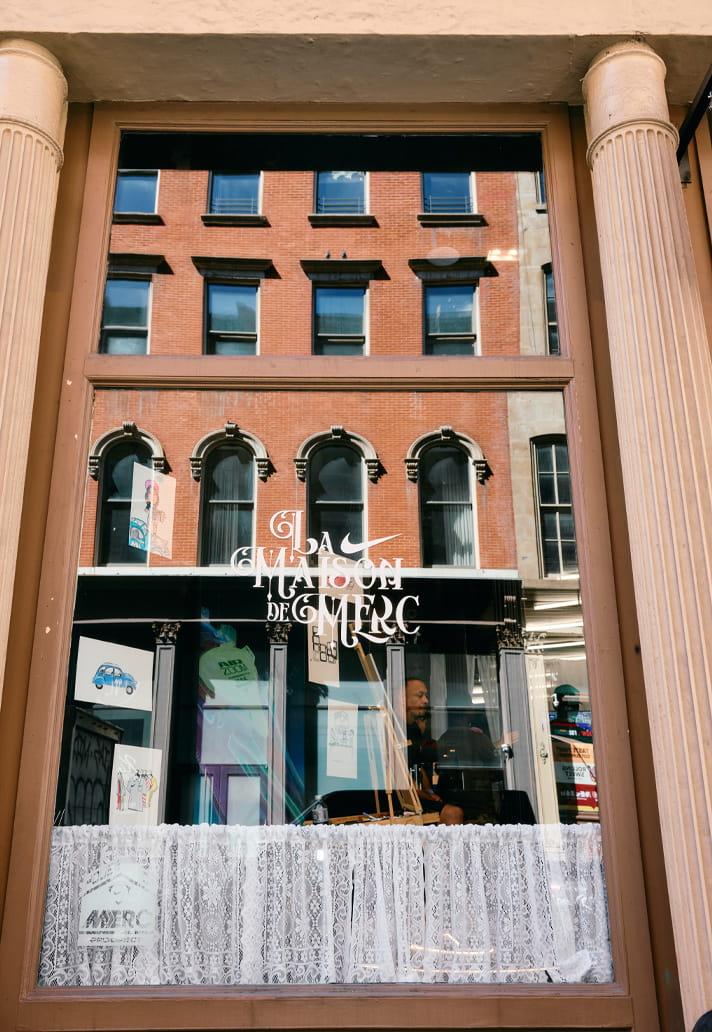
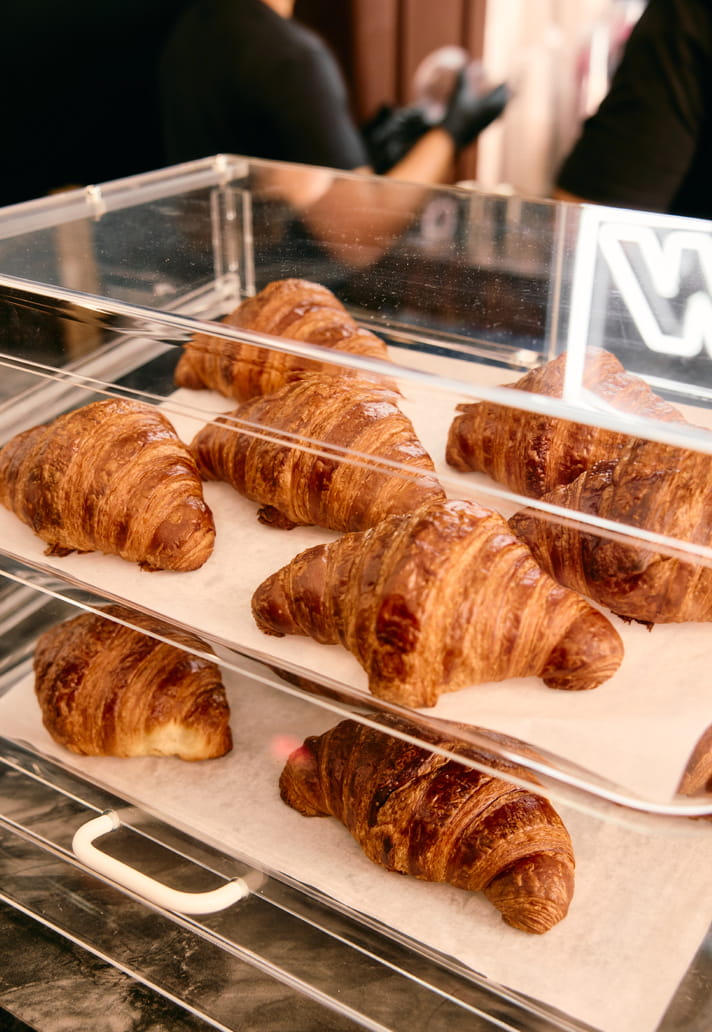
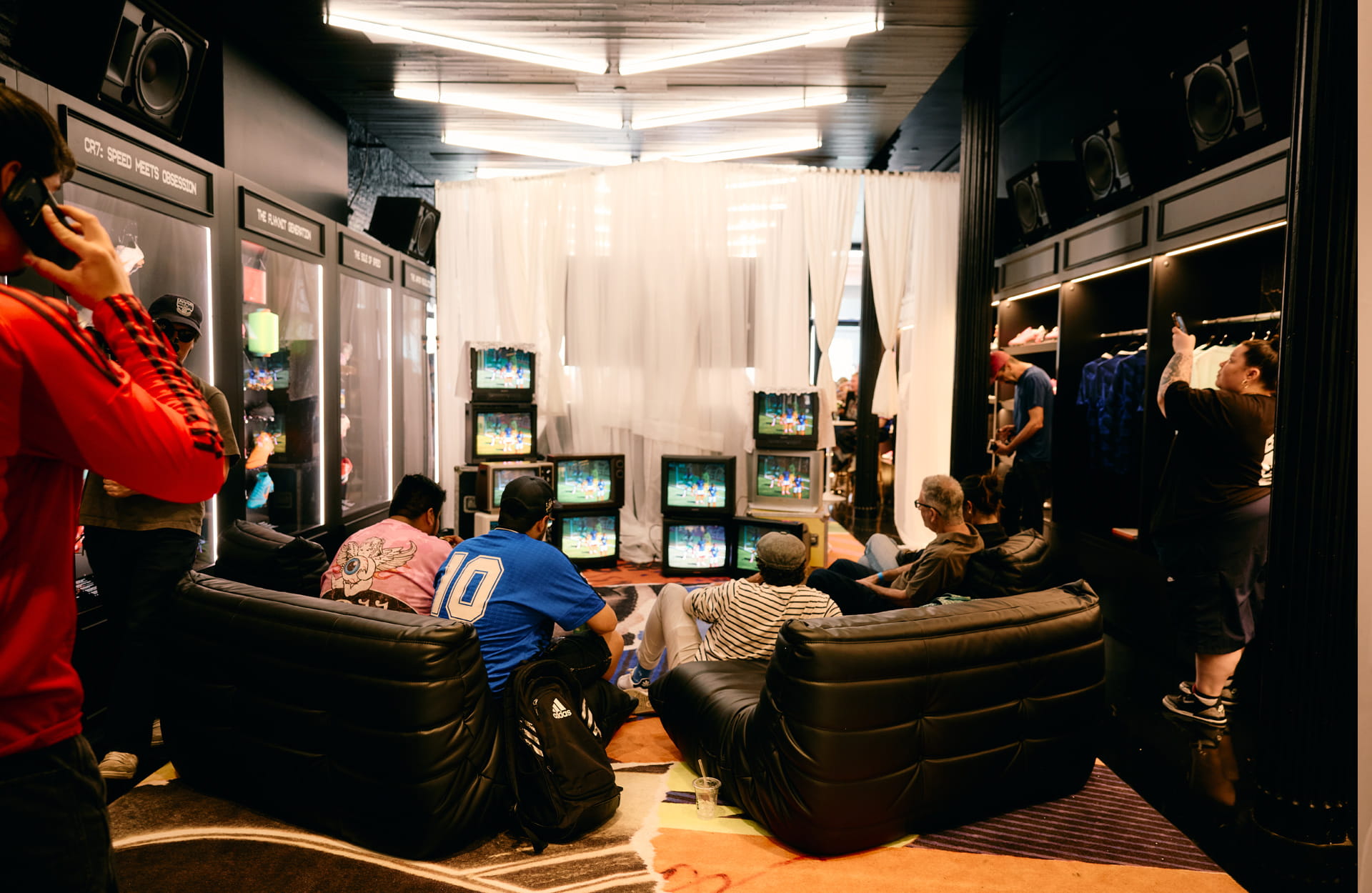
As the game approached, the room naturally shifted. Conversations sharpened, eyes drifted toward the screen, and a shared focus emerged. France v Senegal became a collective experience, played out within a setting that elevated its significance beyond the pitch. Olise orchestrating, Mbappe marauding, Le Bleus bossing – in the second half at least. But even then, football never eclipsed the wider narrative.
Because La Maison de Merc wasn’t created solely around the game. It was an exploration of how football intersects with fashion, art, design and hospitality, the spaces where culture truly takes shape. Here, those worlds coexisted seamlessly, each informing the other, each enhancing the overall experience.
It’s a balance France has long exported with ease. La Maison de Merc was its New York translation.
This was a Parisian afternoon, transplanted into the heart of New York.
Sure, football provided the reason to gather. But it was the atmosphere, the design, and the cultural layering that defined the experience.
And in true Mercurial fashion, it left an impression that lingered long after the match was over.
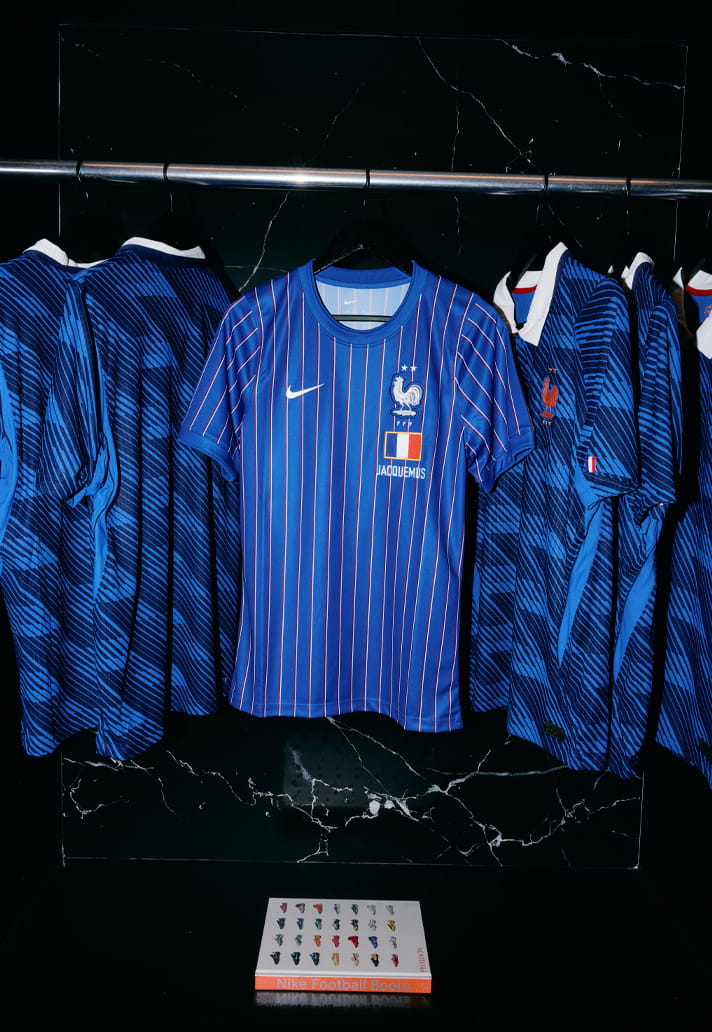
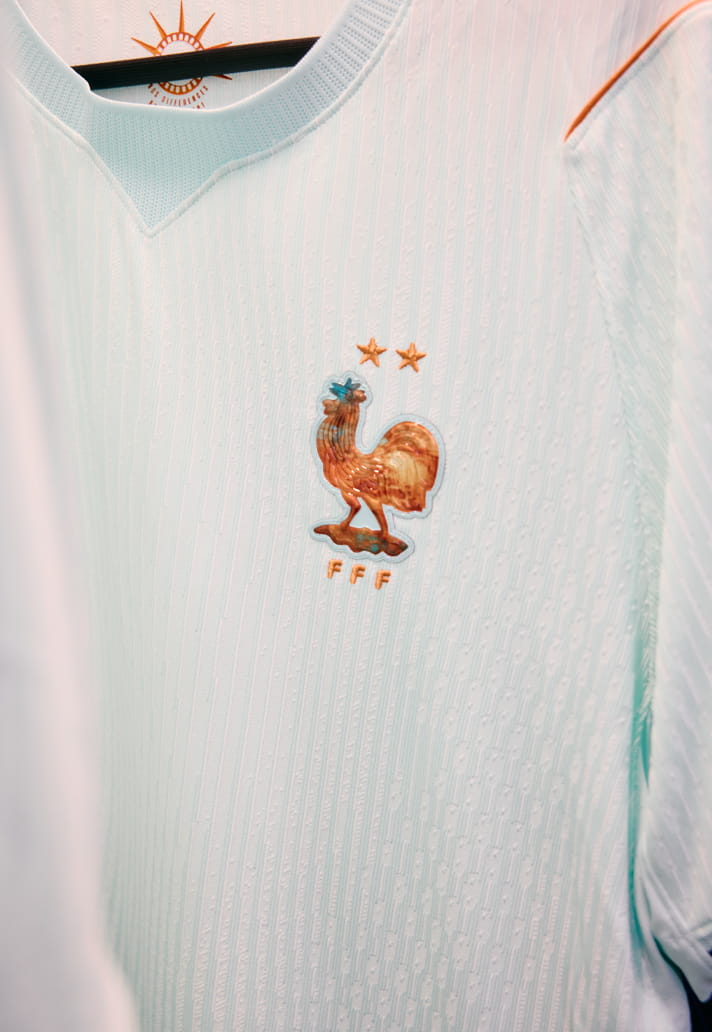
More to come from House of Merc as the World Cup progresses...