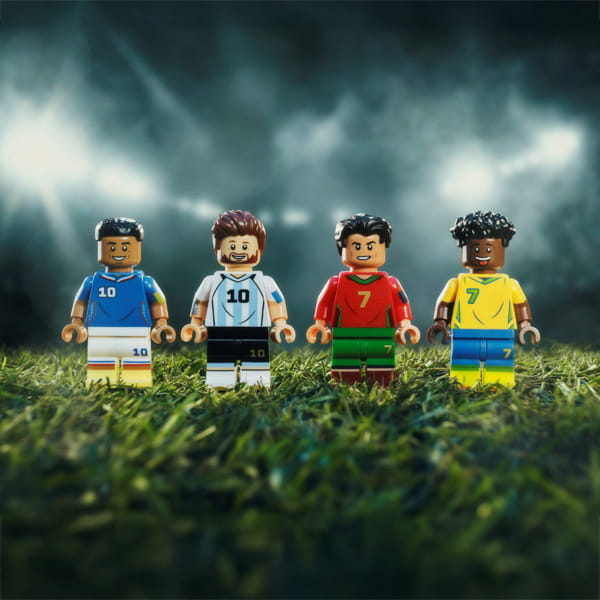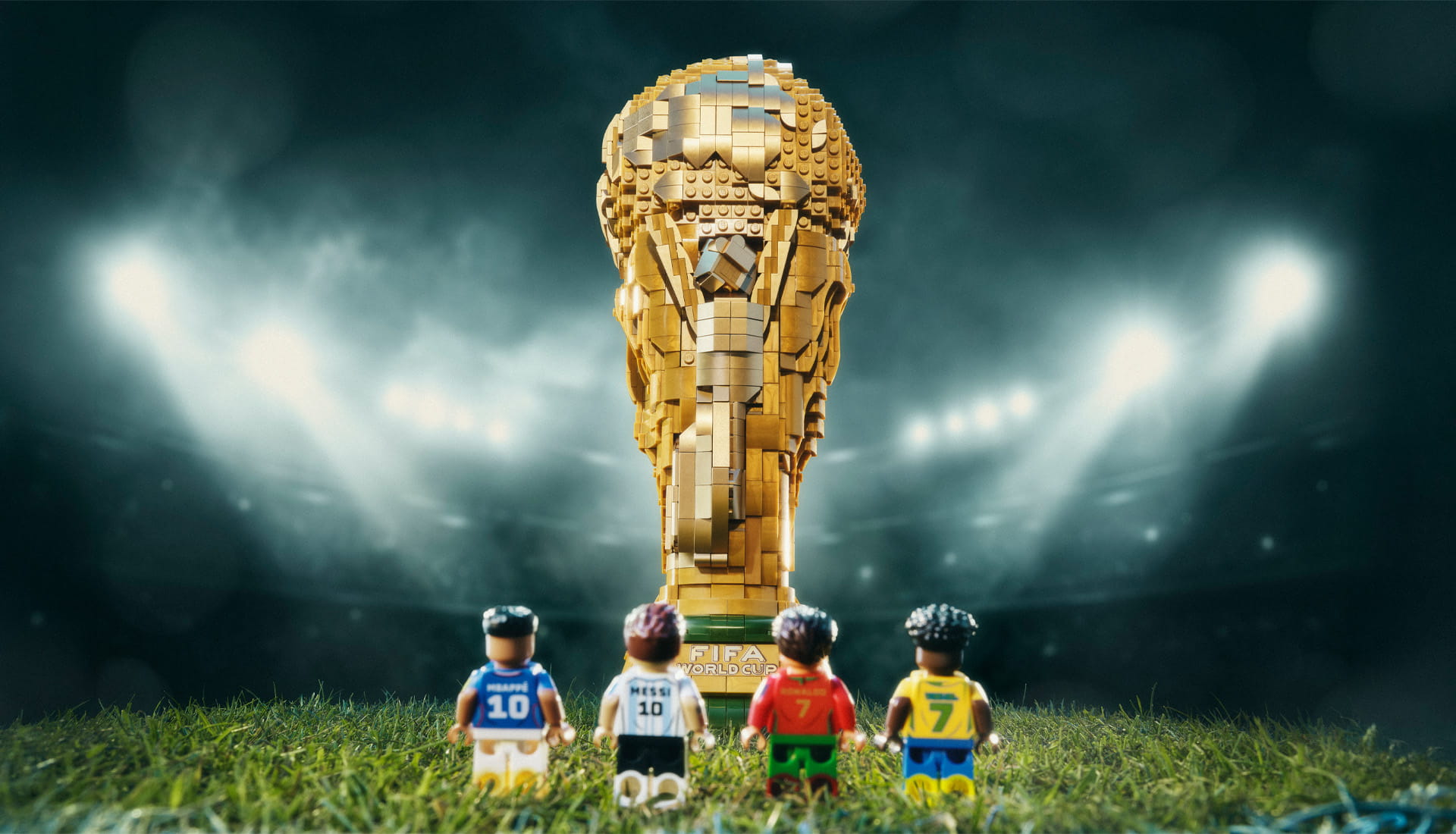
When The LEGO Group decided to bring Lionel Messi, Cristiano Ronaldo, Kylian Mbappé and Vini Jr. into the world of LEGO Editions, our interest was instantly piqued. On the back of the incredibly impressive World Cup trophy and ball design, we were intrigued to see how some of the world’s greatest players would translate into brick form.
And so we turn to the art of translating football culture into bricks. Because that’s what this is, make no mistake – it's an art. Turning Ronaldo’s theatrics, Messi’s humility, Mbappé’s warp‑speed futurism or Vini’s samba‑soaked flair into LEGO form might sound like a design brief from a parallel universe, but to Freddy Charters, Senior Designer at LEGO Editions and creator of the Messi and Vini Jr. sets, and Luka Grković, Model Designer responsible for the Ronaldo and Mbappé builds, it was a natural creative challenge.
To understand exactly how these players became minifigures, and how their mythologies were translated into bricks, we spoke to Charters and Grković. "A lot of traditional football memorabilia is about preserving a moment – whether it’s a jersey shirt, a signed ball, a photograph etc. LEGO models brings something different because they invite fans to build that moment themselves," Charters explained. What follows is a deep dive into football culture rebuilt, quite literally, piece by piece.
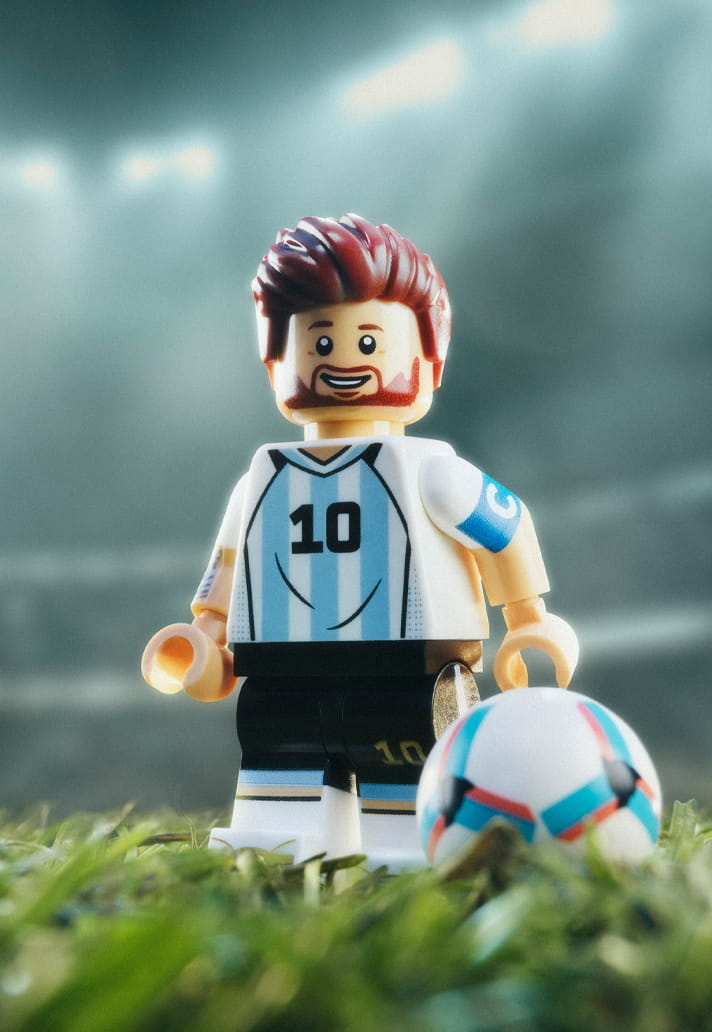
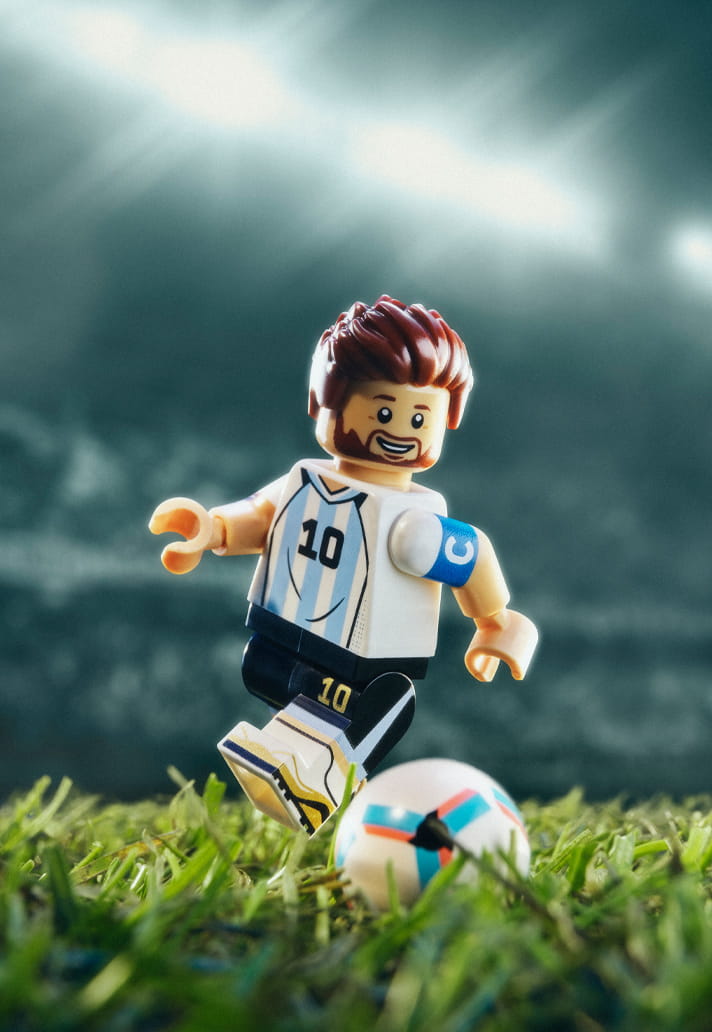
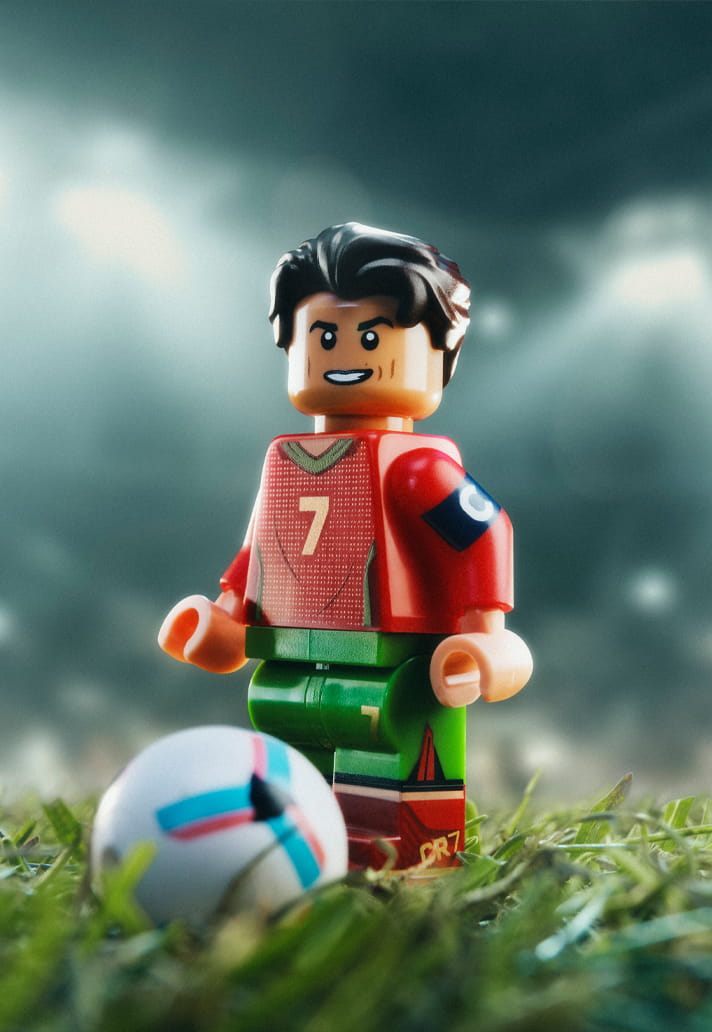
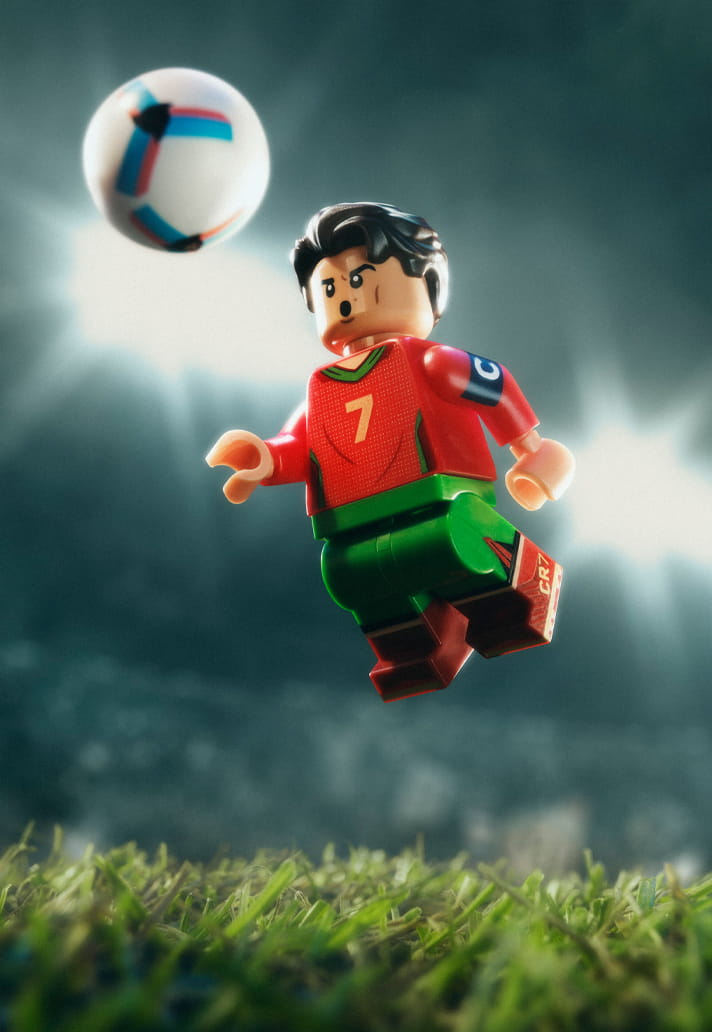
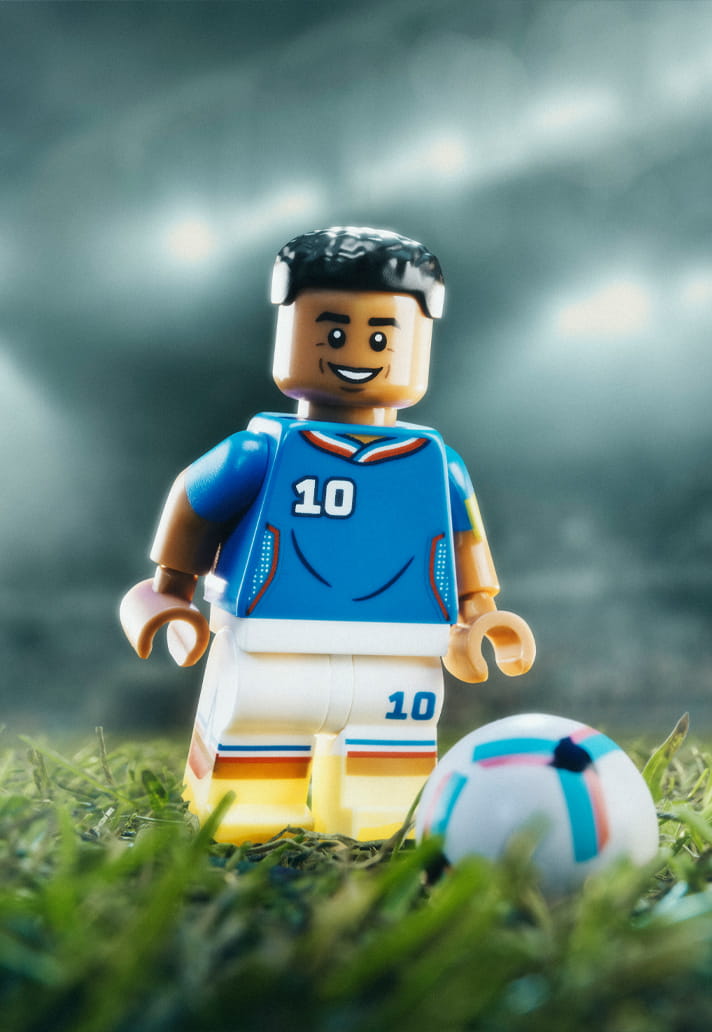
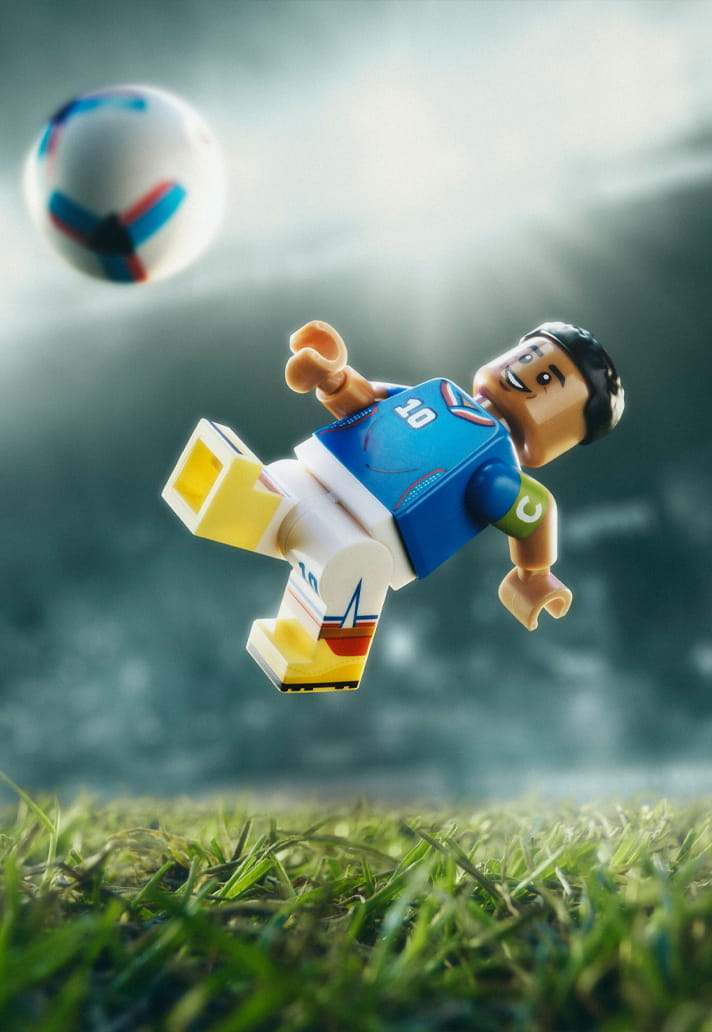
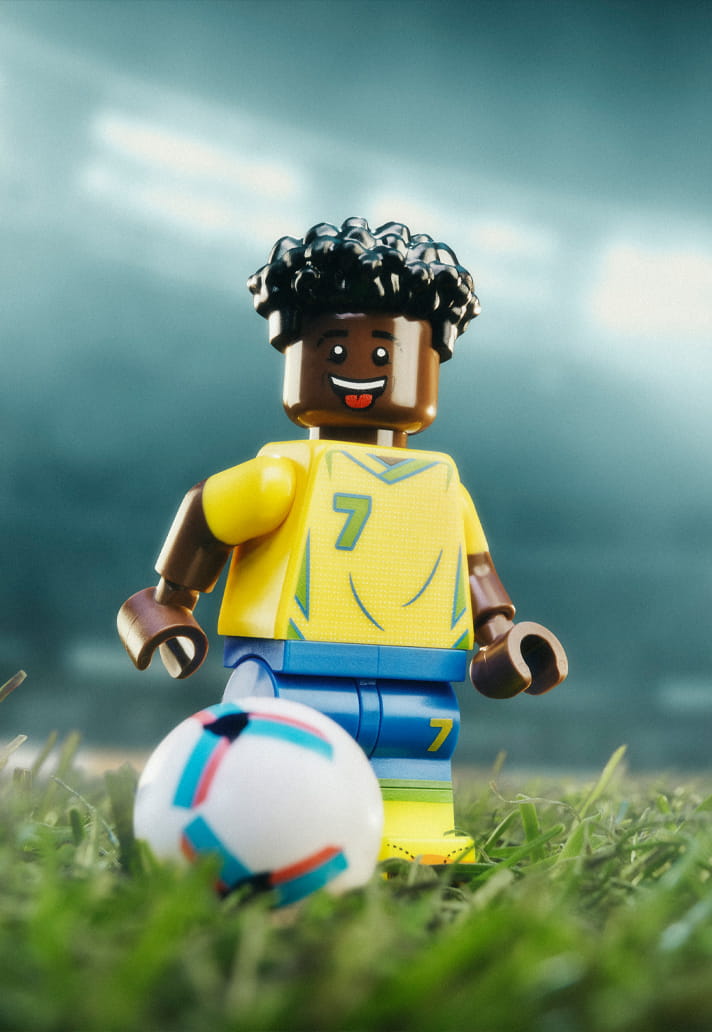
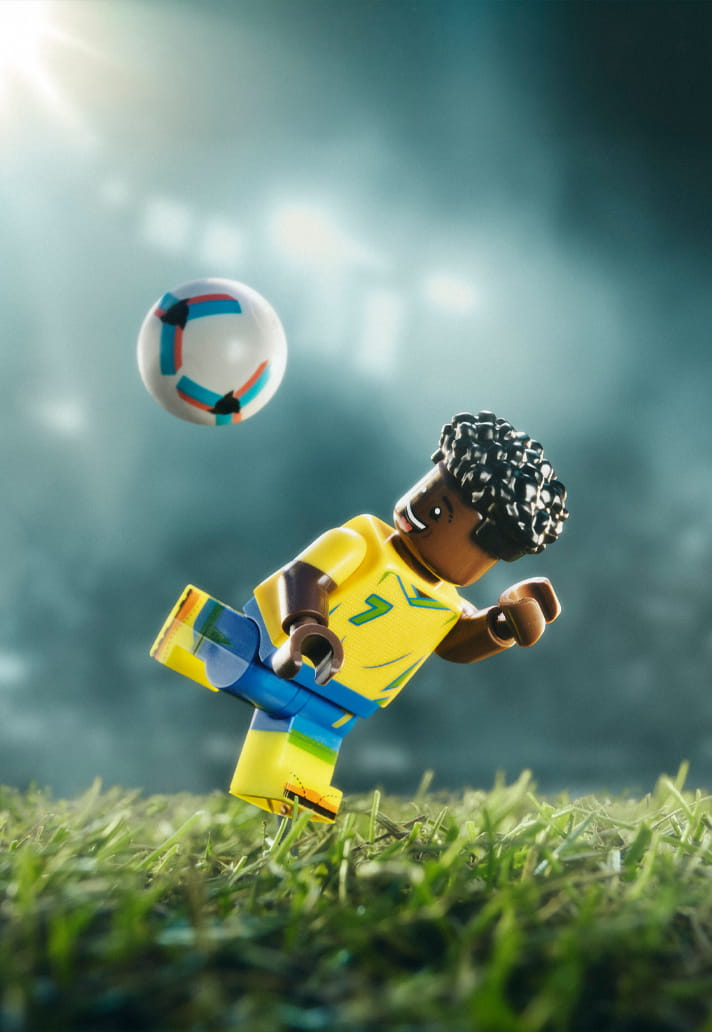
Each of these players carries a distinct cultural identity on and off the pitch. How did you translate elements like Messi’s humility, Ronaldo’s theatrics, Mbappé’s futuristic energy, or Vini Jr.’s Brazilian flair into the visual language of LEGO bricks?
Freddy: Messi’s humility was a defining part of our research. It’s not something that translates literally into bricks, but we approached it through subtle storytelling cues – referencing the potreros of Rosario to show the informal pitches where he first developed his style. It grounds the set in his origins.
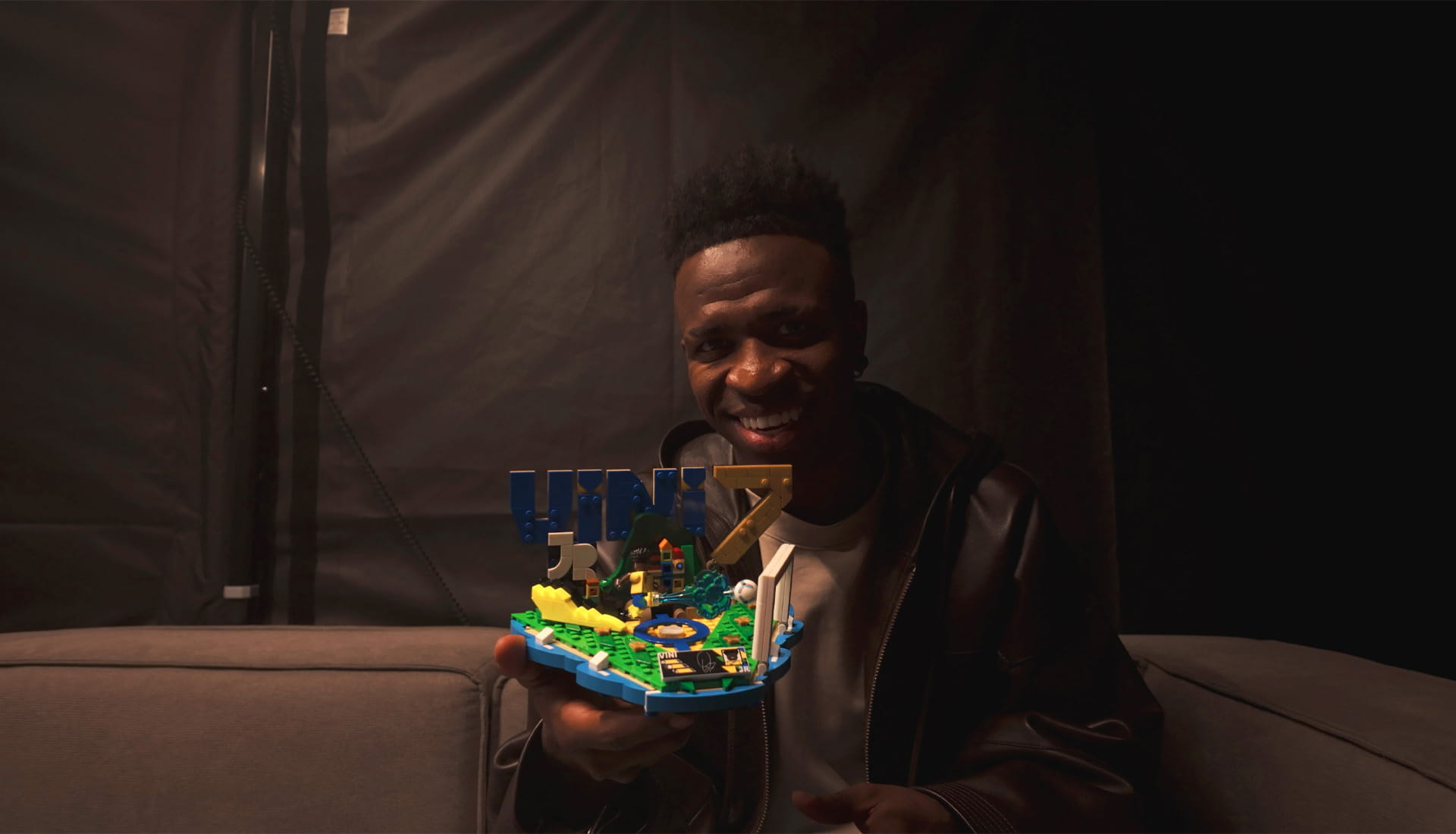
For Vini Jr., we leaned into the vibrancy and joy associated with Brazilian football. His energy is expressed through bold colour choices and dynamic shapes that feel in constant motion. It’s about capturing the spirit he brings to the pitch.
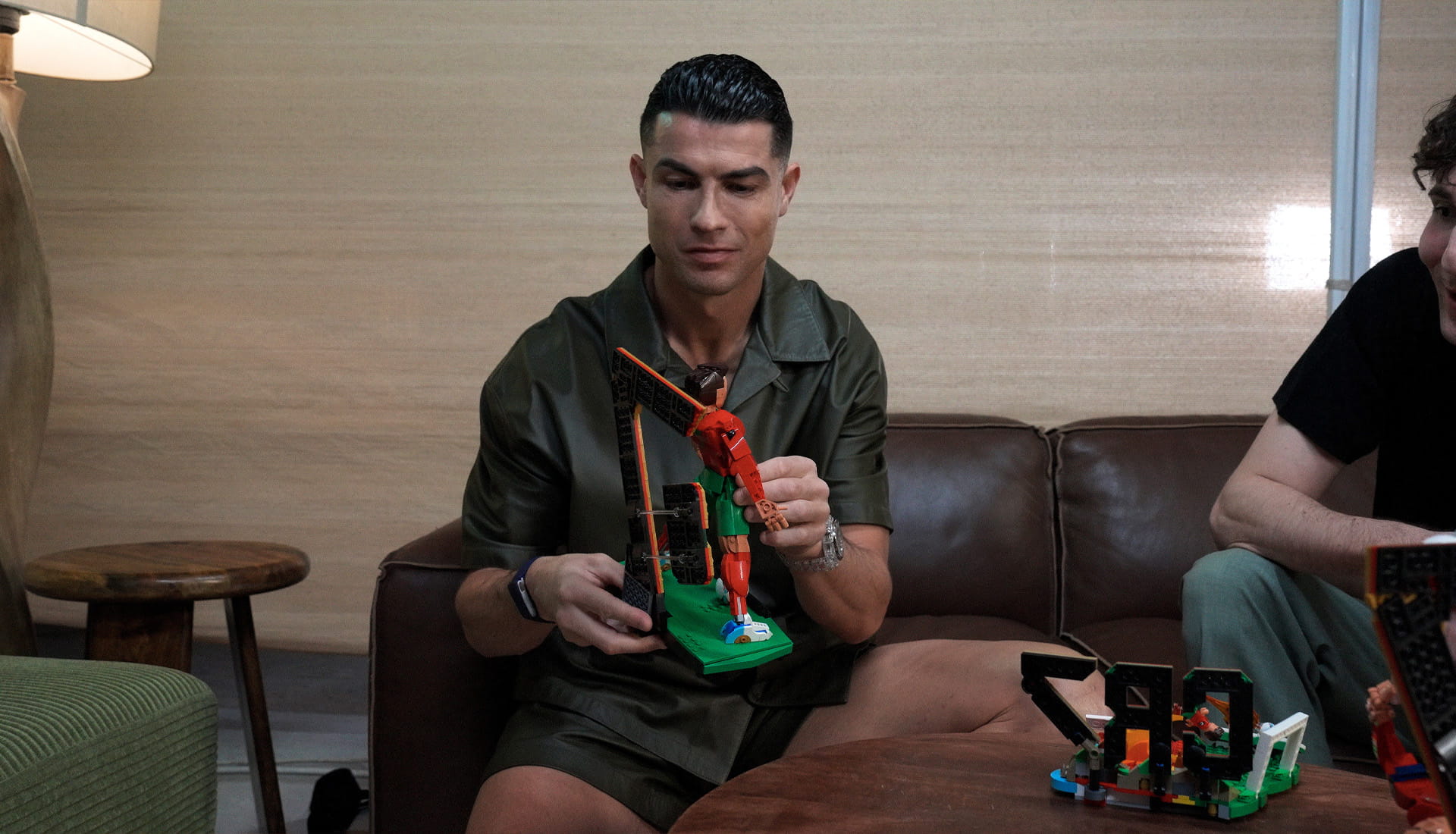
Luka: All four players have such distinct identities, which gave us a great foundation. For Cristiano Ronaldo, I focused on dynamism through his iconic bicycle kick – an elevated minifigure, a rising trajectory, and a powerful finish. For Mbappé, it was all about pace: smoke-like gradients trailing behind him as he charges toward goal. Both sets try to freeze an explosive moment in 3D.
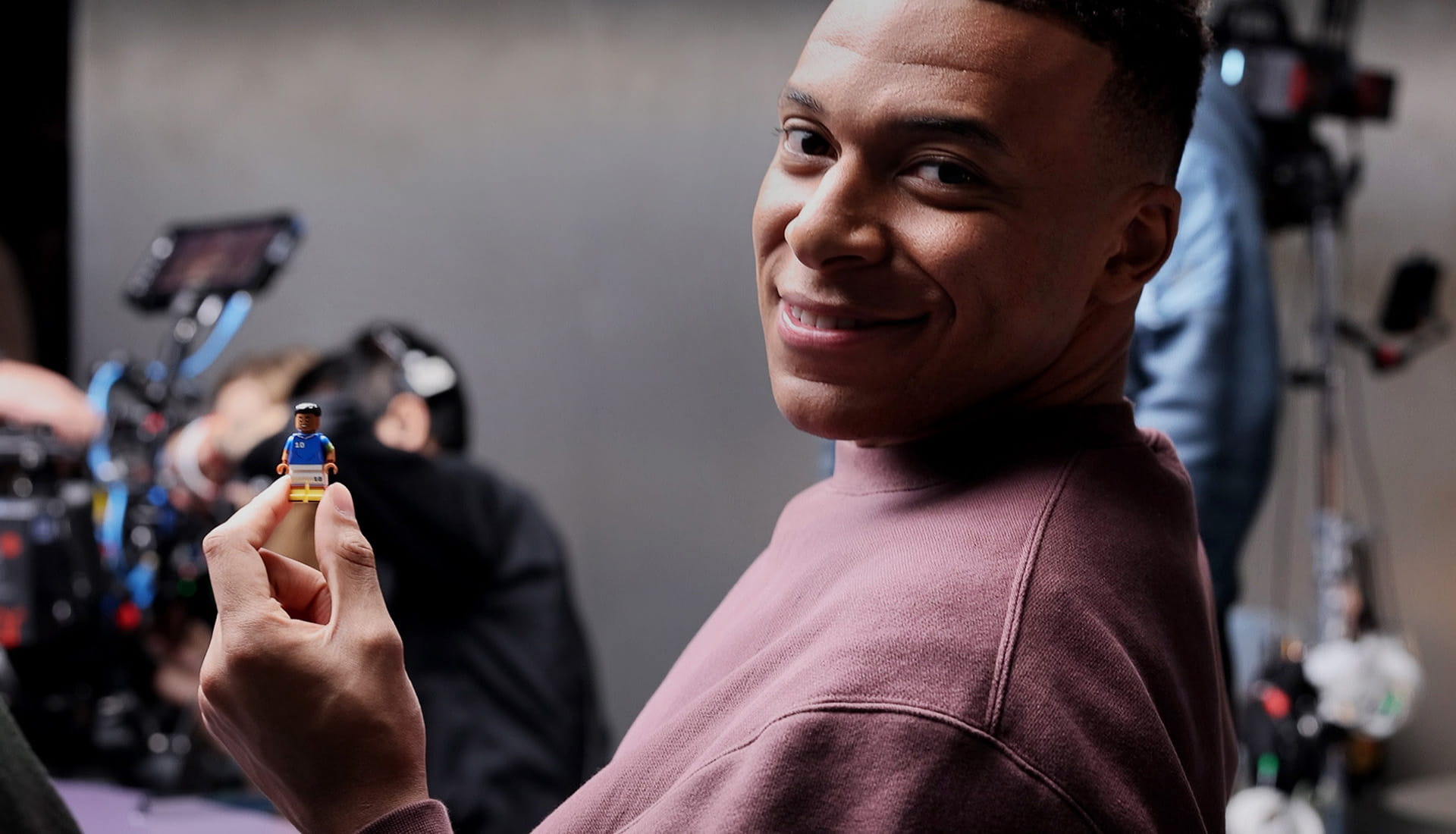
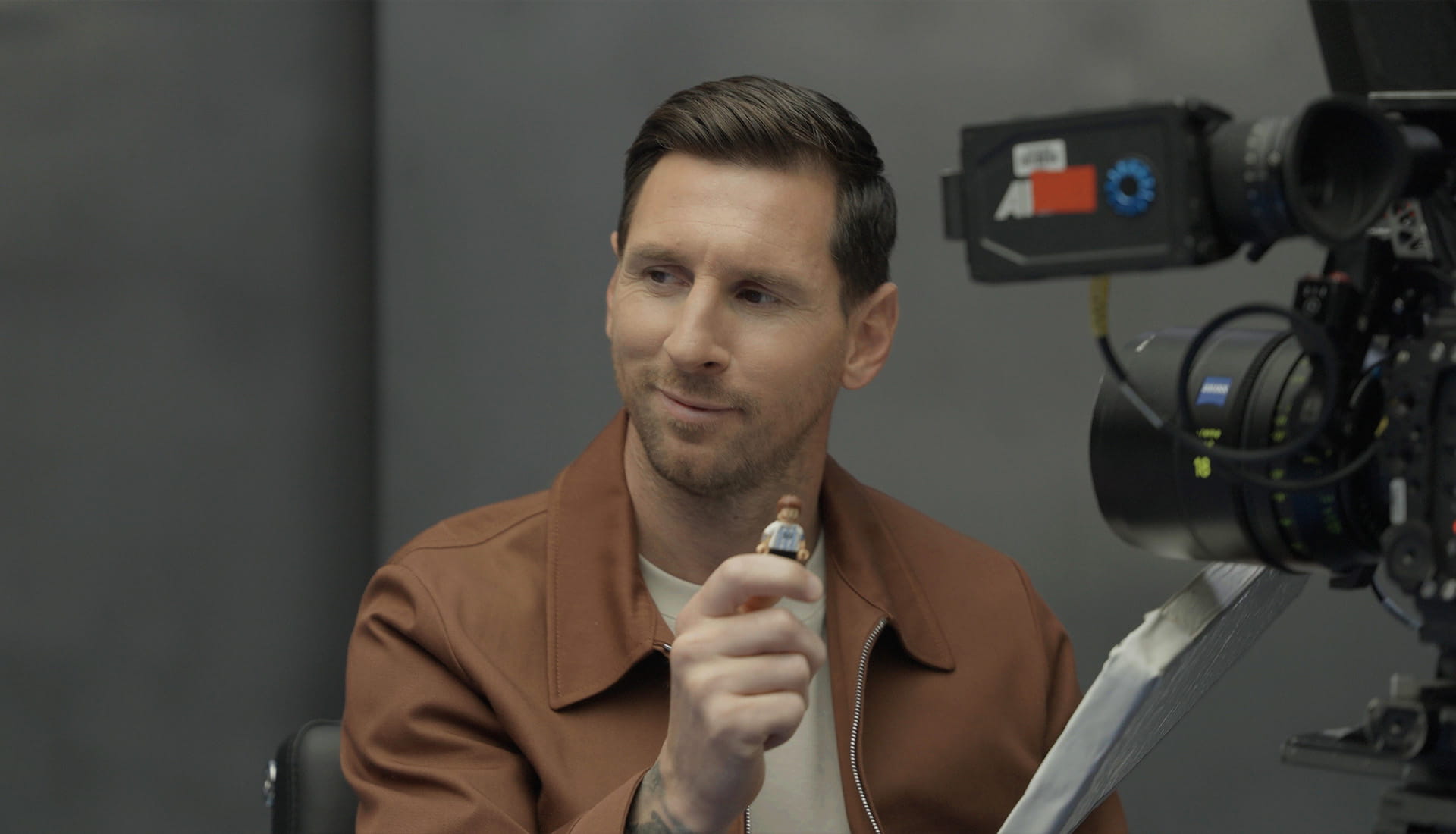
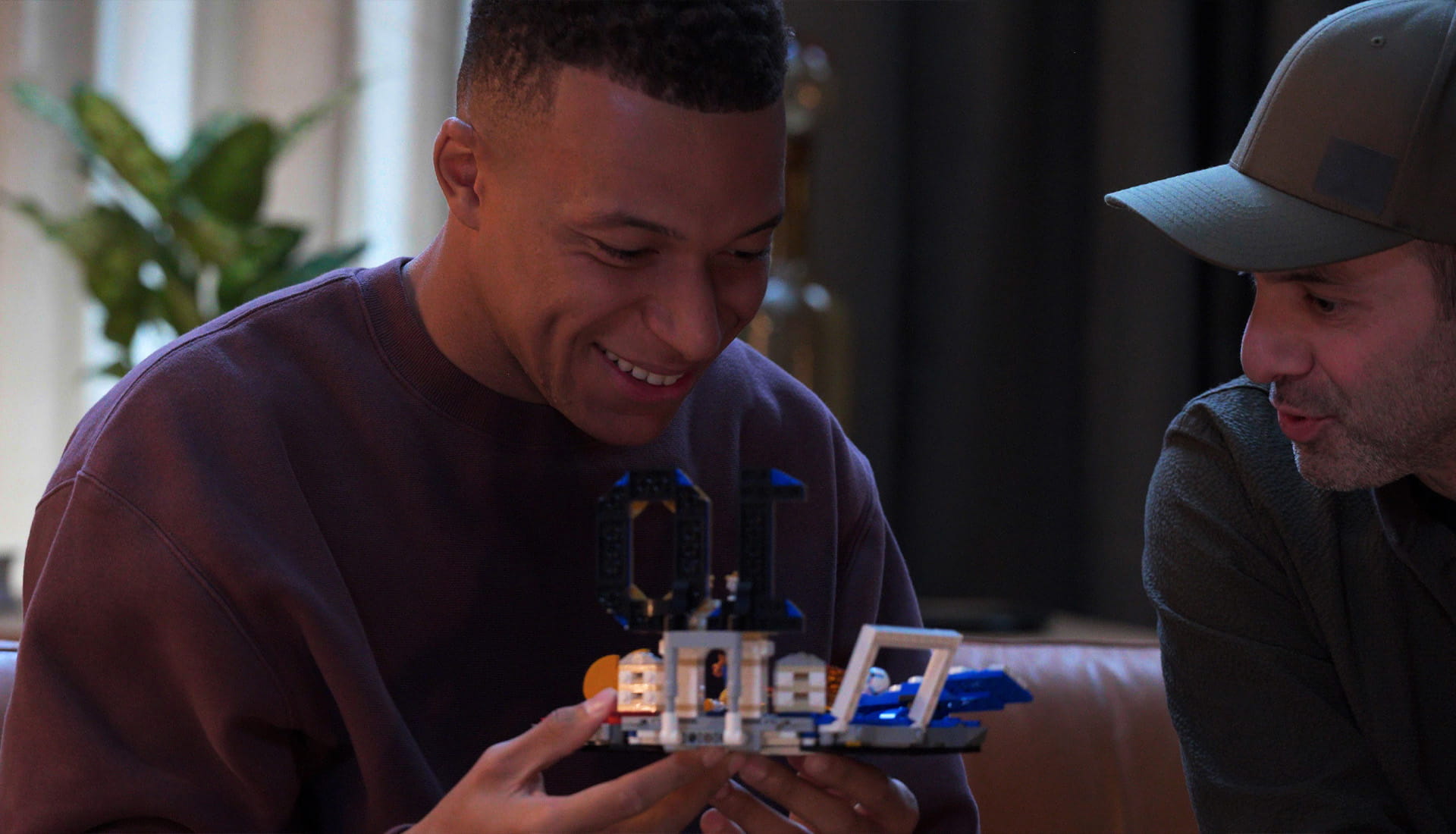
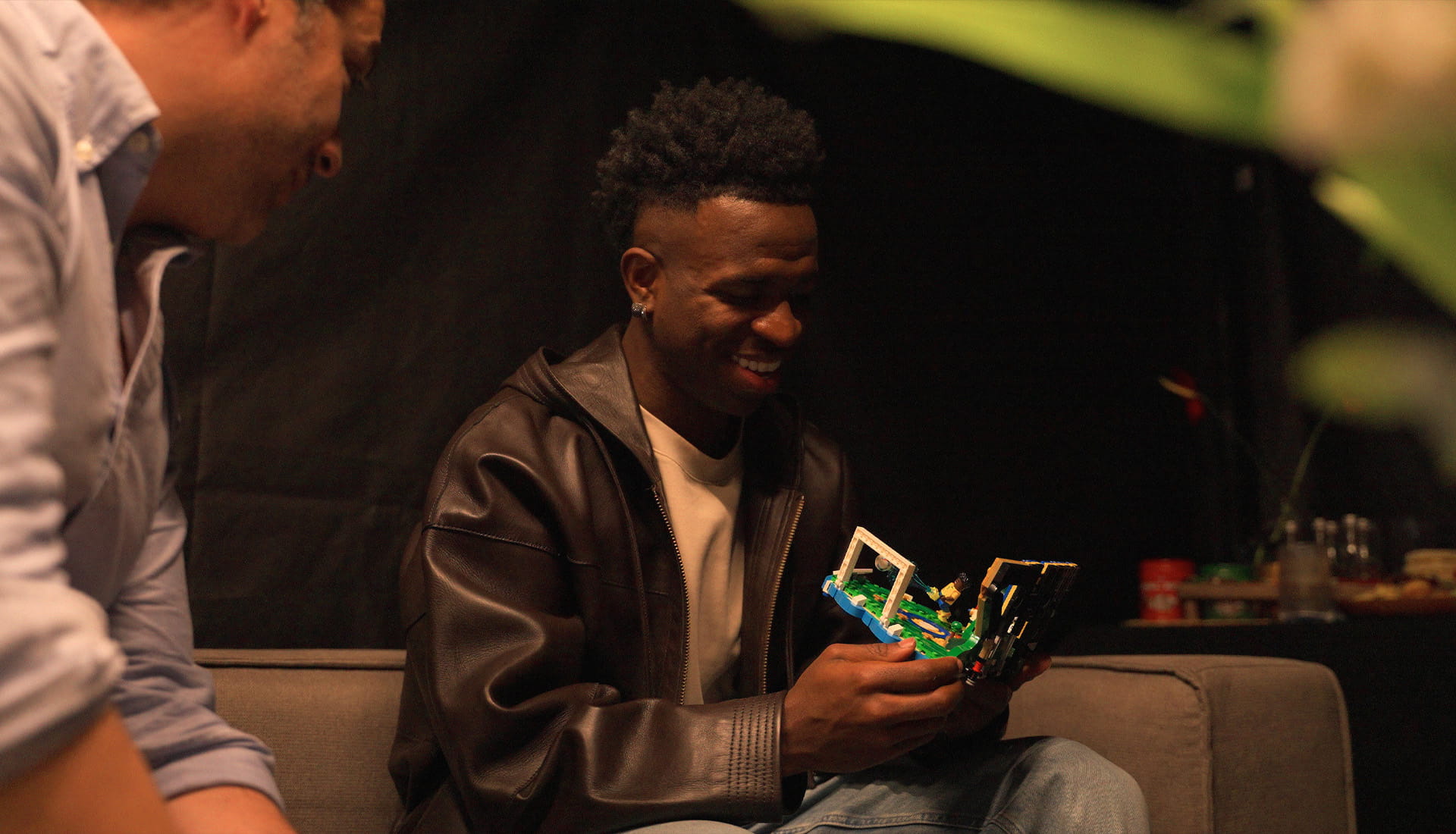

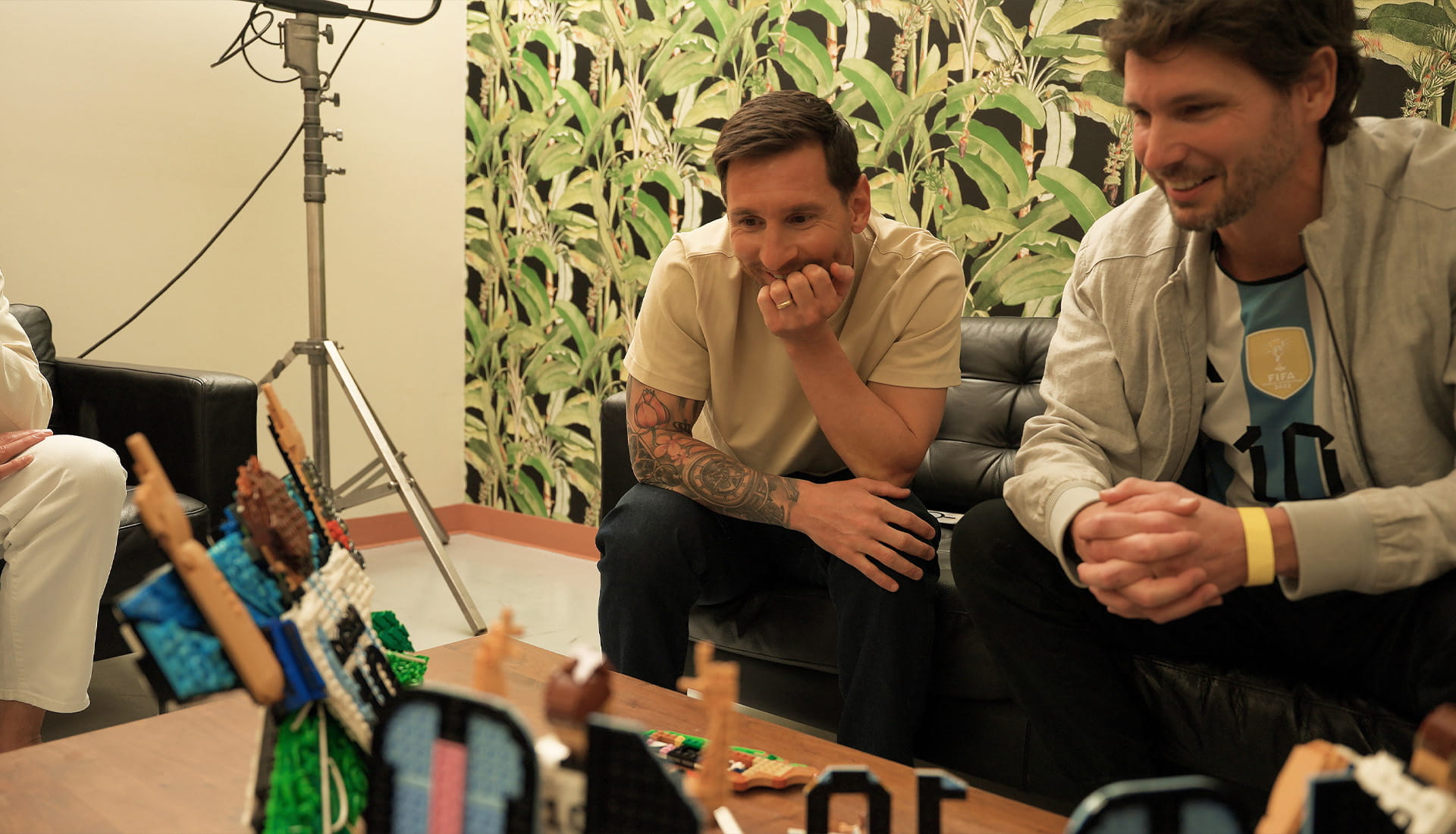
Football kits are symbols of national and cultural pride. How did you approach incorporating national colours, jersey numbers, and heritage references into the bases without them feeling literal or predictable?
Freddy: Rather than recreating current kits, we drew from iconic historical designs, using them as graphic inspiration. National colours became bold reinterpretations of football fields; jersey numbers appear as sculptural backdrops; heritage references emerge through brick-built landmarks. Some details are immediate, others reveal themselves gradually, which enriches the story.
Luka: We wanted each base to feel player-specific, so we moved away from standard square shapes. Instead, the pitch is cut into a dynamic silhouette built around the player’s initials. Using national colours as the pitch itself made the display more striking and more personal to each player.
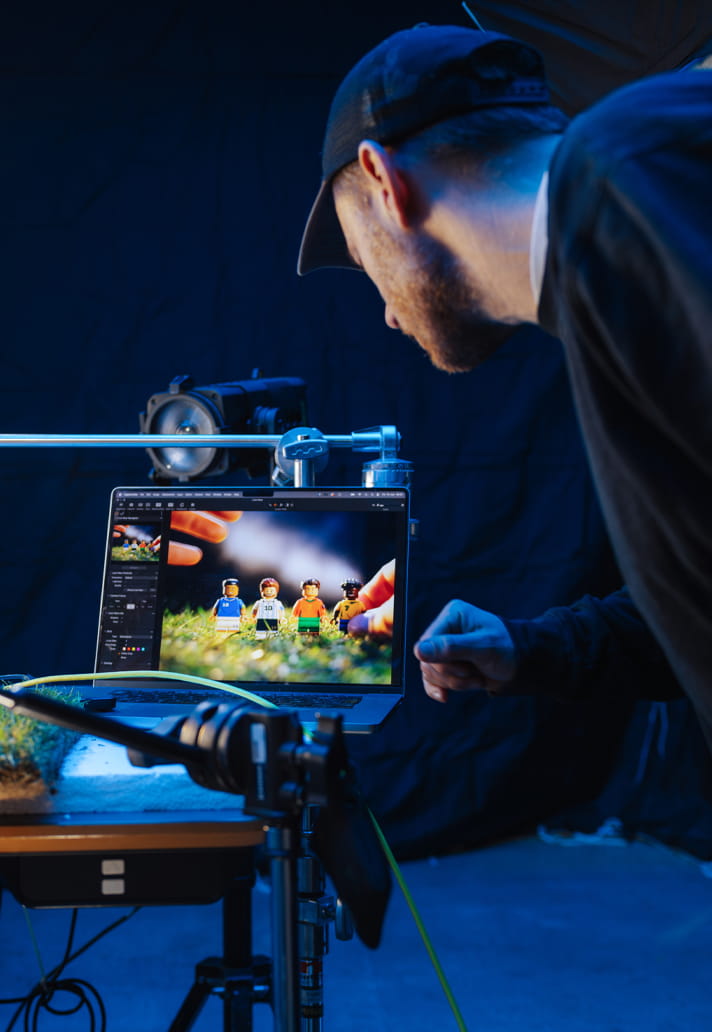
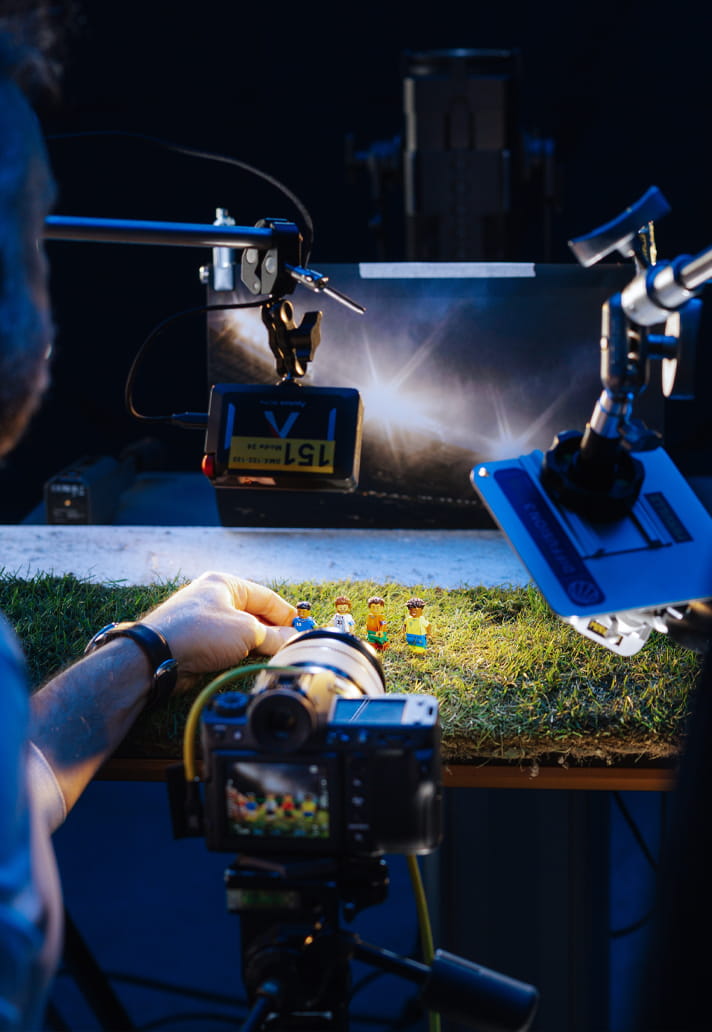
The sets include hidden Easter eggs tracing each player's journey. How do you choose what deserves to be immortalised in brick form?
Freddy: Each player has countless highlights. As a football fan, I had my own ideas, but we also collaborated with the players and their teams to identify the milestones that mattered most. Country and club were essential – one shaping who they are, the other shaping their careers.
We balanced overt references (national colours, numbers, landscapes) with more subtle Easter eggs hidden in the base so fans discover them during the build.
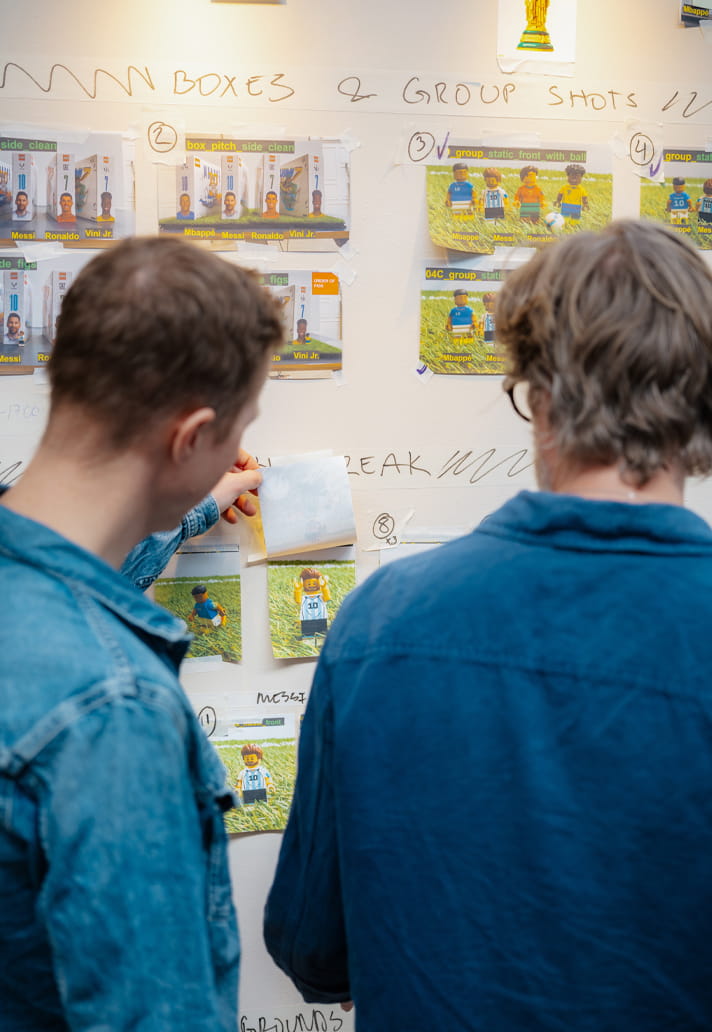
Luka: We began with huge reference boards for each player. I already knew a lot about Ronaldo and Mbappé, but the boards helped us prioritise. Most of the Easter eggs in my sets sit within the base to keep the build experience fun. For Ronaldo, I used chrome 1x1 studs to represent his 36 career trophies. In Mbappé’s set, fans build four small flags matching the colours and order of the clubs he has played for. It’s all about balancing meaningful detail with imaginative play.
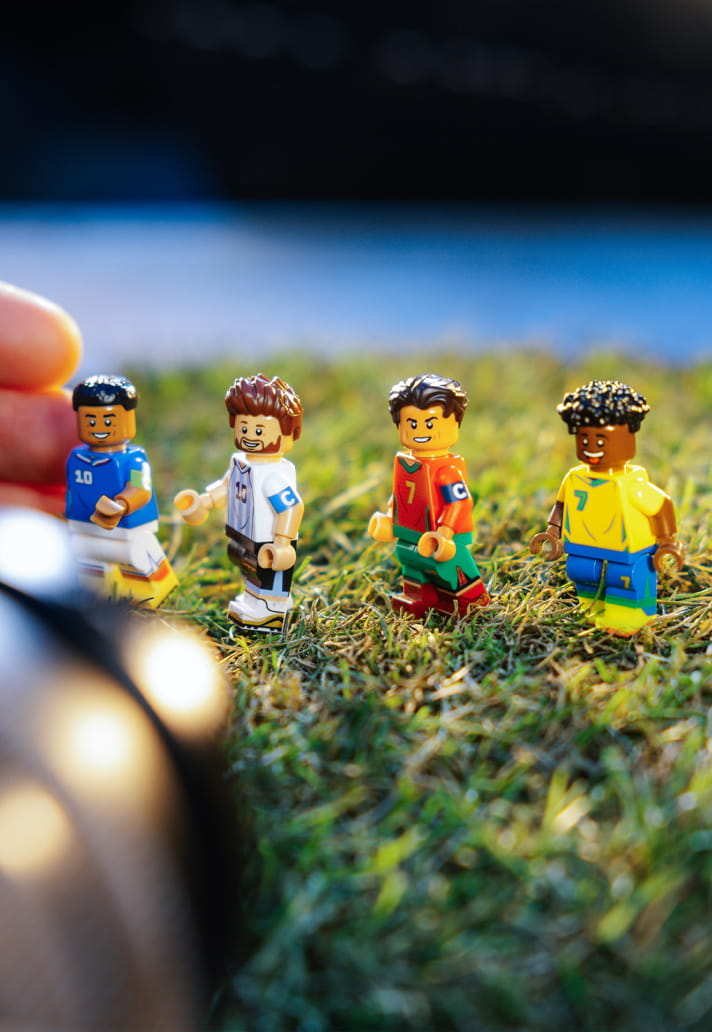
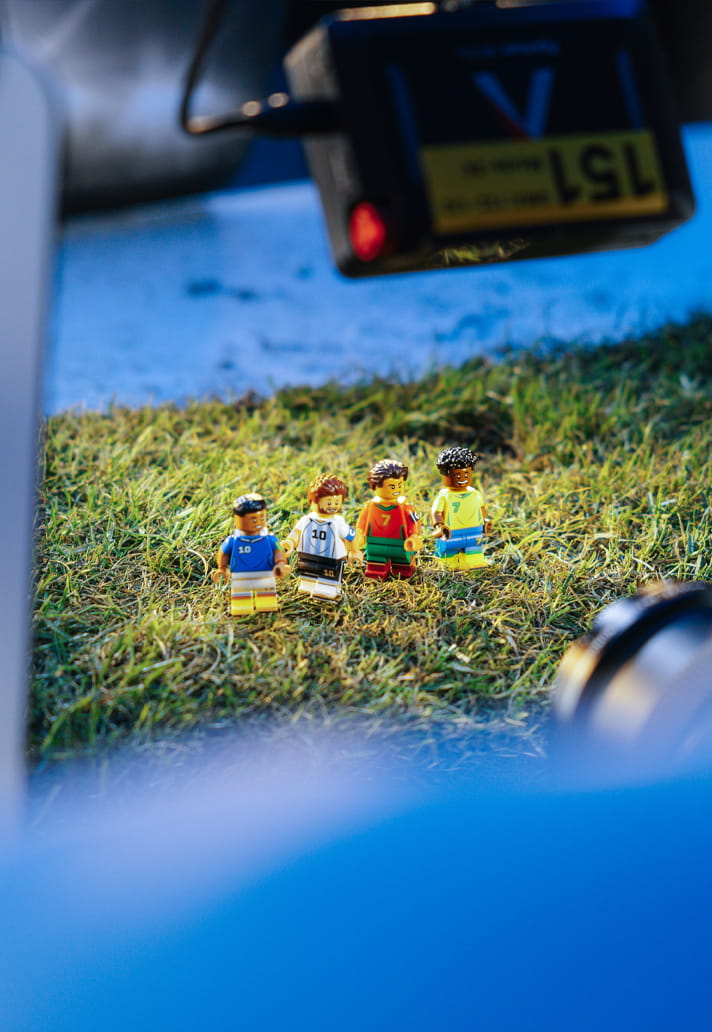
Football is fluid and expressive; LEGO is structured and grid-based. What were the biggest challenges in capturing iconic movements?
Freddy: The challenge was expressing energy within structure. We used bright contrails to visualise each player’s signature movement – Vini Jr.’s lightning pace becomes neon yellow bursts; Messi’s agility appears as darting pink dust trails. Small shifts in angles, layering, and offsets helped create the illusion of motion. Even a slight tilt in the minifigure’s torso can bring a scene to life.
Luka: Despite its grid, the LEGO System is surprisingly good at conveying motion. We combine multiple elements into fluid shapes, use mirrored triangles for dynamic bases, and position minifigures mid-air to enhance movement. A minifigure jumping for a kick instantly breaks the static feel.
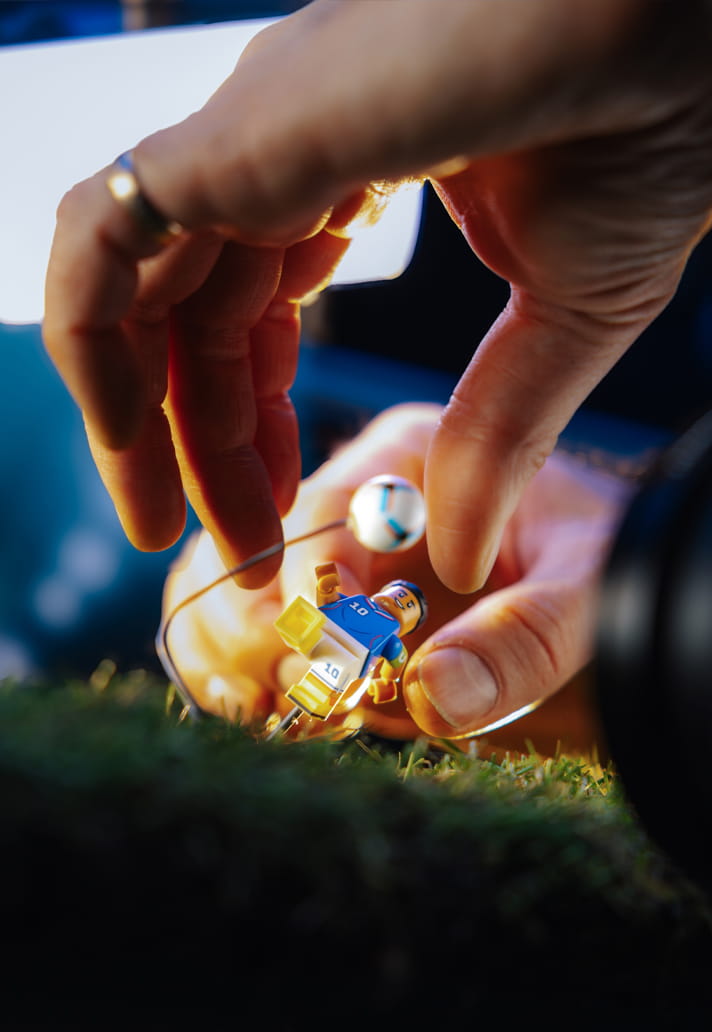
Young fans often discover players through highlight reels, gaming, and digital culture. How did this influence the sets for 2026?
Freddy: We essentially turned highlight reels into physical form – big moments, recognisable silhouettes, dynamic colour effects. The scenes read instantly, just like a clip online. We even took some inspiration from anime-style motion effects, which feel native to today’s digital environment. The goal was clear: kids should recognise the icon the moment they see the set, whether from a match or a viral edit.
Luka: The sets mirror the digital culture surrounding football: edits, reels, memes, high-energy graphics. The irregular shapes, vivid colours, and bold numbers echo that style. For Ronaldo, I fought hard to include his famous celebration face. It’s one of the most shared gestures in football culture, and when we showed it to his team, their reaction made it a definite “yes”.
These players are mythologised in modern football. How did you stay faithful to their legacy while still making the sets uniquely “LEGO”?
Freddy: We began with the traits fans instantly associate with them. LEGO minifigures naturally simplify, so we focused on distinct decorations, accurate hairpieces, and strong silhouettes. The dioramas allowed us to exaggerate movement and create more dramatic brick-built poses, remaining true to the players while embracing LEGO expression.
Luka: For players who’ve changed their looks over time, it was tricky. We chose the most iconic version of each player – the one fans would identify immediately. Hair was a major discussion point; we shortlisted elements and let the players’ teams choose what felt most authentic.
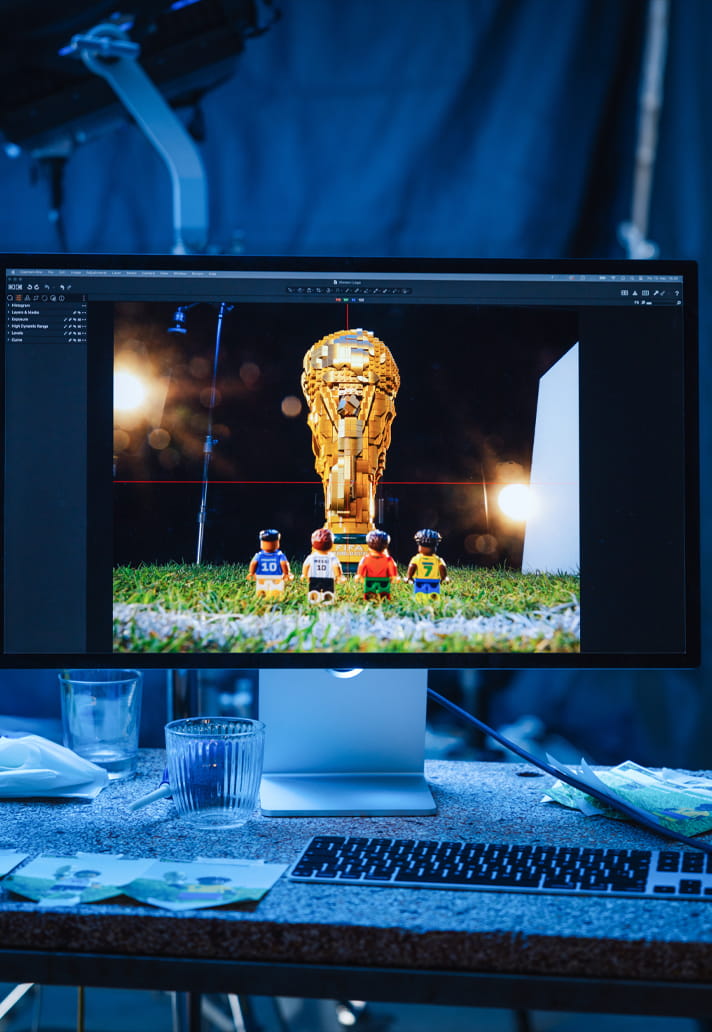
LEGO Editions wants to connect young people with their passions. What does LEGO bring to football culture that traditional memorabilia doesn’t?
Freddy: Traditional memorabilia preserves a moment; LEGO lets you build one. The process of assembling the set brick by brick creates a personal connection to the player’s story. Once built, it can still sit proudly on display, but it also invites play – fans can relive moments or create new ones. It becomes both a tribute and a creative platform.
Luka: LEGO bricks are tools for creativity, and football is a creative sport. I hope fans see the link. These sets are display pieces, but they’re also invitations to play. Maybe someone discovers a new tactic or recreates a legendary move. As someone who grew up playing football in Croatia, working on these sets was a dream. I can’t wait to see how fans remix and reinvent them.
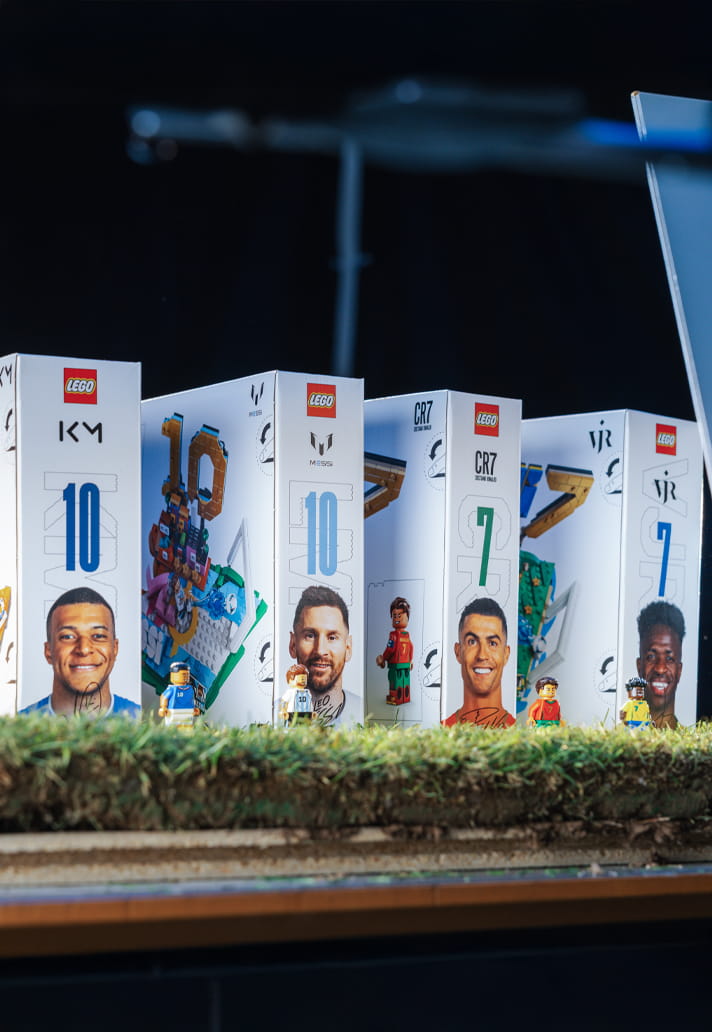
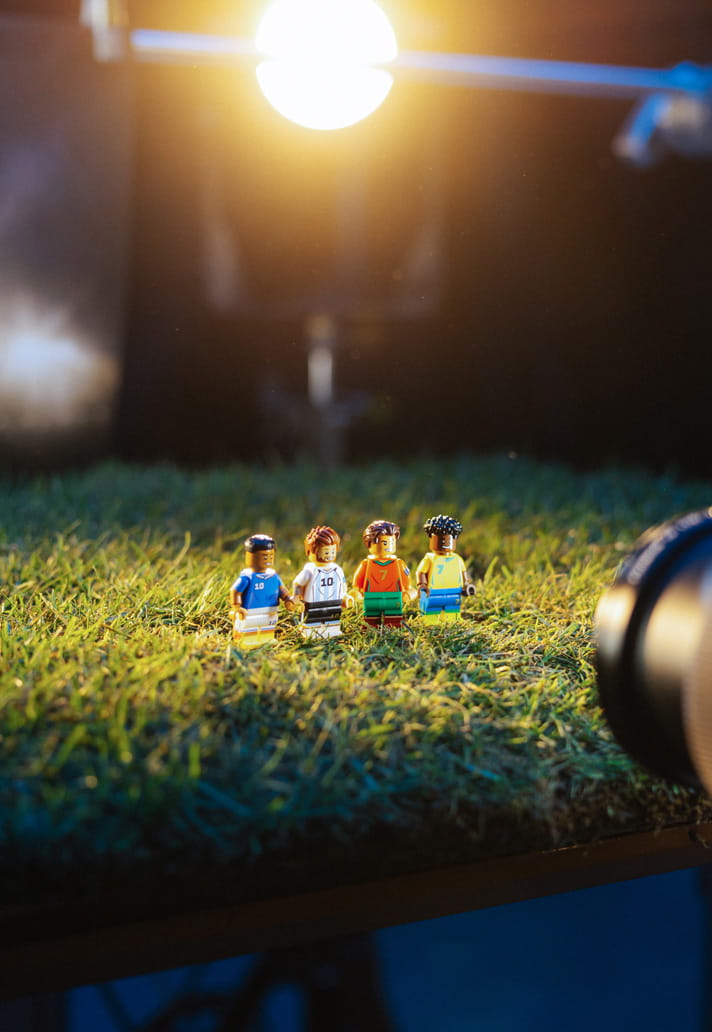
Imagery courtesy of LEGO.
The six LEGO Editions building sets are available for pre-order now at LEGO.com/themes/editions