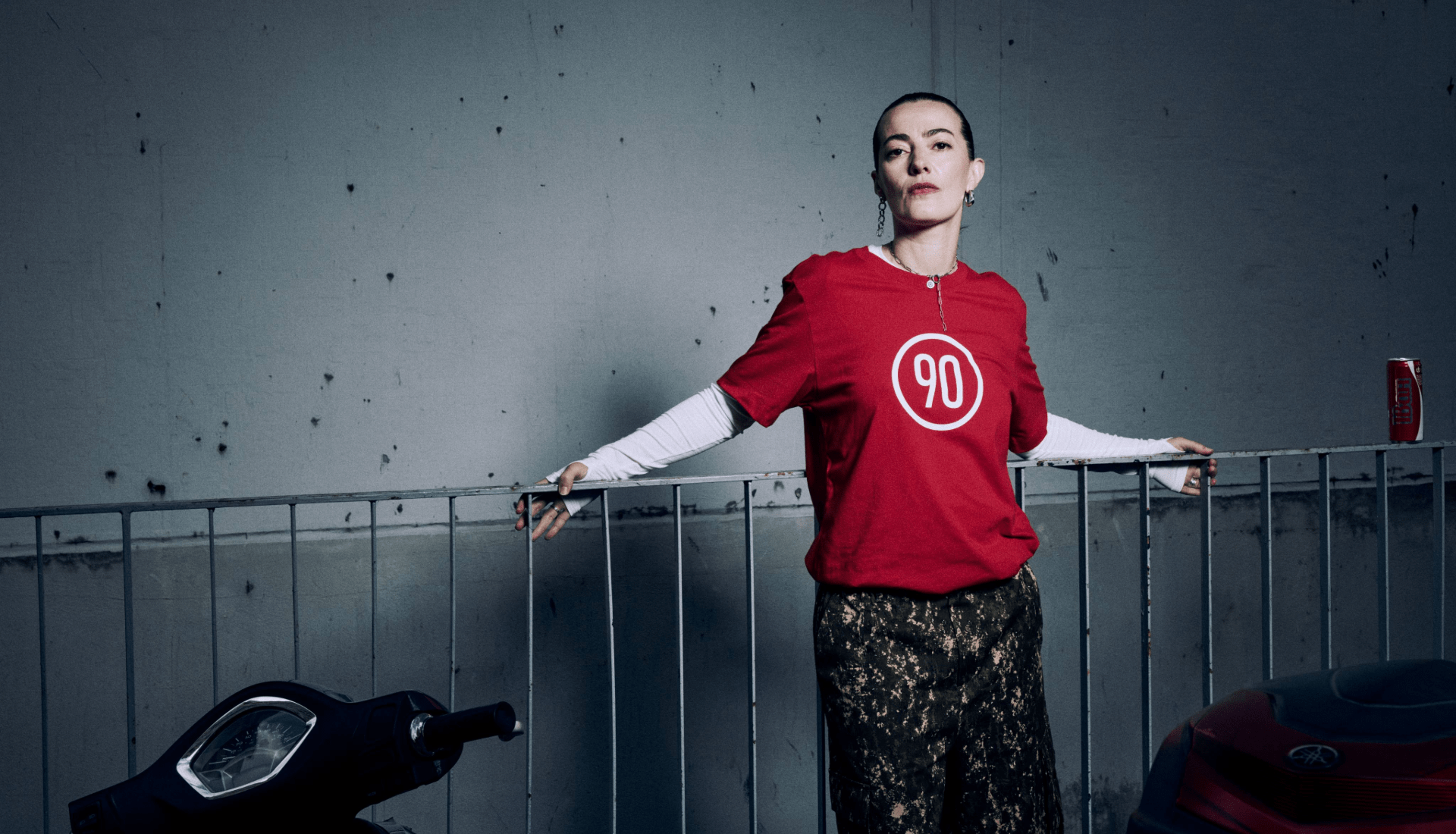
For the fifth part of our Concrete Gaucho series, we sit down with Fati Rouina – founder of women’s team Cacahuètes Sluts. For more than a decade, Fati has merged football with art, music, and fashion, creating space and visibility for women, LGBTQ+ communities, and minorities through the game. Fierce in both name and spirit, the team embodies Paris’ unapologetic creativity.
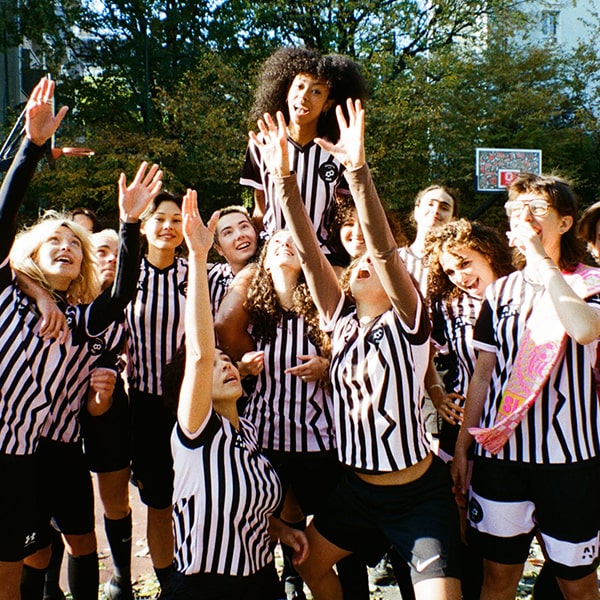
Paris has always been a playground for self-expression, a city where football meets fashion, art collides with music, and identity finds its loudest voice on concrete pitches tucked between tower blocks. At the heart of that energy sits Fati Rouina. For over a decade, she’s been building Cacahuètes Sluts – a women’s football team that’s as unapologetic as its name suggests. More than just a squad, it’s a movement. A DIY space where women, LGBTQ+ communities, and minorities rewrite the rules of the game with creativity as their compass.
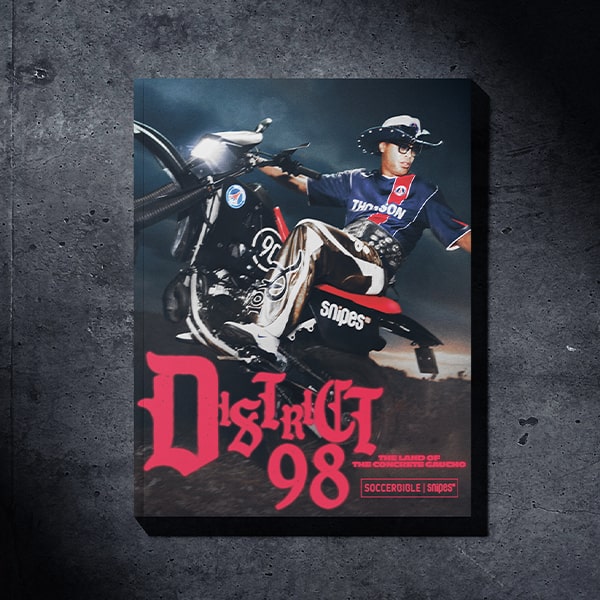
For the fifth chapter of our Concrete Gaucho series with SNIPES, we step into Fati’s Paris – a world where football is culture, kits are art, and playing the game is an act of empowerment.
Can you tell us about your creative work, and how Cacahuètes Sluts came to life?
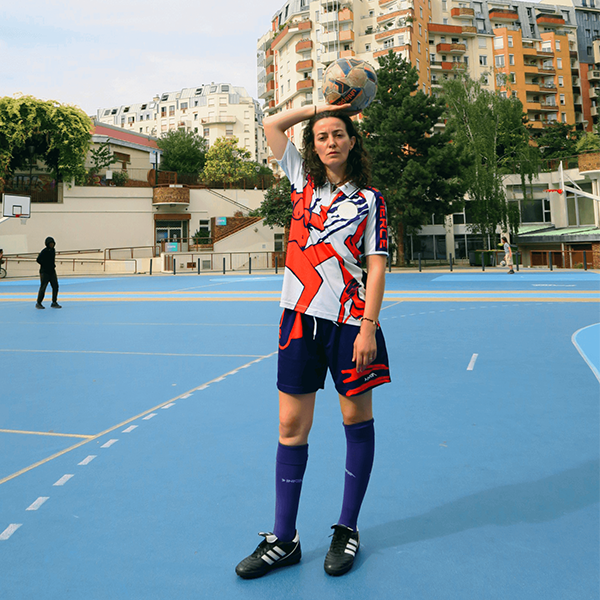
I’m Fati Rouina – you can call me Fati – founder, creative director, and curator of Cacahuètes Sluts, a women’s football team based in Paris. For the past 12 years, I’ve collaborated with artists to design our kits, scarves, events, and tournaments – moments where football collides with culture, fashion, and women’s empowerment.
Beyond the pitch, I work across projects that reimagine football culture through art and creativity. I’m always asking how football can act as a voice – to celebrate the LGBTQ+ community, to give visibility to minorities, and to create spaces for joy and self-expression.
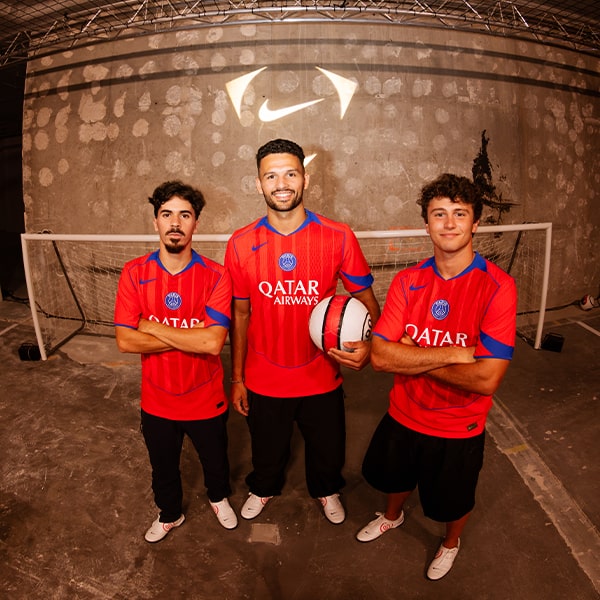
Our latest project, Peanut Supporter, was in collaboration with Gram, a well-known Parisian restaurant, and Nike. I produced and directed the shoot, which brought together food, sport, and football into one story.
Cacahuètes Sluts was born from the idea of freedom – playing the game our way, as women, while merging it with the things we love: music, art, culture, and fashion. We wanted to empower women on the pitch and showcase Black, Arab, and LGBTQ+ communities in a bold, dynamic way. Even the name is part of that spirit. “Cacahuètes” means peanuts, and “sluts” doesn’t need translating. It’s unusual, it sparks curiosity, and yes, it’s provocative – but it’s also an act of reappropriation. We’ve taken a word often used against women and made it our own: powerful and unapologetic.
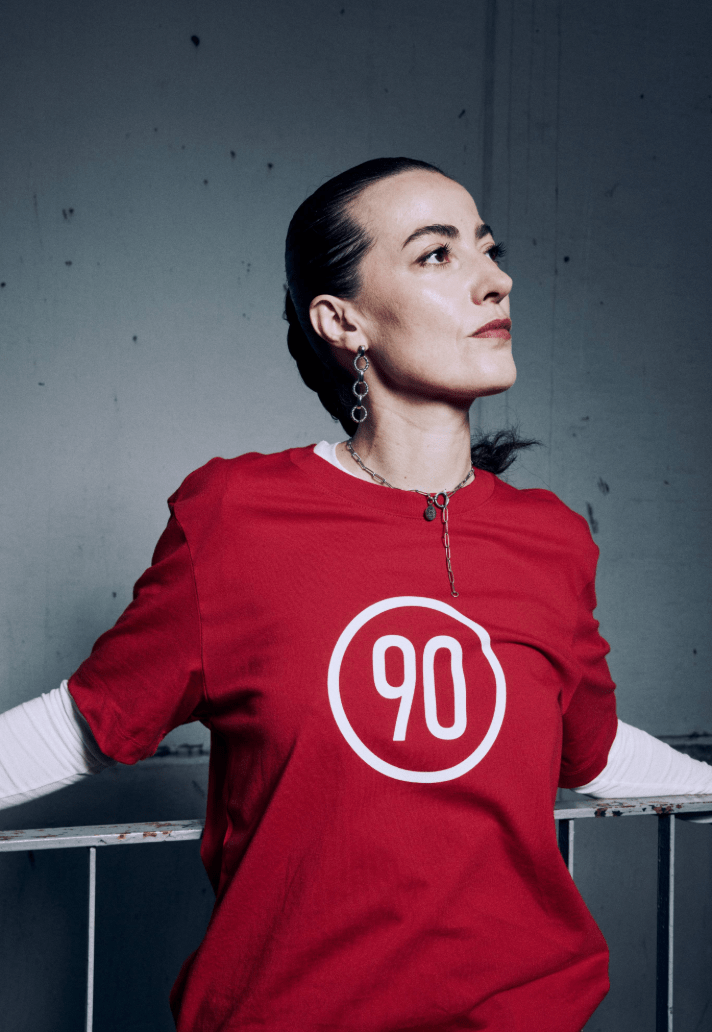
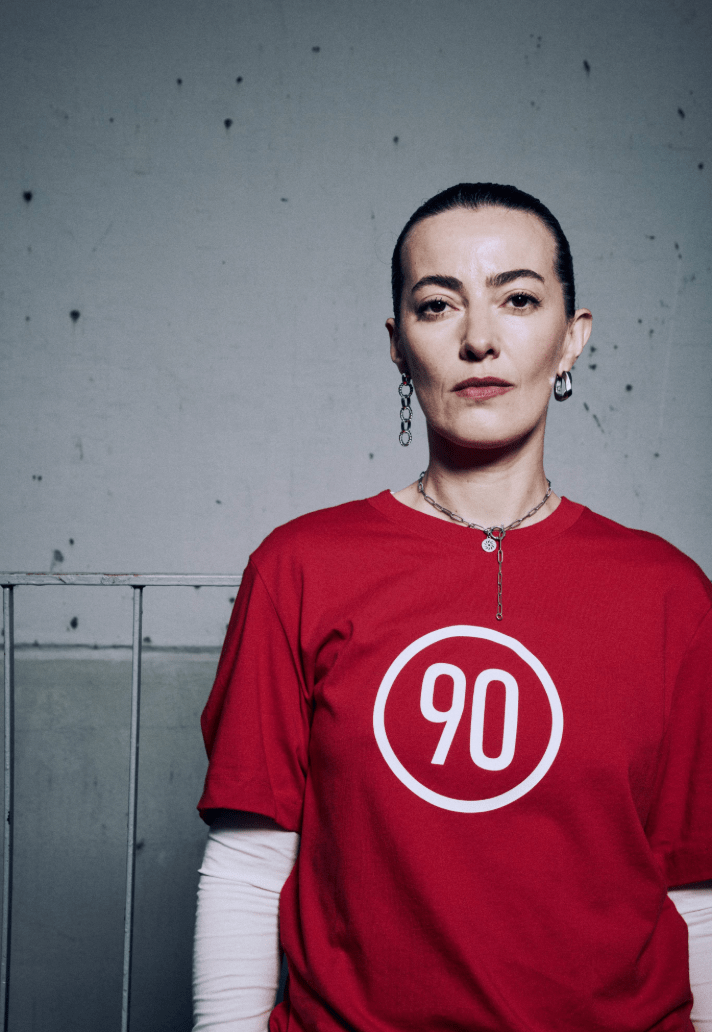
How did your love for football first begin?
I don’t know if I chose football or if football chose me. My earliest memories are of playing in the streets of Algeria with my cousins – boys and girls together – when I was four or five years old. Football has always been part of my identity, a place where I felt comfortable, powerful, and free. That freedom has shaped my creative vision too, allowing me to mix cultures and influences – like designing kits that combine skateboarding with football, or blending painting and the game.
What feels different when you’re playing football compared to working creatively?
When I play, I’m completely present – nothing else matters. That emotion and energy carries back into my creative work, fuelling my direction and designs. Growing up with street football culture taught me resilience, collaboration, and bold expression. You don’t wait for permission – you carve your own space and style.
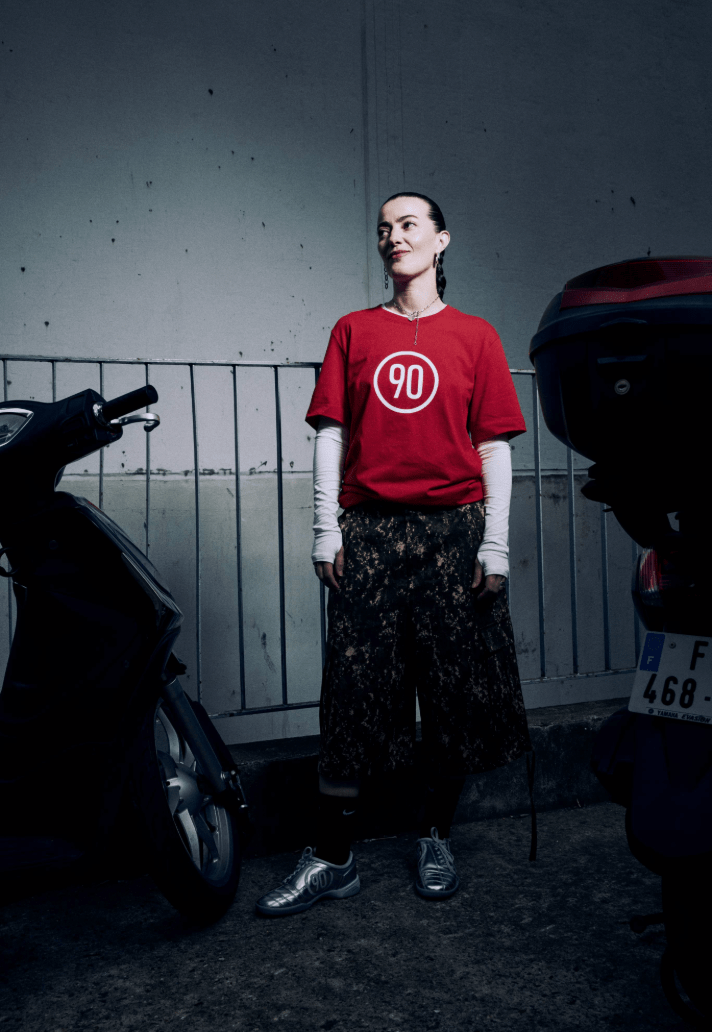
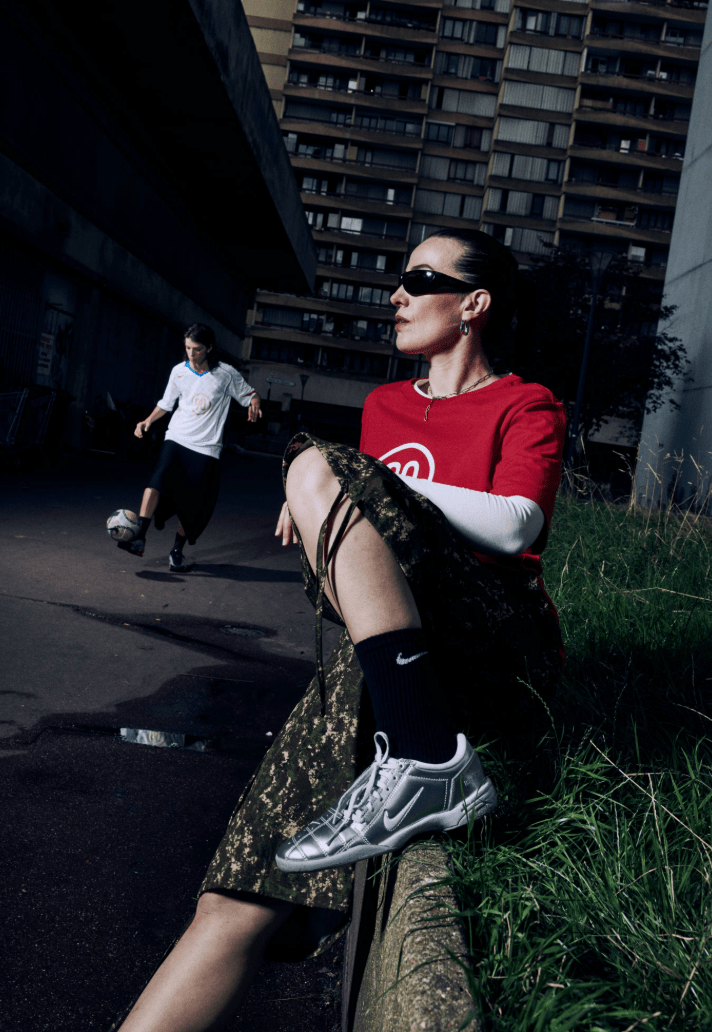
How would you describe Paris’ pick-up football culture right now?
It’s multicultural, vibrant, and ever-evolving. Over the past decade, there’s been an explosion of grassroots teams – some competitive, others purely for fun or community. The names, kits, and styles of play are increasingly creative, and women’s and LGBTQ+ football especially has grown massively.
You feel it most in certain districts – especially in the north – and in “city stades,” those small five-a-side pitches wedged between apartment blocks. They’re cultural microcosms, shared with basketball or tennis courts, where you’ll see all ages, genders, and backgrounds mixing together.
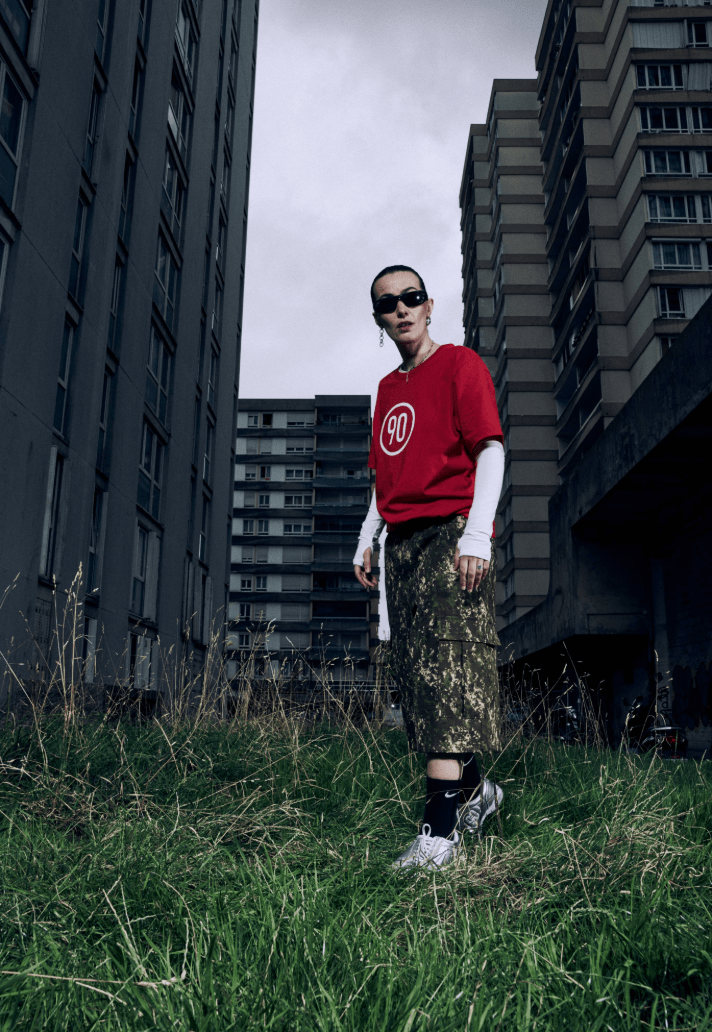
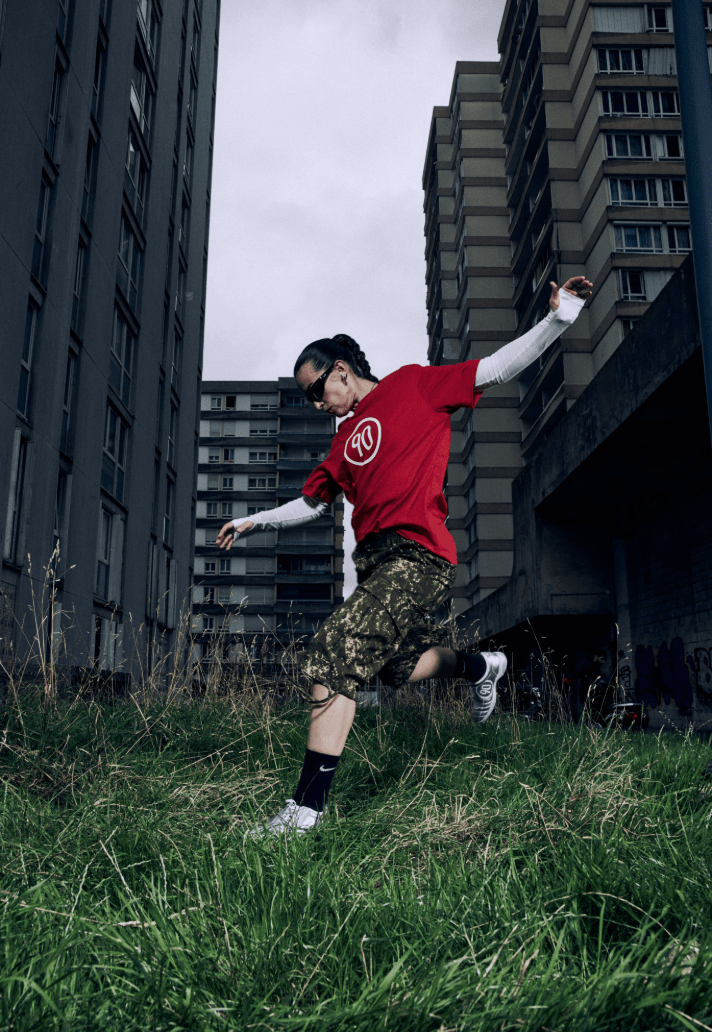
Does that diversity come alive on the pitch?
Absolutely – especially in women’s football. You’ll find a real mix of colours, genders, generations: parents, kids, teenagers all together. Men’s games often attract more fans, but women’s community football has this richer, more varied mix. Football is a universal language – it connects people who might otherwise never meet, cutting across religions, regions, and creative worlds.
How has football shaped your creativity and career?
It’s expanded my social and creative circles massively. Football introduced me to photographers, designers, and musicians I wouldn’t have met otherwise, and it’s influenced how I think about style, movement, and community. It’s not just about the game – it’s about the emotions it sparks and the spaces it opens up.
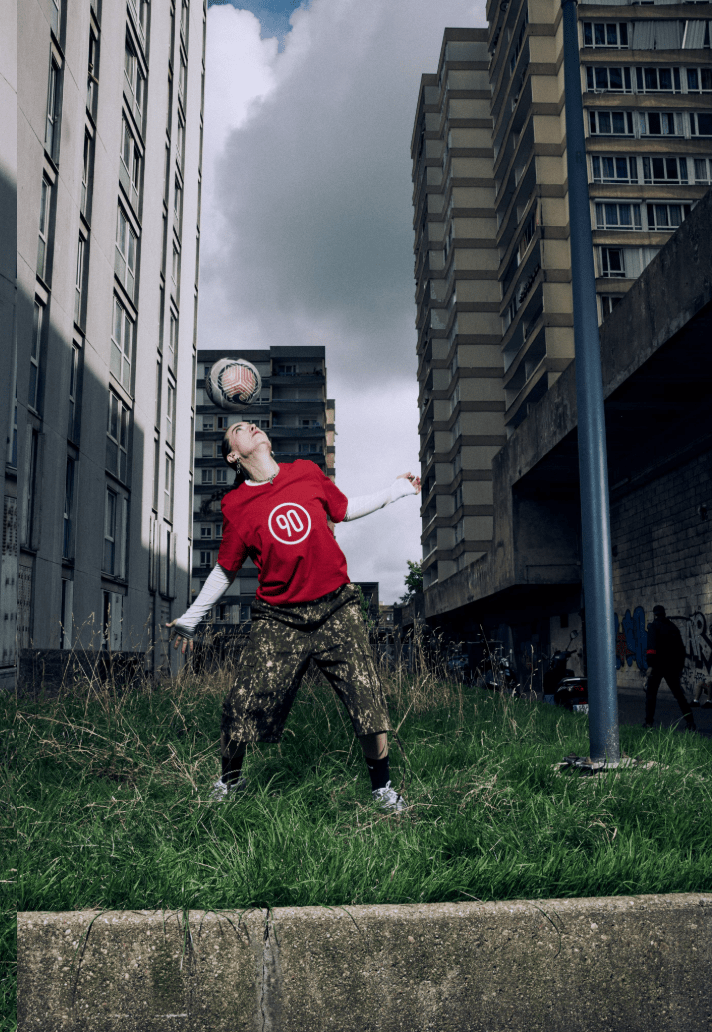
Paris is famous for its fashion-football crossover. How does that show up in your own life?
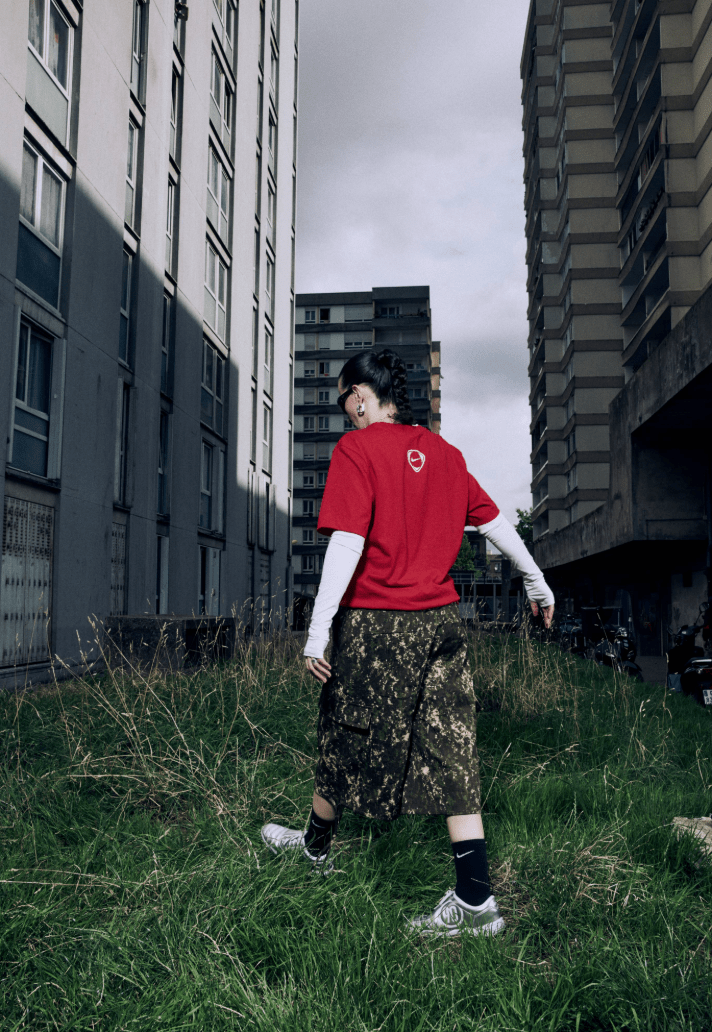
Everywhere. On the streets you see it daily – jerseys mixed with jeans, shorts, or tailored jackets. For me, it’s been part of my personal style for years. I’ll wear a jersey to a party or a restaurant, not just the pitch. It’s a statement, a celebration of culture.
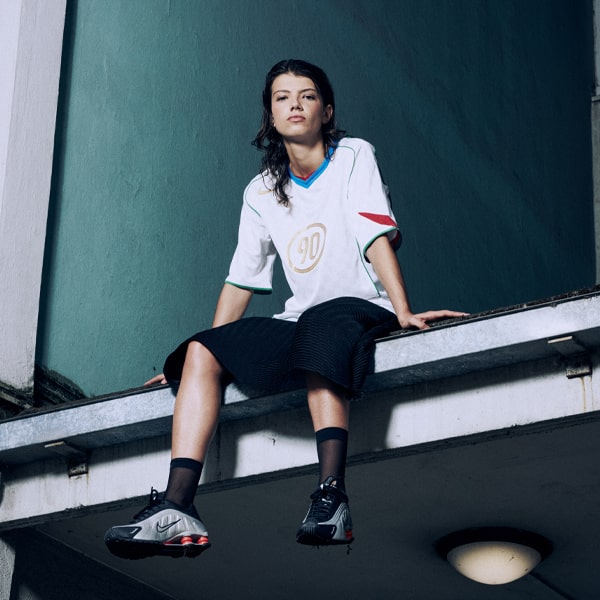
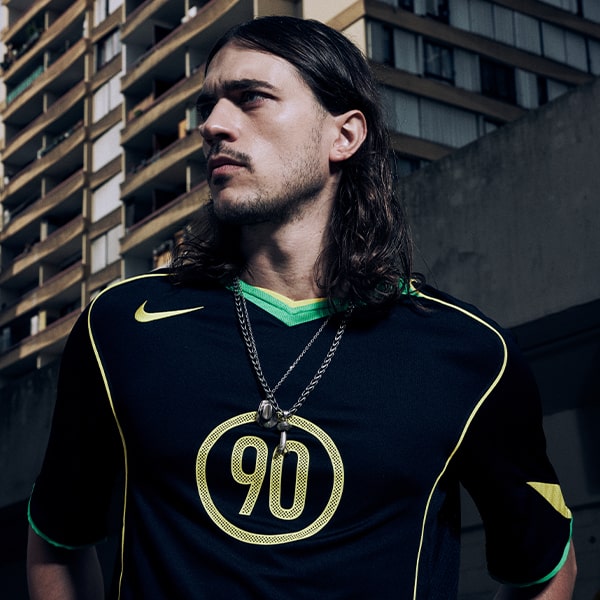
Certain moments shaped that for me: the Total 90 era, the 1998 World Cup when France won, the magic of Brazil’s joga bonito. As a kid, I wore the yellow Brazil shirt everywhere – it wasn’t just a kit, it was a whole culture.
The Saint-Ouen flea market was another influence. You’d find football boots, kits, sneakers, and streetwear there. People dressed in full colour-matched outfits – green, red, blue – with caps and tracksuits. That visual energy has stayed with me and still inspires how I put outfits together today.
If you could capture the feeling of playing football in Paris in one word or image, what would it be?
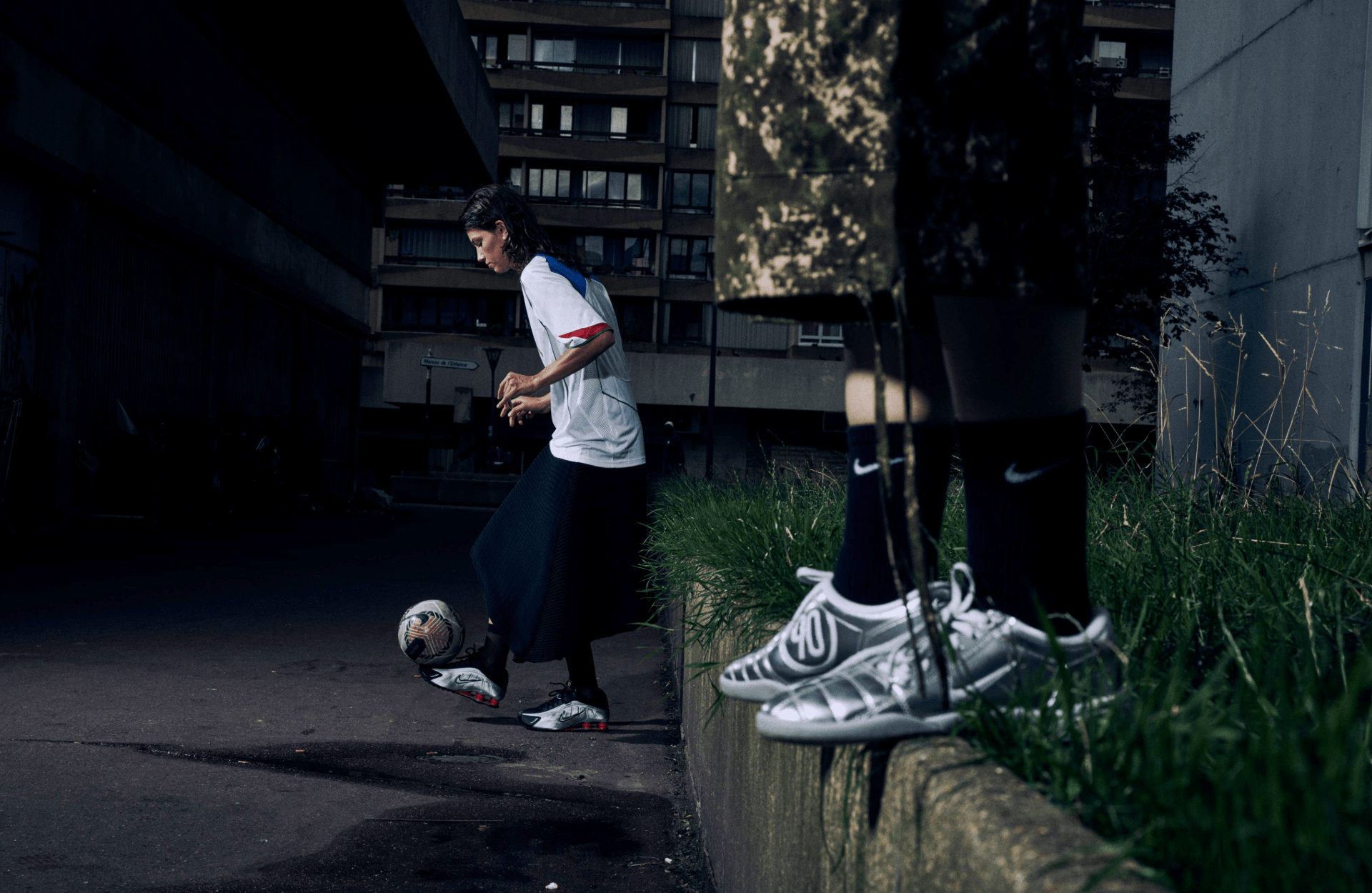
“Crafted in-house.” Something handmade, pure, and authentic. In Paris, people build their own teams, their own kits, their own spaces. Events aren’t always tied to brands or sponsors – they come straight from the community, from love of the game. That DIY culture is its beating heart.
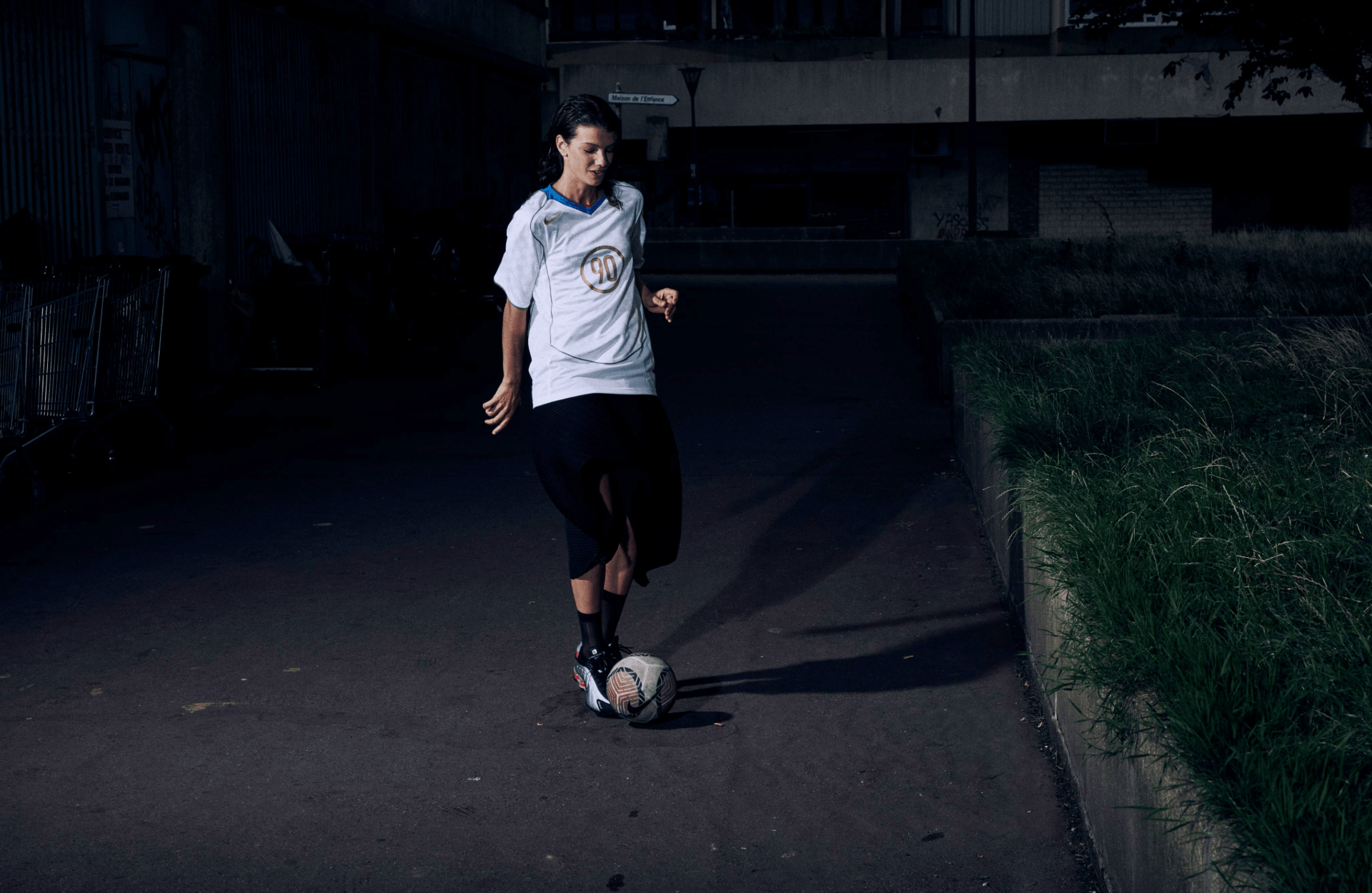
The PSG 2004/05 T90 jersey is available now in limited quantities at official PSG stores and on store.psg.fr