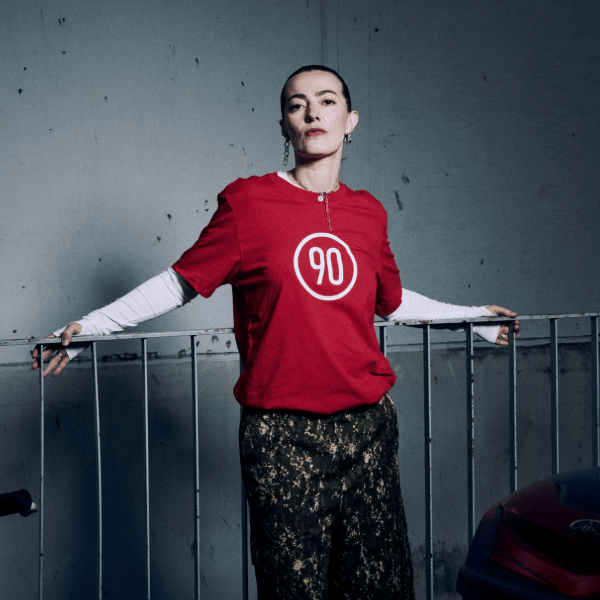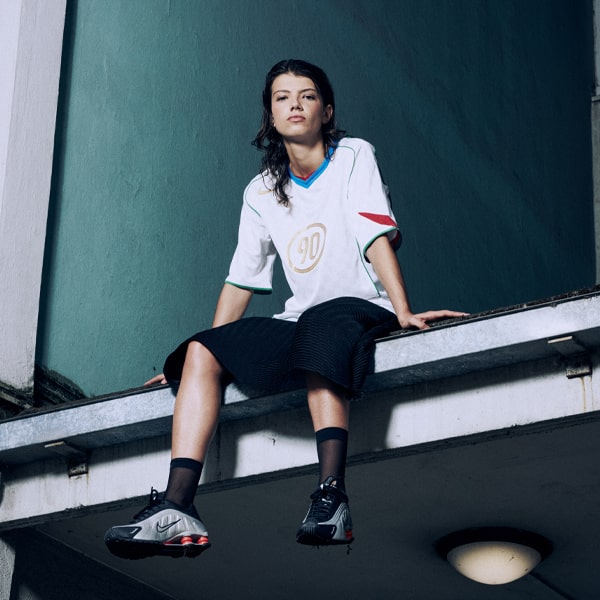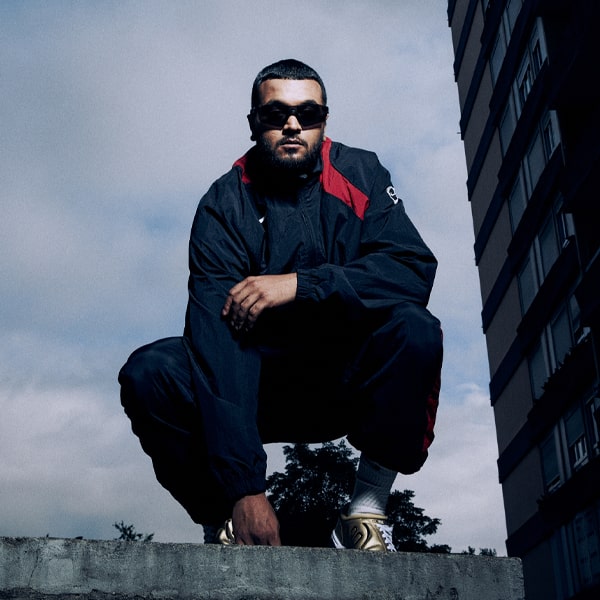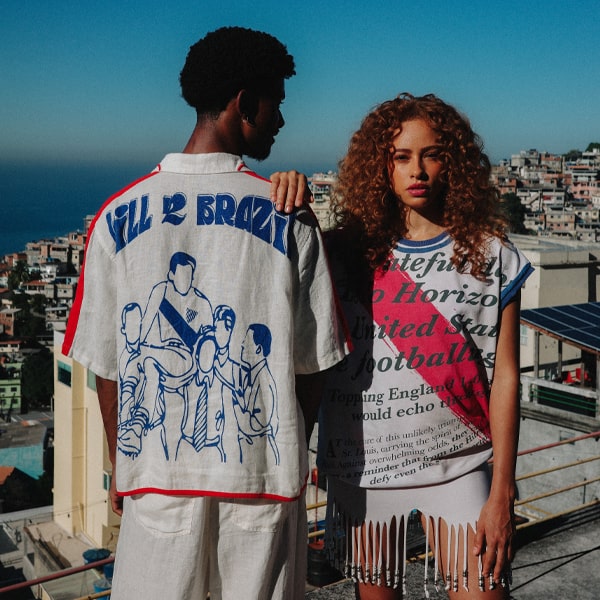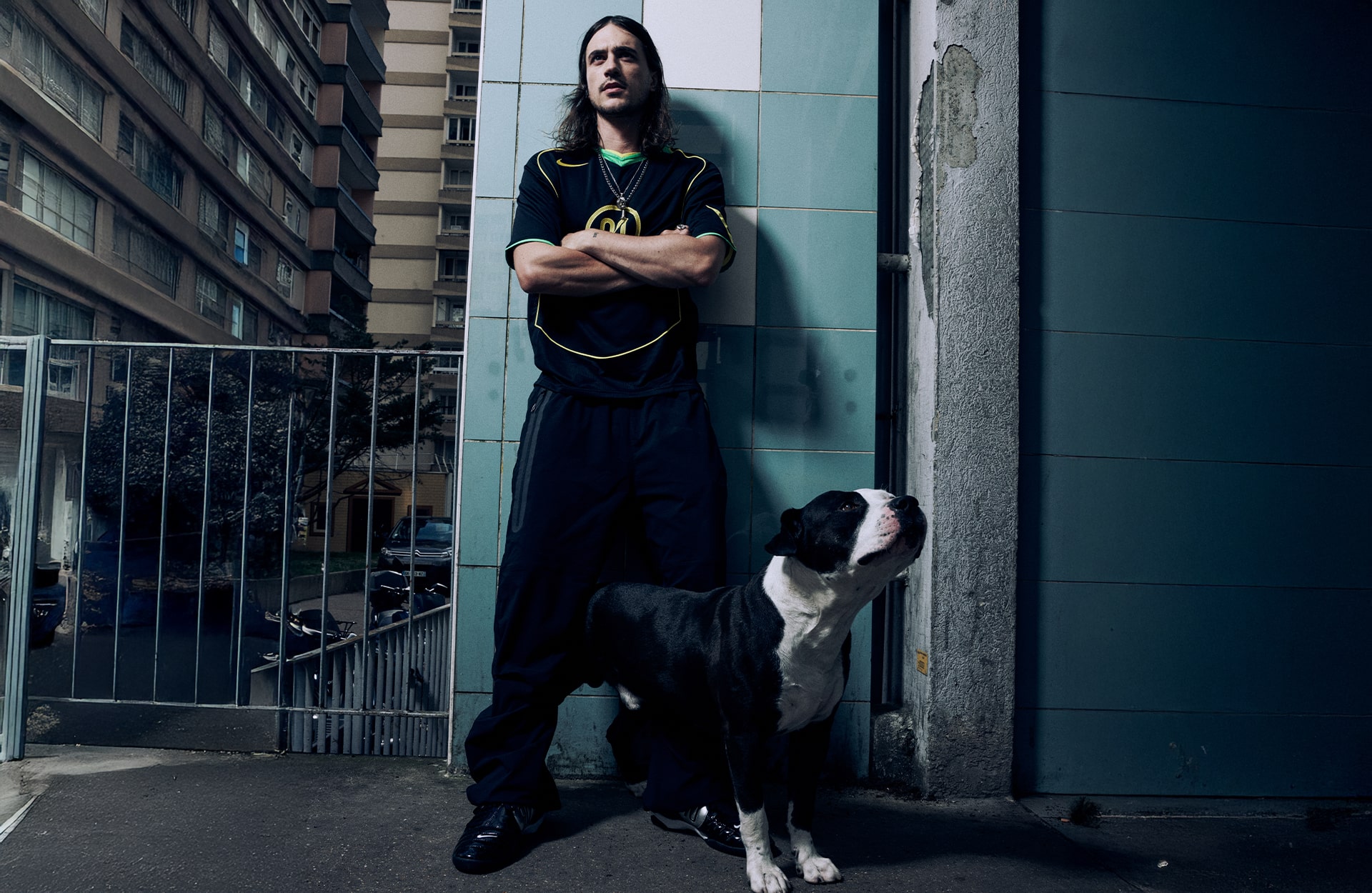
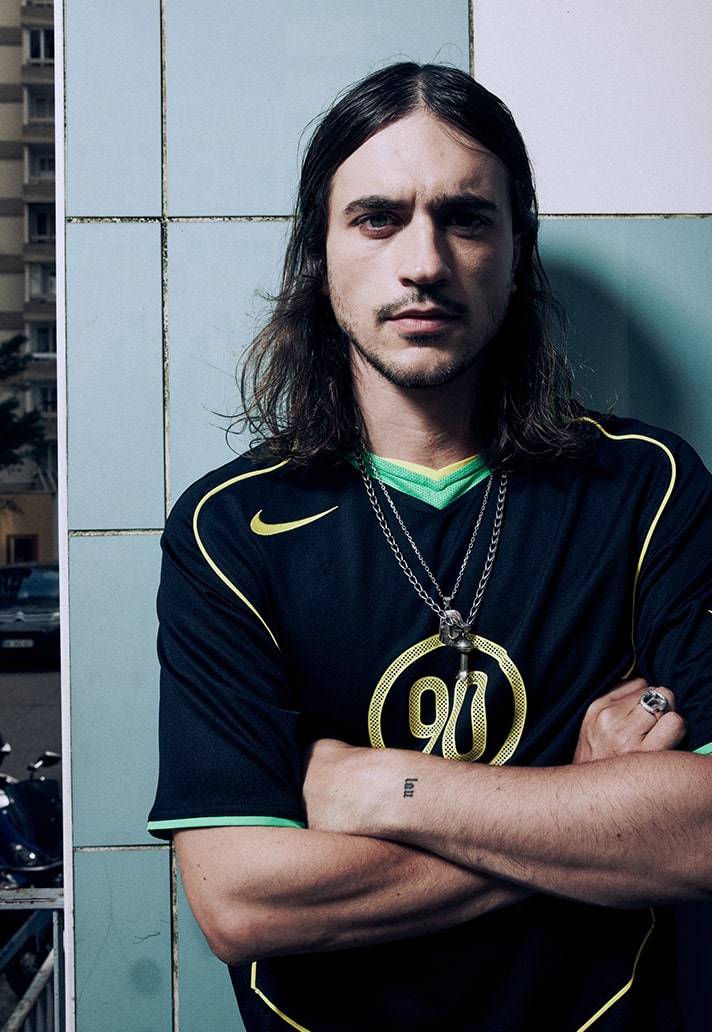
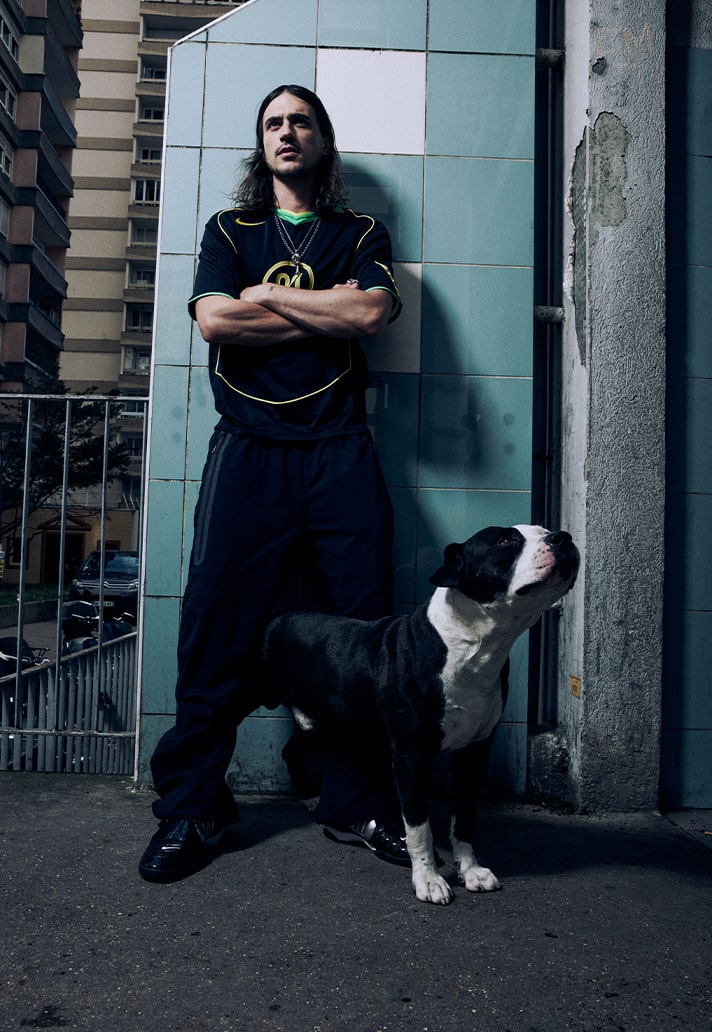
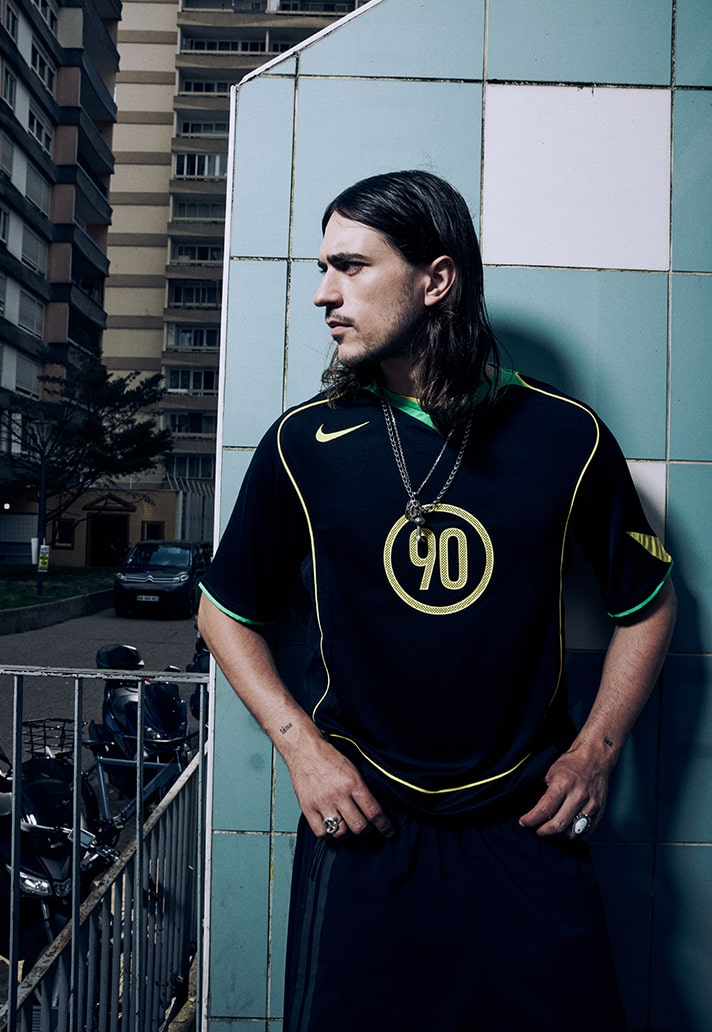
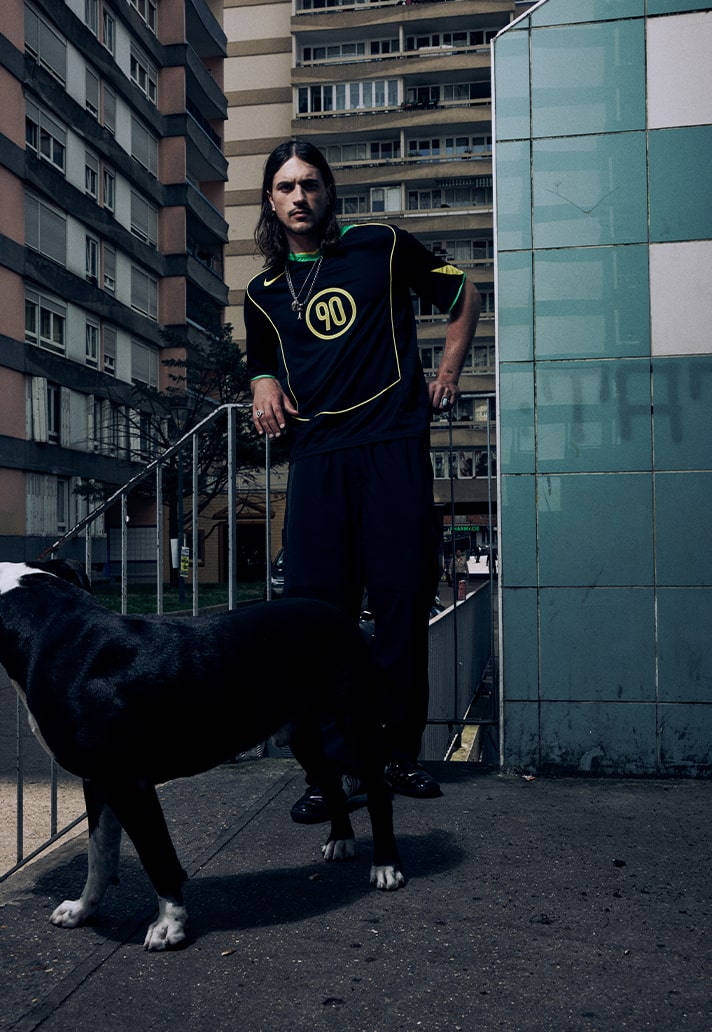
Paris has always written the rules of style, but right now it’s the streets rewriting the story. For this chapter of our Concrete Gaucho series with SNIPES, we connect with fashion creative Louis Castex—a voice from the banlieues who has carved out his place in the capital’s fashion scene.
Paris is a city that sets the tempo for how the world dresses. It’s a place where elegance and grit, luxury and banlieue energy, co-exist on the same streets and bleed into each other’s rhythm. Having come of age in the Total 90 era, Louis Castex – a figure that embodies that crossover – carries with him the memory of when football boots and campaign films shaped an entire generation. Now rooted in Paris, he’s carved his space in the fashion scene, witnessing first-hand how the game has jumped from pitches to runways, from cage football to couture. His perspective is one of lived experience: from the suburbs that influence Paris, to a capital that influences the world.
This is a conversation about football’s evolving style language, the role of Nike as a cultural bridge, and why today’s footballers are as comfortable on the runway as they are on the pitch. A perfect fusion of banlieue culture and high fashion—Louis Castex stands at the heart of it.
Can you tell us about your role in the fashion industry and how you became part of the Parisian scene?
I arrived in Paris a little over five years ago. At first, I was working in retail for different clothing brands and shops. Through connections and opportunities that came my way, I transitioned into being a model. That opened the door for me to really find my place in the Paris fashion world.
How would you describe the fashion culture in Paris right now? What makes it distinct from other global cities
There’s a true culture of aesthetics and beauty in Paris, and I think that’s why fashion holds such importance here. On top of that, Paris is the birthplace of so many designers and luxury houses - it really is the fashion capital. In France, we have a phrase: “the suburbs influence Paris, and Paris influences the world.” I don’t think there’s anything truer than that. The bridge between the culture of the suburbs and the luxury of Parisian maisons gives Parisian fashion its unique strength.
Paris has always been a powerhouse of style - how does the streetwear side of fashion here sit alongside luxury fashion?
For a few years now, we’ve seen football being integrated into fashion—whether in collections or editorials. Players like Beckham or Ronaldinho were pioneers; they opened doors. Without them, figures like Jules Koundé wouldn’t have the space they do today.
Football has become a huge cultural force in fashion. How big of a role does the game play in shaping what people wear in Paris?
It’s huge. I think it’s important for athletes to free themselves from being seen only as “sportspeople.” When they move into spaces like fashion, it makes them more accessible. People find it easier to identify with them beyond the pitch.
Players like Ronaldinho changed the way people saw footballers as style icons. How do you think athletes influence trends differently from traditional fashion figures?
More and more young players are taking an interest in fashion now. They have stylists, they’re invited to shows, they take part in editorials. Jules Koundé is a clear example, as is Héctor Bellerín. Players like them have made the crossover feel completely normal.
Do you see modern players today breaking boundaries in fashion the way Ronaldinho and others did in their own era?
Definitely. The difference is that today it’s almost expected. The new generation of footballers naturally wants to express themselves through style, and fashion has embraced them in return.
Nike has long been a cultural force in both football and fashion—what kind of impact do you think they’ve had on Parisian style?
I worked in retail for several years, so I’ve seen firsthand the impact Nike has. Everyone talks about Nike - whether you’re in the suburbs or in central Paris. Nike acts as a kind of social bridge between the two worlds, making fashion more accessible. Collaborations with brands like Comme des Garçons are a perfect example of that.
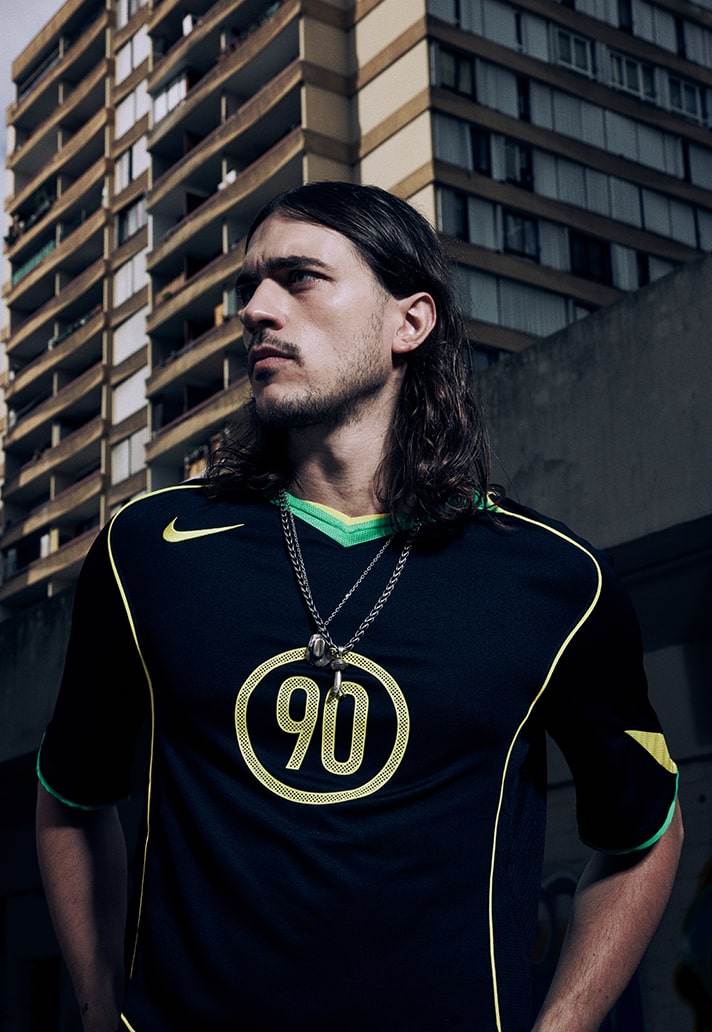
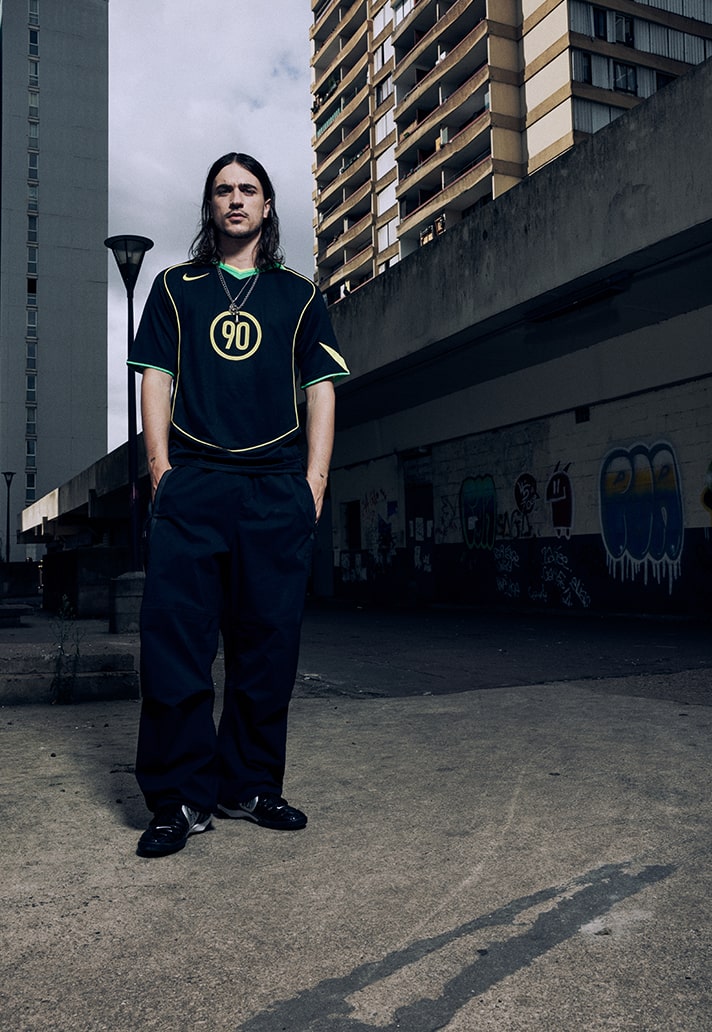
The Total 90 era left a mark on a whole generation. What does T90 mean to you, and do you see echoes of that aesthetic coming back today?
I grew up with Total 90 and those ads—they were the best football ads ever made. Sadly, you don’t see that kind of magic anymore. But in the last two or three years, I’ve noticed young designers revisiting old Nike shirt designs, and a lot of photographers and directors drawing from the look of those campaigns. For about ten years, Nike’s adverts were just incredible—whether it was Thierry Henry at home, Joga Bonito, or La Cage. They set the bar.
Are brands in Paris intentionally pulling from those nostalgic football moments like T90, or is it a more natural influence?
It feels natural. Our generation - and even the one before us - grew up with Nike, their shirts, and their ads. Now that we’re the artists, we’re simply expressing what we admired when we were younger.
Retailers like Snipes hold a lot of power in shaping what’s accessible and aspirational. How do you see their influence on Parisian fashion culture?
Retailers like Snipes are really important because they make fashion culture more accessible. They’re more dynamic and attractive than traditional specialist stores, and they know how to connect with the youth.
Do you think the way retailers and brands collaborate now makes fashion feel closer to football culture than ever before?
Absolutely. When I was at school 15 years ago, I wasn’t even allowed to wear football shirts or tracksuits. Now it’s totally normal. That shift shows how far things have come. Today, it’s not unusual to see a woman wearing a pair of Total 90s with a Comme des Garçons skirt and a vintage football shirt. A decade ago, that was unthinkable.
What excites you most about the future of football meeting fashion in Paris?
Honestly, I think we’re already living in the prime of this trend. But I’d love to see fashion houses go even further - like when Ralph Lauren designed kits for the New York Cosmos in 1979. Imagine if major designers created football shirts for clubs today. That would be incredible.
If you had to sum up Parisian fashion’s relationship with football right now in one phrase or look, what would it be?
I’d say it’s the perfect fusion of banlieue culture and high fashion—what once felt impossible now feels completely natural.
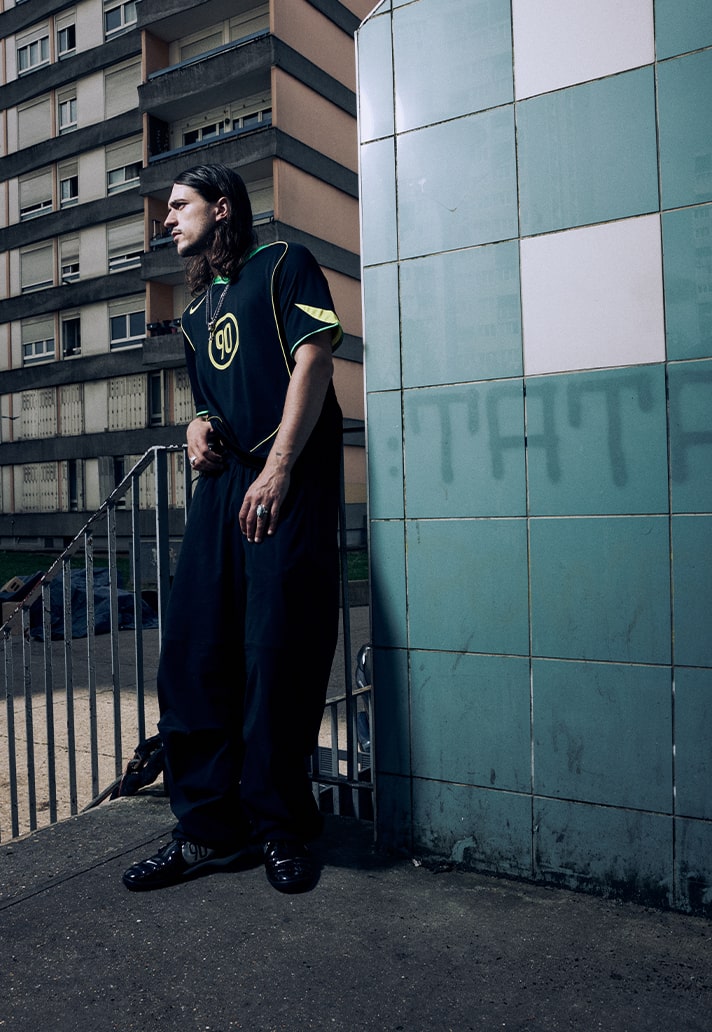
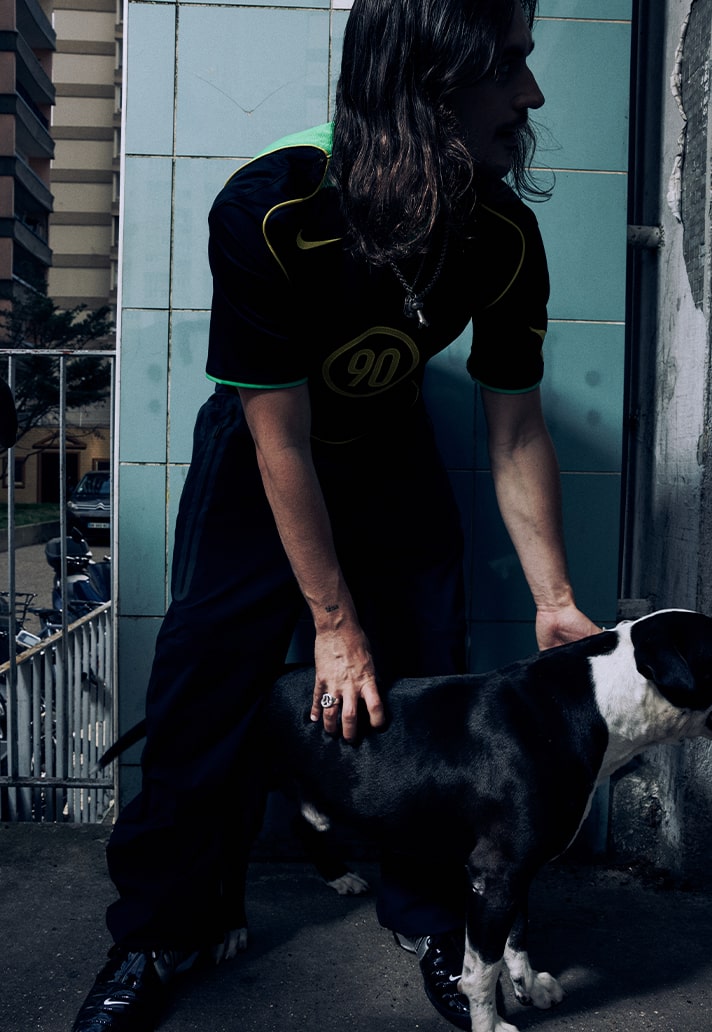
The PSG 2004/05 T90 jersey is available now in limited quantities at official PSG stores and on store.psg.fr