Football doesn’t need another label. It needs something that actually feels like it belongs – and that was precisely the provocation behind SOCIETAS' founding.
In an industry where most clubs are dressed from the same rail – identical templates, different colourways, heritage ironed flat for the sake of scale – SOCIETAS has positioned itself as something slower and more deliberate.
To call it a brand feels reductive and to call it a football label feels incomplete. Instead, it operates somewhere more interesting: in the space between club, community and culture. Its website describes it as: a brand, a production agency, a studio, a community.
“SOCIETAS is rooted in sport and shaped by its cultures,” Nils Unterharnschedit and Felix Struengmann, two of the four (also Mikro Borsche Yasar Ceviker) co-founders, tell me. “We work with clubs, communities and institutions to create products, identities and narratives that grow from within the game, not from the outside.”
Founded in Munich in 2024 by the minds behind A Kind of Guise and the revered design house Bureau Borsche, SOCIETAS brings together fluency in design, production and cultural storytelling under one roof.
Their mission, at a glance, reads relatively simple, albeit ambitious: to elevate the stories of sports clubs and their communities through considered apparel and lifestyle goods that honour the deep, often overlooked heritage of the global game.
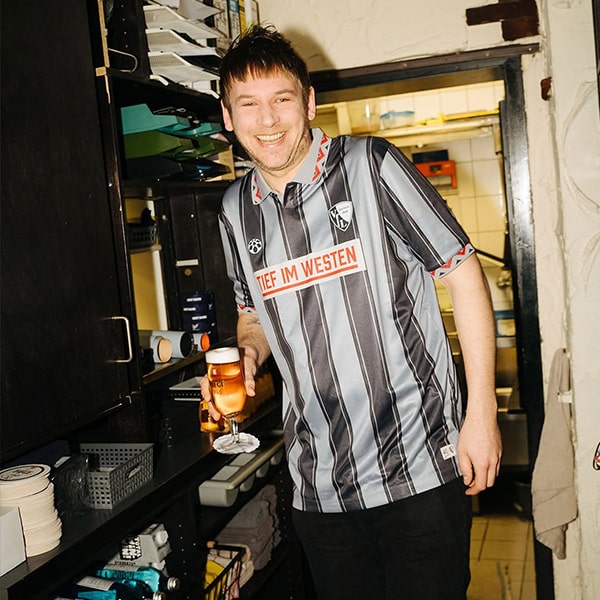
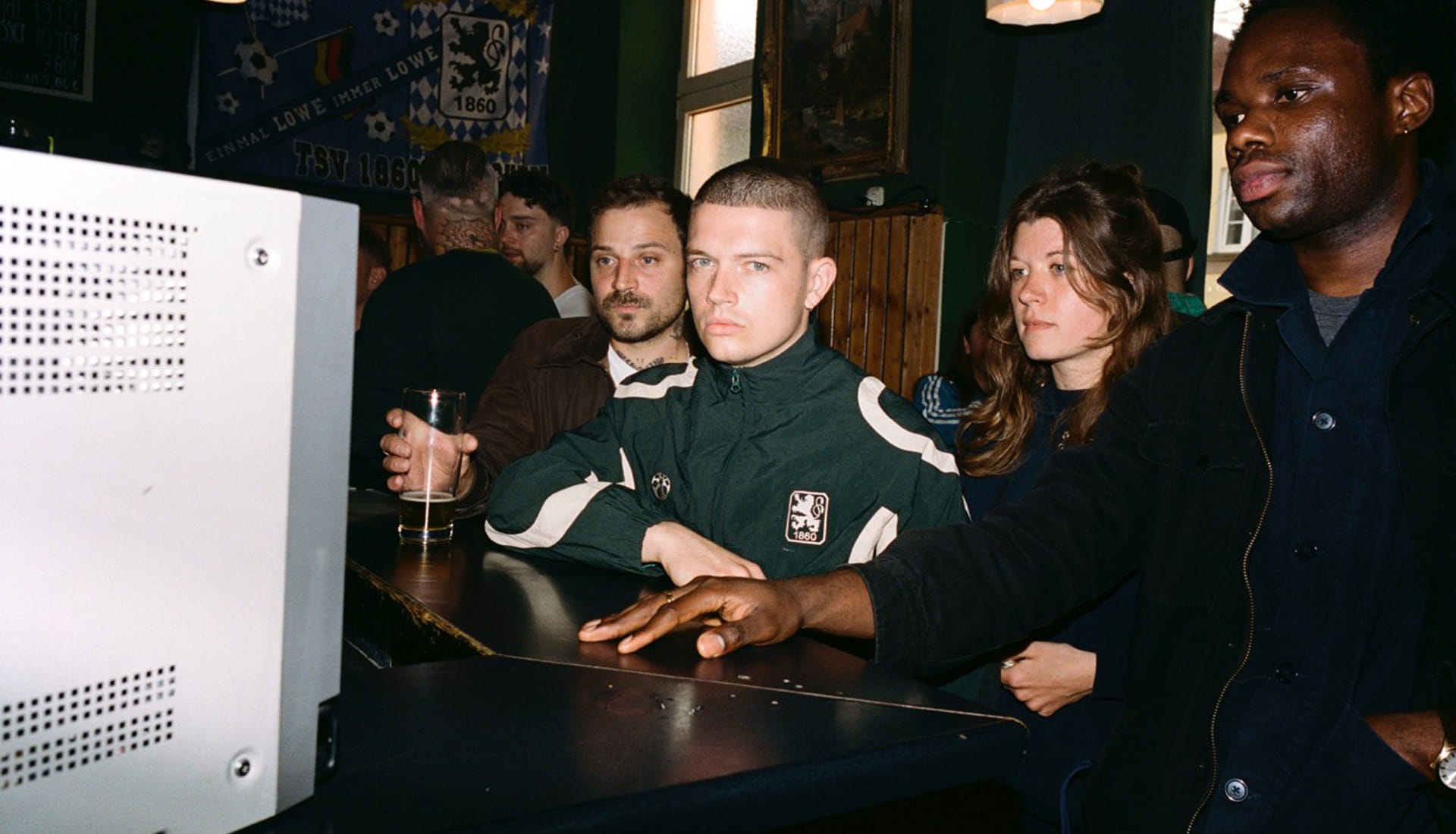
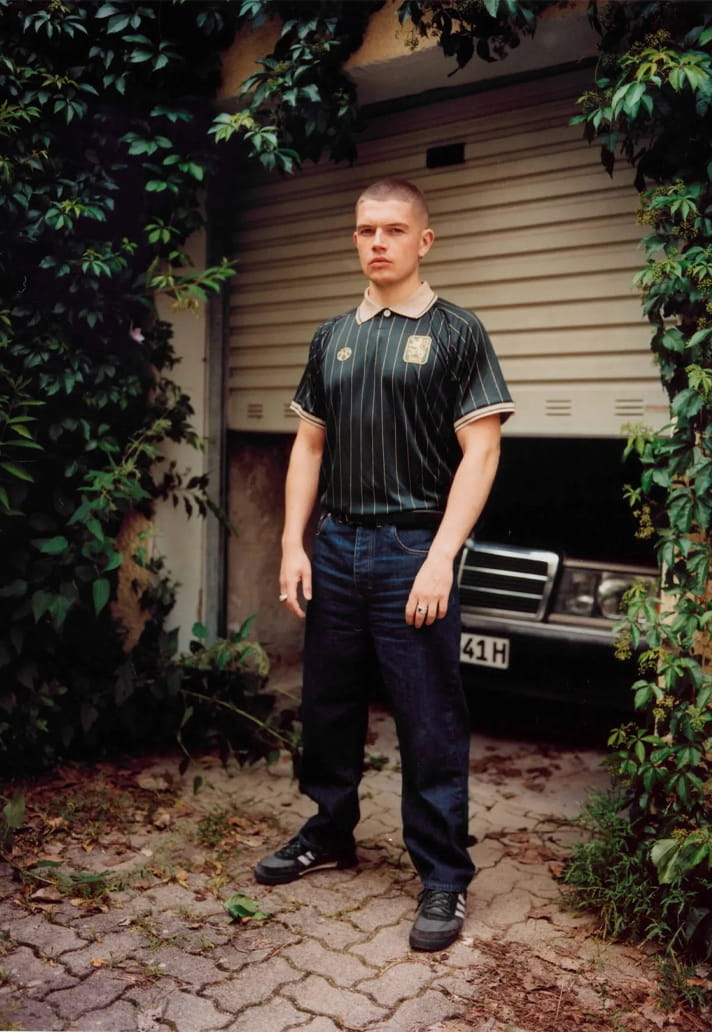
This first came into focus when TSV 1860 München e.V. asked them to design a jersey for the club’s 125th anniversary. That commission exposed something larger.
“Over the previous years, design had increasingly moved towards centralised systems and scalable templates,” said Struengmann. “Global rollouts replaced local nuance. Efficiency, consistency and commercial logic began to outweigh cultural specificity.”

“We observed certain global sport brands reduce kit making to a scalable system. The same template was applied across multiple clubs, adjusted by colour, detached from place,” added Unterharnschedit. The issue was never how things looked, but how they were built. It wasn’t only about aesthetics. It was about structure.
Beneath the surface of template kits and seasonal drops sat a deeper problem: “Many clubs simply didn’t have the means to tell their own stories properly. Merchandise was becoming a standardised product rather than cultural expression,” said Struengmann.
The more they paid attention, the more obvious it became. There were histories sitting untouched. Local identities flattened into generic executions. “There were so many stories worth telling, but not always the resources, structures or partners to translate them thoughtfully.”
SOCIETAS was conceived as an answer to that imbalance. Four founders, different disciplines with a shared vision to bring concept, strategy, design and production into a single, considered system.
“Football is crowded with brands, but not all of them are truly part of the culture,” said Struengmann. “There is a difference between brands that grow from within football and those that simply want to be affiliated with it.”
The latter, they suggest, tend to drift once the algorithm shifts. What still feels absent, even now, is proximity. “A genuine connection to the people who live the game: the fans, the communities, the everyday rituals around clubs,” says Unterharnschedit.
Too much output, in their view, has been “detached, formulaic or driven by short-term cycles rather than long-term meaning.”
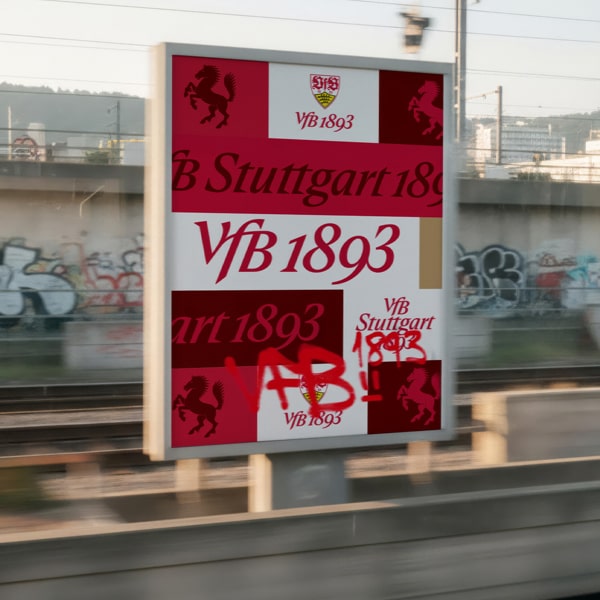
Put simply, SOCIETAS treats geography more as material rather than mood. They walk the neighbourhoods and physically immerse themselves in archives. They notice things like drain covers, harbour railings, fading street signage, all the details that quietly anchor identity. Community, then, is not reduced to a campaign line.
“Community, to us, grows out of specificity. The more grounded a project is, the more people see themselves in it,” says Struengmann. Importantly, this isn’t consultancy at arm’s length. “Everyone on the team is genuinely invested in the game, not in a branding sense, but in a slightly unhealthy, emotionally irrational one.”
Despite their genuine connections to the game, their respective references roam beyond football: music scenes that build entire worlds through graphics, skate crews that communicate through codes, independent publishers obsessed with detail.
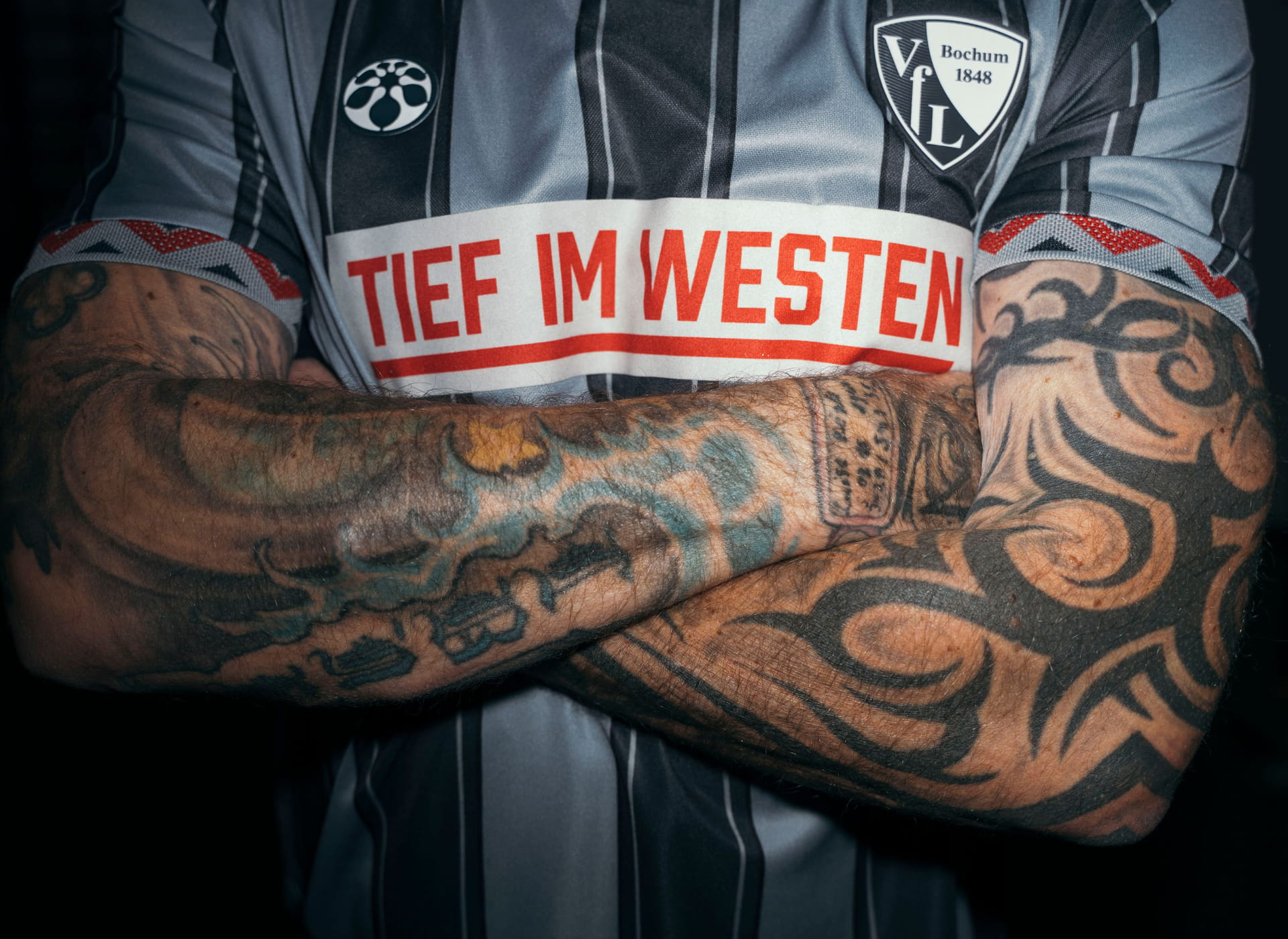
I suppose, in a sense, that explains SOCIETAS’ allergy to surface-level borrowing. “Football culture isn’t a mood board. It’s decades of repetition, memory and emotional investment. When culture is treated as an aesthetic, it becomes costume. When it’s treated as history, it becomes identity.”
“If what we build can live on as part of a club’s evolving identity, that’s success,” says Struengmann when I ask him the boring (but obligatory) question of what success looks like for SOCIETAS.
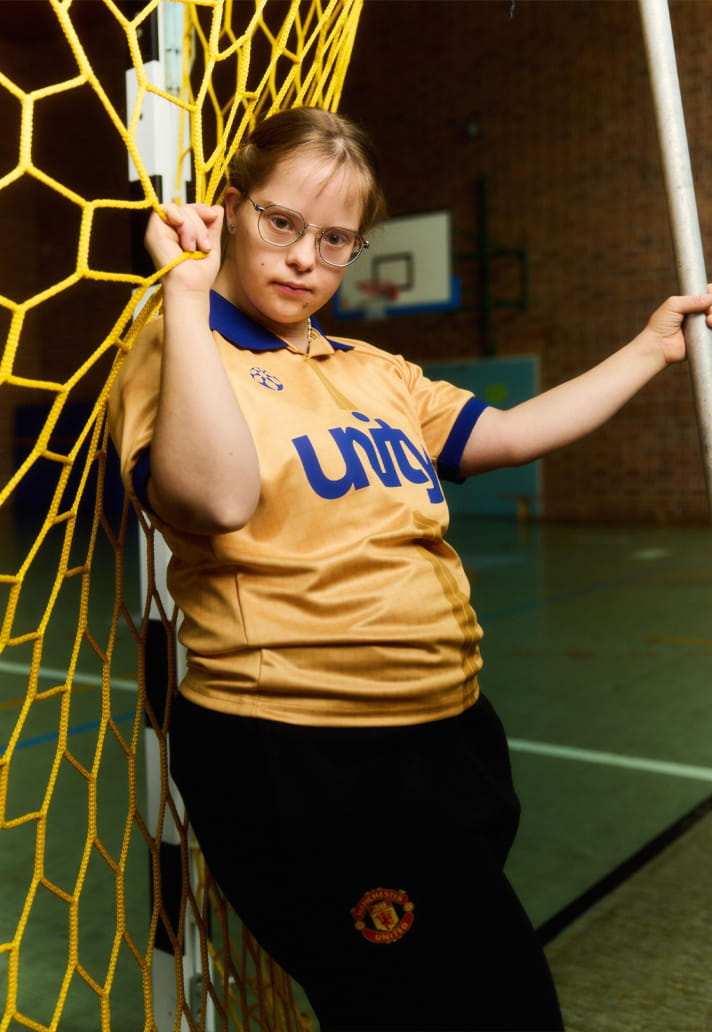
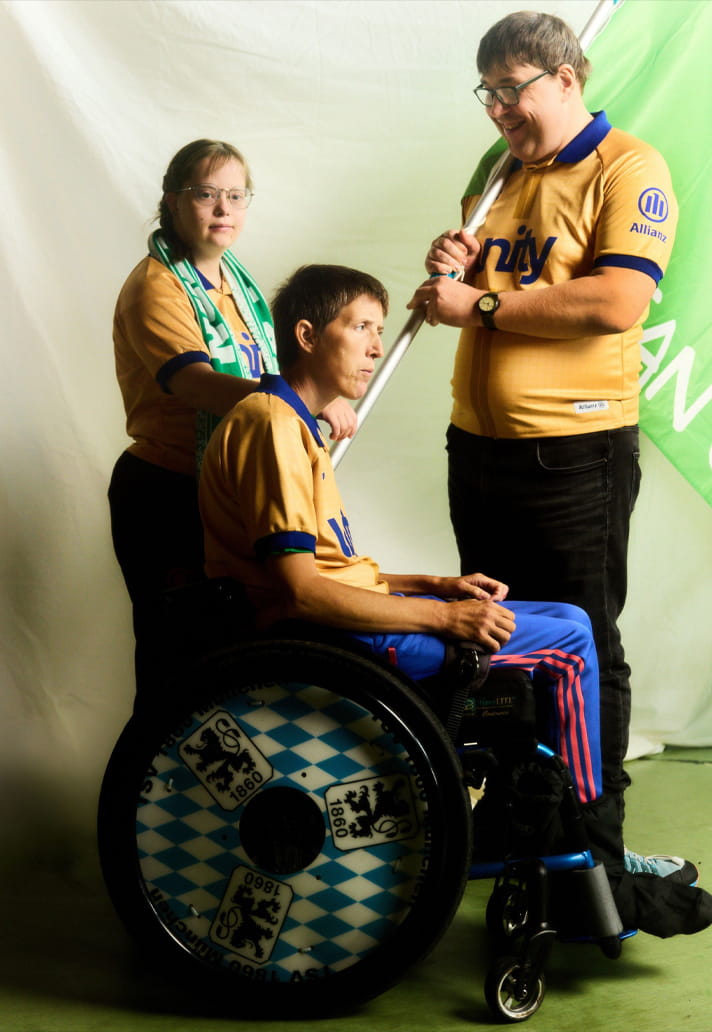
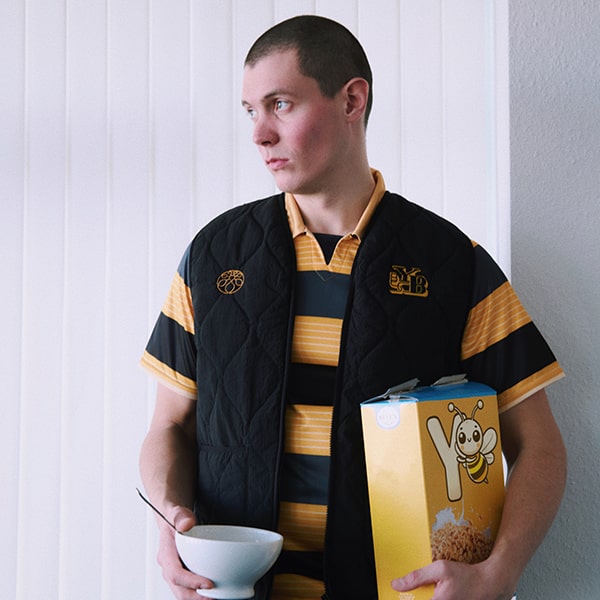
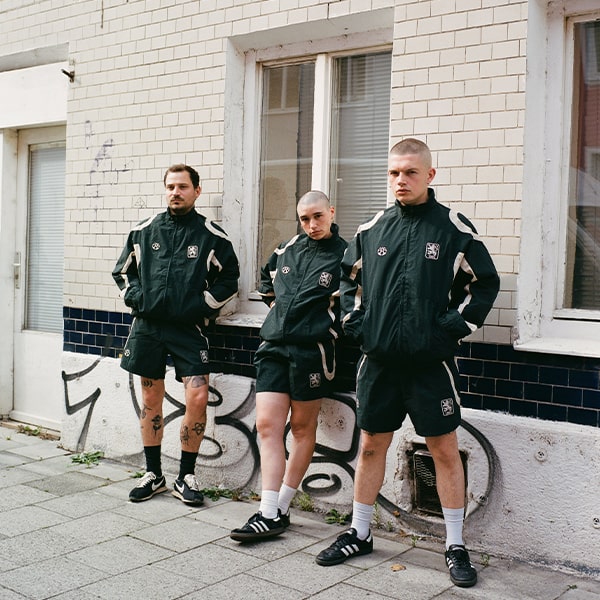
There’s a quieter metric at play too: “It’s seeing our work enter real life. Watching supporters wear our collections to match days and seeing them naturally blend into the visual world of the club. We’re not interested in fitting into categories. Sport today is cultural infrastructure; it shapes identity, behaviour and aesthetics at scale.”
In an industry addicted to cycles and drops, SOCIETAS is making a case for patience and listening properly. More importantly, though, it’s about treating clubs not as content engines, but as custodians of memory. A sentiment I think we can all get behind.
You can find out more about SOCIETAS, its projects and what it has coming up on its website