Scandinavian football has never shouted for attention, it’s earned it. From giant-killing European runs to kits rooted in culture, Nordic clubs are quietly redefining what modern football identity looks like.
Minimalistic, understated silhouettes and muted, sophisticated colour palettes, the Scandinavian aesthetic has long been both the envy and the inspiration of the wider fashion world. Despite its best efforts to modernise runways by incorporating playful, Scandi spirit, Copenhagen Fashion Week remains criminally underrated when placed alongside the beasts such as Paris and New York - much like the array of football clubs that call the Nordics home.
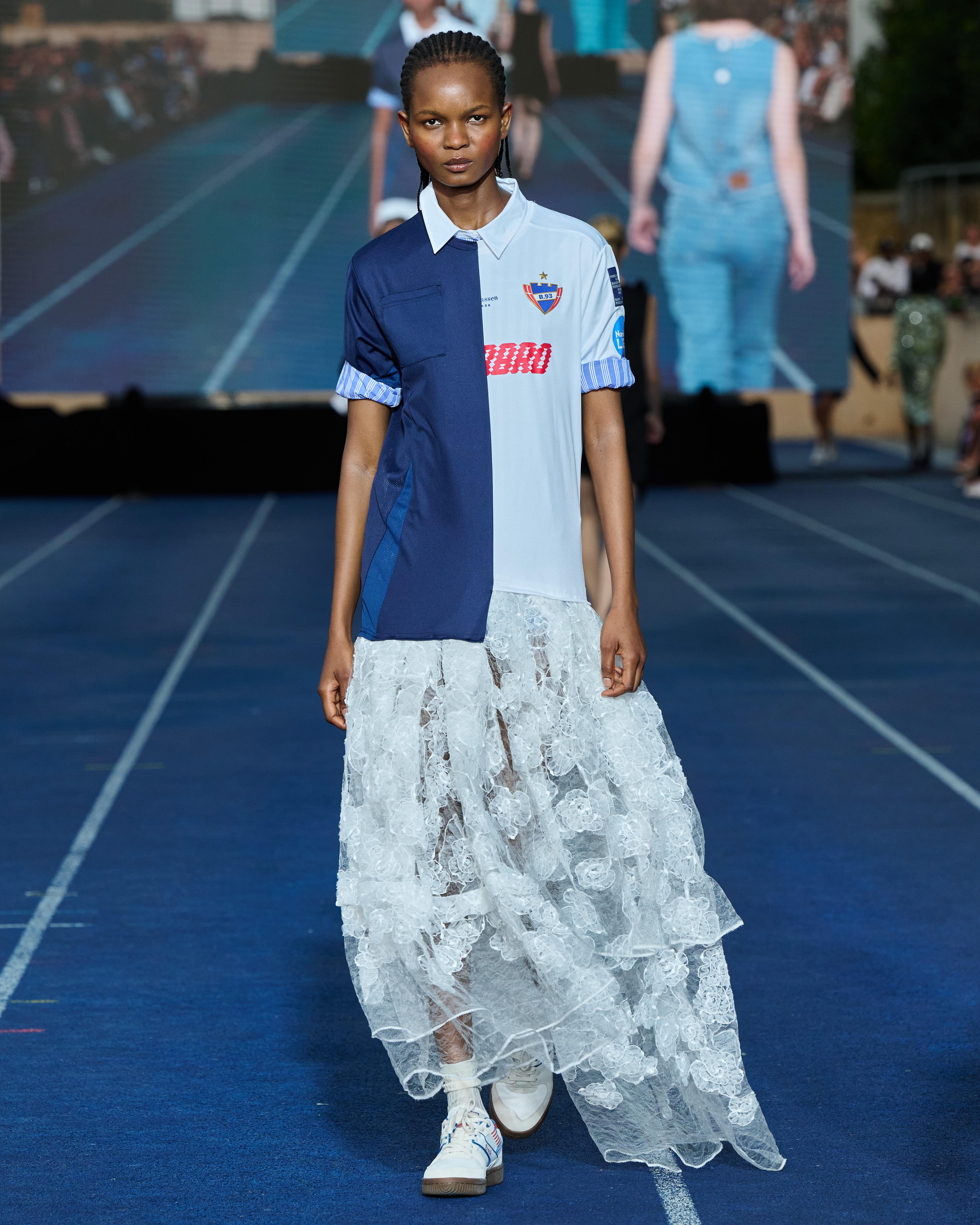
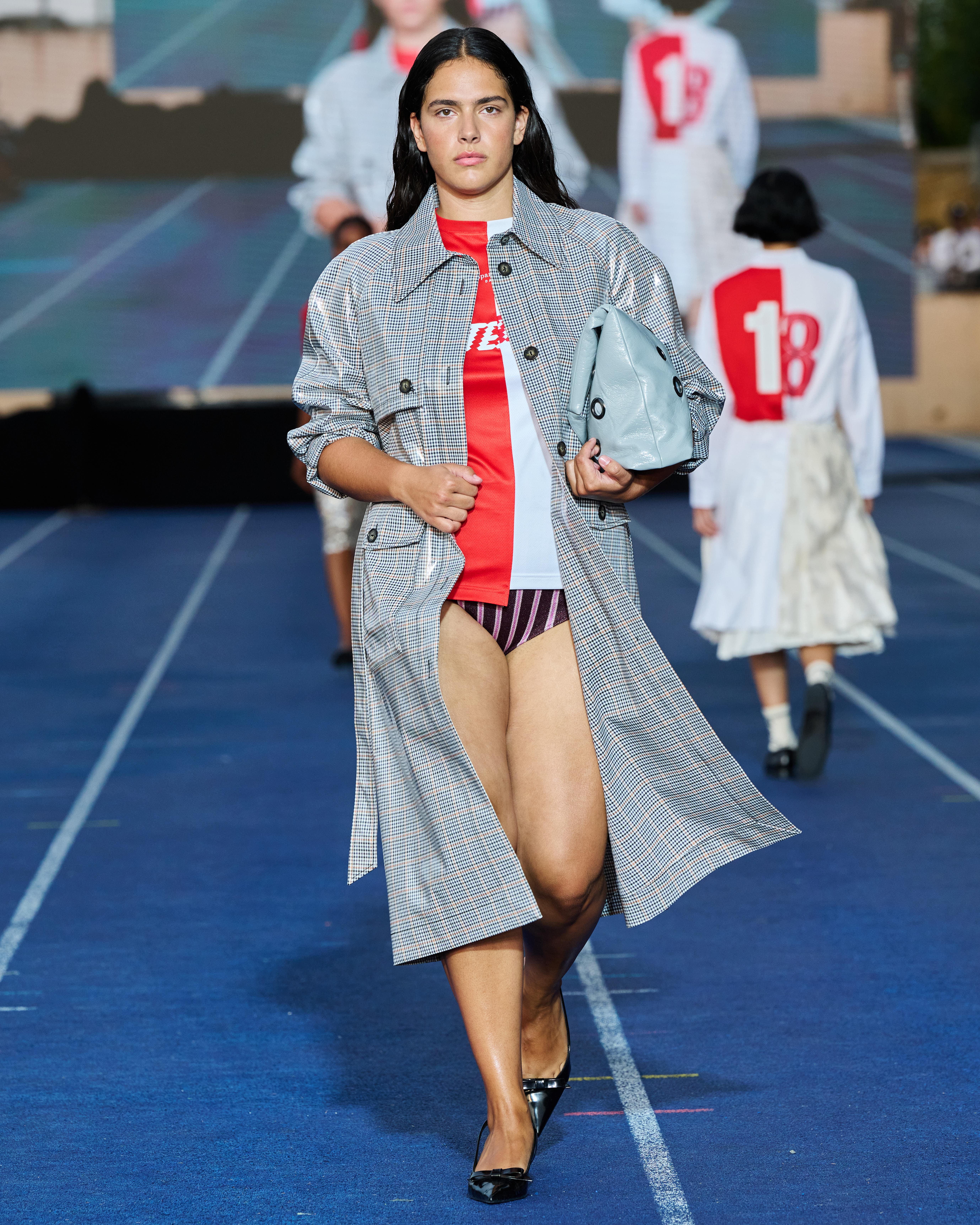
However, there’s one thing that you must know about Scandinavia before you dive into this piece with a coffee in one hand and a kanelbullar in the other – sheer determination is the foundation upon which everything exists, whether that be on the runway or in the dugout.
So it’ll come as no surprise to hear that Scandi sides have been quietly breaking their way into mainstream football media for some time now. It felt as if the whole world suddenly discovered the fishing town of Bodø in northern Norway last year when they flew through the rounds of the Europa League.
Defeating Lazio in the quarter-finals before a tough fight with Tottenham Hotspur in the semis, not only did Bodø garner the attention of football fans across the world, they also raised the stage for every ambitious club in Scandinavia. Fast forward just a few months and they're taking giant killing to the next level with an unbelievable win over Manchester City in the UEFA Champions League.
Back in Norway, the Eliteserien side are best known for their ‘giant killing’ style of play. But on the European stage the script had not yet been written, the canvas was blank and the opportunities were endless.
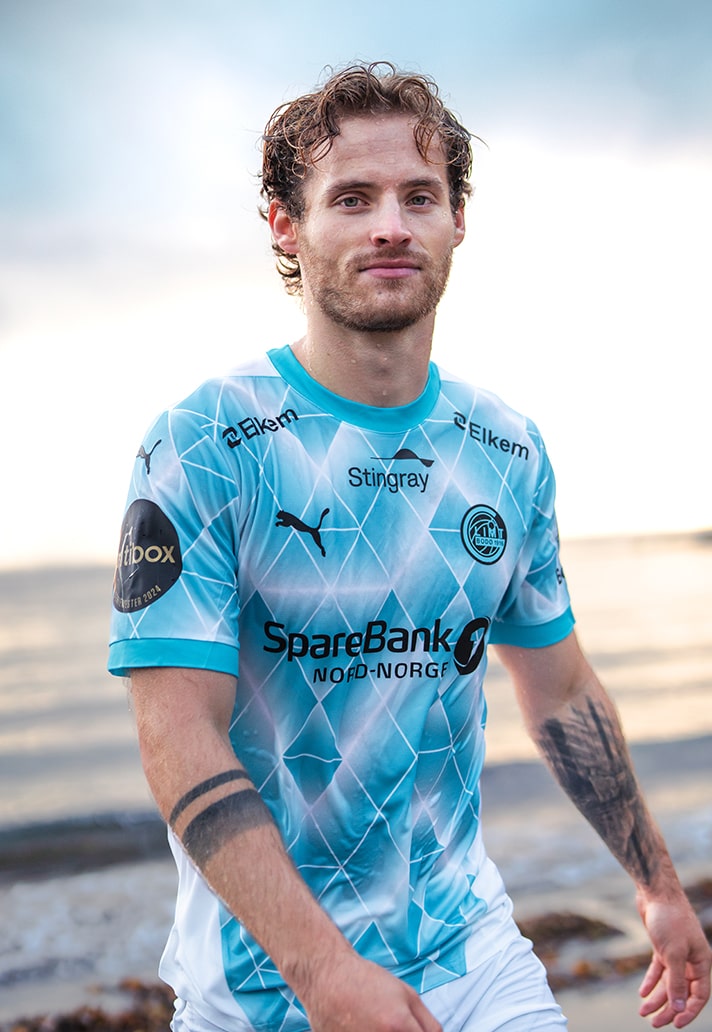
Bodø did not waste their newfound European fame. As passionate campaigners and true Norwegian activists, they unveiled their new third kit in August that carried a significant message as well as an eye-capturing design.
The kit itself - inspired by the country's second largest glacier, Svartisen, a stunning spectacle of frost and ice now under real risk of vanishing due to the devastating effects of global warming.

Of course, not every Scandi jersey sets out to be a statement piece, most simply act as tributes to the breathtaking nations that surround these clubs.
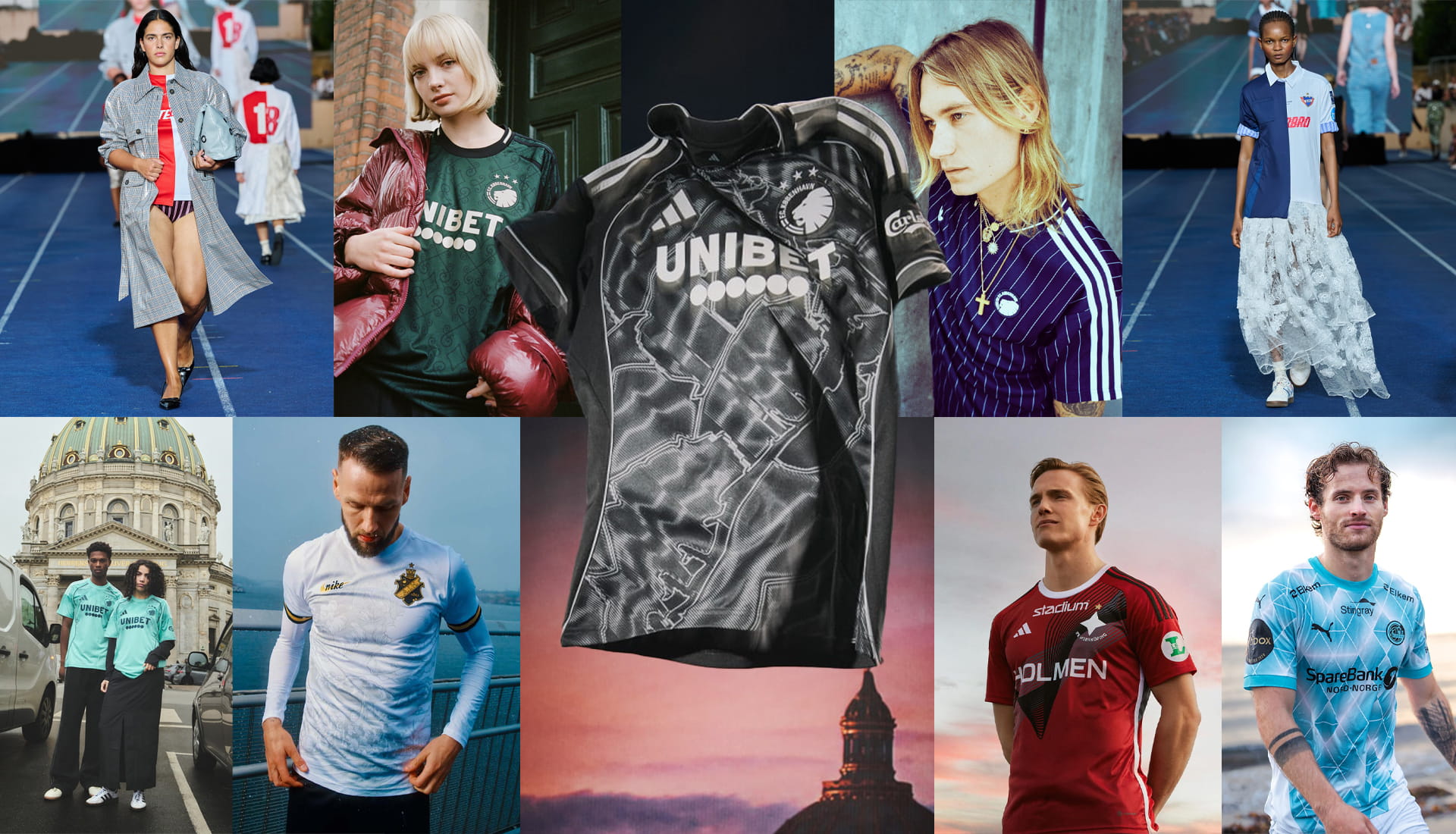
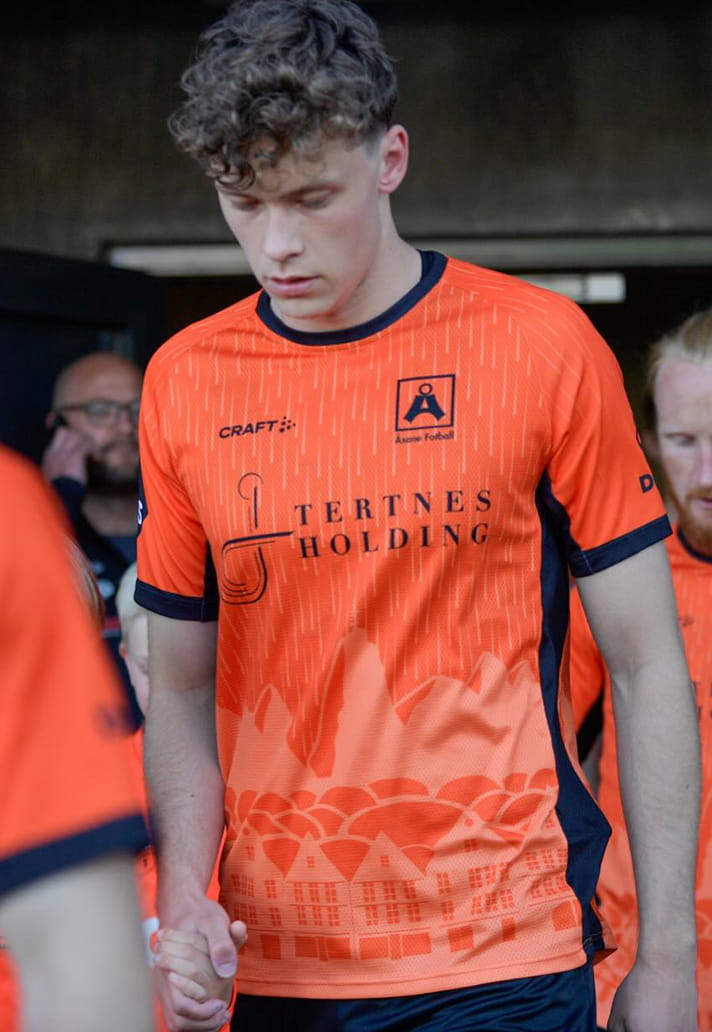
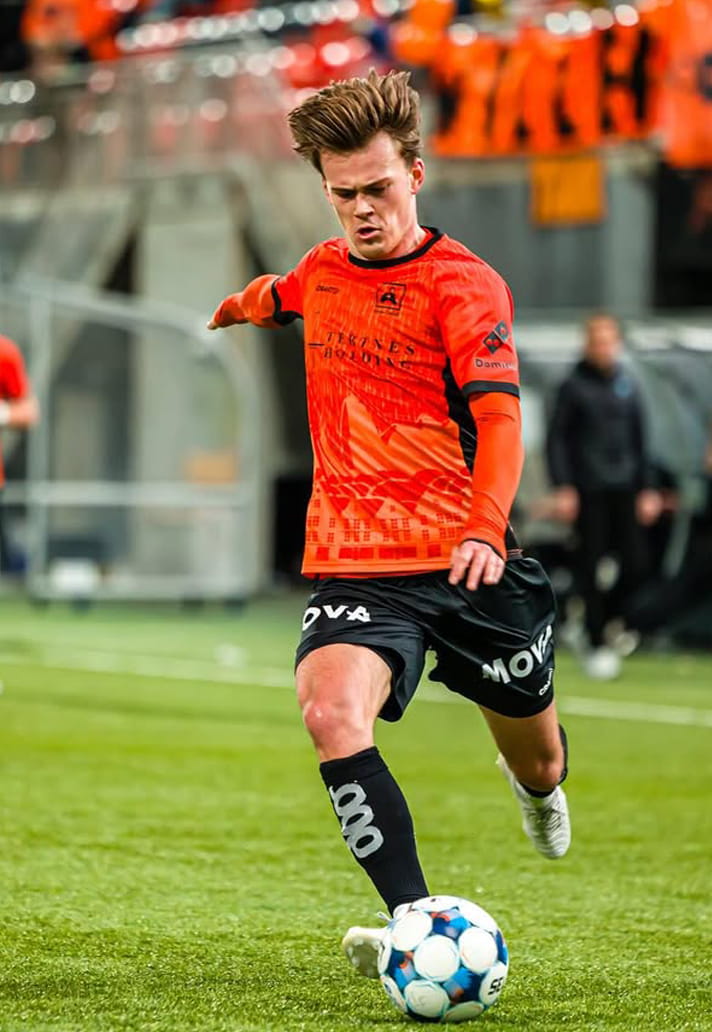
Take Norwegian second-tier club Åsane for example, managed by former Leeds United midfielder Eirik Bakke. A tiny team hidden inside of Norway’s second-largest city, Bergen, but neighbouring mountains and fjords. Their kits this year were simple yet incredibly effective, lifting the iconic streets of Bryggen (Bergen’s harbour district) and creating mesmerising silhouettes that told a story of the city they call home.
It’s by no means a new phenomenon, clubs around the world have been taking inspiration from their cities and towns for years. But in Scandinavia it comes with an elated sense of pride and the chance to catapult these neighbouring towns in front of the eyes of fans across the world.
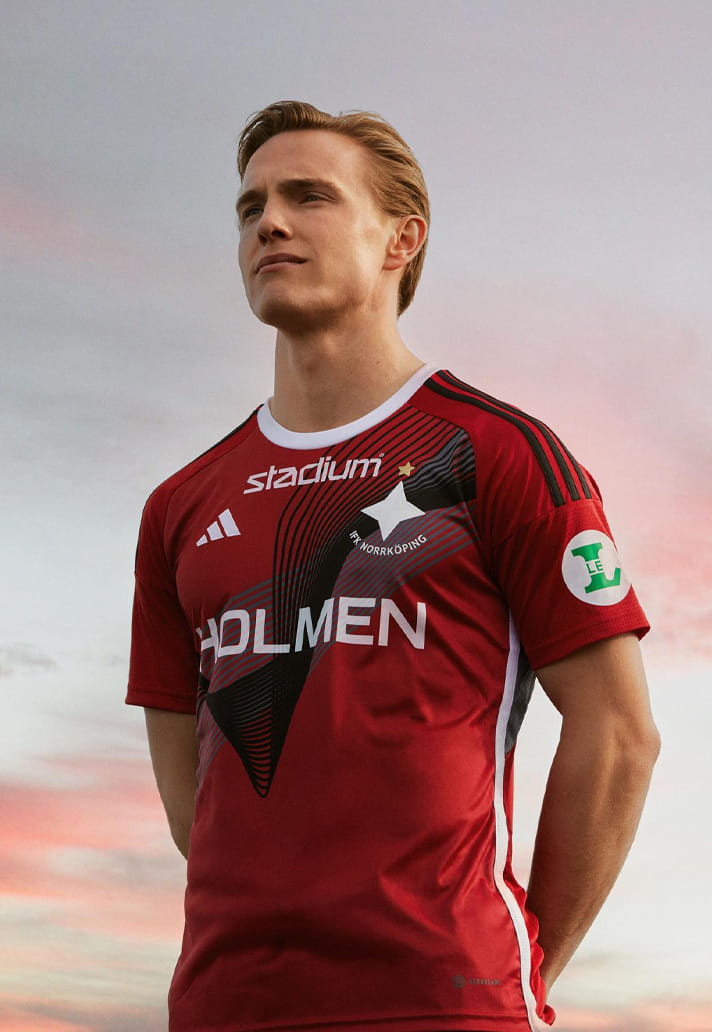
It would be crazy not to mention two Swedish sides during this spiel too. IFK Norrköping boast some of the most stylish kits in the game, working with adidas to create timeless, sophisticated designs that honour both the successful past and the ambitious future of the club. Despite only winning two Swedish league titles in the last 35 years, they’ve become a household name for football fashion fans, extending far, far beyond their home in eastern Sweden.
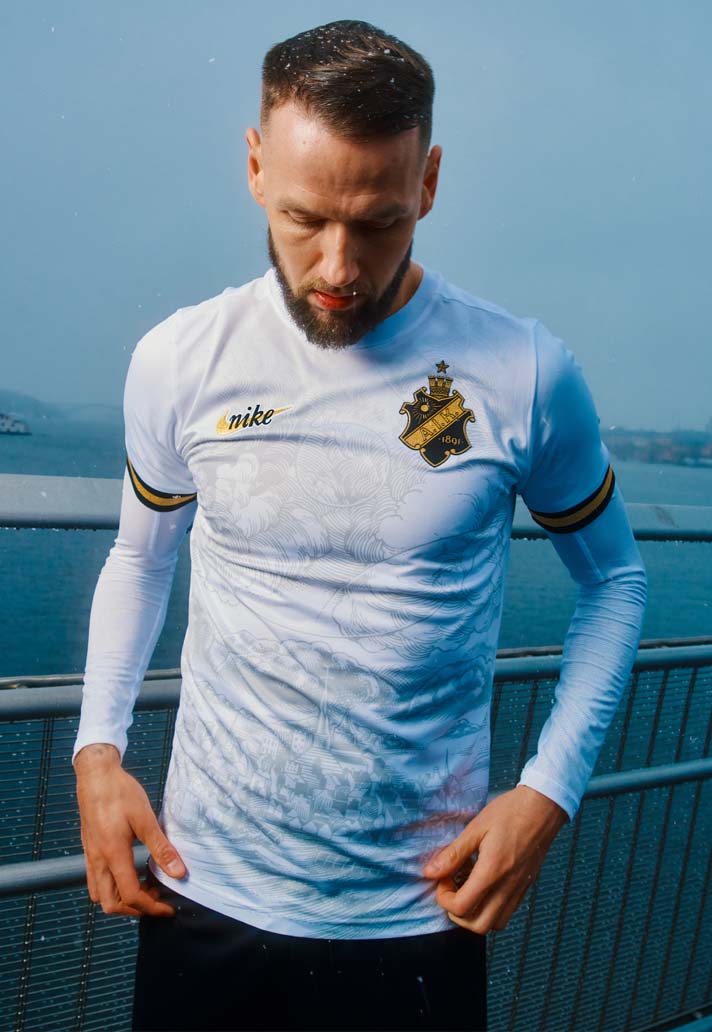
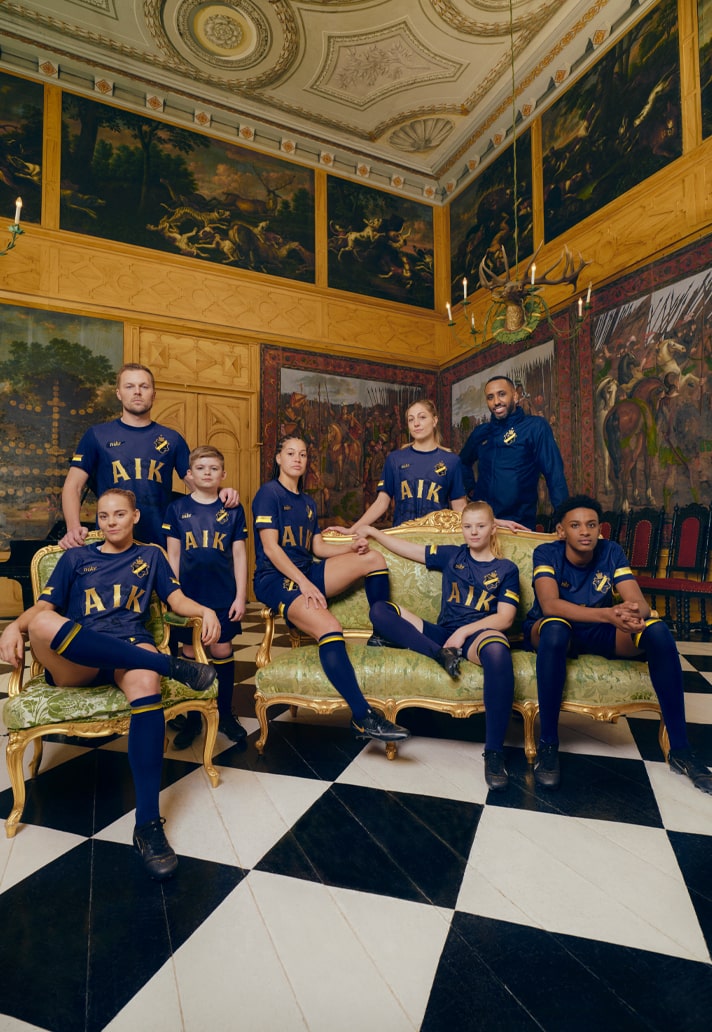
Then there's AIK. They simply don't do bad kit drops, having had some of the best special edition jersey designs in the game over the last decade, something that's helped position them as one of the most effortlessly stylish teams around. This is coupled with their reputation as a fantastic hub for developing players, marking them out as one of the most forward clubs in the region.
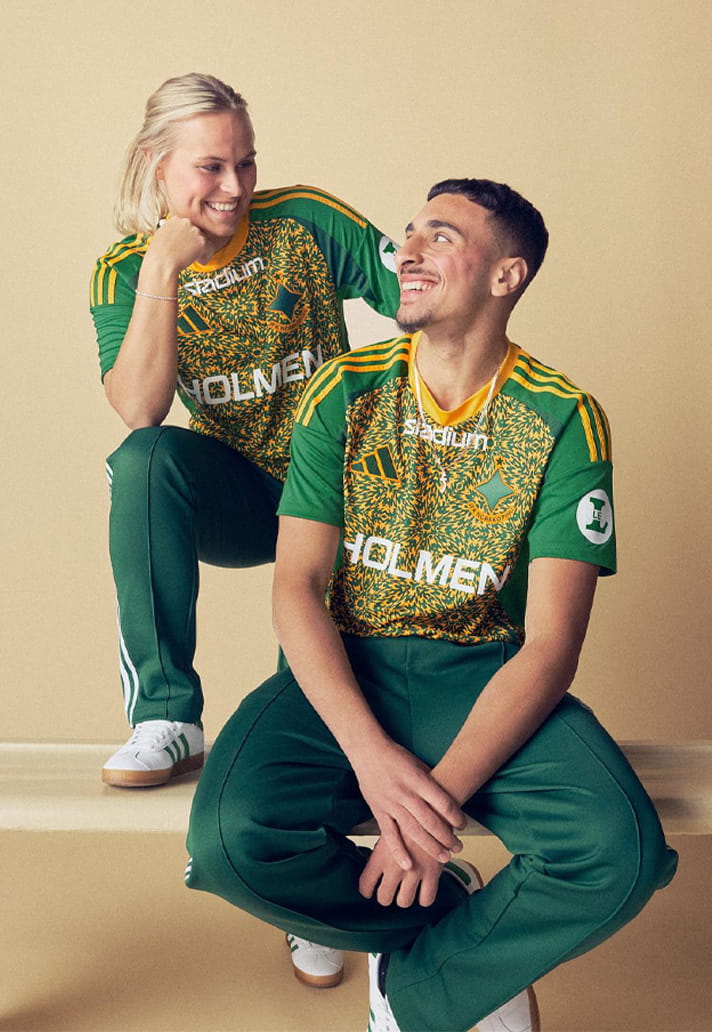
There is one Scandinavian side, however, daring to dream even further. By utilising the power of natural beauty and elegant design, they're elevating their presence beyond Europe and into world football.
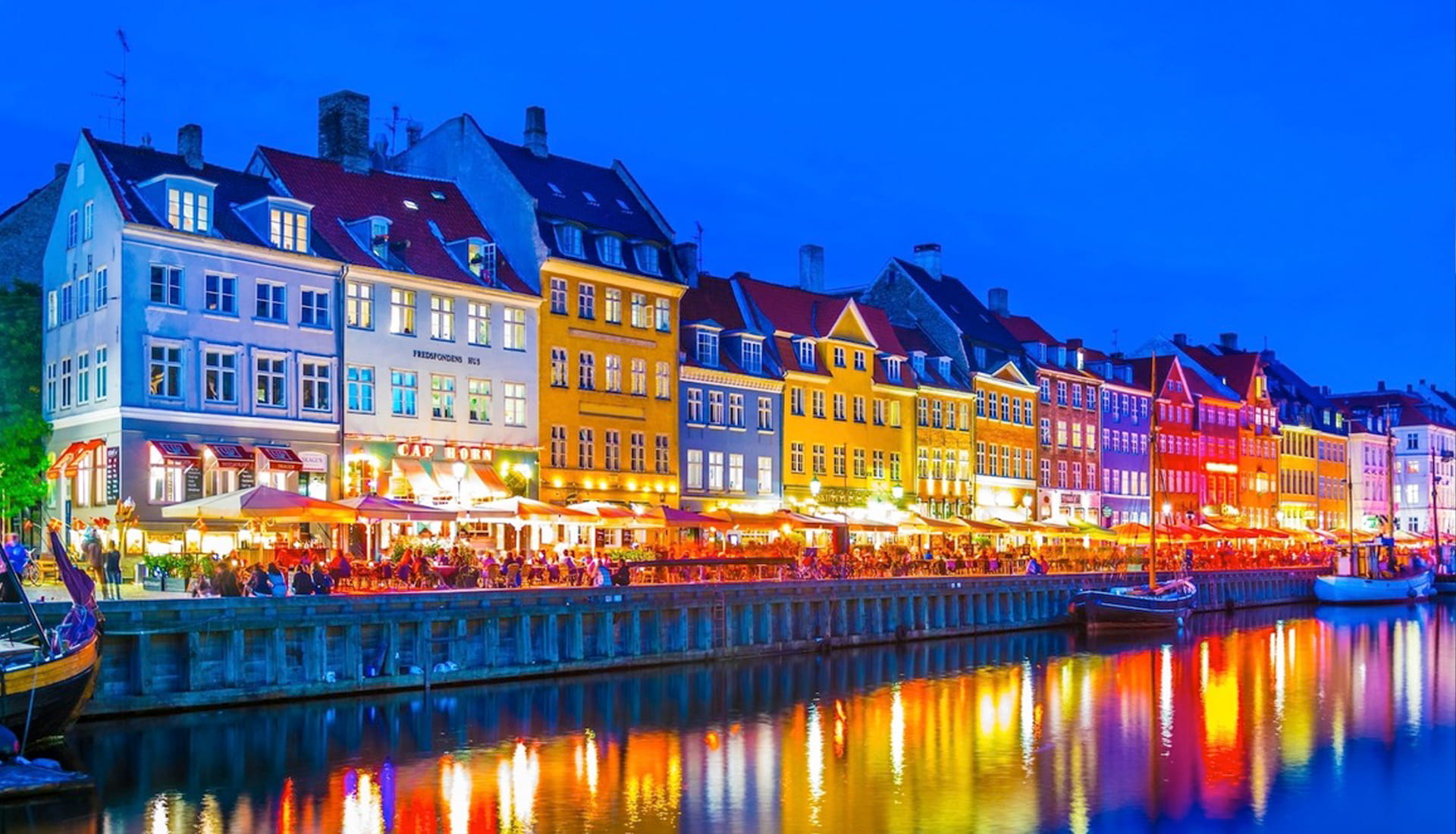
In walks FC Copenhagen, a club situated in the middle of Denmark’s aesthetic city, nestled amongst museums, cafes and boutiques.
By day, Copenhagen is a football-lovers paradise, by night the streets come alive and the city’s tranquil nature becomes one of freedom and fun.
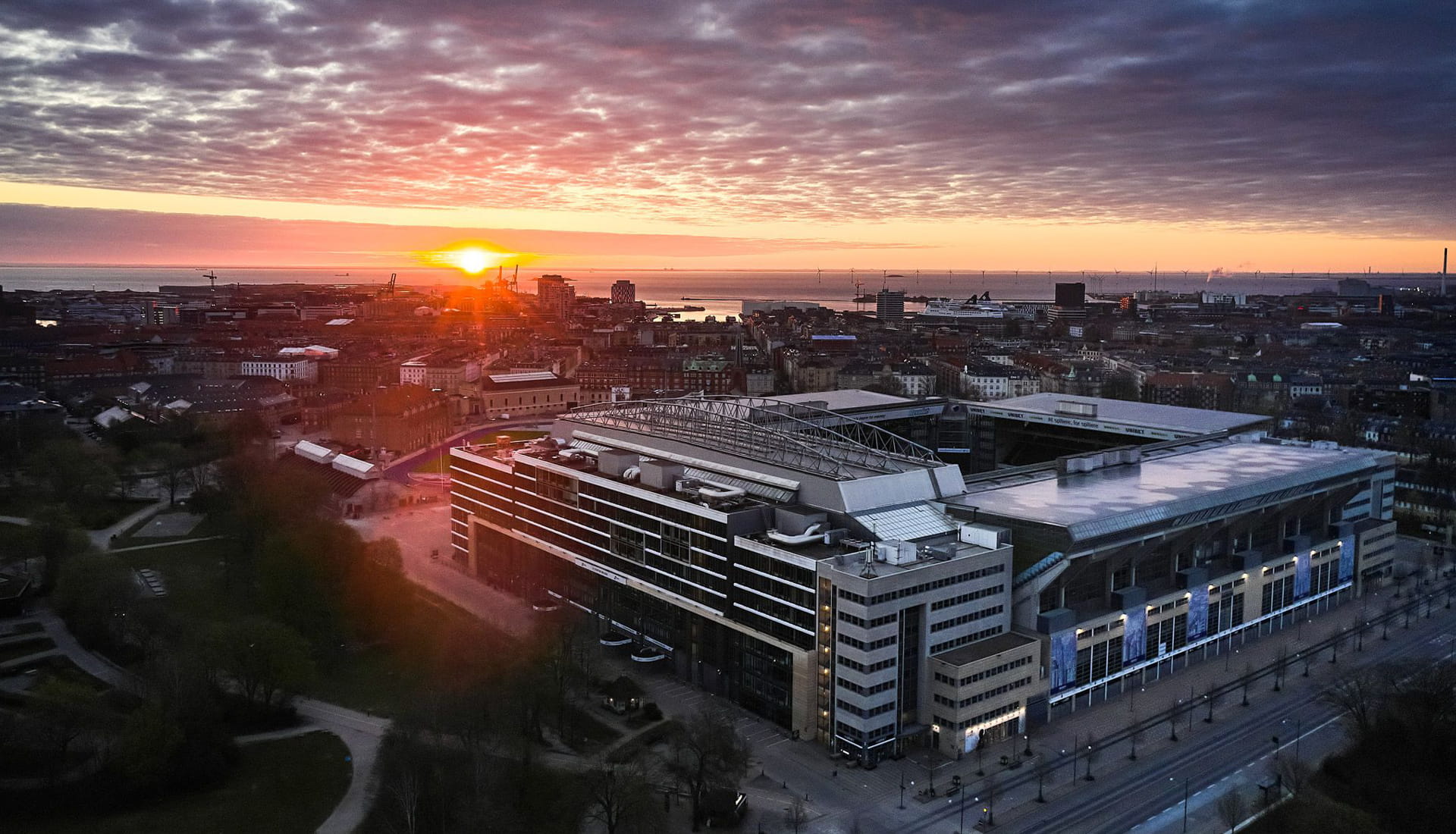
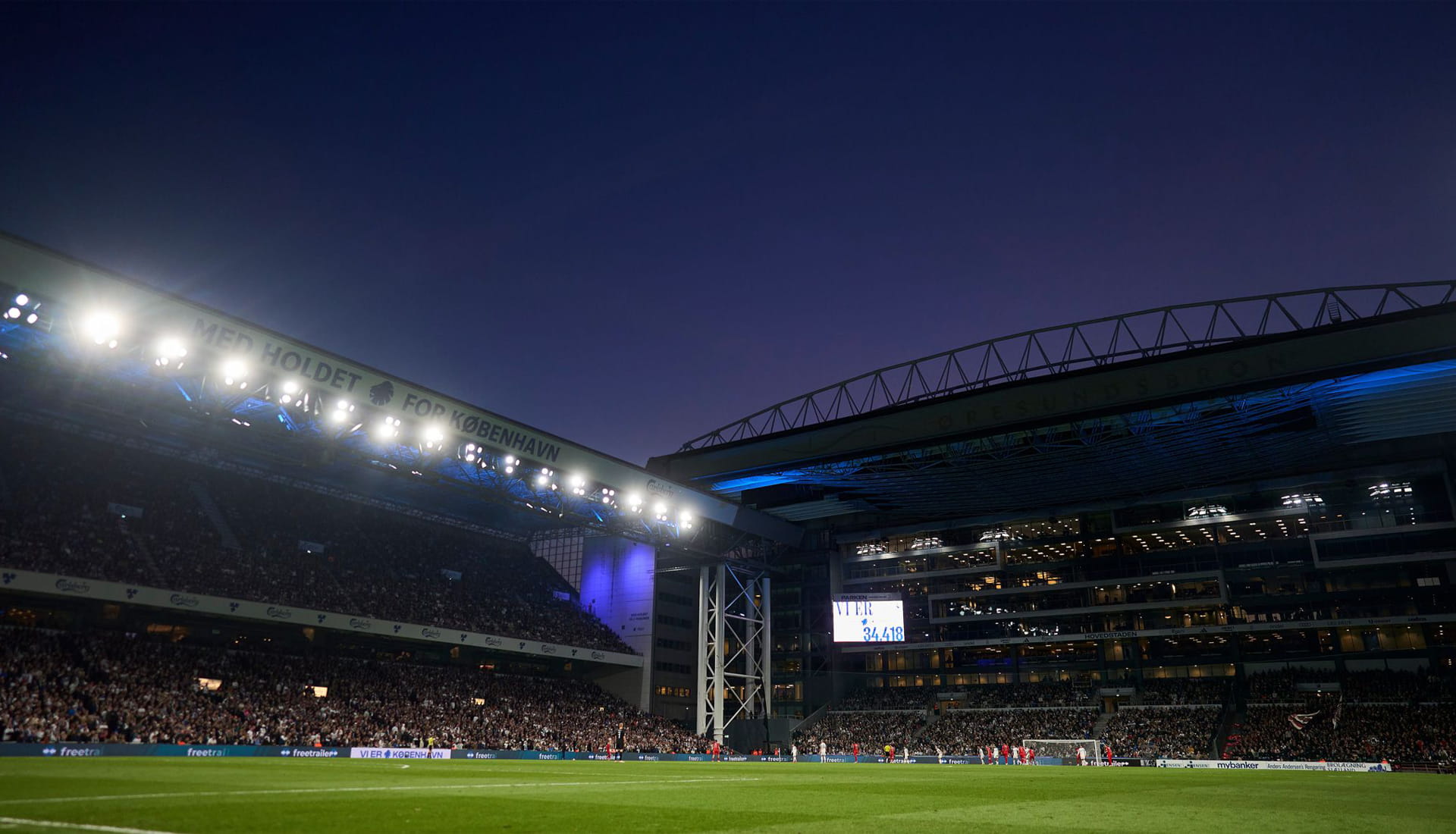
Parken is the home that unites every member of the Copenhagen community, whether they remember the club’s first Superliga title in 1992/93 or they simply decided to swap a walk around an art gallery for a seat in the stadium one day - the club belongs to the city.
Or at least, it does according to FC Copenhagen’s Marketing Director Mads Jefsen- the man tasked with creating an enhanced identity for Denmark’s most successful side, transforming them into a global phenomenon based out of Scandinavia's smallest nation.
“Fashion is a huge part of the city's identity,” he tells SoccerBible. “It's something that's a well-known part of Copenhagen, not only here, but in a broader sense out in the world, Copenhagen is a capital with a strong aesthetic within design, fashion and culture.
“For us as a football club and as the team of the city, that means something, because we're a representative of the greatest city in the world. Copenhagen is also a diverse city with a lot of different people, but everyone carries a lot of ambition.

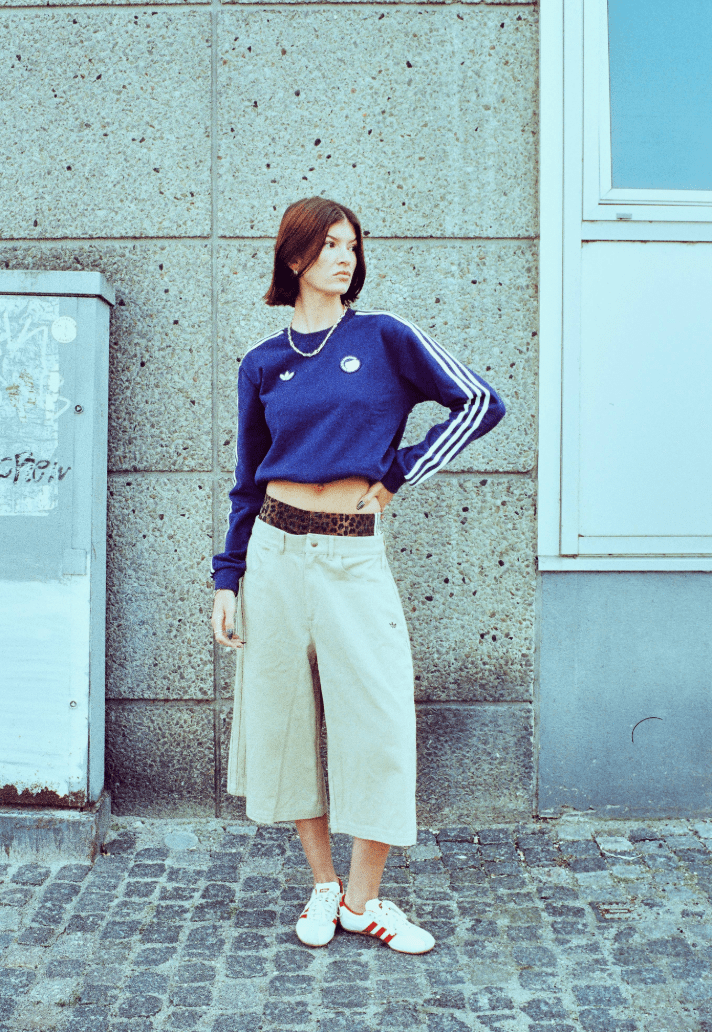

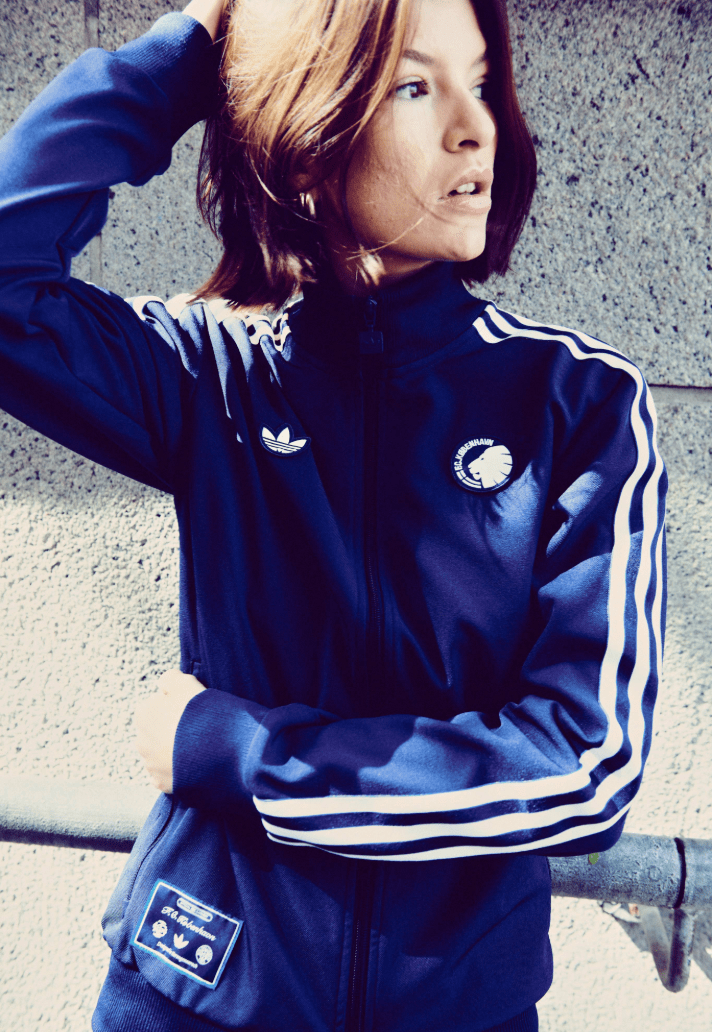
A club centred around fashion has a lot to live up to when it comes to releasing kits. Gone are the days of jerseys being solely sportswear. Now, if a kit is fashionable and authentic to the cultures that live and play within the city, it will be worn by musicians, actors and just about anyone who feels a connection to Copenhagen.
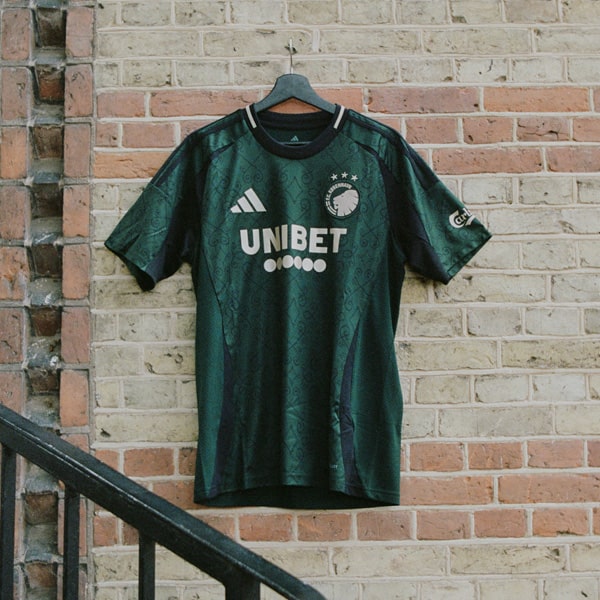
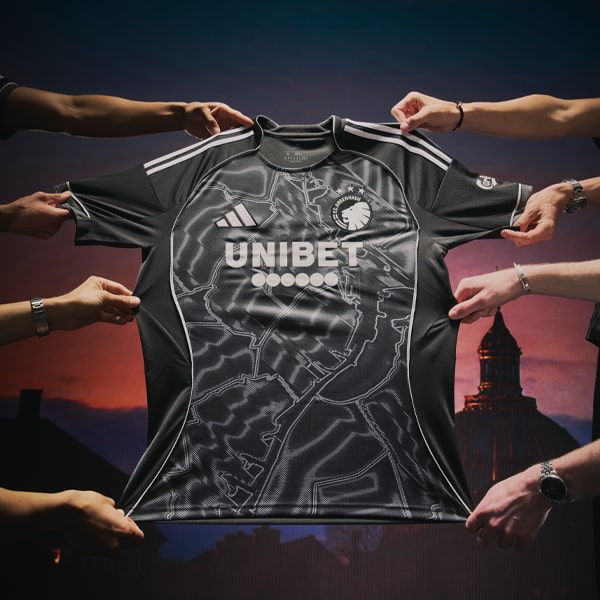
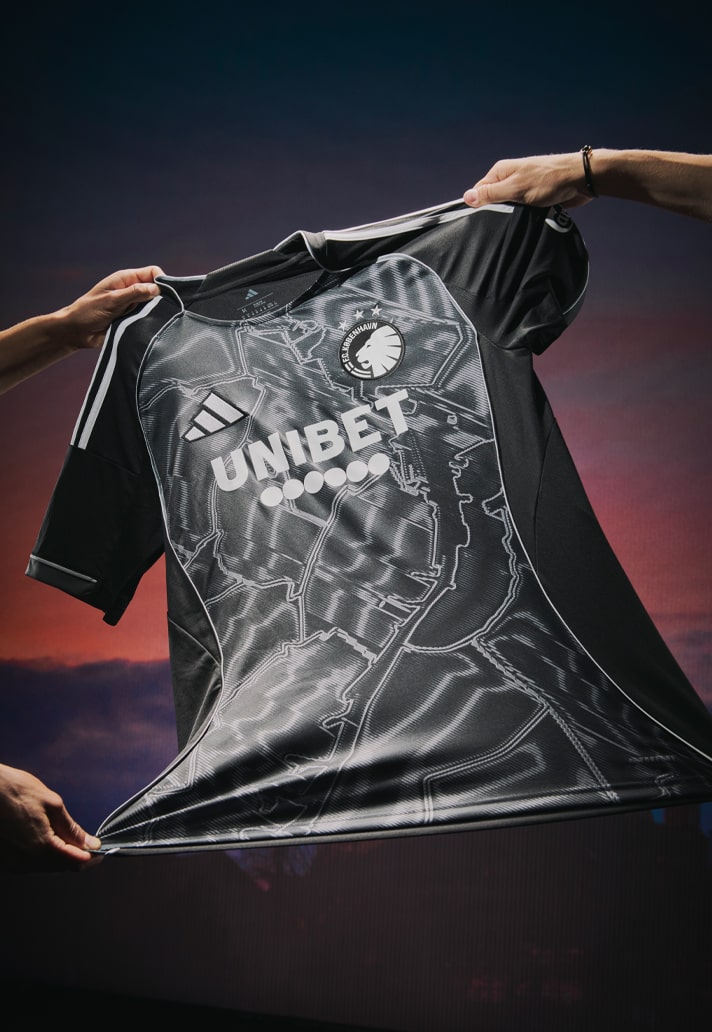
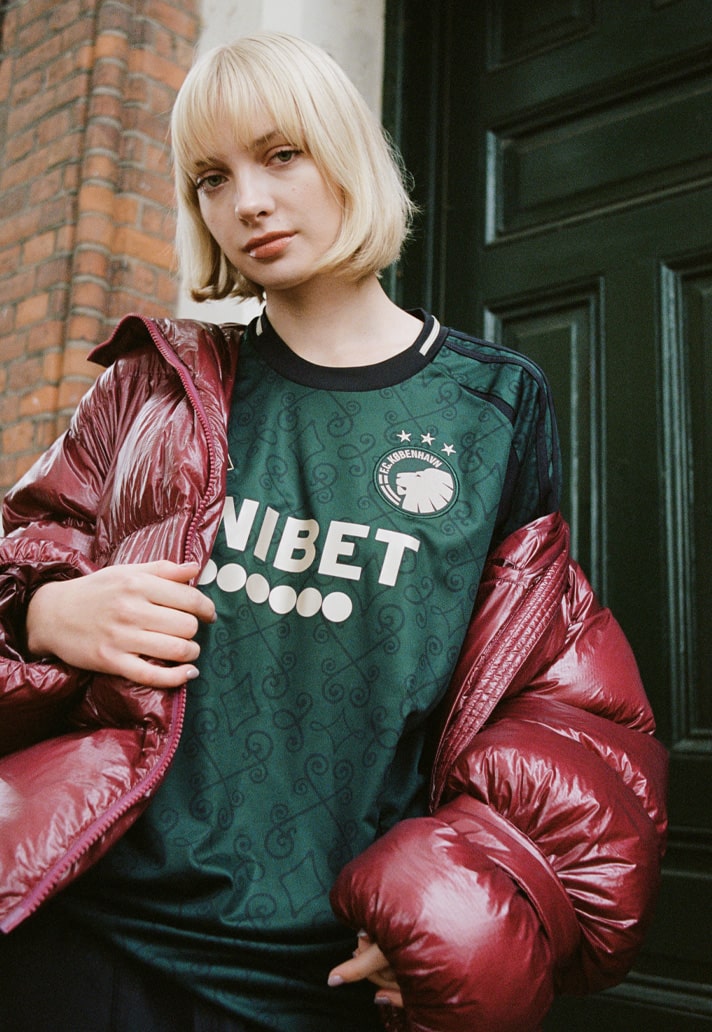
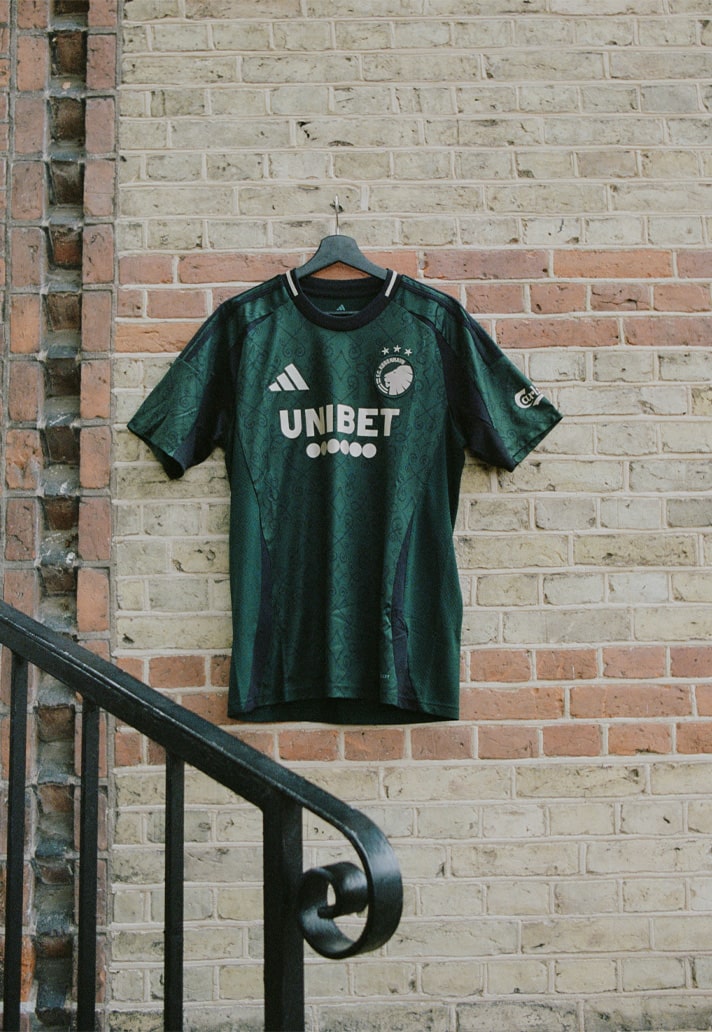
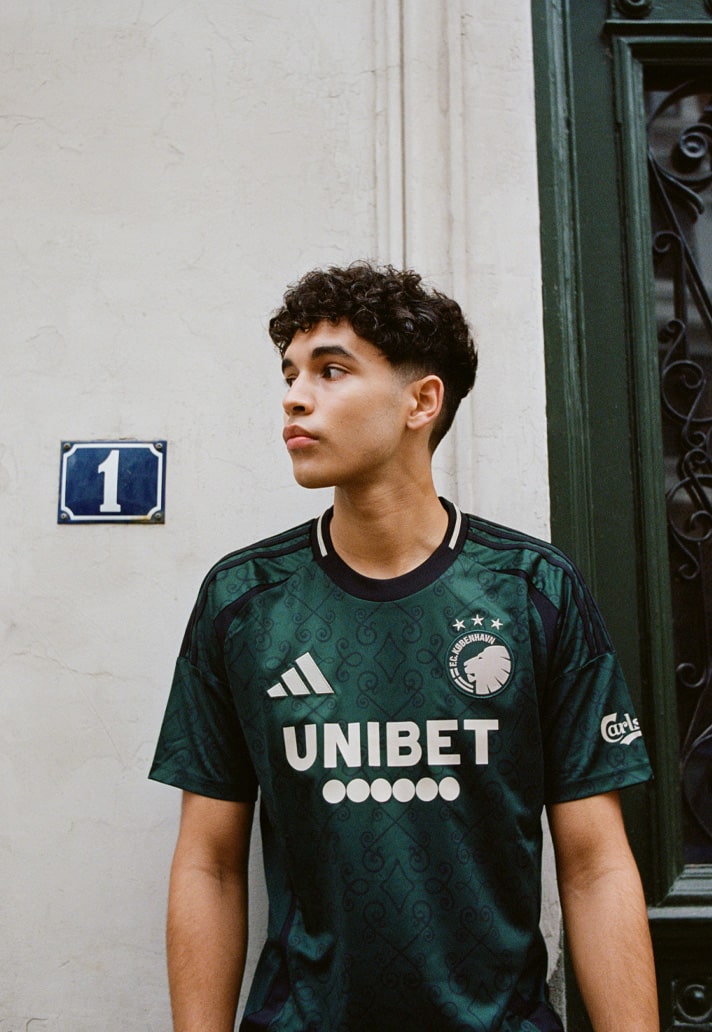
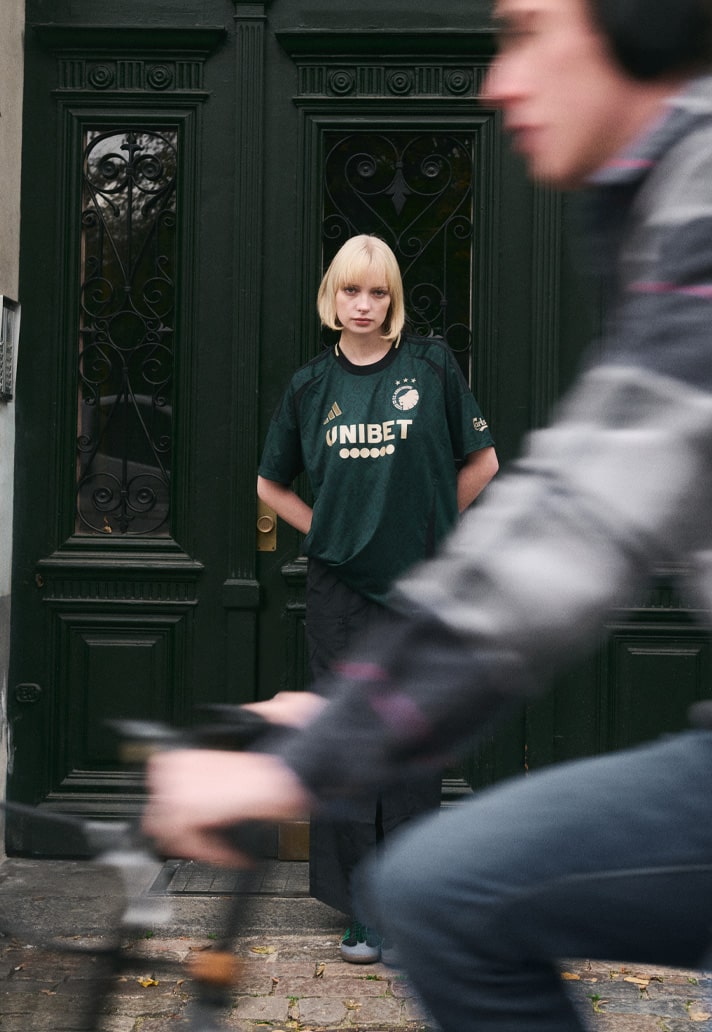
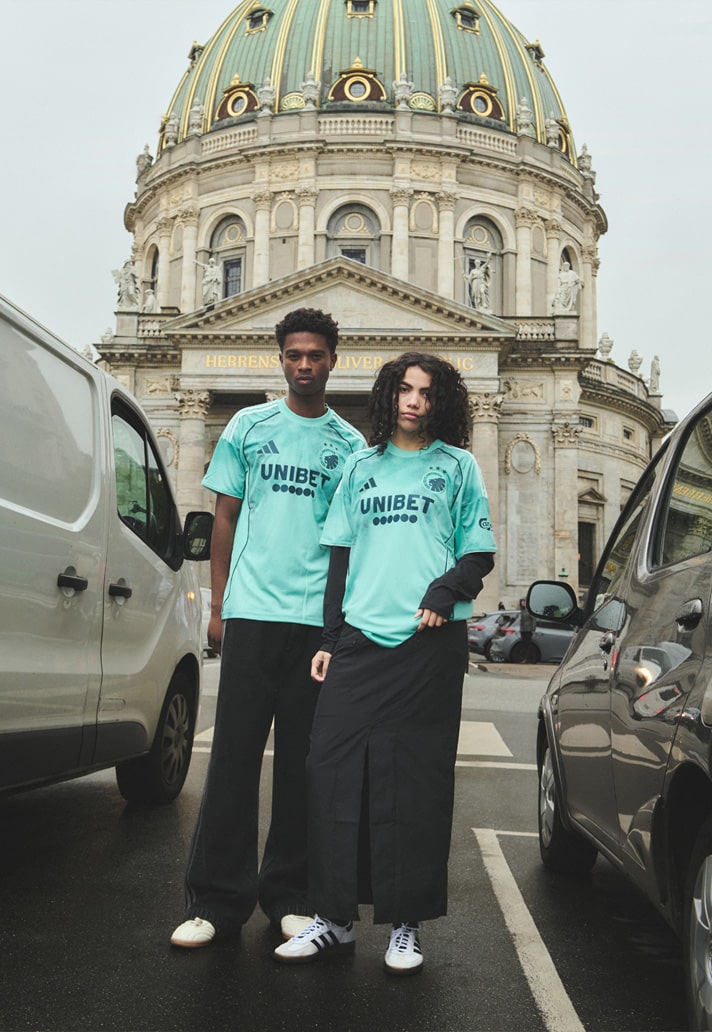
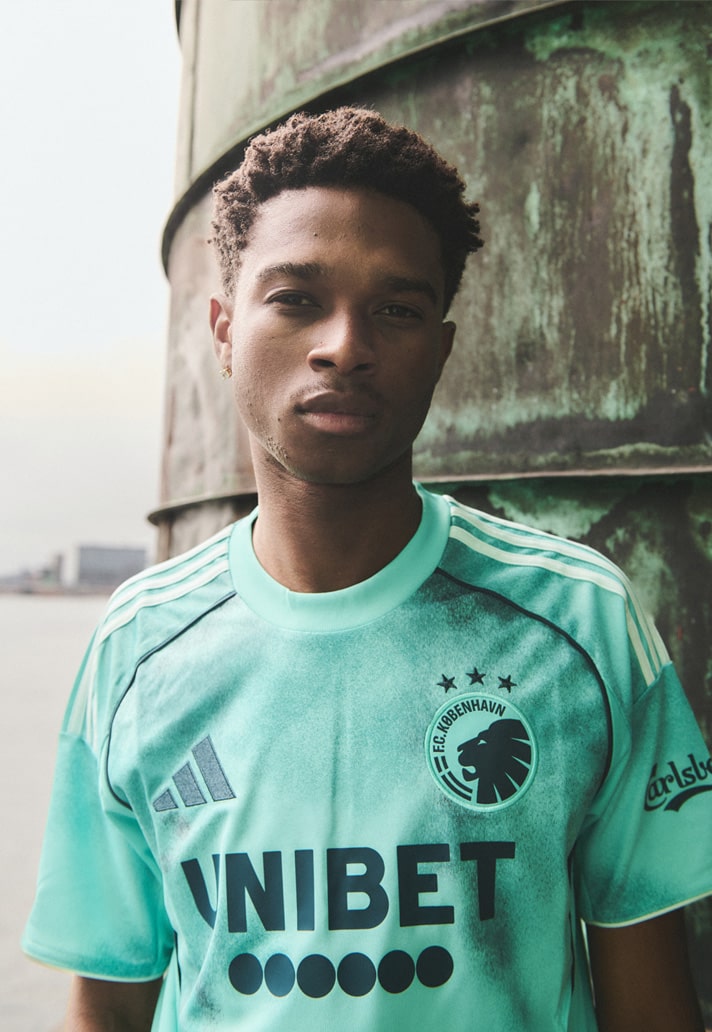
So when FC Copenhagen released their 2025/26 After Dark Away kit, heads were turned, not just in Scandinavia, but across the rest of the world too.
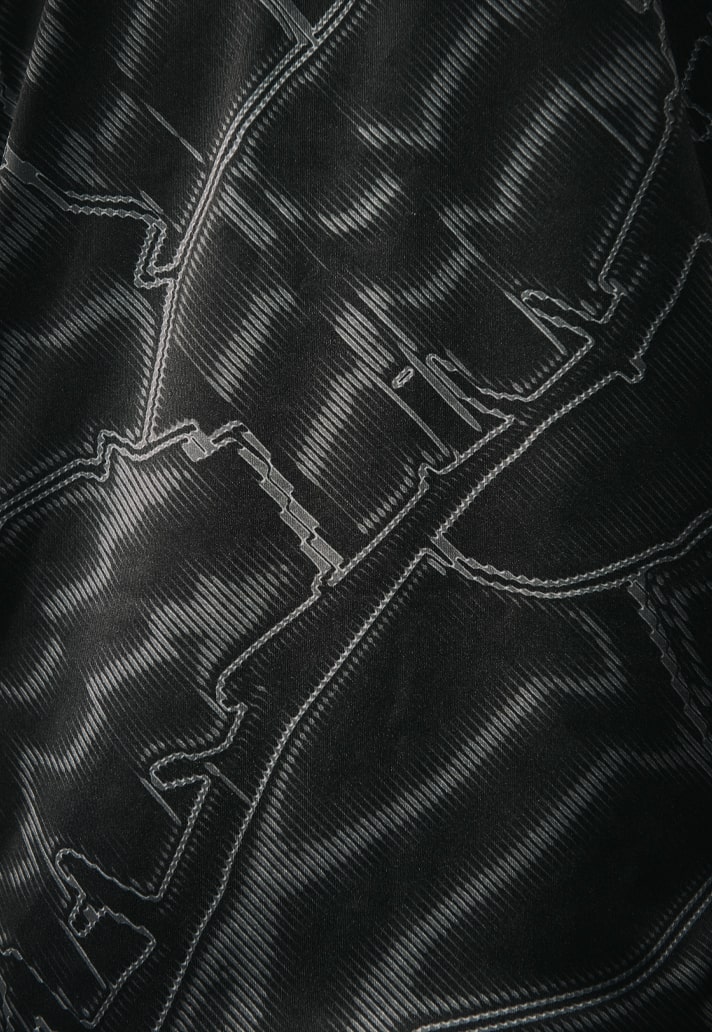
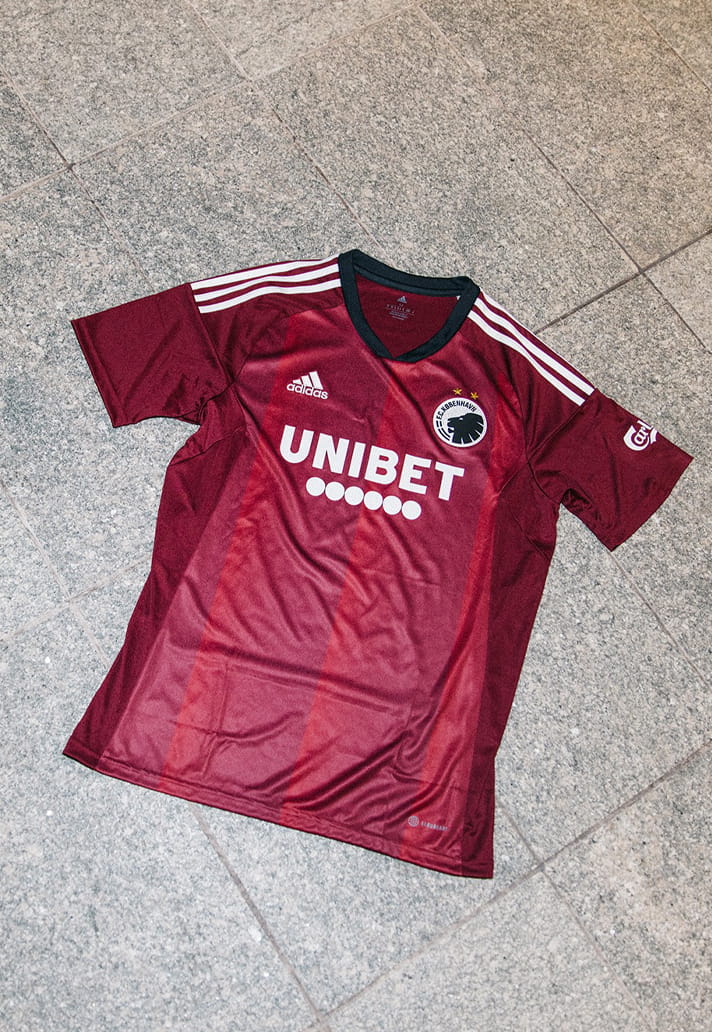
“The Away kit was inspired by Copenhagen’s energetic and diverse nightlife,” he continued. “It’s a stark contrast to the Home jersey which is traditional, simplistic, down to earth - it’s for the hardcore Copenhagen fans. Whereas we wanted to take the Away jersey into the night, telling the story of the people who make up the city’s vibrant nightlife.”
So, how does an idea like this come to life? The answer, adidas’ Football Club design team led by Senior Design Director Jürgen Rank.
Jürgen brings a warm sense of familiarity for every football fan. While they may not have had the pleasure of meeting the talented German designer, they may have elements of his handiwork hung proudly in their wardrobes.
A man who we’d define as a true football romantic is one of the masterminds behind some of adidas’ most beautiful collections. His latest work with FC Copenhagen truly encapsulates what it means to be a designer, taking inspiration straight from the surrounding community to transform fan experiences into stunning fashion staples.
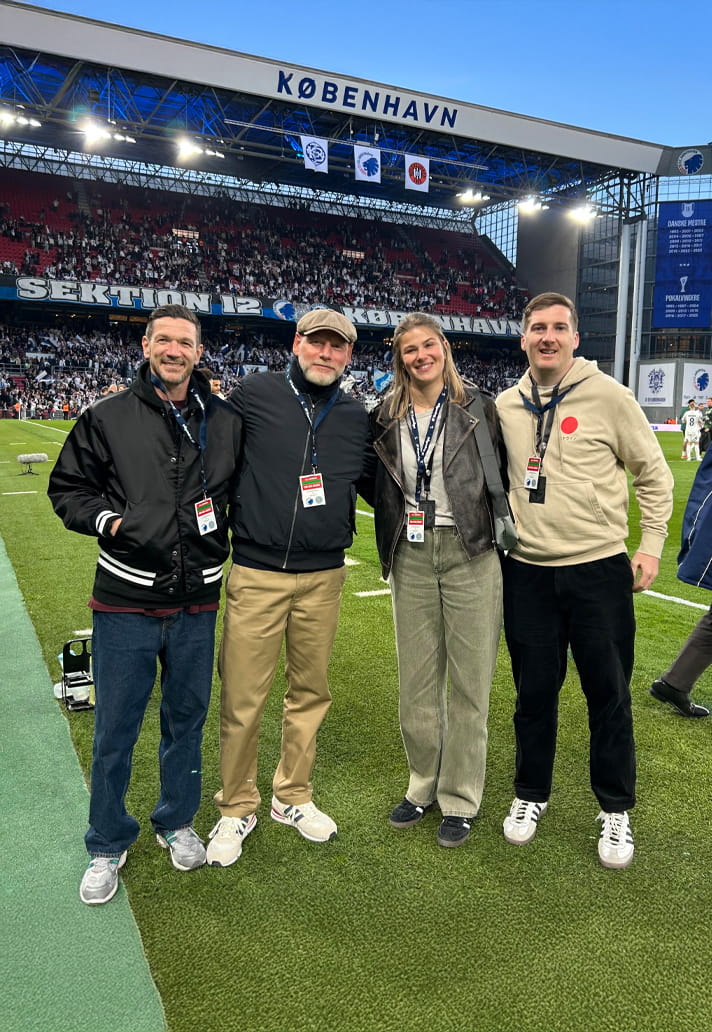
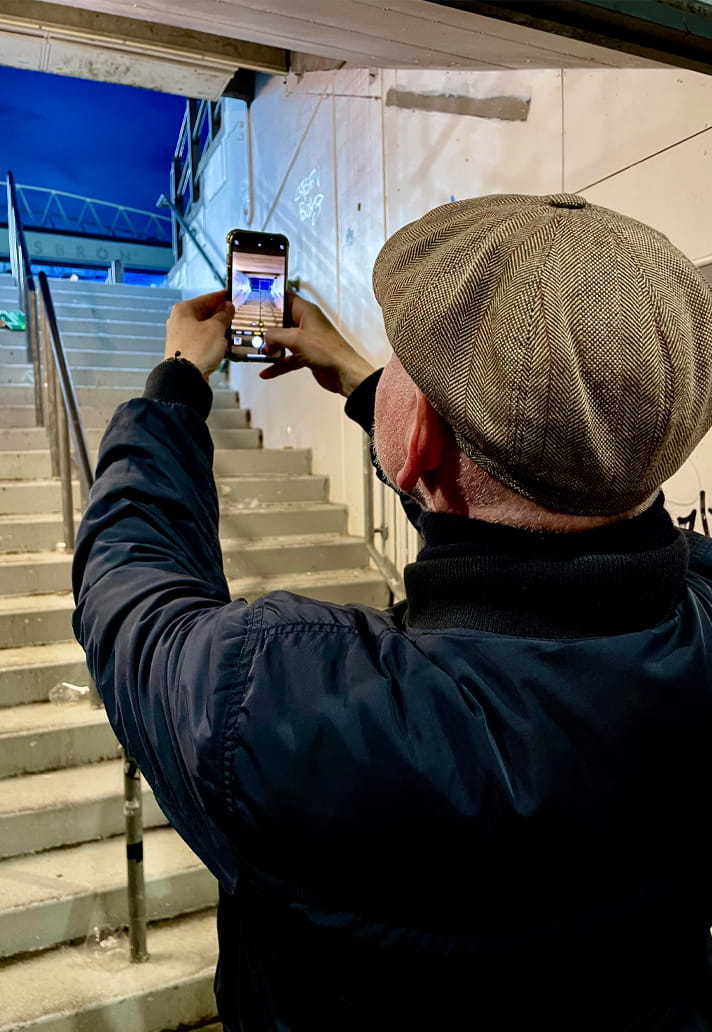
“The most important thing for us is to create fan relevant stories that resonate with supporters. FC Copenhagen had a story they wanted to tell, to extend the love for the club not just to football supporters but everyone in the city too.
“Stories need to be relevant and they need to be translated in a cool way. They wanted to tell Copenhagen’s nightlife story and feature the map of the city. Copenhagen is always moving forward, everything is always vibrant and in motion, we wanted to reflect that.
“When you foster that and when you bring this connection into the shirts, there’s something for people to remember and interpret in their own way. Football jerseys bring emotional connections for people, there’s no other apparel piece that causes so much discussion.
“It’s an iconic shirt. In 10 years time everyone will be saying ‘do you remember this shirt? It's a collectors piece. It's magical, it’s not just a product, it’s an emotional piece with a rich history. That’s a phenomenon that is very specific to football.”
After conducting copious amounts of research and taste testing every coffee in Denmark, the team set about crafting the electric jersey. Meanwhile, Mads and FC Copenhagen had another thing on their mind - the launch.
Imagine blood-pumping beats and neon lights cutting through underground haze. The club knew that to launch this shirt well, they had to do it with pure, unadulterated passion, Copenhagen style.
“We had so many ideas,” Mads explains, “But the guiding principle was to keep the launch at night. We hosted a pre-launch event during Copenhagen Fashion Week, binding the elements of design and our city together.
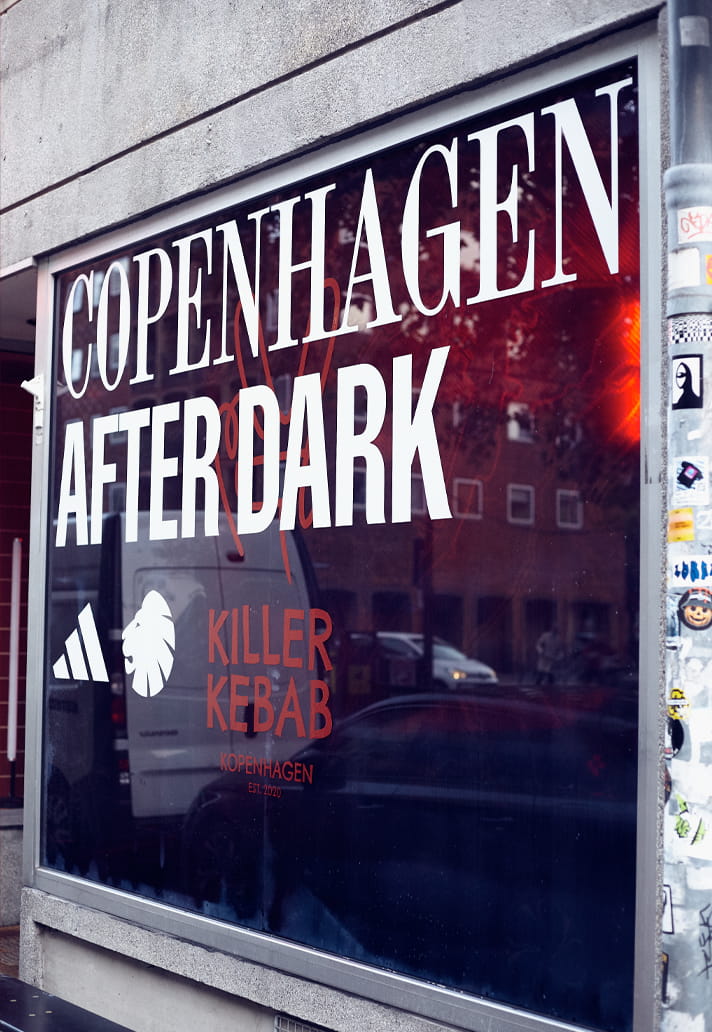
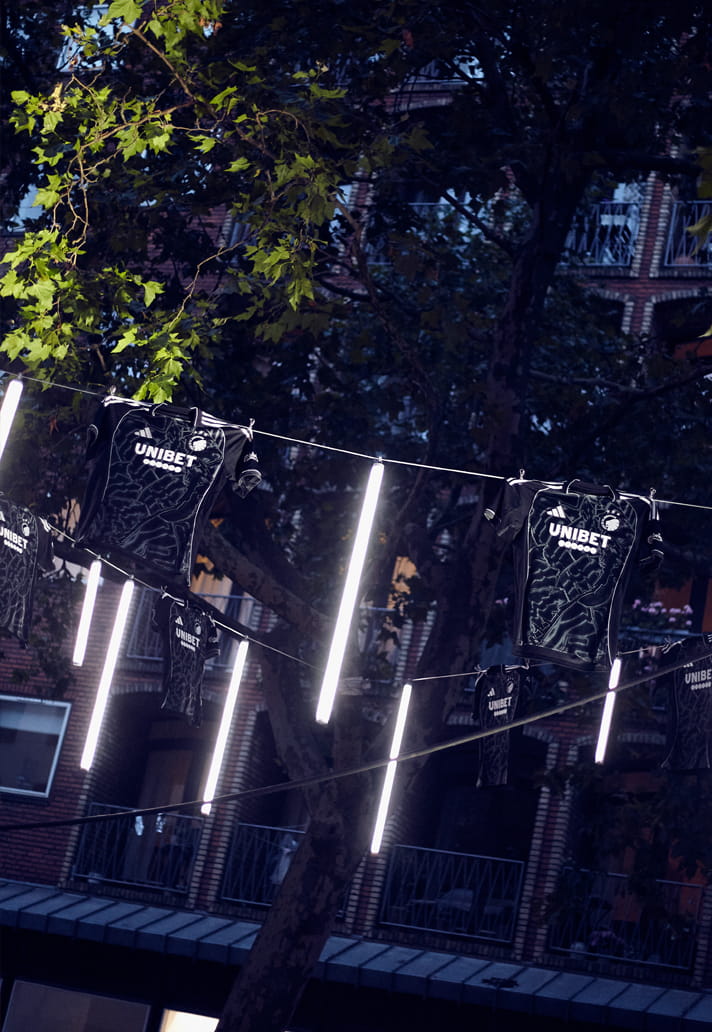
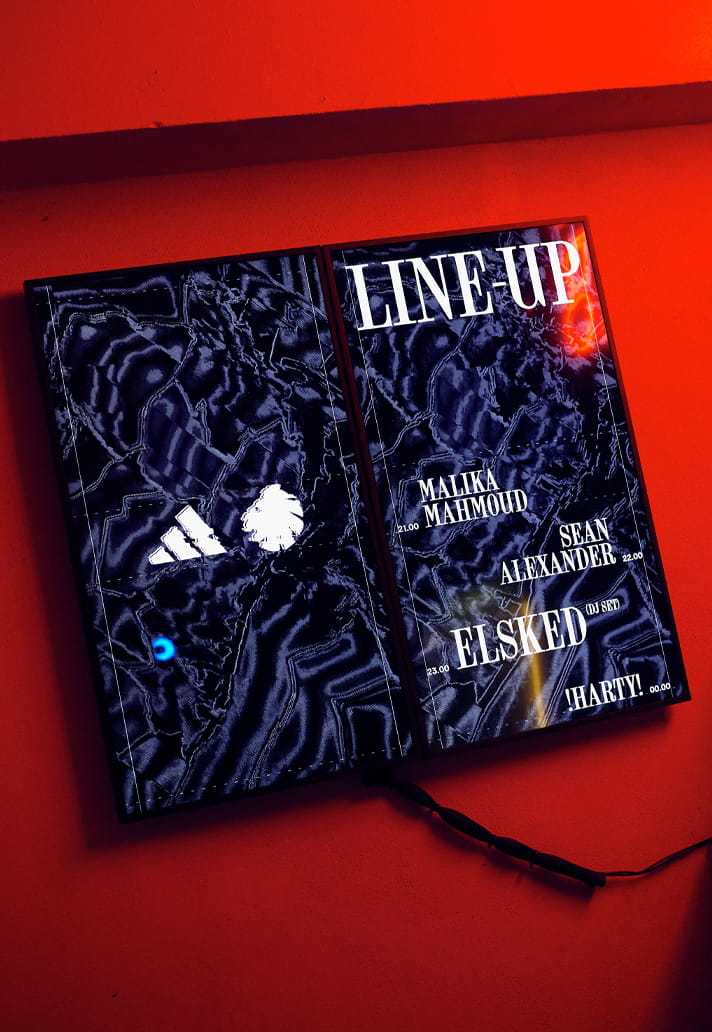
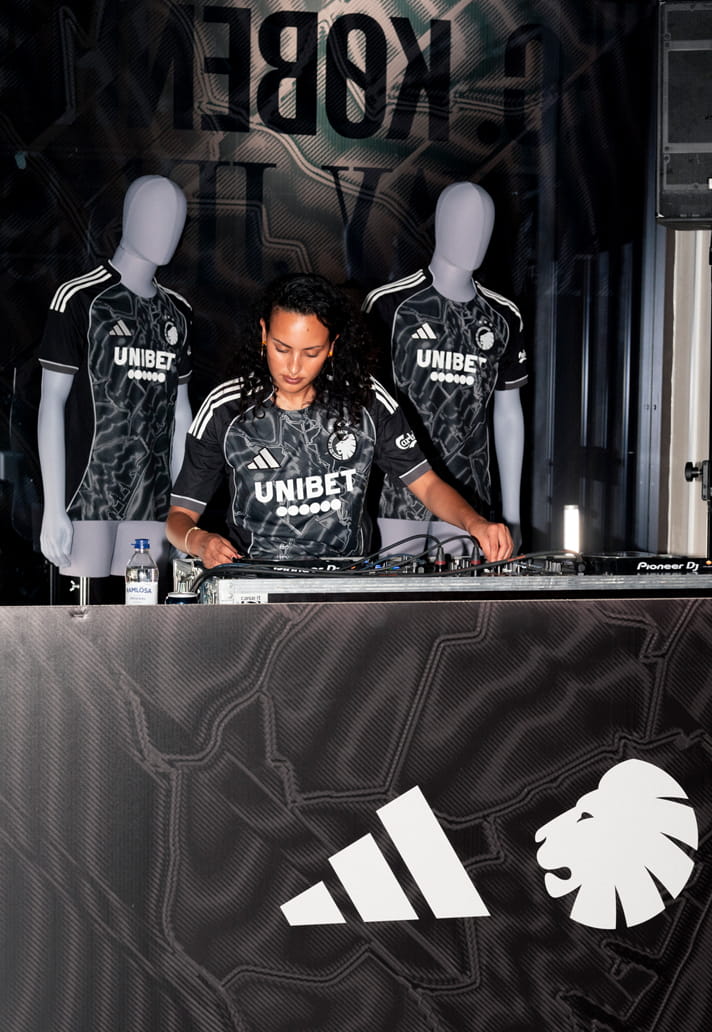
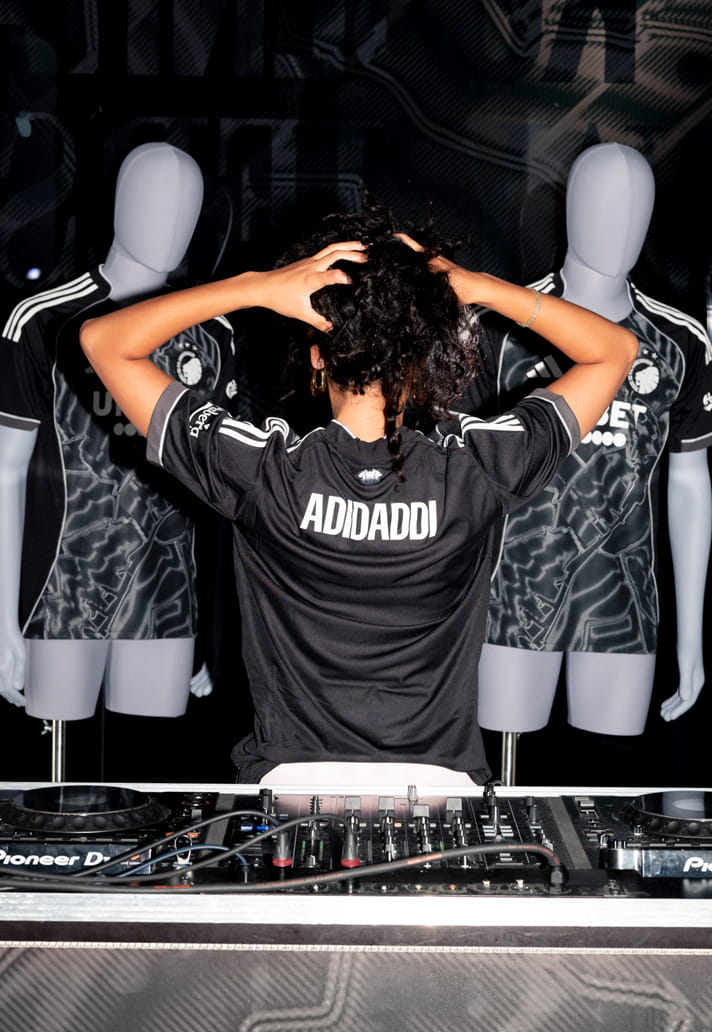
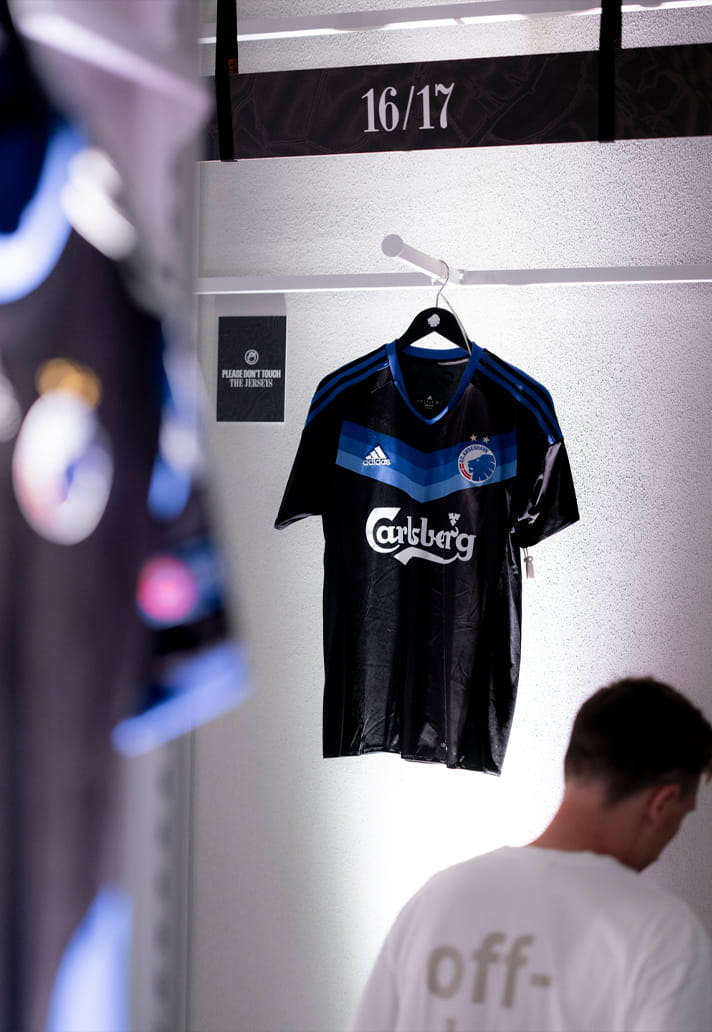
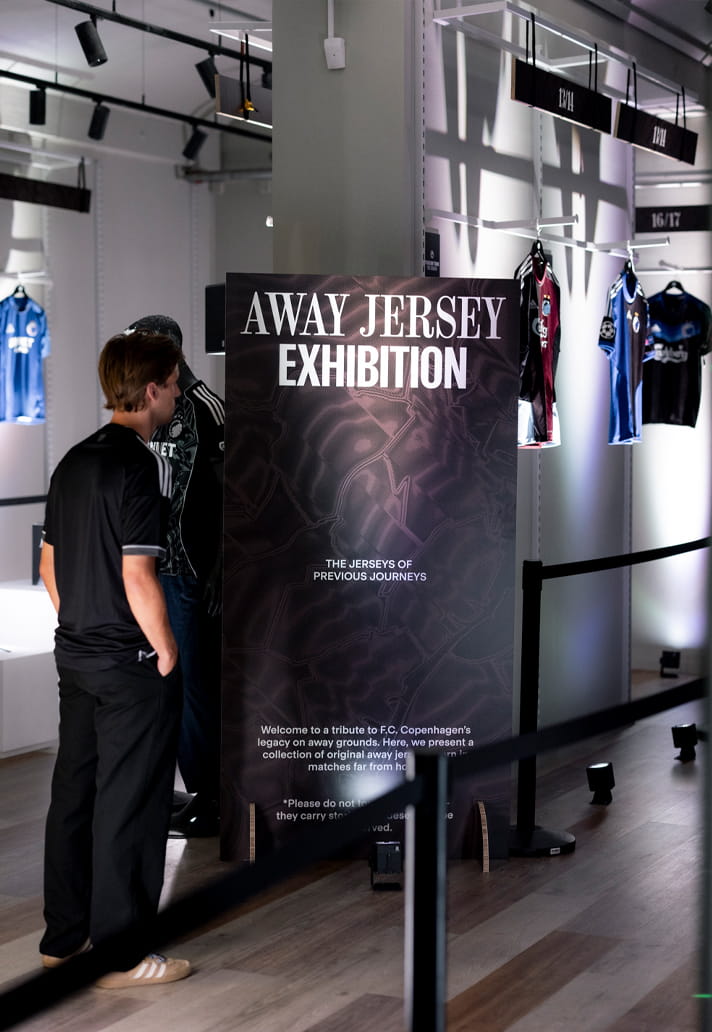
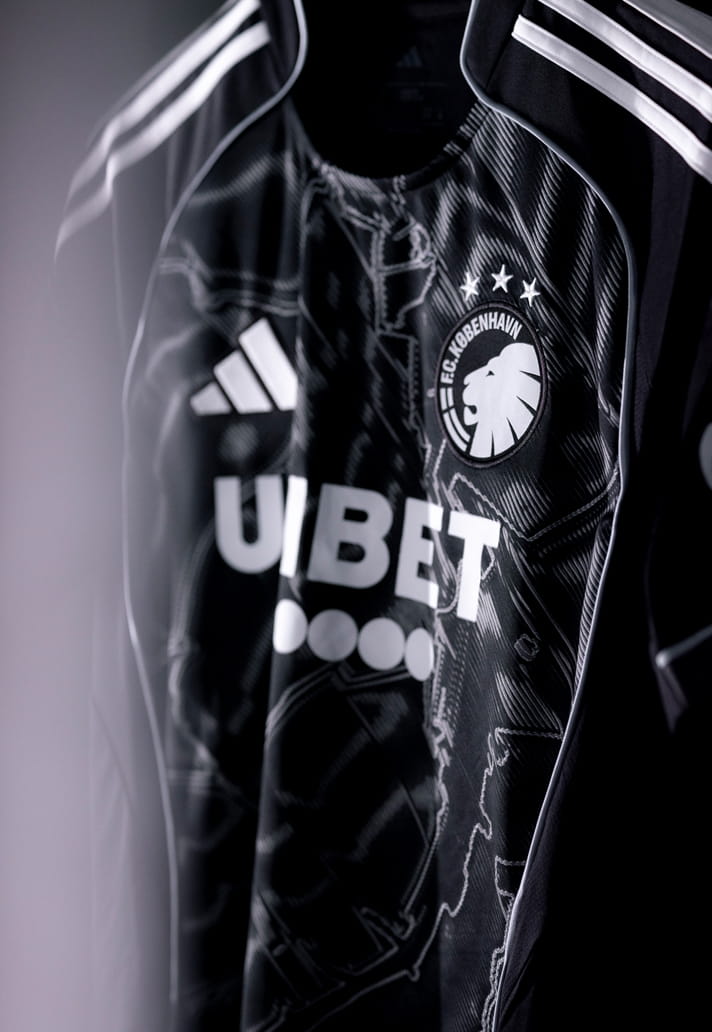
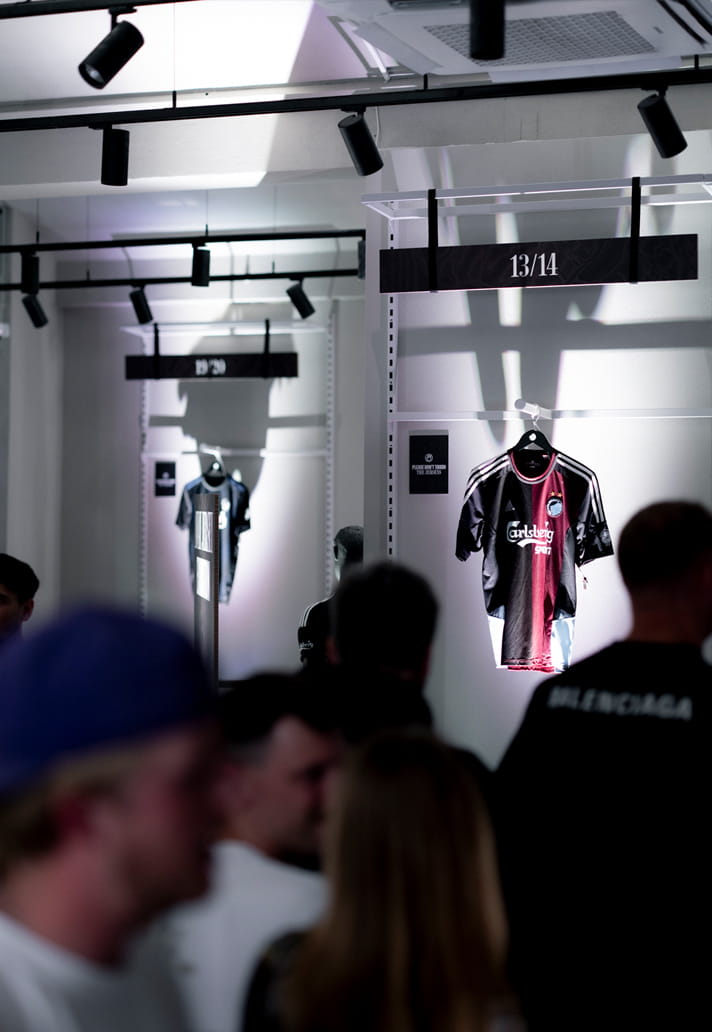
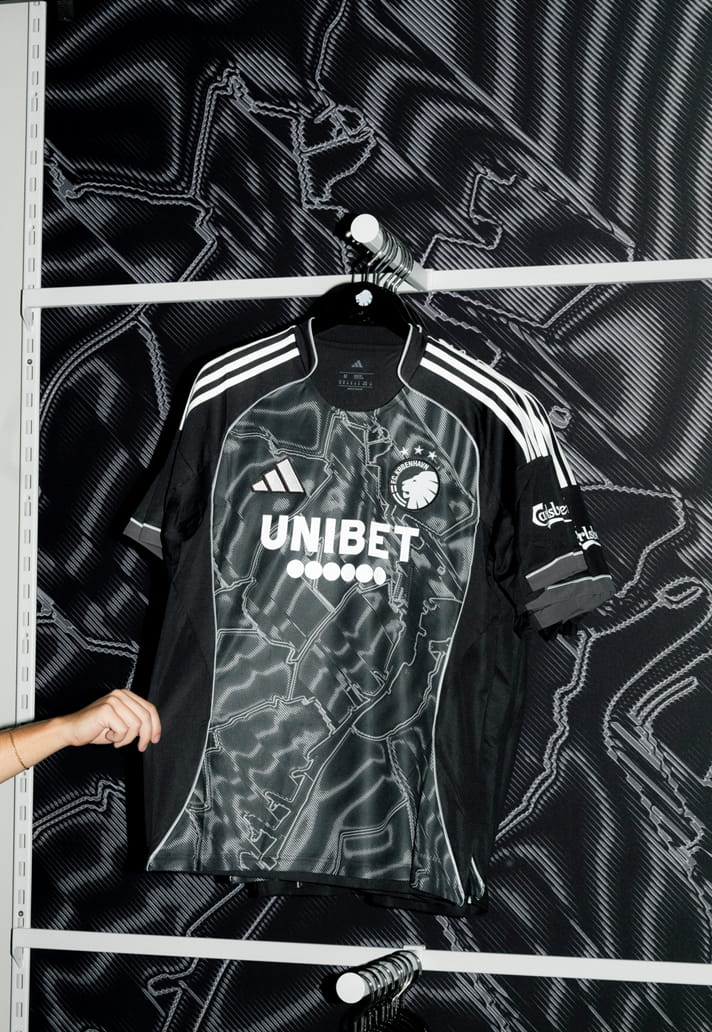
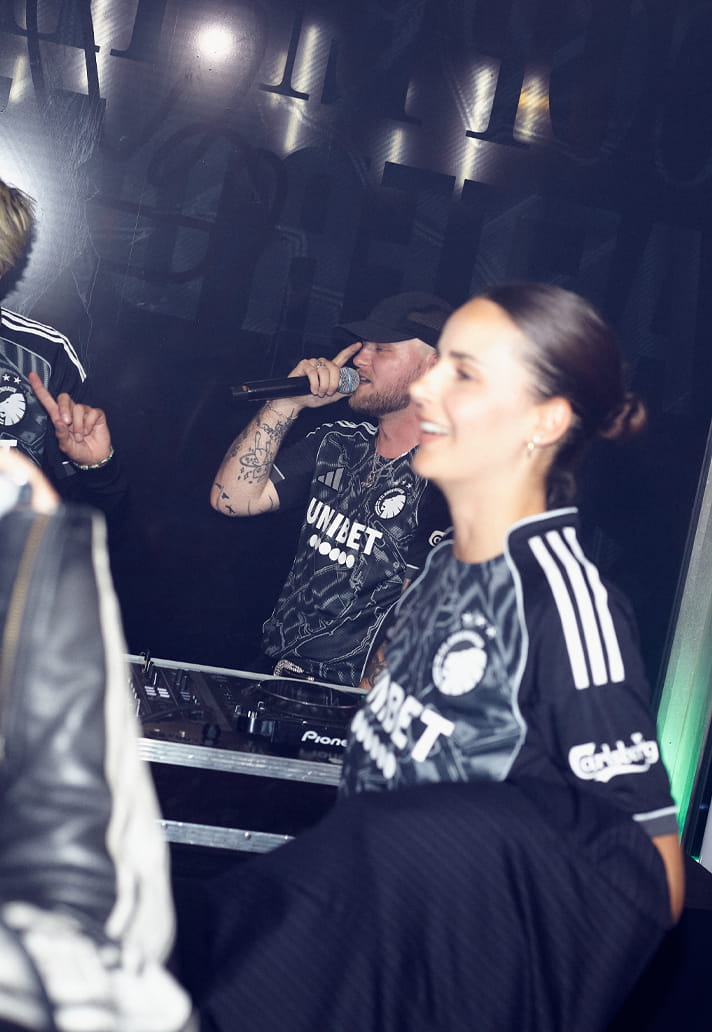

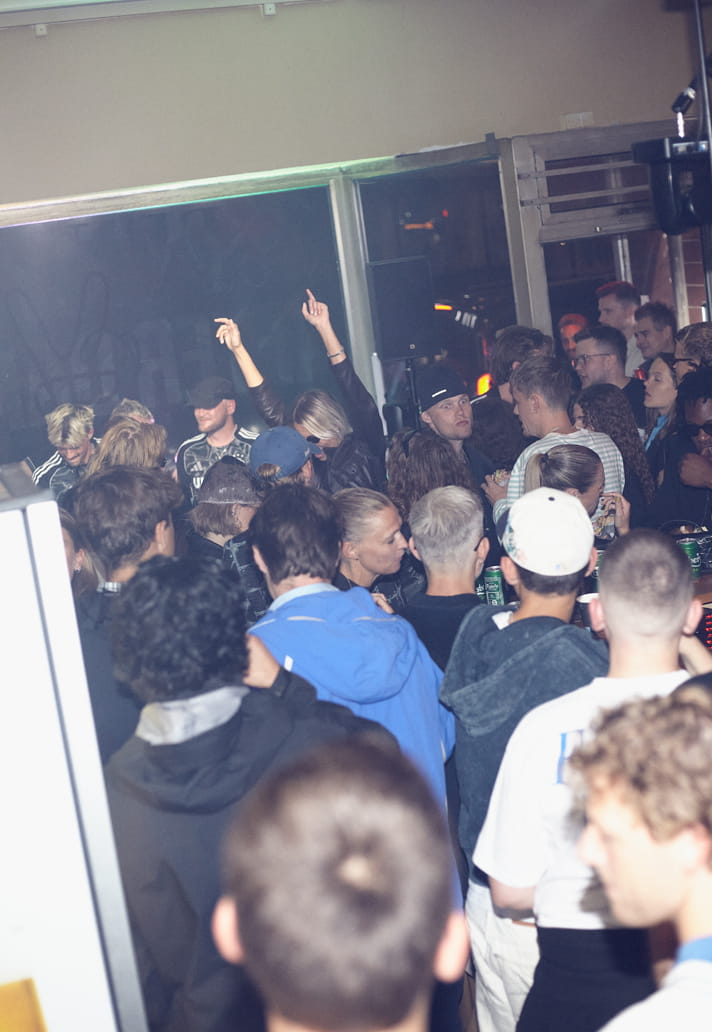
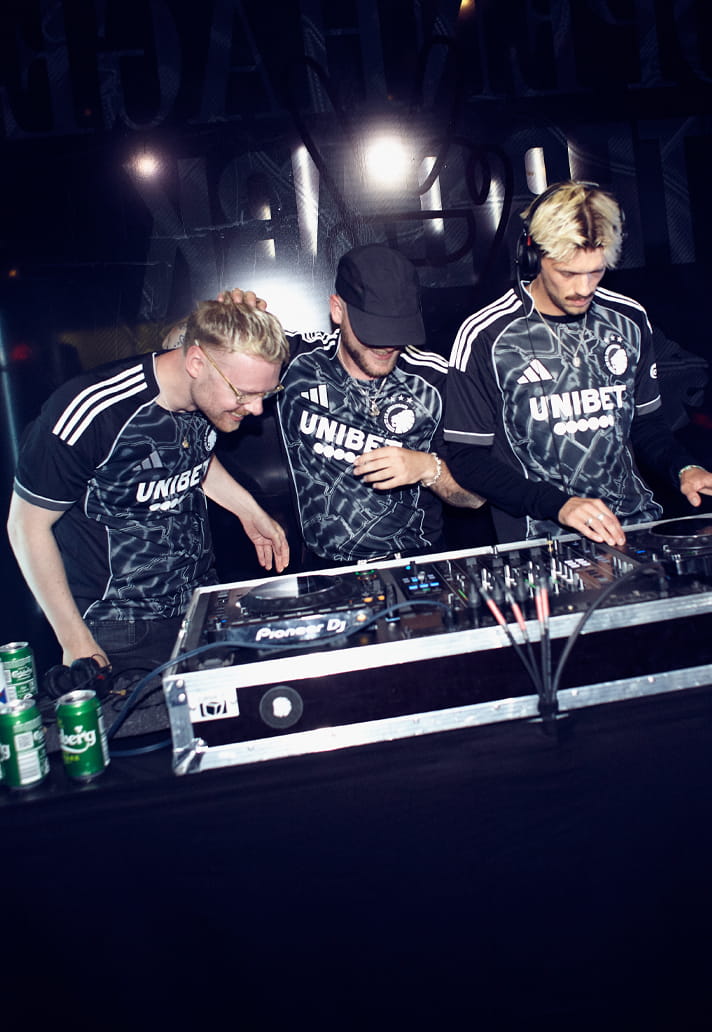
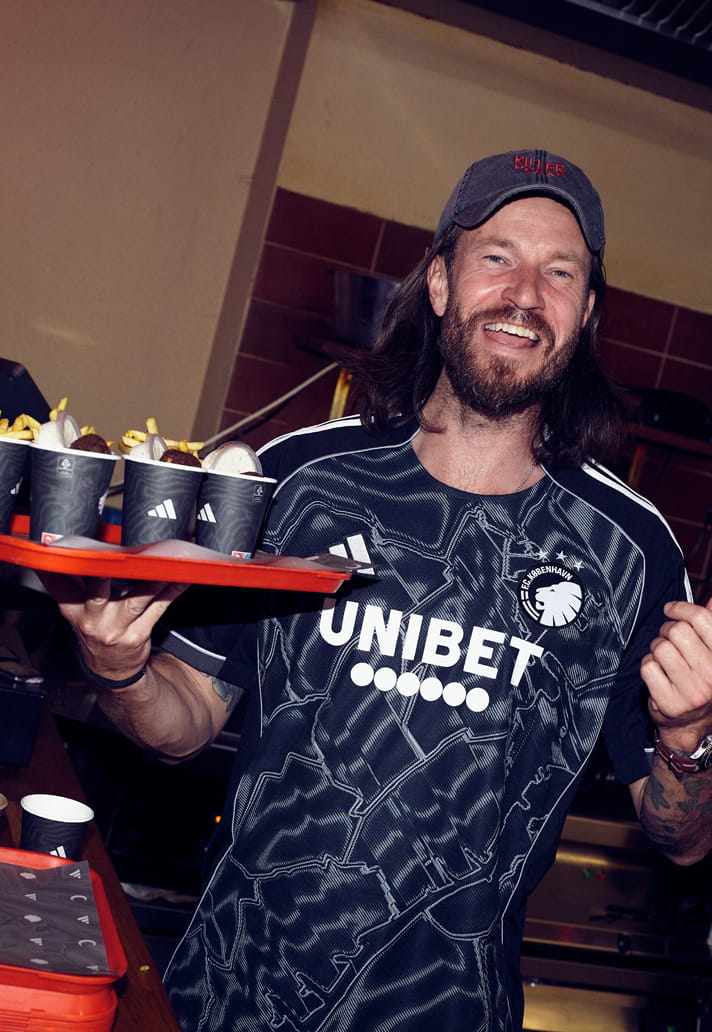
“We wanted to engage the people of Copenhagen and create a place that resembled the culture of the night. So, we had DJs take over our local Killer Kebab store, the ultimate place to go after a night out.”
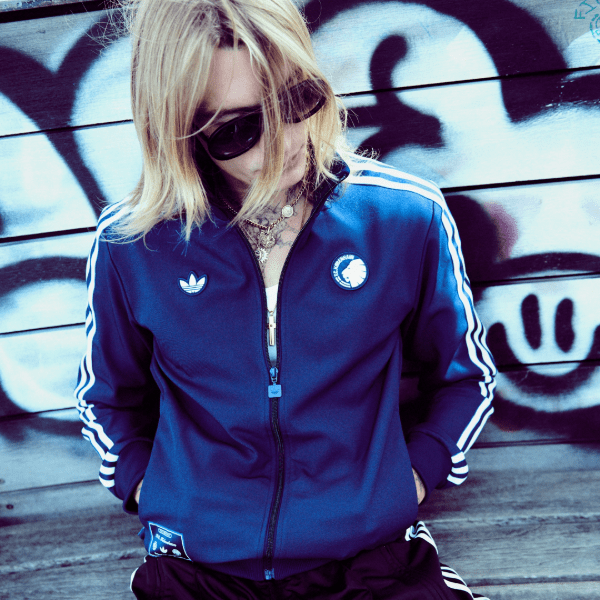
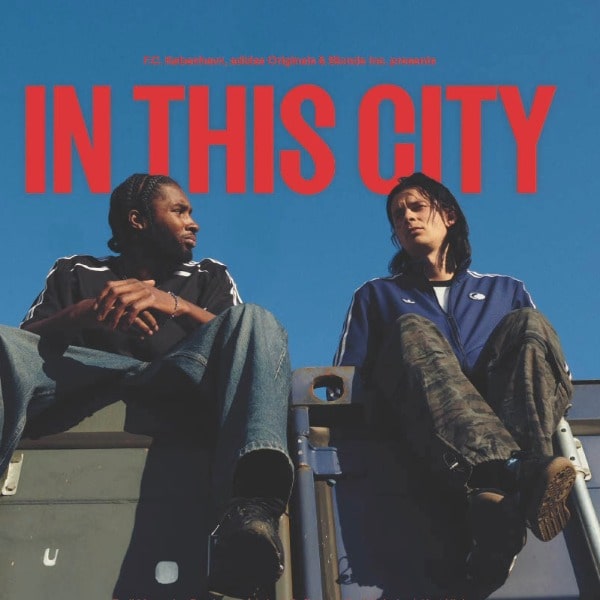
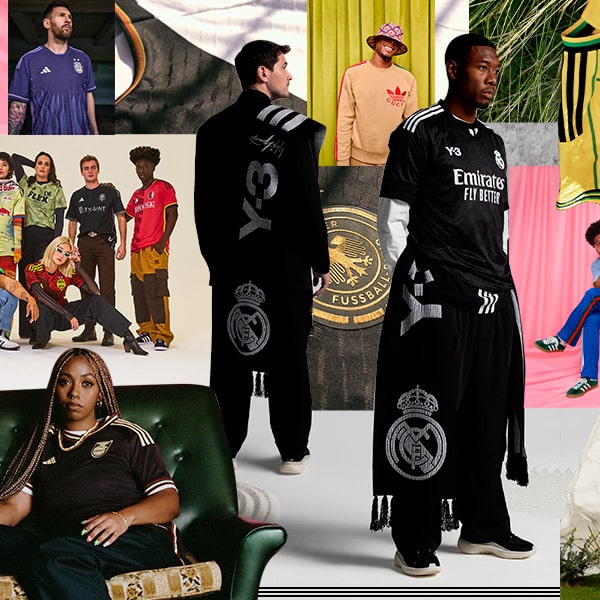
The success of FC Copenhagen’s Away kit brought on new possibilities for their collaboration with adidas and before long the club were announcing their adidas Originals collection, reserved for only the most fashion-forward clubs.
It’s a collection that Mads admits is every club’s dream, and he’s undeniably correct. While football jerseys have transcended sports apparel and every Hollywood star now owns a Jude Bellingham or a Kylian Mbappe shirt, lifestyle collections offer a new opportunity for clubs to weave their culture into the fashion landscape.
For Jürgen and the adidas design team, the Originals collection offered a blank canvas for self-expression and endless possibilities. While crafting football kits come with some boundaries, the reigns are released with lifestyle pieces.
It’s no surprise that a brand born from Adi Dasslers’ immense passion for sportswear and design still creates magnificent products such as FC Copenhagen’s latest lines 76 years after adidas was founded.
In fact, the learnings of Dassler remain much a part of adidas’ ethos today.
“He would go into the dressing rooms after a match and grab the boots of the players to see how they could be improved,” Jürgen explained.
“That is how this all started, very close to the athletes and they are always in the focus. This is the same today, players need to feel as comfortable as possible and perform as best as they can in the kits.
“Players like to look good and they like cool things. But we always look for their feedback to make sure they are at the forefront of our minds.”
Their devotion to athletes and commitment to design has seen adidas stay ahead of the trends for some time. Whether it be the resurgence of Liverpool’s adidas collaboration this season, the wide selection of Euro 2024 shirts that flew out of shops last summer or iconic, classic shirts that fans still fight to get ahold of, it seems adidas are always at the forefront of fashion conversations.
When we asked Jürgen how the brand is able to stay on top like this, he admitted that the job of an adidas designer is simply never done.
“I can say with a lot of pride that currently we are ahead of everyone. That means everything is working out and it goes towards how we see football and how we would like to see football resonating with the fans.
“But, if we are number one, how do we stay there? We have to be very critical. We don’t look at competition, we constantly look at ourselves to see what we could do better and what we may have missed.
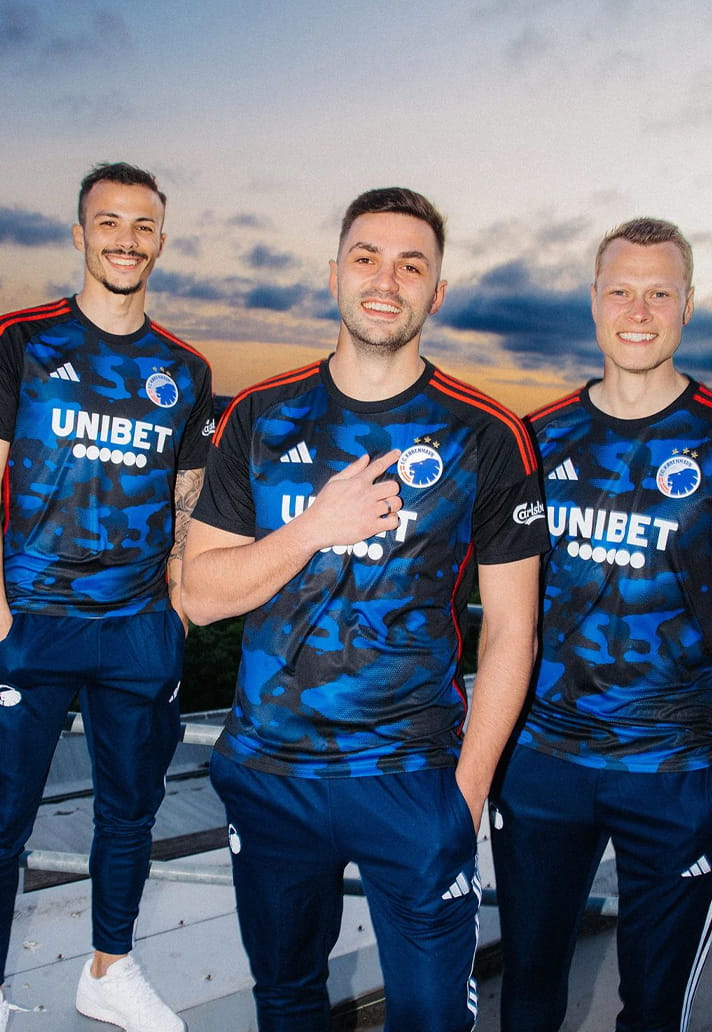
For FC Copenhagen, the chance to work with adidas to strengthen their brand positioning has been immensely successful. They’re a club with lofty ambitions, making them a perfect partner for a sportswear brand who believe that impossible is nothing.
“Playing in the Champions League means there’s a lot more attention around the club,” Mads admits. “That, of course, brings an opportunity for us to tell our story and detail who we are, what we stand for. Hopefully over time we can create an even bigger interest in our club and the city of Copenhagen.
“We want to be great ambassadors of the city, the Champions League campaign is the perfect opportunity for us to fulfil that. We want to play with the best, bring the city together and inspire Copenhagen. We belong to this city.”
In Scandinavia, fashion and football have always shared the same foundations - identity, ambition, and belief. FC Copenhagen aren’t chasing trends. They’re simply showing the world what Nordic clubs have known all along.