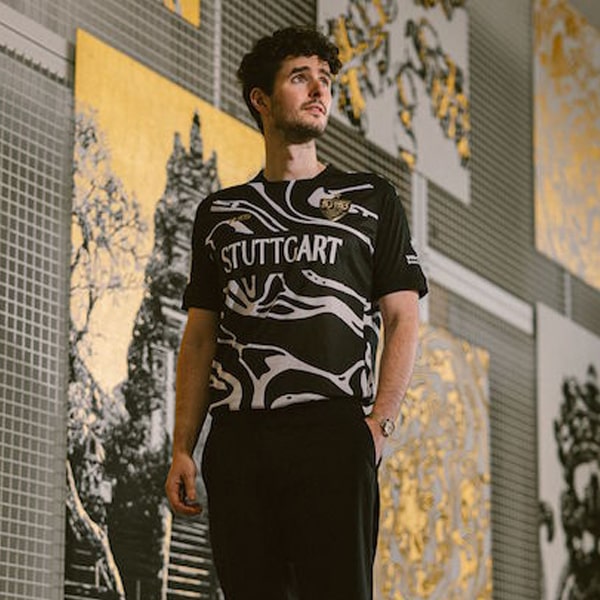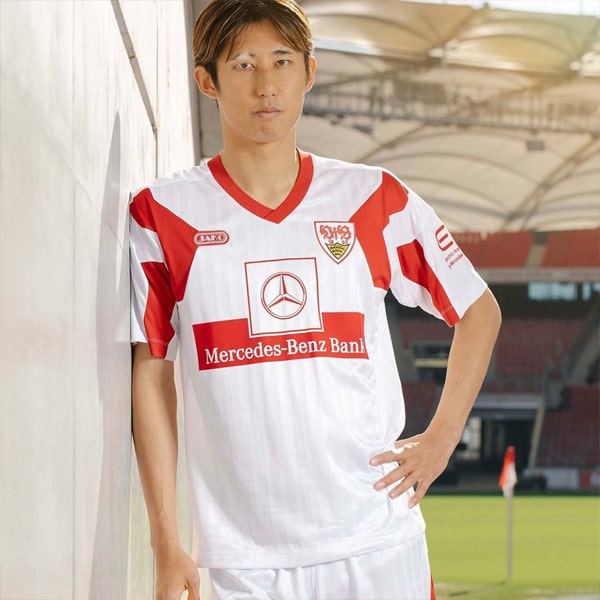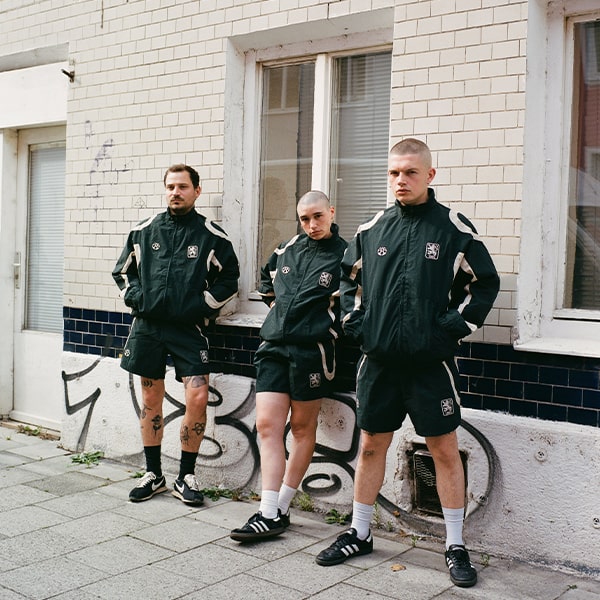
In a game that never stands still, VfB Stuttgart is embracing its roots to shape the future. Partnering with Munich-based design studio Societas, the club has unveiled a bold new brand identity — not as a break from the past, but as a continuation of a story that began in 1893.
To be clear from the outset here, the VfB Stuttgart rebrand is evolution, not revolution. A rebrand rooted in movement, in meaning, and in the unmistakable rhythm of the city it calls home. At the heart of this transformation is the very idea that gave the club its name: Verein für Bewegungsspiele — the Association for Movement Games. It’s more than a name. It’s a philosophy. And now, it’s a visual language.
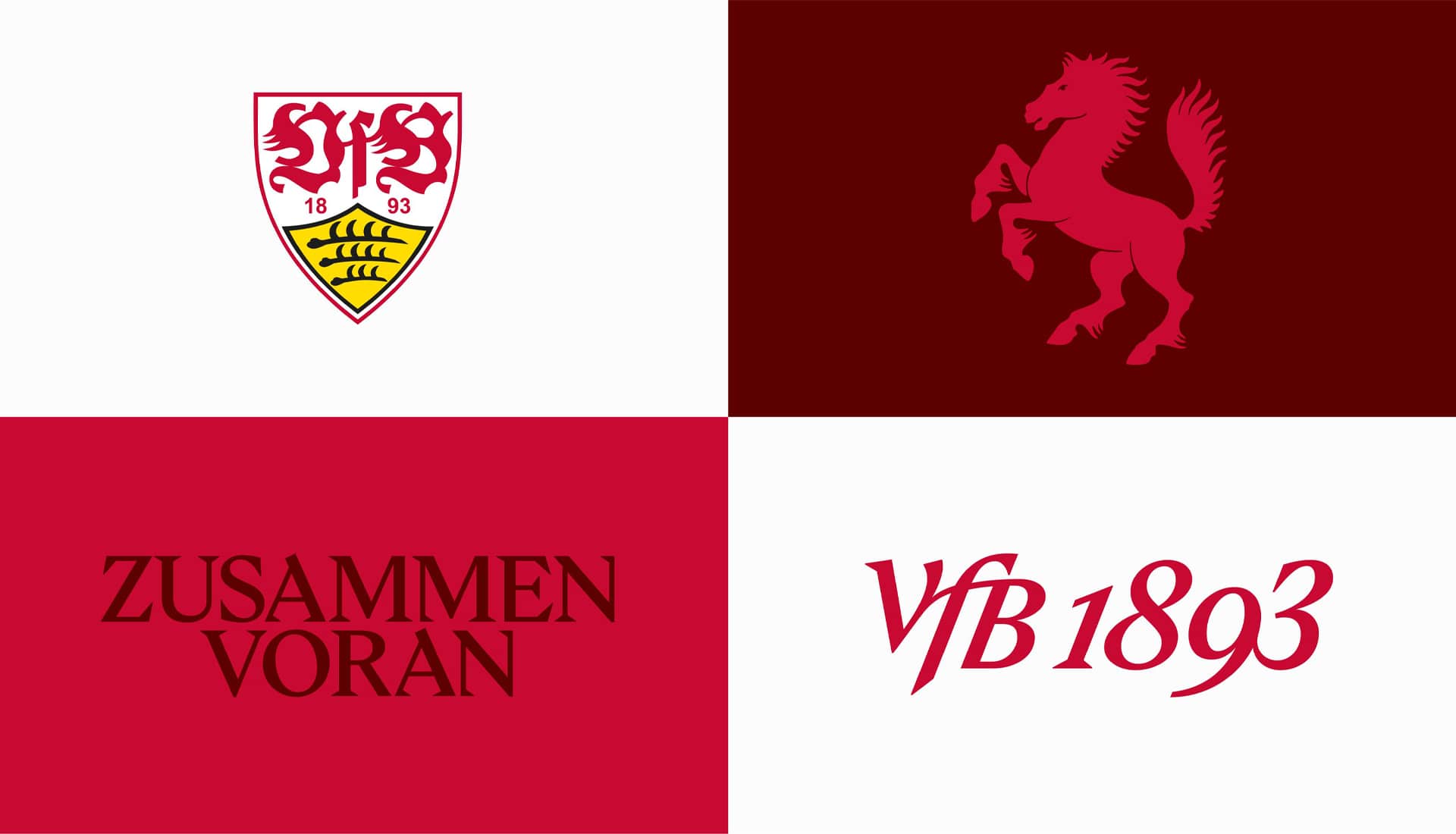
The rebrand doesn’t rewrite history — it reframes it. The iconic crest, the red-and-white colours, and the beloved chest ring remain untouched. These are sacred. But around them, a new system has emerged. One that speaks to Stuttgart’s ambition on the pitch and its cultural relevance off it.
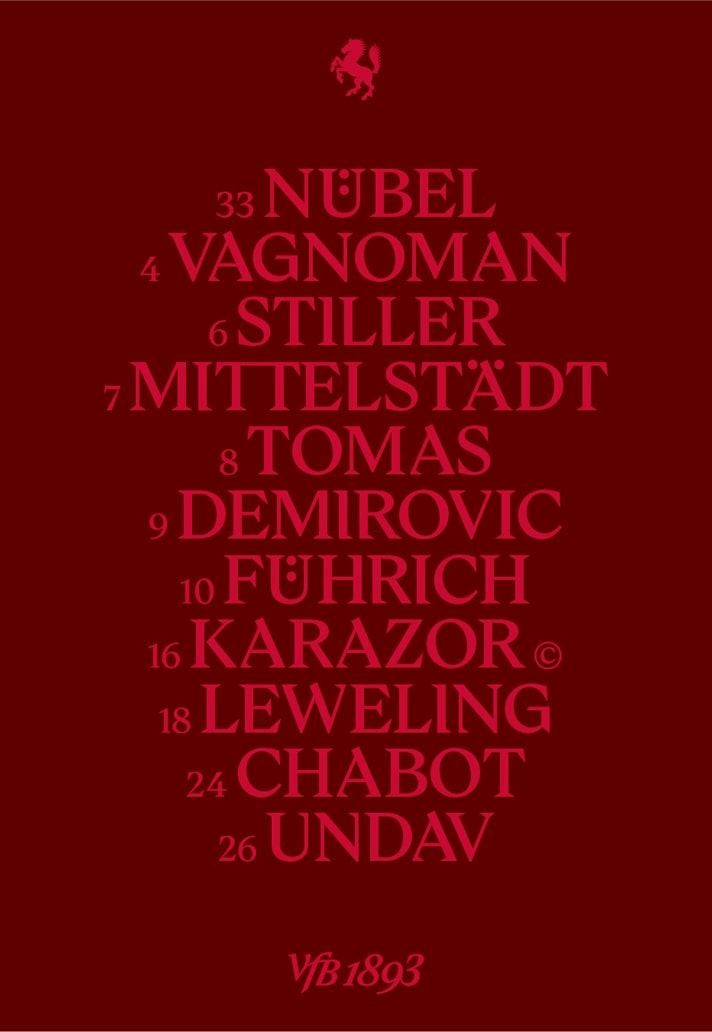
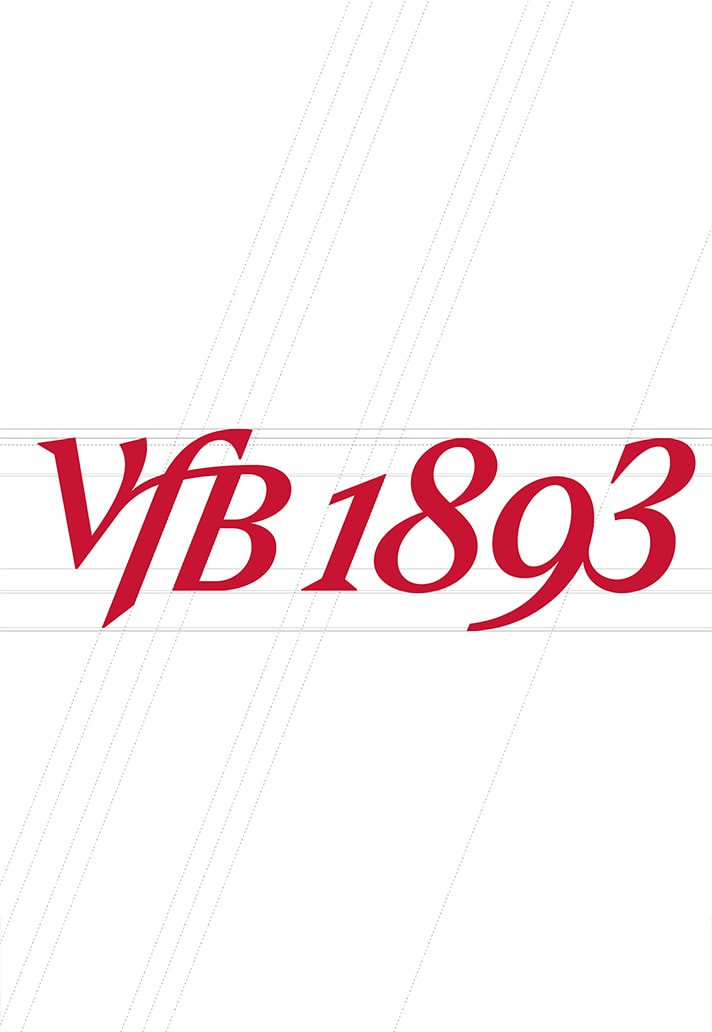
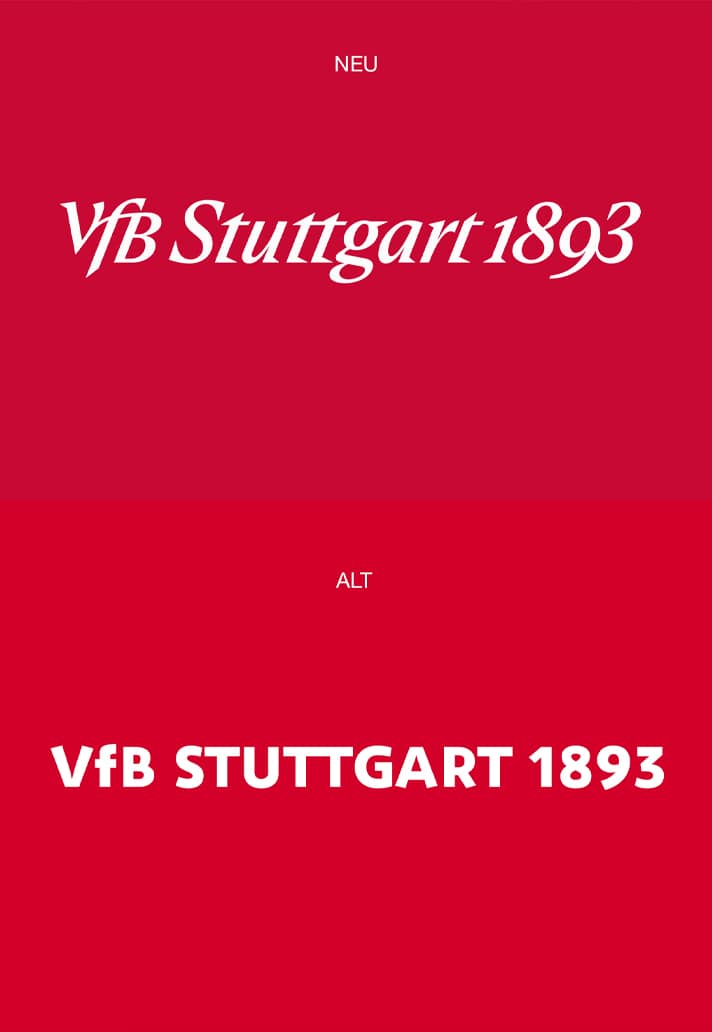
A new wordmark — VfB 1893 — leads the charge, flanked by a custom-designed typeface named Concordia. Inspired by an enamel sign from the club’s founding location in Bad Cannstatt, Concordia is a typographic time machine — a nod to the past, retooled for the now.
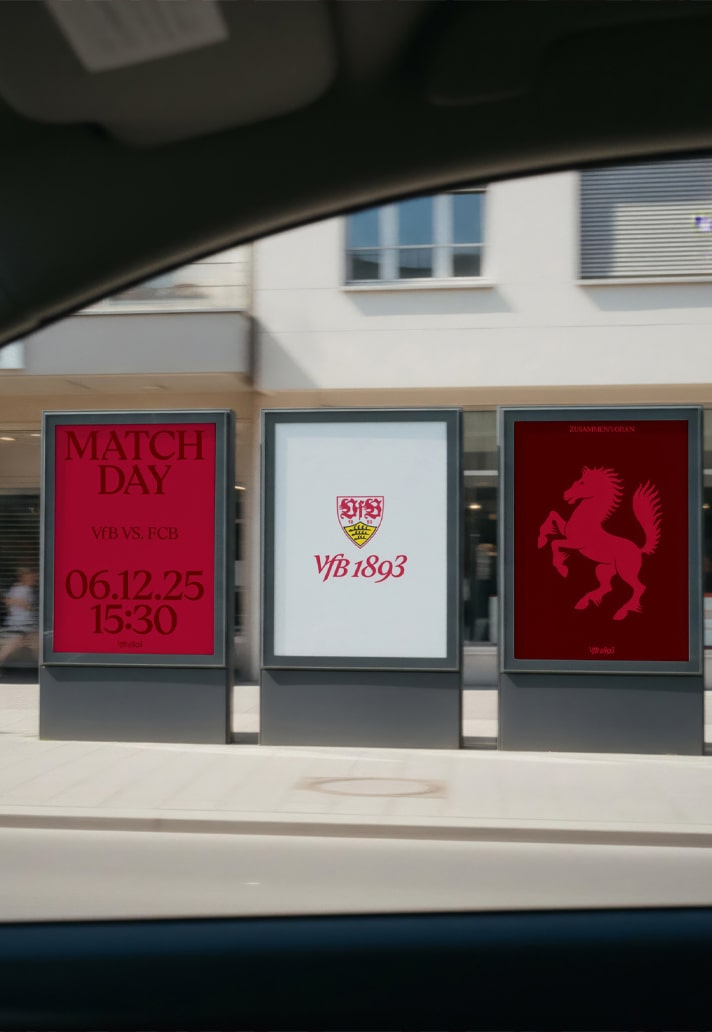
And then there’s the Rössle — Stuttgart’s heraldic horse — reimagined as a symbol of dynamism and identity. First documented in the 14th century, the horse has long galloped through the hearts of VfB fans. Now, it takes centre stage in a brand system built to move.

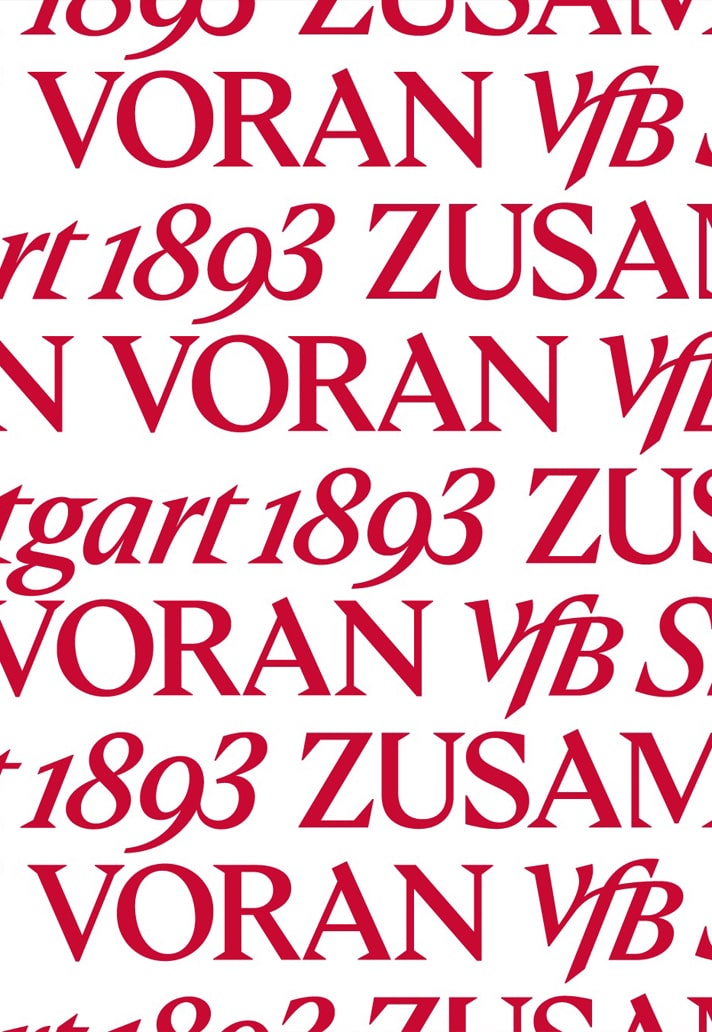
Societas, known for its work at the intersection of sport, culture, and design, didn’t just deliver a visual refresh. They helped VfB Stuttgart articulate a new brand strategy — one that balances sporting ambition, social responsibility, and sustainable growth. It’s all captured in the club’s new guiding principle: “Moving forward together.”
Gone is the old slogan, “Fearless and loyal.” In its place, a mantra that reflects the club’s role not just as a football institution, but as a cultural force in Baden-Württemberg and beyond.
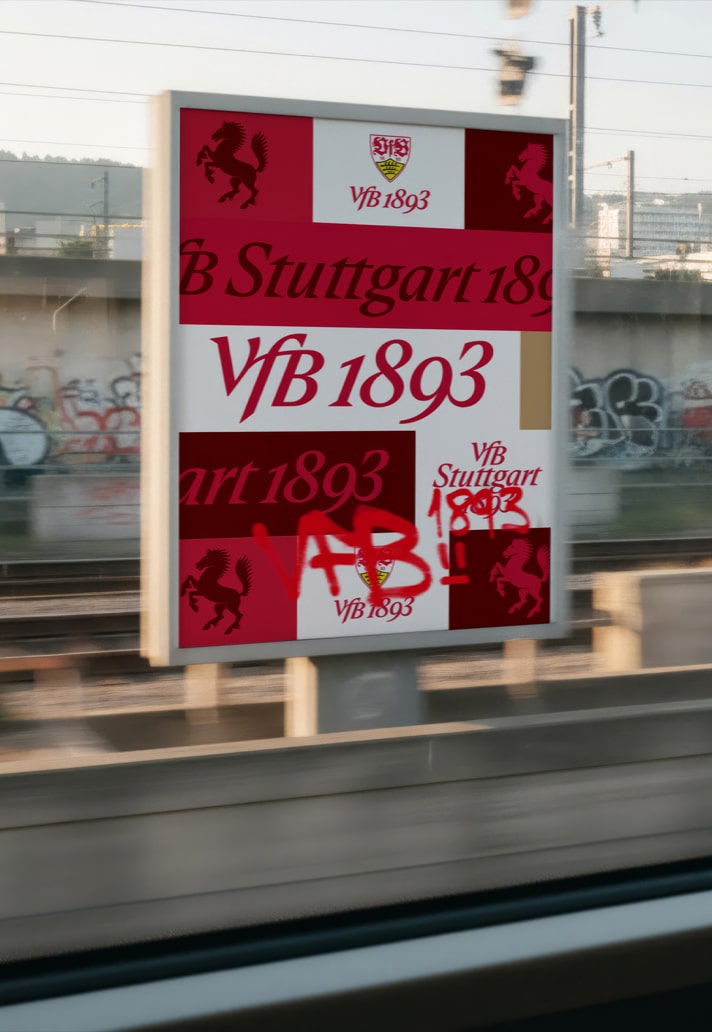
“VfB Stuttgart has been a driving force since 1893 — in sport, business, society and emotions,” said CEO Alexander Wehrle. And this rebrand makes that statement tangible. From the MHP Arena to digital platforms and cultural initiatives, the new identity will roll out in phases — each one reinforcing the club’s deep connection to its city, its fans, and its future.
As Rouven Kasper, Chief Marketing and Sales Officer, puts it: “Through this combination of tradition and future, a sports and cultural brand has been created for VfB which is both regionally and internationally pioneering and distinctive.”
This isn’t just a new look. It’s a new lens. One that sees VfB Stuttgart not just as a football club, but as a living, breathing movement — 132 years in the making, and still in motion.
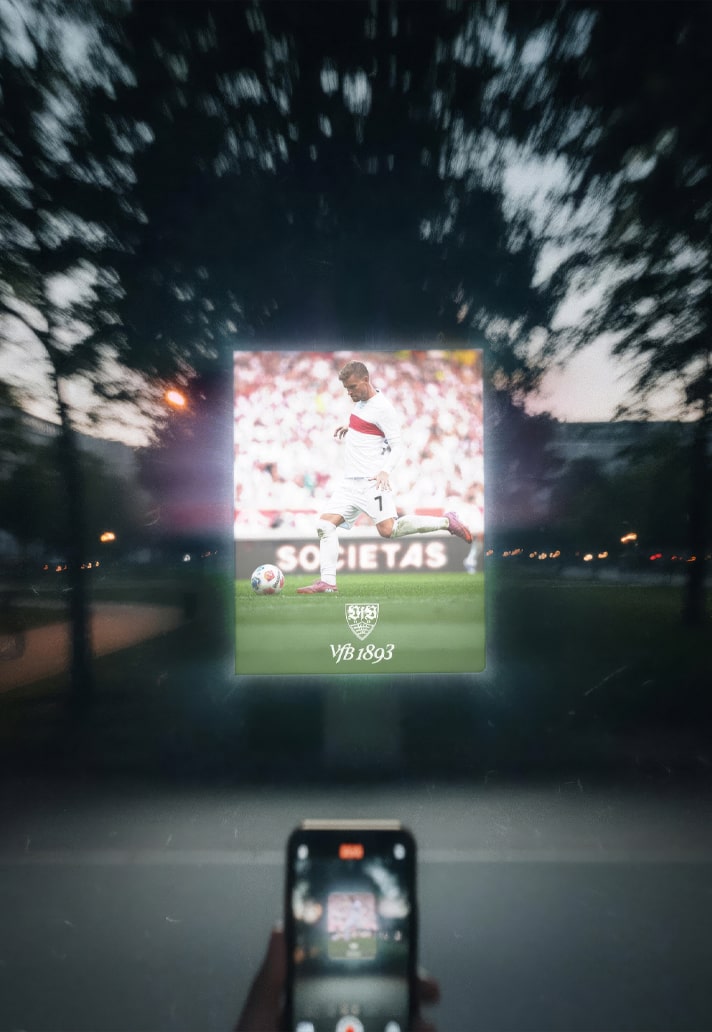
All imagery supplied by Societas.